


 Interviews
Dresden on the art of going forward and never arriving
As a duo built on friendship, Ivan Smagghe & Manfredas reflect on connection, unusual sets, plus share a list of Asian artists they admire
Although Ivan Smagghe and Manfredas had each played in Seoul before—at the late club Contra, Korea’s largest outdoor electronic music gathering The Air House, or HiTech Festival—the city had never seen them perform together as their DJ duo, Dresden.
Their long-awaited joint appearance took place on October 24 during Nyapi’s third-anniversary celebrations, a series divided into three nights of beautiful sonic chaos.
It opened on Friday with Japanese DJ Powder, continued on Saturday with the legendary duo Mascaras (Chida and 5ive), and, four weeks later, Dresden arrived at Nyapi to commemorate three years of the venue’s commitment to the underground.
That evening, with the lights dimmed across Nyapi’s main dancefloor, Dresden delivered an all-night-long set that, from beginning to end, showed Smagghe’s and Manfredas’ abilities to blend with one another, to read the crowd, and stay true to their own musical personalities. From the moment they began, it was clear this wasn’t an ordinary night. Music was elevated—and that is precisely what defines Dresden.
Holding a singular place in European underground electronic music, Dresden is the collaboration of two artists whose friendship, musical telepathy, and shared curiosity have kept them moving together for years.
Performing is their artistry; creating a space, a presence, and a shared journey that spectators come to praise.
Whether on stages in Vilnius, London, or across Asia, their sets unfold as living experiments, inspired by friends and artists like Marcel Dettmann, Jane Fitz, and countless DJs from Europe and beyond, while staying firmly rooted in their own perspective.
Over decades of radio, studio work, and live stages, they’ve developed a rare sense of musical intelligence, making every performance feel spontaneous yet at its core deeply intentional.
As they themselves put it, Dresden moves forward without ever arriving; a continuous exploration of sound, space, and connection, one set at a time, slowly becoming a touchstone of the dancefloor.
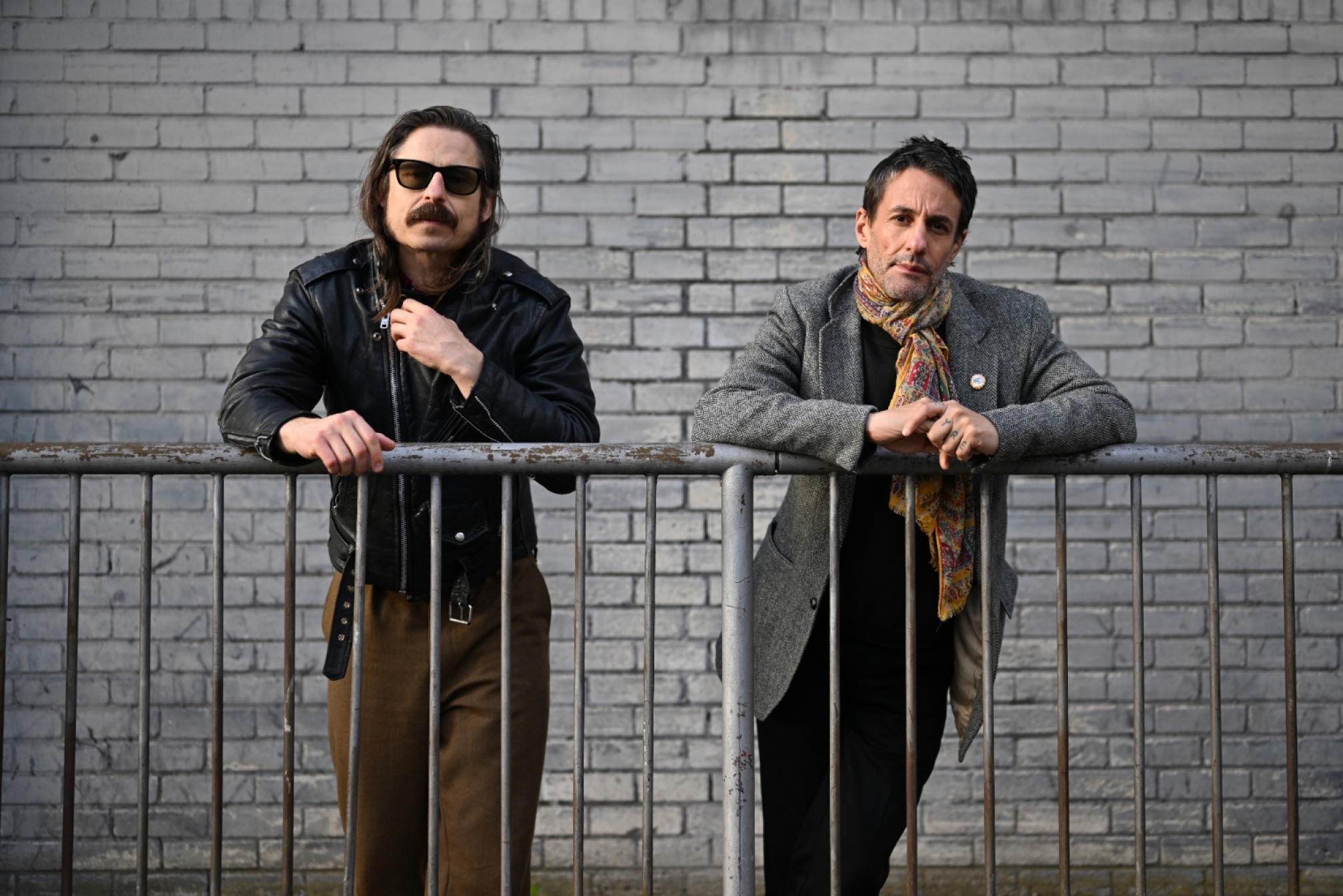
What keeps Ivan Smagghe and Manfredas together as Dresden?
Ivan Smagghe: Friendship, musical telepathy, food, and being agreeable on the long, exhausting road.
Manfredas: Going forward, never arriving.
On another note, how do you both stay true to yourselves when performing as Dresden?
Ivan Smagghe: In a way, Dresden is not about ourselves, it’s about Dresden. It’s like a third person in our musical life. When you play with someone, you need to let go of your ego. Try it, it may work.
Manfredas: I’d also rather think of it as a space, an inward experience, and not us. There seems to be a lot of people at the moment who come to our nights and are not necessarily aware of what we did before. I never forget where I am coming from, but the more present, the more real.
Which musician, DJ, or scene is currently inspiring your sets and why?
Ivan Smagghe: A good example is Ricardo Villalobos’ hyper-divisive set at Houghton. It was kind of inspiring in a bizarre way. I have a lot of respect for what Marcel Dettmann is doing right now, then there is our close family: Roman Flügel and Enrica Falqui are always great.
Manfredas: Loads of DJs from Japan and Kyiv, my studio partners Trippsy and Marijus Aleksa; Ivan every time we play; Jane Fitz, whom I’ve met and heard finally for the first time just recently; Vinyl Palace in London on a good day, and many great record shops. Also Circus Operandi—local cats whose studio skills are on the rise.
As a duo, does playing in Asia change the way you build a set compared to Europe? Are there certain dynamics in Asian dancefloors or crowds that you’ve picked up on?
Ivan Smagghe: Not really, or at least I never thought of it in terms of “continents”. That would be so weird. We react on the night to the crowd.
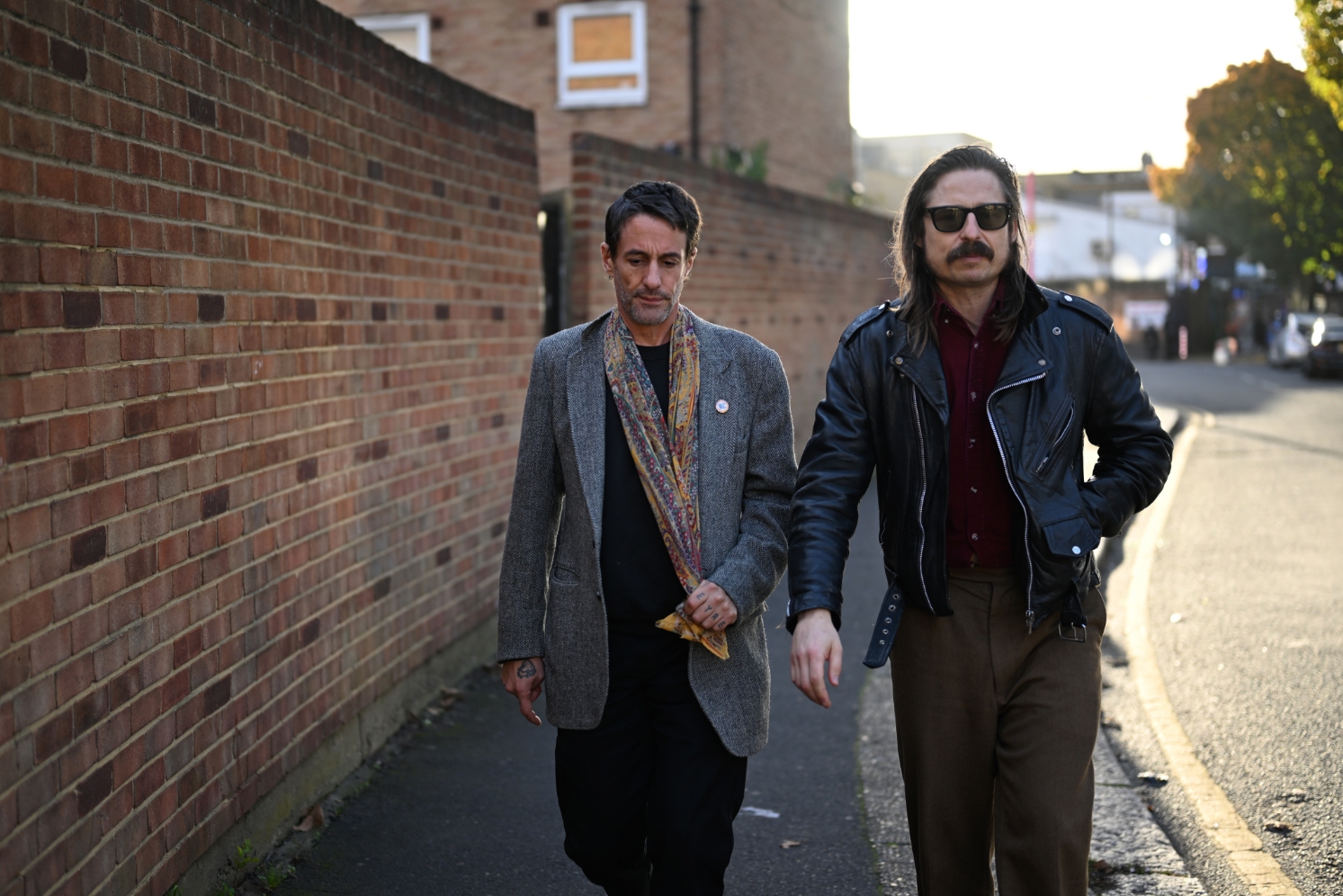
Tell us about a time or place where you felt you got the best crowd reception.
Ivan Smagghe: Vilnius and London are obvious answers. Love International has also become a home away from home.
Manfredas: Earthling at Houghton 2024 was good. In Asia, I feel our set at Quarry at Wonderfruit three or four years ago has opened a lot of doors. Something clicked there, even though, due to some technical faults, it was not so easy to pull that one. Or maybe that’s why it stood out?
In a past interview, you mentioned what you think is the best club in Europe. If you had to choose, what would be the best club in Asia for you—and what makes it stand out?
Ivan Smagghe: That's a hard call and I feel I haven’t fully explored it yet. There are still places I heard about and have not visited. Personal links are tight with Nyapi or WOMB, but I am not calling the top three yet.
Manfredas: I love playing at Klymax in Bali, but it’s still on Dresden’s bucket list. Dekadenz parties in Jakarta are close to our hearts always.
Asia is producing more and more globally recognised DJs and producers. Have you discovered any artists from the region that stand out?
Ivan Smagghe: Sunju Hargun is one of our favourite DJs although is not emerging anymore. Yu Su is a close friend too. It’s very nice to see DJs from non-European scenes travelling to us (and not the other way round).
Manfredas: List is too big not to forget someone. Atsushi and Nao from the Rural crew; not only for what they play, but what they do with their incredible festival. Kugel, Shhhhh, Akiram En, Powder & 5ive, Courtney Bailey, Jonathan Kusuma, OCCA, Chida, Yamarchy, ffan, Gero & Dita, Toner, Kabuto, DJ Healthy, Yazi, Igaxx, Kaito, Hue Ray, Innerworld, Zequenx. Some cats from this list made me listen to DJs again, which I do very rarely outside clubs and festivals. Hearing Phew play live this year was very moving. Collaborating with cellist Yuiki Nakagawa was a standout personal experience.
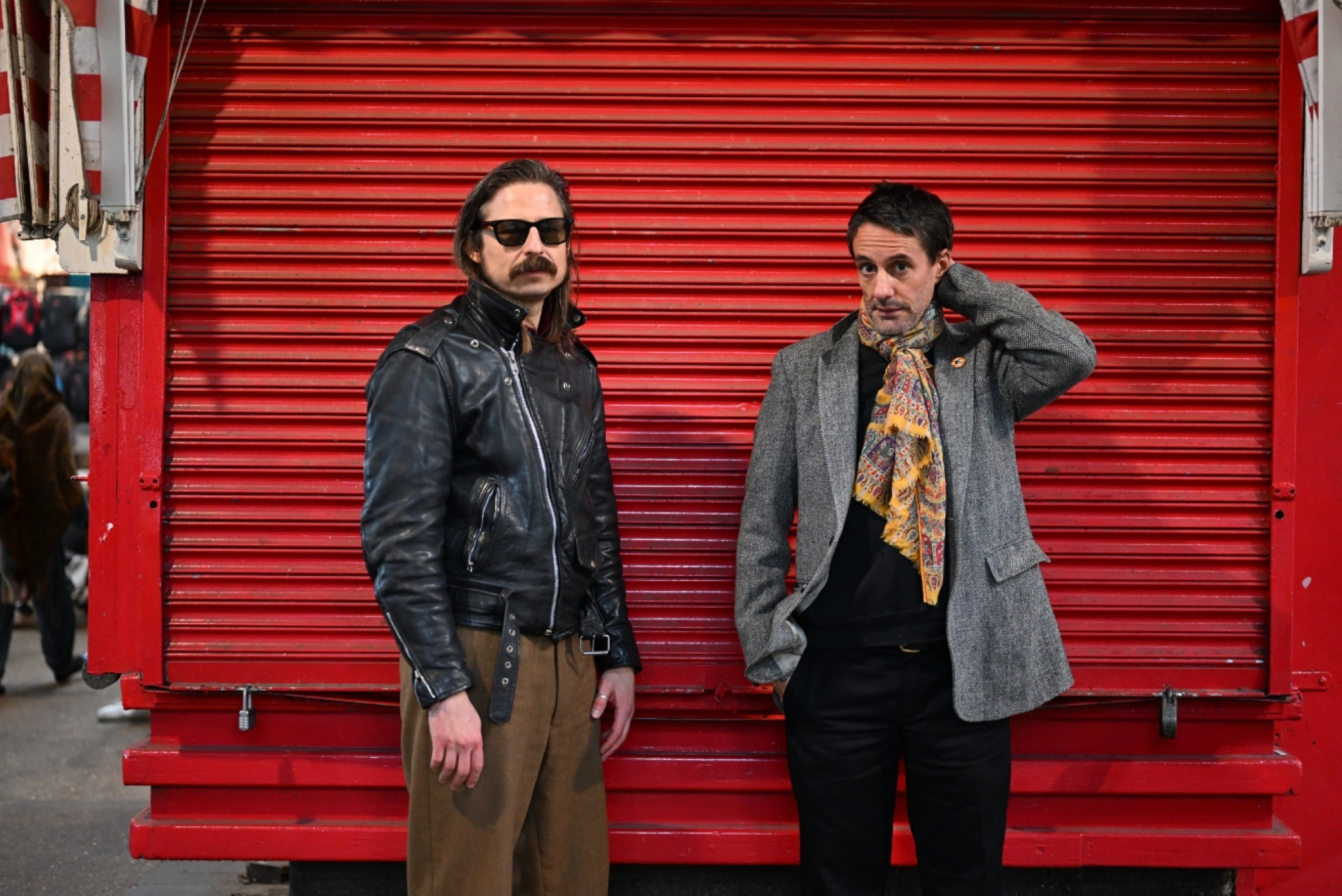
What’s the biggest lesson doing radio taught both of you?
Ivan Smagghe: We are both quite heavily involved in radio still. I have done a show on NTS every two weeks with my old friend Nathan Gregory Wilkins for the last 12 years. It’s called Channeling; we play odd music, almost no club.
Manfredas: I’ve been with the radio all my life. The most current mission and most aligned with what I actually like is Radio Vilnius, but I am grateful for all the experience I’ve had before that as well—which is getting to know popular music inside out, radio programming, and recording studio work—that also started there for me. I think I was a bit on the wrong side of the tracks before radio, and it gave me real purpose.
For those in Asia unfamiliar with it, what kind of place is Vilnius — and is there anywhere in the world that could beat it?
Manfredas: It’s a small city with a good spirit, but also an unfortunate history that maybe made music that the rest of the world has already been taking for granted appreciate a little more at certain point. I always think it’s down to people who work hard and bring examples. There is a sense at the moment of new wave, good crew and fresh talent. It's true—the parties can be very nice here and Gallery1986 can do incredible after-hours right now, but I wouldn’t say it has to beat anyone. Great places are plenty.
Finally, which are currently your favourite tracks to play on the dancefloor?
Ivan Smagghe: There are a lot, new ones every week. For now: Mutant Beat Dance's 'The Human Factor' ft. Naughty Wood (Marcel Dettmann Edit).
Manfredas: Anything by Dr. Walker is wicked.
[Images via Kate Green]
Daniela Solano is a freelance writer for Mixmag Asia, follow her on Instagram here.
Cut through the noise—sign up for our weekly Scene Report or follow us on Instagram to get the latest from Asia and the Asian diaspora!
