


 Features
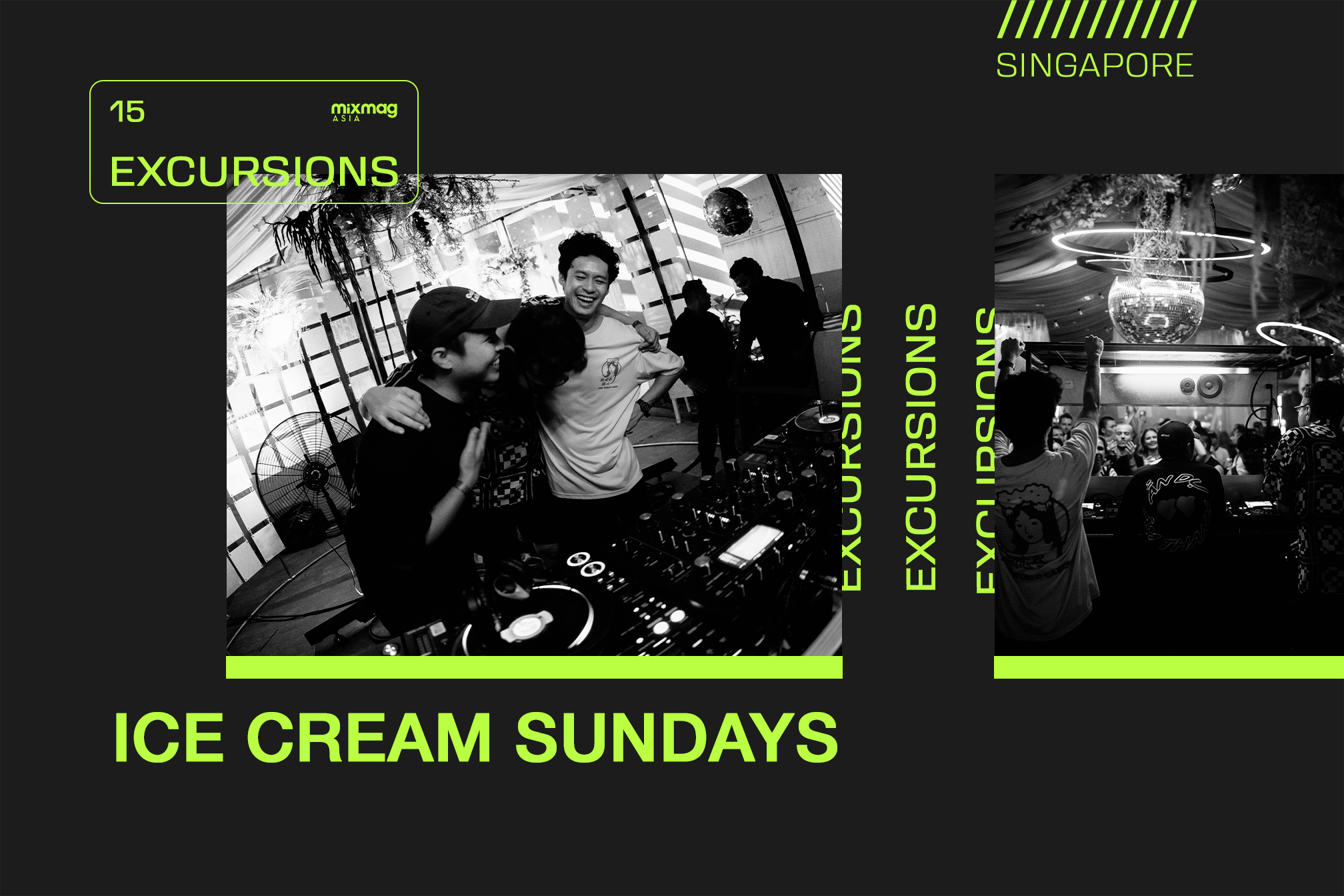
Excursions: Ice Cream Sundays is Singapore's decade-long link to the region's dancefloors
From DIY house parties to a milestone collaboration with Japan's Rainbow Disco Club this October, the team reflects on 10 years of staying true to doing it their own way
Ten years ago, a few friends in Singapore decided to throw a party for their friends. There was no grand plan, just an idea seeded in conversation and a willingness to see where it went. That gathering became Ice Cream Sundays.
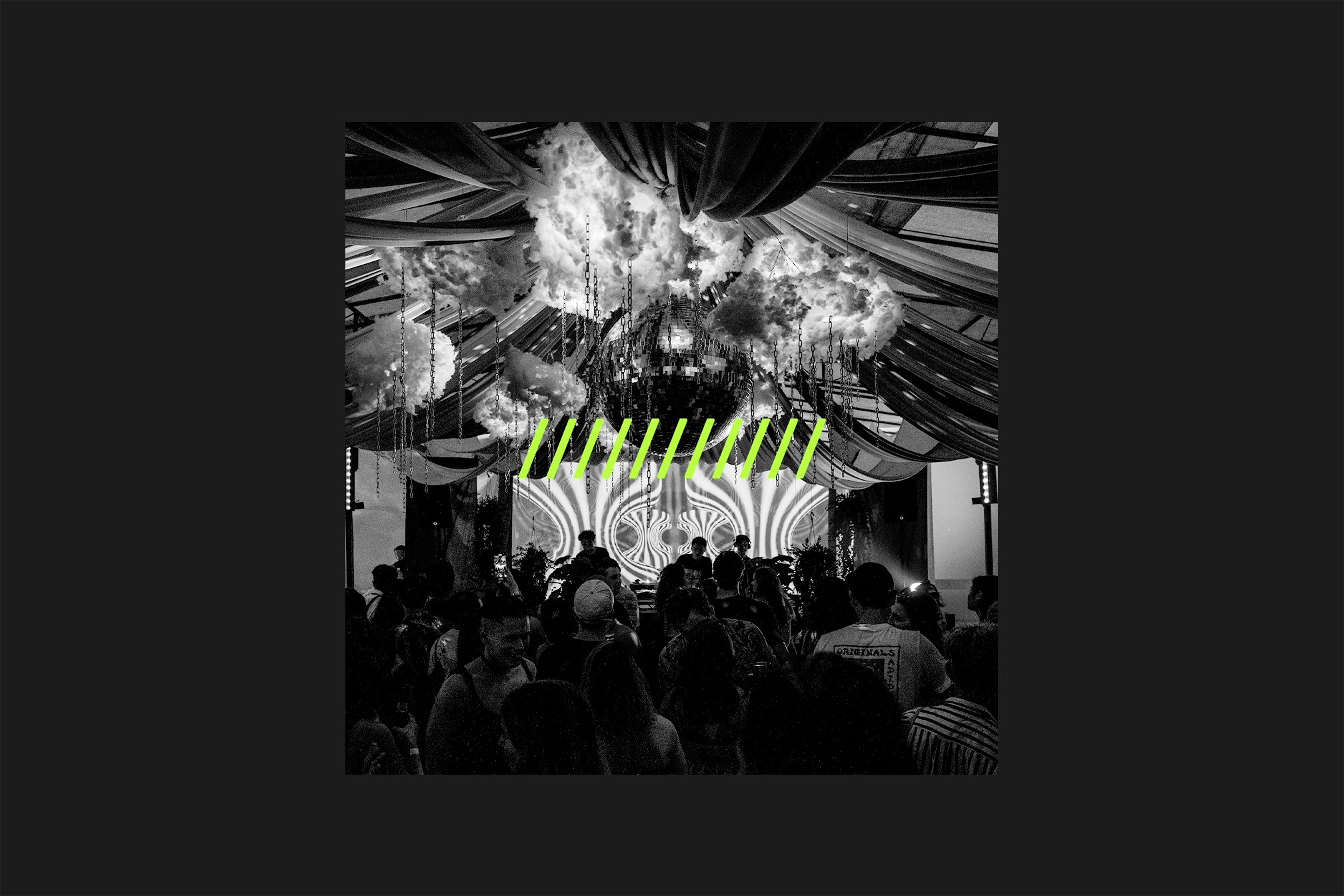
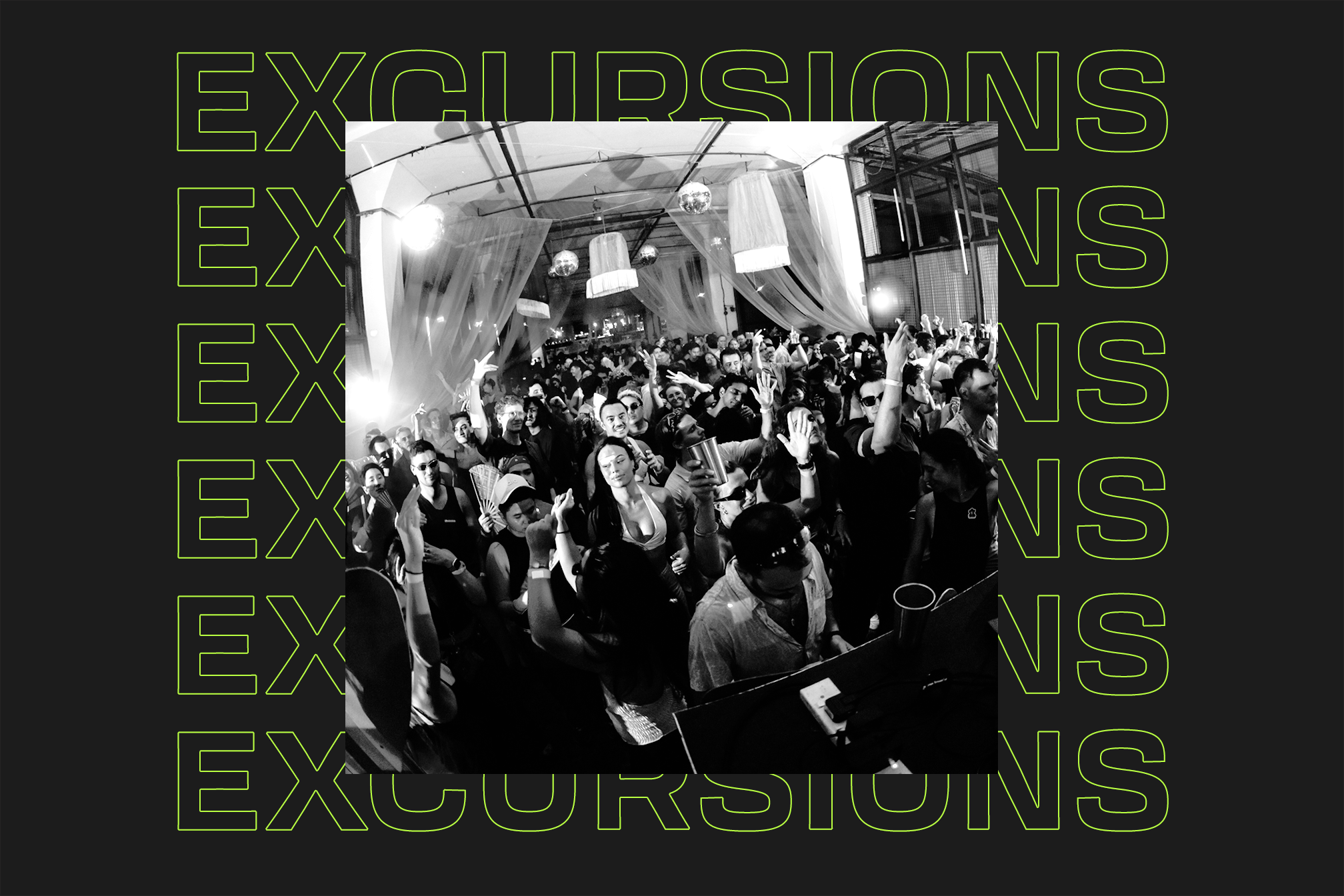
What started out as house parties with a soundsystem eventually grew into one of Singapore's longest-running and largest alternative dance music events, one that helped popularise the day-to-night format and made a habit of taking over spaces few else thought to use, from the surreal Haw Par Villa to the industrial grounds of Tanjong Pagar Distripark.
Musically, the crew has always leaned into house, disco and balearic sounds, with resident DJs Toppings, Bongomann and Muto anchoring the sound through their now-signature "Triple Scoop" b2b2b sets; a format that started almost by accident after Singapore's pandemic-time lockdowns lifted and has since become something of an ICS trademark, recently stretching to six hours at Klymax Discotheque.
Beyond their own events, ICS has built real relationships across the region, working with Darker Than Wax at home and Hong Kong's Shi Fu Miz to launch Sunda Festival. These are the kind of collaborations that go deeper than sharing a line-up.
In their 10th year, that same instinct for connection is taken a step further.
This October, ICS is teaming up with Rainbow Disco Club, the Japanese festival that's basically a pilgrimage at this point, to bring RDC to Singapore for the first time. The relationship traces back to 2023, when ICS hosted a few of the festival’s residents; a night the team still talks about as one of their best.
Since then, the two crews kept in touch, and the idea of doing something bigger together kept coming up until this year, when it finally clicked into place.
In the interview below, Daniel O'Connor, Nick Bong and Jake Camacho share with us how the RDC partnership came together, what 10 years of throwing parties in Singapore has taught them, and, most importantly, what flavour ice cream best describes them and why.
Let's go back to 2016 and the creation of Ice Cream Sundays. Was there a lightbulb moment, or did ICS just kind of stumble into existence because a few friends wanted to throw a party?
Daniel O'Connor: It was a bit of both really. There was a lightbulb moment during a chat outside the old club Kyo where the idea was seeded between a couple of us, and that happened about a year before the first ICS party took place. But it was really about throwing a party with friends for friends and seeing where that took us.
There was no grand plan or vision; just do one and, if people liked it, we’d go again. The house party format allowed us to learn as we went, and make our mistakes with a forgiving crowd, before we took on more ambitious venues.
Your official press kit mentions ICS as helping popularise the "day-to-night" format in Singapore. Why does that shape of a party (starting in daylight, ending in darkness) feel right for the crew?
Nick Bong: I think we just like that every party naturally gets two parts. I love foggy nights in the club as much as the next guy, but there’s something really alluring about the natural vibe shift you get around dusk, the journey to get there and the joy of closing it out good.
You've held parties in some genuinely unusual spaces, such as Haw Par Villa. How does a venue like that change the way you approach a concept, line-up or a stage design, compared to a conventional club?
Jake Camacho: Taking over distinctive venues has been a core part of the ICS format since day one, and the venue itself tends to be the starting point for all the work that comes after. From a stage design perspective, because venues like Haw Par Villa are already so full of character, we try to see what we do as an extension of the space, finding ways to expand on what’s already there through the use of motifs, materials, and so on.
That same approach also influences what we do conceptually and musically. Certain spaces lend themselves better to particular sounds, allowing us to explore different ideas and directions. For example, the first time we threw a party at Tanjong Pagar Distripark (an industrial complex by the port), it gave us the leeway to book an act like Pjenné, who lives on the techier edge of what you might hear at ICS but whose sound really complements the industrial vibe of the space.
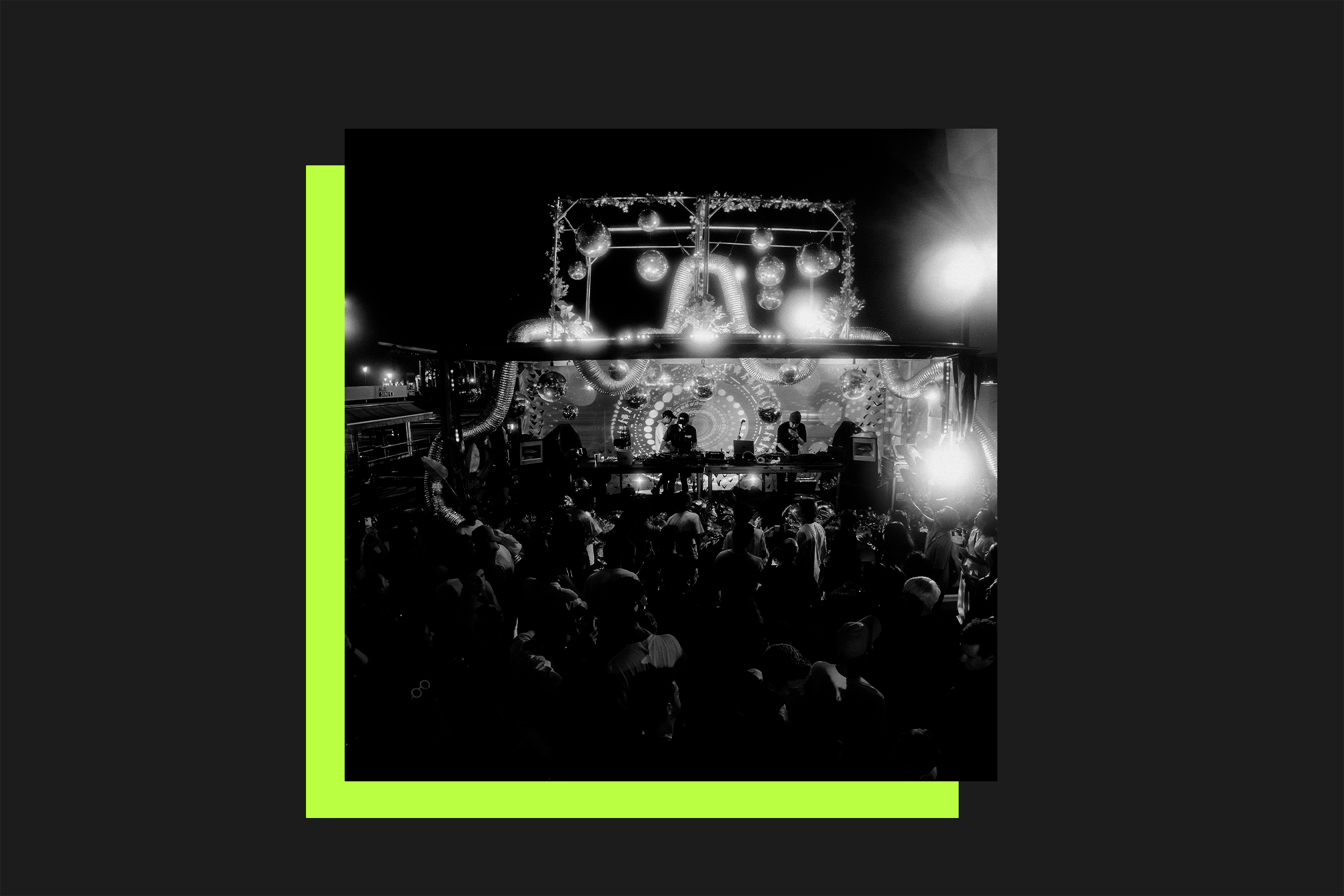
Let’s get into Rainbow Disco Club Singapore. RDC is basically a pilgrimage at this point; sold out every year in Izu whilst also travelling to Bali, Melbourne, Amsterdam, Lisbon, Paris. How did the conversation actually start that landed Singapore on that list, with ICS as the ones running it?
Daniel O'Connor: We had hosted Kikiorix and Sisi, two of RDC’s resident DJs, for an ICS party at Haw Par Villa back in 2023, and that’s really when the relationship between the two groups officially started. It was one of the most memorable parties we’ve thrown over the past 10 years, and it had always been at the back of our minds to do something together again.
We’ve kept in touch ever since, especially with Muto now being based in Tokyo, and some time last year the conversation naturally flowed in this direction, and here we are! We’ve been big fans of RDC and take a lot of inspiration from how they’ve grown so organically and intentionally over the years without compromising on what makes it such a special festival, and we’re stoked to be a small part of that story.
The three-session structure (daytime outdoor, late-night indoor, and a Sunday "Recovery Session") is said to echo RDC's flagship event in Japan. In addition to this, what feeling or philosophy from the original festival were you most protective of translating faithfully?
Nick Bong: It’s probably the feeling you get at RDC with their really well curated musical journey. Everyone’s locked in together at a single main stage. There is a small timing overlap with the indoor stage, but it’s minimal. You’re not running off to the other stage the moment you hear something you’re not sure you like; you’re there for the whole ride and you come out very happy you did.
Read this next: How Rainbow Disco Club mastered the art of growing without losing its essence
The Recovery Session was inspired by Kuniyuki and Wata Igarashi's Melting Hours set from this year's RDC in Japan. Were you there to experience it yourselves and what was it like? What is it about that kind of slow, ambient start to a last day that you think is needed rather than a big, explosive one?
Nick Bong: Oh yes we were, it was such a magical morning; gentle, ephemeral and so very masterful. Kin Leonn was there as well, listening to the magic unfold in the same space, and the idea basically presented itself to us.
It seemed like the missing ingredient for the Singapore edition; a zone for deeper listening, the opportunity for a meaningful cross-border musical collaboration and an expanded experiential arc for anyone attending. It’s important to make space for different energies, I think that’s what contributes to a well rounded festival experience.
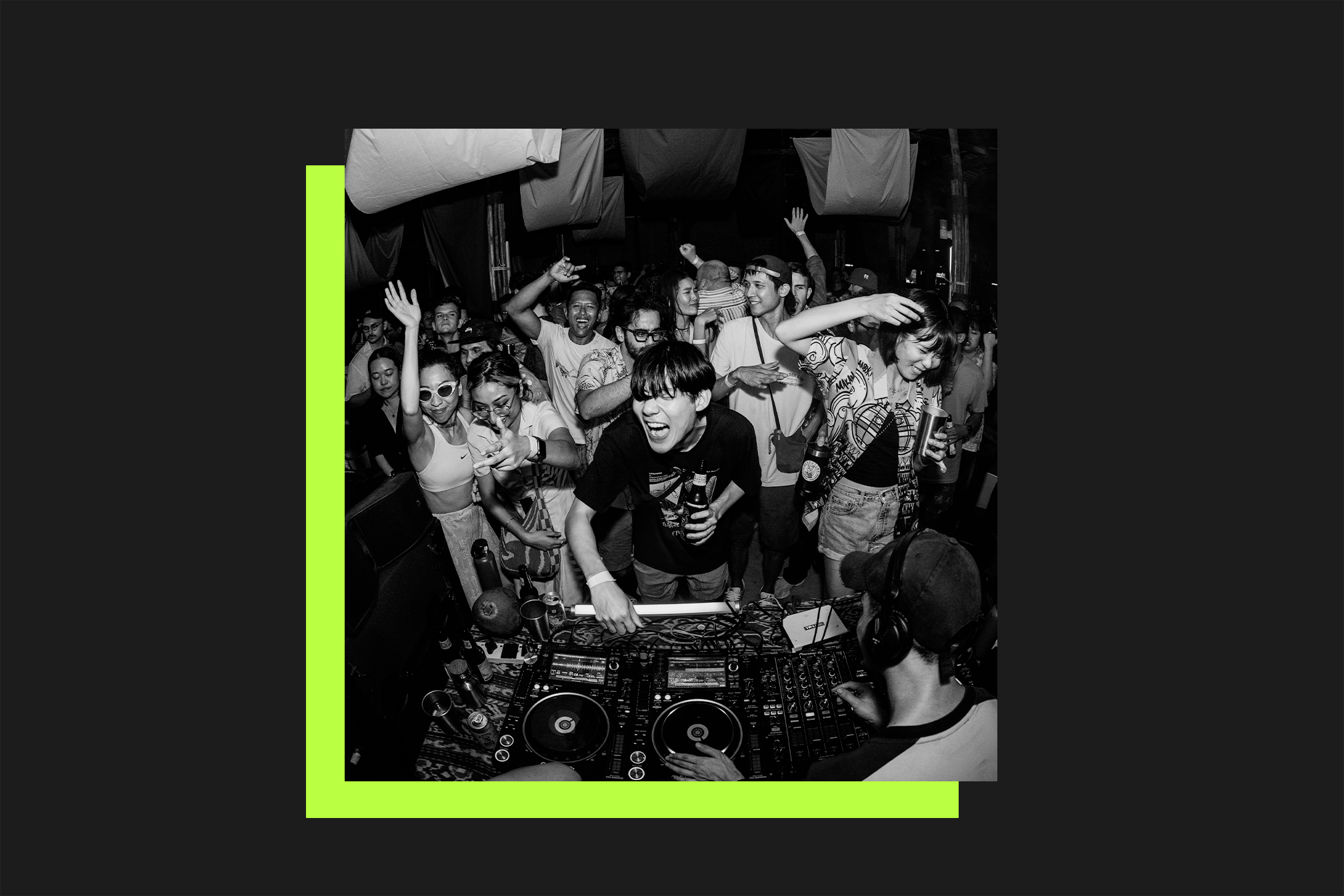
If someone attends all three sessions across the weekend, what emotional arc are you hoping they walk away with; what should Saturday afternoon feel like compared to 2AM at Cargo39, compared to Sunday at RASA?
Jake Camacho: We’ve programmed the weekend in a way where each experience should feel complete on its own, while attending all three sessions presents as a journey through different vibes, spaces, and shades of dance and electronic music.
The Saturday afternoon should feel like you’ve arrived at a big, joyous celebration, leading you into the more heady and hypnotic Night Session. The Recovery Session is designed to be a gentle landing, a moment to mentally reset and process all of the adrenaline from the night before.
Beyond the music, is there a bigger message or belief that RDC and ICS share as collectives? Something in how each of you thinks about community, pace, or how a festival should treat its audience?
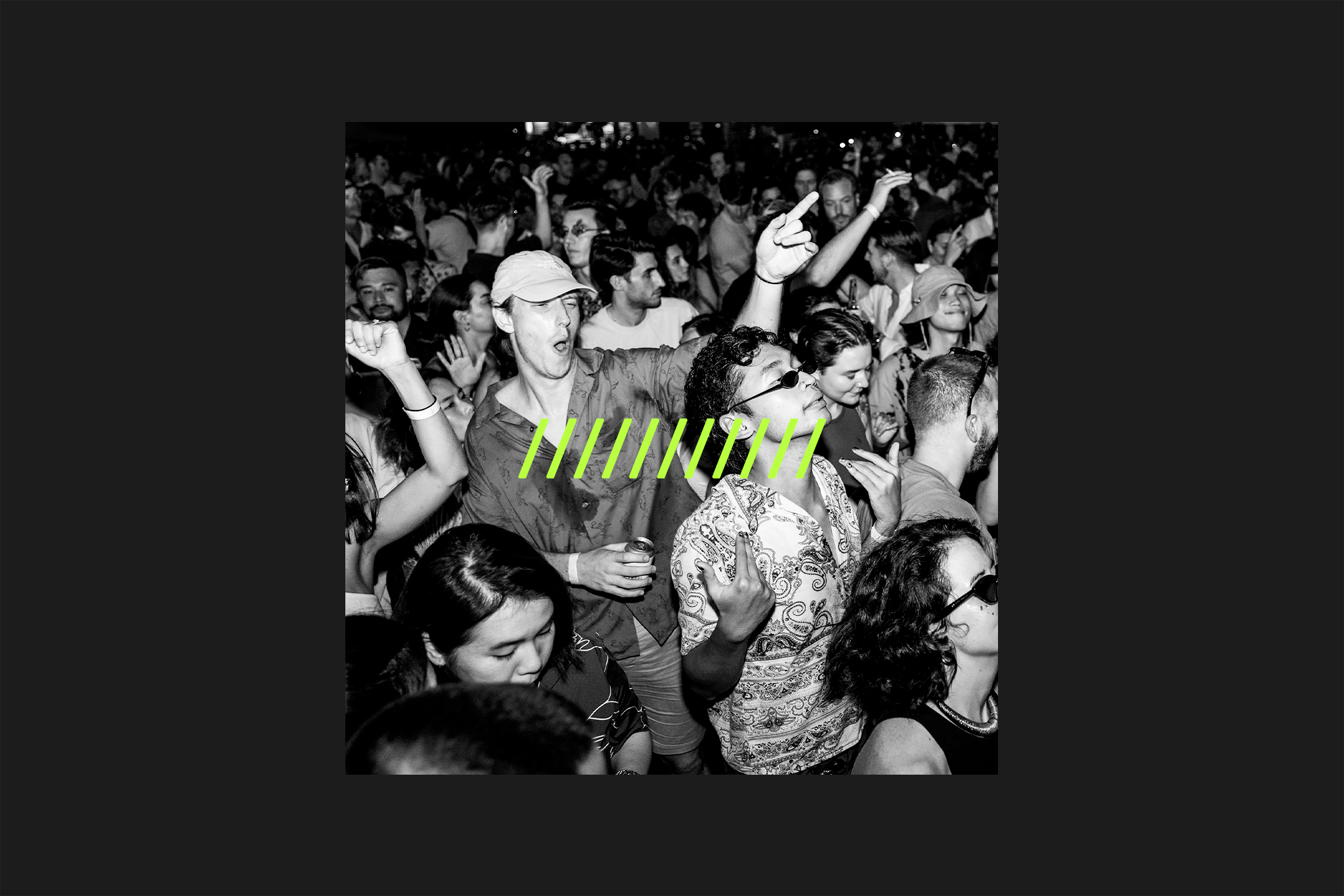
Daniel O'Connor: I think we share similar values around making the events feel accessible to a wide range of people. Both events are family-friendly, and you’ll see everyone from babies to people in their 70s, from music heads to more casual dance music fans, enjoying themselves at the events.
I always think a great party or festival should bring people together in unexpected ways and I’d like to think both of us do that well.
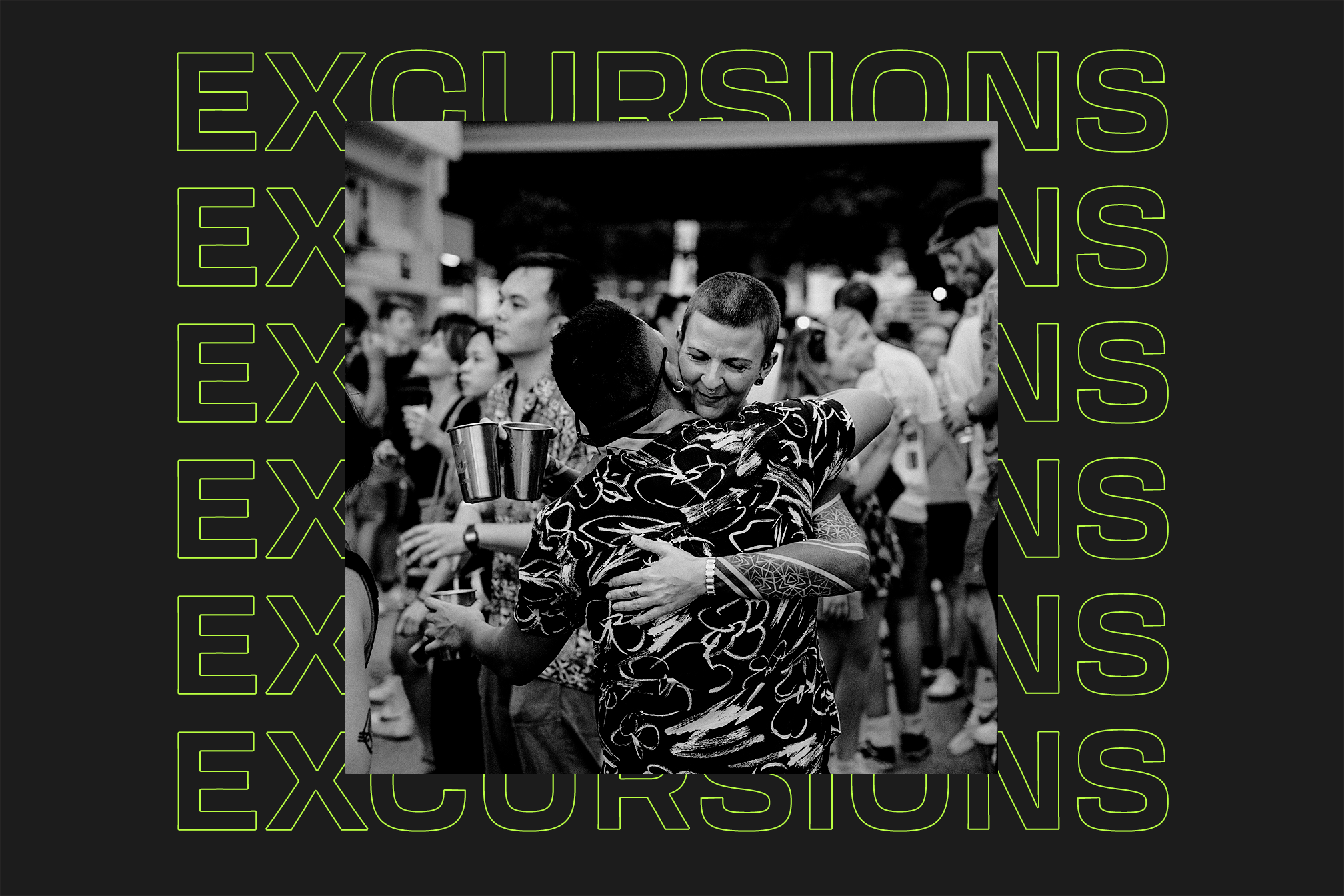
Your "Triple Scoop" b2b2b sets with Toppings, Bongomann and Muto have basically become an ICS trademark. How did that format come about, and what's it actually like negotiating a b2b2b in real time on the decks?
Jake Camacho: The first Triple Scoop set came from our first party after the COVID-19 lockdowns were lifted. For our first party back, it felt right to feature the resident DJs all day long and the b2b2b format ended up being so fun it just kind of stuck.
All three residents have their own style so there’s a free-spirited genre hopping nature to the Triple Scoop sets, but we’ve logged enough hours together that there’s a deep implicit understanding and trust between us when it comes to crafting the flow of the night. We recently performed a 6-hour Triple Scoop set at Klymax, the longest one yet, which surprised even ourselves in terms of where the musical boundaries lie.
Read this next: Behind the lens: Marisse Caine depicts The Truman Show-esque secrets of Singapore
You lean hard on visual collaborators. How early in planning an event do the visual and musical directions start talking to each other?
Daniel O'Connor: We love working with visual creatives! When you’re organising events in blank spaces, you’re basically setting up a venue that doesn’t exist for what you’re using it for, and we see that process of developing a strong production design concept as a fundamental pillar of what we do. It’s just as important for it to pop enough to make it feel like a party or festival venue, but not too much that it doesn’t blend in with the distinctive character of the venue that we fell in love with in the first place.
We start that process of ideating the music and visuals department around two months out from each event to make sure the stage design, venue aesthetic, lighting design, visuals, and music all feel in sync with each other every step of the way. It’s a learning process each time, but the more we get to come back to a venue, the more dialled in we feel with all these elements.
Over the years you've collaborated with Darker Than Wax locally and launched Sunda Festival with Hong Kong's Shi Fu Miz. What have those partnerships taught you about the difference between a one-off booking and a genuine cross-scene collaboration?
Nick Bong: One-off bookings can feel quite fleeting. The relationships built with collabs like this are most real.
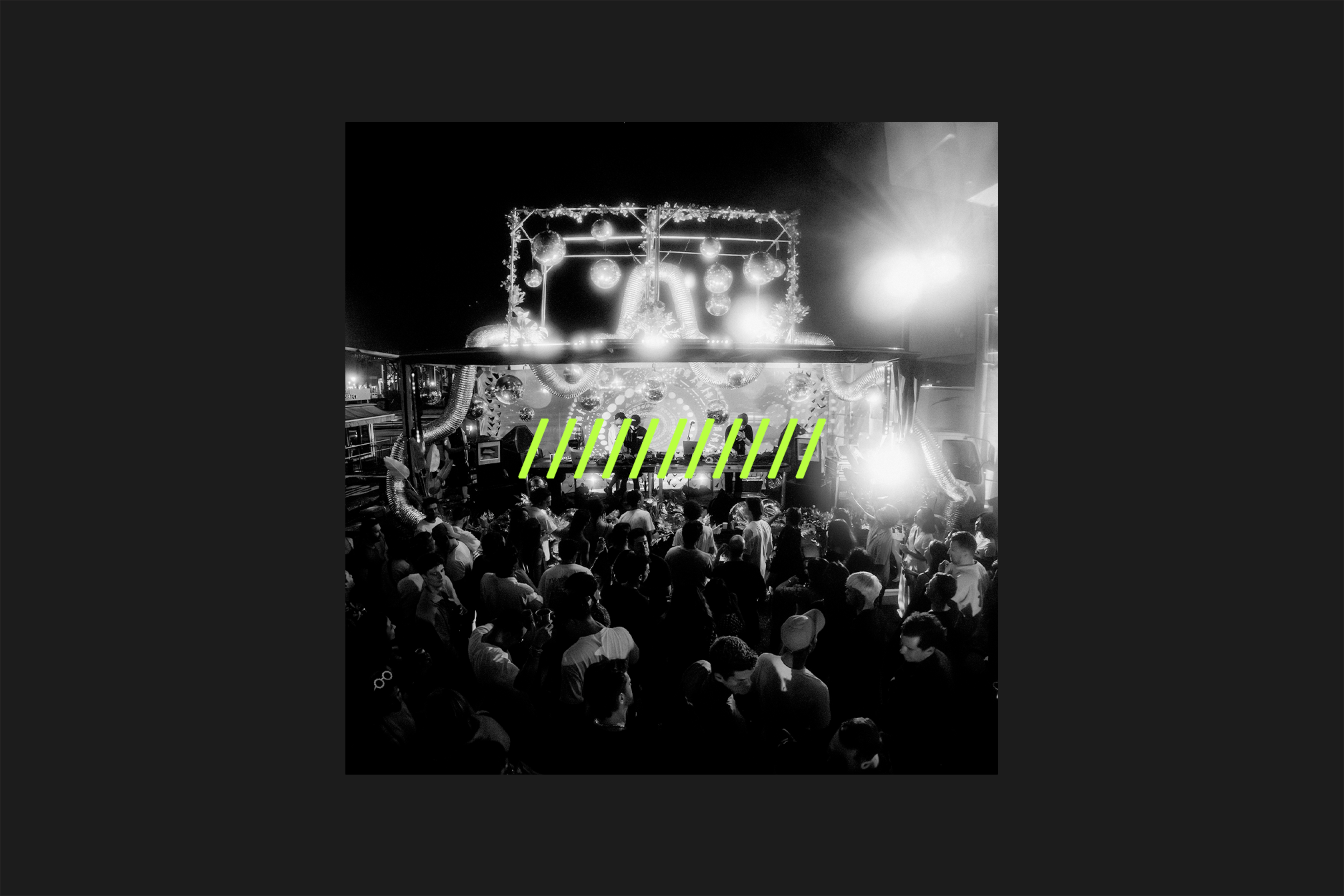
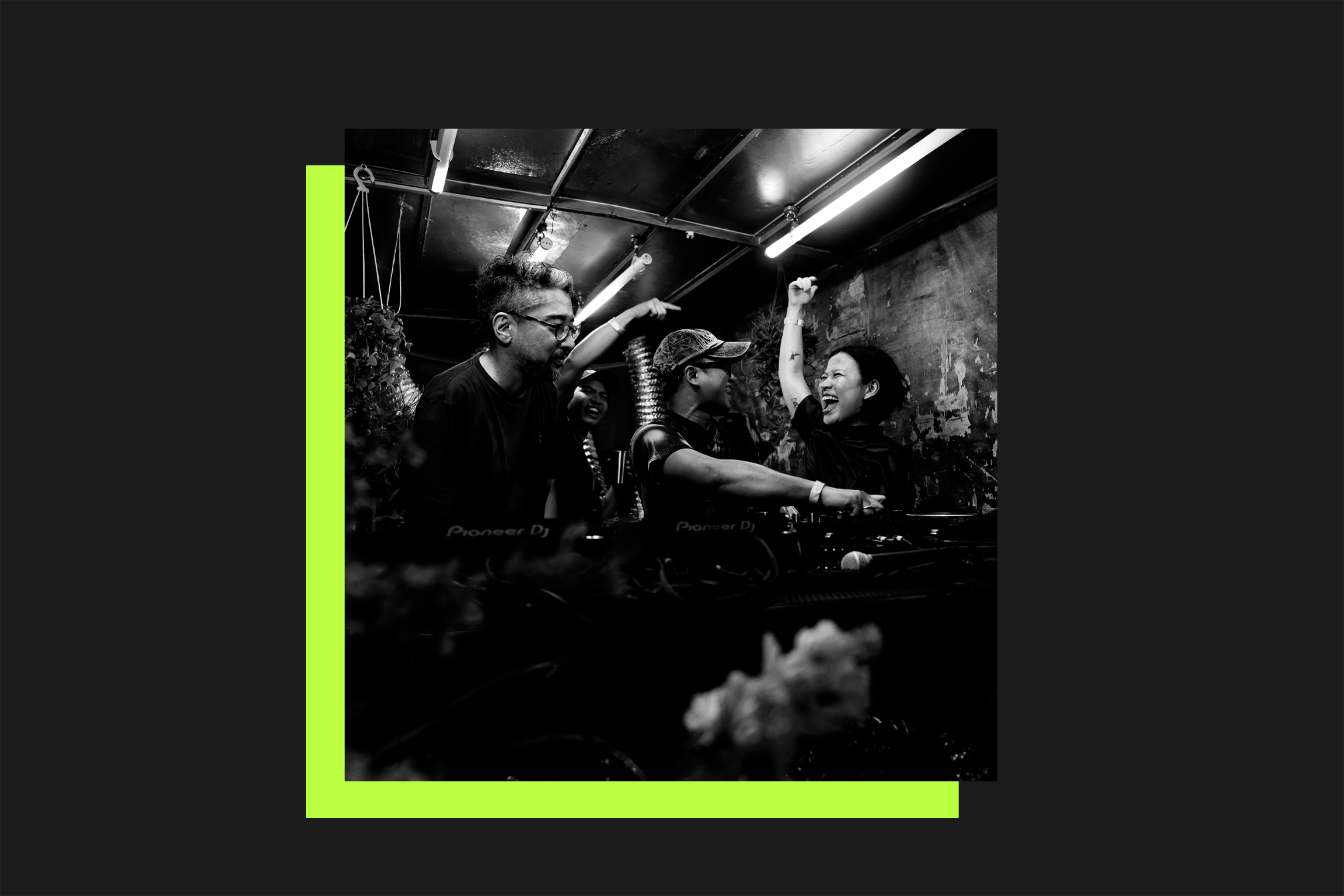
As ICS looks to bring "10 Years of ICS" to venues around Asia through DJ takeovers and deeper collaborations, what does an ideal regional partner look like to you? Is it about shared musical taste, shared values, or something else entirely?
Daniel O'Connor: Shared musical taste is an important first filter. We’ve spent 10 years throwing parties now, and while we don’t stick to one sound, there are a few genres that ICS has always been, and probably always will be, known for. And when it comes to DJ takeovers, the music direction will always be the most important consideration.
For regional party collaborations, we definitely look to work with people that share a similar DIY approach to throwing parties, and where the extent of the collaboration runs a bit deeper than co-naming an event, and throwing each collective’s residents on a line-up. That could be working together on curating a broader music line-up, coming up with an event artwork that represents both brands, venue selection, merch collaborations, elements of the production design, and generally facilitating a bit of knowledge exchange between crews.
A collaborative party or series should feel like the best of both worlds coming together in as many ways as possible.
What's one thing about Singapore's underground scene that you wish more people actually understood?
Nick Bong: For a proper deep dive, you need to follow the collectives and artists here. Venues can offer range, but collectives and artists represent the depth of the scene.
Read this next: Mixmag Asia’s 2026 Essential Listening
If Ice Cream Sundays had to describe its sound as a flavour of actual ice cream, what would it be and why?
Jake Camacho: Does Neopolitan count as one flavour? Different vibes coming together for a perfect mouthful. Classic.
What have you learned while keeping a party running for 10 years? As the scene changes around you, how do you keep your audience engaged?
Jake Camacho: There have been loads of learnings, but maybe the biggest one is to surround yourself with talented people who aren’t content to rest on their laurels. After 10 years, we’ve noticed multiple shifts in the overall nightlife market in Singapore, and also the needs and behaviours of our own crowd.
There’s no obvious answer when it comes to change; every iteration to our format risks alienating a segment of our audience. It takes a certain conviction to switch things up, and having a rock solid extended team who are not only willing, but excited about experimenting is essential. At the same time, beyond the physical and experiential, having a core philosophy that people can connect with is what keeps things grounded.
Read this next: Don’t underestimate the tenacity of Singaporean party promoters
Was there a shift in mindset when you started thinking about ICS as a regional/South East Asian brand, rather than a Singapore-based one?
Nick Bong: This is maybe more of a natural progression than a shift in mindset for us I think. We’re out here just trying to connect!
What’s next for the future of ICS?
Daniel O'Connor: Deeper regional exchange, experimenting with new event formats, leaning harder into making ICS family-friendly, and more local tie-ups with collaborators old and new. We aren’t looking to reinvent the wheel, but after 10 years it’s important to keep evolving while staying true to what makes ICS what it is.
Rainbow Disco Club Singapore takes place on October 3 & 4, 2026 at Tanjong Pagar Distripark and RASA; tickets available here.
Amira Waworuntu is Mixmag Asia’s Managing Editor, follow her on Instagram.
Never miss a beat. Subscribe to our Scene Report newsletter or follow us on Instagram.
