


 Interviews
How Rainbow Disco Club mastered the art of growing without losing its essence
From a hillside in Shizuoka to now reaching stages across the world, we spoke to the team about their programming philosophy, what organic growth actually looks like, and the choices that have kept people coming back
Rainbow Disco Club (RDC) has been running for seventeen years, and in that time it has become one of the more quietly consistent fixtures in the global festival calendar.
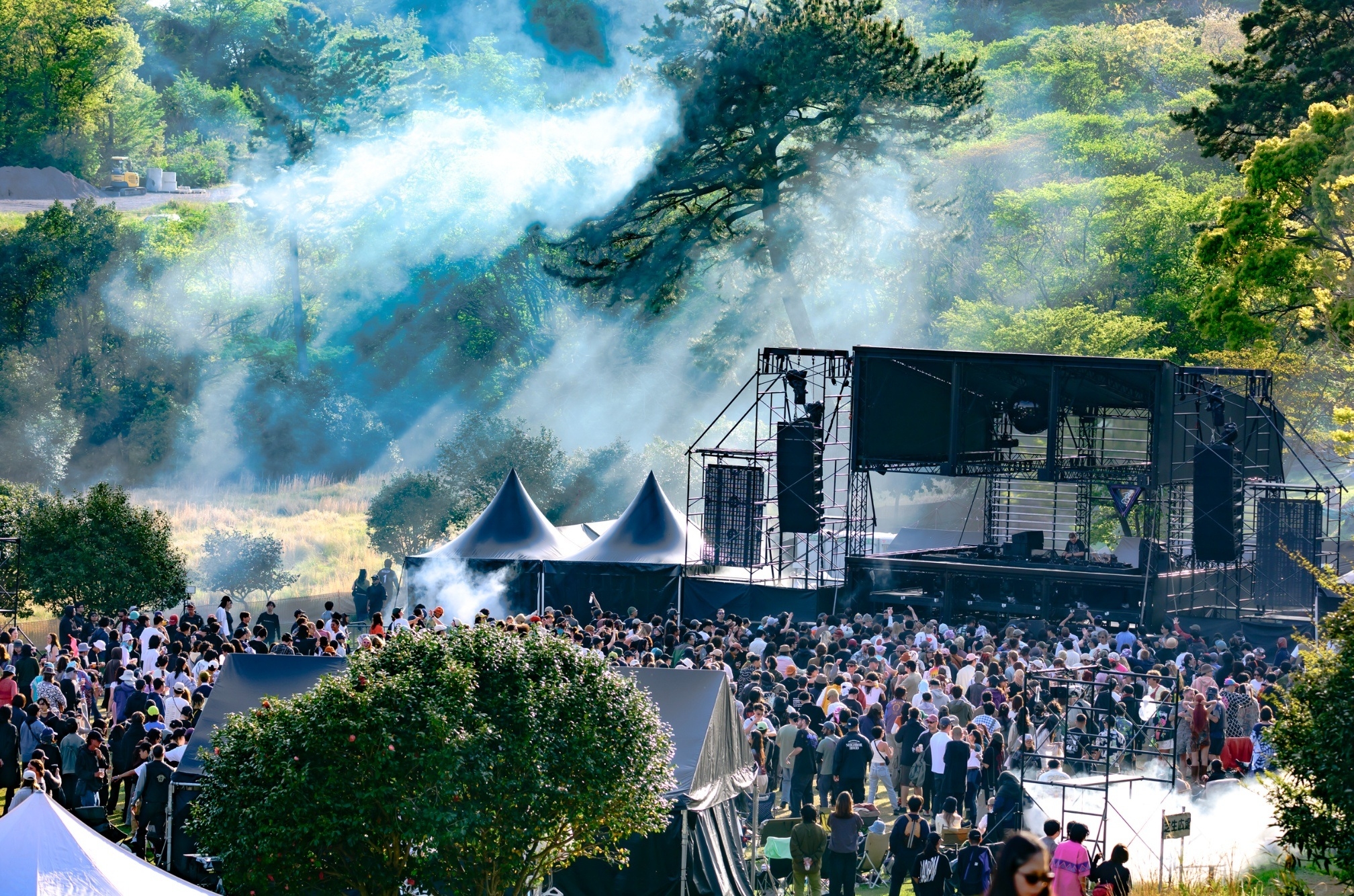
The setup is straightforward: a hillside in Shizuoka's Higashi-Izu, daytime sets, music off at midnight, and a campsite that takes over from there. No after-hours, no sprawl. Just a carefully considered experience that has sold out every year and slowly earned the trust of artists and communities well beyond Japan.
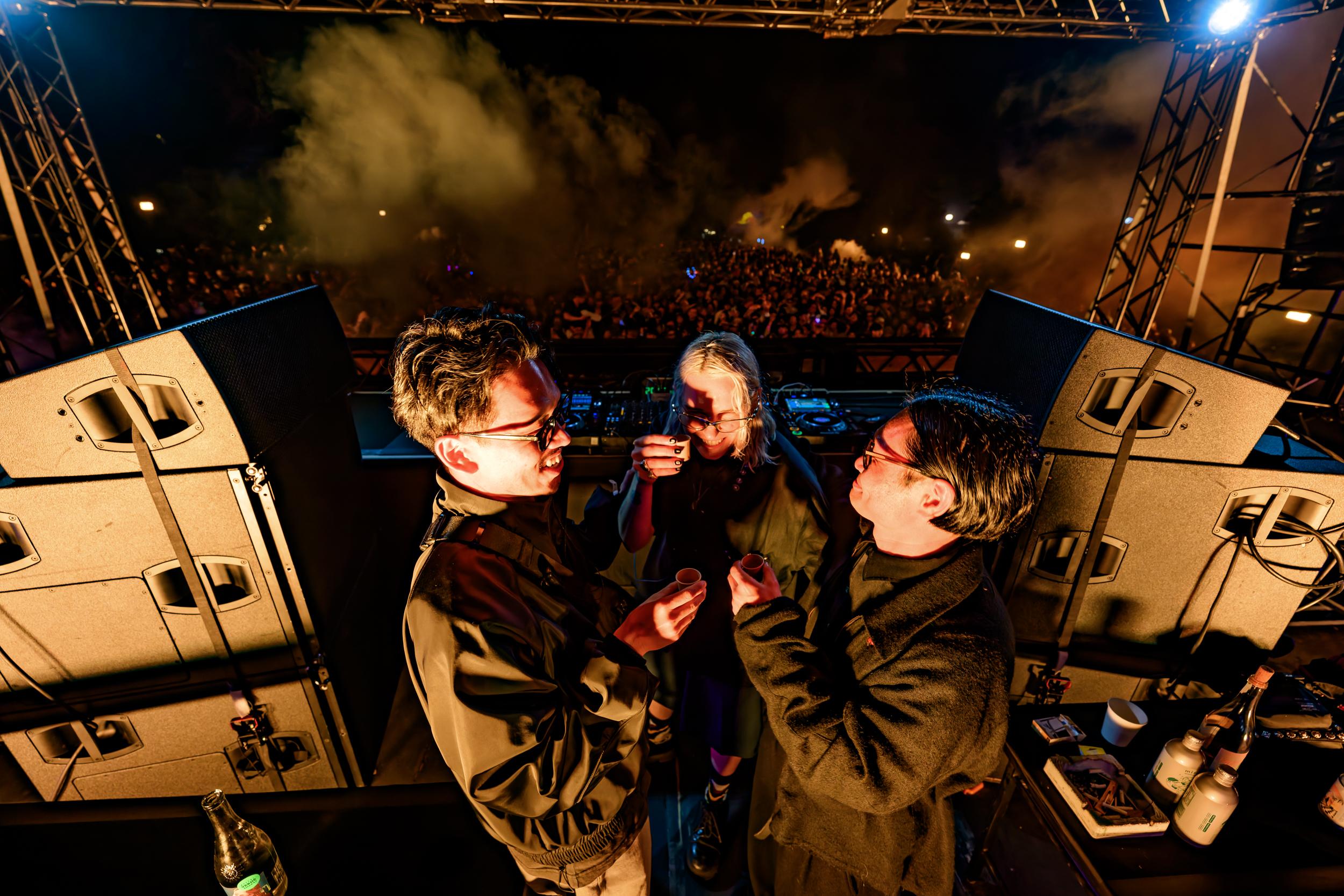
Throughout the years, the festival has expanded across Asia and Europe, and built working relationships with artists, venues, and communities in Amsterdam, Berlin, London, Lisbon, Goa, Bali, Naarm, and beyond. Its most recent 2026 Japan edition brought Four Tet, Floating Points, Daphni, and Ben UFO together on the same bill for a first-time b2b; a very rare sight this year's attendants got to experience.
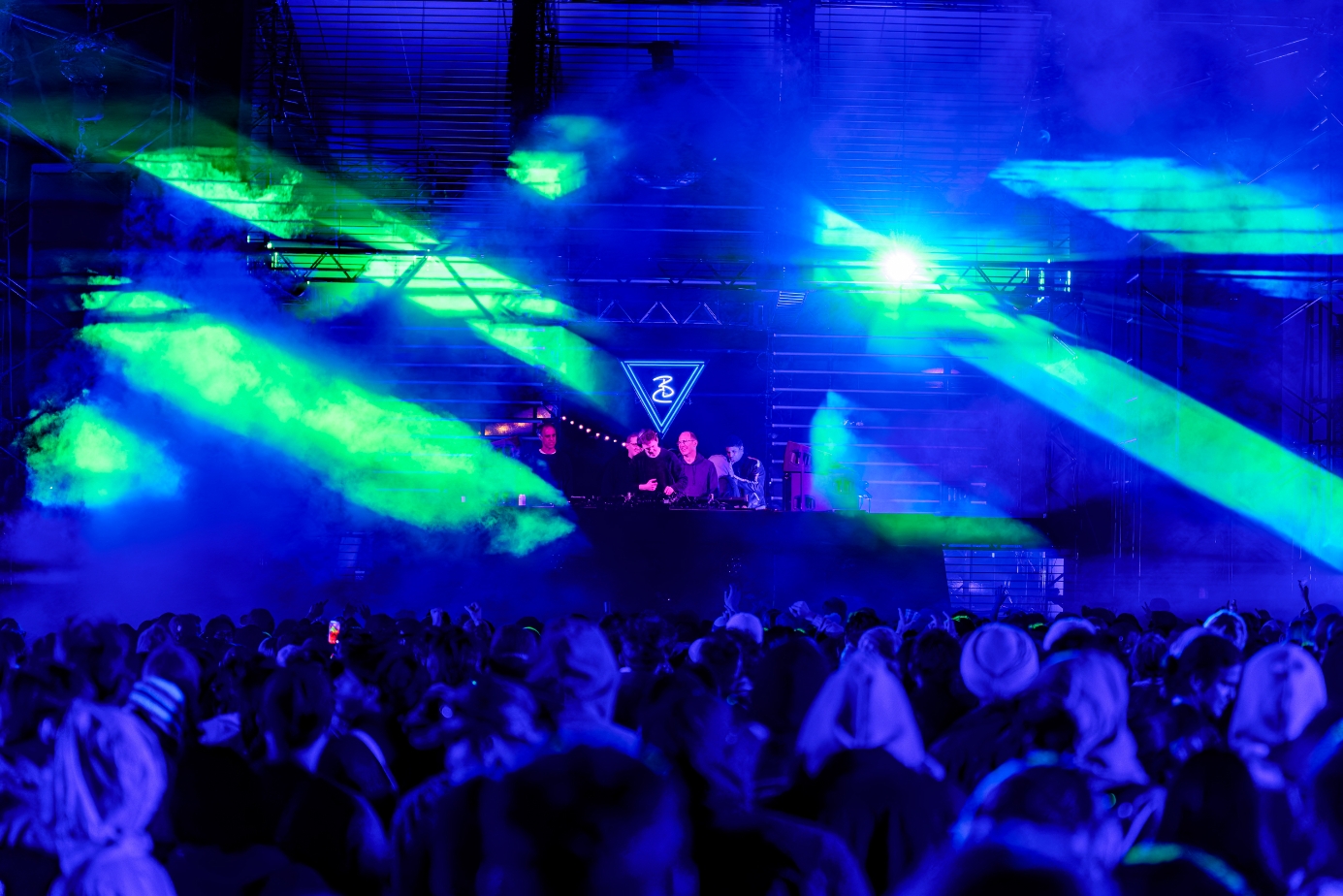
What keeps the festival's programming consistent is not a formula but a guiding principle: "Beyond Space and Time", a curatorial stance that treats classic disco, contemporary club music, and everything in between as part of one continuous conversation.
Such an approach has allowed RDC to book credibly across generations and geographies without over-relying on headline names. The line-up always reflects a balance of veteran and emerging artists, along with the Japan-based and the international.
The global tour model has worked because the team has moved carefully: starting small in each city, partnering with trusted local promoters, and letting things grow on their own terms. Amsterdam went from 300 to 2,500 attendees over several editions. And all this time, the core team has stayed intact throughout.
We spoke with founder Masahiro Tsuchiya and director Yuki Yokoyama to talk about how RDC got here, and what it's taken to keep the festival true to itself.
First of all, congratulations on this year’s event! Take us back to the beginning; what was missing from the scene that made you feel Japan needed a festival like Rainbow Disco Club?
Masahiro Tsuchiya: It wasn’t that we started because something was missing. We had long wanted to bring to life the things we genuinely wanted to create, and when the right conditions came together, we decided to move forward.
Read this next: Mixmag Asia Radio 171: Y U QT at Circus Tokyo
Can you tell us how the “Beyond Space and Time” concept came to be, and how you've kept that spirit alive since you first began?
Masahiro Tsuchiya: From the very beginning and continuing to this day, classic disco has remained one of the sounds we love most. At the same time, we are constantly inspired by music that continues to evolve and push forward.
We wanted to create a festival experience that transcends the distinction between old and new; one that goes beyond eras and time itself. That ambition was the foundation for this concept, and in many ways, it has become a core principle of RDC.
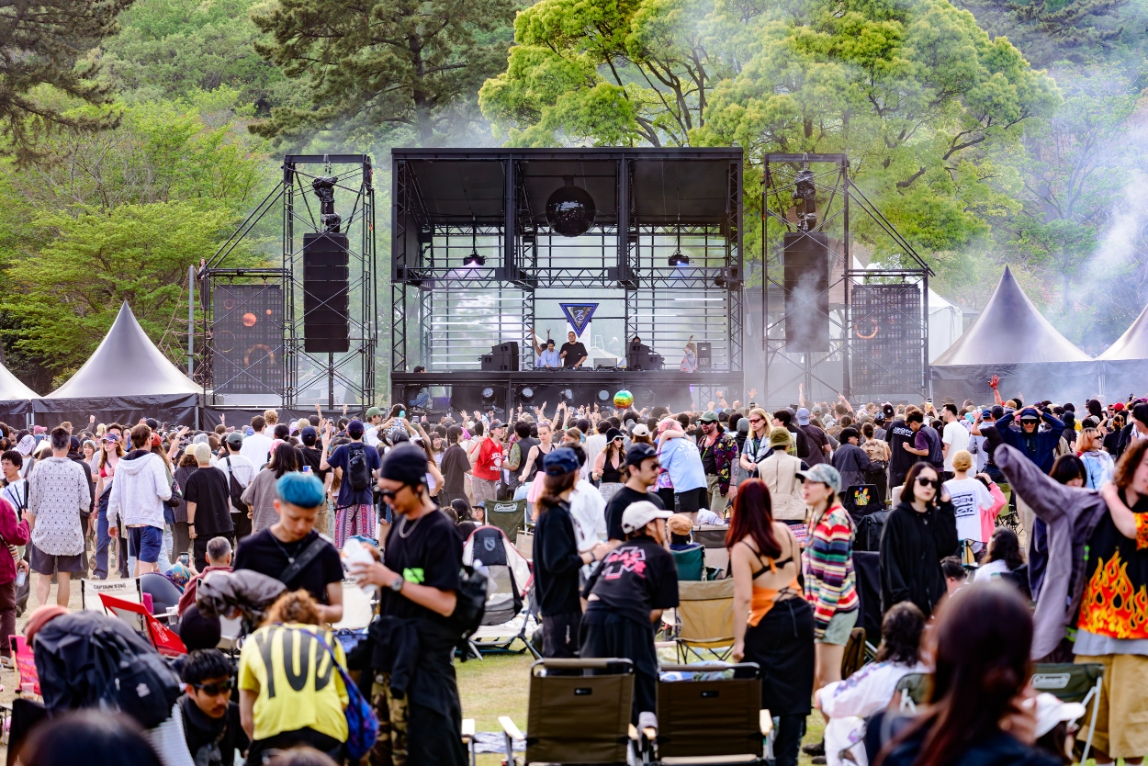
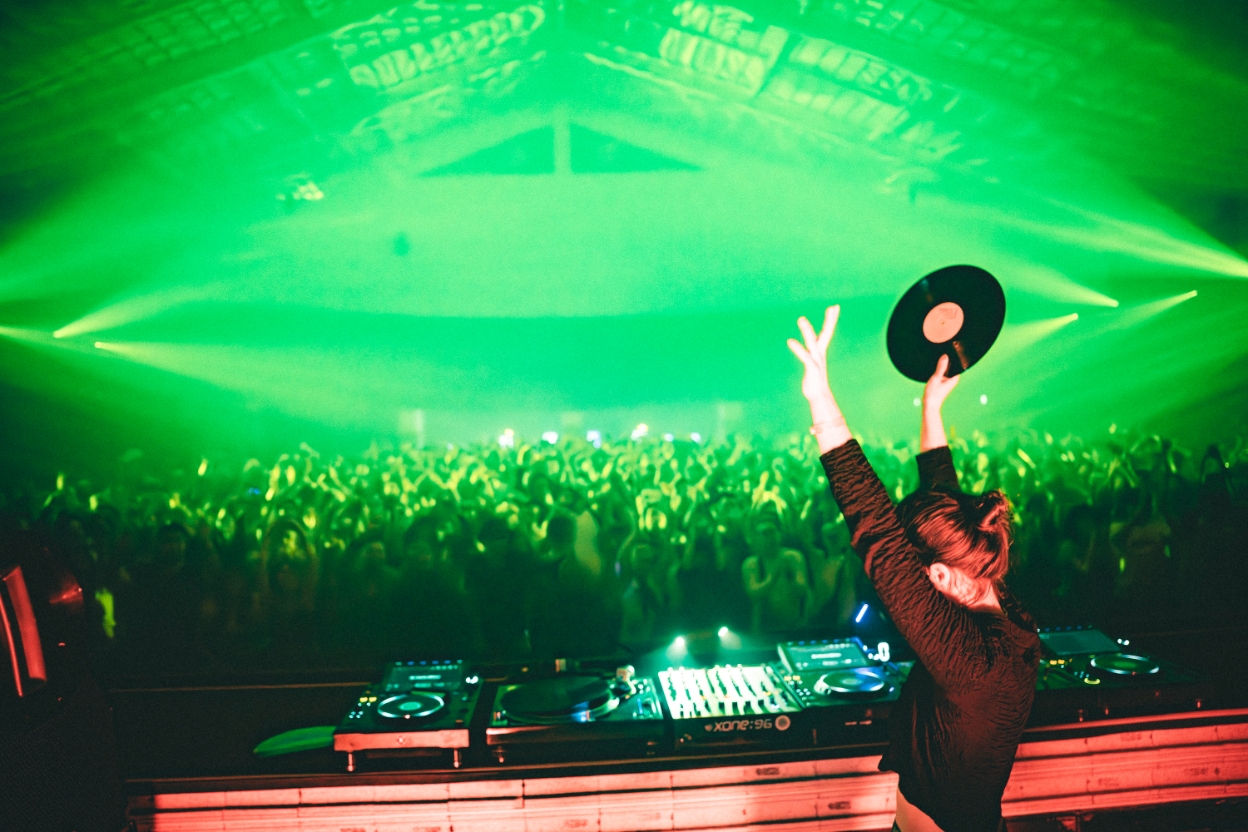
Nature plays a large role in the whole Rainbow Disco Club experience: the mountains, the open sky, the fact that music stops at midnight and the night belongs to the campsite. Is that relationship with the natural setting something you designed, or did the place teach you what the festival should be? Simply put: what does the natural environment add more to the experience that an urban venue simply can’t?
Masahiro Tsuchiya: This format is very much intentional. We grew up within club culture, but over the years we’ve seen changes within our own core team as well—many of us have started families and entered different stages of life.
By bringing what traditionally happens in late-night clubs into a natural outdoor setting during the daytime, we believe there are many benefits. It reduces the noise impact on local communities, makes it easier for families to attend together, and allows younger audiences who are not old enough to enter clubs to experience and enjoy the music as well.
Ultimately, we believe this approach helps build a bridge to the future, and that belief is what continues to shape the way we operate today.
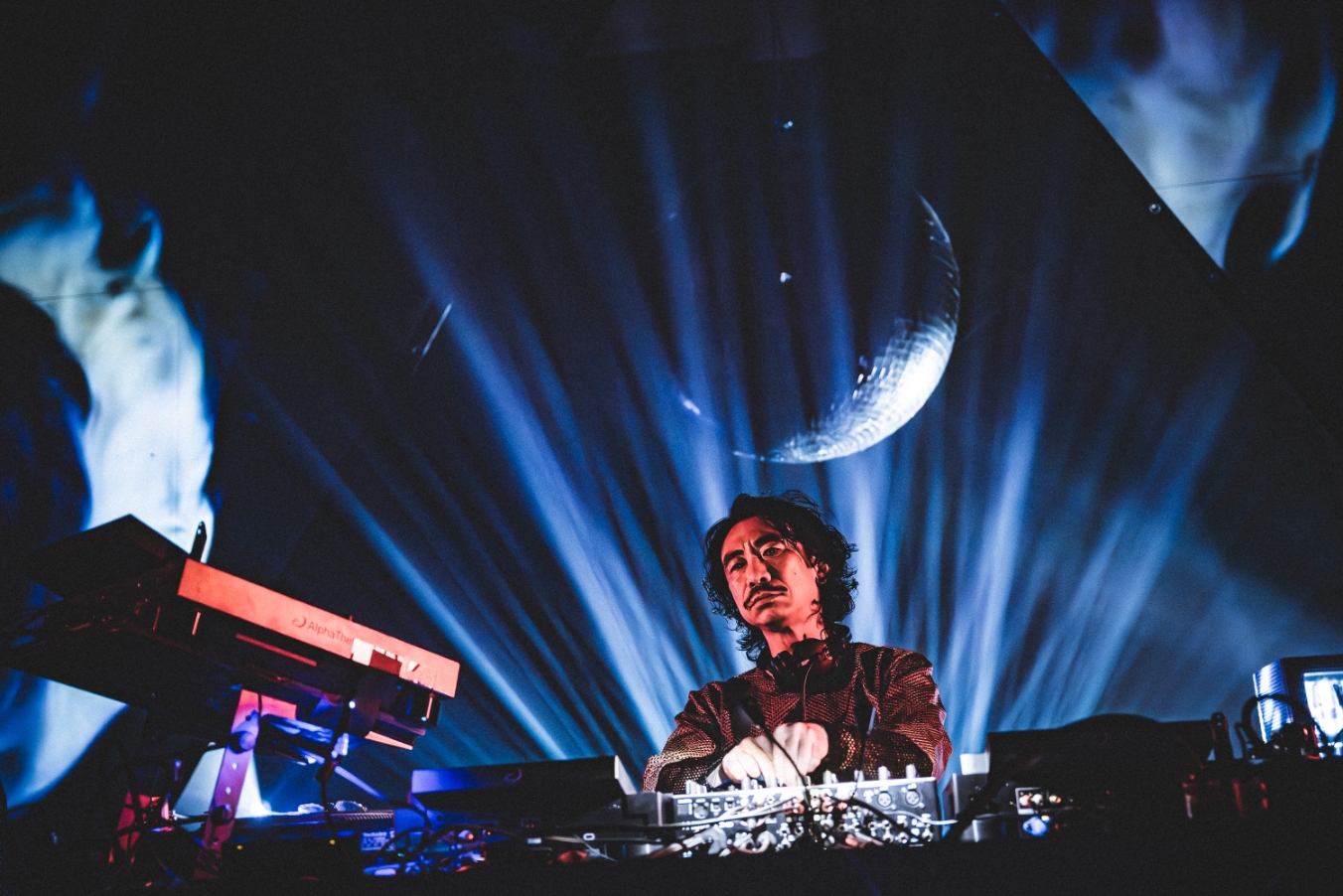
You've always balanced internationally recognised names with Japan’s more underground talents. How do you decide where to draw the line between "this is our community" and "this is the world coming to us"? Is there a certain compromise when it comes to the line-up?
Yuki Yokoyama: We curate the line-up around RDC’s guiding concept, “Beyond Space And Time”. Instead of overly focusing on current trends, we prioritise music and artists that we genuinely love, carefully programming them across our two stages.
At the same time, we are mindful of maintaining balance across a range of perspectives—including gender diversity, a mix of veteran and emerging artists, and representation from both Japan and overseas. Our goal is to create a festival that appeals to people across generations, and thoughtful, balanced curation is an essential part of achieving that.
Read this next: How Star Festival defied Japan’s Dance Ban Law and thrived
Asia has always had big IPs and festivals coming in from abroad. Rainbow Disco Club is the other way around: a Japanese festival going out to Berlin, London, Amsterdam, Lisbon, Bali, Goa…what was the intention of bringing the festival outside Japan?
Masahiro Tsuchiya: We’re fortunate that the music we love has a truly global reach. While it is shared across the world, many scenes have also developed their own distinct identities and interpretations. I had long wondered what might happen if we took our own musical values and perspective beyond Japan and engaged with those communities directly.
Travel has always been a passion of mine, and I’ve always believed that there are things you can only understand by being there in person. I wanted to experience different places firsthand, meet inspiring people, and explore new cultures through the common language of music. Since this music continues to resonate around the world, it felt only natural to use it as a gateway to a broader perspective.
Along the way, we’ve been fortunate to connect with like-minded people across the globe who share many of the same values and passions. The experience has been immensely meaningful, and it’s something I look forward to continuing in the years ahead.
You've built real, ongoing partnerships with artists, venues and labels from all over the globe which feel like friendships between communities. What can you share on what makes a partnership work long-term versus a one-time thing?
Yuki Yokoyama: One of the key principles for us is not forcing growth from the very beginning. Rather than aiming for large-scale events immediately, we focus on establishing RDC’s presence organically in each city. That means building meaningful relationships with trusted local promoters and communities, and taking the time to earn credibility and trust.
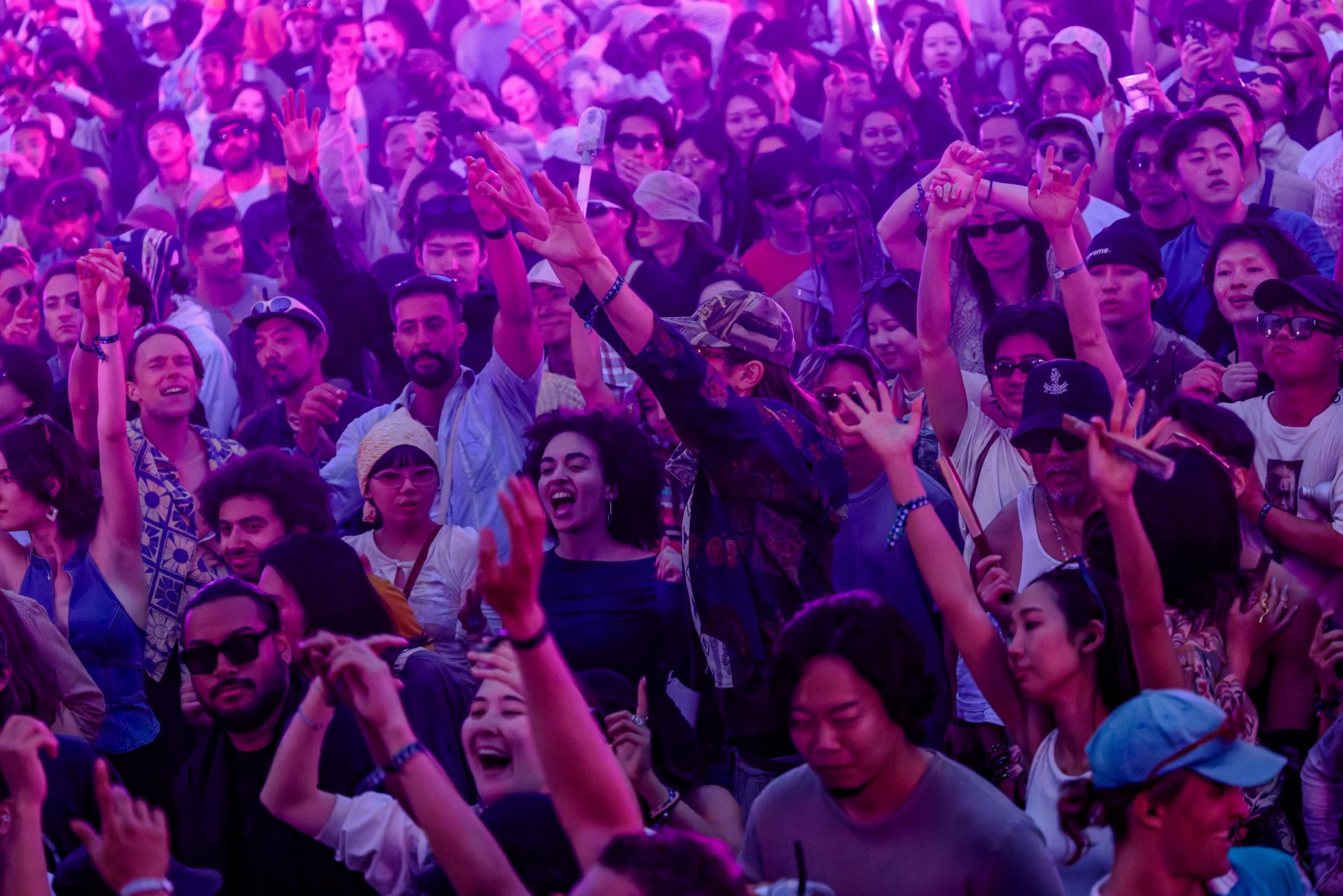
Amsterdam is a good example of this approach. When we first brought RDC there in 2016, the event attracted around 300 people. Through steady growth and strong local partnerships, it has since evolved into a gathering of approximately 2,500 attendees. We believe that kind of organic development is far more sustainable in the long run.
How has the festival evolved since the beginning: what feels different now compared to those early years?
Masahiro Tsuchiya: Perhaps the most important thing to note is that the core team has remained remarkably consistent over the years. The festival, on the other hand, has changed dramatically. Attendance has grown, operations have become increasingly professional, and by returning to the same venue year after year, we’ve been able to continuously refine every aspect of the experience down to the smallest detail.
What began as a project fuelled by passion and instinct has matured into something we can evaluate with greater perspective and objectivity. Through that entire journey, our core team has remained resilient, optimistic, and deeply committed.
Having such an exceptional group of people continue to dedicate themselves to RDC over the long term is one of the things I am proudest of. Their commitment is a major reason the festival has been able to grow and evolve in the way it has.
Read this next: Artist Spotlight: Meet Atsuo the Pineapple Donkey, Japan’s rising synth maverick
The 2026 line-up feels like a real step-change: the surprise artist Four Tet, along with Floating Points, Daphni, and Ben UFO on the same bill, plus their highly anticipated debut b2bs. Was there a moment where you thought, "this is the year we go bigger"?
Yuki Yokoyama: It was very much a testament to the dedication and persistence of our booking team. Bringing it to life created a genuine sense of surprise within the scene, which was incredibly rewarding to see. While expanding the festival’s scale has never been our primary objective, we do feel that it has allowed RDC to reach a wider audience and engage people beyond our existing community. We consider that a very positive development.
Above all, I’m deeply appreciative of the booking team, whose hard work and commitment made it possible.
So how did you actually pull that together? What’s the secret to being able to gather such established names to Shizuoka’s Higashi-Izu Cross Country Course?
Yuki Yokoyama: More than anything, I think it is the result of the trust and relationships we have cultivated over many years with artists and booking agents.
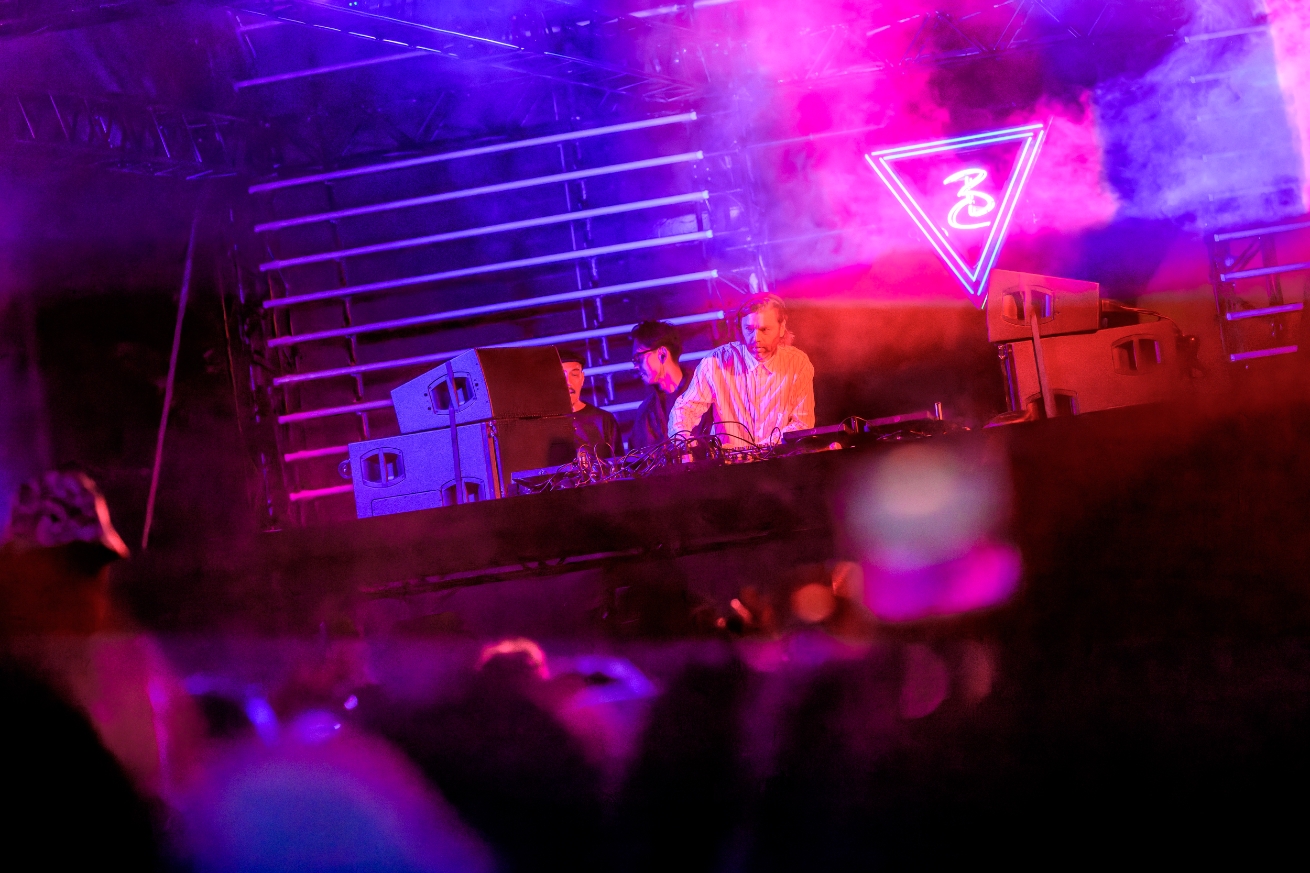
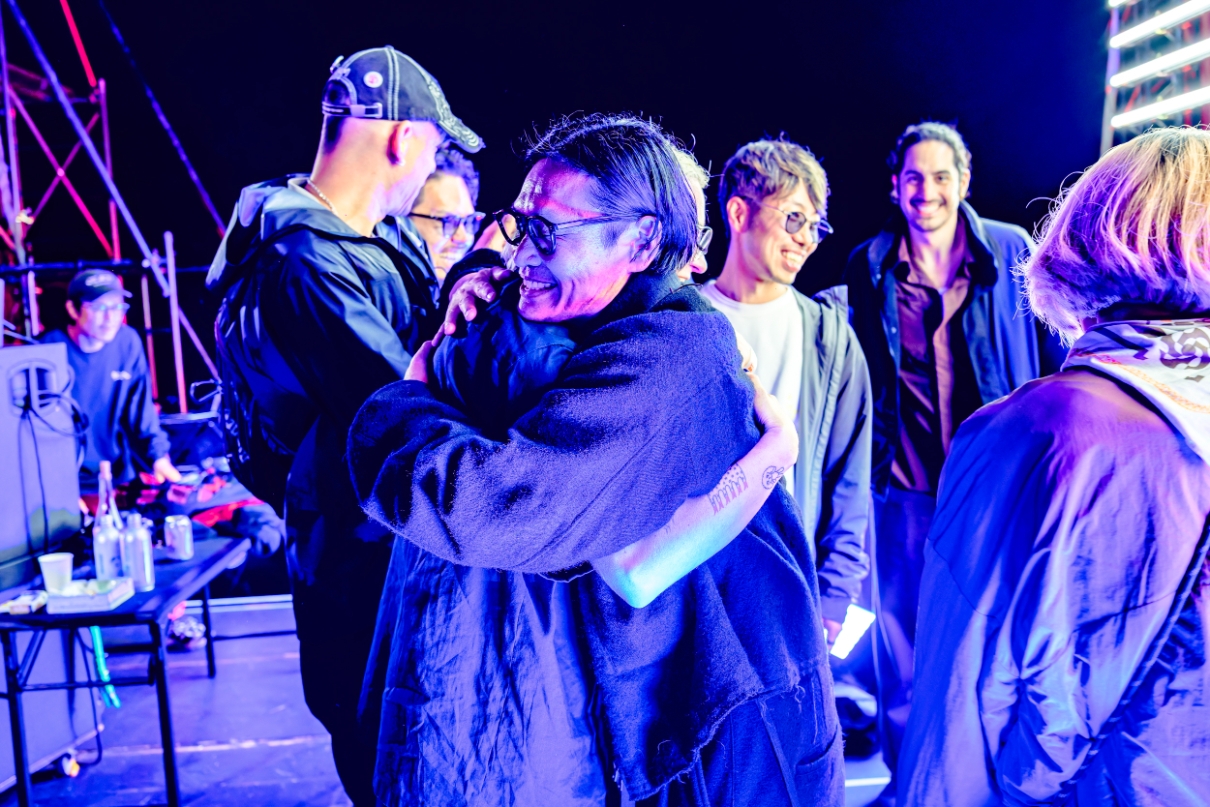
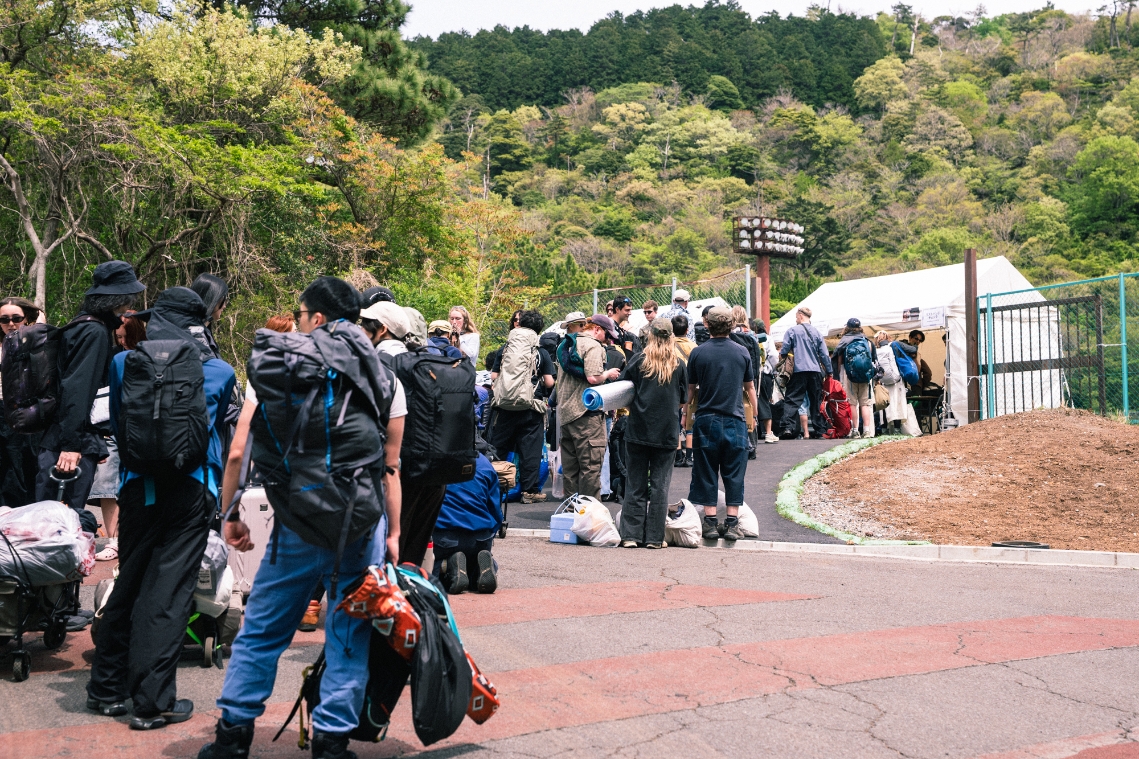
Tickets sold out again this year. How does that feel to you as not only organisers but cultural curators of Japan, and does that kind of demand ever make things harder to manage?
Masahiro Tsuchiya: I think it’s the result of what we’ve been steadily building over many years, which eventually translated into strong ticket demand. Many artists have shown understanding and support for what we’re doing, and the audience has come together to create a truly special atmosphere. We’ve been fortunate to witness many emotional and memorable moments, which has been incredibly rewarding.
While we’re honoUred to see growing demand, what we do hasn’t really changed. We simply remain focused on continuing to refine and improve what we’ve always been doing.
Read this next: Perpetual jazz: Kuniyuki’s sound is shaped through the void of time
To those out there wanting to create an intimately successful festival experience as Rainbow Disco Club, what piece of advice can you share?
Masahiro Tsuchiya: It’s about sharing the passion you have with people who can genuinely share in that joy—your collaborators, the staff you work with, and the artists—and constantly thinking about how to create an experience that the audience will truly enjoy.
There are certainly many difficult and challenging moments along the way, but I believe that if you can continue with sincerity and put your heart into it, something meaningful and worthwhile will naturally come out of it.
Finally, in your own words, how would you describe the Rainbow Disco Club feeling to someone who's never been; not the sounds and genres, but the actual feeling of being there?
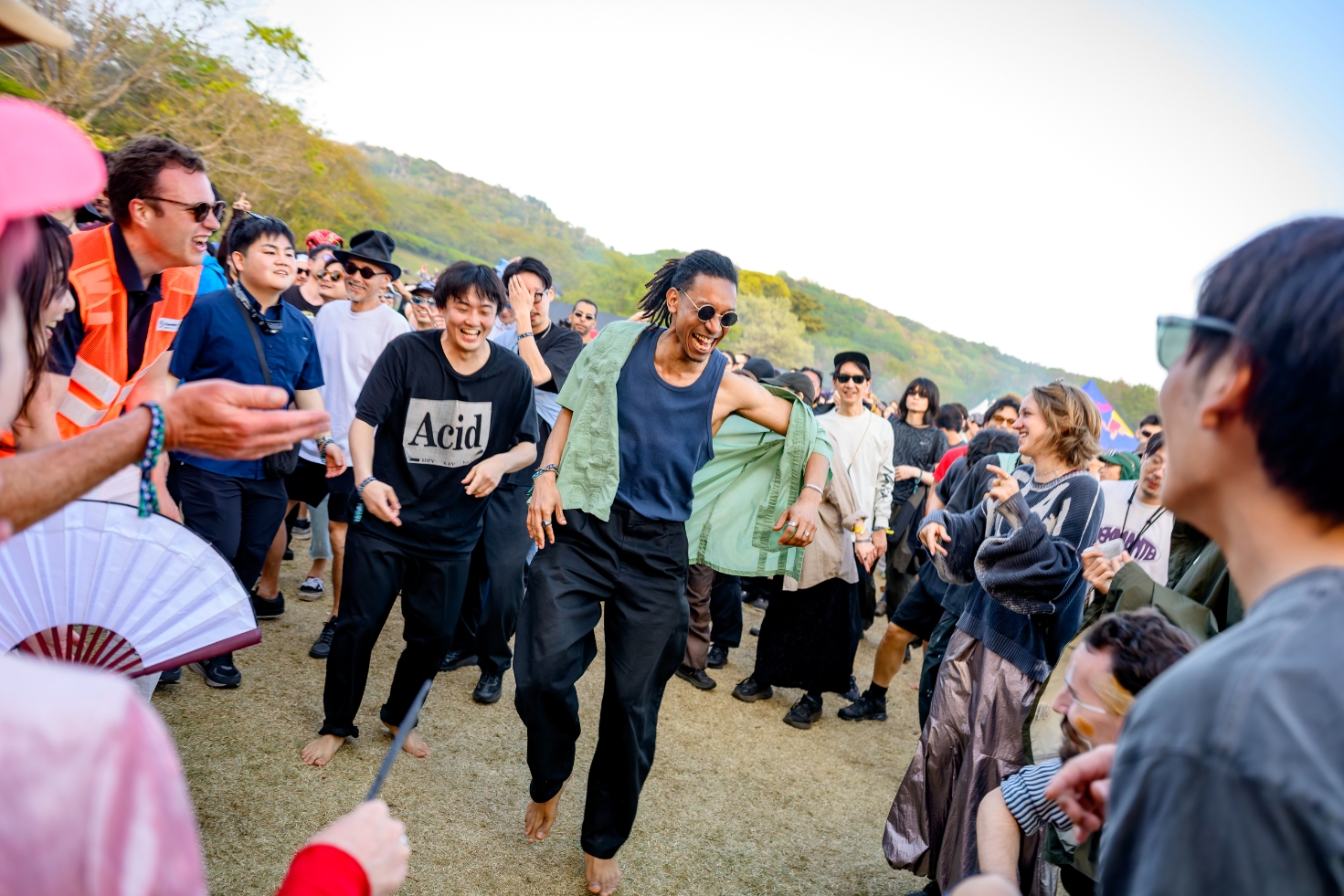
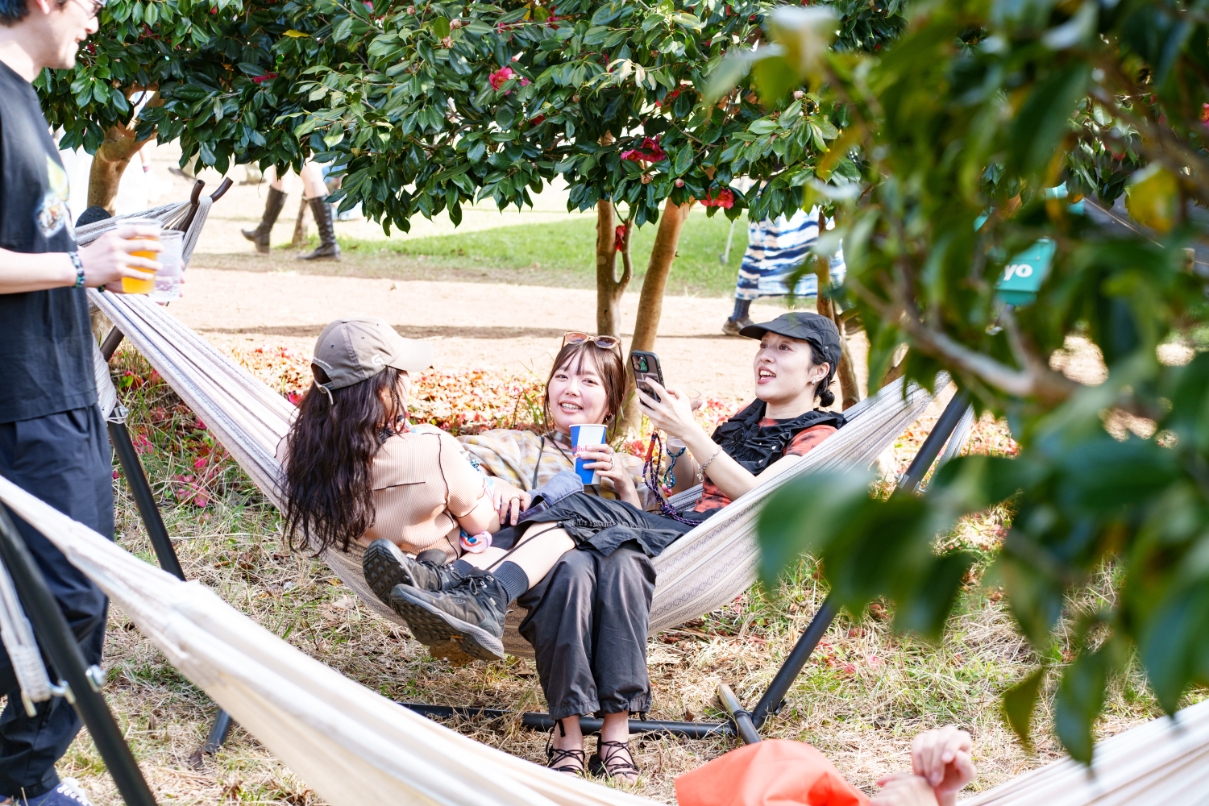
Masahiro Tsuchiya: It’s kind of like going on a picnic with friends… or something like that.
Amira Waworuntu is Mixmag Asia’s Managing Editor, follow her on Instagram.
Never miss a beat. Subscribe to our Scene Report newsletter or follow us on Instagram.
