


 Features
15 Years, One Dancefloor: Discostan is a land that refuses a single direction
Continuing to centre “the sounds and stories of the SWANA diaspora and playing them loud and unapologetically in the heart of the empire”, the collective delve into the value of warbled cassettes, reframing Charanjit Singh’s radical ragas, plus the importance of history and possibility over nostalgia
A dargah sits across the street from the house in Hyderabad where Arshia Fatima Haq was born, where three generations of her family, including women, are buried. On Thursday nights, musicians gather at the shrine ahead of the Islamic holy day it precedes.
Sometimes a full qawwali ensemble, sometimes a single voice working through the verse of a saint. It is said the angels come on Thursdays to listen.
Haq came to listen, too, as a child. That impact took years to manifest itself sonically and in community in a room, and a creative partner in Jeremy Loudenback to build it with.
The first Discostan party played around 2011, in a Koreatown dive bar, with no audience and no guarantee: "Us and our friends who wanted to hear some of these great, typically older, 80s Bollywood disco, Turkish psychedelia, Iranian pop music produced in Los Angeles," Loudenback says. Los Angeles holds some of the largest Iranian and Armenian communities anywhere, incidentally.
Fifteen years on: "Centring the sounds and stories of the SWANA (South West Asia and North Africa) diaspora—communities often seen as disposable or dangerous—and playing them loud and unapologetically in the heart of the empire."
That is how the Discostan collective describes the project.
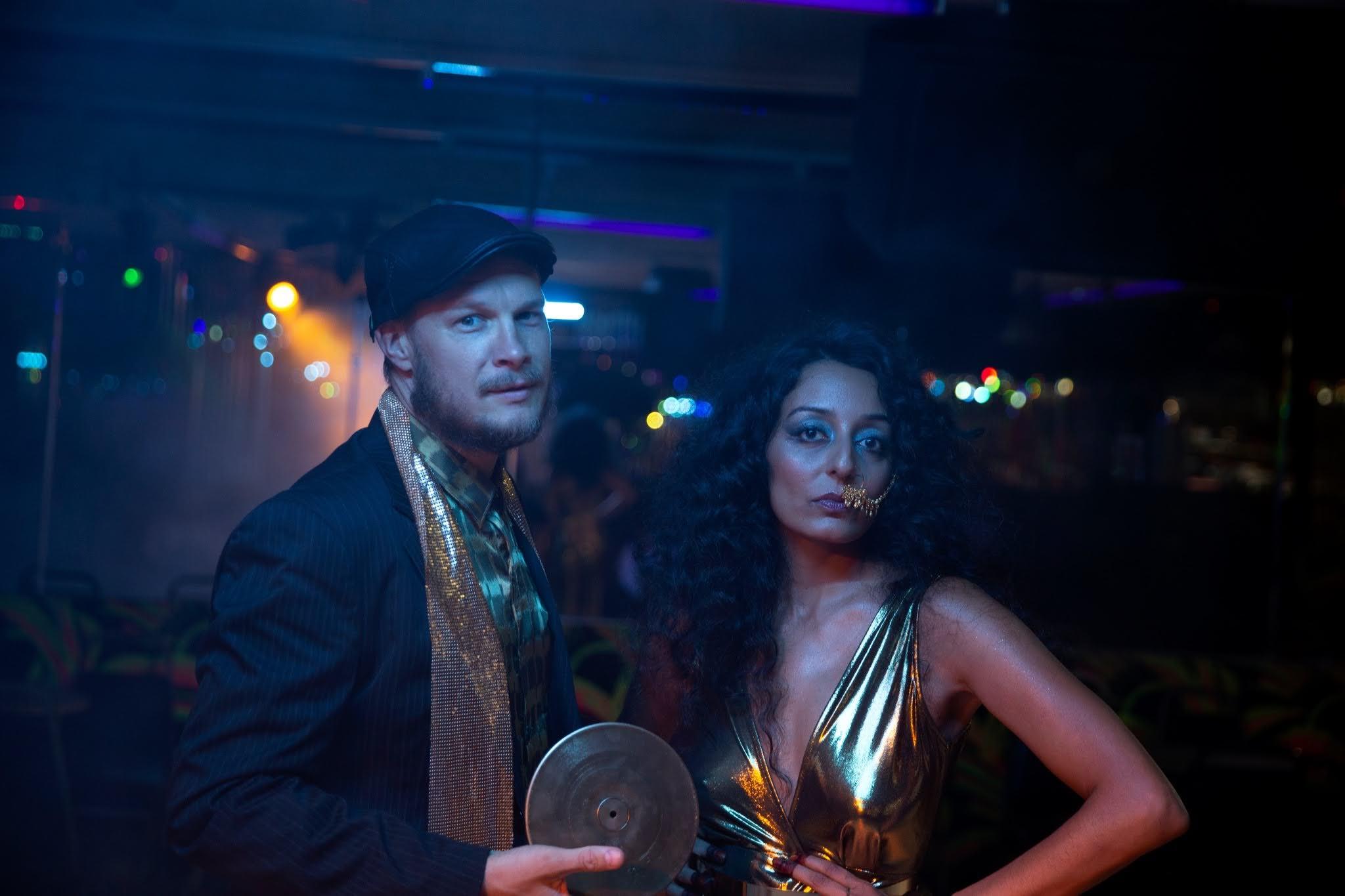
Founded by Haq and co-run with long time collaborator Loudenback, the label and DJ collective acts as an imaginary land, borderless nation for the SWANA and South Asian diaspora. DJ Lara Sarkissian, who ran the parallel Bay Area collective Club Chai from 2016 to 2021, calls what projects like this build "cultural infrastructure as much as parties"; rooms where people hear themselves reflected in ways mainstream club culture rarely allowed.
Discostan has been hosting a monthly residency on NTS Radio—running since at least 2017, making it nearly as old as the club night itself—with a tagline pulled straight from the parties: past, present and future soundtracks from Beirut to Bangkok via Bombay.
Today, the collective is having its most crowded season: a Lebanon fundraiser at El Cid in June, Music Beyond Borders at The Ford in October with the LA Phil, and an upcoming exclusive Discostan mix on Mixmag Asia; one of the few recordings the collective has ever let out of the room.
Read this next: "The call has only grown louder with time": the return of the UK's seminal South Asian club night, Swaraj
On August 7, Light in the Attic reissues Charanjit Singh's seminal 'Ten Ragas to a Disco Beat' (recently named Best New Reissue by Pitchfork with a glowing review), with liner notes co-written by Haq and Loudenback.
Loudenback reckons five years is an eternity in nightlife. It certainly seems like Discostan has run at least three of them on conviction alone.
The early nights attracted a sort of confusion; people would wander in expecting the familiar and ask the booth when the 80s music was starting. "The people that heard us were quickly separated," Loudenback says, "because most people would always bring it back to a mainstream, Western-centered perspective."
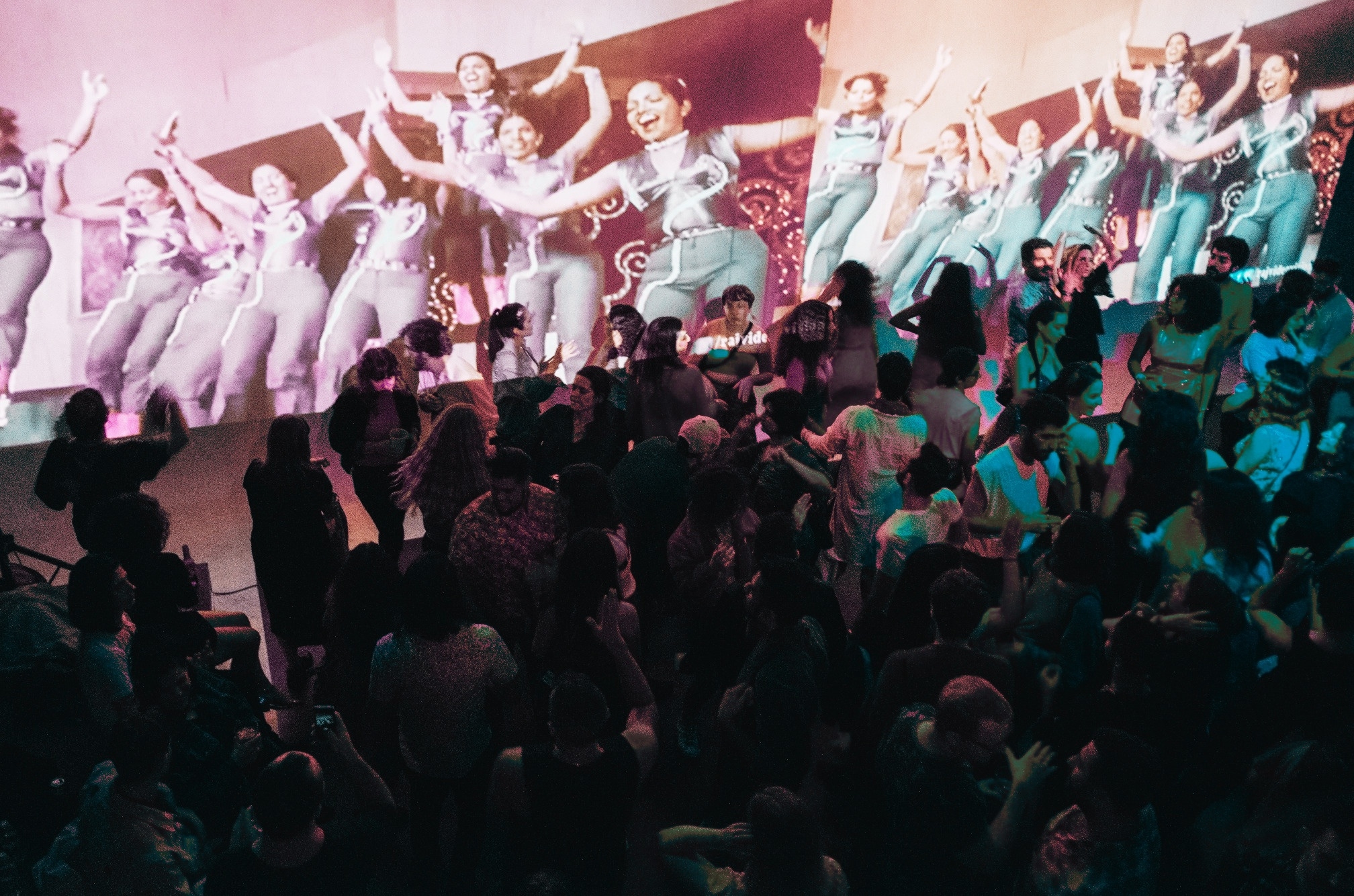
A few years from then, a sea of five hundred people was undulating through a room built for two hundred and fifty, and the line went around the block. Today, Discostan gatherings sound like anything from Toumba's dabke-bass staples to Azu Tiwaline's hypnotic Saharan-dub productions, with Noise Diva's high-energy cross-cultural tracks thrown in.
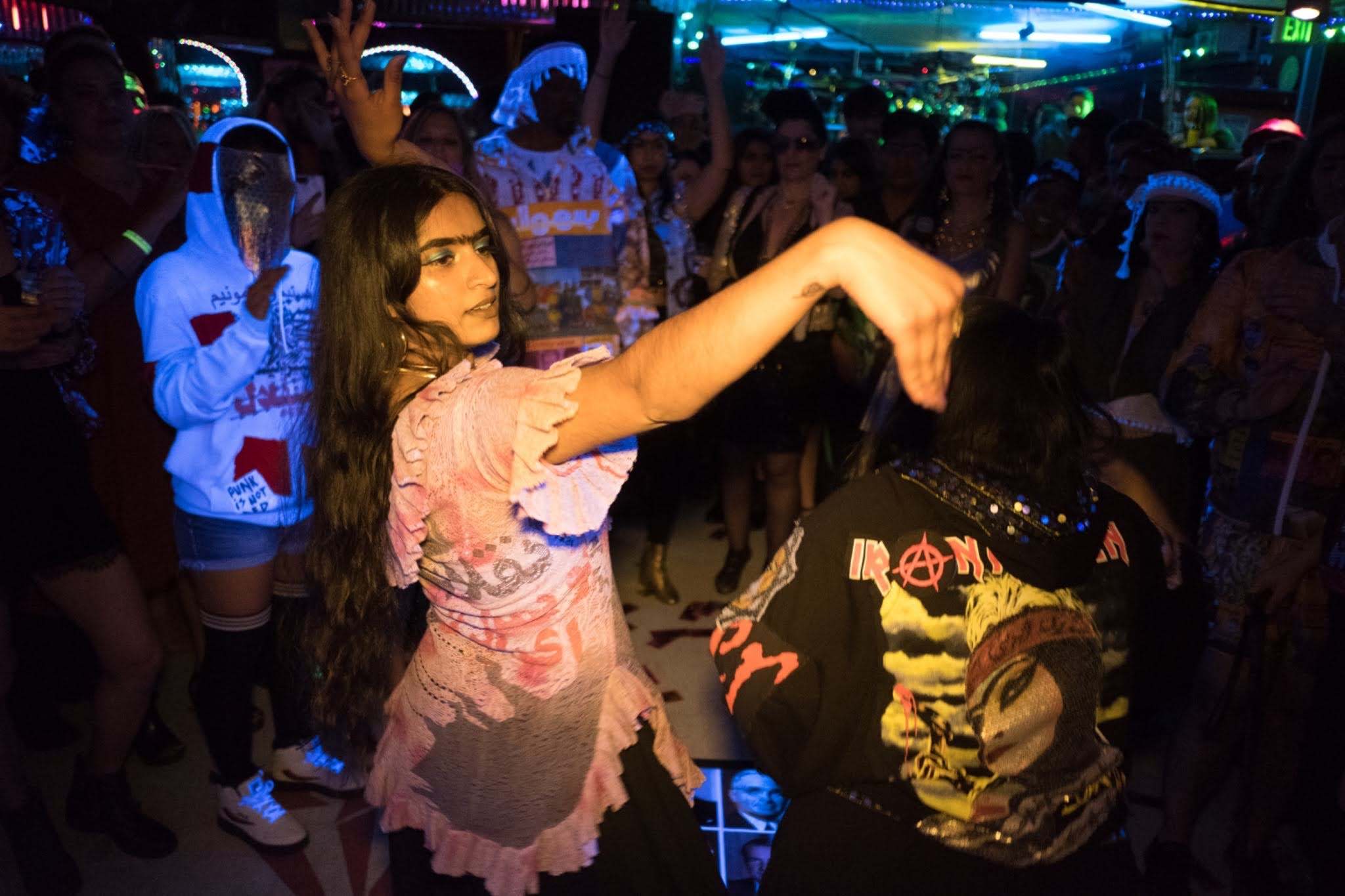
Gulistan, in Persian and Urdu, means land of flowers; the home you make up when the real one won't take you back. Haq, born in Hyderabad and raised in the US, understood statelessness early: Indian, Muslim, and an immigrant woman. Discostan took the suffix that means land and attached it to something that has always defied borders.
"Discostan is a place for us," she says, "a place formed by sound, one of the few things that can permeate a border wall."
Loudenback arrived at the same conviction through obsessive digging, the long way to music the mainstream had decided wasn't worth carrying. "I miss the context of buying this music in person," he tells Mixmag Asia. Early sets ran 1980s subcontinental disco next to Iranian pop, Balkan music, Arabic pop. Haq points to koshari, the national dish of Egypt, tracing back to kitchari, carried over by Indian railway workers a century ago.
Read this next: “It’s a family affair”: South Asian clubbers share what the dancefloor means to them
There were South Asian diasporas experimenting with bass-heavy electronica and drum and bass in the US, alongside the Swaraj and Anokha nights in London, both of which had been around since the 1990s. There were Bhangra nights in the US, and queer Arab parties.
There wasn't a room that held the whole geography at once.
What Discostan sounds like at 1AM has mostly gone undocumented, very much a deliberate choice. It’s more of an invitation, Haq and Loudenback say, to come and be in the room yourself; "The nightclub is a liminal space. What happens in the club stays in the club."
There are some images from over the years that persist anyway, such as a zurna player starting up at midnight on the dancefloor. Or a qawwali running unedited to the end, because the full thirteen minutes is the point of it all.
Another recurring motif: scratched vinyl or warbled cassette dubs, played because they were the only surviving source of a track.
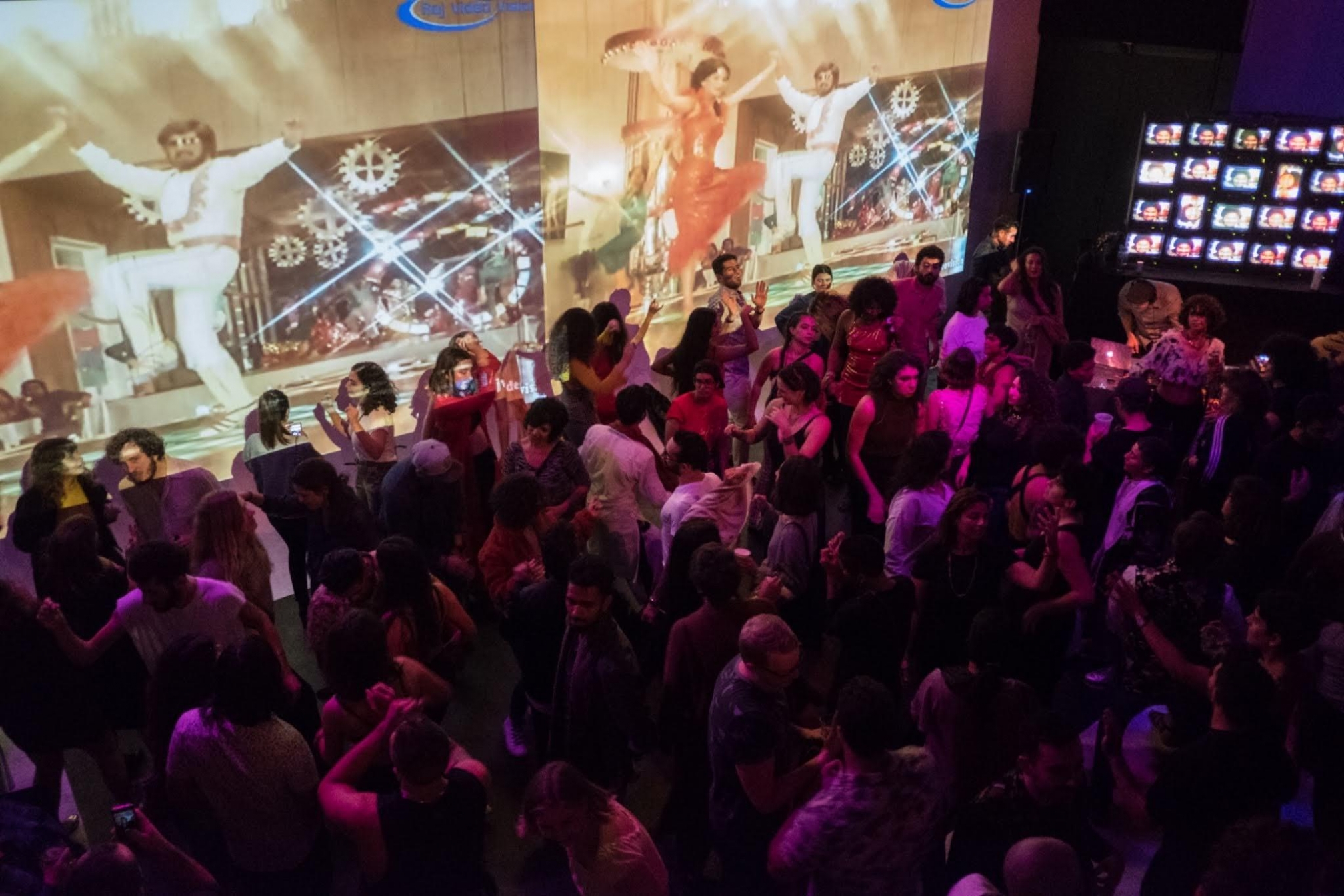
Other artists in Discostan's orbit arrived at the same instinct independently. Maral is an Iranian-American producer who was introduced to the track 'Choli Ke Peeche' by Arshia, which she went on to sample in Coy Dub, a track on her Mahur Club mixtape. She was drawn to this fidelity to the worn and unpolished, missing from her own community's popular music. "Popular Iranian music had gotten so sterilised," she says.
Her parents' old cassettes, warble and all, drew her back in. She worked that visceral texture into her own DJ sets, "more of a need to share the emotions than a deliberate archival statement."
Long-time collaborator Sarkissian hears the same instinct in Discostan's source material: “Imperfect recordings,”she says, "carry traces of migration, technology, memory, and survival. Those imperfections can tell stories that polished recordings can’t. I think that’s part of their emotional power."
Read this next: How India ferried the new Gorillaz record ‘The Mountain’ across
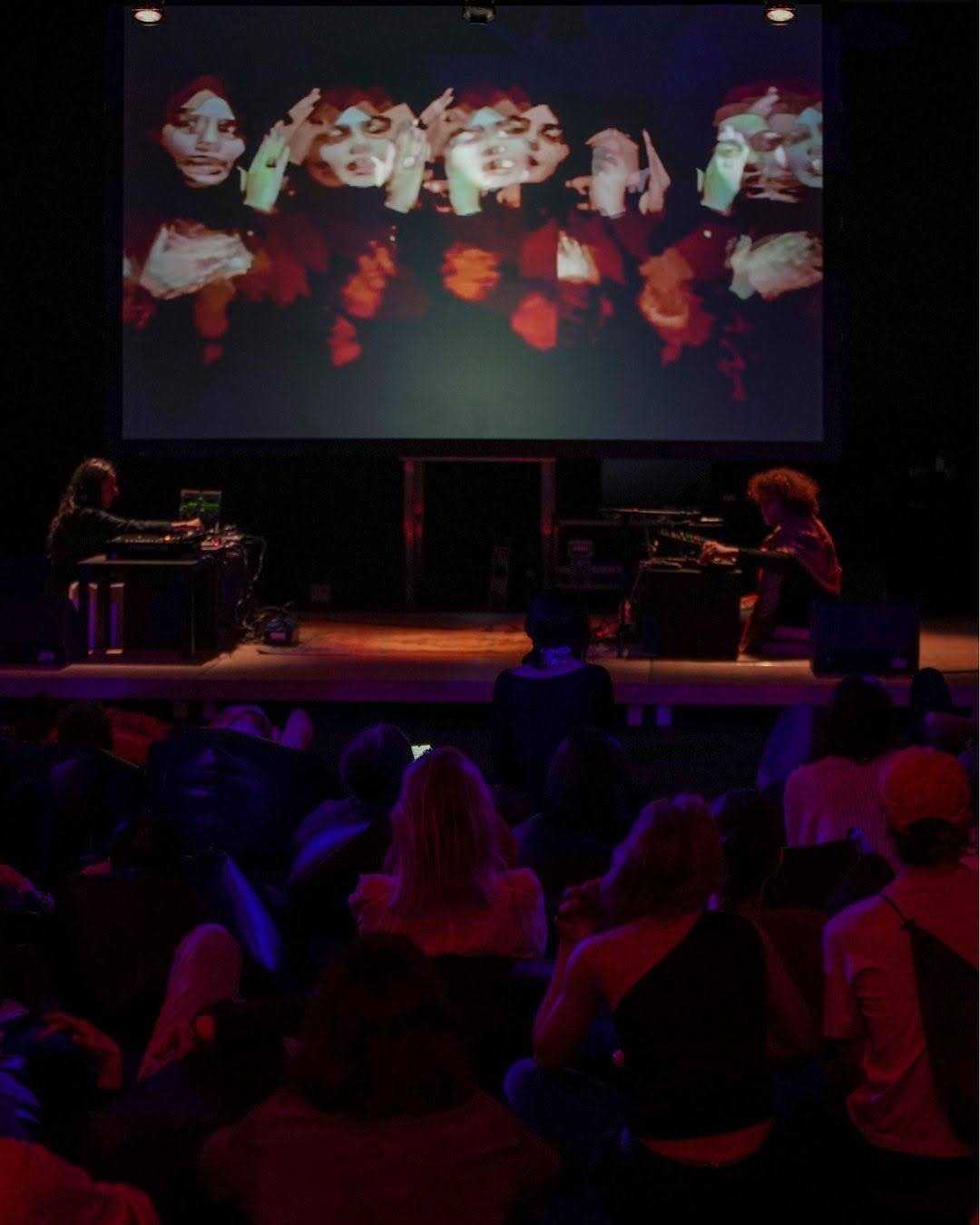
The first year ran largely on nostalgia, which Haq eventually came to regard as a trap; looking backward can shade into propaganda. So the visual language changed: glitch entered, images distorting mid-projection. The sound moved the same way.
"There’s been a new crop of SWANA producers engaging with the archives, and with the past and present bass aesthetic,” Loudenback says, about what started showing up in sets next. "We wanted to dig deeper into the songs and traditions that were touchstones outside of the Western gaze."
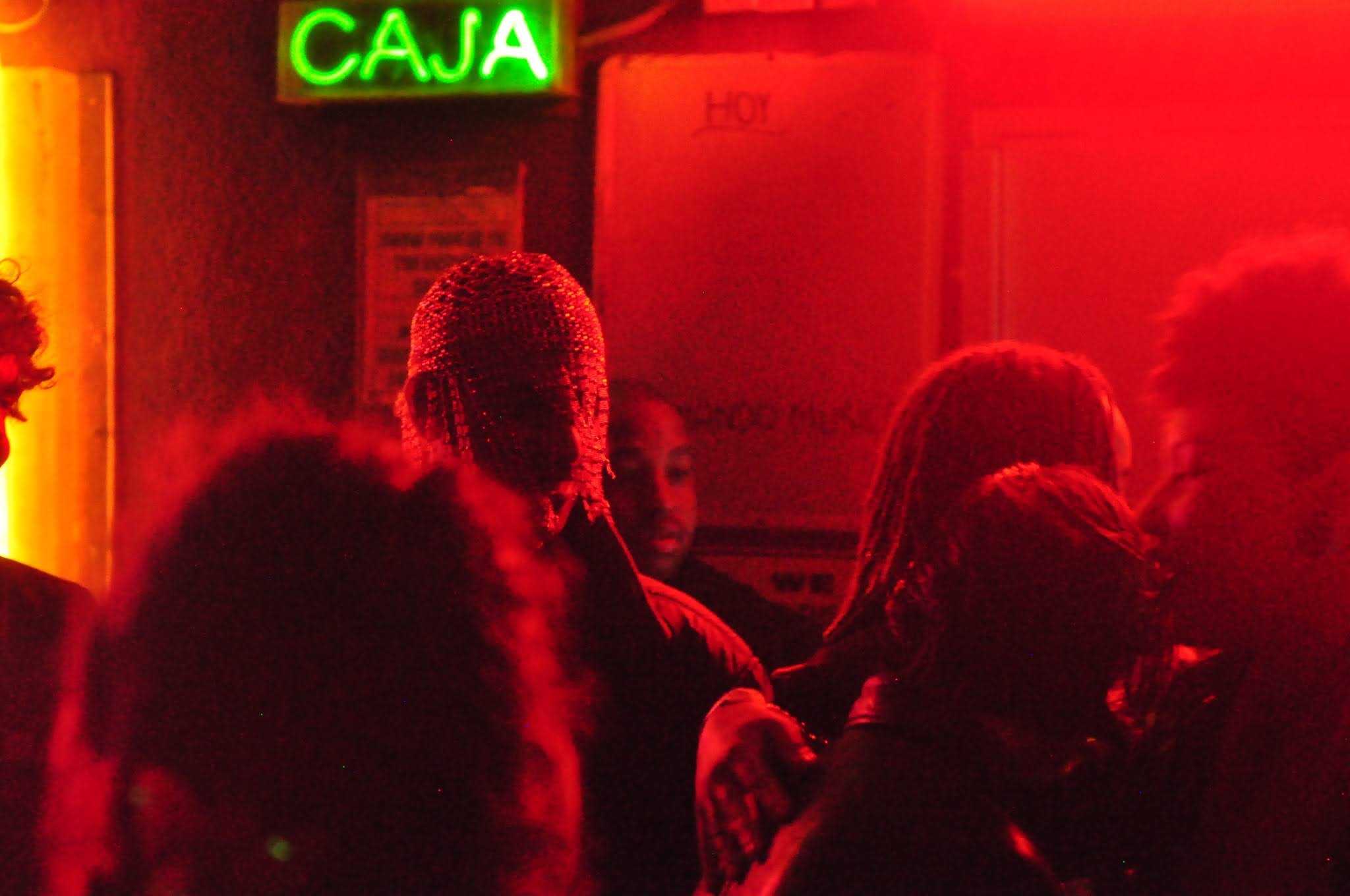
An example that comes to mind is Malaise Vagal, the Paris-based DJ and producer known for her politically conscious and playfully cynical music blending her North African heritage with bass, UKG, Jersey club, and experimental sounds. The collective is quick to admit: "We love a bass-heavy edit as much as anyone else."
A vintage qawwali still runs unedited some nights. On others, it sits next to a producer working right now, reimagining the same source material through a club system built for 2026, not 1986.
Live musicians came into the nights too, then drag performers, and fundraisers. The space became "the crossroads of the cinema and the street, the so-called sublime and profane." Runa Laila and Fairuz, Haq points out, moved between the two their entire careers.
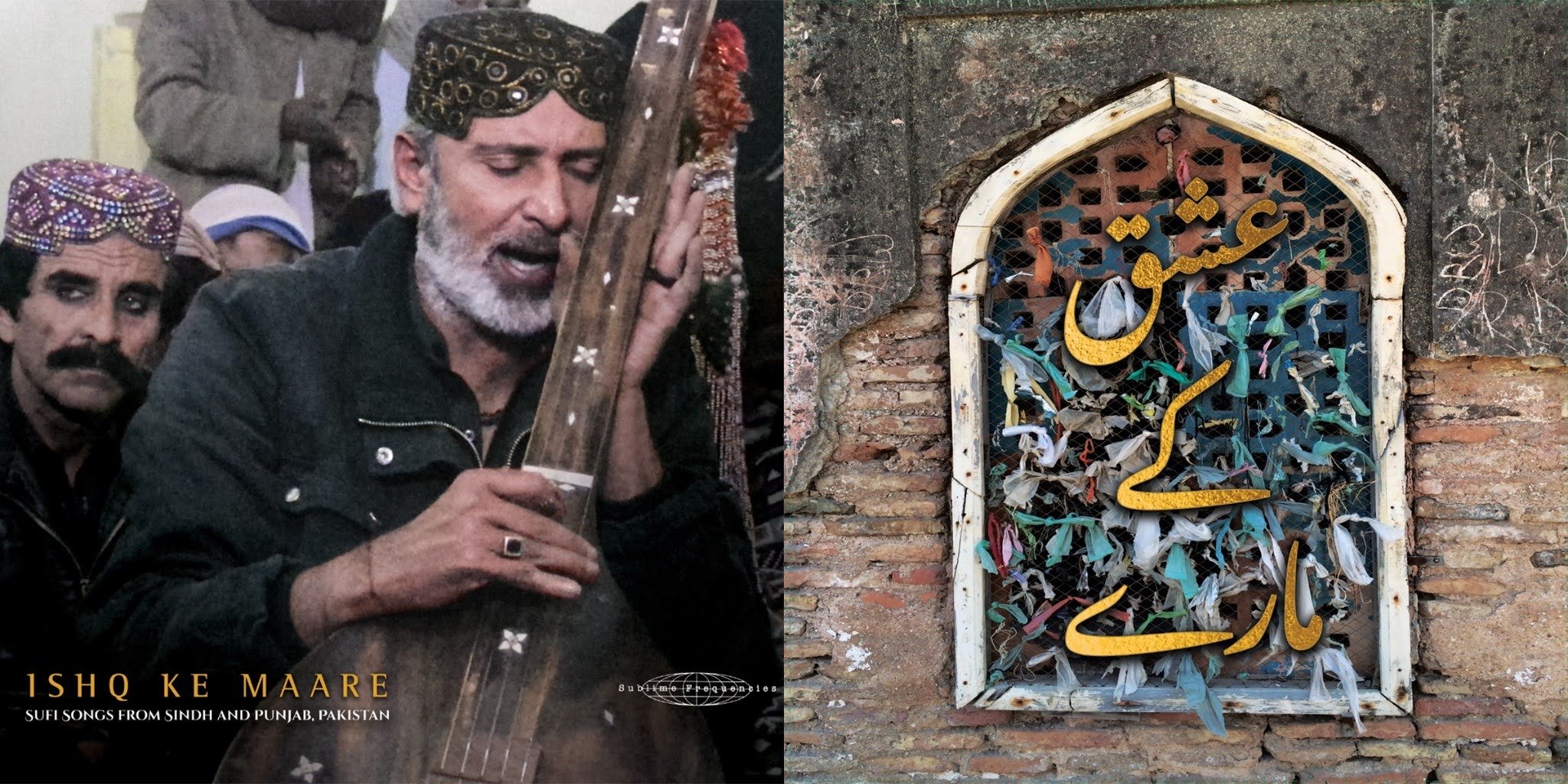
In 2013, Haq went to Pakistan to record in the field, visiting shrines across Sindh and Punjab over two years. At the shrine of Shah Abdul Latif Bhittai, the resident male musicians sing in falsetto; the saint composed his verse in the feminine voice. "Even masculinity is not a binary idea in these spaces," she says.
Read this next: Megatronic redefines what it means to blend artistry with activism
The fieldwork became 'Ishq Ke Maare', and fed into Sama: The Divine Listening Room, pairing Haq's turntables in live improvised dialogue with SWANA artists in devotional traditions; first Maral in 2020, later Raed Yassin in Berlin and Yara Mekawei in Greece, Denmark and Norway. "Music to me, since a young age, has always felt sacred," Maral says, "and I wish more of society felt that way."
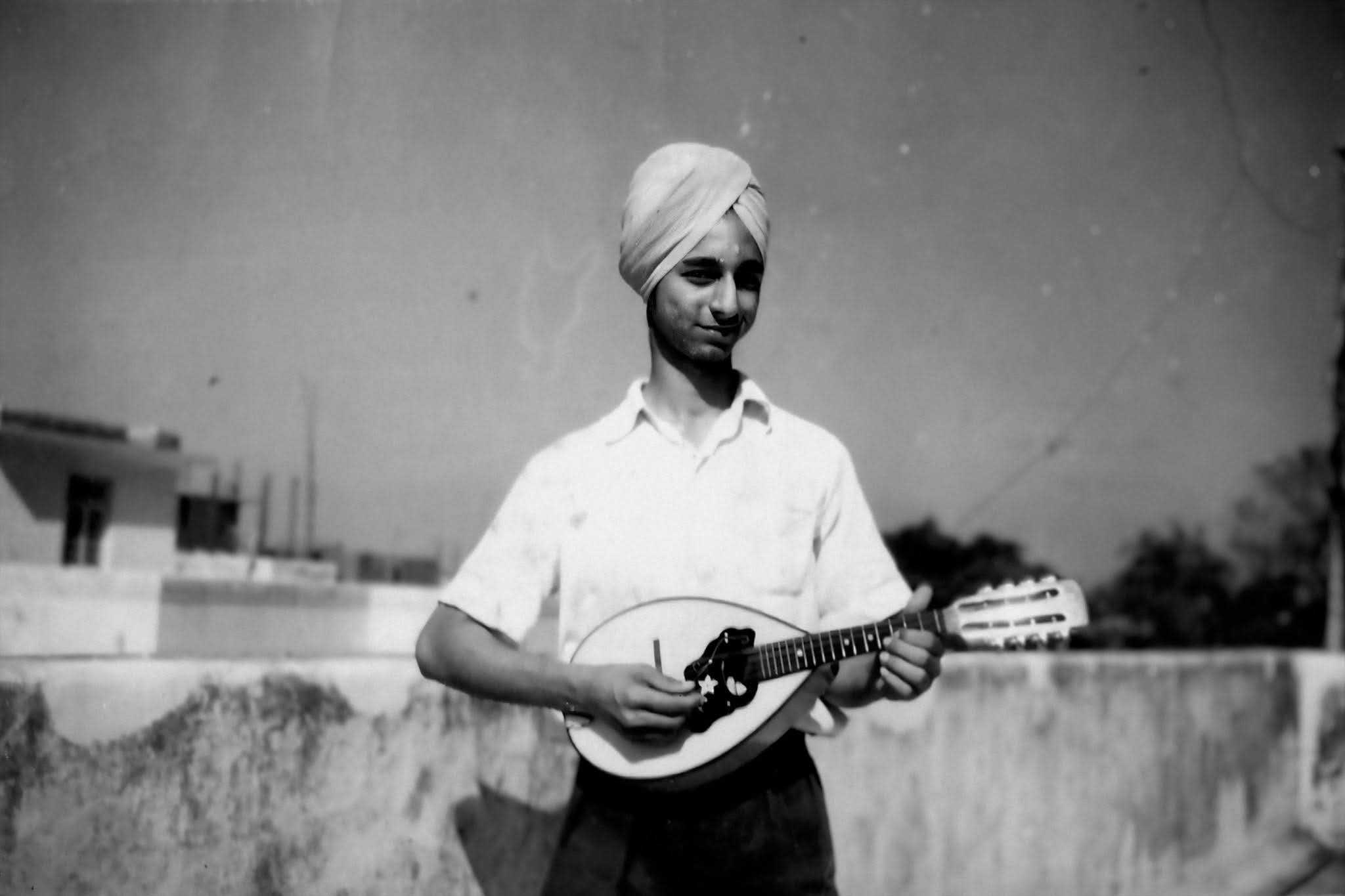
The story of 'Ten Ragas to a Disco Beat' is also a story about how music survives when nobody "official" is minding it; similar to the story Discostan has been telling about itself for fifteen years. The scratched vinyl, the low-res YouTube rip nobody bothered to credit: the same informal survival strategy, just working on a record instead of a region.
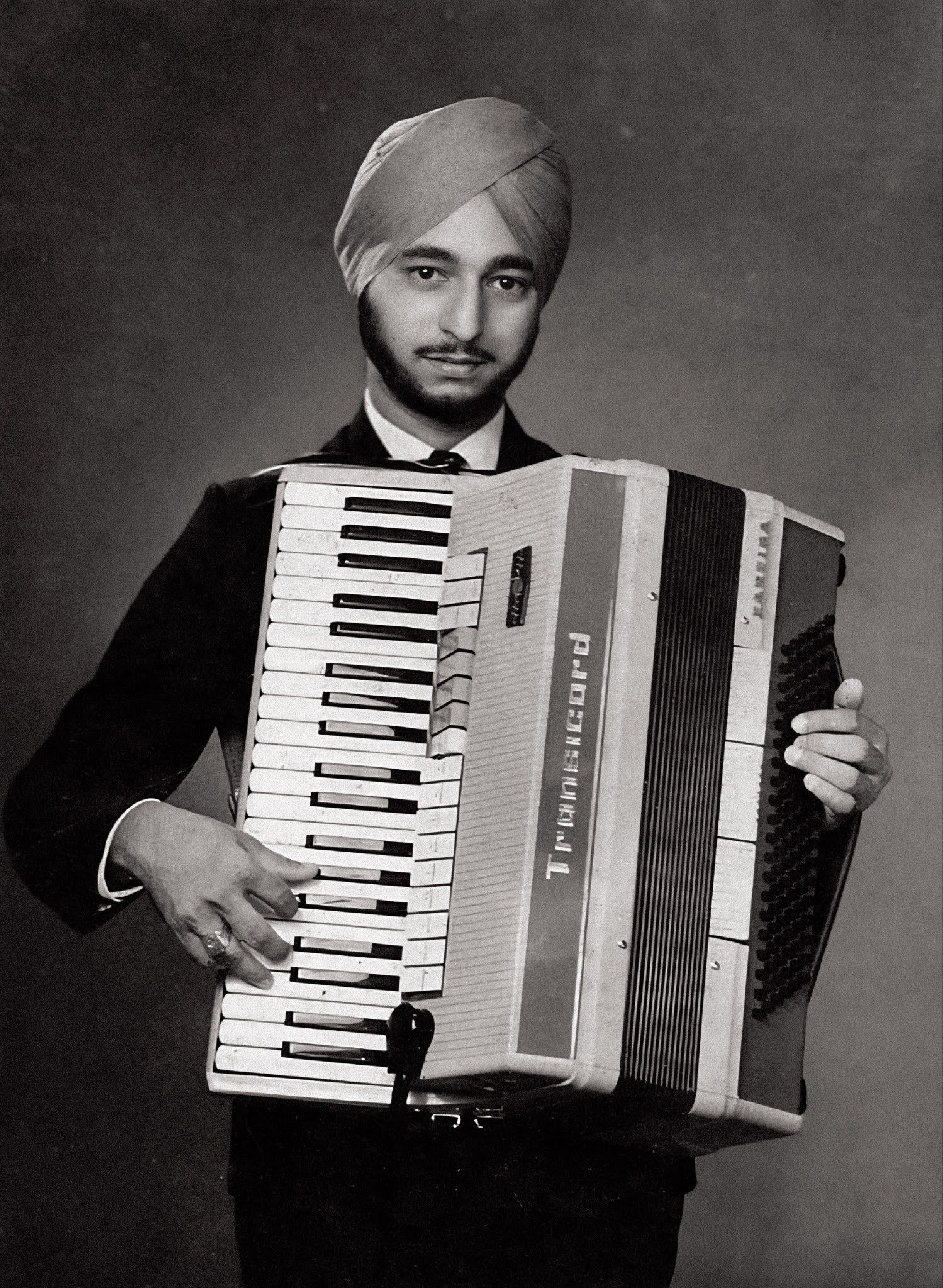
Charanjit Singh recorded the revelatory album in two days at HMV Studios in Bombay in 1982, every track a single take. A session musician who'd spent two decades playing behind other people's names, this was the first thing entirely his own.
"Frankly, this was the best thing I did," he said years later. "Other albums are all film songs I just played. This was my own composition." It barely sold, a few plays on All India Radio and then… nothing. Too eccentric for the average listener, too rooted in ragas for anyone chasing a Western sound.
Read this next: Mixmag Asia Radio: Honouring the timeless artistry of Susumu Yokota
When Edo Bouman's Bombay Connection label reissued it in 2010, having tracked Singh down over eight years after first hearing it on a Fisher-Price player in a Delhi hotel room, it landed with a boom. The West had a framing for the phenomenon: proto-acid house, a claim Bouman later admitted was more marketing hook than serious argument.
Then Bombay Connection shut, the pressing went out of print, and the record's second life ran through YouTube rips. It was the same informal circulation Discostan has always treated as preservation.
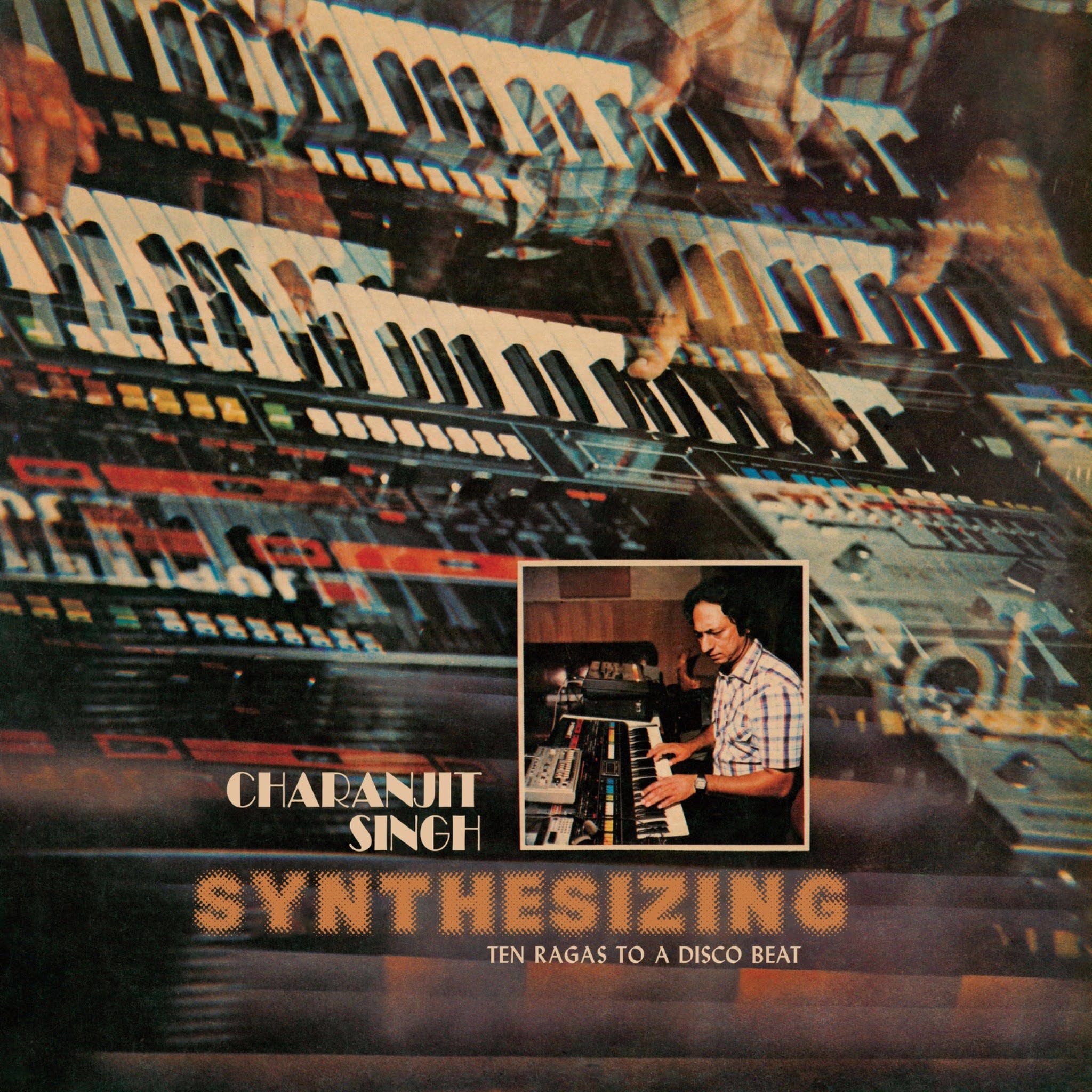
Matt Sullivan at Light in the Attic had distributed the 2010 pressing and still calls it one of his favourites of the tens of thousands the company has handled. "I remember just being floored by it. I still can't believe it's 1982," he tells Mixmag Asia.
Sullivan began pursuing a licence from Saregama, the Indian giant that owns the record, sometime before the pandemic. Years of slow correspondence followed—Saregama supportive throughout, just enormous and busy.
For the liner notes, he reached out to Mark McNeill, known as Frosty, co-founder of Dublab, where Discostan built part of its early broadcast life after Radio Sombra in Boyle Heights. McNeill's suggestion was immediate. "Once he made that connection, it was a complete no-brainer," Sullivan says.
The notes work against everything the acid house framing took the nuance out of: indigenous futurism on the Subcontinent, Singh's technical mastery, and his role making space for Indian musicians outside the studio system. Loudenback calls it a third space—Singh's own vision.
Read this next: Profound connection: Dar Disku's pumping dance music is powered by Middle Eastern, Arabic & Asian sounds
Music historian Geeta Dayal makes the technical case: the Roland TB-303 was built to imitate a bass guitar, and Chicago producers later prized it for the squelchy tones of misusing it. Singh used it differently; its glissando function, sliding between notes, suiting the ornamented movement of a raga almost perfectly.
The family is in the liner notes too; four grandchildren, each of whom contributed an essay. Joshua Singh writes in his, "He organised his days around something invisible and insisted it had weight. Our home followed that logic. Music wasn’t decoration or aspiration; it was the air. It moved through the rooms, through us. My father, my sister Rachel, and I grew up breathing it, and only later did I understand how completely it had shaped us."
Rana Ghose, Singh's last manager, contributes as well, alongside Johanz Westerman, who remastered the record and played it alongside Charanjit Singh. "For an Indian record to be placed in the canon of electronic music was a watershed moment," Haq states. "Singh continues to be a touchstone for so many contemporary musicians and DJs from the Subcontinent."
Haq was working at the Los Angeles record store Amoeba in 2010 when she saw the reissue on the shelf; Loudenback heard the rumour before he heard the record. But both say the possibilities it offered fed directly into Discostan's creation the following year.
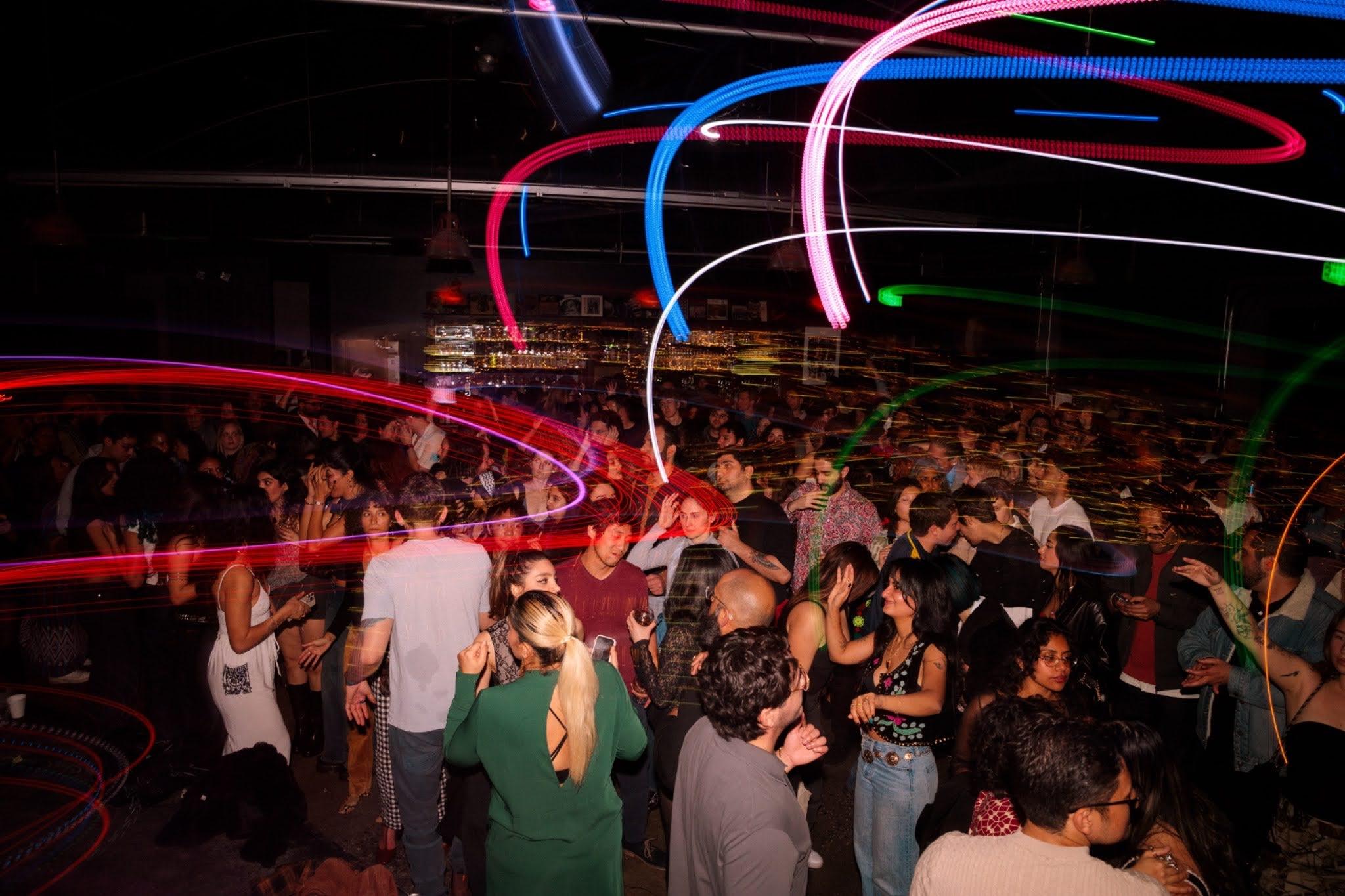
There are moments the collective keeps returning to: opening for Bappi Lahiri in LA, "just surreal", Loudenback says. There were also the 2021 fundraisers that raised US$30,000 for Afghan families amid the withdrawal, a way "to give a little bit of hope during really dark times."
And Shalimar Gardens: the Lahore Biennale came calling through a curator who had been to Discostan, and Haq and Loudenback built a soundscape for the Mughal garden, weighing its history and the improbability of an Indian Muslim woman performing in Pakistan.
Read this next: Arabs Do It Better: the party championing Arabic music in the Holy Land
Discostan's politics were never incidental. Its first efforts panned out as the US waged proxy wars across Syria and Palestine and bombed Afghan families, and the collective saw itself as a corrective—"What we hope is that the space allows people to gather and be somatically immersed in the sonic experiences of their lineages. It was also a counterpoint to the stream of violence in the news for people who were new to these cultural expressions, to realise that these countries were not just datelines of destruction, but also home to incredible communities creating music."
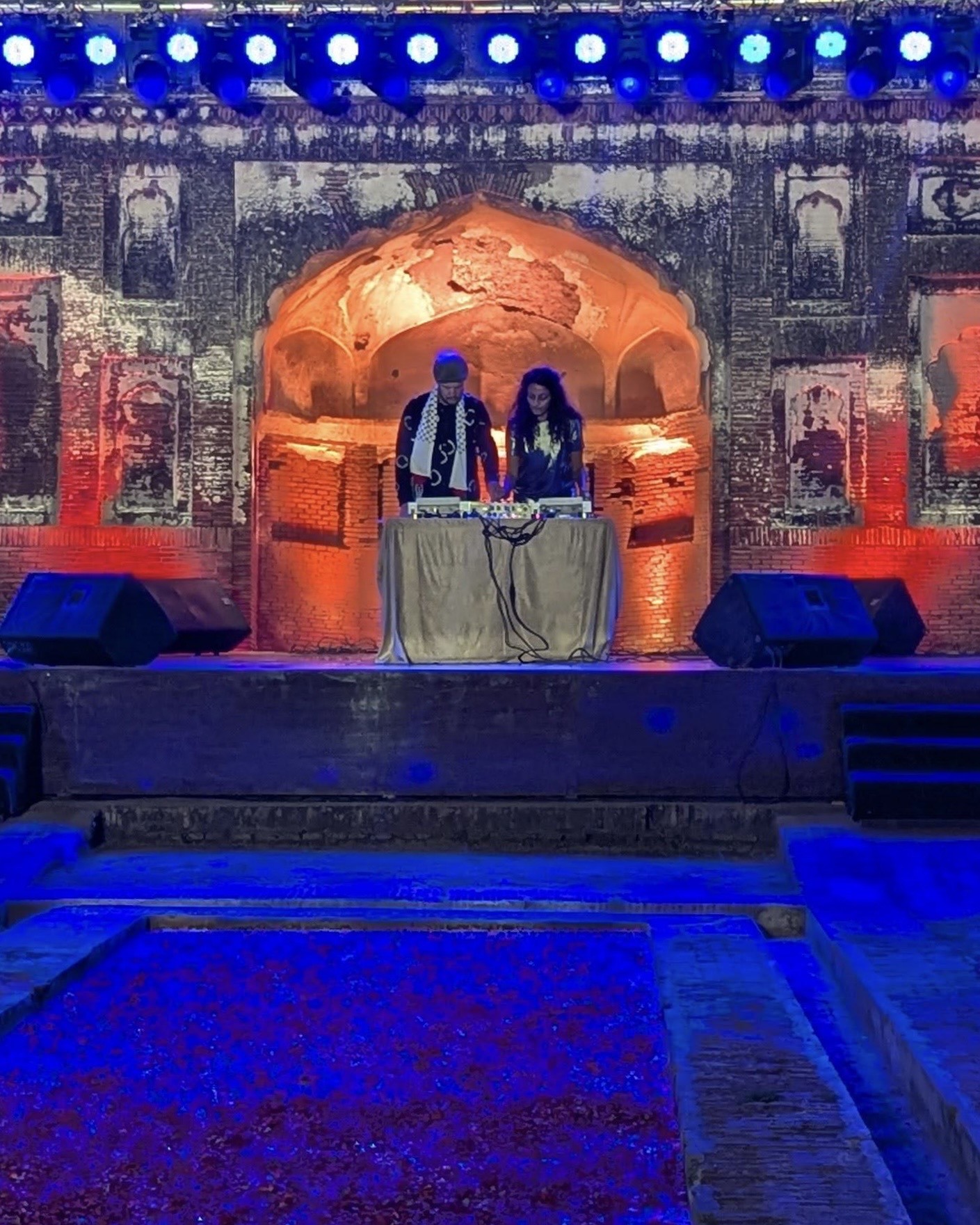
The empire, lately, has been busy.
Loudenback, through his day job, recently visited an immigration detention facility. Inside is a list of detainees and the languages they speak: Punjabi, Arabic, Farsi—thirty, maybe forty people from the Discostan regions, in a room. "It seems more precarious than ever," he says.
Haq is careful with the history: ICE predates Trump, more drone strikes were made under Obama than any previous administration, and for these communities the violence is chronic. "The actual reality for a lot of communities was already there," she says. "The brazenness is what's new."
She is equally careful about what a dancefloor can and cannot do. Their friend, historian Nabeel Zuberi, gave them a phrase for it: "shifting the center of gravity"—moving agency away from the voice that has always assumed authority, without mistaking that for visibility. "You can't fight nationalism with nationalism," Haq says. "Finding ways to be embodied together, even in difficult times, can be an antidote to isolation and despair," the collective writes.
There is no such thing, they add, as an uncomplicated celebration in Discostan.
Sarkissian thinks fifteen years itself is the story. "Fifteen years is significant because independent cultural work is difficult to sustain. It requires constant care, adaptation, and community support. Longevity says something about trust,” she says. “That people continue returning because the space remains meaningful beyond trends or hype. I think that's something worth celebrating and I am so proud of Arshia, Jeremy and Discostan for being able to adapt to the times while keeping the values and intentions consistent.”
Read this next: “This isn’t about sides”: Palestinian artists call for music world to support ‘basic human rights’
The anniversary articulates a question the collective has been sitting with for years: Discostan was built against the logic deciding what belongs in the West's sanctioned rooms, and its centrepiece is co-presented with the LA Phil.
Haq's own practice has drifted into those institutions for even longer, which makes the question less abstract for her than most. "The eternal question," she calls it, "whether to work inside the building or leave it altogether." Her answer: few institutional platforms hold genuinely liberatory positions, but where one offers a chance to redirect resources without censorship, she'll take it.
The season closes in October at The Ford, where Lifafa makes his only scheduled North American appearance alongside Arushi Jain; two artists who take well-loved historical forms and turn them "upside down or inside out" until something entirely their own remains. Jain, whose influences run from Terry Riley to Laurie Spiegel, names Charanjit Singh among them, too.
That instinct, taking what came before and making it unmistakably one's own, is not so different from how Haq thinks about the words the collective uses to describe itself. "Politically grounding a project extends to its every layer, from the relationships we build to the frameworks and language we choose," she says. Terms like "discovery" are largely absent from how the collective talks about its own work, carrying a sense of colonial impulse. And the "Global South" gets handled with similar caution, its convenience as shorthand weighed carefully against how much diversity it loses out on in the process.
Read this next: "A tool for protest": DJs from the Global South are fighting oppression with music
Resistance, too, is a word she treats carefully, one belonging first to movements where people have put their lives on the line for self-determination, not to be borrowed lightly. That same instinct extends to how Discostan describes itself. "At one level the idea of Discostan is an imaginary land," Haq says, "a tongue-in-cheek nod to statelessness, a love letter to anyone who's felt that in some form, a desire to find a sense of place, even if that's an ephemeral moment on a dancefloor."
The space, she says, is built to hold possibility while staying rooted in history and attentive to the present, which is why the collective has never reached for "futurism" to describe what it does.
The term points in one direction, she says, and Discostan has always resisted a single direction. There are exceptions, reclamations like Afrofuturism among them, but Haq points to recent dialogue, including from the artist Abadir, that has traced how futurism has more often centred a Western lens of progress: a lens the project has been built against from the start.
"Political engagement is a living practice," she says, "and it's an imperfect process, but we try our best to keep learning and navigating its evolving nuances."
"Trying to make it to 20," Haq says towards the end of our conversation, when asked what's next for Discostan. She gently allows that fifteen is a good number too, just in case.
An exclusive Discostan anniversary mix is coming soon to Mixmag Asia; more details to come.
Purchase Charanjit Singh’s 'Ten Ragas to a Disco Beat' here.
[Images via Arshia Fatima Haq, James Mountford, John Tain, Labkhand Olfatmanesh, Light in the Attic, the Singh family, Sublime Frequencies, Wadih & Fatima Sader-Aleshakeir & Willa Salam]
Aditi Dharmadhikari is a freelance writer for Mixmag Asia. Follow her on Instagram here.
Never miss a beat. Subscribe to our Scene Report newsletter or follow us on Instagram.
