


 Features
"The call has only grown louder with time": the return of the UK's seminal South Asian club night, Swaraj
After a 16-year hiatus, founder Ash Chandola reflects on what the movement meant then, what its revival means now, and that Asia might be next on its map
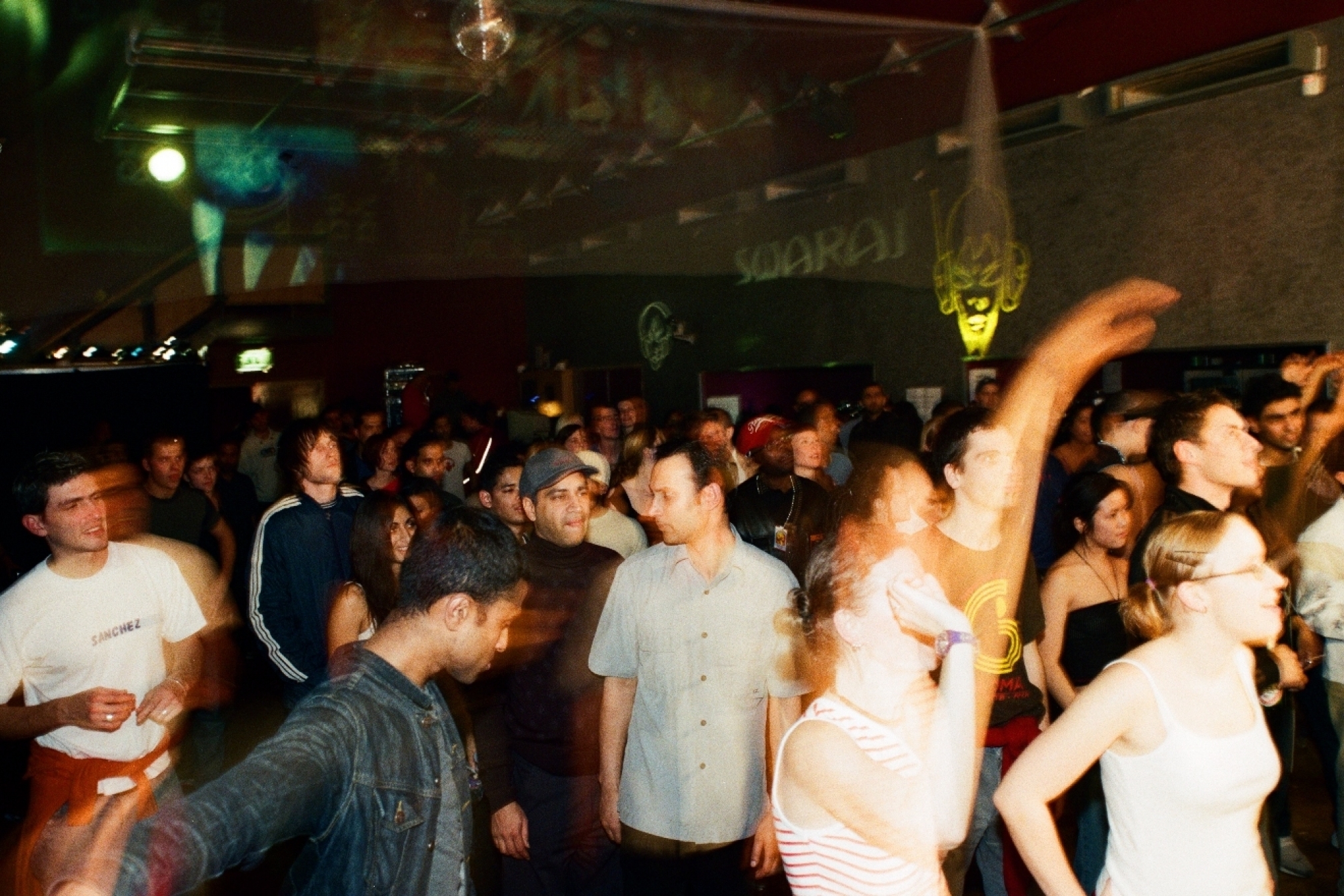
Sixteen years is a long time in club culture. Scenes rise and dissolve, venues close, and nights that once defined a generation fade into history. Swaraj, one of the UK's longest-running South Asian club nights, is one of those nights... but this time, it's returning.
This July, Swaraj Returns lands at 93 Feet East in Shoreditch, the very venue that hosted its residency back in 2001 and 2002.
For the South Asian electronic music community, this event serves more than a reunion; it's a thread reconnecting the Asian underground movement of the late nineties to the artists defining the sound now.
Swaraj launched in 1997 at Hoxton's Blue Note Club, founded by Ash Chandola and DJ Pathaan and drawing inspiration from Talvin Singh's Anokha and Joi's Mela; nights that helped crystallise what became known as the UK's Asian underground movement that pulled together South Asian heritage, dub, drum'n'bass, Bollywood, and breakbeats into something entirely its own.
Hosting the likes of State of Bengal, Fun-Da-Mental, Asian Dub Foundation, Nitin Sawhney, Transglobal Underground and many others across its run until 2010, it also played a significant role in launching the careers of Bobby Friction, now a globally respected broadcaster known for showcasing music by British Asian and South Asian artists.
By the time it wound down, Swaraj had taken its events to South Africa, Italy, Canada, the US, Venezuela and Mexico, cementing an international footprint that grew from humble beginnings in a Hoxton basement.
Of course, India was also frequented, having regularly played in the country back in the noughties (plus being featured on the front page of Bombay Times).
To complement its revival, the Swaraj Music website and urban streetwear store has also recently launched and ships internationally.
We spoke exclusively to founder Ash Chandola about the return, what the night meant, and where it goes next.
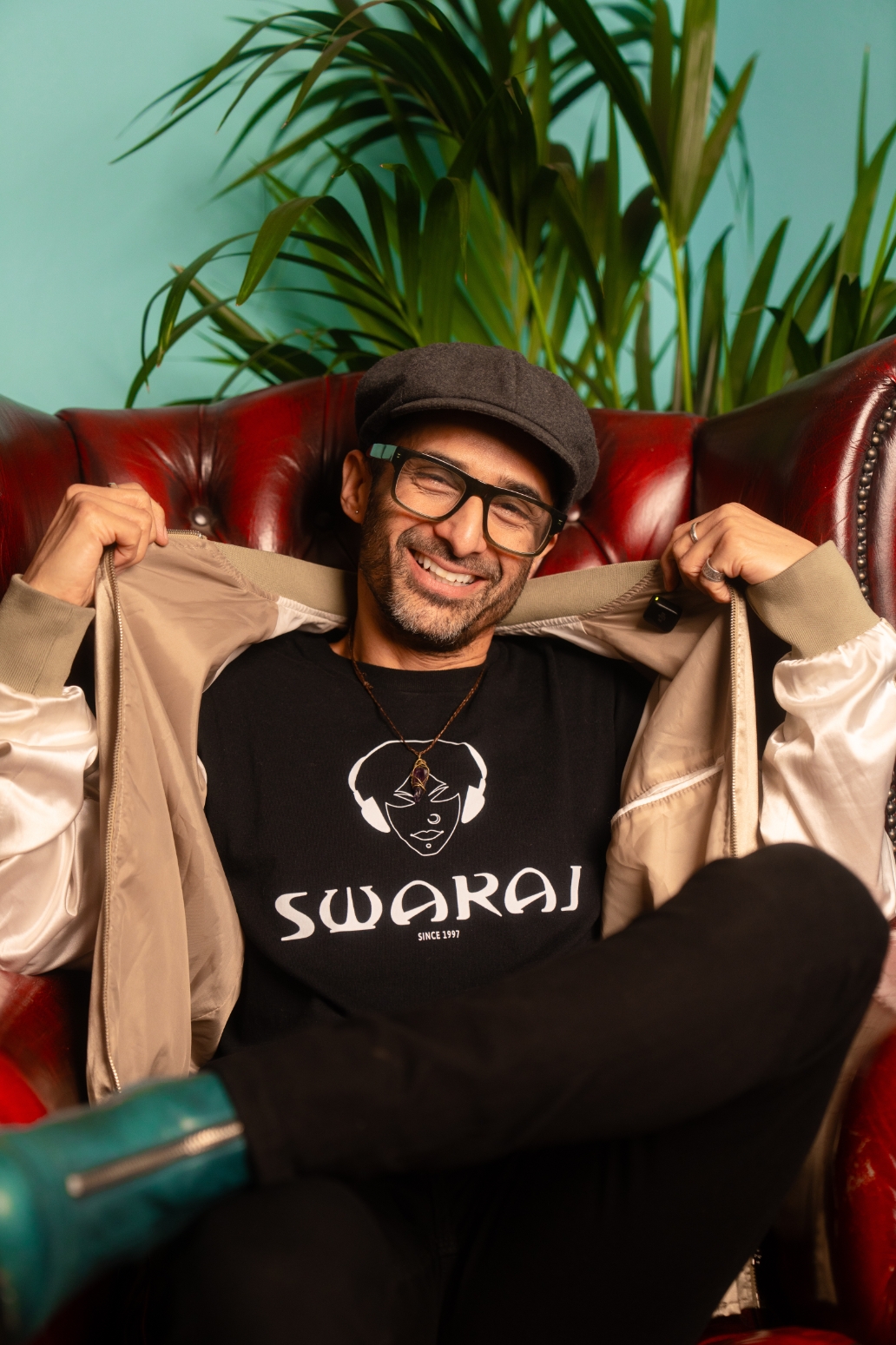
On what set Swaraj apart from the rest of the Asian Underground circuit at the time, Chandola explains: "The other nights were built around the music of individual, separate collectives of artists and producers. They were synonymous with their own 'sound'. Swaraj was a game-changer because we took a different approach and threw the doors open to anyone and everyone whose music we liked. In that way, we were a lot more inclusive, and the sound was way more eclectic."
That openness carried through to the format of the night itself.
"I'll let you into a little secret. For me, Swaraj isn't really a club night. It's a show. An experience...a hybrid of the two—a part-club night, part-live show experience. It has always been this way and will always be so. That's the brand."
Read this next: Inside Glastonbury’s South Asian-focused Azaadi Stage in full colour
Every event featured live guests, immersive visuals, and considered branding alongside the resident DJs. The punk ethos was baked in from night one: "Fun-Da-Mental played live on our first night in November 1997, opening their set with the opening guitar riffs of the Sex Pistols' 'Anarchy in the UK'. This set the tone for what has followed. No two Swaraj nights are the same, and spontaneous collaborations between artists on the night are the norm. I never fully know what's going to happen."
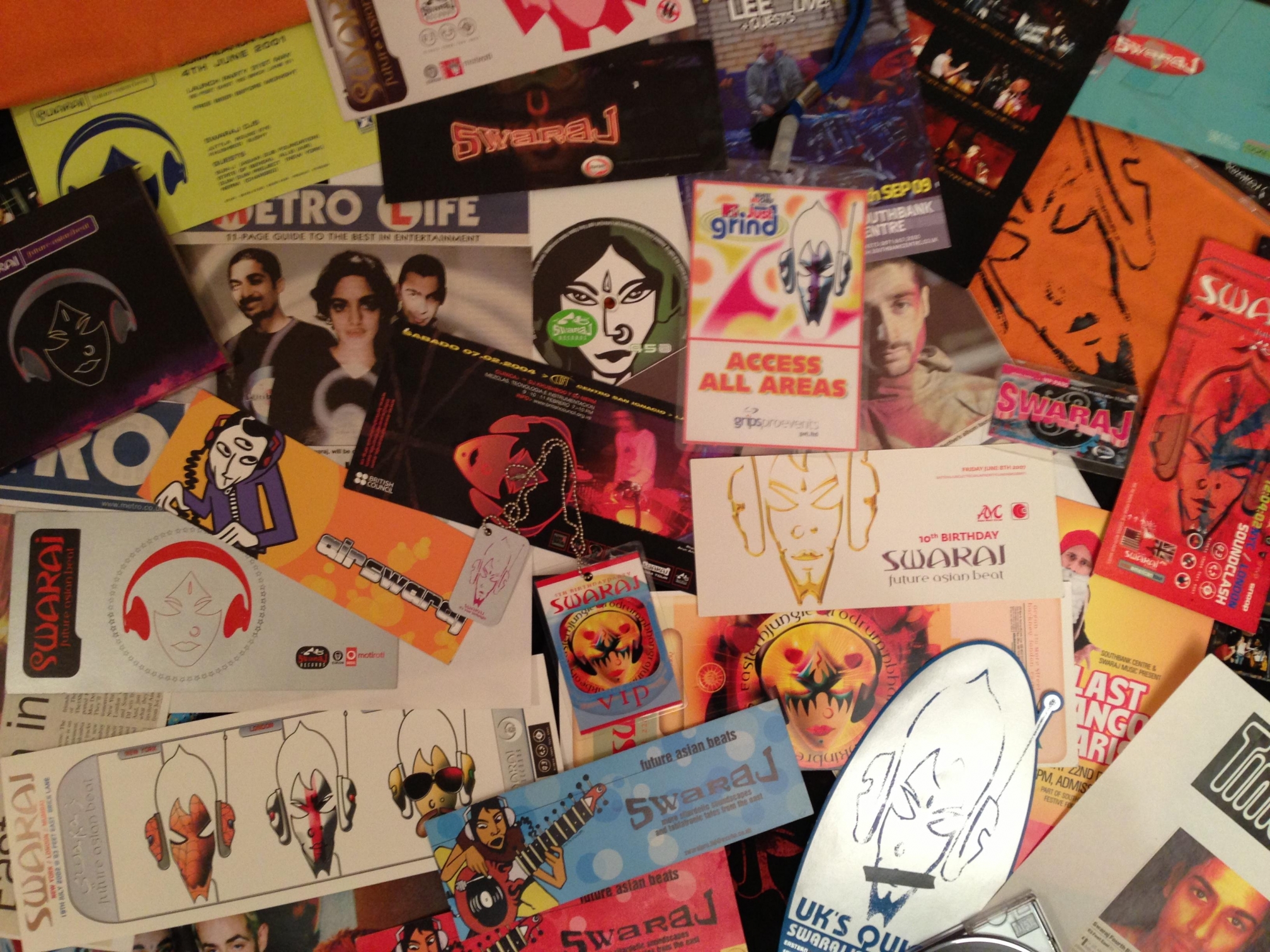
One chapter that captures Swaraj's instinct for unlikely combinations was the Air Swaraj residency at Brixton's Mass from 1999 to 2000, where two rooms ran simultaneously.
"One room was pure, heavy breakbeat sounds, and the other room was Swaraj with its usual blend of DJs, live bands and visuals. In some ways, the collaboration shouldn’t have worked really, but it did. Both sets of artists and audiences enjoyed what the other brought to the table. There was nothing like it at the time, and there hasn’t really been anything like it since. I would love to do something like that again. Who knows? Watch this space," Chandola teases.
Read this next: “It’s a family affair”: South Asian clubbers share what the dancefloor means to them
So why now for a Swaraj revival?
"The answer is simple: the moment has arrived. The question has never really gone away, 'When is Swaraj coming back?'. The call has only grown louder with time. For me, this isn’t simply a longing for the soothing glow of nineties nostalgia; it is a hunger for connection, culture, and something new and yet unfinished."
One thing he wants every South Asian creative to know? This is your era. Musicians, DJs, actors, models, broadcasters...the door has never been more open.
The infrastructure simply didn't exist before in the same way. "The global ecosystem for South Asian artists now is much bigger and more developed than it was when we started Swaraj in 1997. The entry level for South Asian artists is lower than it once was, and the ceiling to what can be achieved is much higher."
He's thought about what that means for Swaraj specifically: "Swaraj was successful on an international level before we had all of this, so I often imagine what Swaraj could become and achieve now."
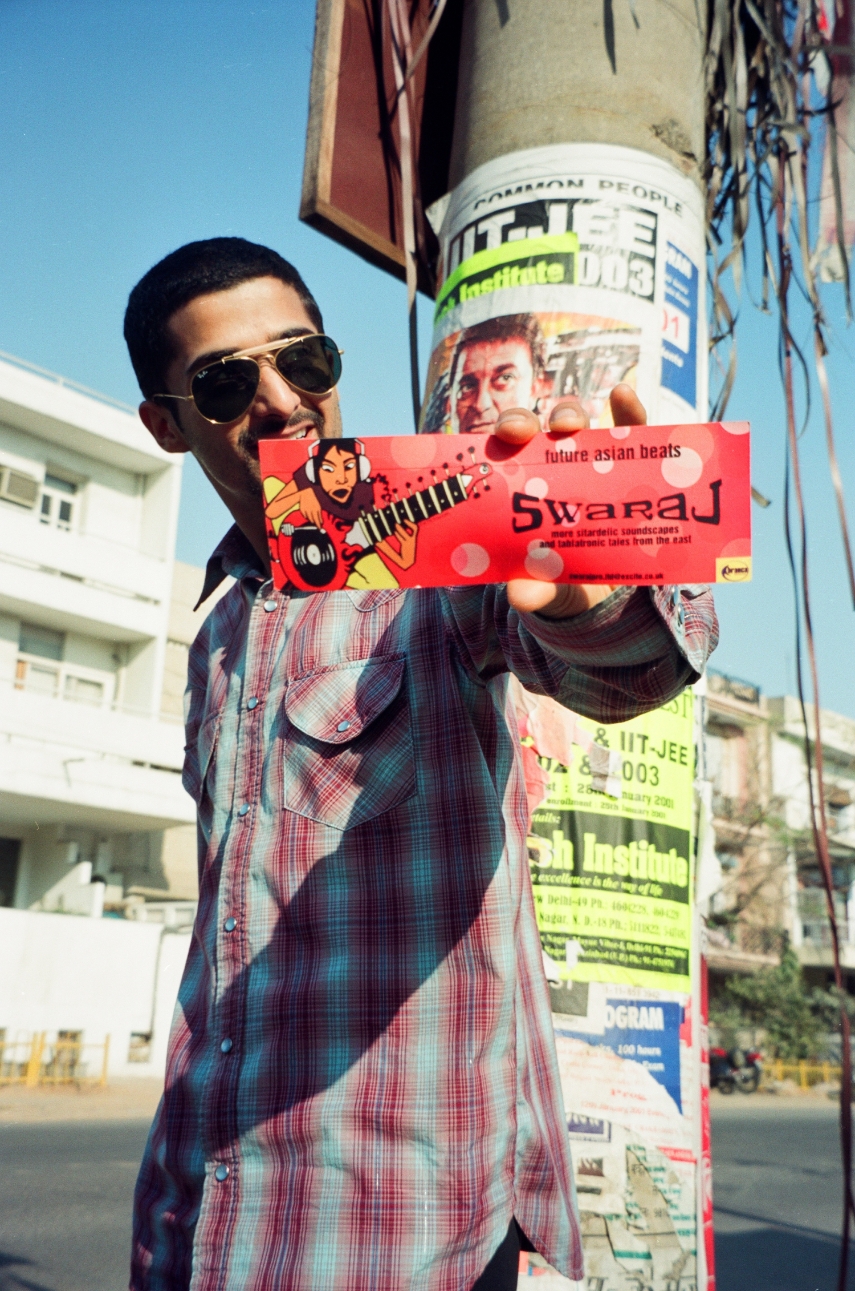
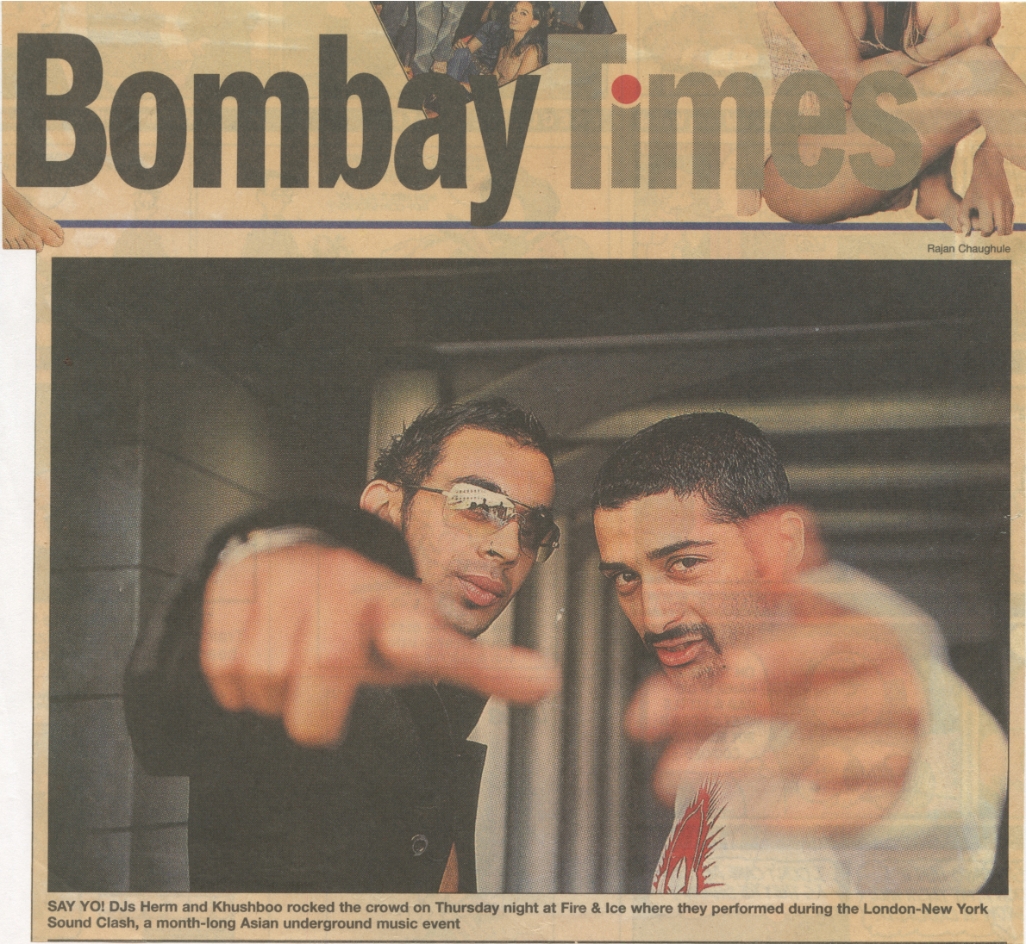
Swaraj also has deep history in South Asia.
Chandola mentions groundbreaking shows in India in the early 2000s, including a headline event at Mumbai's Mykonos hosted by MTV India that drew 1,500 people, and a performance at the Jaigarh Fort during the Jaipur International Heritage Festival in 2004.
"These were halcyon days for us, and I look forward to returning to Asia, which has been the musical inspiration for the Swaraj sound and so much of what we achieved the first time around," he says.
Read this next: Suddi Raval recalls the revolutionary times of acid house in the UK
On plans to return to this side of the globe, he shares exclusively: "I can confidently say that Swaraj will be returning to Asia at some point in the not-too-distant future, and I'm in discussions with promoters in India, Hong Kong and Singapore."
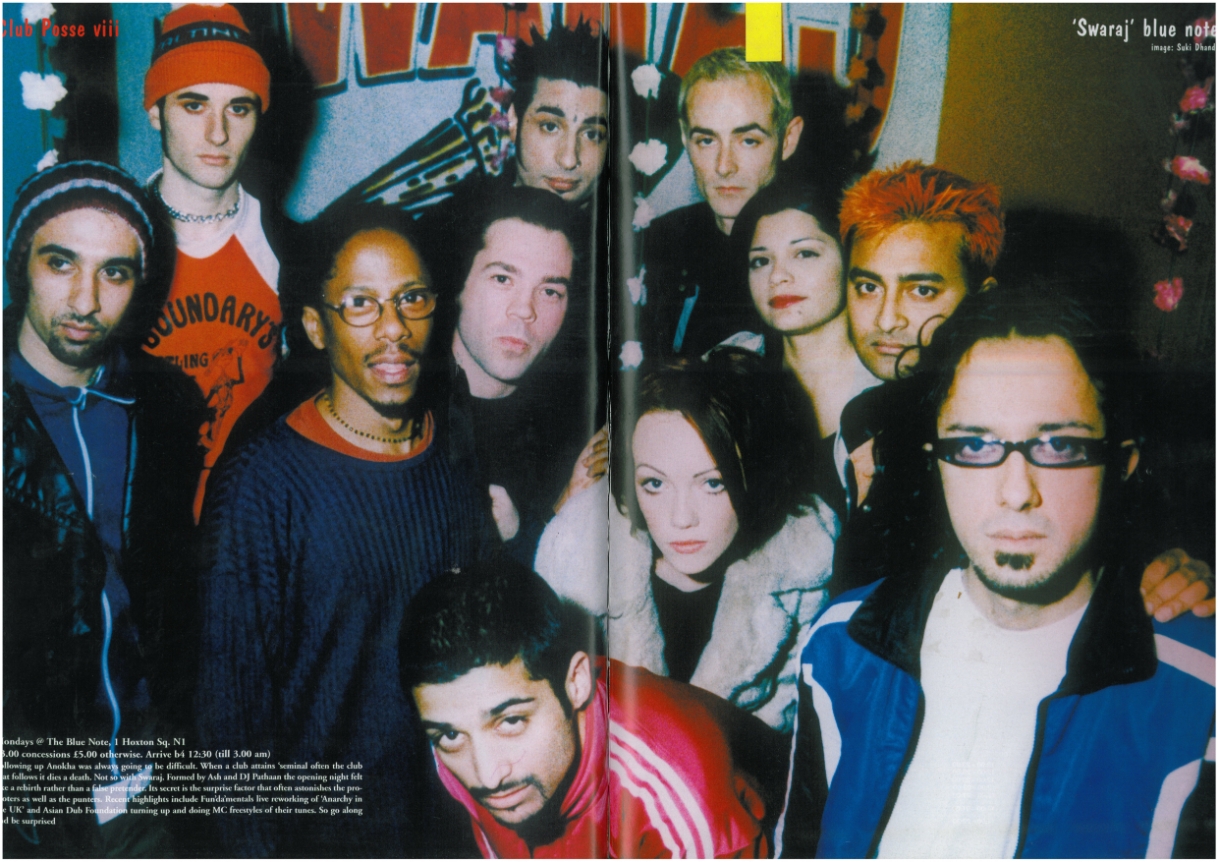
The July 24 comeback line-up is built to span generations.
Original residents Bobby Friction, Pathaan and The Dhol Foundation return alongside newer South Asian artists DJ Priya and Manara. Gaudi is also set to headline with a live set, and The Dhol Foundation's Johnny Kalsi will perform with his two sons, their first time on the Swaraj stage together; "Past, present and future in rhythm together. Swaraj 2026 is set to be a truly intergenerational affair—an acknowledgement and celebration of the history and legacy of Swaraj," Chandola states.
He also frames what he wants the night to feel like for everyone walking through the door: "When you come to Swaraj, I want you to feel a sense of excitement, surprise, and belonging all at once—an emotional connection. To experience something entirely new that you have never seen before. To hear music you've never heard, and music you didn't realise you'd missed."
The first event is London's night. But with discussions already underway, it may not be long before Asia gets its own.
Tickets to Swaraj Returns on July 24 at 93 Feet East available here.
Amira Waworuntu is Mixmag Asia’s Managing Editor, follow her on Instagram.
Cut through the noise—sign up for our weekly Scene Report or follow us on Instagram to get the latest from Asia and the Asian diaspora!
