


 Mixes
Mixes
Mixmag Asia Radio: Honouring the timeless artistry of Susumu Yokota
A decade after his passing, the Japanese visionary’s Skintone catalogue is being reissued, and we speak to Lo Recordings about preserving his levitating legacy through a new tribute mix.
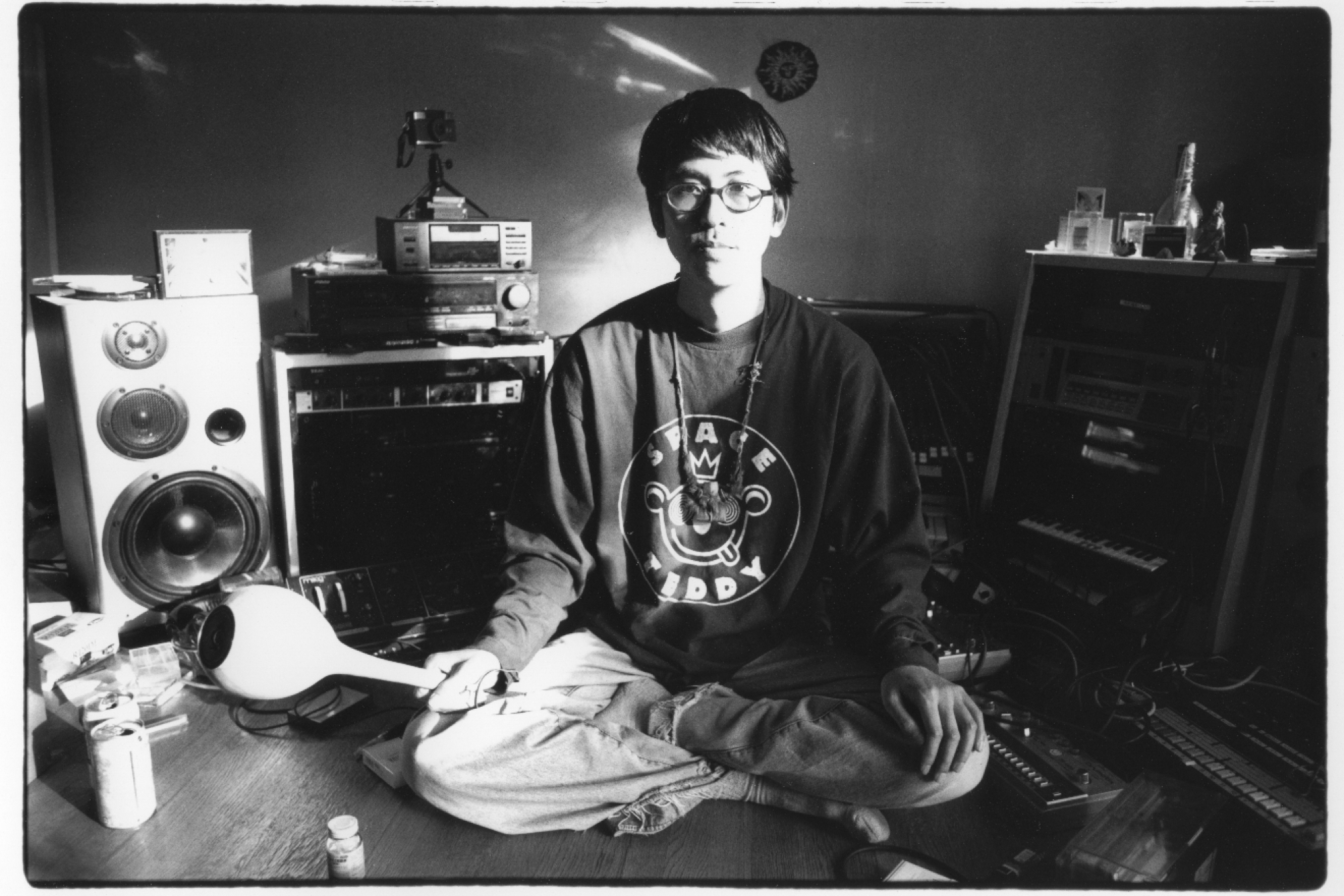
It’s rare for an artist’s influence to stretch so gracefully across generations — rarer still for that resonance to grow stronger after their passing. Susumu Yokota was one of those rare cult-like figures that has since gained the title ‘father of Japanese techno and trance’.
His work continues to ripple through the worlds of ambient, experimental and electronic music, forming an ever-expanding legacy that’s impossible to overstate.
Under aliases like Tenshin, Prism, Stevia, Ringo, Anima Mundi and the cryptic 246, Yokota pioneered Japan’s (and later, Europe’s) techno and trance movements throughout the 1990s, releasing over 30 albums and countless 12-inches, each one marked by a singular blend of texture, emotion and sonic curiosity.
In 1998, he launched his Skintone label—a deeply personal imprint where his landmark album 'Sakura' found cult reverence among artists like Aphex Twin, Björk, Brian Eno and Philip Glass.
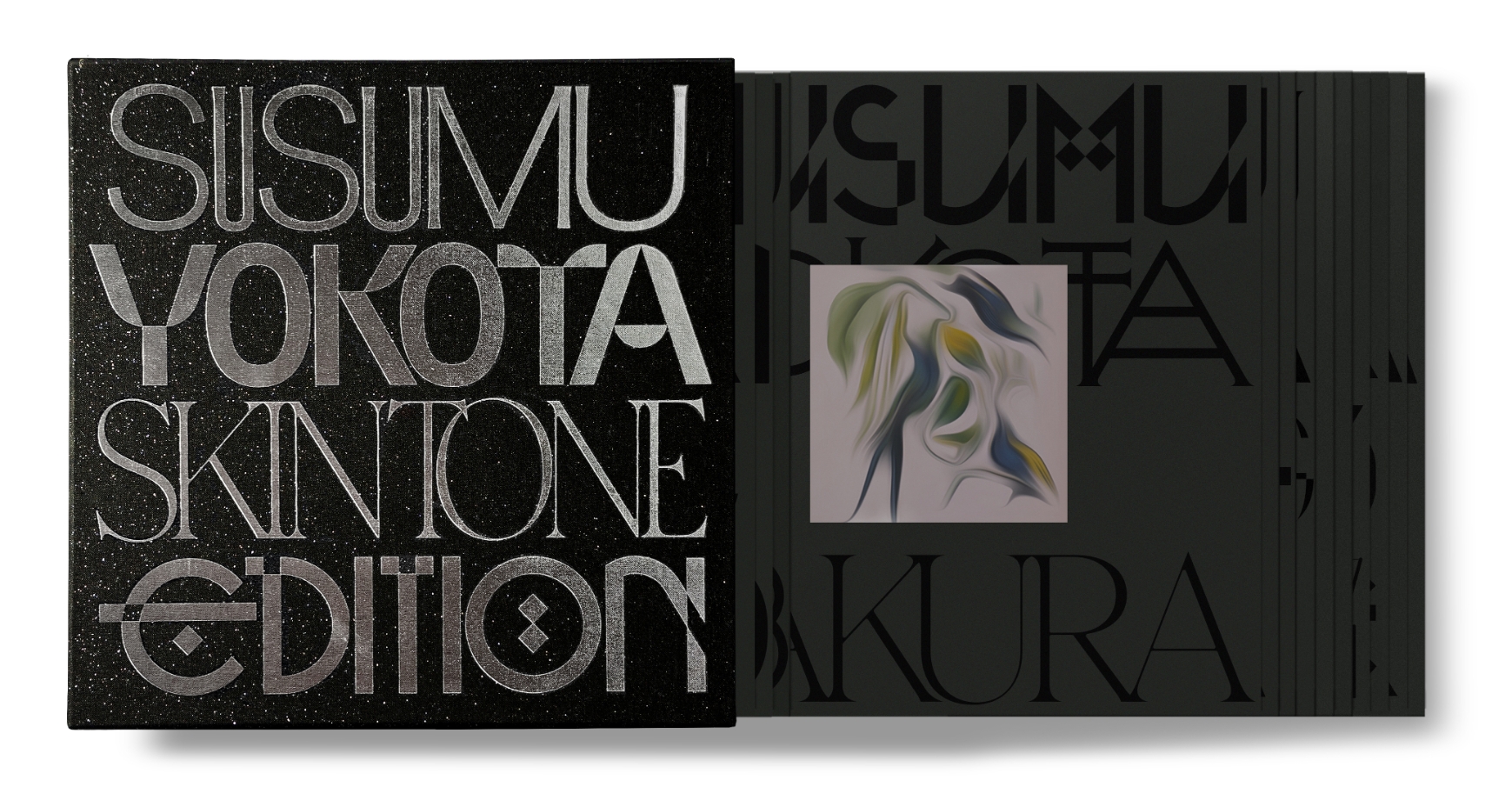
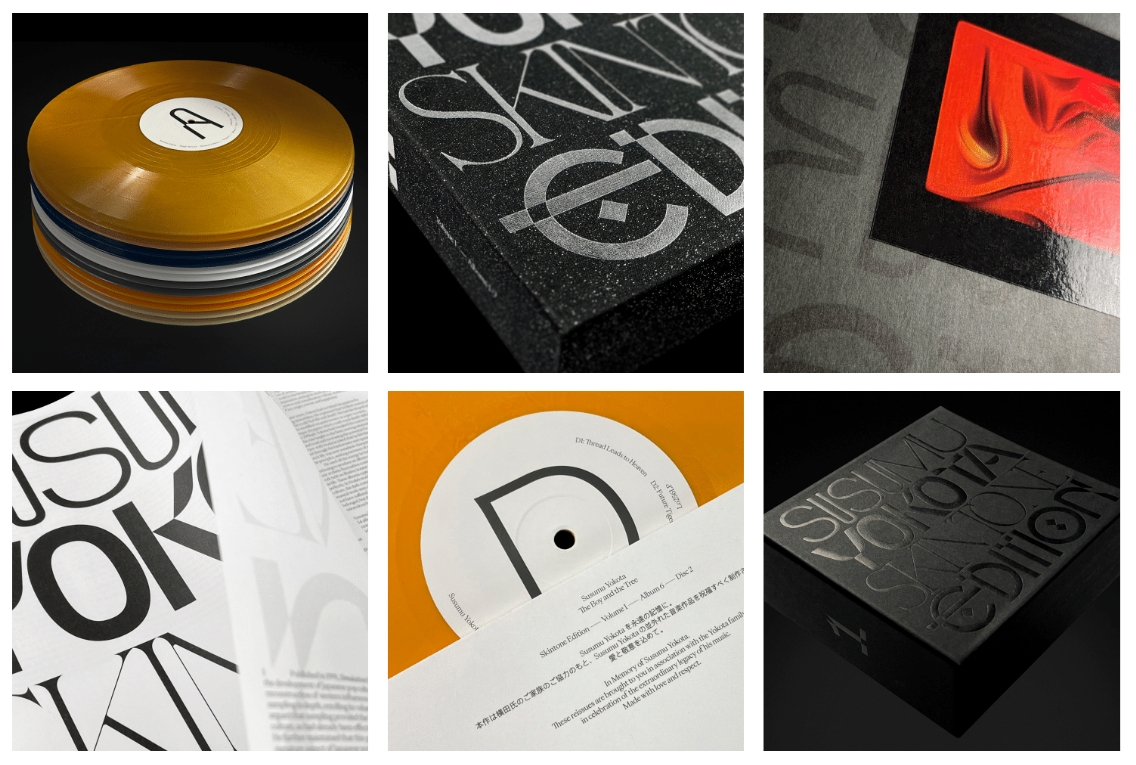
Now, a decade after his untimely passing, London-based Lo Recordings has partnered with Yokota’s family to reissue all 14 of his Skintone albums—a monumental gesture of preservation and respect.
‘As part of the reissue, Lo Recordings has also shared with Mixmag Asia a special “essentials” mix: a transcendent, carefully curated journey into the many moods of Yokota’s soundworld, by label founder Jon Tye.
“Yokota’s music evolved far too quickly for us to grasp at the time. Now, as we look back, we can fully appreciate the depth and scope of his work,” says Gavin O’Shea of Lo Recordings.
Rest in peace, and thank you for your music, Susumu Yokota.
Firstly, can you please give us a rundown on Susumu Yokota for those unfamiliar with his genius?
Gav: Susumu Yokota was what one of his close friends called “an artist walking”. He was a successful graphic designer who ran his own commercial practice. He exhibited his photography, readymades and paintings. As a sonic artist he created an early ambient landscape to a 3D video art piece, and then he was the “father of Japanese techno and trance” throughout the nineties, as a prolific recording artist and DJ. At the height of his domestic fame, he dropped all his commercial activities and concentrated on a series of personal albums under his own label, Skintone.
If someone’s never heard Yokota’s music before, what’s a good starting place and why?
Jon: There’s no better place to start than ‘Sakura’. It’s an album with all his trademark flourishes; it’s melodic and easy to access. A work of true beauty.
What do you think made Yokota’s work stand apart from others—then and now?
Jon: No one else manipulates sound in quite the same way as Yokota. He somehow manages to transform the source material and create new textures in a unique way that is deeply resonant and enchanting.
What inspired you to revisit Susumu Yokota’s Skintone catalogue at this moment in time?
Gav: After Yokota’s death, it took a while to understand how profound his rapid output had been. We originally planned to roll out his past catalogue as a straight repress series , but we realised that his story had never been told.
Read this next: Electronic music pioneer Susumu Yokota's stunning 'Symbol' album gets a timely re-issue
How involved was the Yokota family in curating ‘Skintone Edition’? Were there any personal anecdotes or emotional moments that stood out?
Gav: We spent some time gaining the trust and understanding of the family. There are several areas of music industry rights that appear overly complicated when the artist is also the composer, producer, and performer, but we got there in the end. They came over for a tribute performance at the Union Chapel and loaded us with very fine sake and beautiful gifts. They were as keen as we were to preserve his legacy, so we have been supported with every aspect of what was required.
What was the process like rereleasing these works? Were there any creative or technical challenges in preserving the intimacy of the original recordings?
Gav: The process was 14 times more complicated than putting out one album. For some reason, life sometimes just works that way. This was purely a practical problem but surprised us at every turn.
The creative challenge was how to represent the project as a whole. All the albums were distinct and seemingly each at a tangent to the previous project, both visually and sonically. We are extremely lucky to have a strong relationship with our designers, Non Format, who almost instantly came up with the way to treat the artworks—both by framing them in the design and abstracting the originals to make them work as a whole.
The music was already in place and required no decisions. Mark Beazley knew Yokota as a collaborator and was the obvious choice to remaster them. He found the process quite an experience. Yokota said he tried to keep all four emotions in each of his work. Remarkably, his music does just that. It is dark and joyful at the same time, that is the mark of his success.
Read this next: Timeless catalogue from the late Susumu Yokota's 246 alias lovingly re-issued
Do you feel Yokota’s work is being discovered by a new generation of listeners now? What do you think draws people to it in today’s context?
Jon: Yes, I feel there’s a need for music that is truly individual and undeniably special in these times. There is so much music that sounds similar and without a sense of depth and mystery; Yokota gives the listener the wonderment they need.
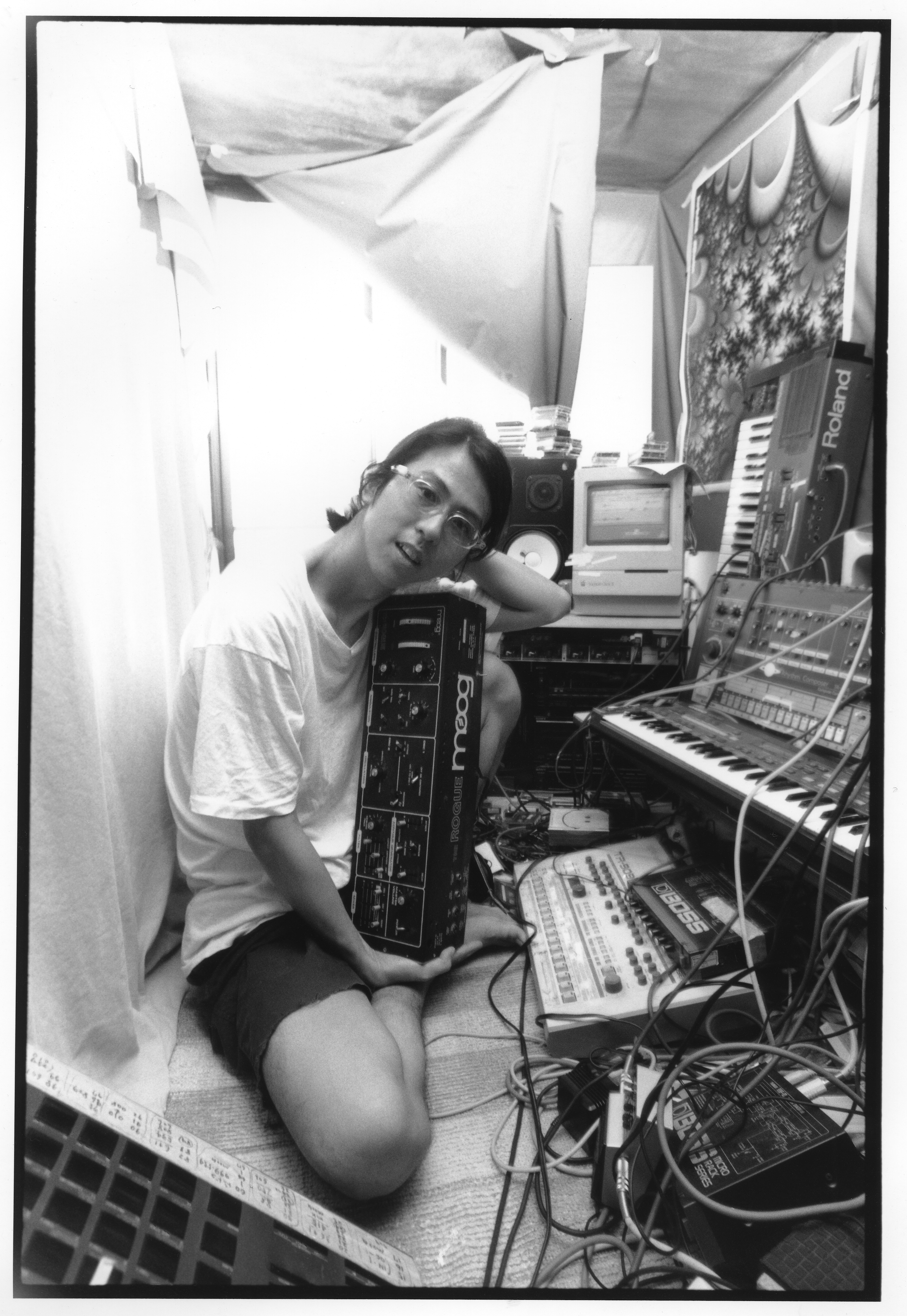
We’ve heard there are two sides of his career, with Japan seeing him as an early father of techno, whereas in Europe, he’s known for his ambient work. Care to share why you think this is?
Gav: We love to pigeonhole our artists. We hate it when they start wandering off, traipsing into different genres. Yokota was an established acid/trance/techno DJ in Japan for many years. He achieved the first release on a European imprint; ‘The Frankfurt-Tokyo Connection’ on Sven Väth's Harthouse label. This was well celebrated by the scene back home at the time. His output took off and became relentless.
He released three albums a year with as many EPs and remix discs, for almost a decade. He then closed down his commercial output over two years and pretty much walked away from his public.
The Skintone albums slowly gained recognition, but he had to start building his audience again, mainly from fellow musicians. When The Leaf Label released the first three albums in quick succession in Europe, this felt like the work of a new artist emerging, however this artist knew what he was up to. He was a master producer and composer of multiple albums; instantly recognised as a new and singular sound.
The success of ‘Sakura’ was astounding for a small independent with very little budget. But the fact remains that he was famous as one artist in Japan and was then discovered as another in Europe.
Read this next: Susumu Yokota's Prism and 246 rarities reimagined by Herbert and Gene On Earth
In what ways did Yokota’s work impact both the label’s vision and the overall musical landscape over the years?
Jon: It’s had a deep personal impact on me and the way I make music, and also what I listen for when I hear new music. I’m always attracted to music that has a real depth of feeling and emotion.
What kind of story or mood were you trying to capture with this mix? Is it a tribute, a re-interpretation, or a more personal take?
Jon: This is a personal meditation upon Yokota’s work, focusing on the transcendental feelings that arise when I listen to his music.
Henry Cooper is a Writer at Mixmag Asia. Follow him on Instagram.
Cut through the noise—sign up for our weekly Scene Report or follow us on Instagram to get the latest from Asia and the Asian diaspora!
