


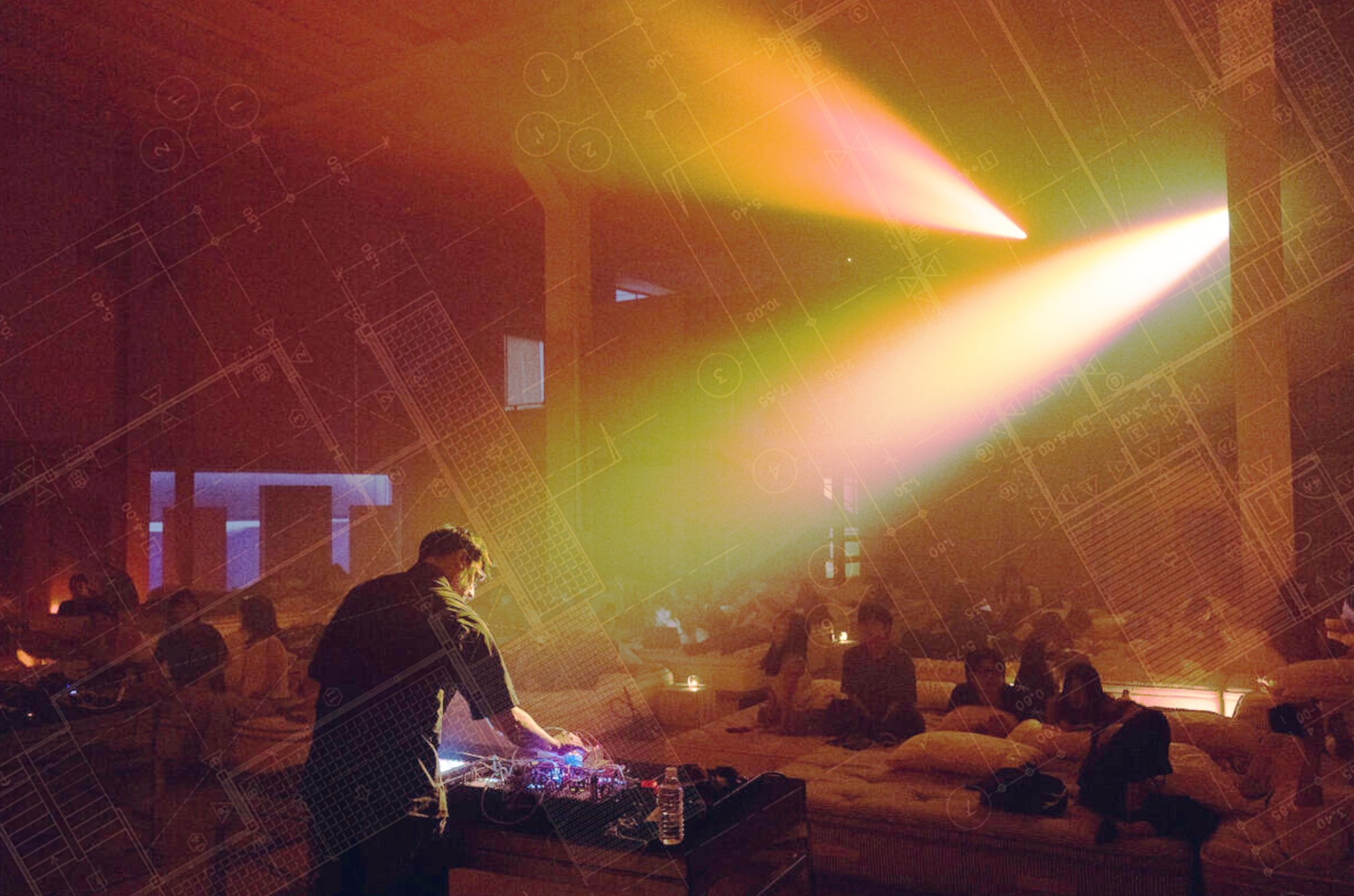
 Features
Sound, site & spatial subversion: how Asia’s underground are reclaiming the room
Refusing the constraints of permanent leases and rigid clubland, Asian collectives are proving that sound is inherently context-bound, and that it can reanimate even the most forgotten, overlooked spaces
Experience is not merely an event imported into a room; it is an active, site-specific dialogue with its material environment.
Across contemporary music and visual culture, a broader phenomenon of site specificity and spatial appropriation has emerged as collectives, artists, and venues interact with and reinterpret existing spaces. Fundamental to this ethos is the reconfiguration of environment: container ships, warehouses, and latent sites are all transformed into temporary collectivities of joy and connection, through the redefinition of the visual and sonic.
An unwavering commitment to site-specificity anchors this practice: the art of designing and tuning an event specifically for its unique physical context. Instead of hiding a venue’s structural oddities, these interventions invite them to become central to the experience.
The physical architecture acts not as a passive backdrop, but as an active component that directly dictates how music is felt, how light moves, and how people interact throughout the night. Exposed beams become visual anchors, structural columns function as beacons for reverberation and industrial ceilings serve as expansive visual canvases.
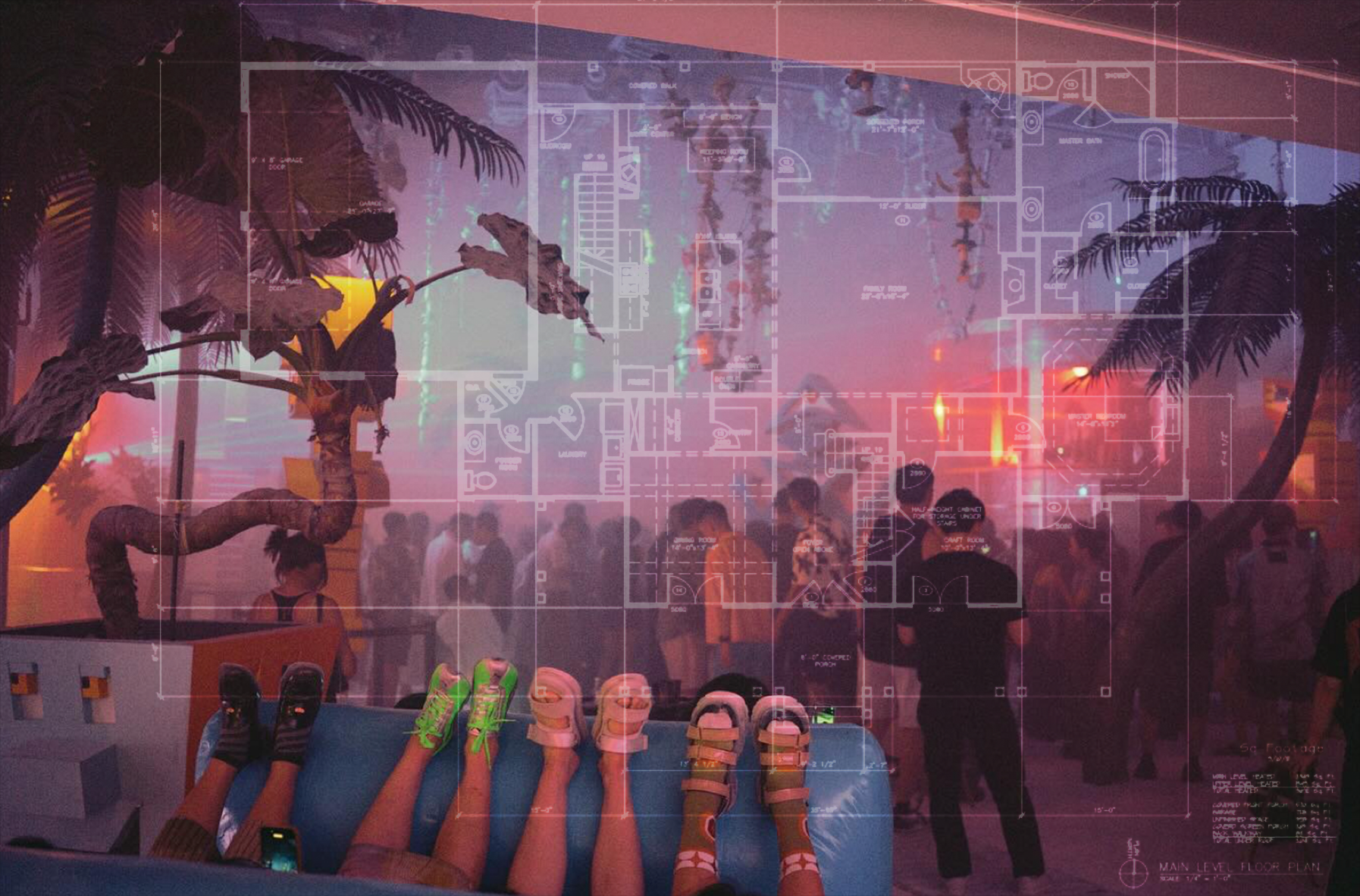
With over 30 million people in the metropolis of Shanghai, the city is defined by its intensity: soaring glass skyscrapers, neon-drenched lights, and relentless urban rhythms. Space in this context is anything but neutral; it is often commodified and strictly designated.
Yet from within the commercial undertones of China’s most culturally diverse city, a quiet, nomadic reutilisation of space has occurred, offering a blueprint for how sound, light, and connection can temporarily reclaim space.
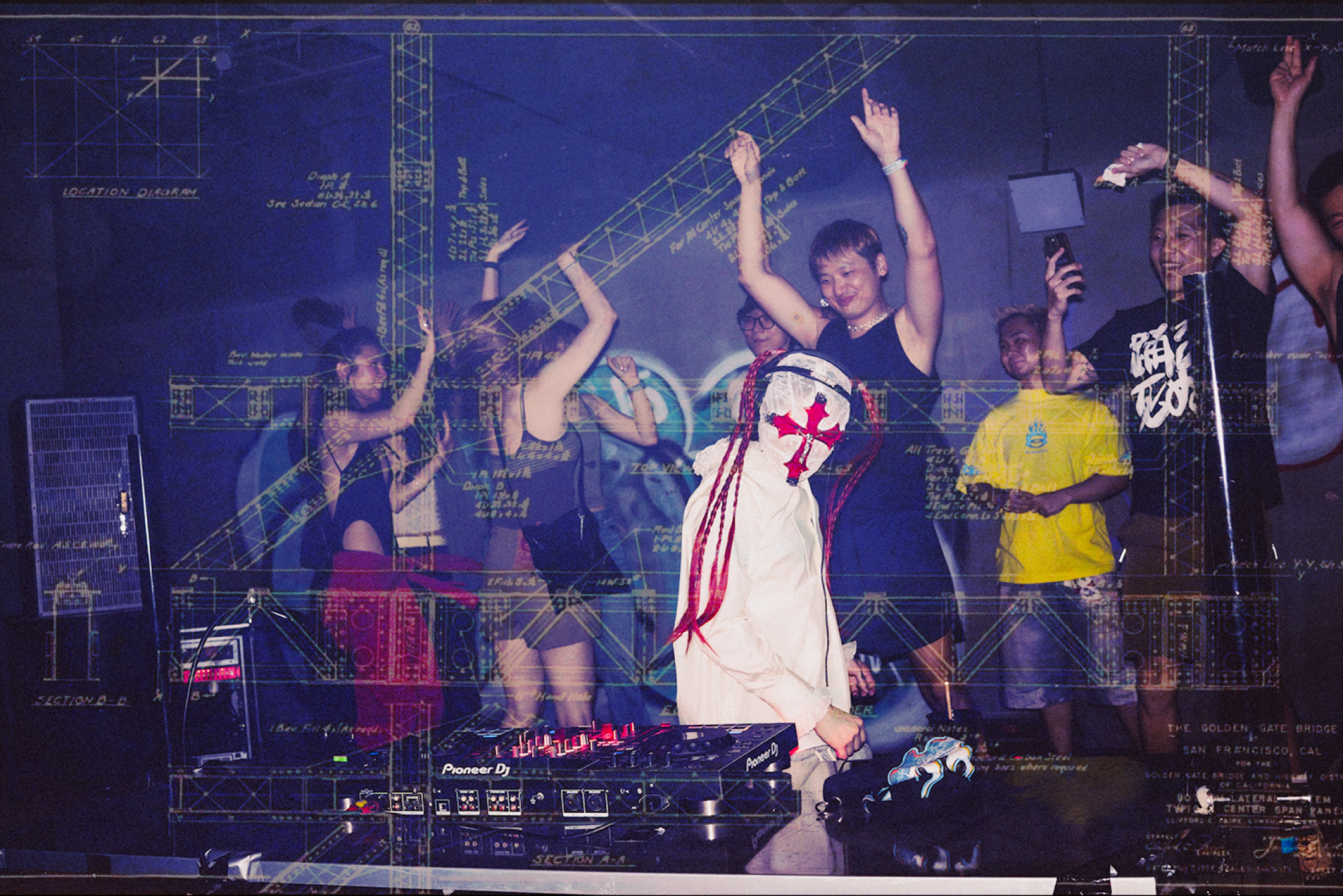
Operating within this landscape, System Shanghai serves as one of the region's more notable case studies. Pushing the boundaries of contemporary experience, System creates a stark, compelling dialogue between the raw materiality of Shanghai and the futurism of electronic music, co-opting concrete and steel laid down for logistics, industry, and commerce for pleasure and collectivity.
Read this next: “More fun outside club settings”: for better or worse, pop-up raves are taking over cities across Asia
As part of System’s nomadic journey, they have recently launched the recording series Youting, exploring the boundaries of sound within spaces that have receded from everyday life.
Central to the series is the notion that music is always a context-bound event, where meaning is generated by space, history, and physical setting. The same kick drum or hi-hat, placed in a different space, becomes a completely different proposition.
No space is truly vacant; after its original function ceases, the structure retains traces of all that once happened: cracks in the walls, aging materials, and lingering echoes that constitute a physical archive of time. Listening thus becomes an ongoing experiment where the relationship between sound, architecture, body, and image is continually reorganised.
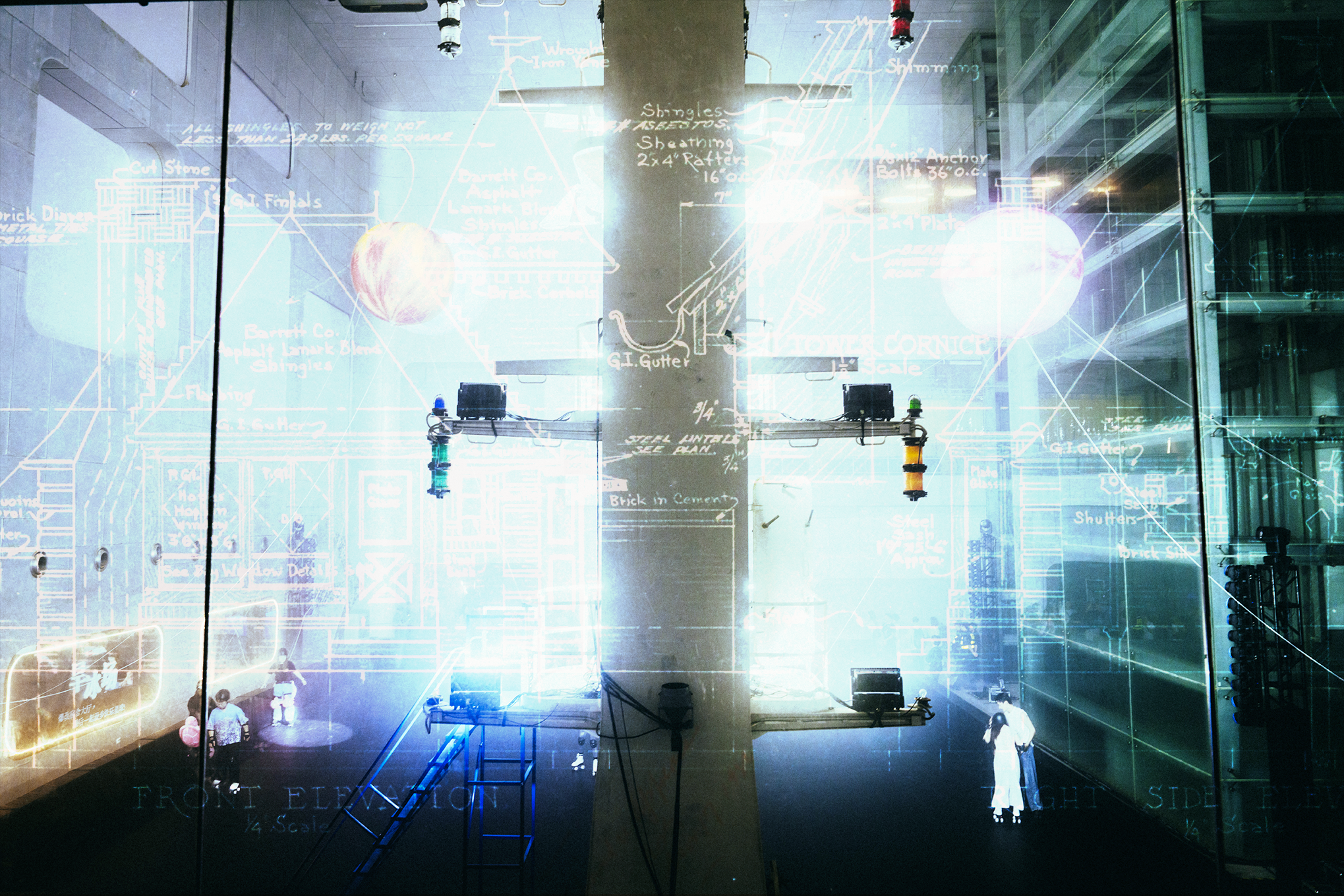
Demonstrating their dual capacity for brutalism and institutionality, System frequently spans the divide between differing contexts.
Amidst Shanghai’s deeply entrenched maritime history, the raw, heavy geometry of shipping containers along the Huangpu River have been co-opted to form temporary dancefloors. Leaning directly into the site's brutalist functionality, the metallic resonance of bass vibrating against corrugated steel turns the architecture itself into a visceral energy mirroring that of 1990s warehouse rave culture.
Contrastingly, System also brings this subterranean energy into institutional contexts like Shanghai’s contemporary art museum. Transforming the top floor gallery into a site of tropical modernism in conjunction with artist Kenny Scharf’s exhibition, they repurposed a lifeguard tower into a DJ booth, creating a landscape amidst saturated pristine gallery walls—proving that even the art world is one which is greatly reprogrammable for experience.
Read this next: Excursions: Temple Meltdown is bringing Taiwan’s underground into sacred spaces
While System Shanghai’s spatial interventions explore the contexts of China's cultural capital, they are far from an isolated phenomenon. Across East, Southeast, and South Asia, collectives are all experimenting with the departure from commercial clubland, shifting regionally between urban subversion, neo-heritage, and geology.
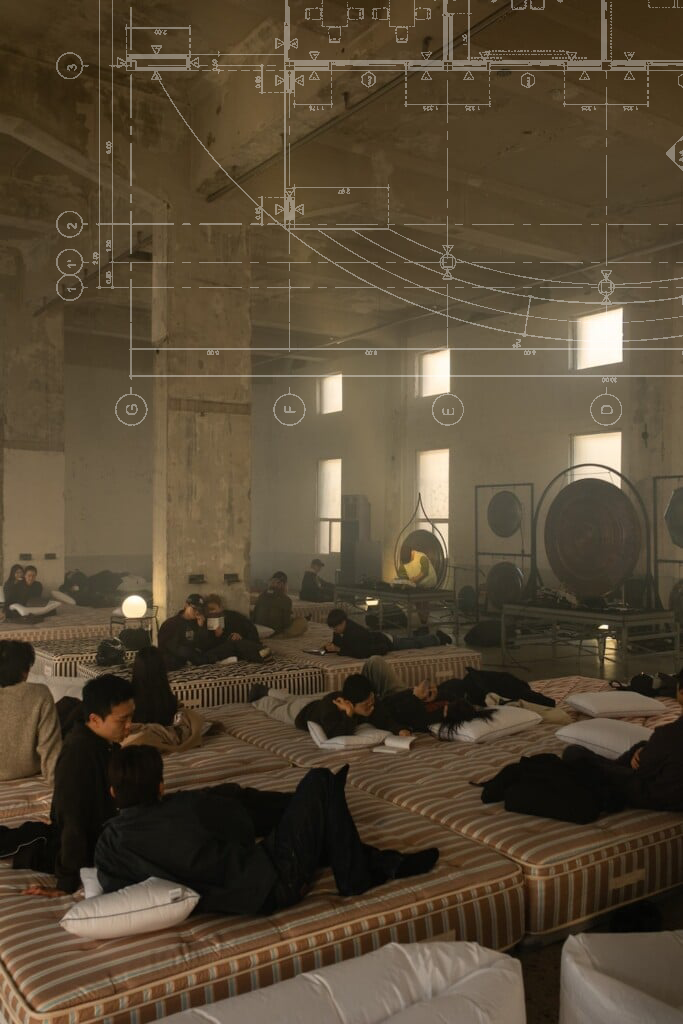
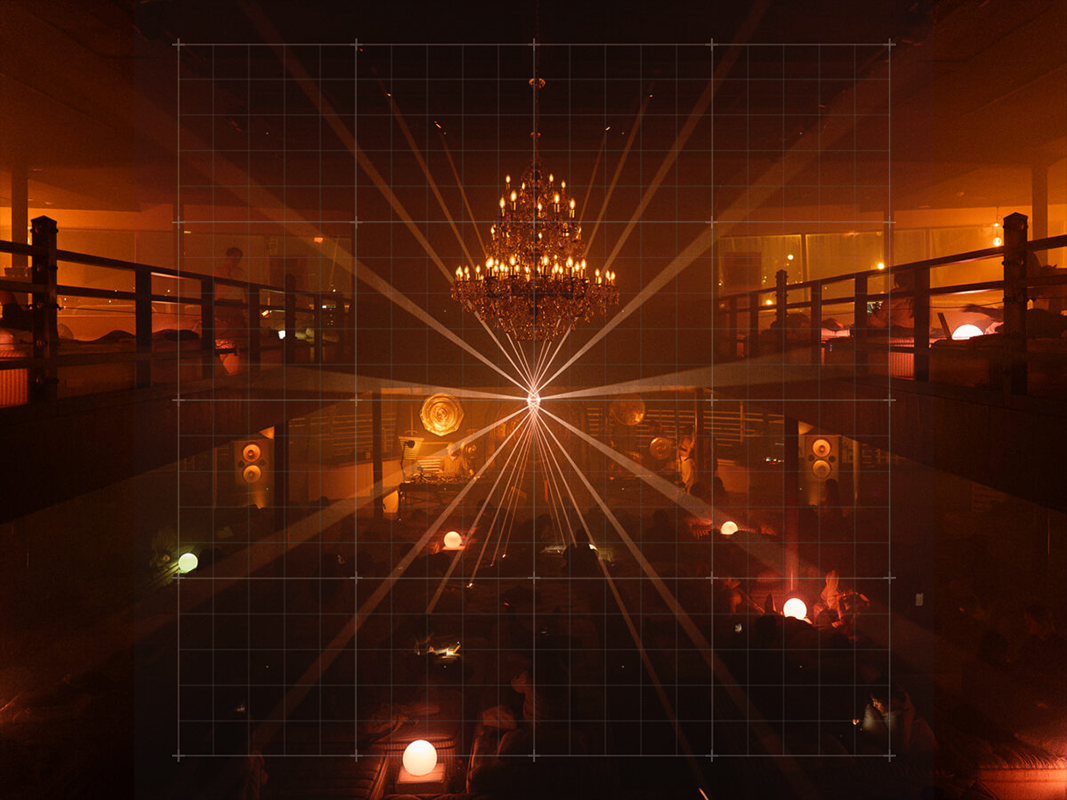
Where Shanghai’s docklands demand intense physical catharsis, Seoul-based collective Ceiling Service uses non-traditional space to explore its sensory opposite: radical deceleration.
Rooted in the insomnia-driven gesture of staring at a bedroom ceiling, the collective transforms non-club venues ranging from former steel factories in Seongsu to Han River ferry cruises into ambient listening sanctuaries.
Onboard a Han River ferry, attendees lie flat on rows of mattresses, staring upward at the vessel's ceiling while live ambience envelops the room. Through shifting the audience's physical orientation, Ceiling Service turns the functional transportive ferry deck into a contemplative sanctuary, granting people permission to pause within Seoul’s pulse.
Read this next: Micro-movements: How Korea and Japan are merging into one dancefloor
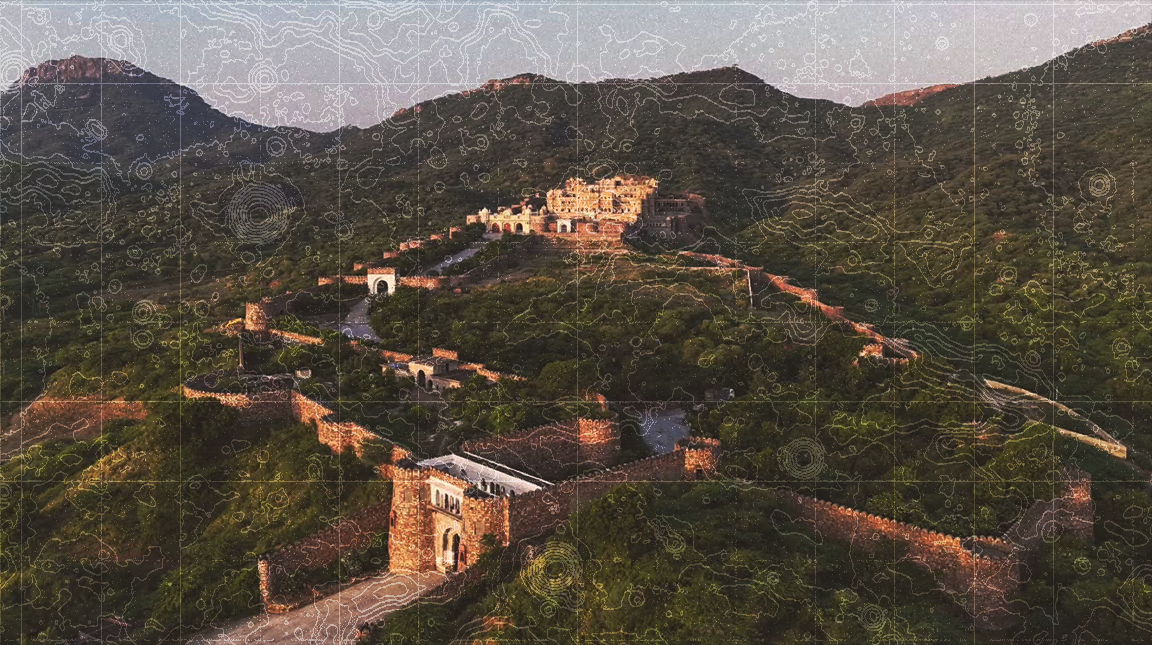
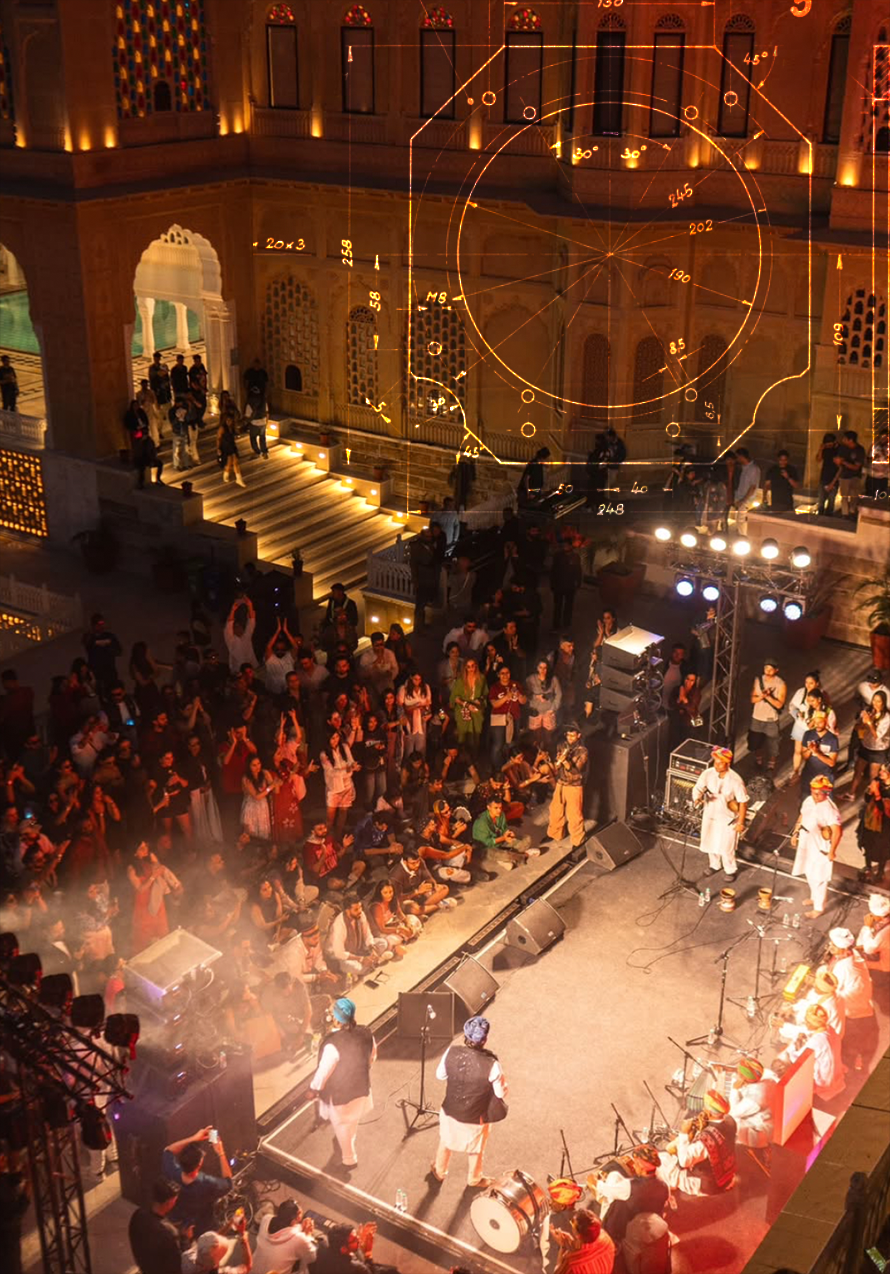
Moving from East Asia's urban transit systems to South Asia's rural landscapes, the movement shifts from repurposing industrial infrastructure to subverting simulated heritage. In Khetri, Rajasthan, the Nomads edition of Magnetic Fields Festival took stage within a modern palatial estate constructed to mimic the grand aesthetic of traditional Rajput architecture.
While newly constructed rather than centuries-old, the venue utilises historical forms, ornate arched gateways, and intricate courtyards to create an immersive illusion of royalty and heritage. Rather than treating the neo-palatial backdrop as static, the festival staged and intentionally programmed the intertwining of local Rajasthani and broader Indian artists alongside more acclaimed electronic music artists such as Kia, Barker, and Moktar.
In Southeast Asia, the spatial experiment leaves the built environment altogether, instead taking root in natural geological formations.
Tucked away in the rural limestone karst landscape of Vietnam’s Hòa Bình province, Equation Festival made its mark by moving the region's underground dance music scene into Mỏ Luông Cave. Although this year’s edition moved outside the cavern walls, it was those defining cave editions that established the festival's identity.
Utilising the natural acoustics of the subterranean space, Equation transformed the 25-meter-high limestone dome and ancient stalactites into a natural chamber for hedonism, sending basslines and soundscapes bouncing off raw rock faces; and completing a regional spectrum that spans from Shanghai’s corrugated steel and Seoul’s ferry decks to Rajasthan’s desert stone.
The rise of nomadic, site-specific gatherings across Asia is not just aesthetic; it is a creative response to the shared structural realities across the region's urban and cultural landscapes.
Amidst many high-density Asian metropolises, soaring property values and strict licensing continuously displace and challenge subcultural venues, forcing organisers to fluidly embrace modularity in relation to sound and lighting setups that allow them to inhabit the city without the weight of permanent leases.
At the same time, across rapidly modernising territories, placing electronic music inside broader cultural spaces such as palaces or natural geographic spaces caters towards an increasing demand amongst clubgoers for experience. Ultimately, from industrial docklands to river ferries, these gatherings offer a temporary subversion of spatial meaning, centring collective catharsis in the process of doing so.
Read this next: Raves as Rituals: The Rise of the Bantuwing and the decolonisation of a Manila dancefloor
In an era where commercial nightlife can easily slide into spatial predictability, collectives across Asia offer a vital reminder that experience is not static, but rather a recursive, adaptive, and evolving form.
By centring experience upon the interaction of space, site-specificity, and spatial reappropriation, collectives from Shanghai and Seoul to Rajasthan and Mai Châu demonstrate that music is at its most powerful when it challenges how we inhabit our contexts. They show us that any corner of the built or natural environment, irrespective of how cold, industrial, historic, or remote it may be, contains latent potential for joy and conviviality.
Space, ultimately, is what we make from within it. And as long as collectives across Asia continue to experiment with this dialogue, our regions will continue to find room to dance.
Louie Parker is a freelance writer for Mixmag Asia, follow her on Instagram here.
Never miss a beat. Subscribe to our Scene Report newsletter or follow us on Instagram.
