


 Features
“More fun outside club settings”: for better or worse, pop-up raves are taking over cities across Asia
What began as a form of creative resistance is now reshaping how—and where—people gather. However, questions of access, safety, and authenticity remain.
Raves in subway stations. Parties in laundromats. Some might think the new generation of DJs and event organisers have simply run out of ideas to sell tickets. But whether you like it or not, pop-up events transforming unexpected places into dancefloors have taken over the world.
From Peggy Gou’s “Sunday coffee rave with croissants” in Paris to SUNSET CHASER and their mix series shot in unique locations around Taiwan, this new event format is spreading fast—and might be here to stay.
Across Asia in particular, gatherings in unconventional spaces carry a special kind of meaning.
It’s no secret that Asian cities have grown denser and more expensive. As urban areas expand and rents soar, traditional “third spaces” have been disappearing.
In Kuala Lumpur, for example, a 2024 study found that community centres, libraries, parks—and even cafés, pubs, and clubs—are vanishing under pressure from development, rising real estate costs, and the shift toward digital life. What remains is often too commercial, too expensive, or too private, leaving little room for people to simply have fun together.
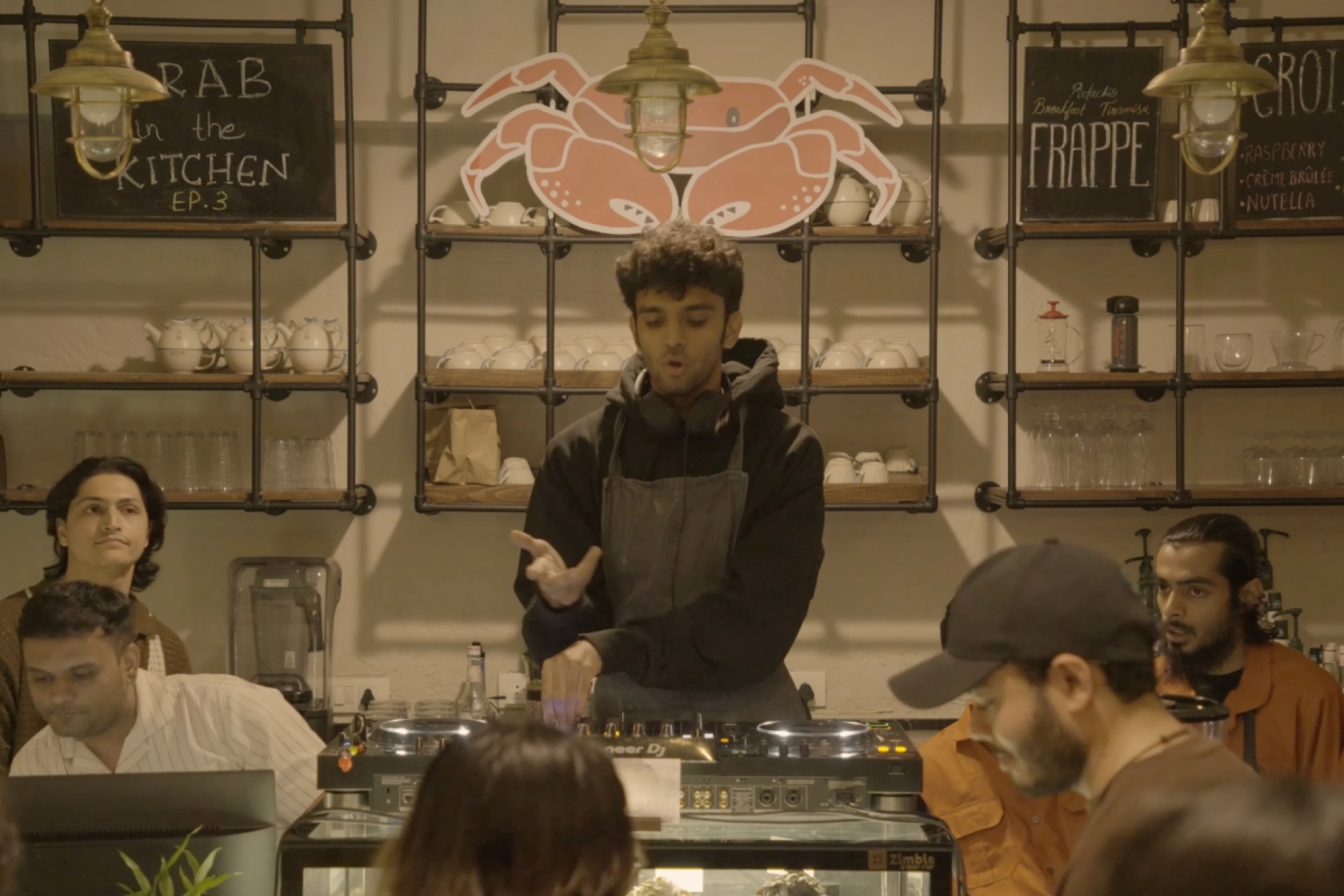
“There are very few clubs that are still serving their purpose,” says Dhiraaj Doriwala, DJ and founder of music events and creative agency Crab Culture in India.
“It’s become commercialised: it’s about how many people you can bring in and how much revenue you can drive. We’ve just come to realise that we didn’t have to depend on them to serve our purpose, which is to showcase authentic music and give space to local artists,” he continues.
Too expensive, too broad a line-up, not enough purpose: it’s in that commercial void that the collective found its calling.
In a post-COVID-19 world, where traditional venues still struggle to regain both stability and identity, collectives like Crab Culture saw an opening: a chance to free local, up-and-coming DJs from the constraints of clubs and cover charges.
The only question was where they could perform. The answer, it turned out, was everywhere people didn’t expect.
Read this next: Beyond the dancefloor: how & why Feed the Dragon is cultivating their community
“We’ve observed that people tend to have more fun outside club settings,” Doriwala continues: young people crave for unique experiences, organising “fake weddings” or “fake Sangeets”, and more, he says: they are excited when they see parties happening in places they can easily access.
“The events we started back in 2023, where we hosted gigs in cafés because we didn’t have anywhere else to do so became not just a nationwide movement but a worldwide opportunity for the artists to perform at more spaces, and the venues other than a bar or a club to host gigs.”
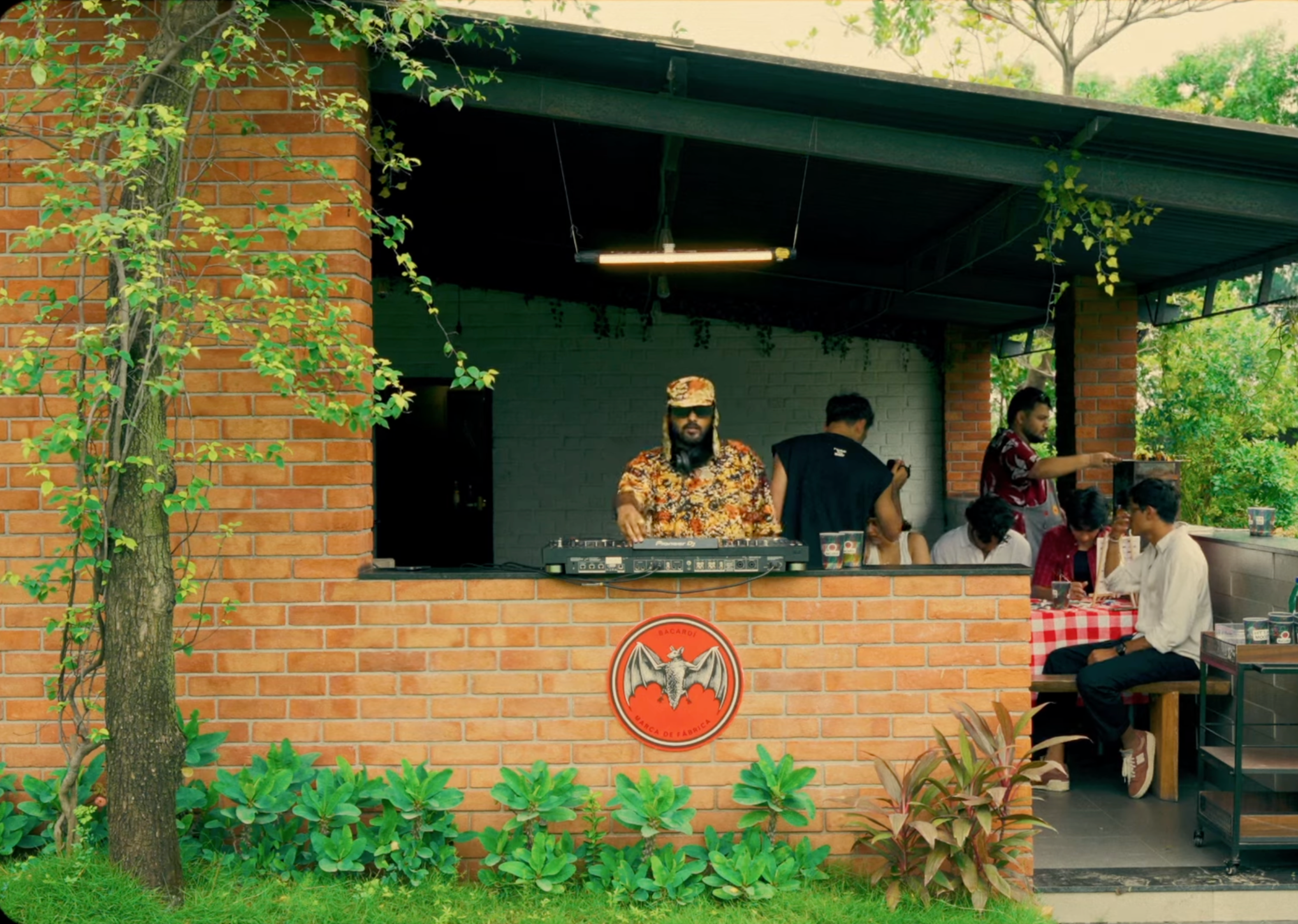
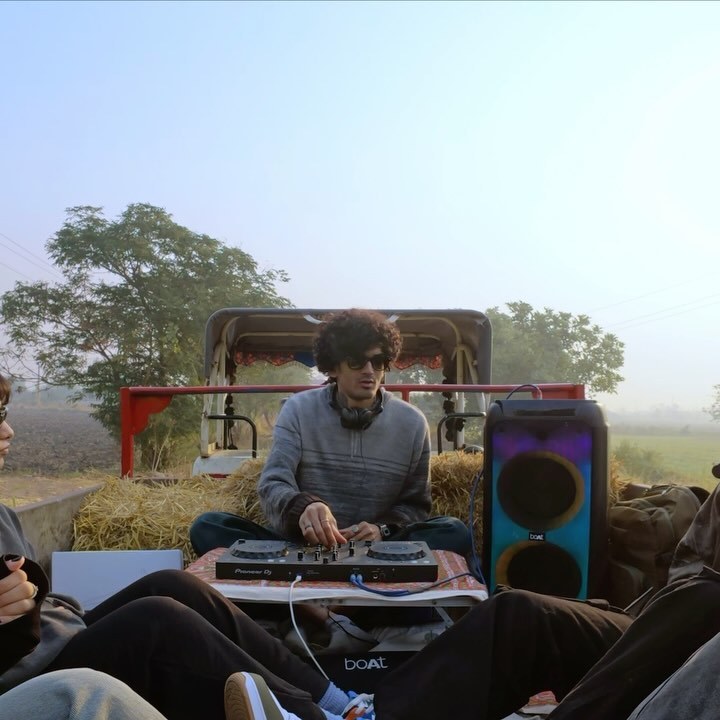
Since then, Crab Culture has tried it all: local trains, yarn factories, curry shops, even the back of a tractor. At first glance, these pop-ups might seem like a fleeting trend, a flash of novelty destined to fade. But for Crab, they’re an ongoing experiment in how music interacts with its surroundings.
“In all our sets, the main character is always the music,” Doriwala adds. “But the setting creates the right vibe for it. Our tractor set had a progressive energy, the yarn factory a dark, acidic one, and the kitchen sets were fun and groovy. The space changes the sound, and the sound transforms the space.”
Read this next: In pictures: A psychedelic glimpse of Vietnam's infamous 'cave rave', Equation
By decentralising where and how events happen, Crab and a new generation of organisers are creating a counterbalance to commercial clubs, proving that gatherings don’t have to be big to matter. They can be out in the open, in spaces everyone can access—and, in the process, become opportunities for marginalised communities to claim visibility and presence in the city.
In busy Bangkok, where nightlife has long been shaped by tourism and its commercial logic, the queer and femme-led collective NON NON NON has been trying to reclaim previously inaccessible urban areas for the queer community.
Founder Mae Happyair explains to Mixmag Asia: “In Thailand, the acceptance of different genders and identities has improved, but traditional clubs are often shaped by business needs, which narrows the range of artistic expression they are willing to support.”
This reality pushed much of the queer and femme community either underground or out of nightlife entirely. When Mae first entered the scene, she felt there were no spaces where she truly belonged—no place to dance to the sounds she wanted to hear.
Now, as the relationship between venues and independent organisers begins to shift, that balance is slowly being rewritten, allowing marginalised identities to reclaim their place—and their visibility—within the city’s urban fabric.
Read this next: 48 vintage pictures that capture the early days of clubbing across Asia
“Many of the urban spaces we perform at weren’t originally designed with queer or femme audiences in mind—whether socially, culturally, or even in terms of safety,” Mae adds, which can range from gender-normative dress codes to the lack of accessible, secure spaces to dance.
“Part of my work has been to shift how those spaces feel, and who they welcome, so that people who might once have felt excluded can now walk in and feel they belong,” she continues, adding that there’s more change coming into the scene.
While these pop-up parties are reclaiming space and visibility across Asia, the scene seems to remain divided on one issue: the co-optation of raving itself.
In Hong Kong, we talked to Ahura, co-founder of MÖTH Community Radio.
“I’m very passionate about raves and music,” they say. “Because it’s a beautiful, liberating thing, and a great tool for unification. But it can also become a tool for exclusion.”
For them, it's not just a party—it’s a space of mutual care, community, radical inclusion, authentic joy, and resistance to systems of power. By essence, it’s difficult to resist a system from within its very core.
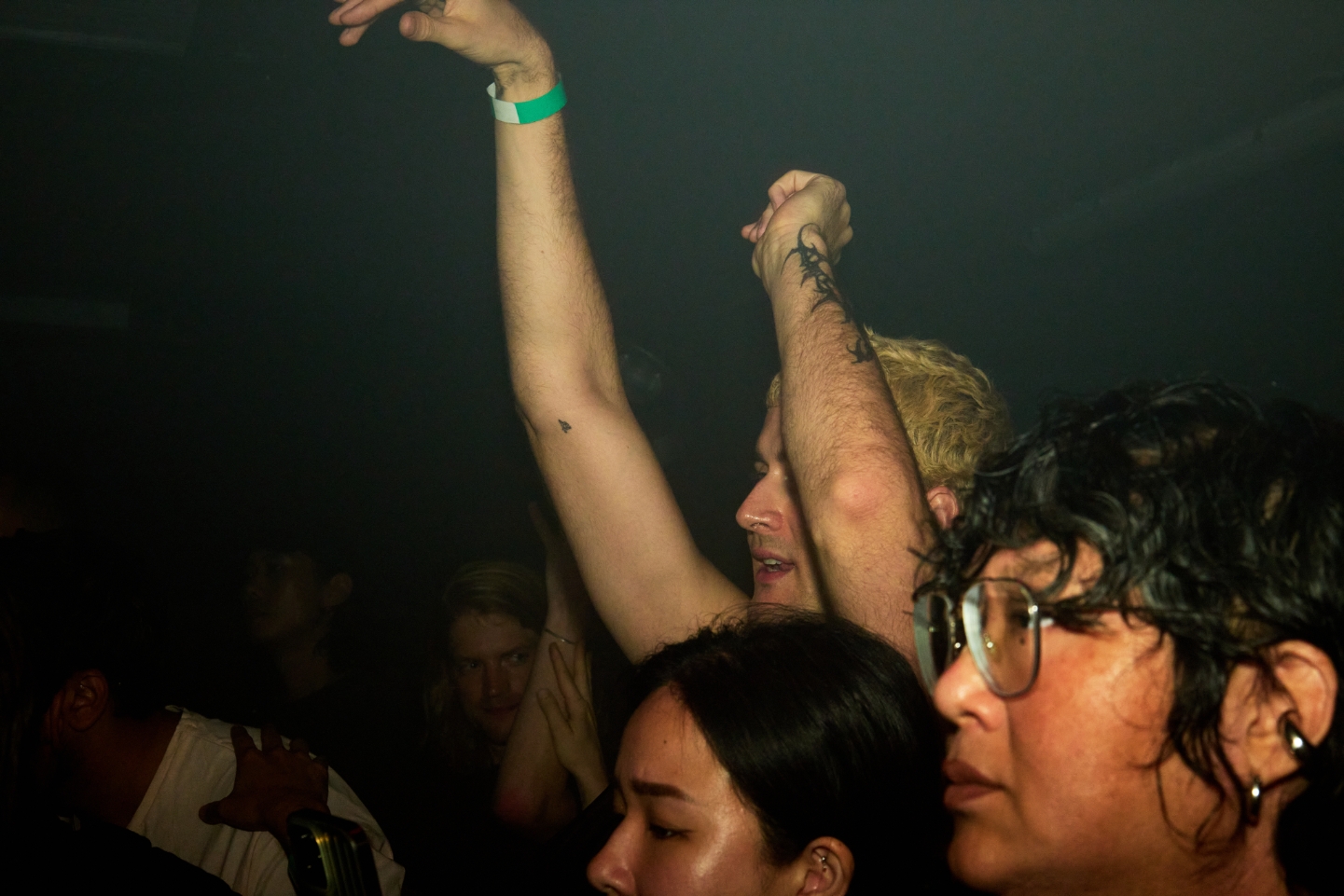
“When we talk about a rave in a mall or other public space, it often means these events are approved by the system and the government,” the organiser continues. “But the government hosting or allowing these parties doesn’t necessarily mean real progress. Throwing a rave can become a symbol of being ‘cool,’ ‘liberal,’ or ‘democratic,’ while leaving the deeper inequalities untouched.”
Read this next: In pictures: behind the scenes & centre stage at The Mixmag Lab Dhaka
Just as Berlin’s image as the ultimate “raving city” masks its own contradiction with its hours-long queues, (too) selective door policies, and uneven safety standards for both DJs and dancers, Asia’s new wave of pop-up events, parties and raves face a similar paradox.
What began as an act of reclamation risks being absorbed by the same forces it once sought to resist.
“While trying to escape the hierarchies and economics of traditional clubs, these parties sometimes end up capitalising on the very communities they aim to uplift”, the Hong Kong organiser says.
Ticketing, of course, is necessary: it helps cover costs, pay DJs fairly, and maintain a sense of safety and structure. But when prices climb too high or venues become too exclusive, what was meant to be a space for experimentation and connection risks turning into “a club for rich people,” leaving behind those without social or economic privilege.
And then there’s the pressure of virality to market an event.
“Honestly, these café-day-rave-goers freak me out, because many of them just go to post it on social media. They want to be seen, look at each other, and I feel like I can’t be free in that context,” admits the organiser.
In the end, the same public square that can become a site of joy, visibility, and creative freedom can just as easily be co-opted, commercialised, or policed.
The line is thin. The pop-up event or rave as rebellion is not universally available—and its promise of liberation depends as much on who is present, and who is watching, as it does on the music itself.
[Images via Nikhil Anghan, Kasidit Prapawong & Vinatpol Smit]
Salomé Grouard is a freelance writer for Mixmag Asia, follow her on Instagram here.
Cut through the noise—sign up for our weekly Scene Report or follow us on Instagram to get the latest from Asia and the Asian diaspora!
