


 Features
Raves as Rituals: The Rise of the Bantuwing and the decolonisation of a Manila dancefloor
Shot as a music video, the event organised by [29] reframes the rave as a site of queer power and indigenous wisdom
Conventionally, a ritual is defined as “a solemn ceremony performed prescriptively”. But simply, it can also mean intentional action/s (performed alone or with others) to create meaning and imbue power. In that sense, could authentic raves be also considered as rituals too?
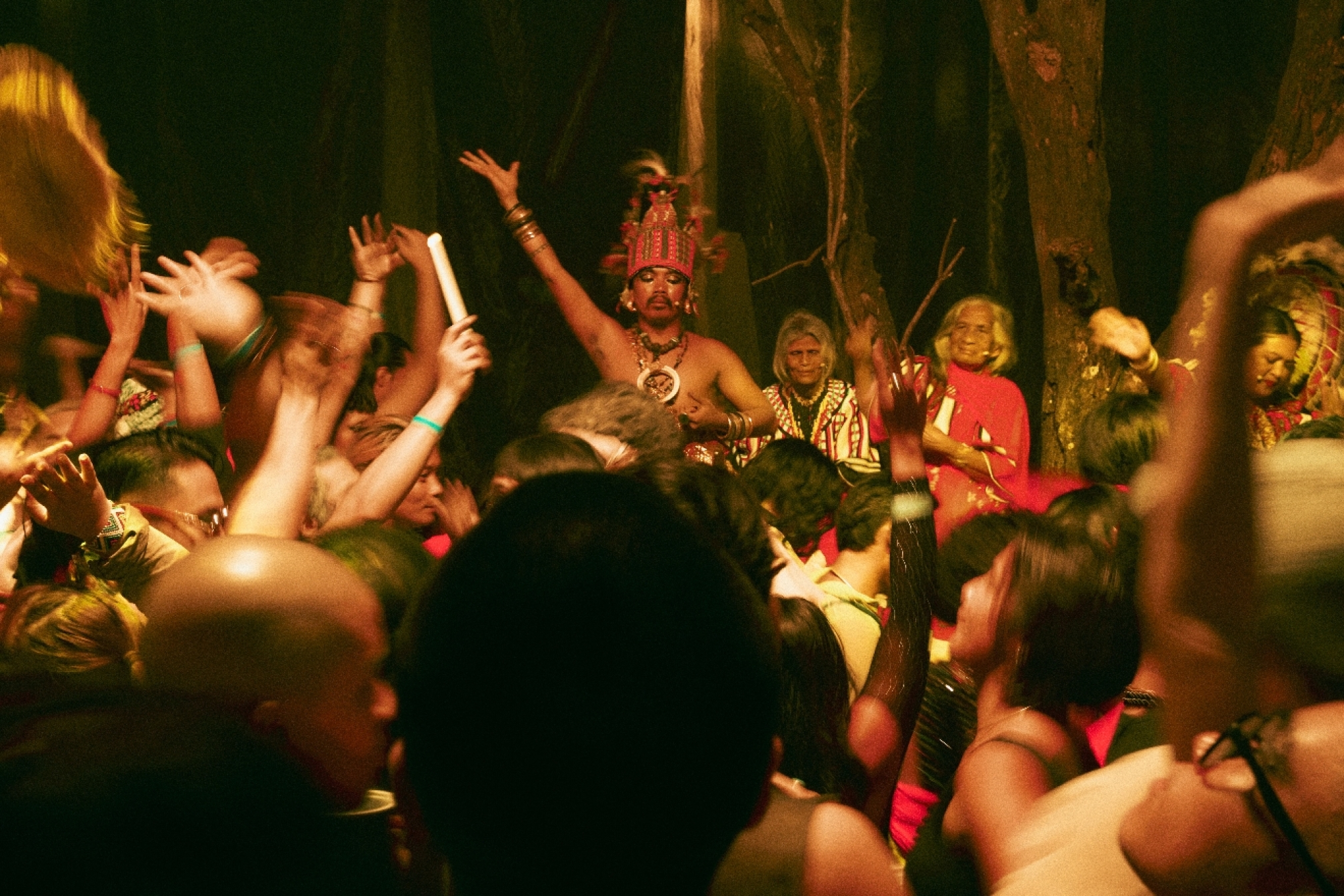
On Saturday, February 7, in a Manila warehouse, the lines between these two events blurred into a convergence. Rise of the Bantuwing was a rave marked with a sacred indigenous ritual (featuring live drag performances, runway shows, DJ sets) all captured as a music video shoot, organised by three visionary groups. “Essentially, this is what the event is, beyond its uniquely complicated and multidimensional nature,” shares the organisers.
The rave ritual’s initiator was [29], a global-majority queer rights culture project aimed at creating 29 music videos in 29 countries representing the 29 Yogyakarta Principles, the world's most influential LGBT+ rights charter. [29] starts with the Manila ritual rave as its seed celebrating the 25th Yogyakarta principle: the right to participate in public life or the right of representation which the archipelago has fought for and won in its highest court.
“Principle 25 asserts that every citizen has the right to take part in the conduct of public affairs, stand for elected office, participate in the formulation of policies, and have equal access to all levels of public service without discrimination based on sexual orientation or gender identity,” [29]’s project leader, Rayan K. Barton, says. “In the Philippines, where bakla, tomboy, and trans visibility is woven into daily life yet discrimination still shadows their participation in formal political power, this principle cuts to the bone.”
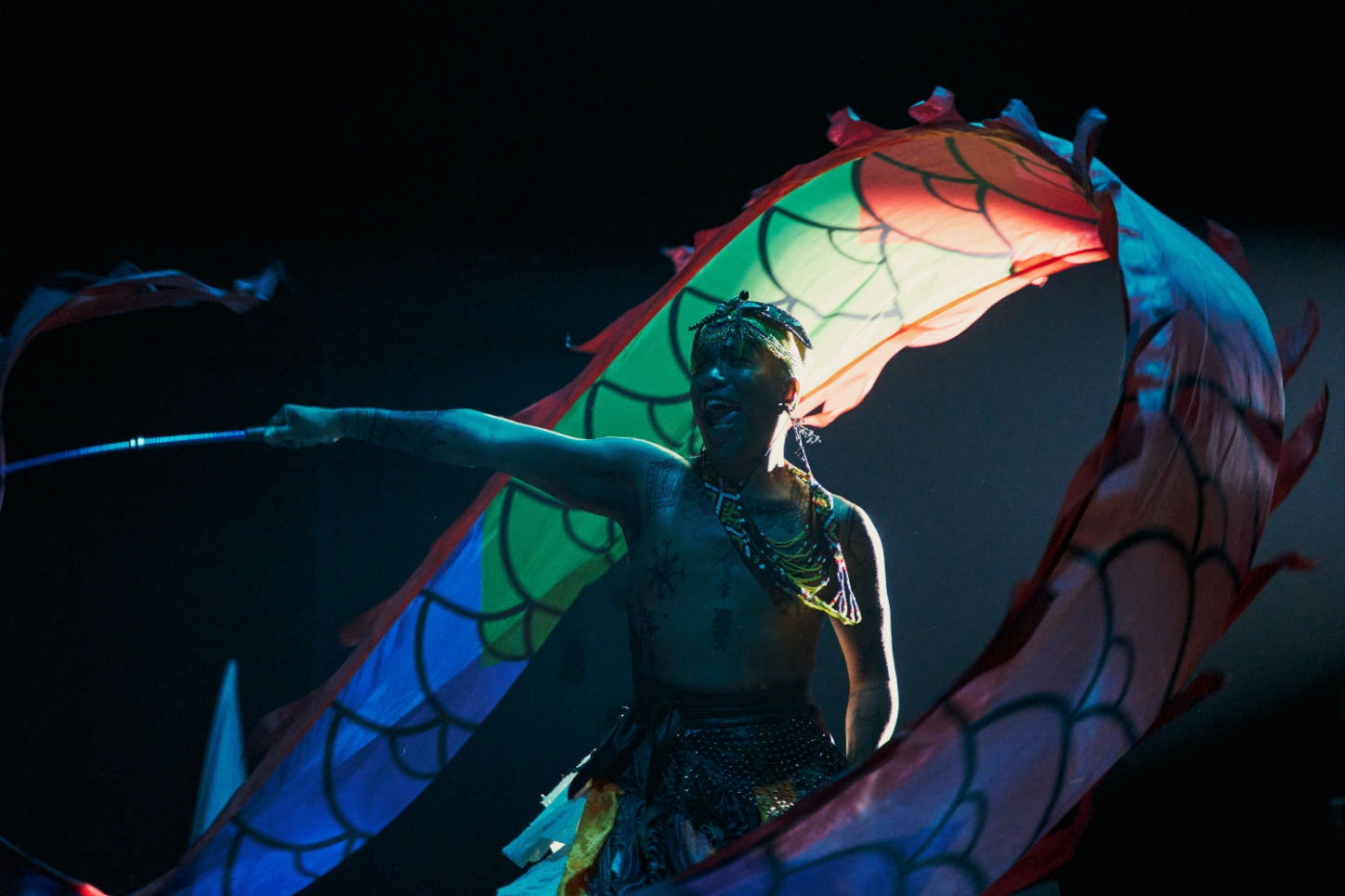
Guided by queer shamans or Babaylan such as Krystahl Guina from the Talaandig-Manobo of Bukidnon and led by Datu Arayan (figures who embody a tradition where spiritual authority was never contingent on binary gender) this ritual is meant to bind us together, not just to the cause of queer liberation, but to our Indigenous kin who can show us the way back to our bodies, our spirits and our voice.
“Our whole act of creation stemmed from a deep urge to bring indigenous wisdom into the future,” shares Inshallah Montero, a film director of [29]. “The Filipino identity has been constantly molded, beaten and enticed by foreign identities and religion. This ritual is an act of peeling off these layers, to find our own truth in the midst of all the noise.”
Read this next: Festivals in Asia to look forward to in 2026
The Rise of the Bantuwing converges at the iconic Manila-based ELEPHANT party, a dance space rooted in marginalised queerness, Philippine culture, and community.
Through ELEPHANT, we remember the Bantuwing: “gender identity so ancient it predates the horrors of colonisation and embodies the precolonial queer voice that has always shaped society and ecology”. Advocating for safer spaces, equitable pay, and collective care, participation at an ELEPHANT party is already political and becomes a participatory ritual. This is Principle 25 manifested: “Queer Filipinos empowered in their own public life, their own culture, their own stage—and daring the state to catch up”.
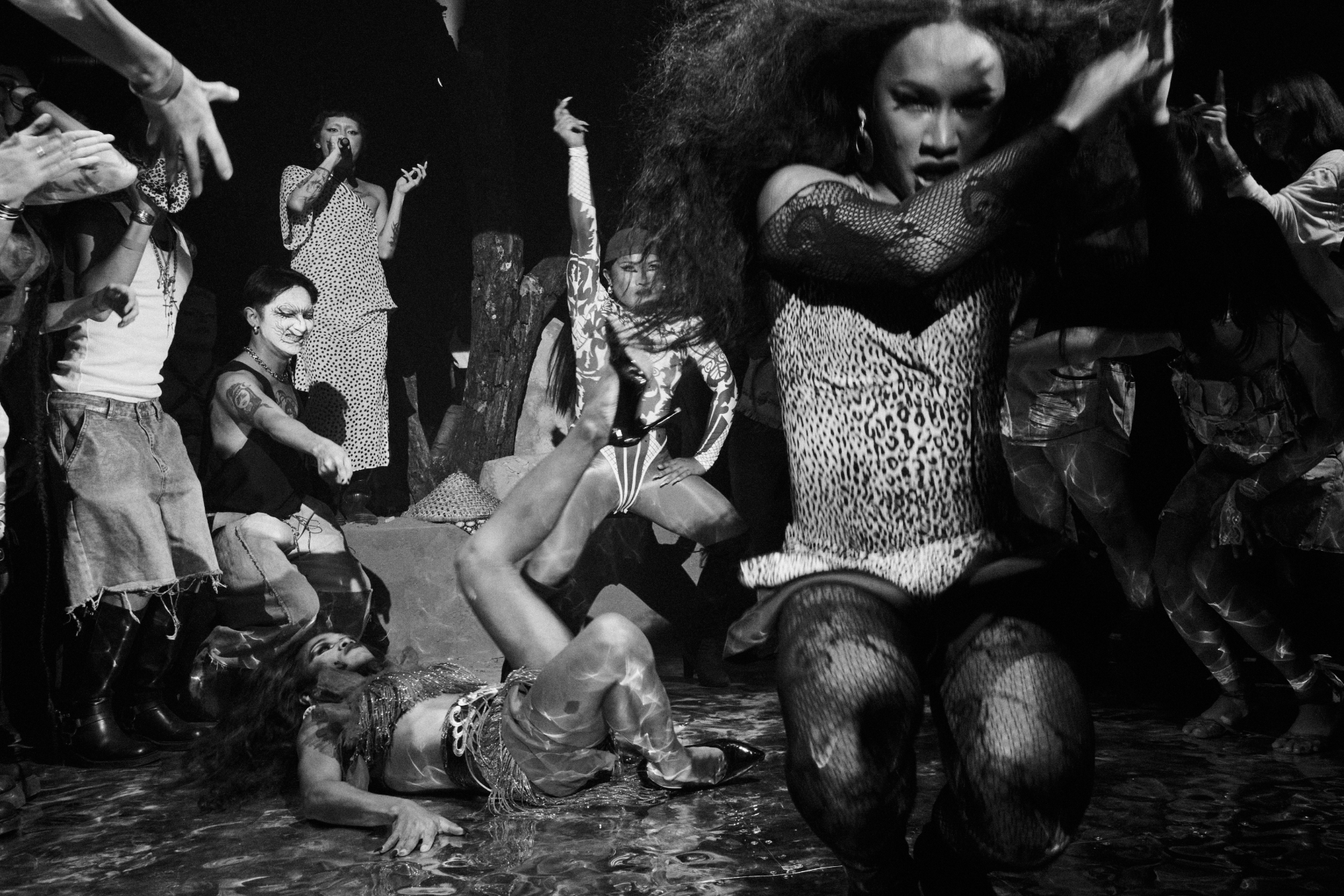
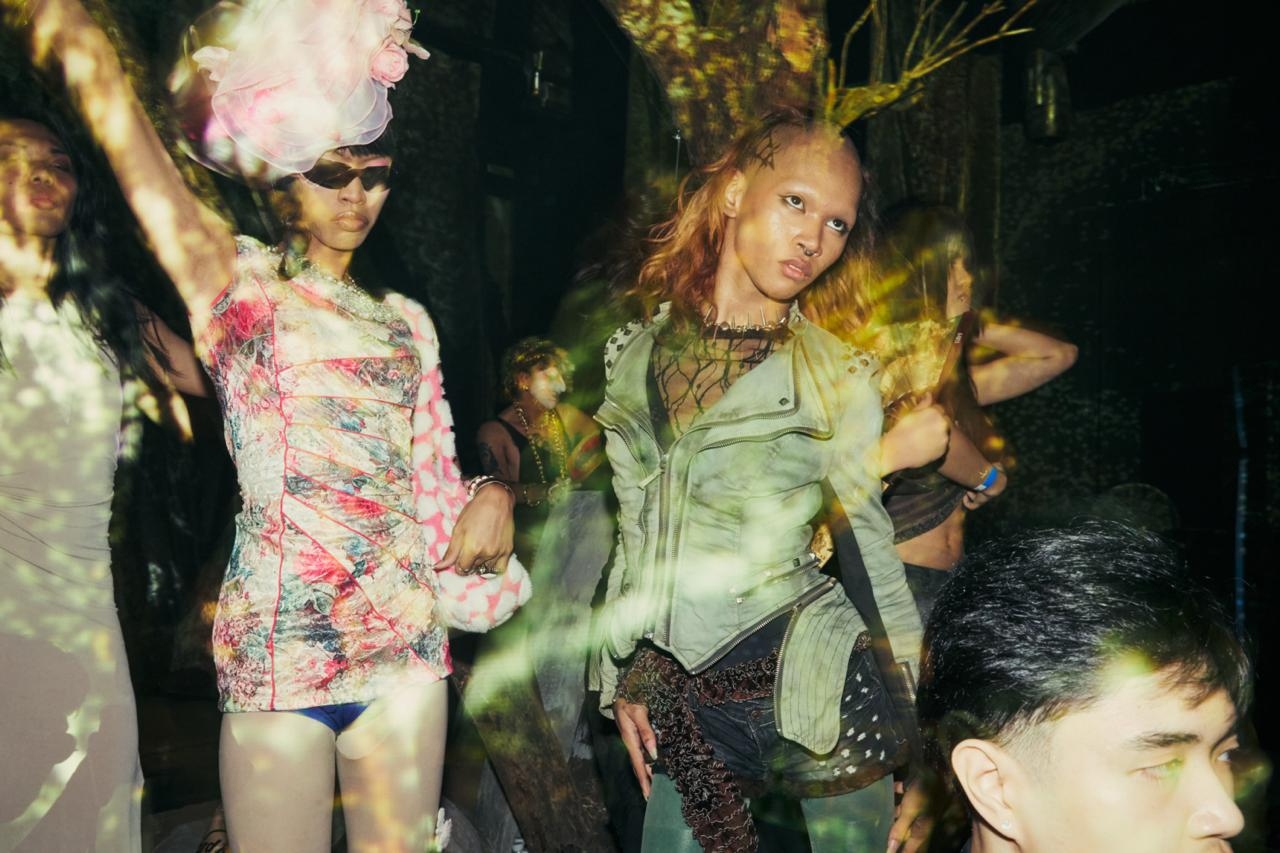
“Ultimately we see the Bantuwing rave-ritual as an attempt to decolonise the ravespace. It’s essentially a step into building a movement that is inclusive to all forms of queer identity, belief, and cultural tradition,” expresses Aly Cabral or better known as T33G33, a Manila-based DJ and community organiser. “And this movement is strengthened by going back to our roots, by reinforcing our struggles and political agenda of queer representation through practices grounded in indigenous spirituality and knowledge systems.”
Read this next: On queer futurity through rave collectives in Southeast Asia
She adds that being Filipino always implies a battle to reclaim an identity, despite people’s inclination to adopt Western culture as a way of survival. “Part of this battle is tapping into our history and remembering liberating aspects of our culture that have already been inherent in us, erased by colonialism. Our ancestors were dancing before time, long before the word ‘rave’ even existed. And our genderfluid babaylans were the ones who led the way. This rave-ritual is our chance to directly interact with their spirits and be empowered by their guidance.”
The flow of this ritual rave is steered by Emerging Islands, an arts-for-ecology organisation that enables island and coastal communities, artists, and scientists to collaborate on stories about the horrific climates of our global archipelago. Based in La Union, Emerging Islands grounds its practice in the ritual rave—shaped by island geographies, precolonial memory, and contemporary queer life.
Read this next: "Genuinely needed": How WAIFU is revolutionising Tokyo's queer nightlife
In the Philippines chapter of [29], Emerging Islands brings this perspective of collective authorship, embodied knowledge, and community-led storytelling into the project, situating the work within queerness and ecology rather than abstract frameworks. “What we wanted to create was a moment of collective remembering, or un-forgetting, of the fact that all we are comes from the earth—even the power to be queer, to be strange, to be unique,” David Loughran, a co-founder of Emerging Islands shares.
He adds: “And to shape a collective, emancipatory voice means drawing from a source of earthly power that simply requires us to do one thing in exchange, and that is to coexist.”
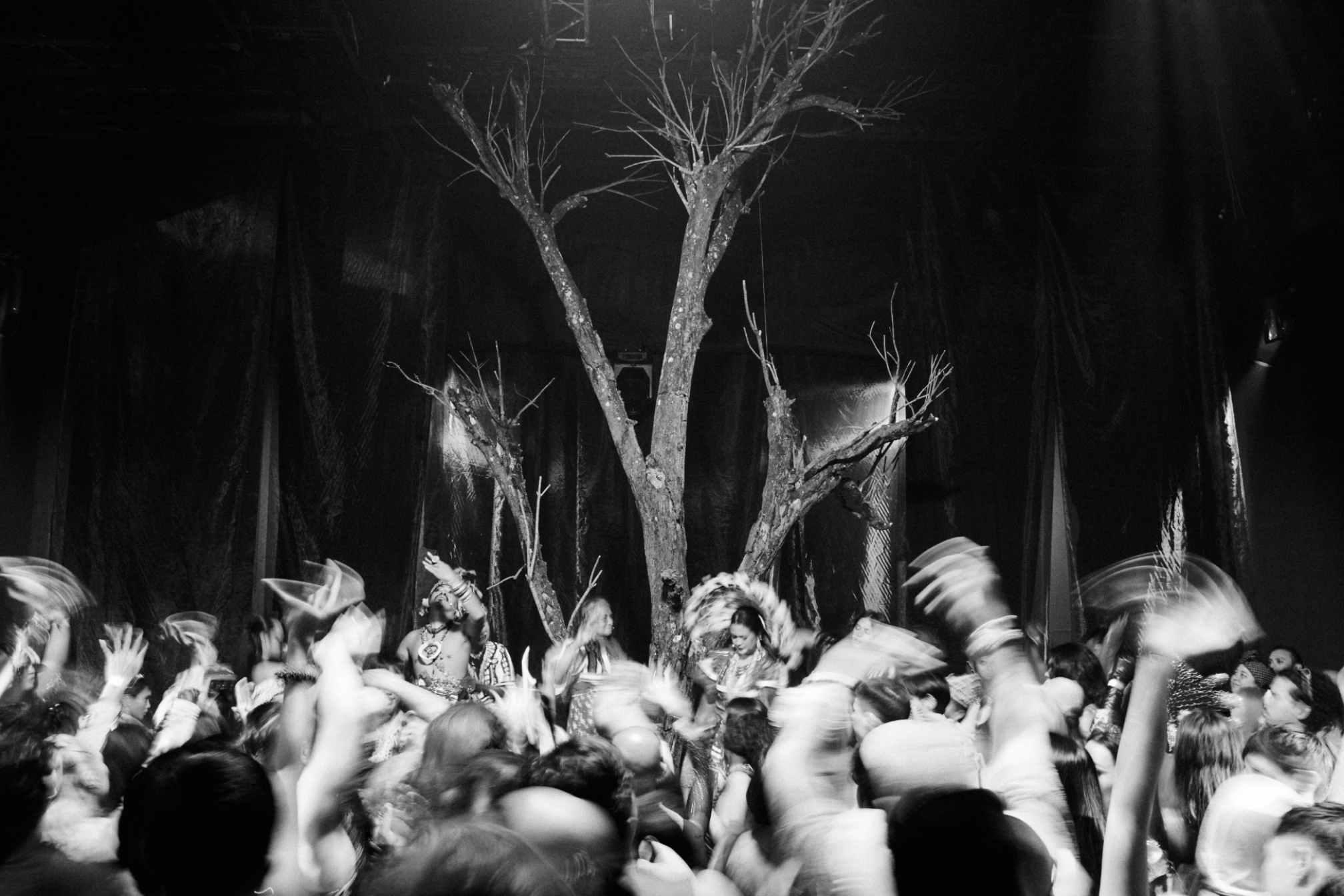
Last but not least, the energy of the Bantuwing was able to emerge because the ritual-rave-music video was structured around the sound of the Kulahi Pangantucan Performing Arts, a Talaandig–Manobo cultural collective.
Kulahi’s music and movement function as the film’s organising language. Kulahi means “shout,” referring to the use of voice, rhythm, and movement to carry ancestral memory.
The transformative power of the rave and music is clearly seen in potency and sacredness through the ‘Rise of the Bantuwing’. “This rave is meant to create a moment in time where we understand fully what it is to become each other. And I think that night, everyone felt this deeply,” says Montero. “The concept of Bantuwing is to ask ourselves what remains within us? There is only energy, there is no form and no gender, only the spirit,” she adds.
Read this next: The Budots Three are leading Filipino dance music’s world takeover
True raves often remind us about the Bantuwing, that it is of us; a flowing identity higher than skin, beyond words, and deeper than our own individual soul. Bantuwing is an ancient energy passed down through generations, named wrongly by colonial systems which limited its movement.
“From the breath of the First Dawn, before borders were drawn and before names were divided, Principle 25 was already present,” the mighty yet meek Datu Arayan reveals. “On February 7, we did not create Bantuwing, we remembered it. We ended the era of imposed silence. We closed the chapter of limitation. We stepped out of borrowed narratives and into ancestral truth. This is the era of representation. This is the era of empowerment. This is the era where Principle 25 stands in full light, not hidden, not ashamed, but honored as it was in the beginning. May the drums echo this awakening. May the ancestors witness our courage. May Bantuwing rise not as rebellion, but as restoration. The circle is whole again. The truest revolution begins when one dares to be visible and sacred at the same time.”
[29] shares that this is just the beginning. “This whole project is a living being that continues to change, mold and breathe into something new. It doesn’t stop with music videos, as exemplified in the rise of the Bantuwing. There will definitely be more rituals to celebrate the joy and sacredness of our queer Spirit.”
The Bantuwing music video will be released during Pride Month this June. Follow [29] on Instagram for the latest updates on their work; initiatives are slated next in India and Indonesia.
Jacob Mendoza is a freelance writer for Mixmag Asia, follow him on Instagram.
Cut through the noise—sign up for our weekly Scene Report or follow us on Instagram to get the latest from Asia and the Asian diaspora!
