


 Features
Micro-movements: How Korea and Japan are merging into one dancefloor
With weakening currencies & rent costs eating into clubgoers' wallets, both countries are leaning on each other more than ever, swapping artists, sharing booking costs & building something that looks a lot like one regional scene
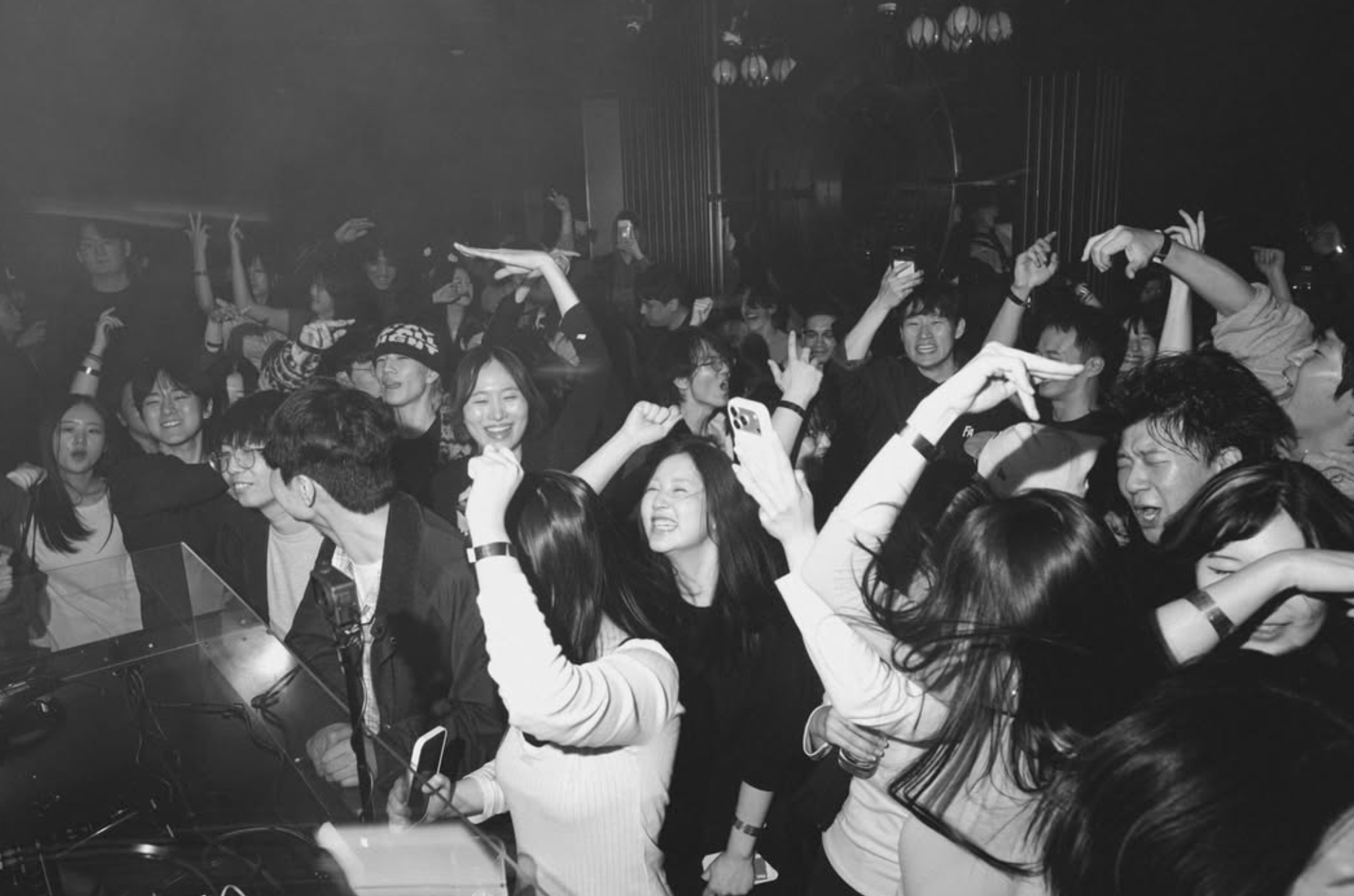
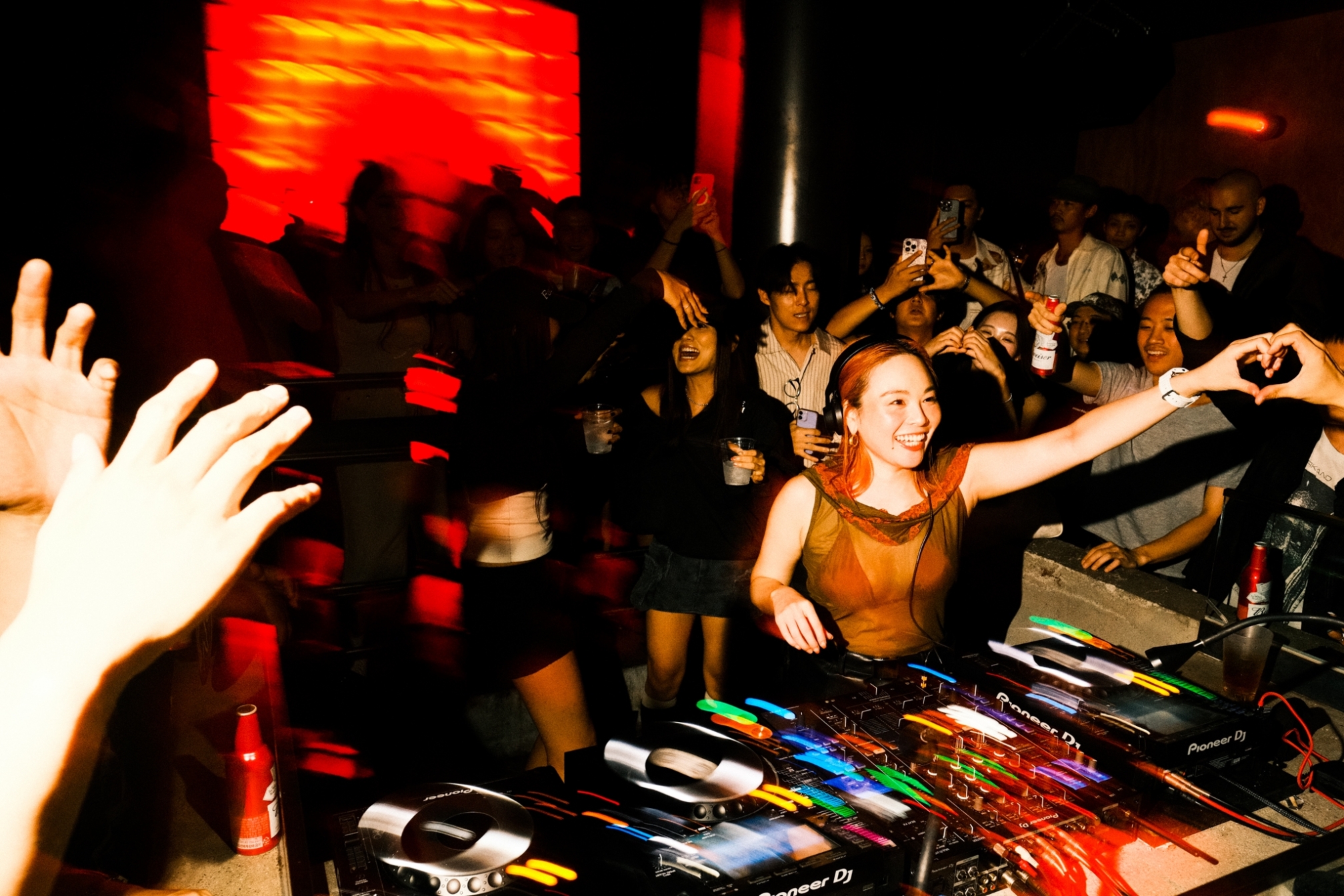
Seoul’s Cakeshop held a pop-up party at Circus in Shibuya, Tokyo. According to Circus’ booking manager Mari, the relationship between the two venues stretches back to before the pandemic.
"These days, whenever Korean artists play at Circus, toasting with habu-shu has become almost a tradition," Mari said. "After sharing enough drinks, everyone ends up getting along."
As a promoter based in Seoul, I’ve witnessed similar scenes. When a Japanese DJ comes to Itaewon, they stay at the bar long after their set, swapping stories and making plans for next time. There are no formal partnership agreements.
The exchange between Korea and Japan’s underground scenes has been thickening naturally through the repetition of these small encounters.
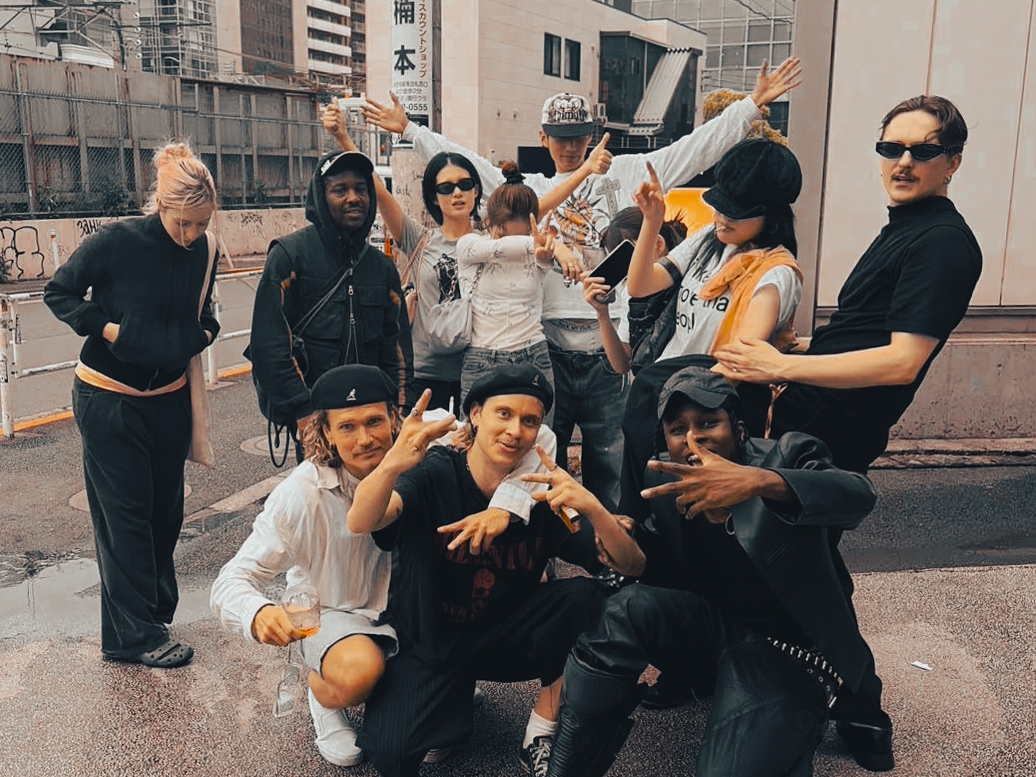
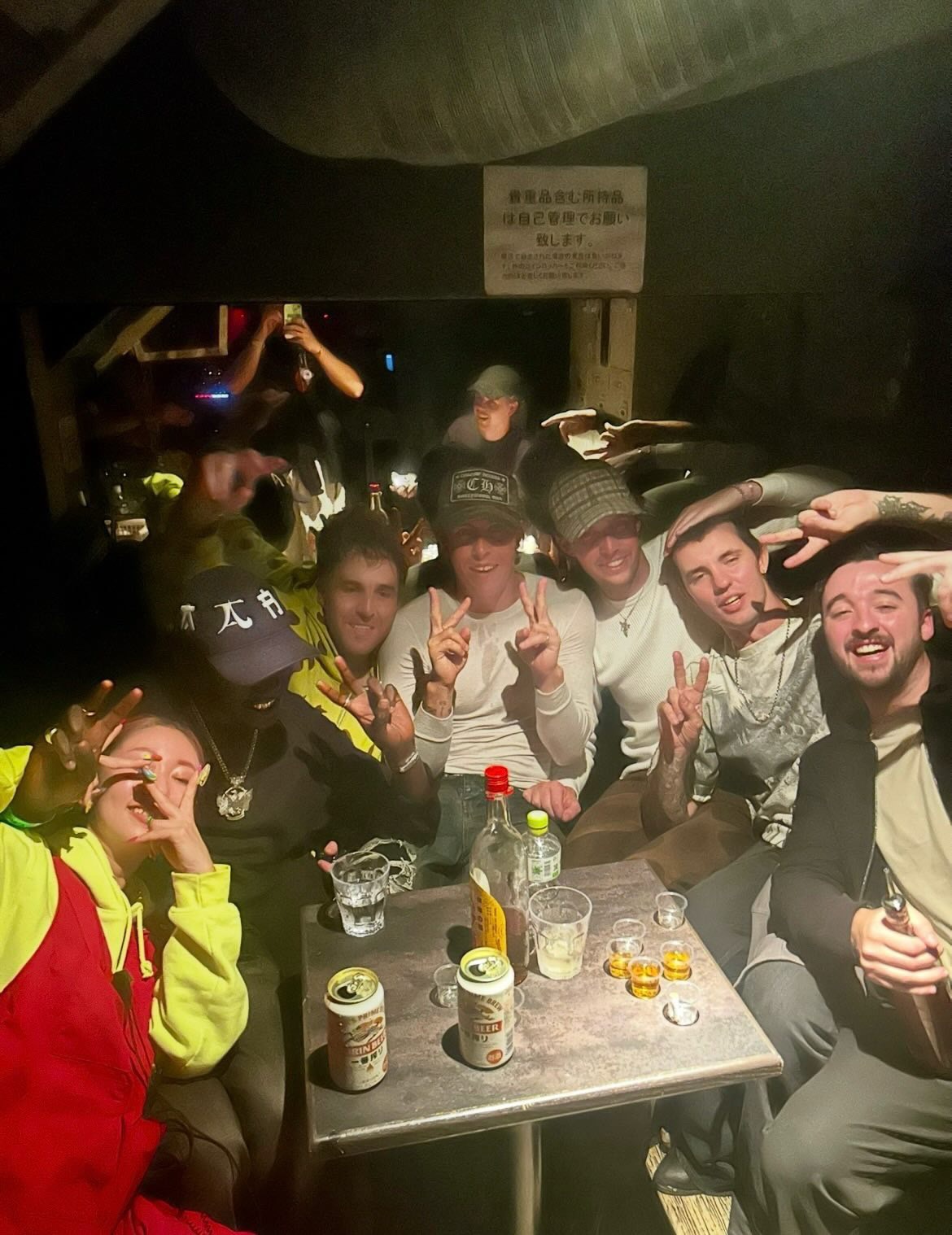
The fact that Korea and Japan’s electronic music scenes are drawing closer is now something both sides can feel. Mari said she "definitely senses the connection between the Korean and Japanese scenes getting stronger". Korean promoters have been reaching out more frequently to propose Tokyo gigs for their artists, and she added that a proactive push to build connections within Asia is driving this shift.
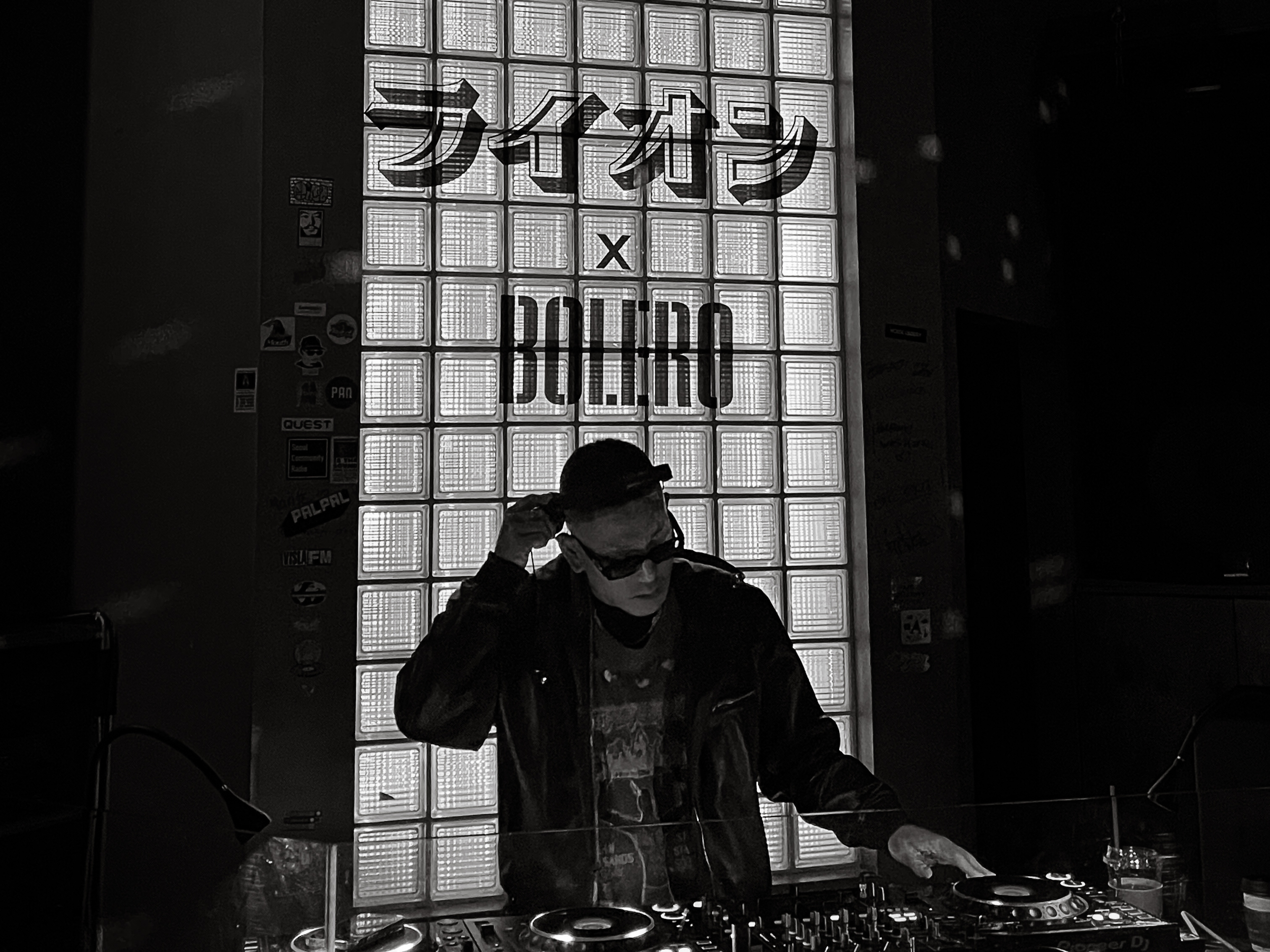
The same sentiment echoes from Seoul. Keenote, manager and DJ at Itaewon’s Bolero, pointed to the exchange between Bolero and Tokyo’s Music Bar Lion as an example: "The Music Bar Lion crew came to Bolero two or three times, and our DJs went to Lion to play too."
Shintaro Yonezawa, who leads international bookings at Tokyo-based management company CANTEEN, also confirmed that artist exchanges between the two countries have grown noticeably. I’ve felt this shift firsthand as a promoter in Seoul. Three years ago, exchanges with Tokyo were sporadic; now, someone is crossing between the two cities every month. But this momentum has not come about entirely on its own.

There are some very practical reasons behind it. The economic reality on both sides is far from comfortable, and that pressure is actually pushing the two scenes towards each other. In Japan, the prolonged weakness of the yen has sent the cost of booking international artists soaring, while real wages have been stuck in decline for years.
Read this next: South Korea’s university DJ dongari: the hidden incubator of Seoul's dance music scene
Korea is in a similar position. The OECD has cut Korea’s 2026 growth forecast to 1.7%, and young people are spending a third of their income on housing. These macroeconomic pressures hit the music scene directly. When clubgoers in their 20s and 30s tighten their wallets, door revenue drops and venue booking budgets shrink.
Mari put it plainly. "The weak yen is really tough. Honestly, it makes me want to cry." Bringing in overseas artists now demands far more careful planning than before, and she added that ticket prices have had to go up as well.
Neither scene is sitting idle under this pressure. The most visible strategy is co-booking. Mari explained that "when it’s difficult to bring European or American artists to Tokyo alone, we link up an Asia tour to spread the costs."
Circus operates venues in both Tokyo and Osaka, making regional cost-sharing possible, and she said that pitching to overseas agents as part of a broader Asia tour improves the chances of closing a deal. For Korean promoters, this kind of collaboration is especially urgent.
Most Korean underground clubs hold between 200 and 400 people, and a promoter’s cut of total venue sales sits at around 10–20%. I’ve felt this firsthand producing several events recently. Booking a mid-tier European or American artist often means a guarantee alone exceeding $2,000, and once you add intercontinental flights and accommodation, turning a profit becomes virtually impossible.
Read this next: 5 reasons you should support grassroots nightlife venues
Between Korea and Japan, however, talented DJs can be booked within a far more realistic budget. According to Keenote, the minimum budget for bringing a Japanese artist over, covering the guarantee, flights, accommodation, transport and meals, comes to roughly $1,000. Competition among low-cost carriers on Korea–Japan routes has brought airfares down to the $300 range, and that accessibility is lowering the threshold for bookings even further. By sharing the financial burden of event production through collaborative models, both scenes are working together to put on better events even in tough economic times.
Splitting costs alone does not build a scene. Real connection starts not with a single visit but with showing up in a market repeatedly. Shintaro drew a clear distinction: "The relationship with Europe or North America tends to be transactional: tour, play, leave. With Asia, especially Korea, you can build a real community. Cultural proximity makes something beyond simple routing possible."
That this is more than talk is evident in CANTEEN’s own moves. Korean DJ KOLLIN, managed by CANTEEN, has been performing actively in Tokyo and has blended naturally into the scene, while in the other direction, Japanese DJ ryota has started a residency in Seoul. Shintaro explained that "KOLLIN isn’t ‘a Korean artist visiting Japan.’ She’s simply part of this scene while keeping deep roots in Seoul too."
Read this next: How Rainbow Disco Club mastered the art of growing without losing its essence
These are not one-off festival guests but artists who return repeatedly, building relationships with local communities. The two countries have moved beyond simply booking each other’s artists; the scenes themselves are merging into a single current.
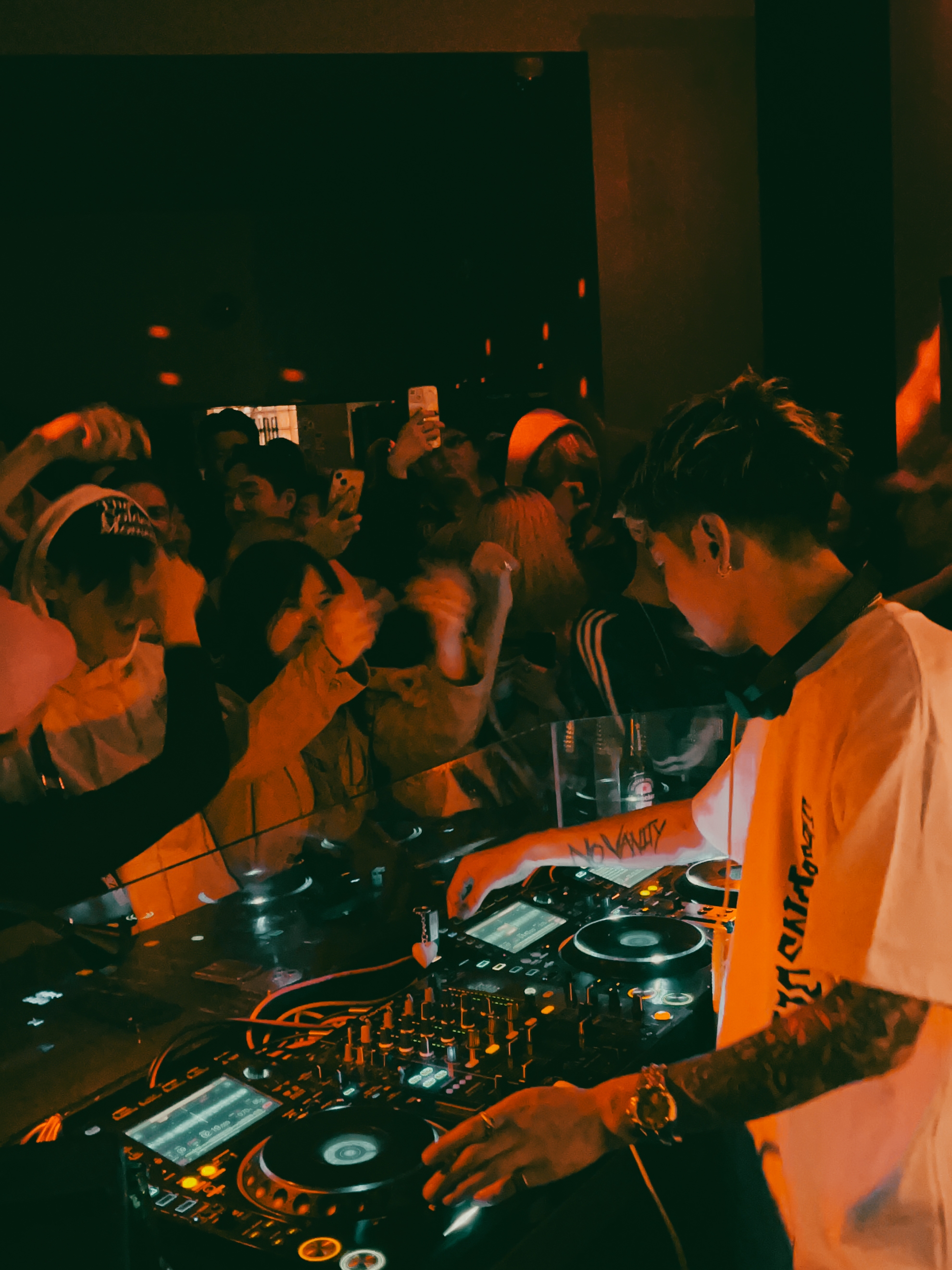
Behind this depth of exchange lies cultural proximity. Mari offered a telling example. "K-pop has been hugely popular in Japan for a long time, and the market keeps growing. Take NewJeans, who I personally love. I feel they’ve had a significant impact on Japan’s club music scene too."
She said she’d seen New Jeans tracks played multiple times in a single night at Circus. Remixes and edits shift the crowd’s energy in a tangible way. Pop culture currents are reaching all the way to the club floor.

Digital platforms are accelerating these connections further. Thanks to social media, audiences and industry figures alike can see what is happening in each other’s scenes in real time.
A Seoul party line-up appears in a Tokyo DJ’s feed; footage from a Tokyo club gets shared on a Seoul promoter’s story. Keenote said that "Thanks to SoundCloud and Instagram, DJs from the Philippines, France, China and Hong Kong reach out. Someone sends a DM, I check the music, and before you know it we’re planning a party together."
Mari agreed, stating that "Social media has massively lowered the barrier for Japanese DJs to connect with overseas scenes." Edit culture is a case in point. Edits that twist familiar tracks with a genre-bending spin link producers and DJs across languages and borders without friction.
Read this next: Jiro Endo is the man who bends the dancefloor with light & sound
Beyond cultural closeness and digital platforms, there is another interesting tool of connection: English.
Keenote recalled his experiences visiting Japan: "People in the club industry were comfortable communicating in English. There’s an openness among people in this world that transcends nationality." He added a further observation: "It’s the same English, but when Asians speak English with each other, it somehow feels warmer than when speaking with Westerners."
Sharing a third language that is native to neither side creates a kind of solidarity. There is an unspoken understanding that perfection is not required, and that very imperfection narrows the distance.
The Korea–Japan exchange is also a starting point for a broader Asian network. The conditions that enable it, geographical closeness, zero time difference and cultural similarity, apply equally to Southeast Asia. Club scenes in Bangkok, Jakarta and Manila are growing fast, opening up potential new routes for artists and promoters from both Korea and Japan.
Read this next: Excursions: IYAAKI is a judgment-free space in Seoul to celebrate culture, identity & queerness
Keenote said he feels "the same sense of comfort in China, Thailand and Indonesia", while Shintaro predicted that "Southeast Asia will become very interesting within two to three years". For this expansion to be sustainable, however, it needs more than enthusiasm.
The industrial models Korea and Japan have been building together, co-bookings, management partnerships, residency exchanges, are already spreading across the rest of Asia. Asia’s underground scenes are gradually beginning to function as one connected network.
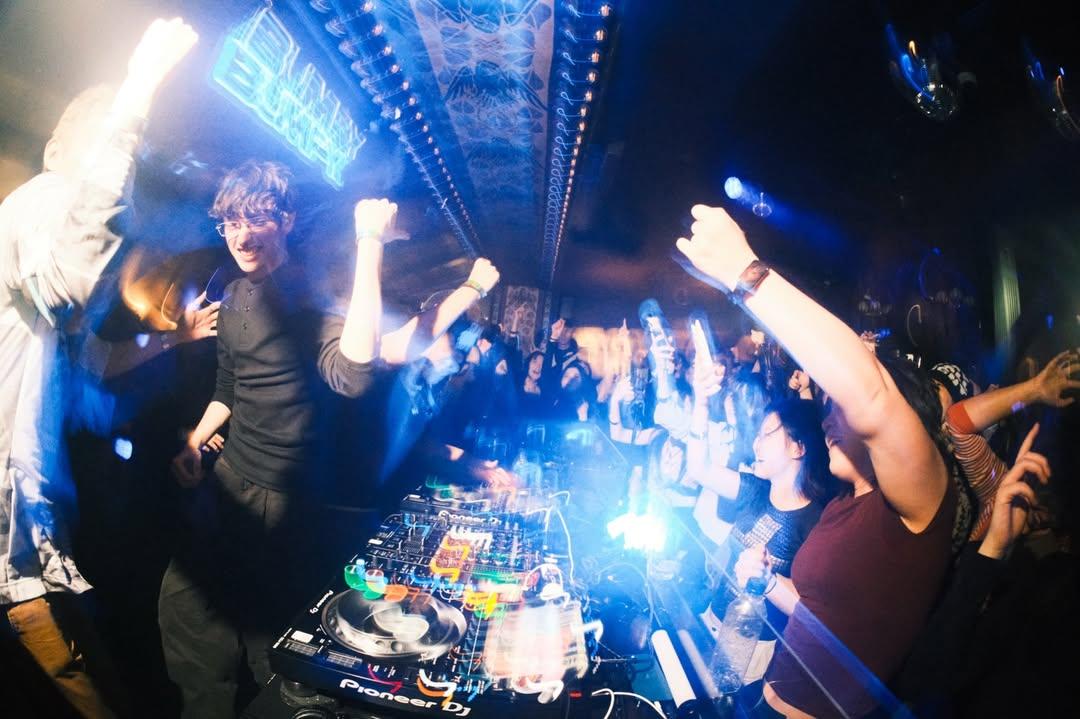
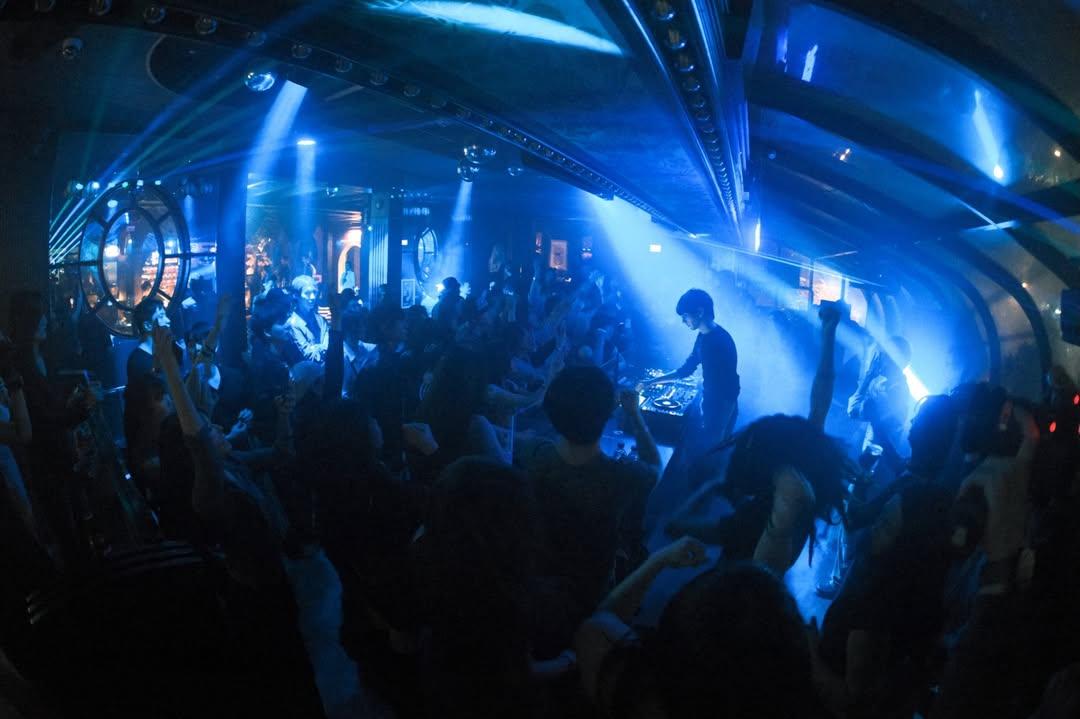
Yet even as exchanges deepen, local identity in each scene must be preserved. Mari offered a nuanced perspective: "Japan, being an island country, can sometimes feel a bit insular. While that has helped cultivate a unique culture, which is also part of its appeal, I think that's exactly why it's important to continue deepening exchanges with neighbouring Korea while maintaining a balance that preserves each scene's local identity."
Her point carries weight on both sides. The insularity that shaped Japan's distinctive sound is an asset worth protecting, and the same applies to Seoul's own character. Seoul does not need to become Tokyo, or the other way around. Connected yet distinct: that is the condition for this exchange to stay healthy.
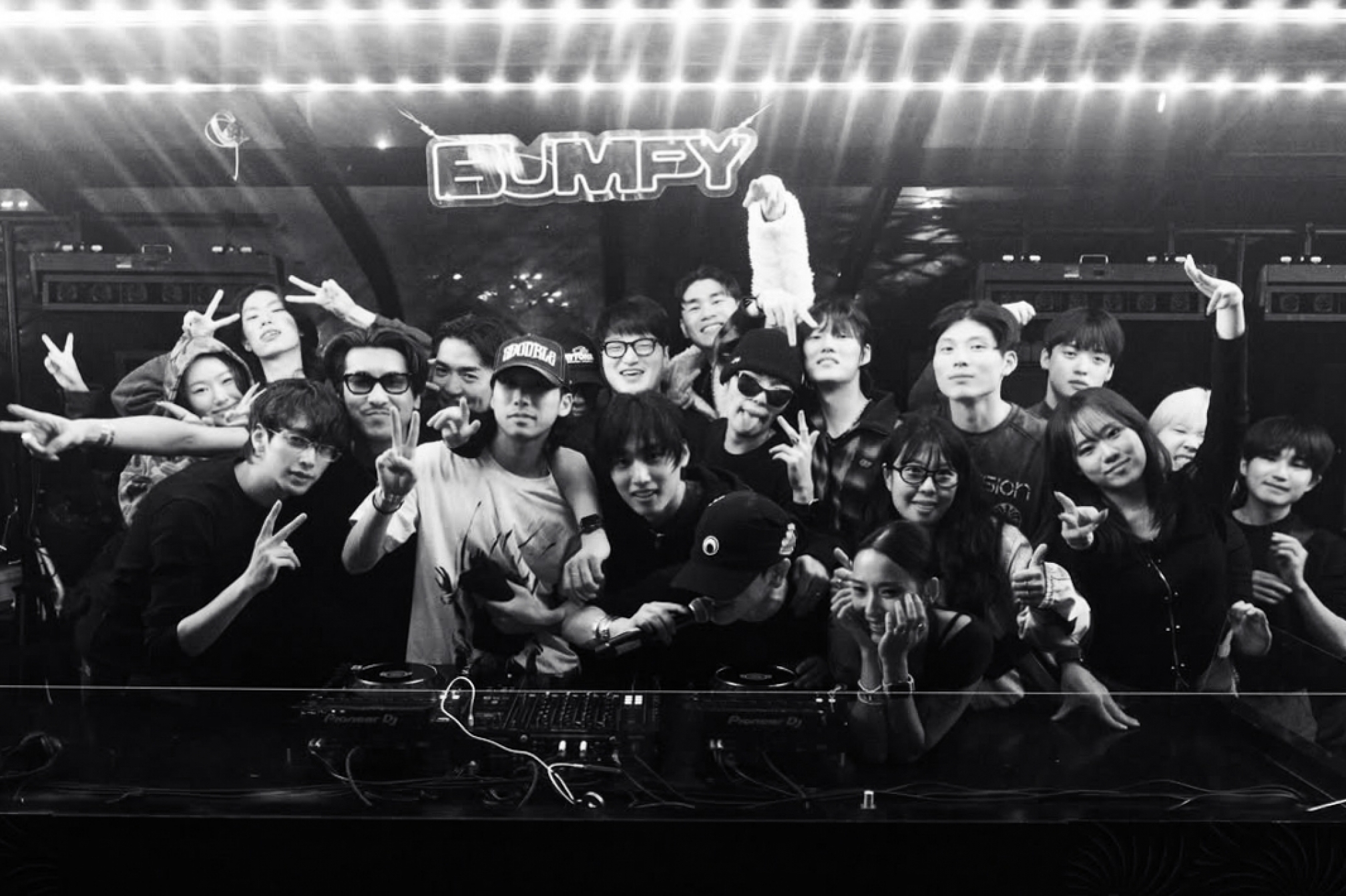
The Cakeshop–Circus pop-up, the Bolero–Music Bar Lion exchange, KOLLIN’s activity in Tokyo and ryota’s residency in Seoul. The thread running through all of these is that nobody started with a grand plan.
A glass of habu-shu, a DM, a single gig, repeated until the relationships built themselves. The moment you step behind the booth and drop the music, passports do not matter. What matters is whether the next track moves the floor. Korea and Japan’s underground scenes confirm that fact every weekend night.
Jun Kim is a freelance writer for Mixmag Asia. Follow him on Instagram here.
Never miss a beat. Subscribe to our Scene Report newsletter or follow us on Instagram.
