


 Features
Excursions: Temple Meltdown is bringing Taiwan’s underground into sacred spaces
“People have told me they feel safer than going to a rave in an abandoned setting; they think the Gods are protecting them”
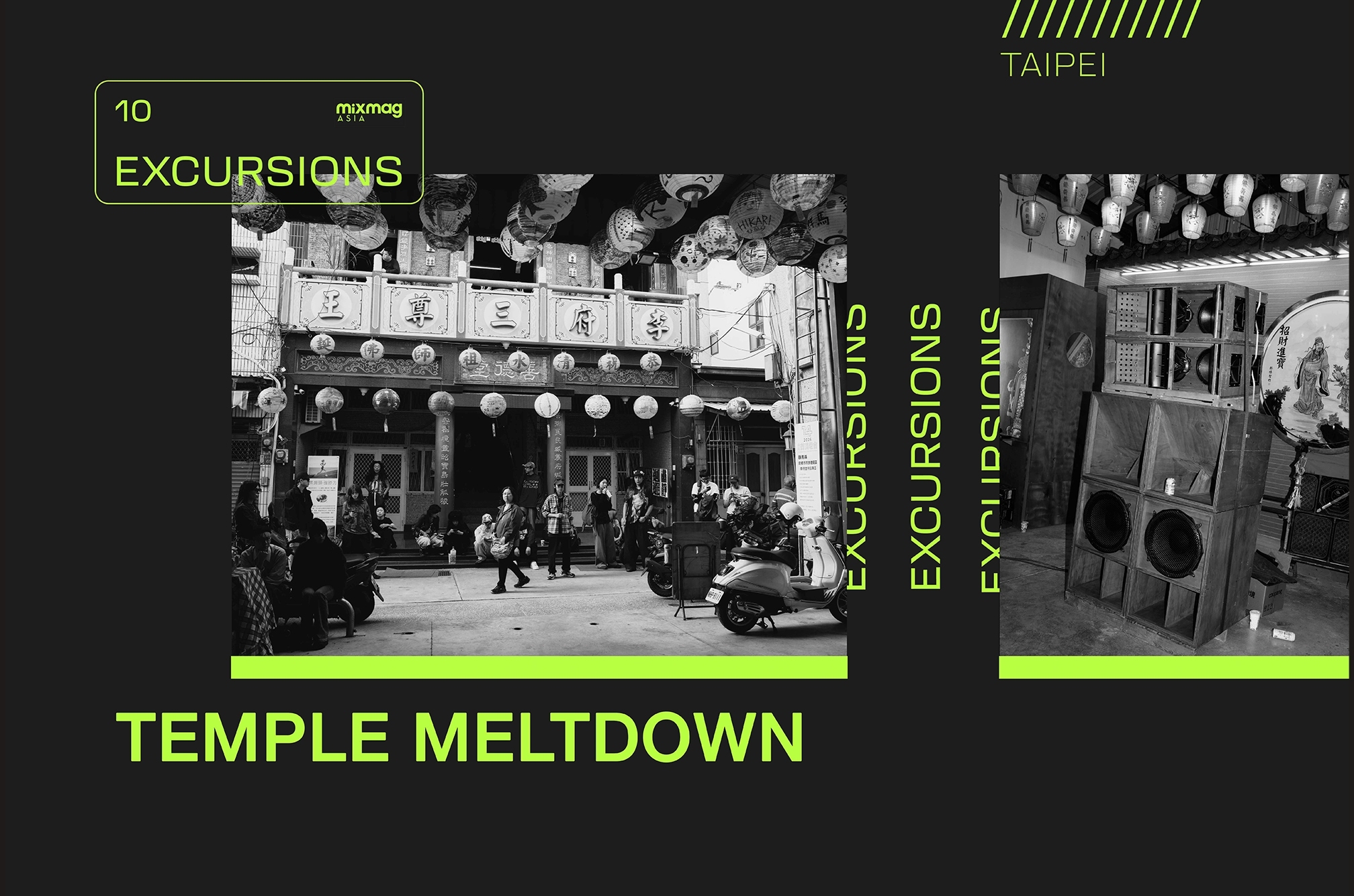
You’re on the outskirts of Taipei, watching the sunrise creep up behind Taipei 101. Around you, a dedicated crowd moves to bold selections blasting from a custom-built soundsystem with a disconnect from usual city life. Then you turn around and remember where you are: inside a sacred, centuries-old temple.
Chances are you’ve stumbled into one of Temple Meltdown’s now-infamous pop-ups.
The crew has been turning heads across the world with their off-kilter, one-of-a-kind events, transforming temple courtyards, street markets and just about anywhere into open-air dancefloors, always with a uniquely spiritual twist.
It’s an unlikely pairing at first glance (underground electronics meeting sacred space), but in Taiwan, temples are living parts of the community rather than frozen monuments, making it a serendipitous combination that could only occur here.
The island’s often-unsung electronic underbelly has long made it an “if you know, you know” destination for ravers worldwide. Temple Meltdown taps directly into that energy, blending Taiwan’s rich DIY soundsystem culture with the communal spirit that already exists around these neighbourhood temples in day-to-day life.
What began as a spontaneous gathering at a small shrine in Dazhi (大直) has since grown into one of the most talked-about grassroots party series in the region, only rising in popularity after filmmaker Bruno Pruhs and his brand THE SCENE brought this community to the world and instantly became viral.
We caught up with Temple Meltdown founder Andrew Dawson (陳宣宇 or Chen Xuan Yu) to talk temple culture, Taiwan’s evolving soundsystem scene, and how their events continue to reshape how (and where) people rave.
For someone who’s never been to a Temple Meltdown event, share with us what goes down!
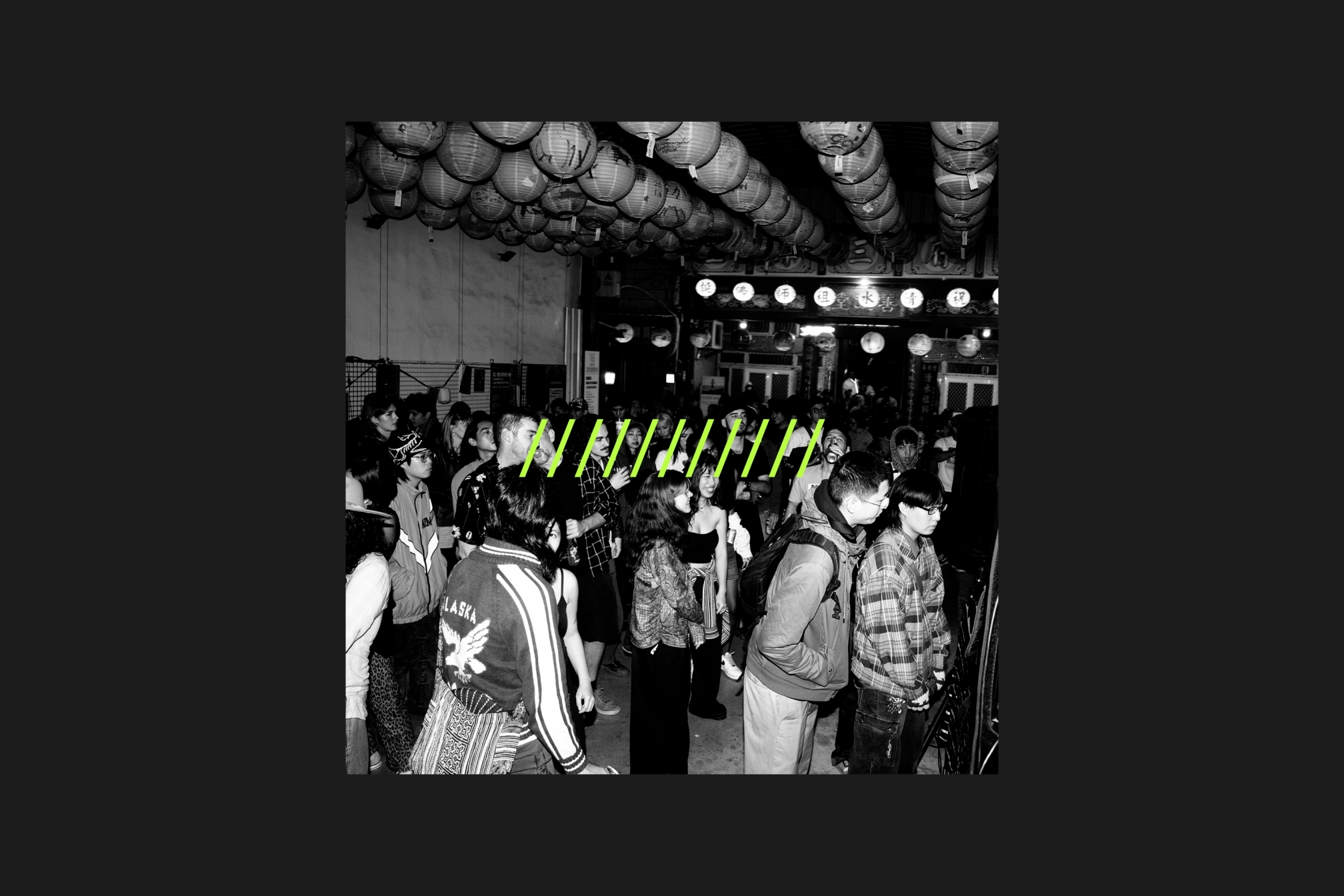
Often we start in the daytime and ease in with more chilled music; ambient, reggae, house. This sets the tone for the whole evening. Some partygoers enjoy arriving early to really feel the ambience of the party from the start. As the sun sets, the music gets heavier, with space for things to become very hardcore, or just as easily quite relaxed, where you can sit or dance by the soundsystem. All of these experiences work together in cohesion at the events.
The party being outside is a core component of why it’s great, with the fresh air and often a view of Taipei. You can encounter a daily temple experience, but in a different, sometimes more intimate way.
Why temples? What do you think draws people to these spaces instead of the conventional club or other nightlife spaces?
For Taiwanese people, it fits with their day-to-day lifestyle. The familiarity creates a comfortable space. It is community-based, where everyone vaguely knows each other. It’s a place to feel creativity and also freedom. The DIY element of the parties and many people contributing in different ways makes it feel more intimate and memorable than a typical club night.
The beauty of the parties is that each one is held in a different location, meaning each party has a different spatial and creative experience.
In your opinion, do people tend to behave differently in a temple environment? Does the space change the way people dance, listen, or interact with each other?
Yes, definitely. People are more respectful and can engage with the space in a spiritual way. My friend who has a “third eye” said she saw one of the Gods dancing at the party. People have told me they feel safer than going to a rave in an abandoned setting; they think the Gods are protecting them. I guess this translates into people's behaviour being more relaxed or in a trance state depending on what they are listening to.
Overall, I would say it's a more concentrated and complex experience for some.
Read this next: How India ferried the new Gorillaz record ‘The Mountain’ across
Taiwan has a deep relationship with ritual, sound and procession. Do you see Temple Meltdown as disrupting that tradition or continuing it another form?
I think it's a new way of engaging with the same practices; the temple is all about having hospitality and many people coming to see the Gods. There’s an extravagance to that.
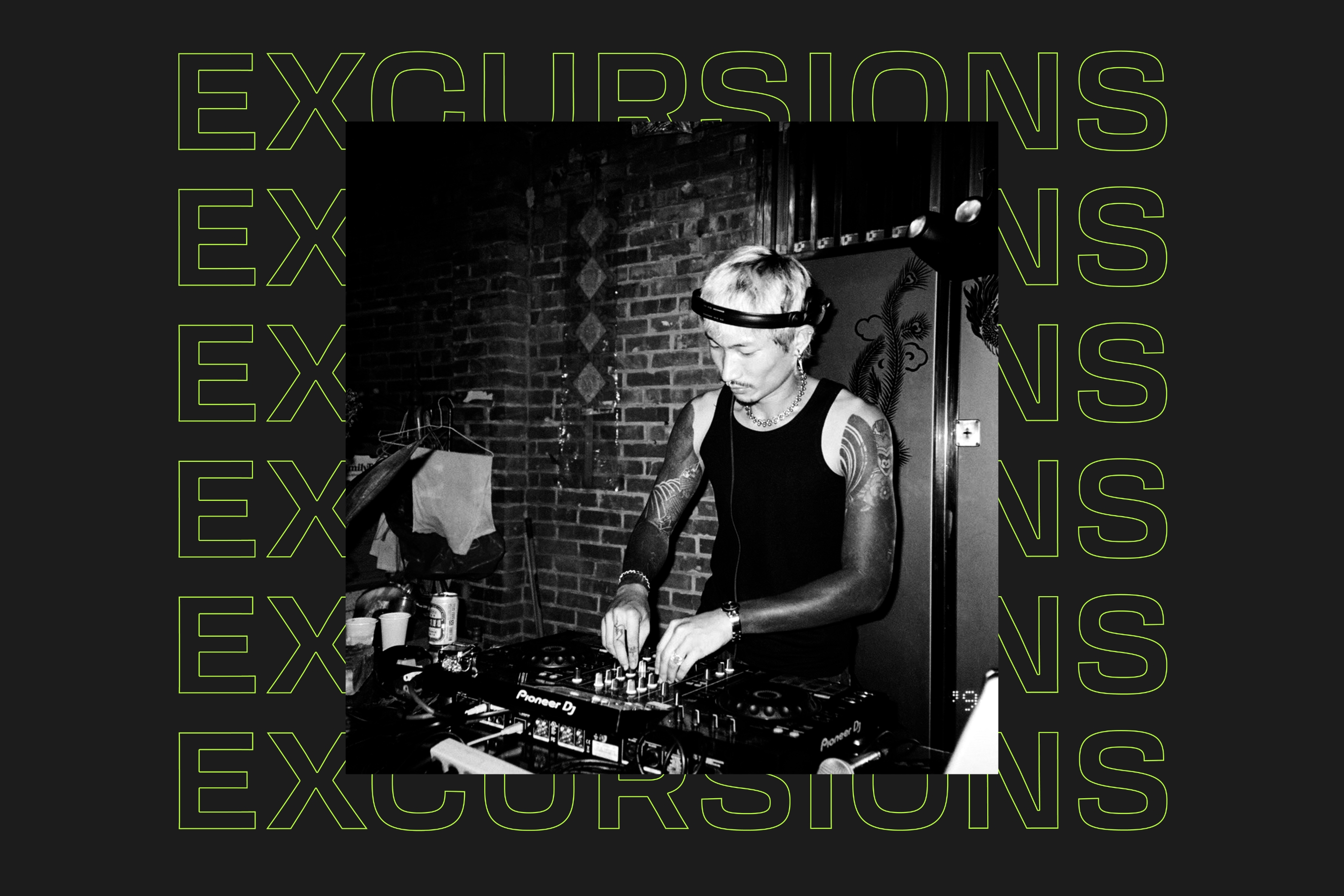
Can you tell us about the first Temple Meltdown, and how have your events evolved since then?
Our first Temple Meltdown was held at a temple on a hill behind our school. It was almost an accident that we ended up there! We initially just wanted to have a party at school with our friends, but on the day of, the school caught us and asked us to stop. This temple on the hill had always been a place where students occasionally gathered, so naturally, we moved the party there that night around 11pm or 12pm.
We carried all our equipment up the hill for 15 minutes. I found the temple keeper's phone number at the entrance, and after asking and getting permission, we first picked up the incense and prayed to express our gratitude. Then we started preparing our equipment, and the party continued until morning. Because it was so much fun, we started holding free monthly events there.
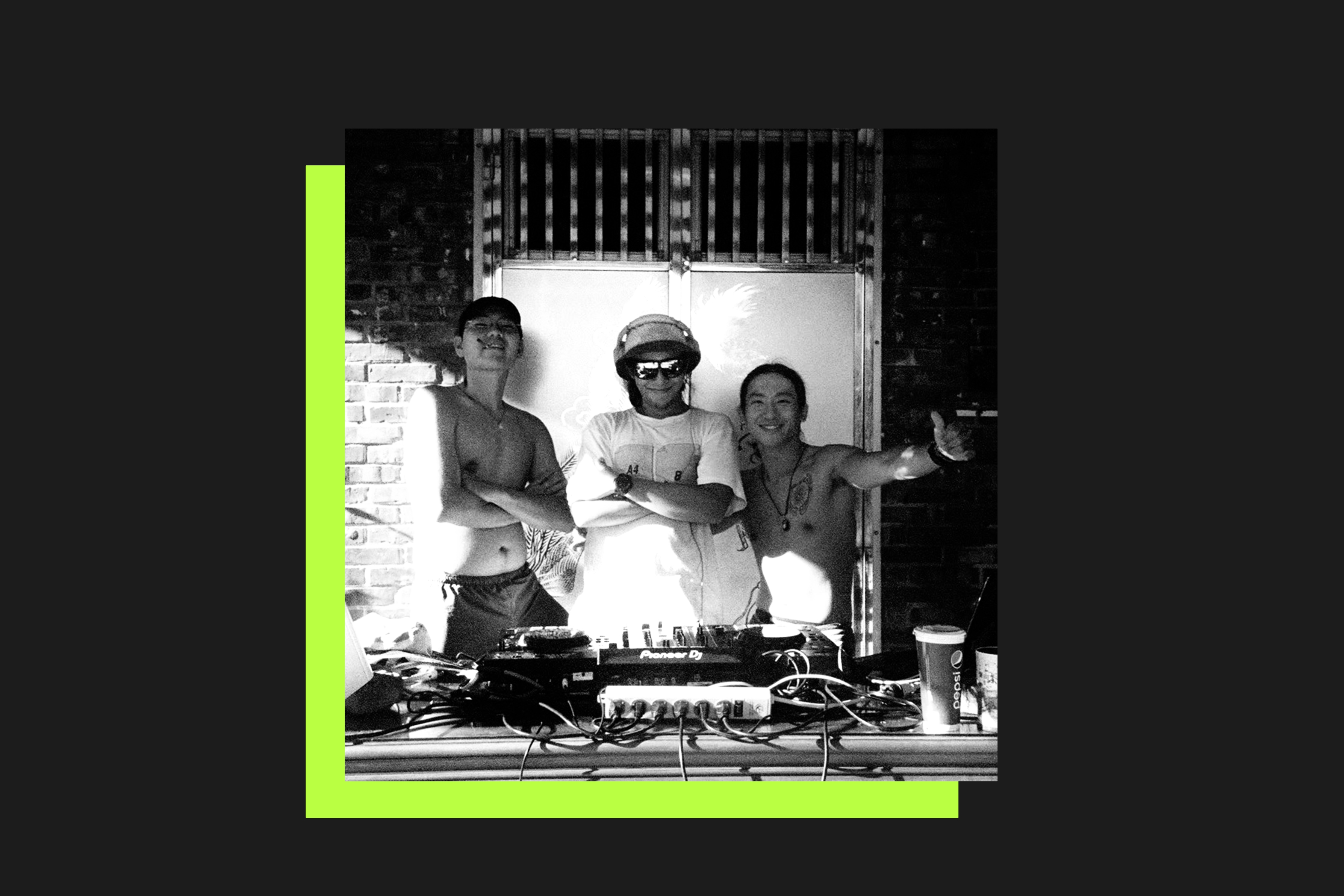
When our organisation first started, our speakers were just small monitor ones from a friend's house, and our DJ mixer was just my DDJ-RR. The third time, I found a pair of large speakers and an amplifier on the road. The fourth time, we burned it out. By the fifth time, more and more people started to participate, and some people began to sponsor our speakers. This reminded me that everyone really wanted to have a party, so everyone would bring their own things to share.
This feeling of creating a party together was the simplest and most fun! But then one time, my friend made a Dajah Soundsystem; a fully 3D-printed speaker. It was very heavy, and we planned to use it to hold a free New Year's Eve event. However, because carrying it up the 15-minute mountain road was a crazy plan, we started looking for different temples instead. That’s how we began exploring the feasibility of other temples.
How do you scout locations, and what makes a temple feel right for a Temple Meltdown event?
First, we try to find a temple that won't disturb the nearby residents. Then, we make our choice based on how the temple feels to us. For example, the temple in Muzha Shitougong is located in a basement and is also in the middle of a busy interchange; the sound of cars drowns out the music. The temple's unique and organic growth also creates a very unique spatial atmosphere.
Read this next: Raves as Rituals: The Rise of the Bantuwing and the decolonisation of a Manila dancefloor
How do you approach working with temple communities and caretakers? What does that conversation look like before music or line-ups are even discussed?
We first call them to briefly explain our purpose and needs. If they're okay with it, we schedule a meeting to discuss our activities and what the brand is doing. Although they often don't know what will happen, they're always willing to try.
However, not every event ends as they expected. A few times, we had to constantly calm them down afterwards, as they often didn't expect our soundsystem to be so loud...
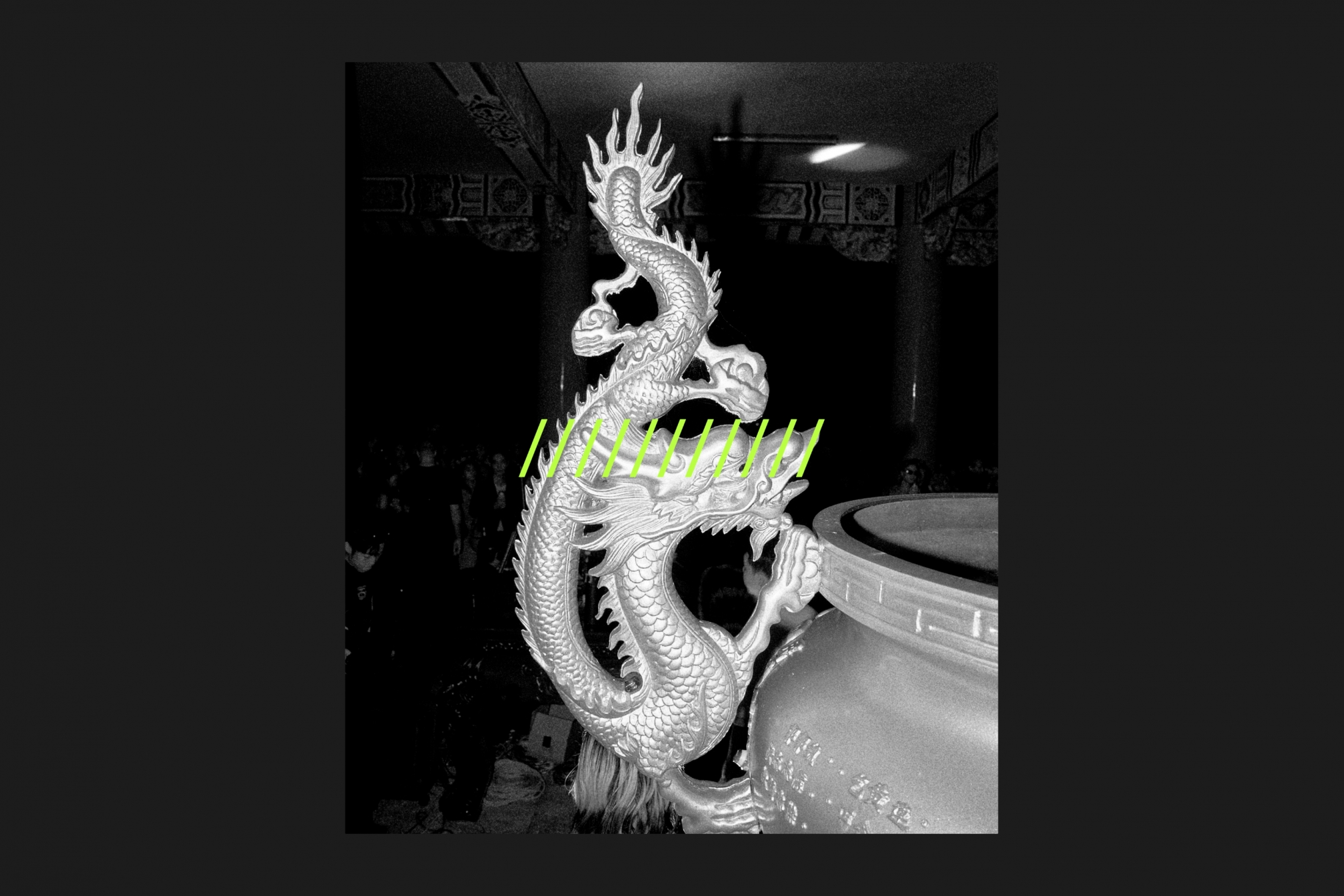
How do you curate music for a temple setting? Are there sounds or styles that you think simply don’t belong (or are not allowed) in those spaces?
I think all kinds of music would be suitable, but I prefer to invite performers specifically from Taiwan whenever possible. We very rarely invite international performers, unless a friend recommends them or when they exude a really cool vibe.
What kind of logistical or regulatory challenges come with throwing events in these environments, and how do you navigate them?
Like many outdoor parties, as our numbers increased, practical issues arose such as parking, trash, and ticket deductions. This meant we needed to start assigning volunteers and managers. We were fortunate to have met some very responsible and trustworthy people who were dedicated to the event.
Sometimes we ourselves can’t enjoy the evening for very long because there’s always many problems. Often, we wouldn't finish collecting the trash until 8 or 9 in the morning…it was really tiring, hahaha!
Read this next: Tune In: Must-know community radios from Asia
Taiwan’s underground scene often flies under the radar internationally. What do you think outsiders still misunderstand about it?
I think many people might not think of coming to Taiwan because, for people from Europe and America, Southeast Asia or China are larger and they have more places to travel. Japan has a longer history of music culture than Taiwan, so Taiwan might be a second choice.
However, many people may not realise that Taiwan already has its own sound and soundsystem culture. In recent years, more and more people have become involved in parties, music production and DJing. Raves have also started to spread to various counties and cities throughout Taiwan.
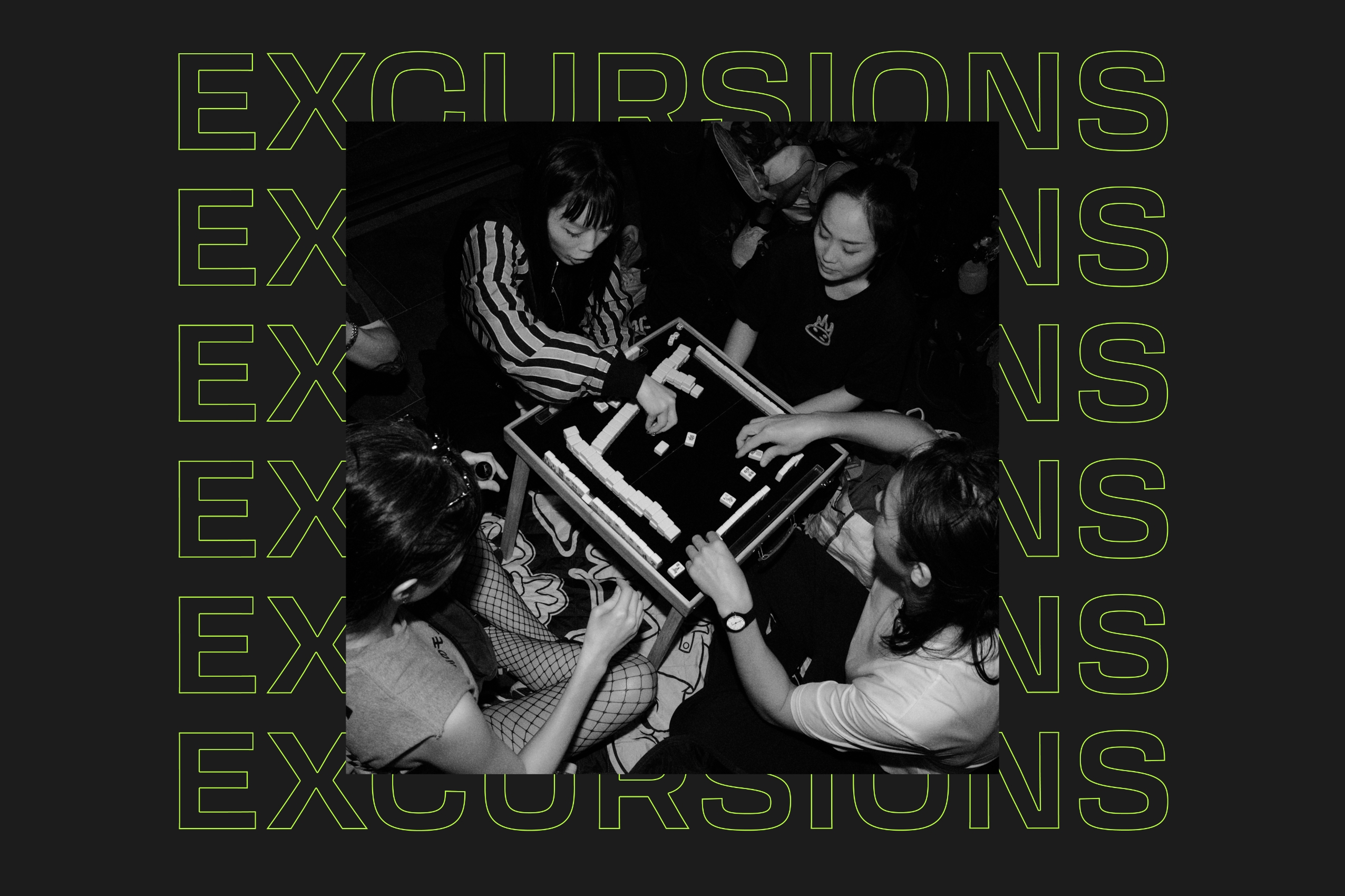
What is it about Taiwan specifically that you think makes projects like Temple Meltdown possible?
The chairpersons and temple administrators I've encountered are very open-minded and supportive of young people. They see temples as lively places where worship can be conducted while also providing a relaxed and everyday living space.
We can see that many temples in Taiwan have a front courtyard design, which is often used by locals as a gathering place, karaoke room, tea room, and so on. When we hold parties there, we’re participating in the space in much the same way, and this lively activity also brings new energy to the temple. The temples themselves seem to welcome it! Liveliness is a very positive symbol in temple culture; the more lively it is, the more people gather, which is exactly what they like!
Read this next: Review: 'Temple Meets Temple' offers mindful dancing in the heart of Seoul
Do you see Temple Meltdown as part of a broader shift in Asia toward site-specific, context-driven electronic events, rather than club-centric nightlife?
Transforming parties from clubs to temples is not only a way to connect with the local community, but also a way to break down the barriers between parties/raves and society. We hope to integrate this culture into daily life. If we can incorporate parties into everyone's lives, I think society will change!
I’m not sure what kind of sparks this will create; it’s something we’re constantly thinking about and trying out. Our style has always been to take things one step at a time; not to have too distant dreams, but to focus on realising our current ideas.
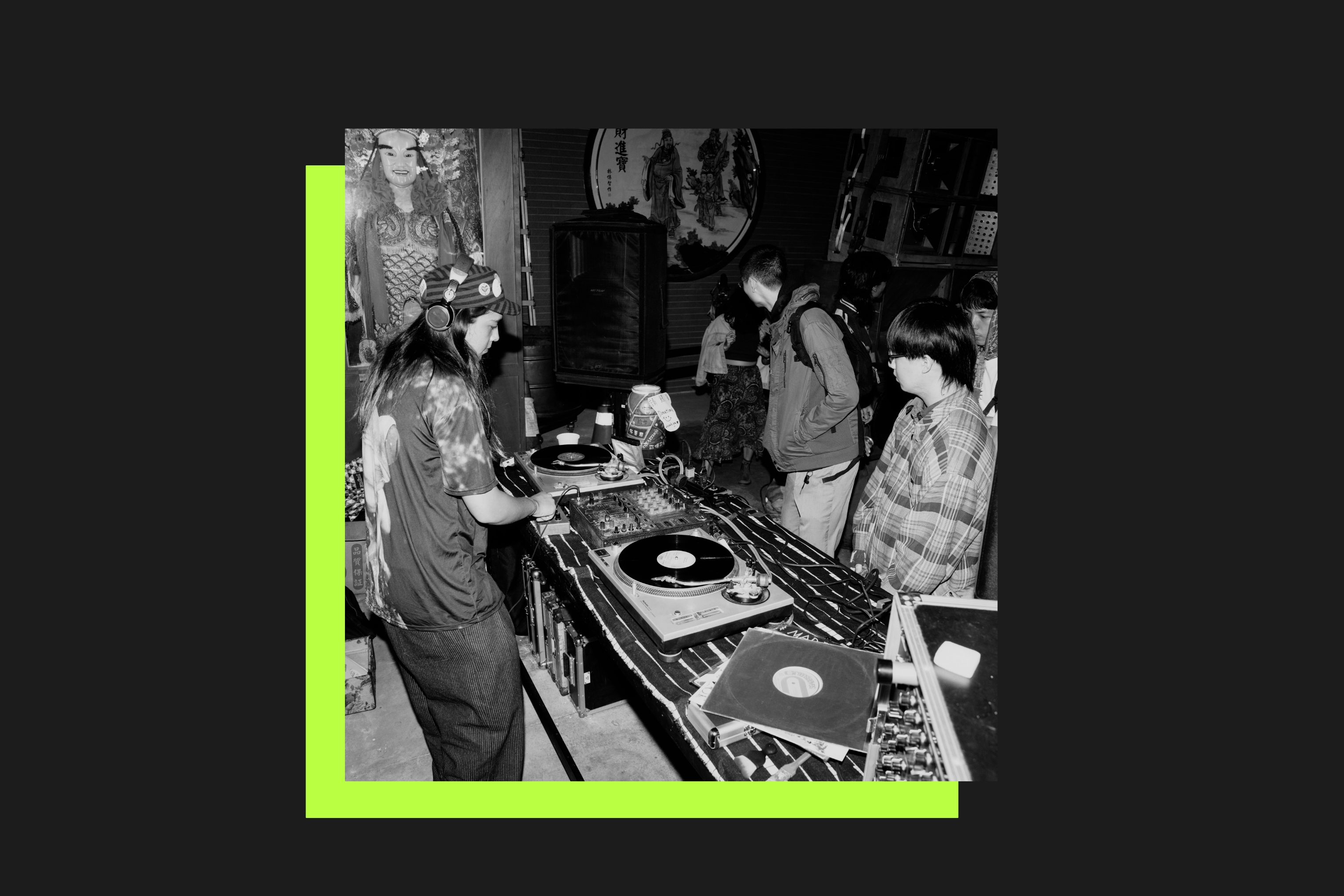
What’s a moment from one of the events that genuinely surprised you? Something that couldn’t have happened in any other setting.
This takes me back to an event we held last May at a temple near Fulong Beach. It was 6am, the DJ was easing into the final tracks, and the sun was just beginning to rise. The temple doors slowly opened and the keeper began beating the drum; a daily ritual before prayer. A few people joined in to pray as the music gently faded out. It was truly a very special experience!
What’s up next for Temple Meltdown?
We'll be celebrating our third anniversary at the end of April, and this event will be very special, featuring many performers we've admired for a long time! We'll be returning to the temple where we first started hosting parties, hoping that newcomers to our community will also get to know where we come from and why we're still doing this today!
This party will be the most meaningful one we've ever organised! We'll gradually release more information soon.
Henry Cooper is a Writer at Mixmag Asia. Follow him on Instagram.
Cut through the noise—sign up for our weekly Scene Report or follow us on Instagram to get the latest from Asia and the Asian diaspora!
