


 Features
CTRL+Print Vol. 4 / VJing: Where Sound Becomes Visible
VJing started as an MTV shorthand before becoming nightlife’s most hyper-fluid visual language; we follow its lineage & the standout artists pushing it forward across Asia
Welcome to CTRL+Print, a Mixmag Asia series exploring the intersection of visual art and electronic music culture.
In this edition, we examine an art form that has become impossible to ignore in modern nightlife: VJing. Once merely shorthand for the broadcast "video jockeys" who introduced music videos on MTV, the term has radically evolved.
Today, it defines a breed of live audio-visual performance artists who manipulate and mix video in real time, while locked directly into the rhythm and energy of the club.
The Origins of Video Art
To understand how projected light became the backbone of contemporary club culture, we must trace the lineage back to a radical act of artistic rebellion.
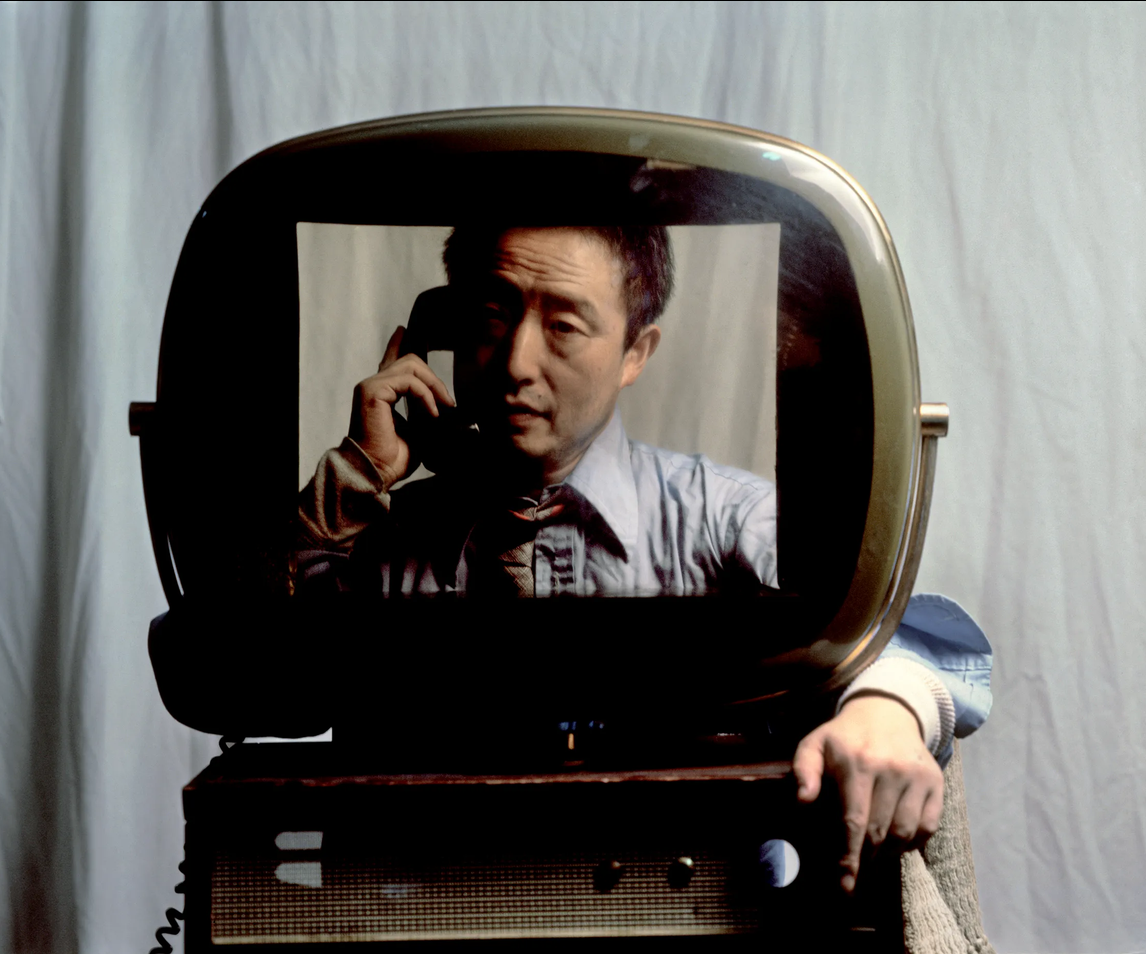
The blueprint was laid by Nam June Paik (1932–2006), the legendary South Korean artist widely recognised as the father of video art. He started an entire art movement called Fluxus, along with Yoko Ono and John Cage, a collaboration of audio and visual art. He also invented the image synthesizer which allowed for the live manipulation of image and sound, and proved that moving images were a living, sculptural medium capable of physically altering a room.
As underground electronic music exploded through the '80s and '90s, visual artists took Paik’s experimental ethos and brought it into dark warehouses. By the dawn of the millennium, the movement had solidified into its own distinct subculture. In Japan, the publication of VJ2000 marked one of the earliest books dedicated entirely to the craft, codifying the tools, techniques, and philosophy of live visual mixing across Asia and the globe.
Asian Innovators Pushing Live Visuals Into New Dimensions
Across Asia, a diverse spectrum of visual artists are treating the VJ booth as a laboratory for pure sensory storytelling.
Tokyo-based visual artist and VJ Manami Sakamoto stands out as one of Asia’s most influential figures in the medium. Known for her high-contrast, futuristic, and architectural visual design, Sakamoto has shared stages with international heavyweights, demonstrating how a tailored visual palette can entirely command a crowd's emotion.
Projects under her belt include clients from Prada, Diesel, and Amazon Prime, and she’s no stranger to alchemising the stages for large scale festivals like Mutek, ACT Festival, and Kappa Future Festival.
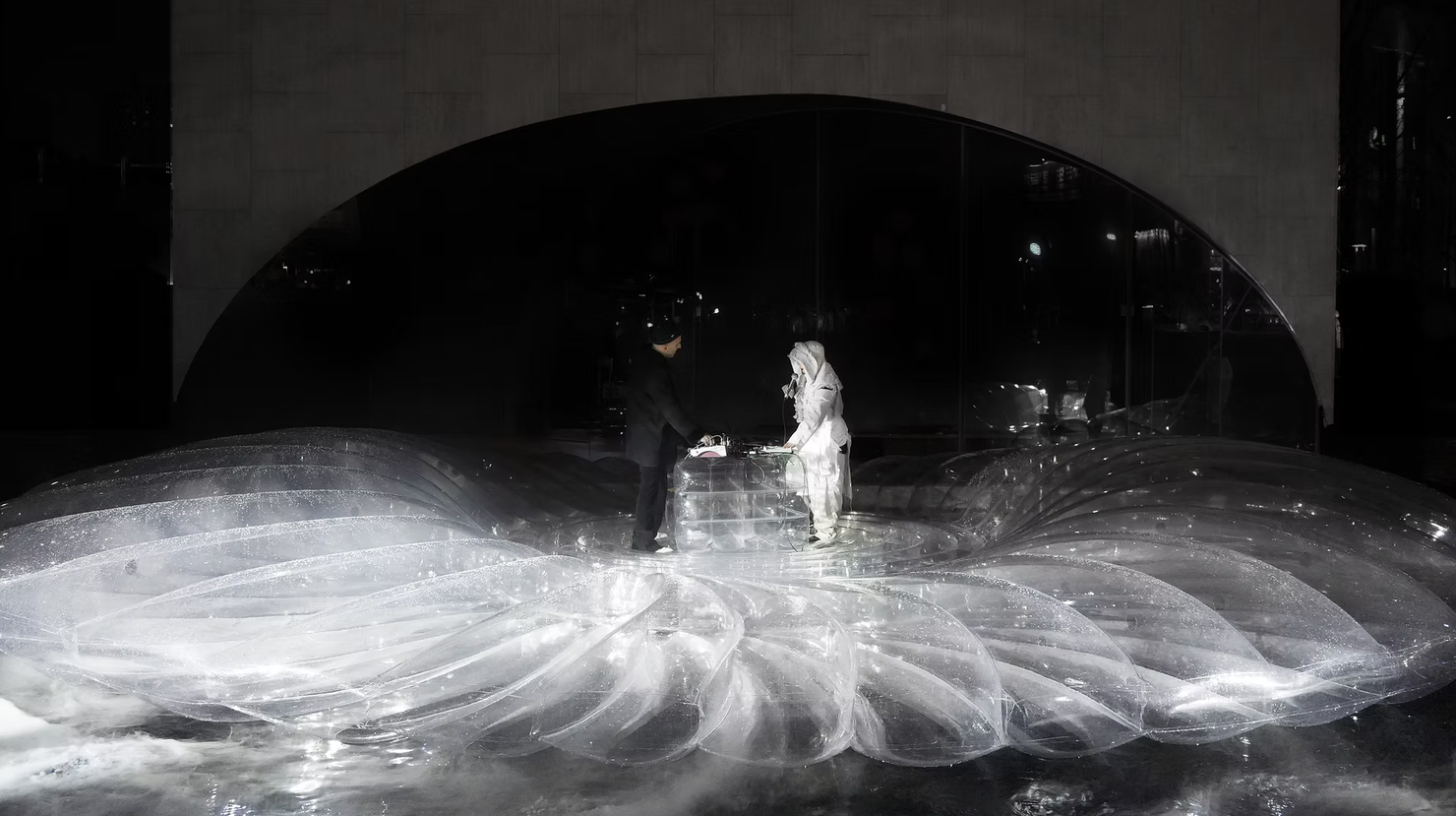
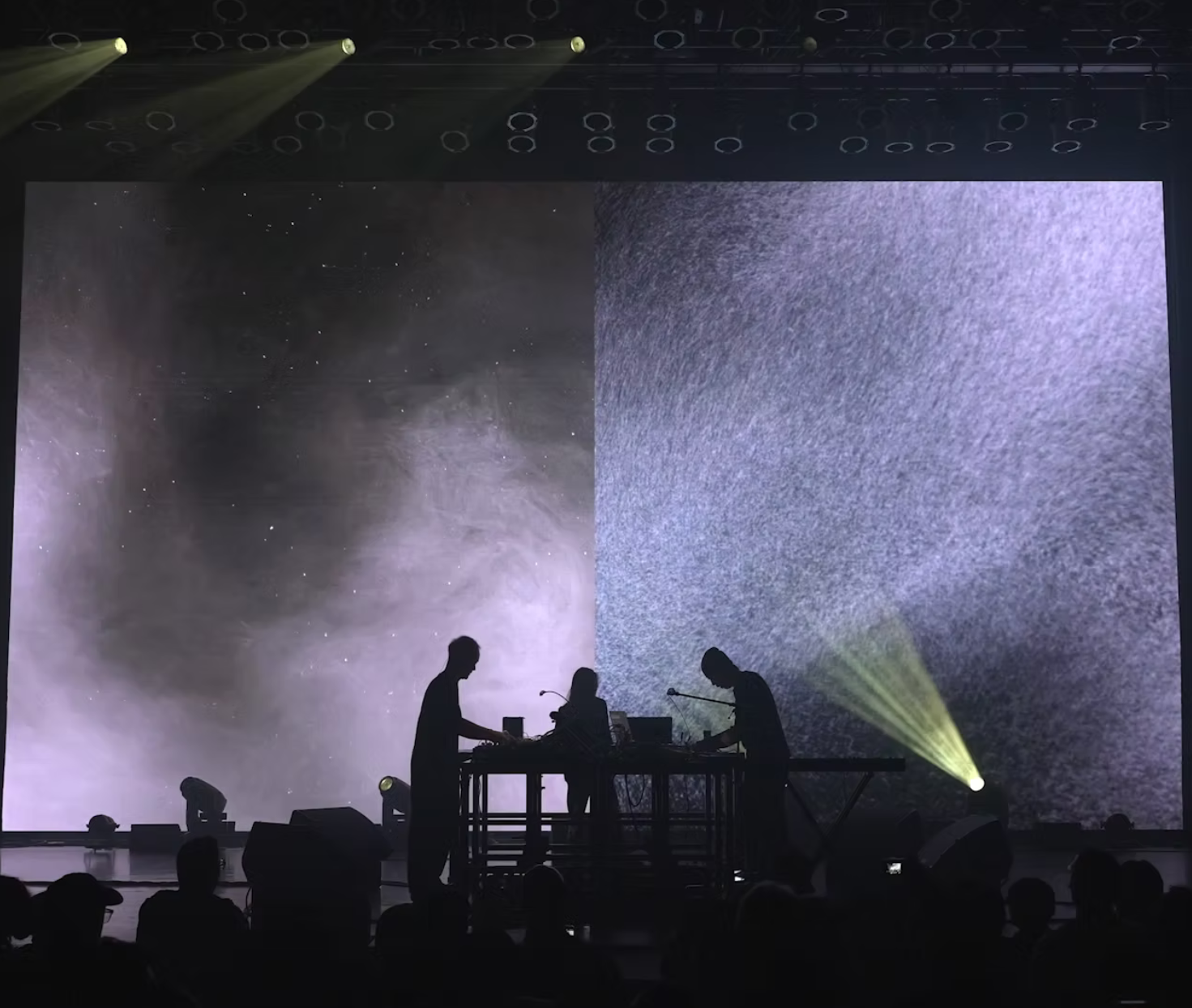
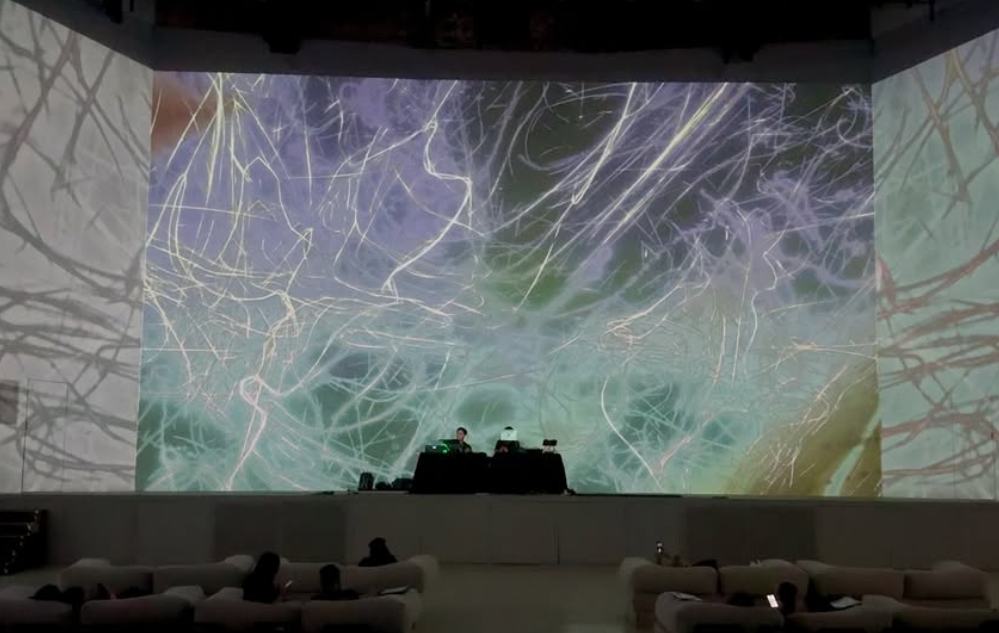
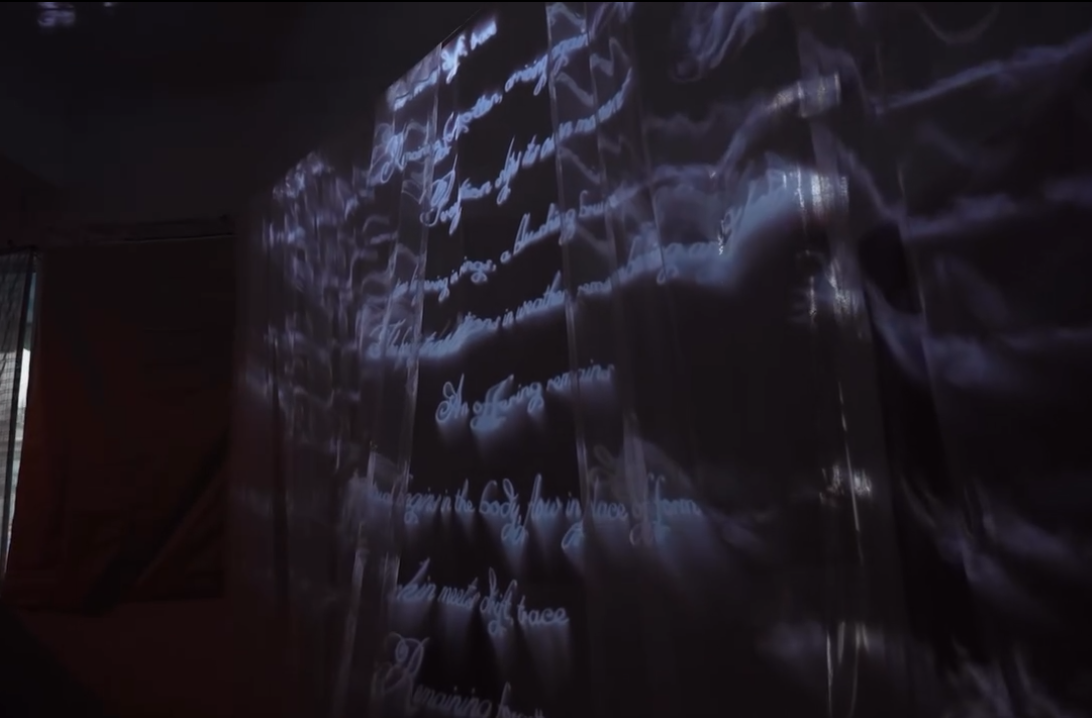
From Kuala Lumpur, visual artist and VJ Max Jala weaves light, movement, and live-generated imagery into fluid, morphing worlds that slip effortlessly between the real and the imagined.
Having just created an incredible performance at Thailand’s Diage Festival, Jala’s visual language relies heavily on strobes to reveal fleeting glimpses of familiar imagery intertwined with the divine and otherworldly, holding the viewer right at the edge of recognition before an image vanishes.
Nothing in his sets is pre-rendered. Driven entirely by audio-reactive code, Jala transforms his own programmed visuals using real-time AI, distorting, layering, and composing the imagery live through custom-built effects.
Flowing textures of smoke, ink, and light merge with fractured digital forms, creating a space that feels both organic and unmistakably synthetic, evoking flashes of memories that never existed, or nostalgia for something that never was.
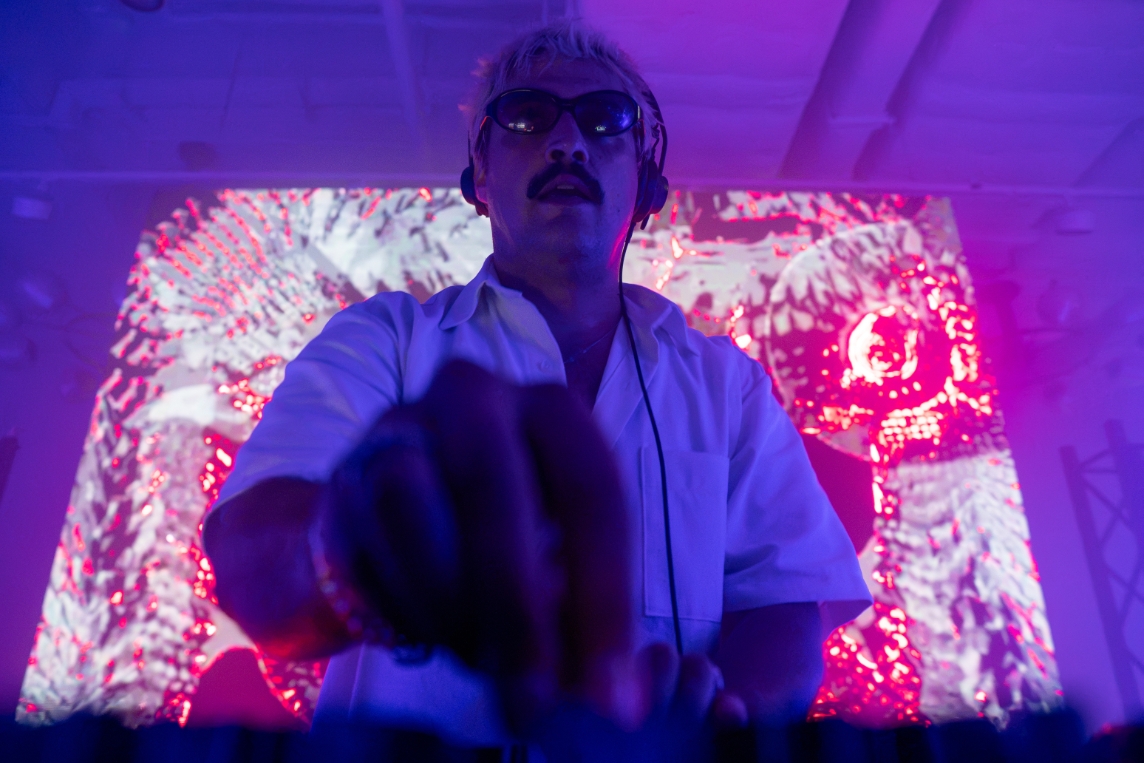
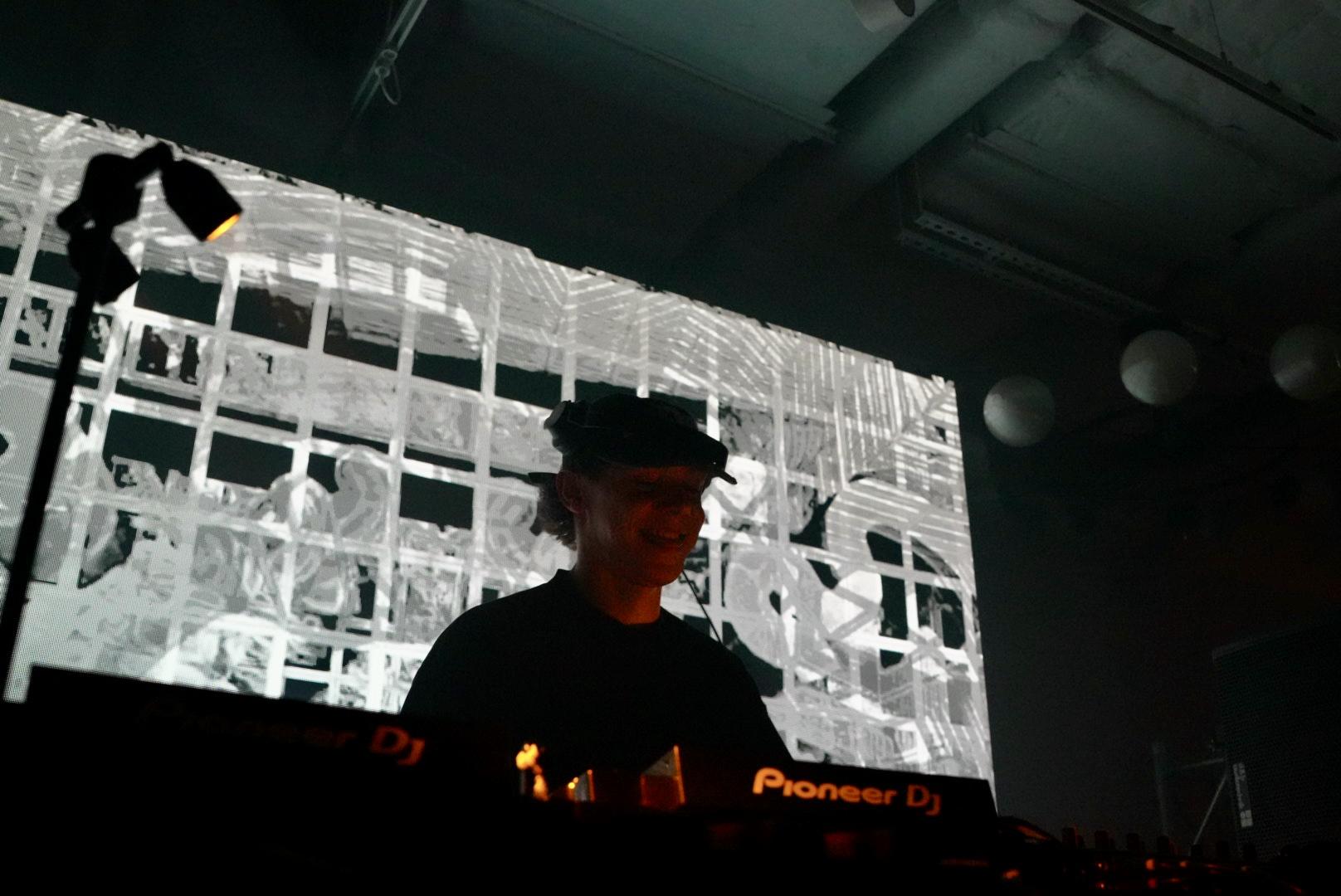
In Hong Kong, emerging young VJ Southwest represents the sharp new vanguard reshaping local dancefloors. Having already adorned the stages for international heavyweights like LB aka LABAT and Pegassi during their Hong Kong stops, her work exemplifies how a fresh generation of visual creators is approaching club aesthetics with fearless intuition.
Southwest shares: "I listen closely to each artist’s work and create visuals inspired by what I see and feel in their music. Every design is a personal interpretation, created to build a visual world around their sound and bring their identity to life on the big screen.”
From Nam June Paik’s magnet-warped television sets and Japan’s VJ2000 archives, to live AI-coded hallucinations in Kuala Lumpur and kinetic club nights in Hong Kong—VJing remains nightlife's most hyper-fluid visual language.
As long as DJs keep pushing frequencies in the dark, VJs will continue to bend the light, proving that the true magic of a party happens in the space where sound finally becomes visible.
Want to be featured on CTRL+Print? Send some eye candy to [email protected].
Farhana is Mixmag Asia's Visual Designer, follow her on Instagram.
