


 Features
Japan’s rural festival proves that peak time isn’t everything
Tobias Burgers follows the weekend’s arc from slow-building openers to sonic tornado to sunbaked closer, and finds an 18th edition that sustains its high points across all four days, not just once
Nearing two decades in existence, rural has somewhat become an institution among the well-regarded Japanese festival scene. Now in the 18th installment, it is among the country’s longest-running festivals.
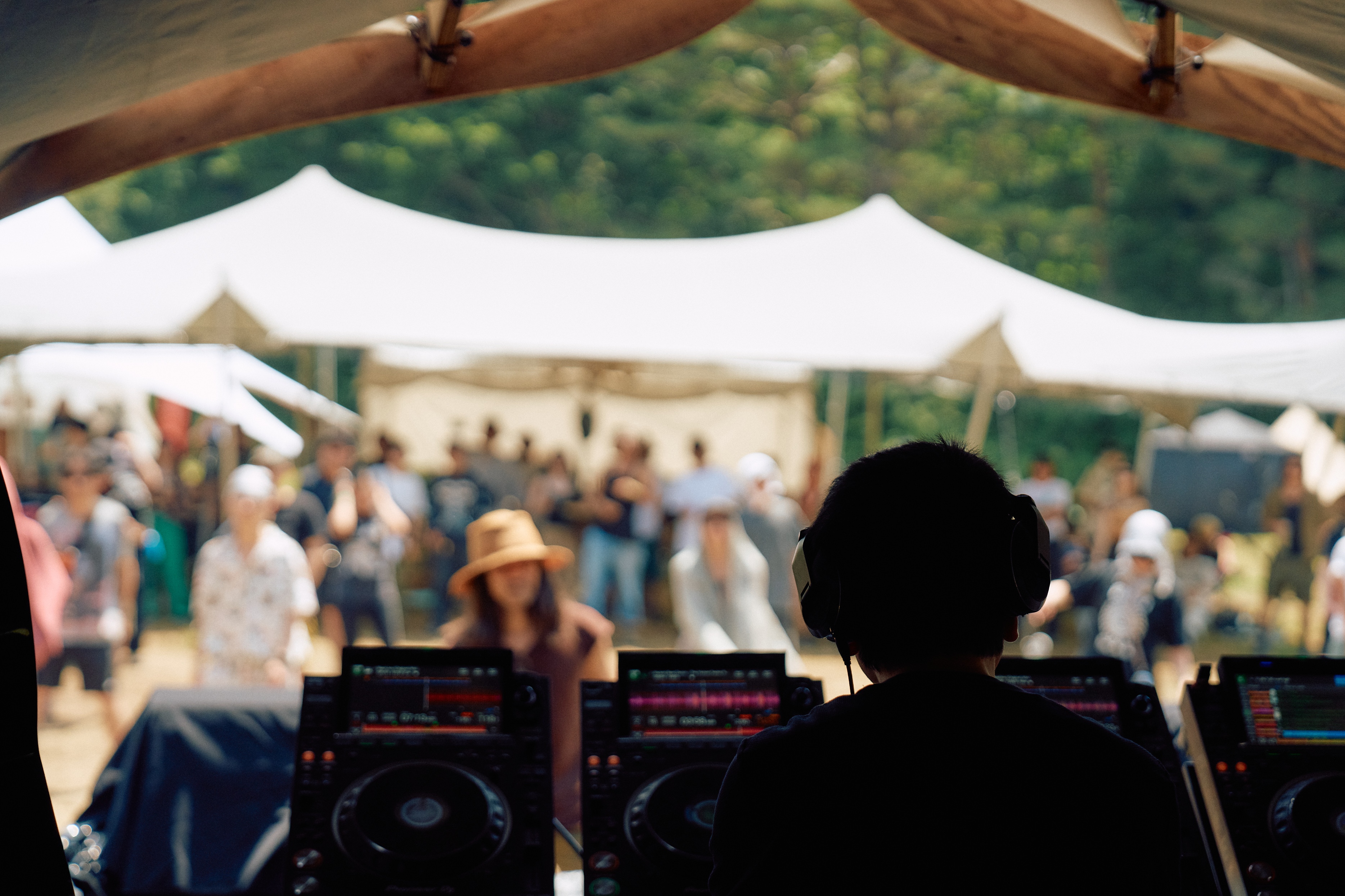
Building upon its long-standing musical legacy, care and focus on providing superb sound, in tandem with an array of artists that irregularly return to the festival's mountain slopes, rural illustrates why Japanese festivals remain top-notch and why its dedicated crowd commits to the annual trek to the mountains every year.
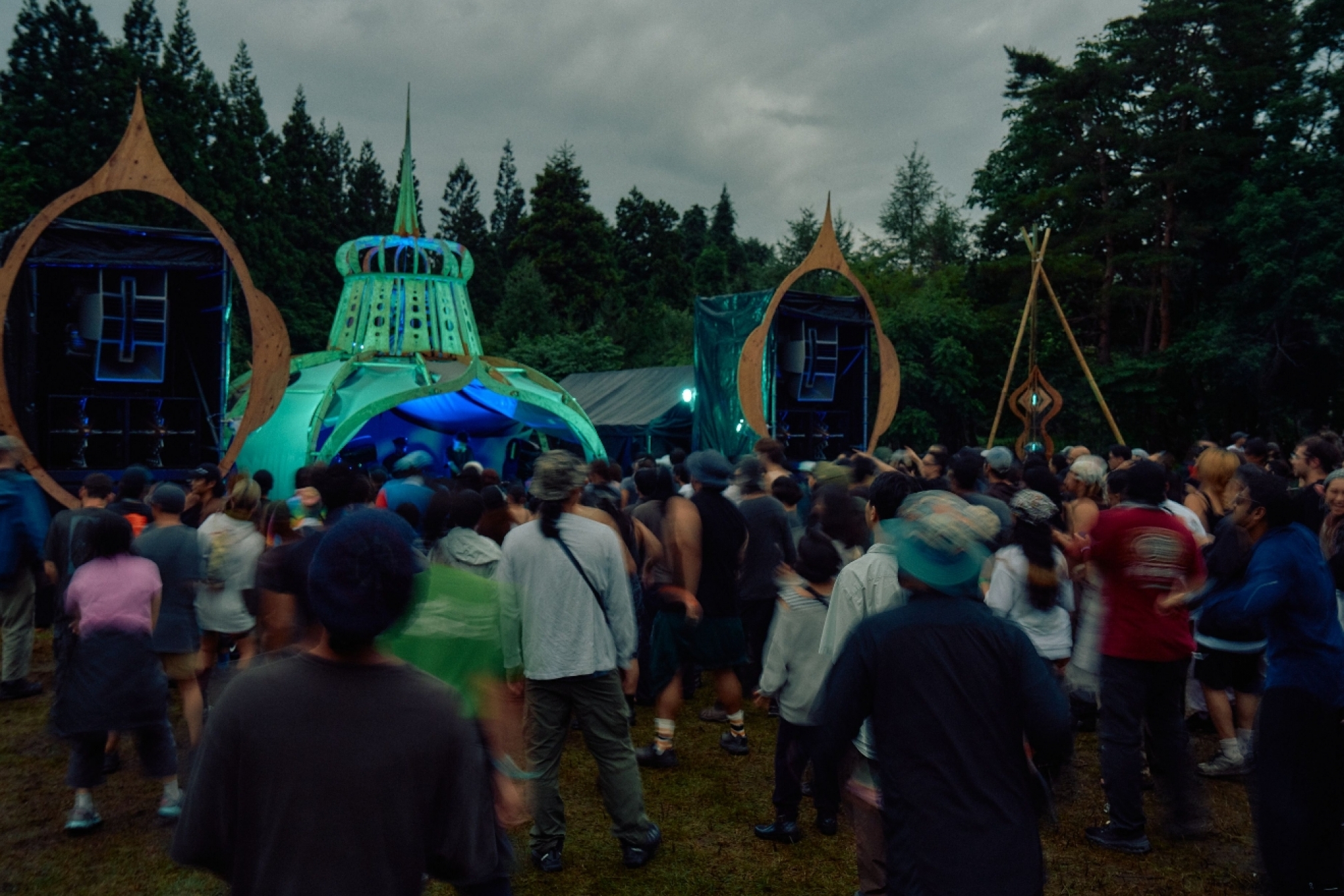
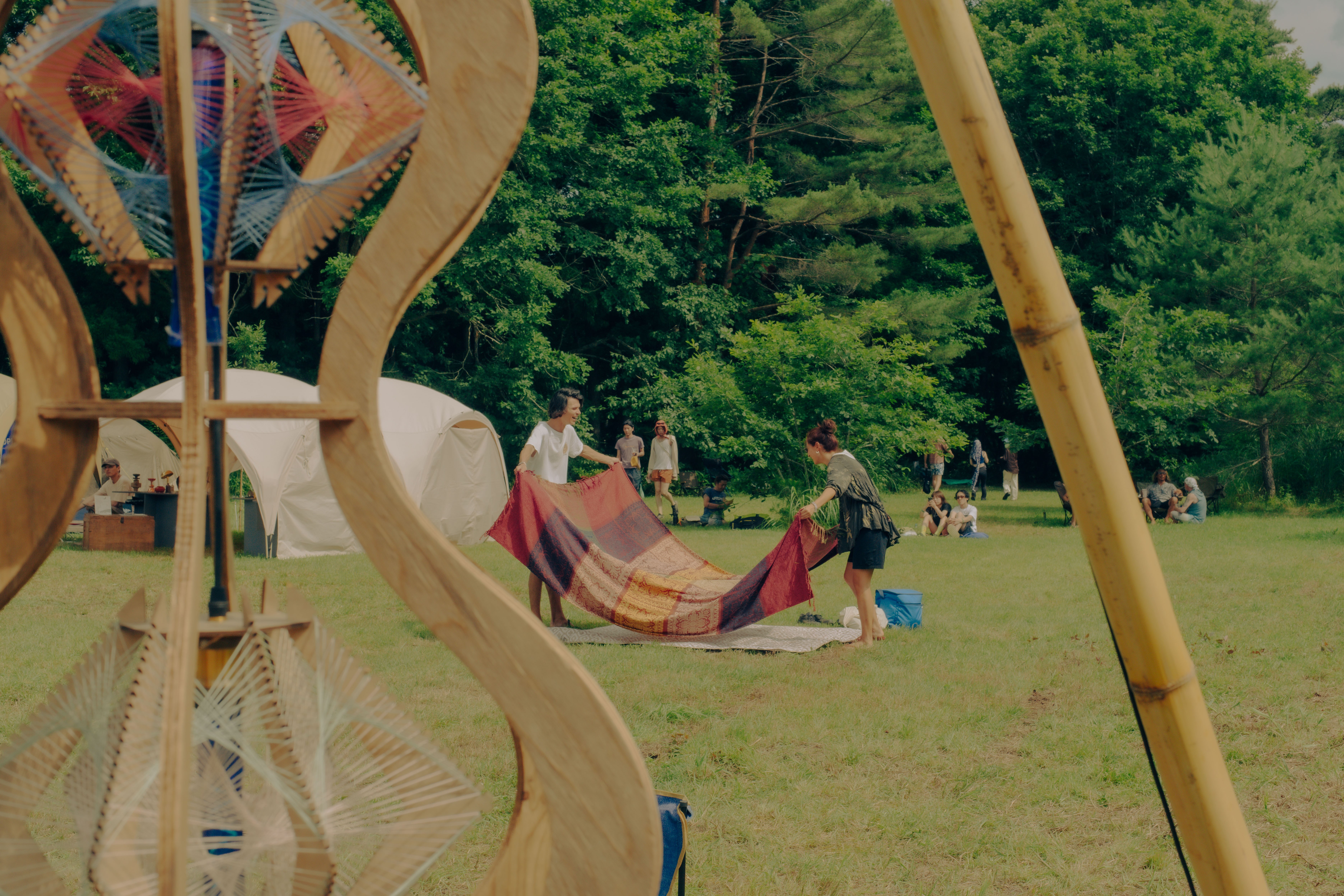
Despite having started in the late 2000s, the festival still feels fresh, diverse, innovative, and boundary-pushing: it does so in terms of music programming, but equally in the crowds it attracts, which was evident by the diversity of regional musical scenes from Asia present, and the finer details that make some festivals special: this year's edition featured film screenings, art projects by six different artists, markets, and, much valued, a space for children to roam, rush, and run freely.
The festival seems to have established itself along the nexus of building on tradition, musical and sound knowledge and experience, while engaging with younger crowds, newer musical directions, exploring other art forms, and embracing the future. The fusion of such makes one wonder, with good faith, about the next years ahead and what we can expect for the 20th-year celebration of the festival.
Read this next: Mixmag Asia Radio: Rural Festival with Jane Fitz, Mareena, Innerworld & Zundoko Disco
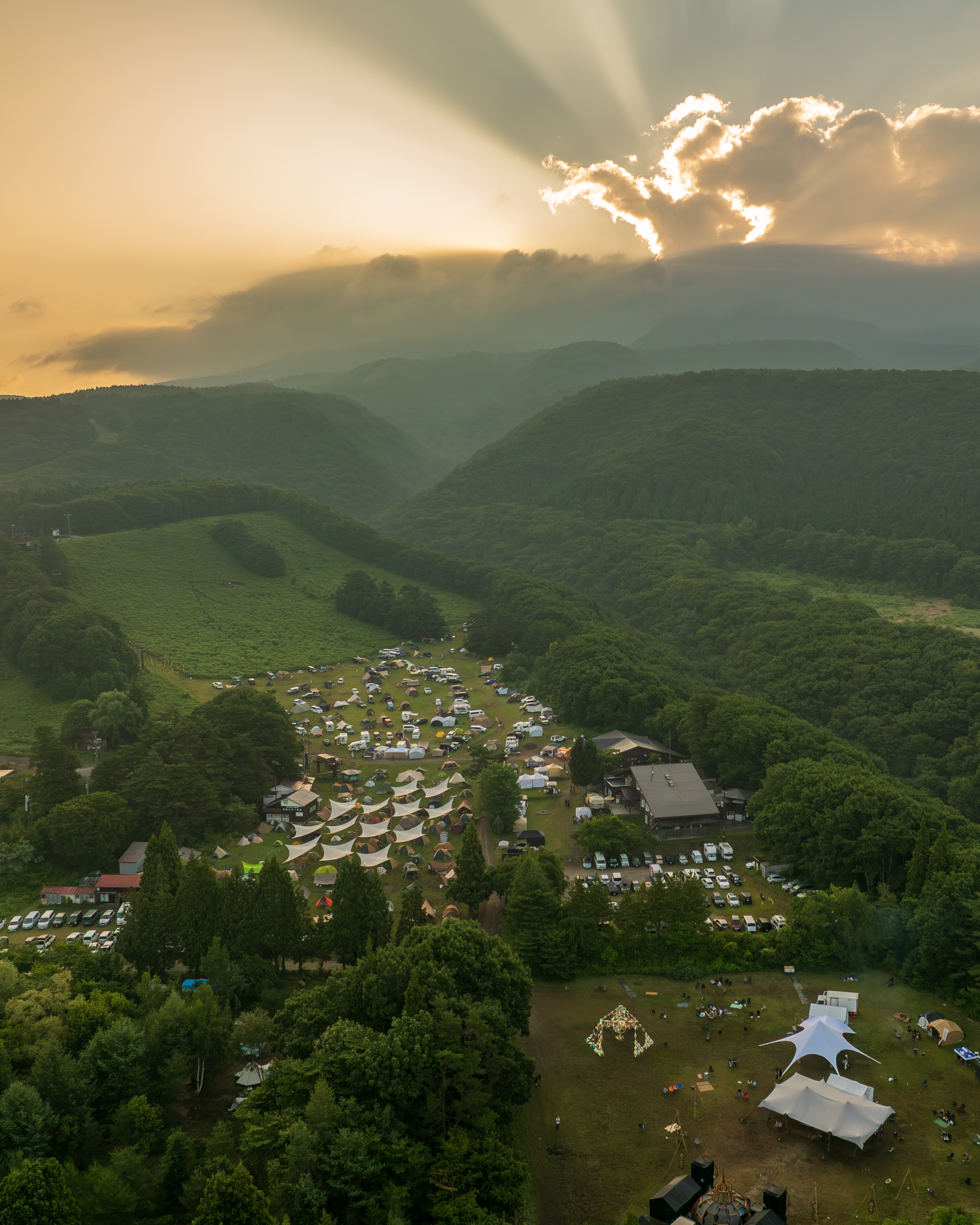
Nestled on the gentle slopes in Fukushima prefecture, rural seems to have given up its semi-nomadic existence and has settled for nowhere CAMP; a large, green, lush site that mixes open spaces with meandering forests. It hosts a hotel, two stages, one outdoor and one indoor, both tuned by the ever-excellent Tokyo Soundsystem Laboratory and rural sound engineer team, and a wide array of food courts, campsites, onsen. It proved the perfect setting for a four-day exploration in sonic wandering.
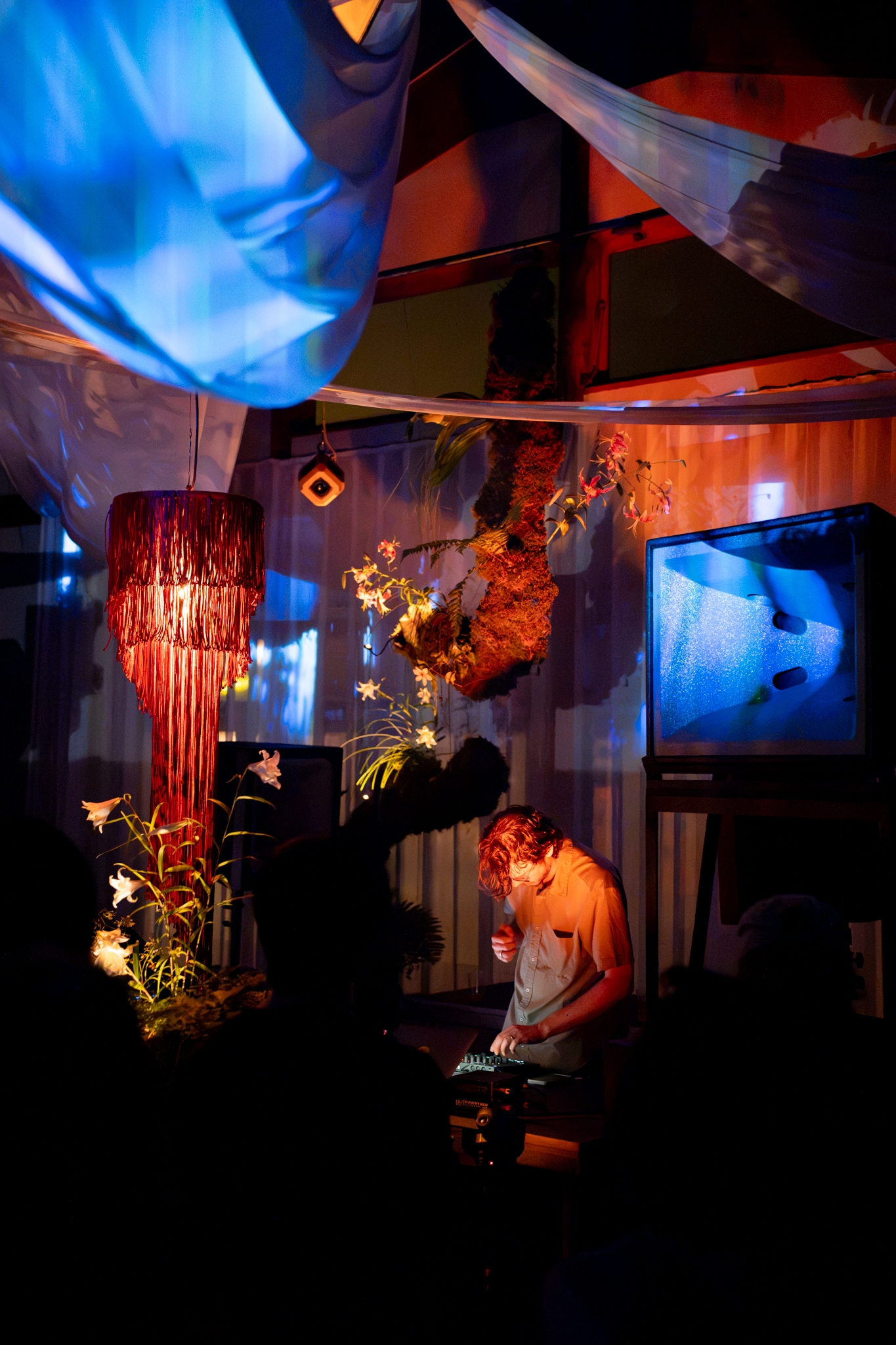
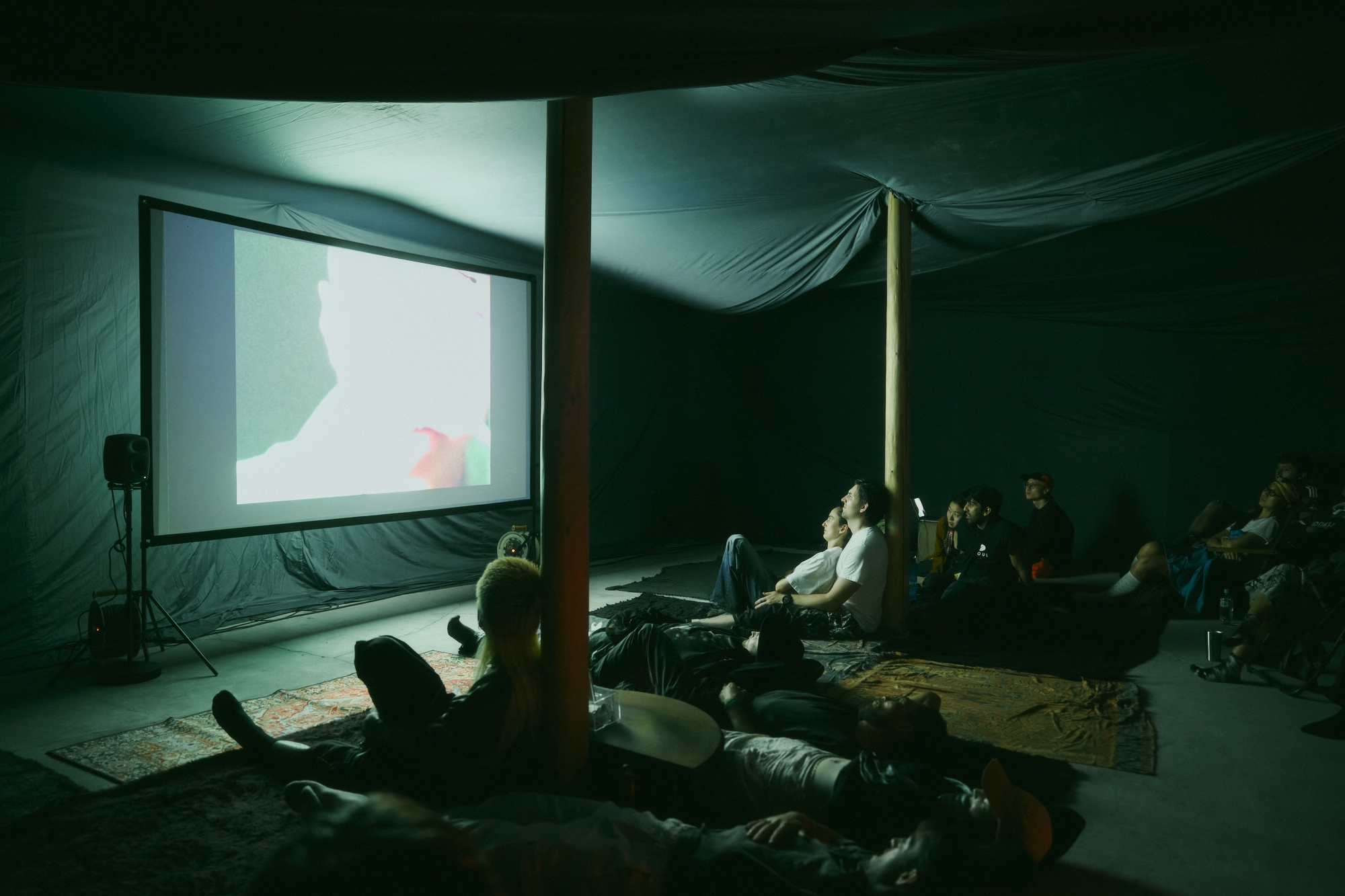
Arriving on the Friday, Tokyo's sweltering, suffocating heat was left behind, replaced by a mild 20°C, with an occasional drizzle. The mild weather was manifested in the musical journeys of the day and was equally a testament to rural's experienced understanding that festivals are not solely an exercise in peak-time.
In an era in which (some) DJs seem to chase a sonic summit all the time, it was refreshing, and a statement to the night's acts, that sometimes one can start mildly and still have a peak experience.
Placing Al Wootton so early on the first day (the first of his two performances) exemplified that. His live set was a steady, gradual build-up of tensions. Never too fast, never jumping to faster rhythms. Following was rural's resident Nao, who pushed the tempo up a bit further, but equally ensured that the faster BPMs were well outside of the range.
Read this next: Dresden on the art of going forward and never arriving
The indoor room by now had steadily filled, and the floor went like a giant catch-up between old friends, new friends, soon-to-be friends, and friendlies. Lena Willikens nicely matched this mood, with moody jazz tracks, odd krautrock songs, and slow-burning chuggers across a 2.5-hour musical journey.
Closing the night was the perfect exercise in restraint by Dr. Nishimura and Jane Fitz, who might have close to a century of DJ experience combined, and through their three-hour set, waved, walked, and wandered the crowd through their selections.
Slowly pushing sonically boundaries, the peak banger always on the crowd's mind, but it was never squarely delivered. Their closing track was an accumulation of such: a slow-burning 10-minute trance banger that accelerated but never fully took off. A perfect ending to the starting day.
The second day was a late start, and I only arrived at the start of Al Wootton's (second) DJ set. His set made it evident that the festival was now ready to start; where during day one, restraint was present, he clearly was intending to set the tone for the festival's take-off with his second set. What followed was a three-hour journey across house, occasional bass music slammers, Latin-themed tracks, and all in between.
By now most of the crowd had arrived and the main outdoor floor was turning into a slow, giant energy pit, waiting to be fired up. Mumbai-based DJ Chhabb was exactly doing such at the indoor floor. His set was deep, filled with energy, and it was fascinating to see the crowd engage with his musical storytelling.
Read this next: Micro-movements: How Korea and Japan are merging into one dancefloor
Ukrainian artist Volodymyr Gnatenko meanwhile clearly understood what was needed and how the story should continue on the main floor. His hour-long live set brought up the energy by considerable levels.
Where Wootton's set was on the groovier side, Gnatenko immediately went for the deeper realm of techno. With the full darkness setting in, the crowd was wrapped into a musical trip. Fluctuating between techno, loops, snares, and occasional bass lines, his set was the driver that brought the crowd towards peak-time.
By the end of his set, the dancefloor was in full rave mode, and rural head honcho Atsushi Maeda clearly understood what the next chapter needed to be. His three-hour set initially started deep, building on Gnatenko's prior set, and gradually evolved by the last hour and a half into a proper techno train.
Covered by minimal light (a blessing in such a setting!) and with the moonlight gently shining upon the crowd, all that was left to do was dance, dance more, and keep dancing. That left duo Spekki Webu and OCCA with the rather difficult task of how to write an end to the first night.
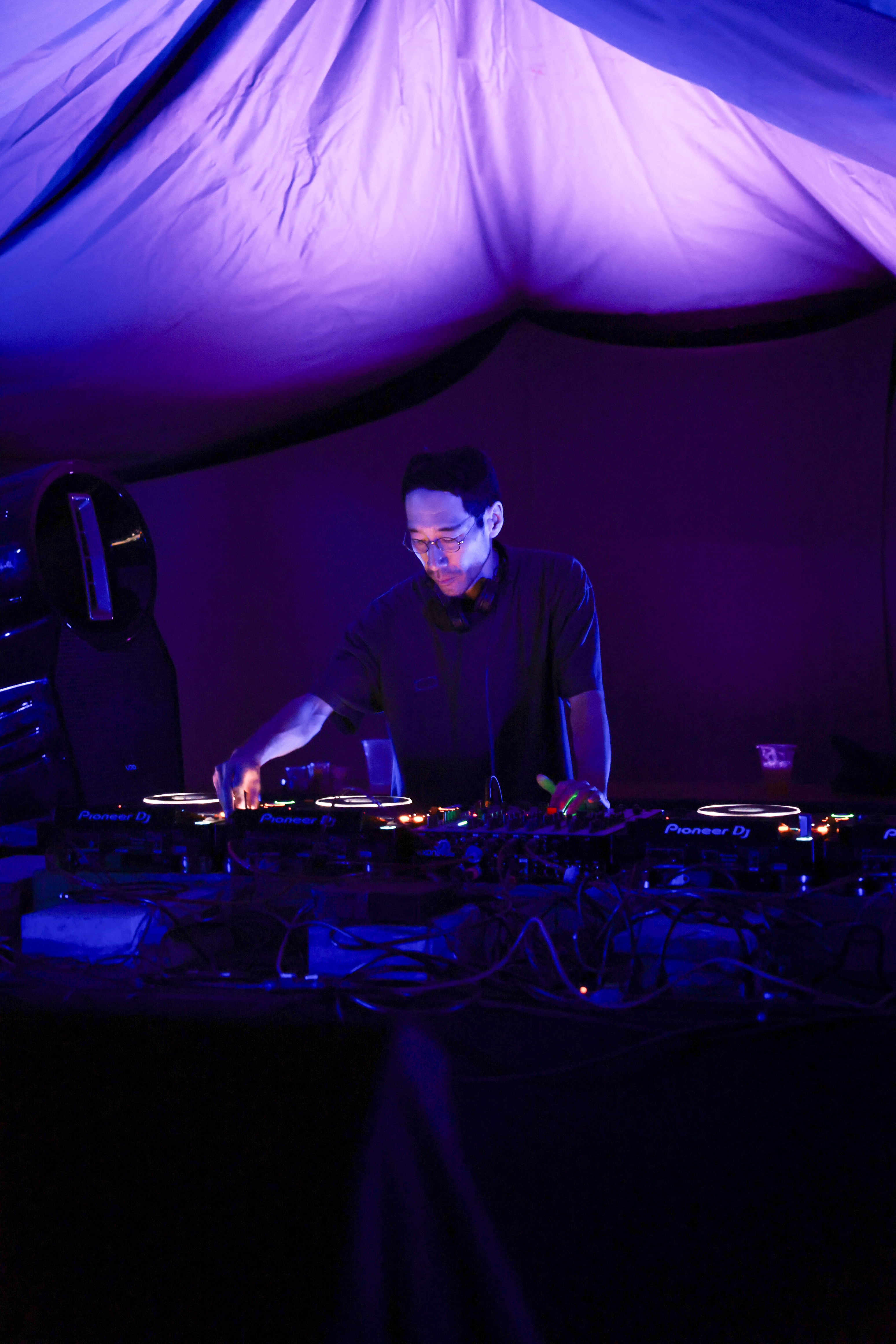
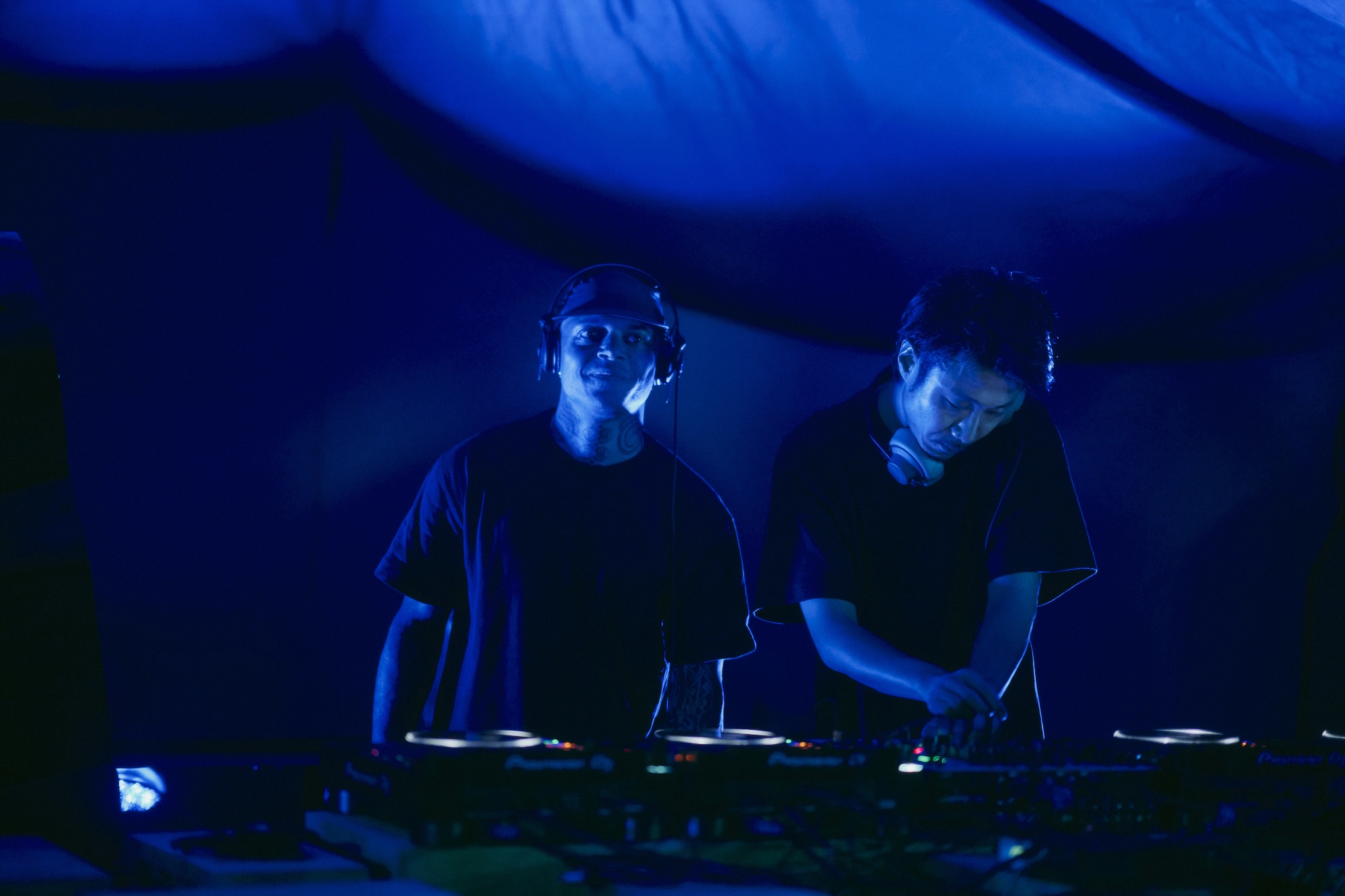
What followed was a musical storytelling of the highest order. Rather than continuing the story outright, the DJs, who were a pleasure to observe, decided to take a long route towards the end. It took a good three-quarter of an hour before the first kick hit. Again, it was a bliss to observe how restraint can factor as such a musical experience. Yet, when that kick hit, all alarms were off with over two-hour express train that seamlessly switched between faster techno, free techno, drum’n’bass, and bass tracks and had as final stop a grandiose closer at what was now daylight.
With daylight present, the after-hours awaited, and the crowd, nicely, gently, with people shoulder-slapping out of pure joy and smiling, ended up at LEVOLANT with YuY at the indoor stage.
Read this next: Mixmag Asia Radio 171: Y U QT at Circus Tokyo
The first delivered an amazing vinyl-only house set that translated the crowd's after-hours desires perfectly. Taiwan's YuY built further upon this and ensured that the remainder of the now late after-hours was turned into what entails a classic after-hours.
Random talks, people exchanging, sharing cigarettes and more, and dancing the late morning away. Liminal Dreams co-founder Toner then turned the after-hours gradually into an ambient floor, providing respite, fresh energy, and much-needed slow (and come) down for the crowd.
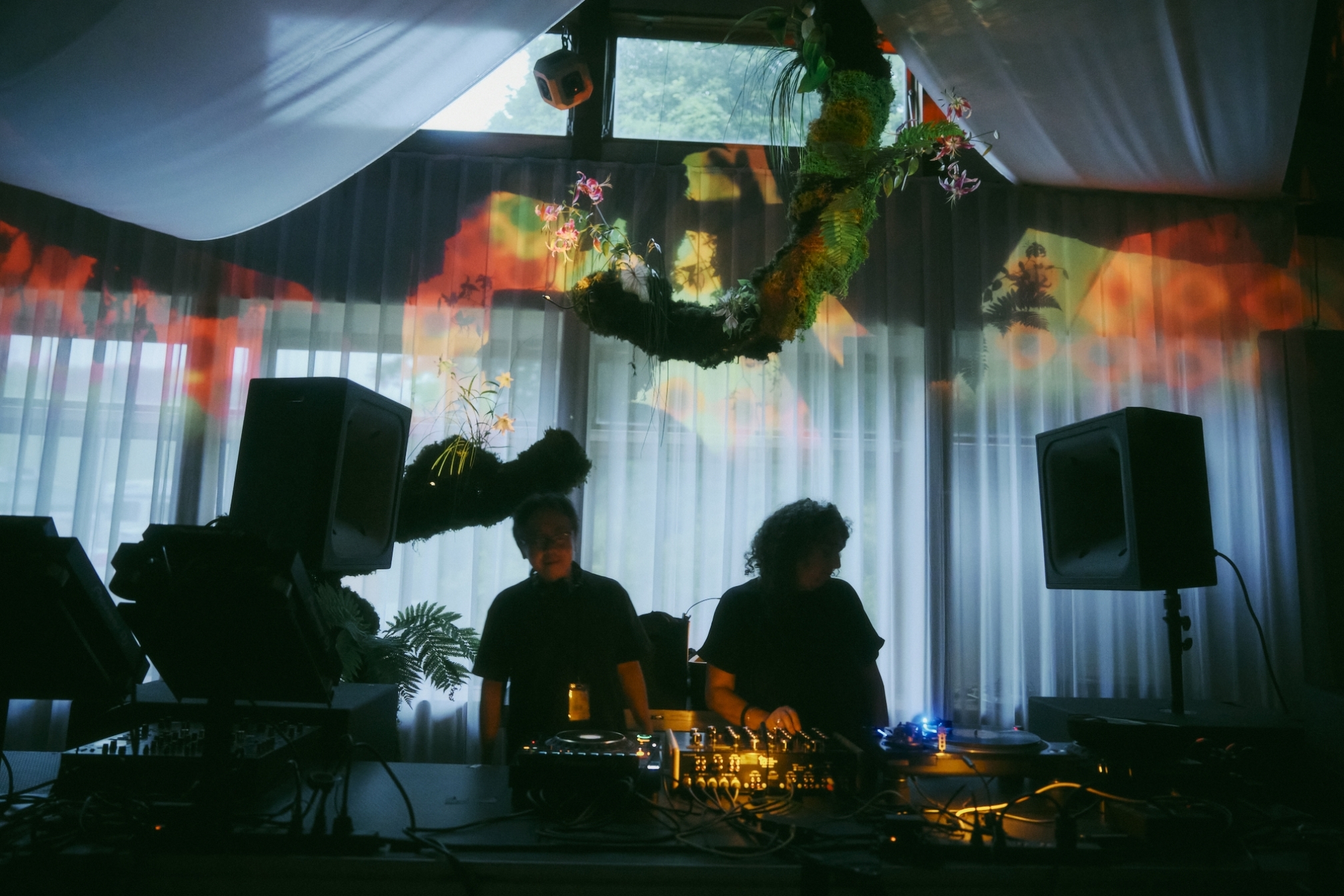
The after-hours crowd slowly faded, and new faces emerged for Vladimir Ivković back-to-back with Hong Kong's Yadin Moha. The duo’s B2B was one of the most widely noticed examples of the innovative booking of rural: Teaming up artists that are not necessarily expected for a B2B, all while bridging different geographical music scenes, but not musical scenes!
Just like Jane Fitz and Dr. Nishimura, this team provided its worth. Two-and-a-half hours of everything, through everything, beyond everything, and with everyone. Meanwhile, the main stage, Jane Fitz, a rural mainstay and cherished legend, returned her eighth performance. This time it was a five-hour opening set.
Clearly one of the headliners, rural made the decision to have her open the third day's mainstage. Again, this evokes the innovative spirit the festival pursues. Most festivals would have headliners headline, whereas rural takes a different road and path.
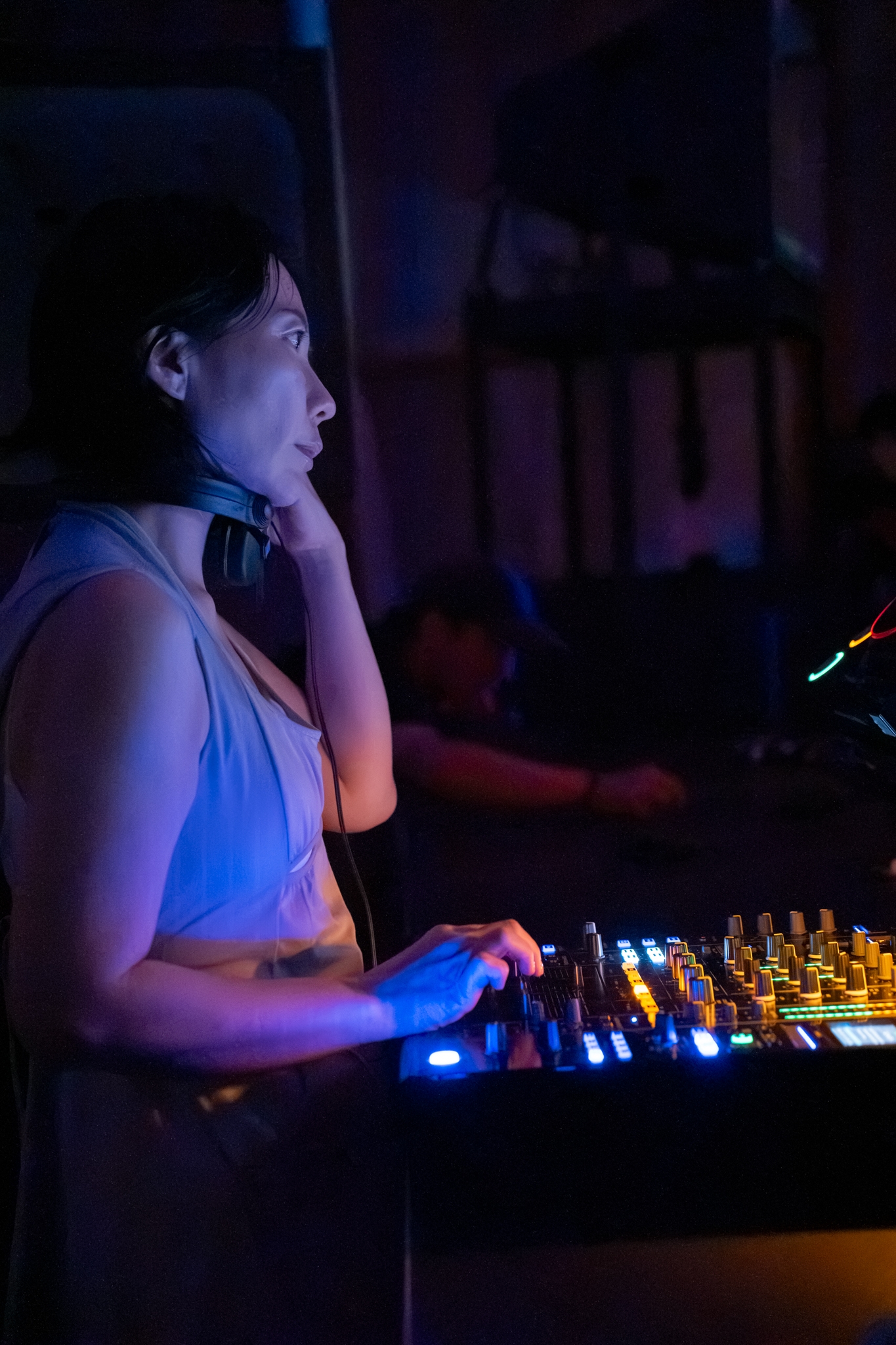
Fitz's five-hour journey was equally wonderful, and it was amazing to see such-caliber DJs open a stage. It was well into half of her set, at which point it was dark, before it reached full-on classic Jane Fitz proto-trance crackers rave-the-night-away vibes. The beauty of seeing her opening, and as always with probably the best smile of the weekend, gradually building, pushing, retreating, and then through so unexpected tracks, again pushing forward, was magic.
Read this next: Techno & Zen: Cloudy Ku on HER 他, Akira and seeking unknowingness
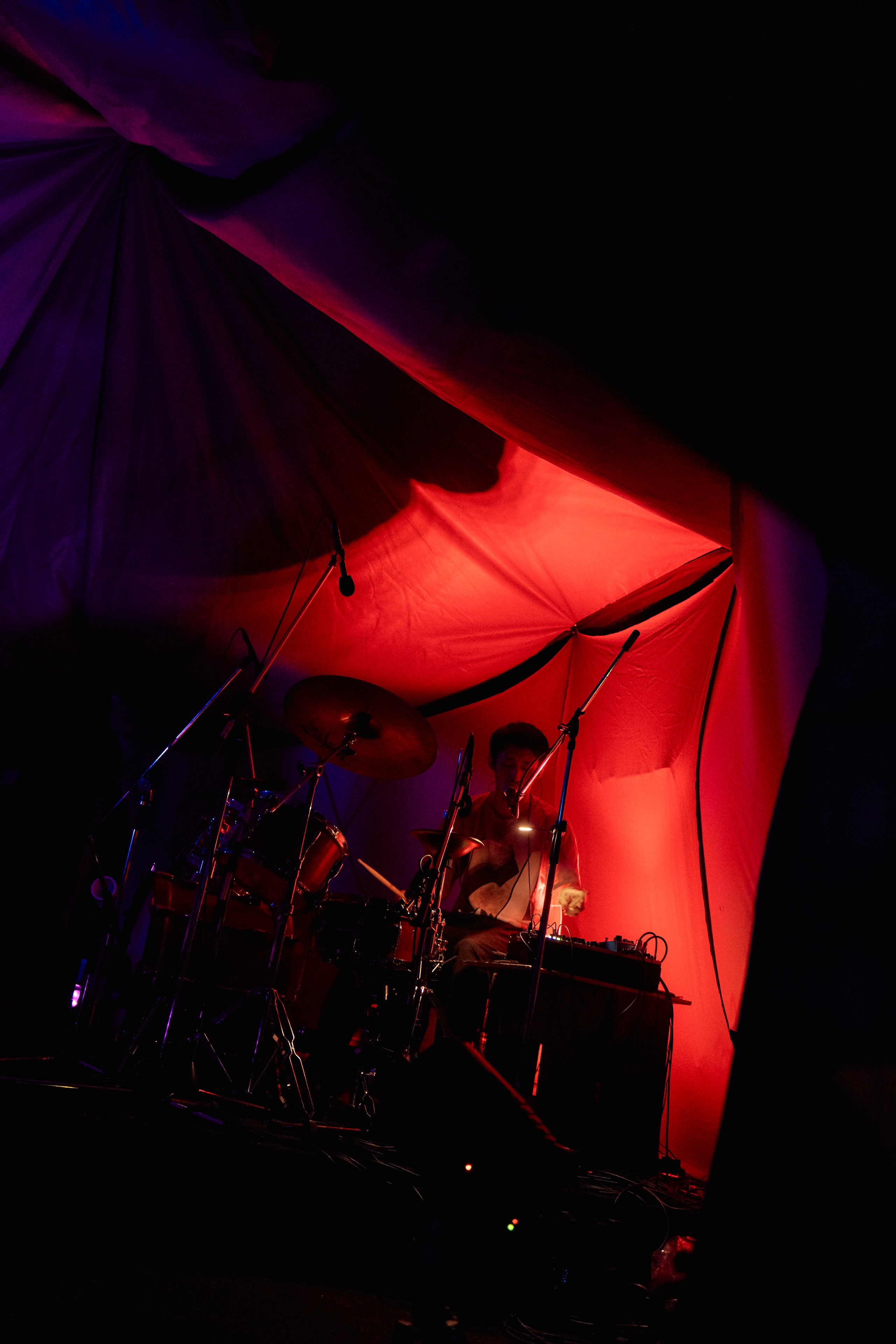
Further magic was delivered by MANISDRON and it was absolutely something to behold: MANISDRON spent the next hour vigorously drumming (yes, one reads that correct: actual drumming) building handcrafted techno rhythms. Not of the gentle sort, but instead fast-moving, emotion-evoking rave rhythms, all while using his synthesizers to layer on loops, snares, and further kicks. Peak time had finally arrived, and it had a clear name. After that sonic tornado, and an overall lack of sleep, rest was needed.
Peak times don't go on forever, and the final day had some fine icing on the musical cake.
It started off as a peak experience in dealing with the heat. Whereas the prior days, the festival had an occasional drizzle and overall mild temperatures, the final day felt like a proper wake and bake. With temperatures easily over 30°C plus, the crowd was off to a slow start, finding and hiding in whatever shadows presented themselves.
Tasked with the opening was Mitsuki's own YAMARCHY. A DJ who easily could win the Guinness World Record book of most gigs a year, his experience showed. Catching the latter part of his slow burning set, with occasional chugger left and right, he rightly understood that the slower vibes were suited and desired.
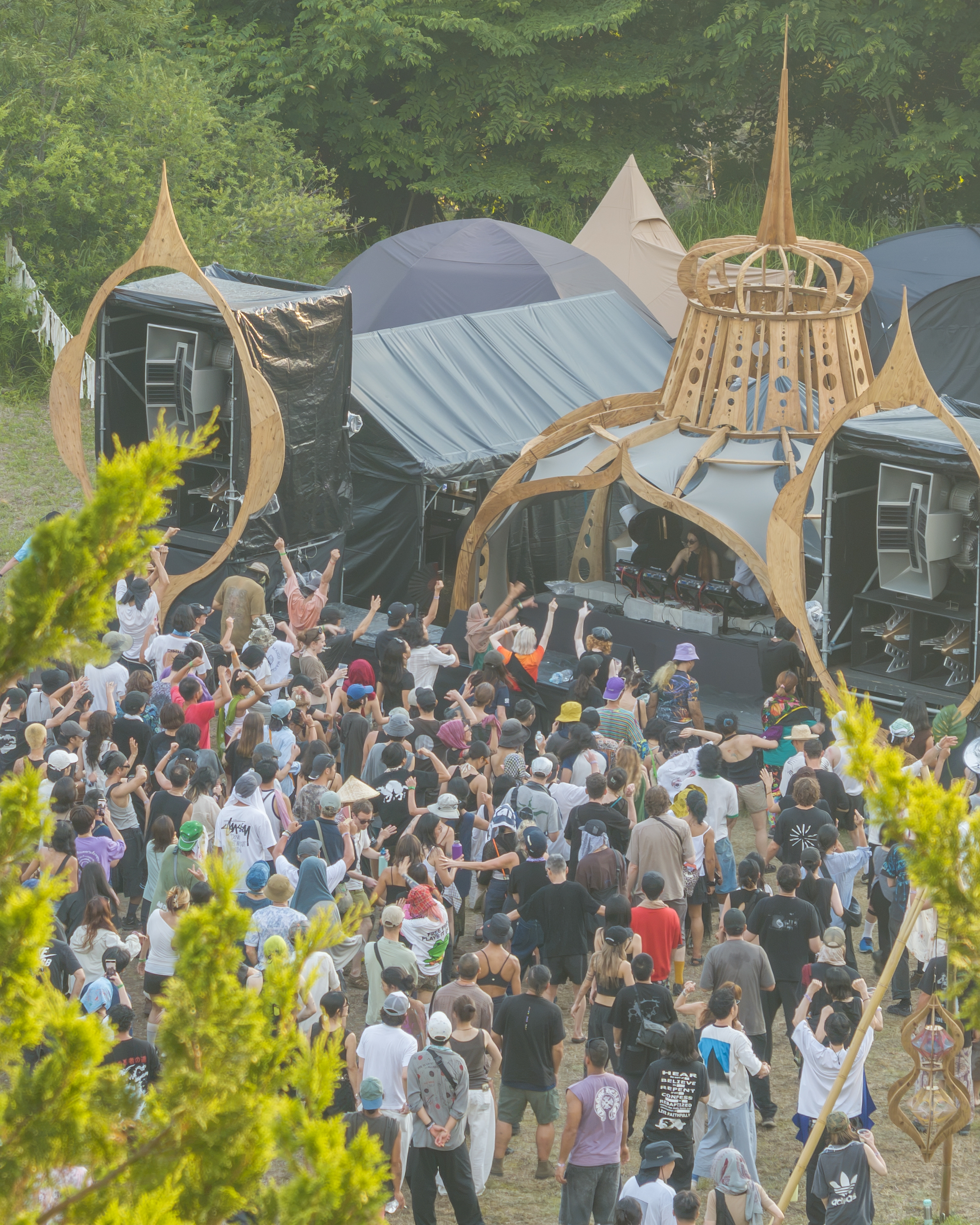
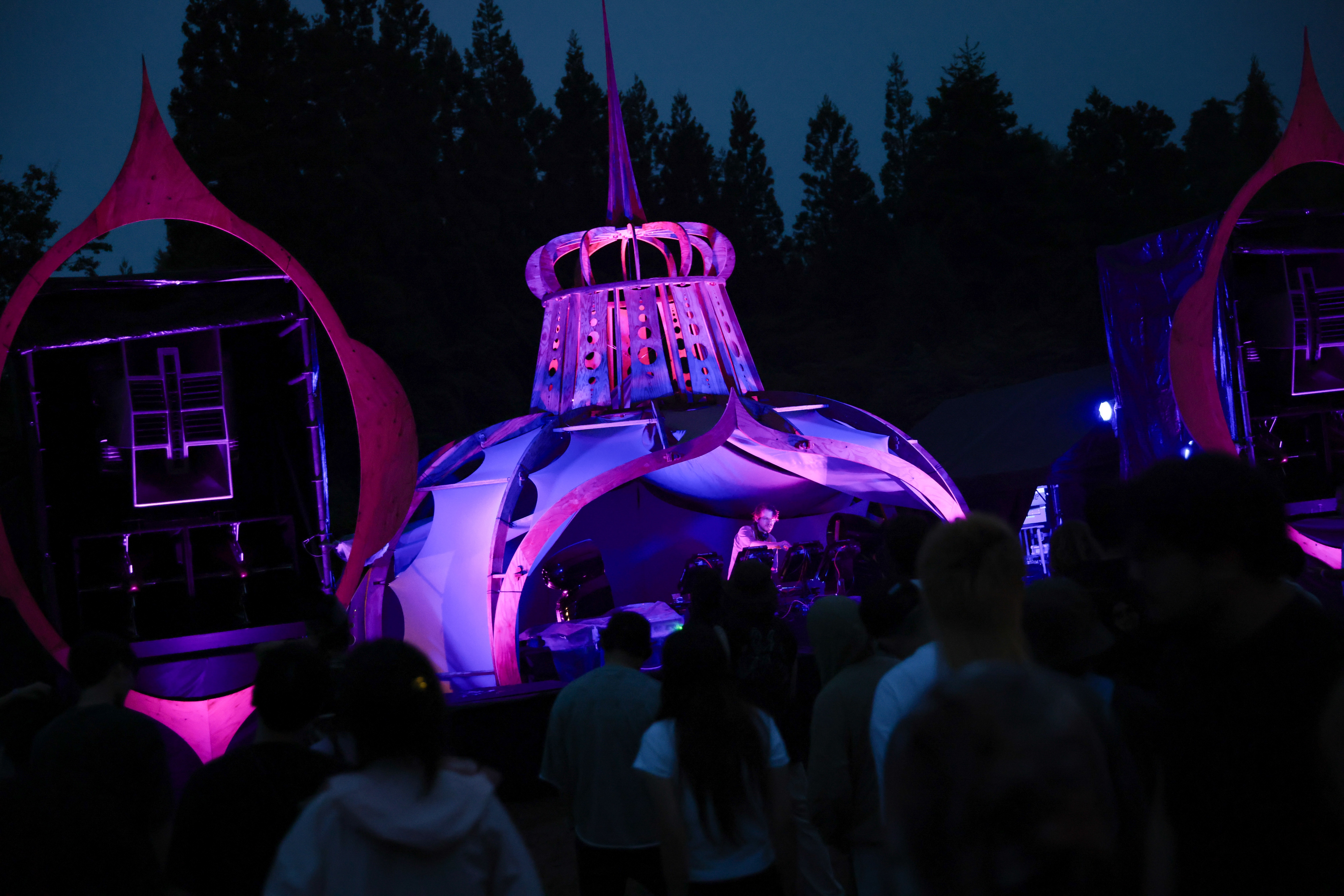
At midday, and approaching peak heat, Willikens and Ivkovic took after. The duo, which possibly was competing for biggest DJ smiles with Jane Fitz, delivered a six-hour musical rollercoaster ride that was an adequate digest to the festival. Building on YAMARCHY set, the duo was in no rush to peak or even take off. The first hours were a collection of krautrock tracks, occasional reggae rhythms, pop oddities and even the finer jazz records. Only when the heat had peaked, the crowd was ready to swap shadows for a leg shaker.
The final hours of their set were initially meandering between sluggish, drawn-out proto-trance tracks, and eventually the DJ duo transformed their musical direction towards peak closing hours. From rumbling Goa trance burners to some proper peak tunes, the final 90min of their set turned the entire dancefloor into one giant moving joy fest and provided a suitable ending.
Rural illustrated that it can indeed provide a peak experience. Not just once, or briefly, but across four days, across the board.
Read this next: Curious Gorge: Japan's idiosyncratic musical movement celebrating 10 years of existence
Yet a peak experience is never made by the music alone. The sound, the artists, the food, the grounds, and the people all feed into it, which left one question for the team behind rural: after almost two decades, and with so many festivals across Japan and Asia to choose from, what keeps them committed, and what has rural taught them about creating not just a unique experience, but a meaningful one?
“This year's edition of the festival was special in its own way. Over the course of the weekend, a special atmosphere developed. First, we had a wide range of artists hailing from many countries across Japan, South, Southeast, and East Asia, as well as Europe. It was geographically one of our broadest lineups. Secondly, as a festival focused on finding the best—or peak—experience in sound, we decided to extend the sound systems, and overall feedback was very positive.
Third, and most importantly, in our vision, the overall fusion between the elements of the festival—sound, artists, art installations, attendees, and everyone involved in running the festival—was so seamless and positive. Maybe we are lucky after more than a decade of festival experience, but for us, it is rare and wonderful to observe such a fusion and see how they all interacted with each other, with the festival eventually becoming something greater as a whole.”
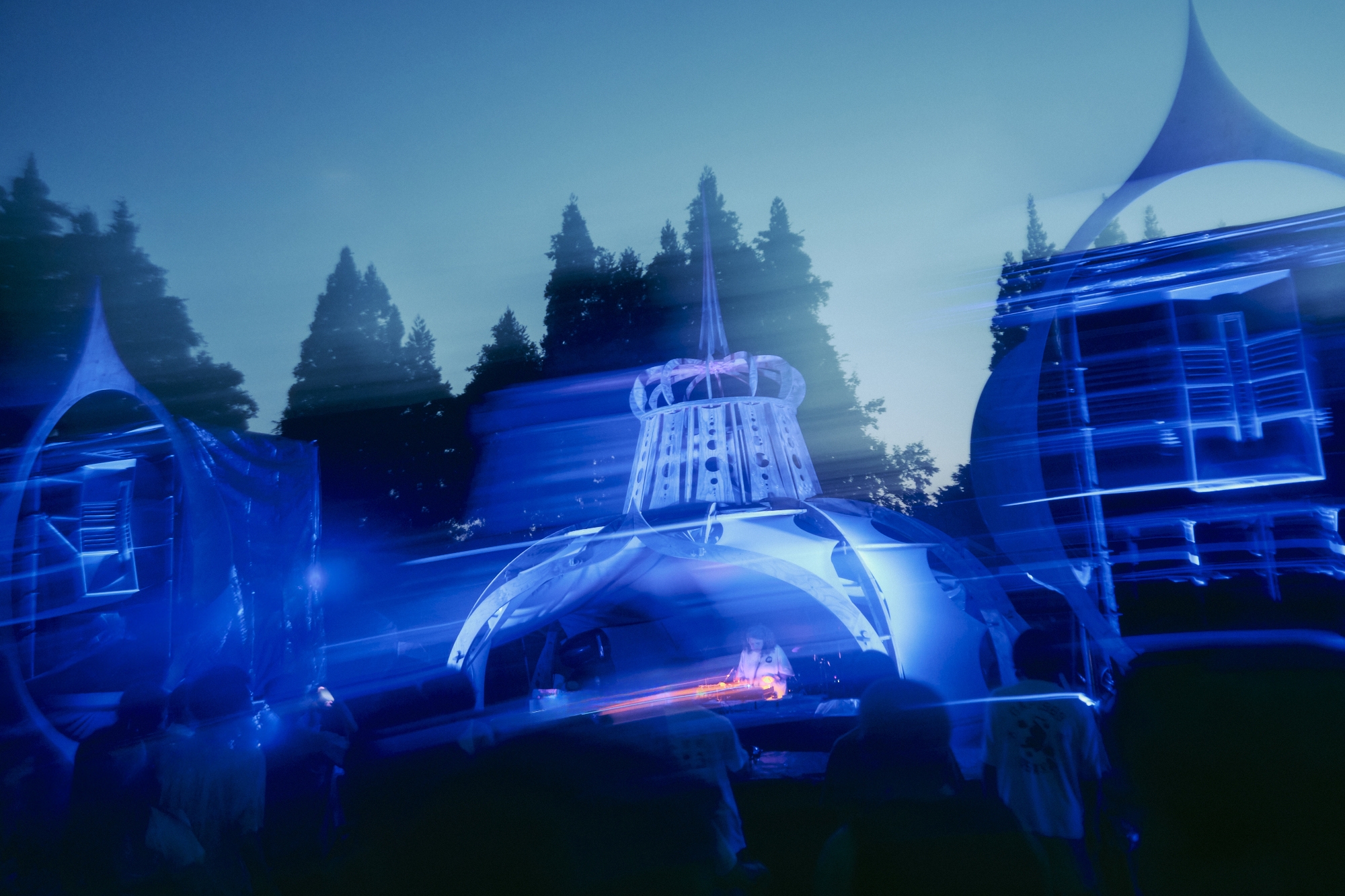
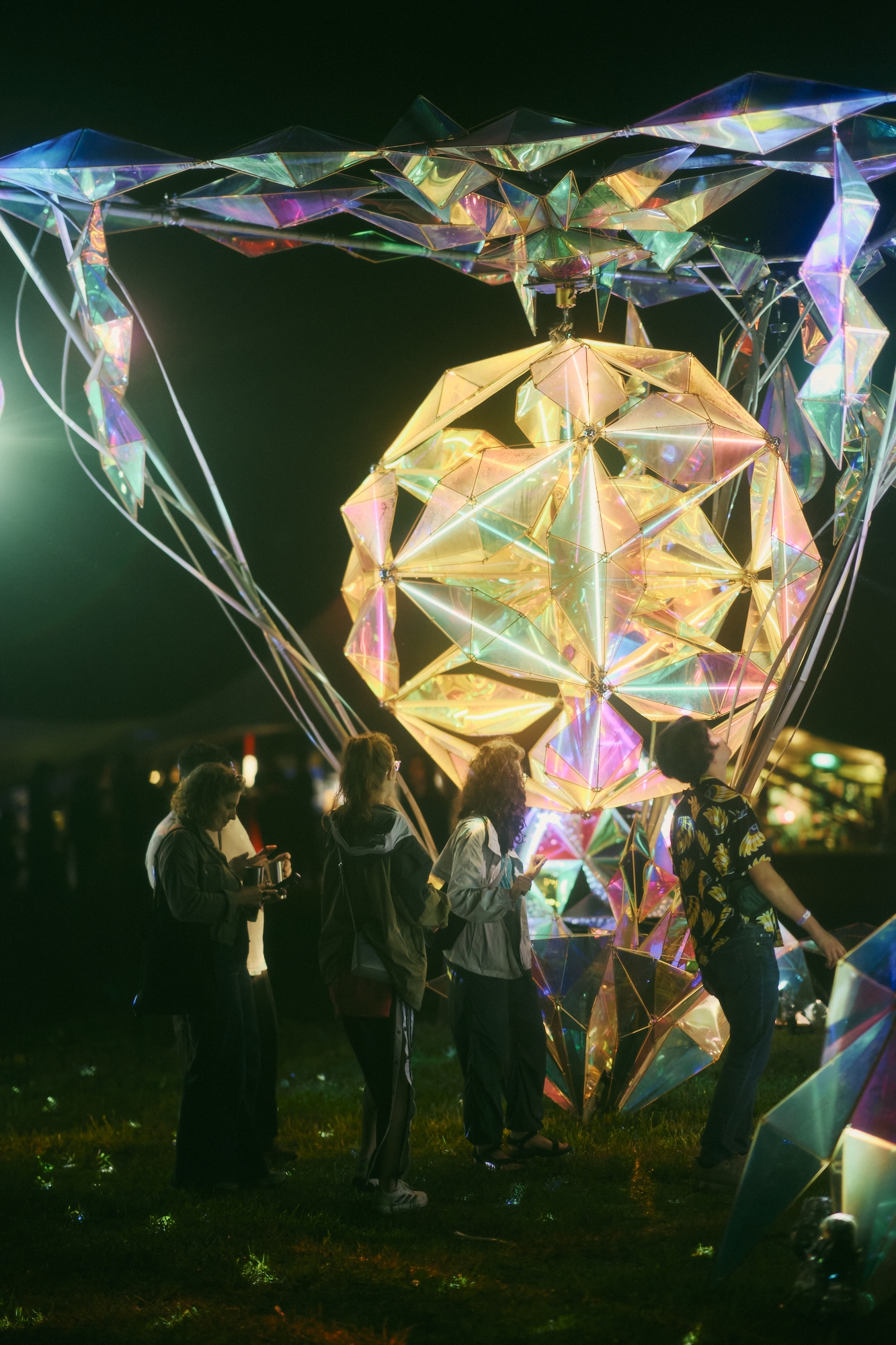
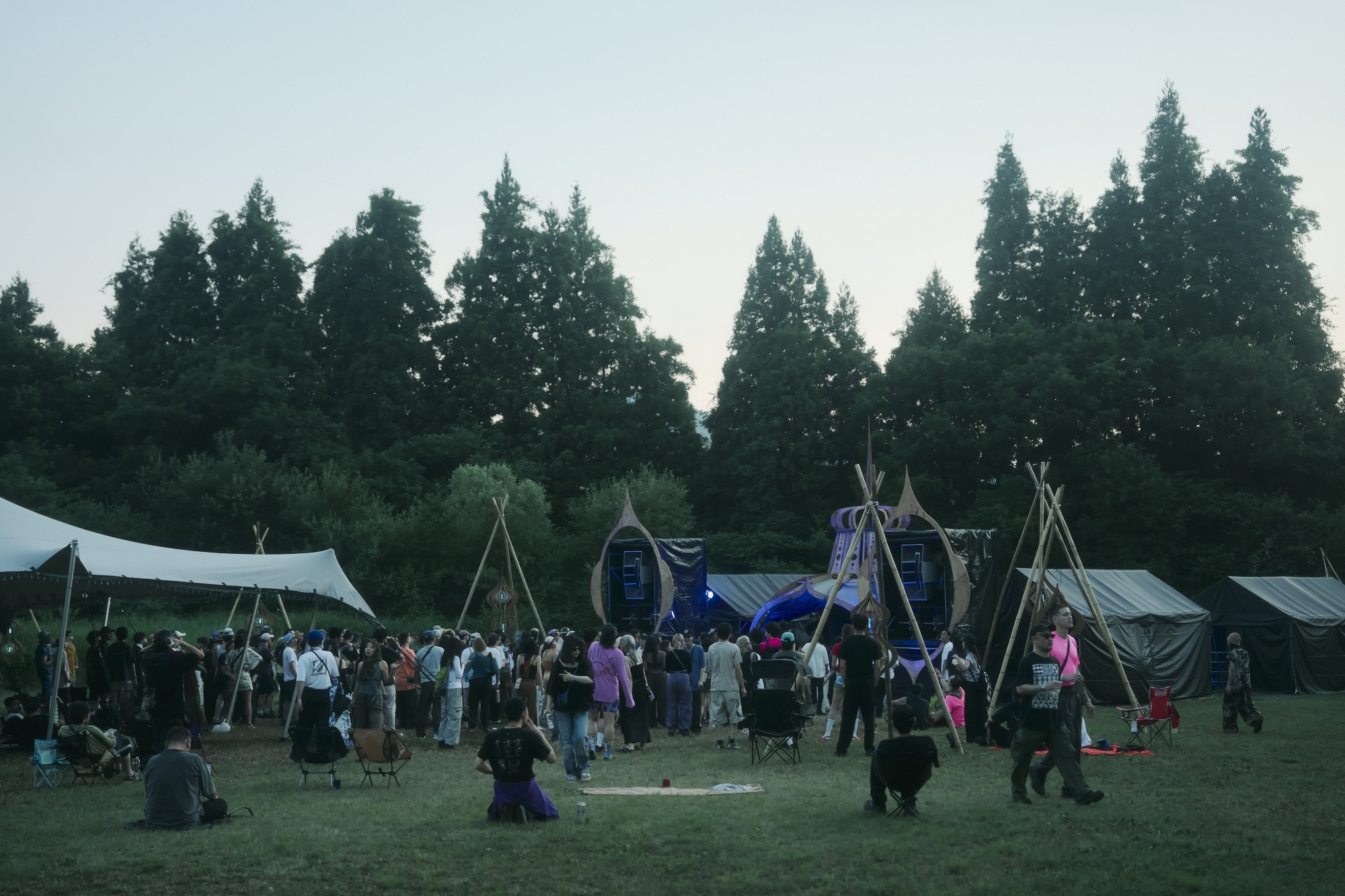
That fusion, they explain, reaches well beyond the stages and the booth.
Music remains the core, but the people behind the details matter just as much: “Evidently, the sound and the artists' performances are at the heart of rural, but this year we also received a lot of positive feedback about the food vendors, who put so much care, love, and effort into their food choices and selections, as well as all the numerous—and less visible, but equally important—teams working behind the scenes to keep the toilets, grounds, and festival environment clean and comfortable. By themselves, these are necessary, and we take pride in a festival that has such food offerings and is clean. But we think it is the sum of all this together that creates a certain sense of optimism and joy that carried through the festival. If at the end of the festival, the dancefloor is all smiles across the board, then we did well!”
They closed by turning the credit outward, to the crew and everyone who made the weekend possible: “And here specifically, the entire rural crew is lauded. Every member of the team really went the extra mile, and we feel a deep sense of gratitude toward the rural core team and everyone who worked with us this year. It is through all the attendees, the volunteers, the artists, the sound engineers, and the cleaning staff that we are able to build this annual gathering, and we want to say thank you to all!”
Tobias Burgers is a freelance writer for Mixmag Asia. Follow him on Instagram.
Never miss a beat. Subscribe to our Scene Report newsletter or follow us on Instagram.
