


 Features
30 years of Amsterdam Dance Event: reflecting on its past & looking to the future
From a modest industry gathering to 300+ venues & 1,200 events, ADE has grown into a key meeting point for electronic music. Peek archival photos & read Managing Director Jan-Willem van de Ven take on the scene's evolution & grassroots foundations.
And just like that, it's October, which can only mean one thing: Amsterdam Dance Event is around the corner.
The world's largest club festival and electronic music conference is about to take over the city again, and this year it's celebrating a milestone worth making noise about: ADE turns 30.
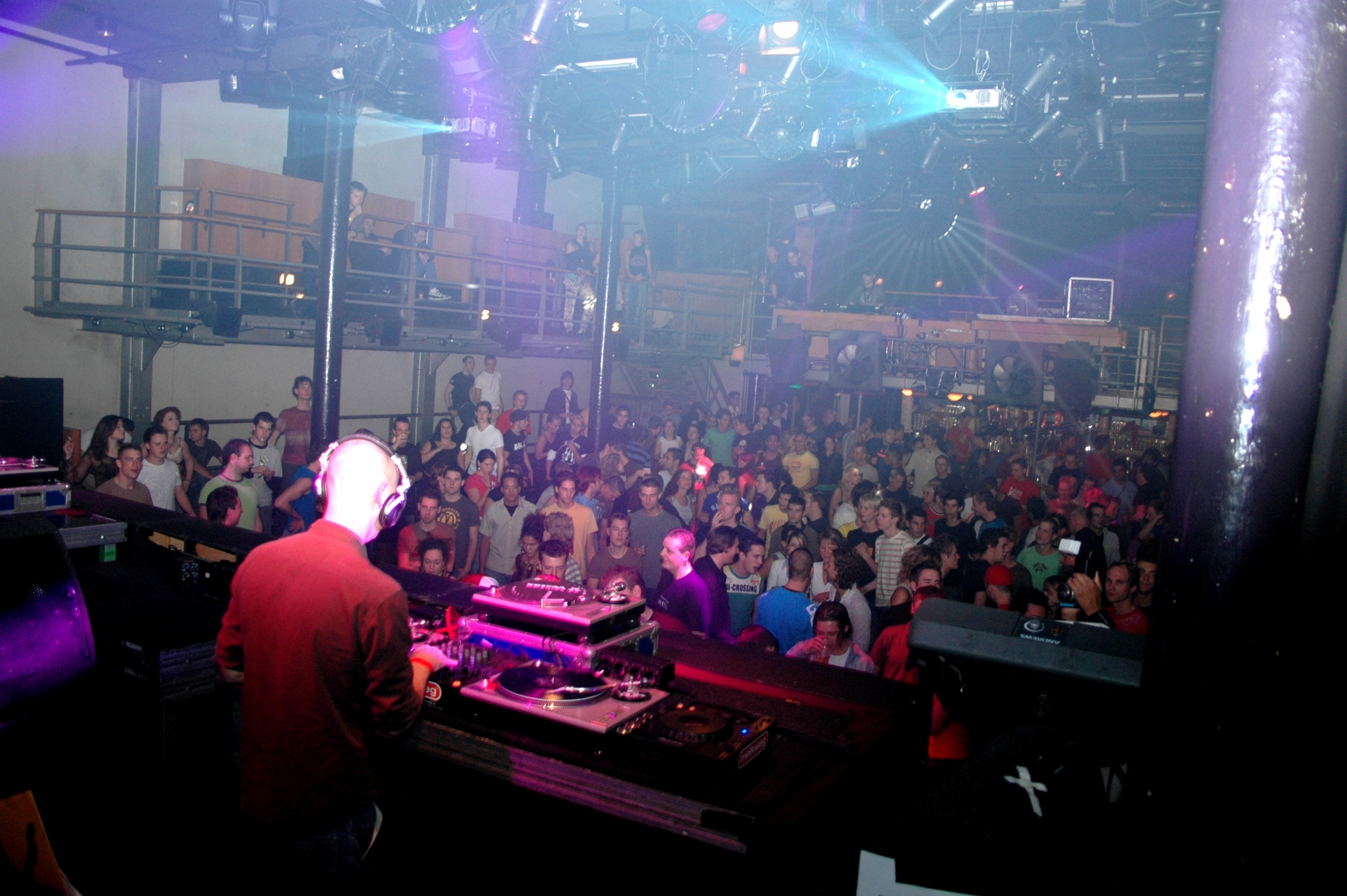
Rewind to 1996 and you'd barely recognise it. According to Gary Smith, a programmer and moderator at ADE Pro who has been around since before the first edition, it was the year electronic music broke into mainstream tastes and became the dominant sound of the charts.
Not everyone had caught up, though. John de Mol Sr., then running the Dutch music foundation Conamus, agreed to back the first edition after plenty of lobbying by Maria Jimenez and Peter Schmidt, the founder of Eurosonic Noorderslag. At a final planning meeting in Hilversum, he looked at the team and delivered what Smith calls an immortal line: “But it's just not music, – dance music – is it, really?!”
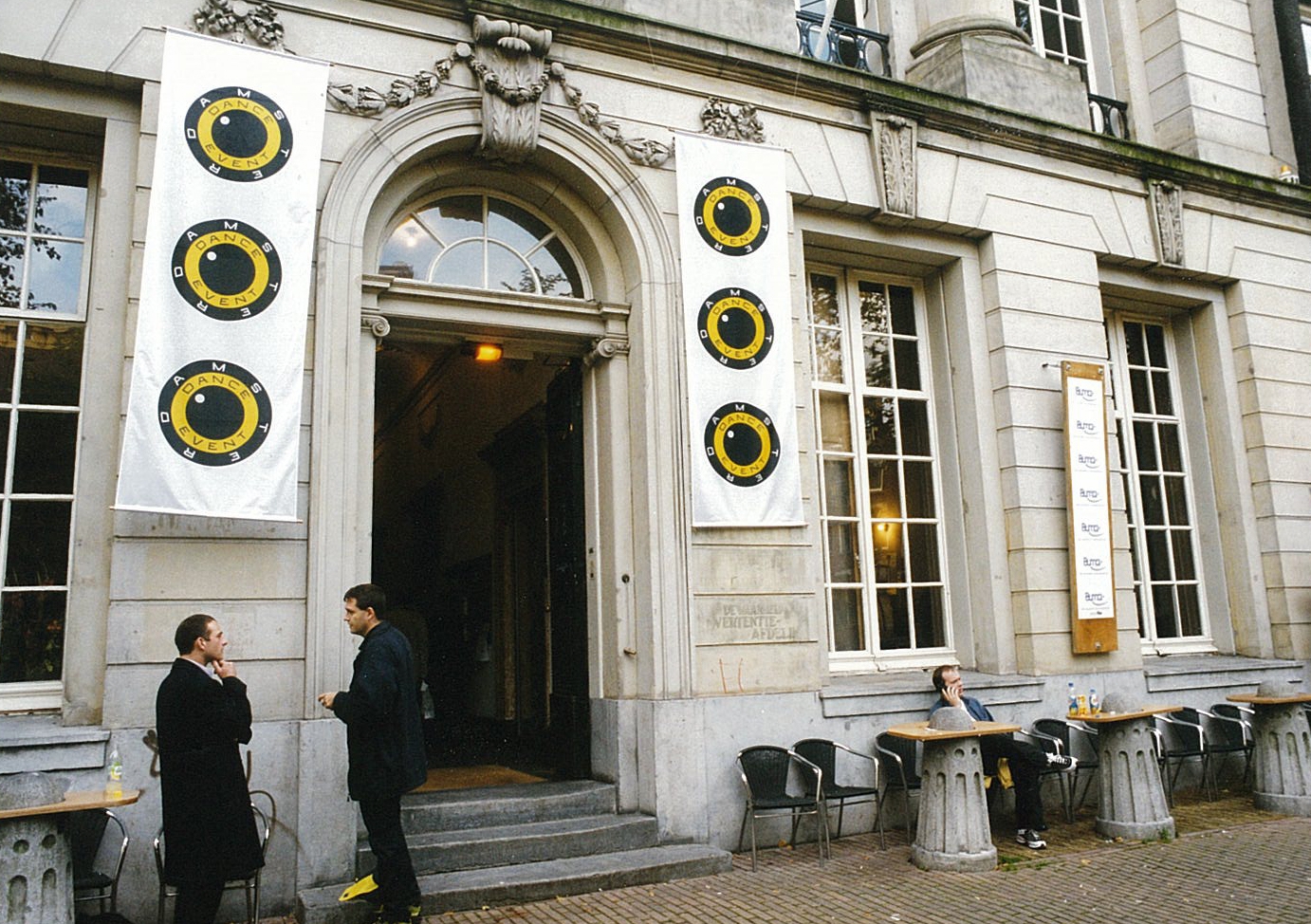
The first ADE was small. It took place at De Balie on a total budget of 60,000 guilders, roughly €28,000 or US$30,000, and it's responsible for one of ADE's best-loved traditions. Mobile reception was weak in 1996 and De Balie's walls were thick, so delegates holding their brick-sized phones had to step outside to make calls. Other delegates joined them to network, and a tradition was born.
Today, the stretch of Keizersgracht outside Felix Meritis is closed to traffic during ADE, so networkers can talk without fear of being run over by a bike.
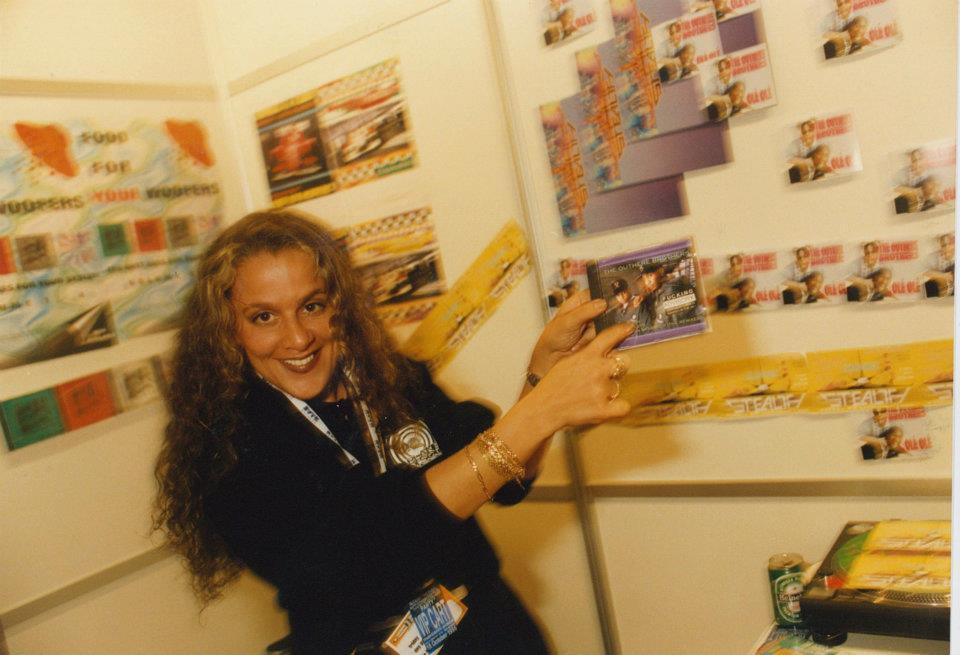
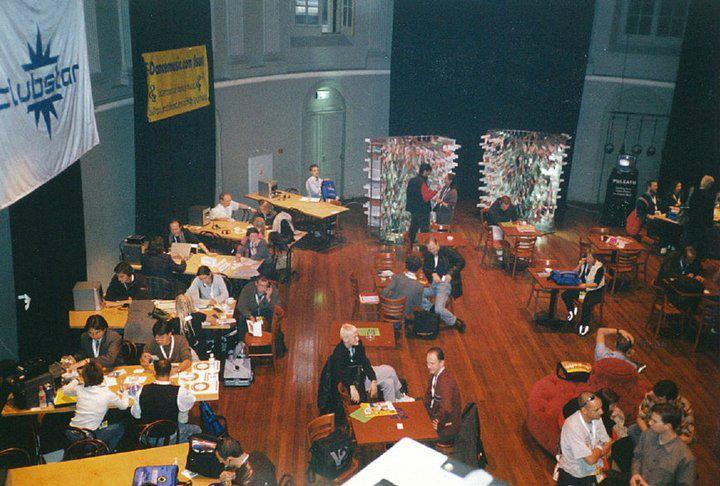
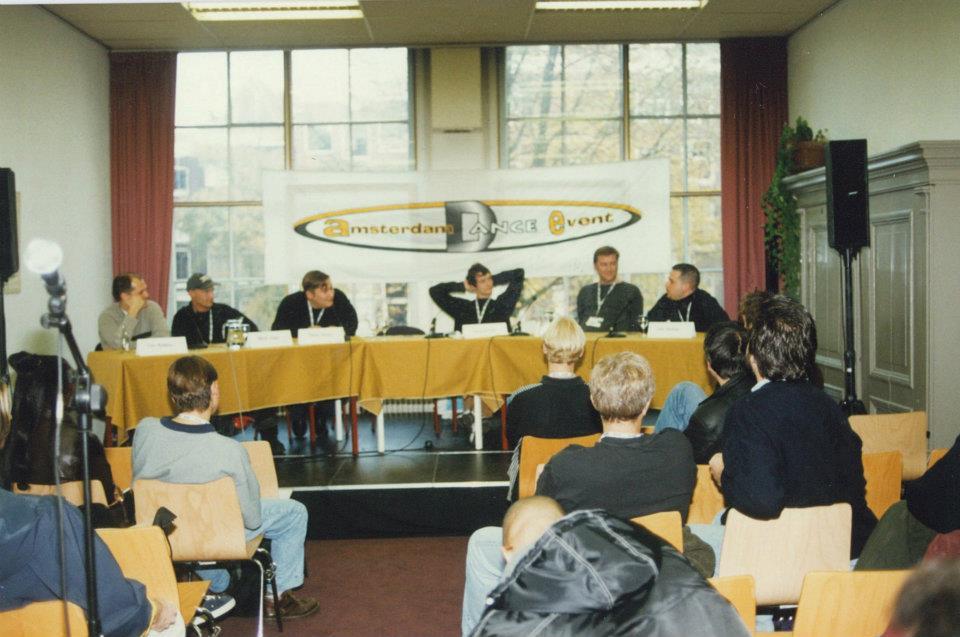
From there, ADE kept moving house and kept growing.
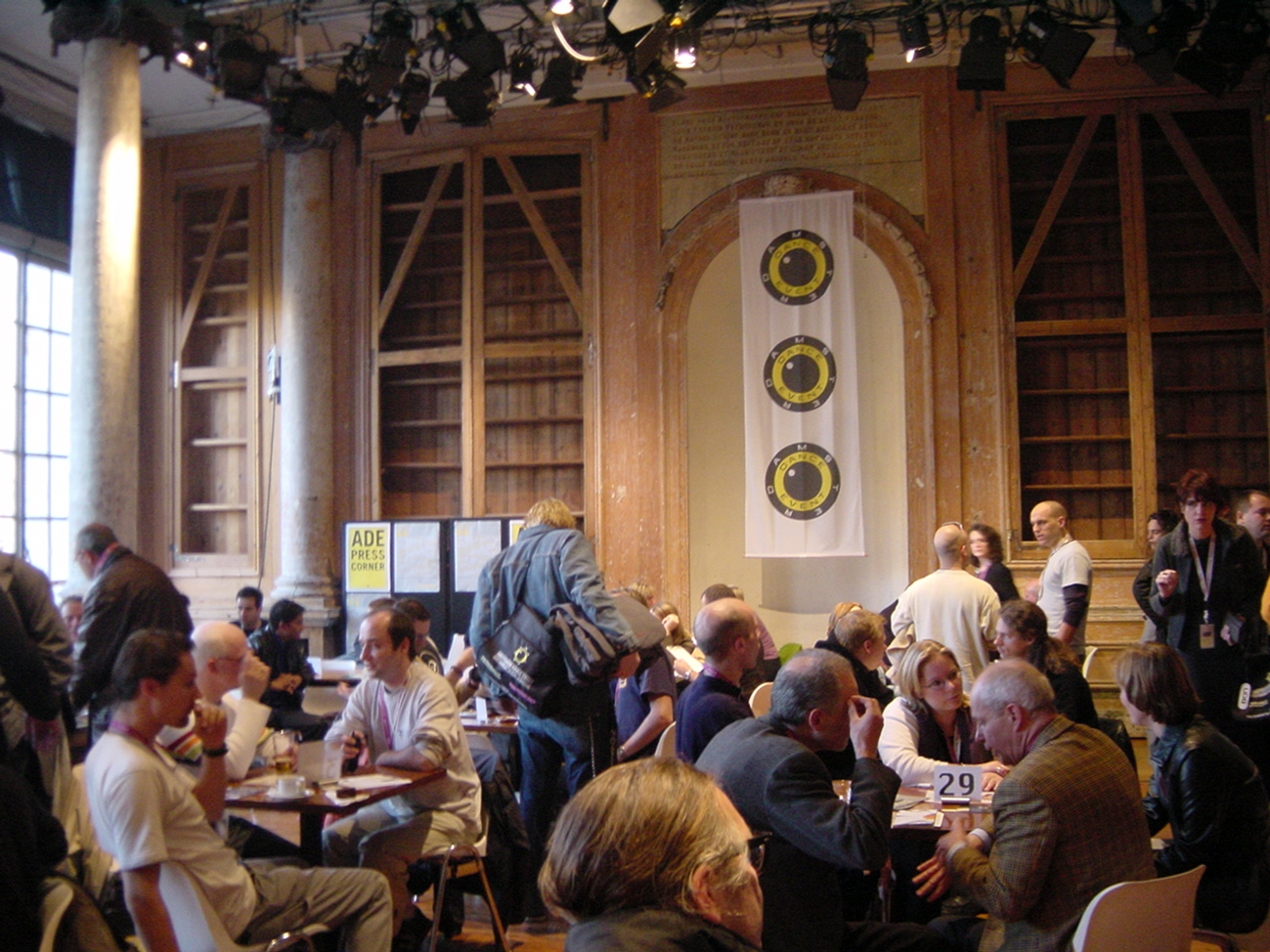
A move to De Rode Hoed followed in 1997, the year Anna Knaup took the wheel from Maria Jiménez. In 1998 came the move to Felix Meritis, a 17th-century canal house that could cope with the delegates arriving in growing numbers each year.
Knaup recalls a second goal at the time, which was to expand the nighttime side with more sub-genres, “and that was the start of the all-embracing ADE festival that we see today.” The early sound leaned towards house, with DJ Sneak and Jesse Saunders among the names, before ADE folded in more genres and, by the mid-2000s, became a multi-genre cathedral with something for everyone.
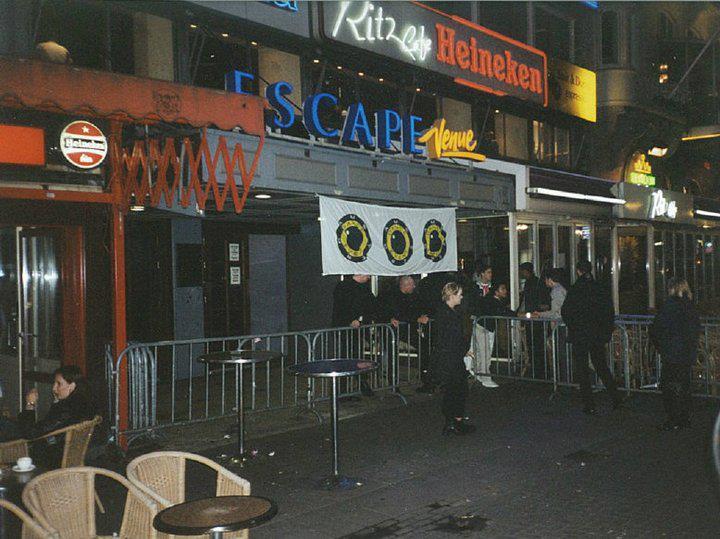
Early festival acts played around Leidseplein and Rembrandtplein, which is where Escape, open since 1986 and celebrating its 40th birthday this year, was already hosting crowds.
Meanwhile, Dutch talent was rising fast. Armin van Buuren, Ferry Corsten, Marco V, Misja Helsloot, Sander van Doorn and Tiësto started dominating the upper reaches of magazine polls for a run that lasted about a decade.
The festival side took off alongside them, with venues doubling and tripling year after year until the programme spread across the whole city.
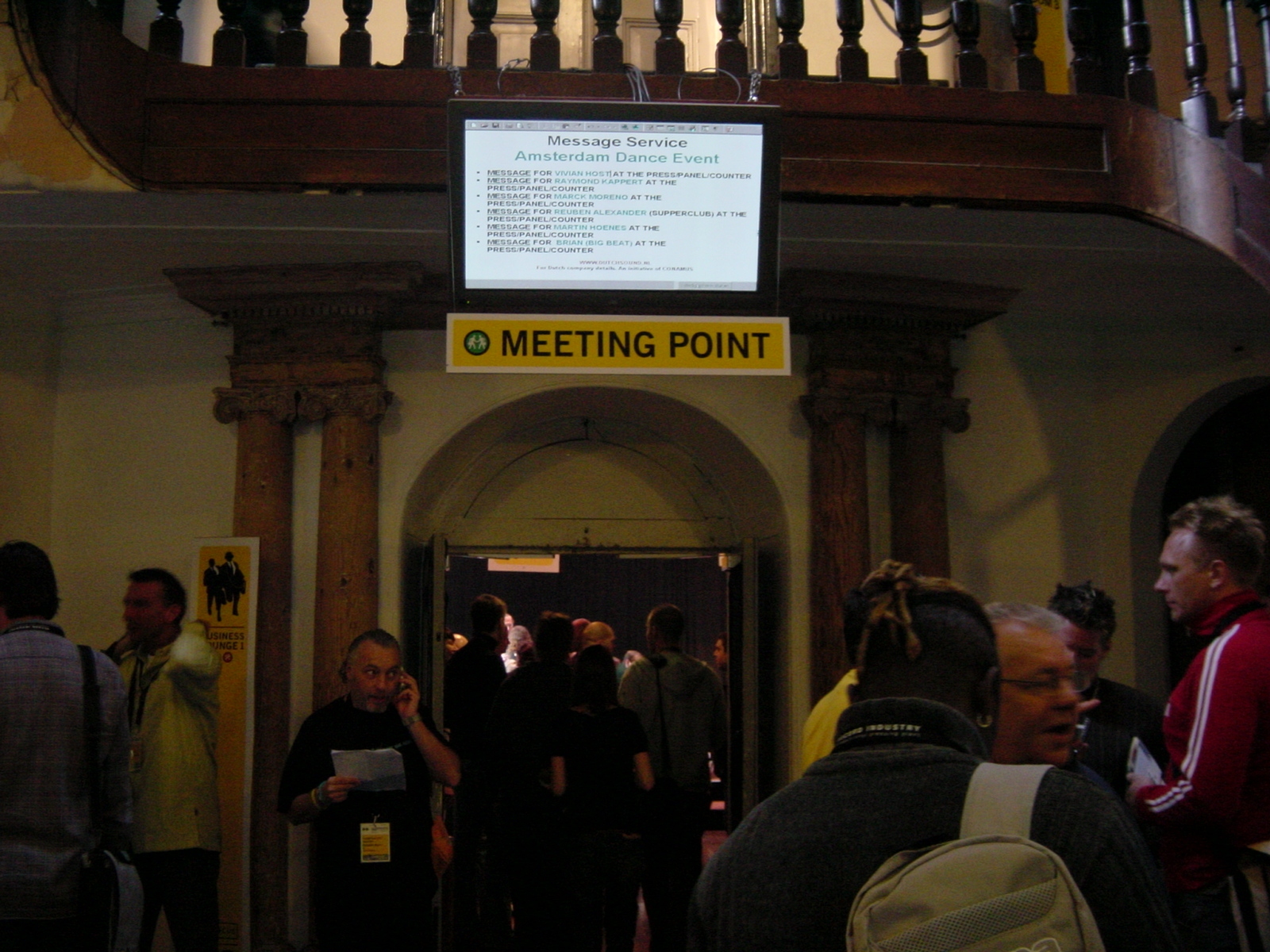
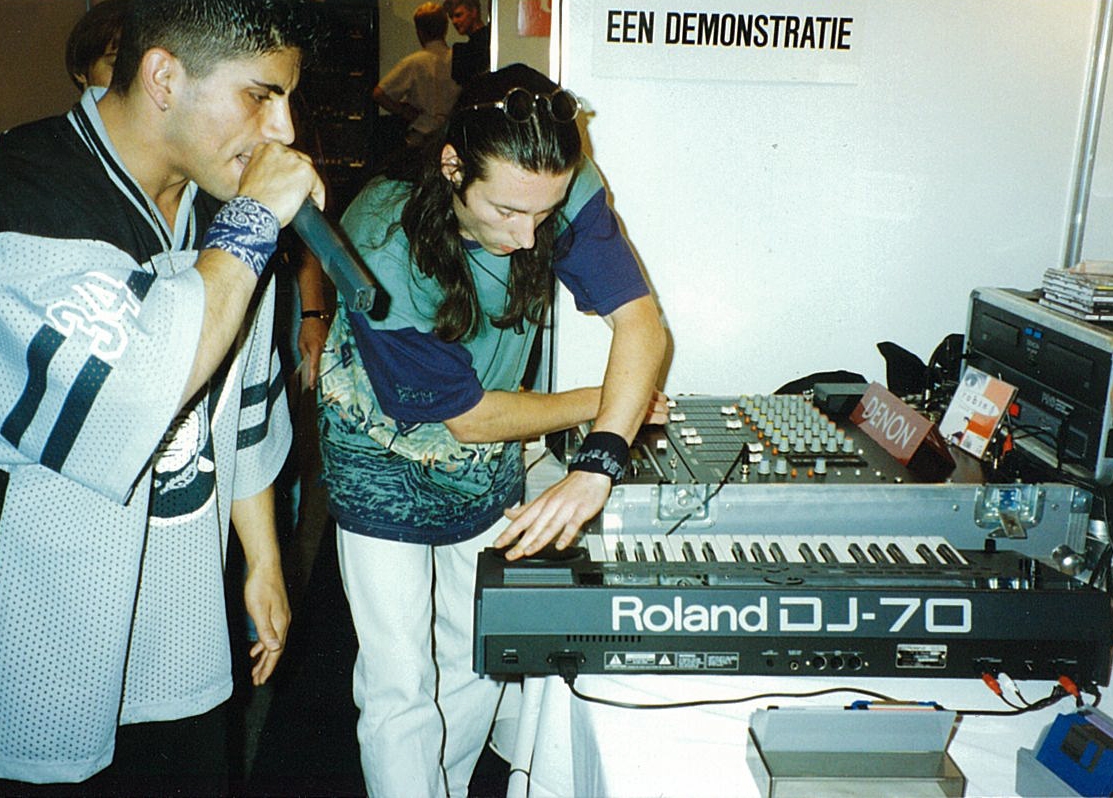
Felix Meritis was home until 2017, when the building closed for renovation. Three years at the chandelier-lit De La Mar Theatre followed, then two online-only COVID-19 editions, broadcast from the newly refurbished Felix Meritis.
They also brought ADE's first-ever directorial duopoly, with current Managing Director Jan-Willem van de Ven alongside Meindert Kennis. In 2022, ADE returned to its iconic home.
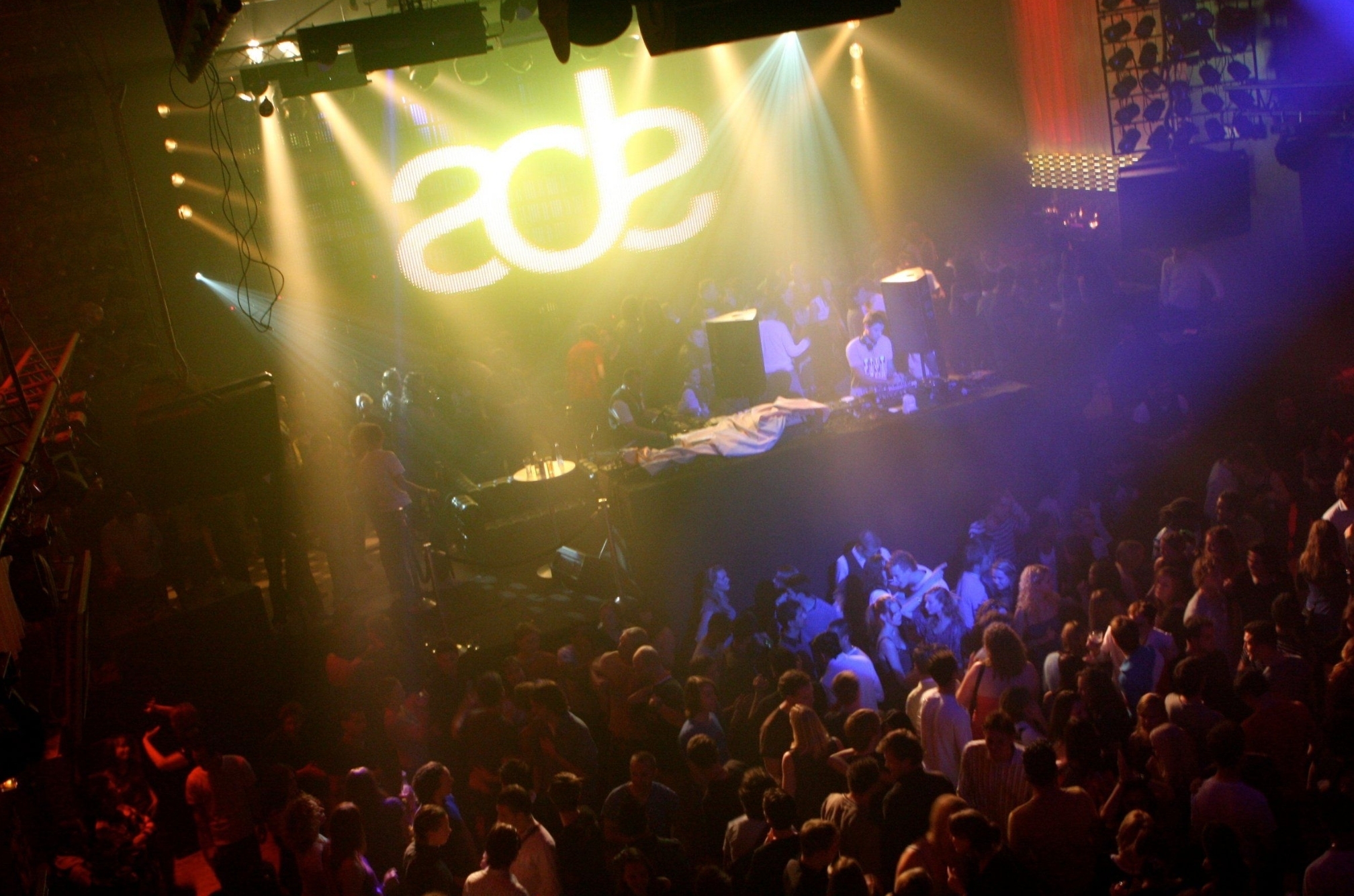
Those moves tell the story of the numbers. From three nighttime venues in 1996, ADE has grown to over 100 fold today, and from a few thousand festival visitors to 600,000 last year, alongside 11,000 music professionals across 1,200+ events.
As a not-for-profit foundation, it also built a framework of its own, with ADE Pro for industry professionals, ADE Lab for emerging talent, and sub-conferences on sustainability, technology and start-ups.
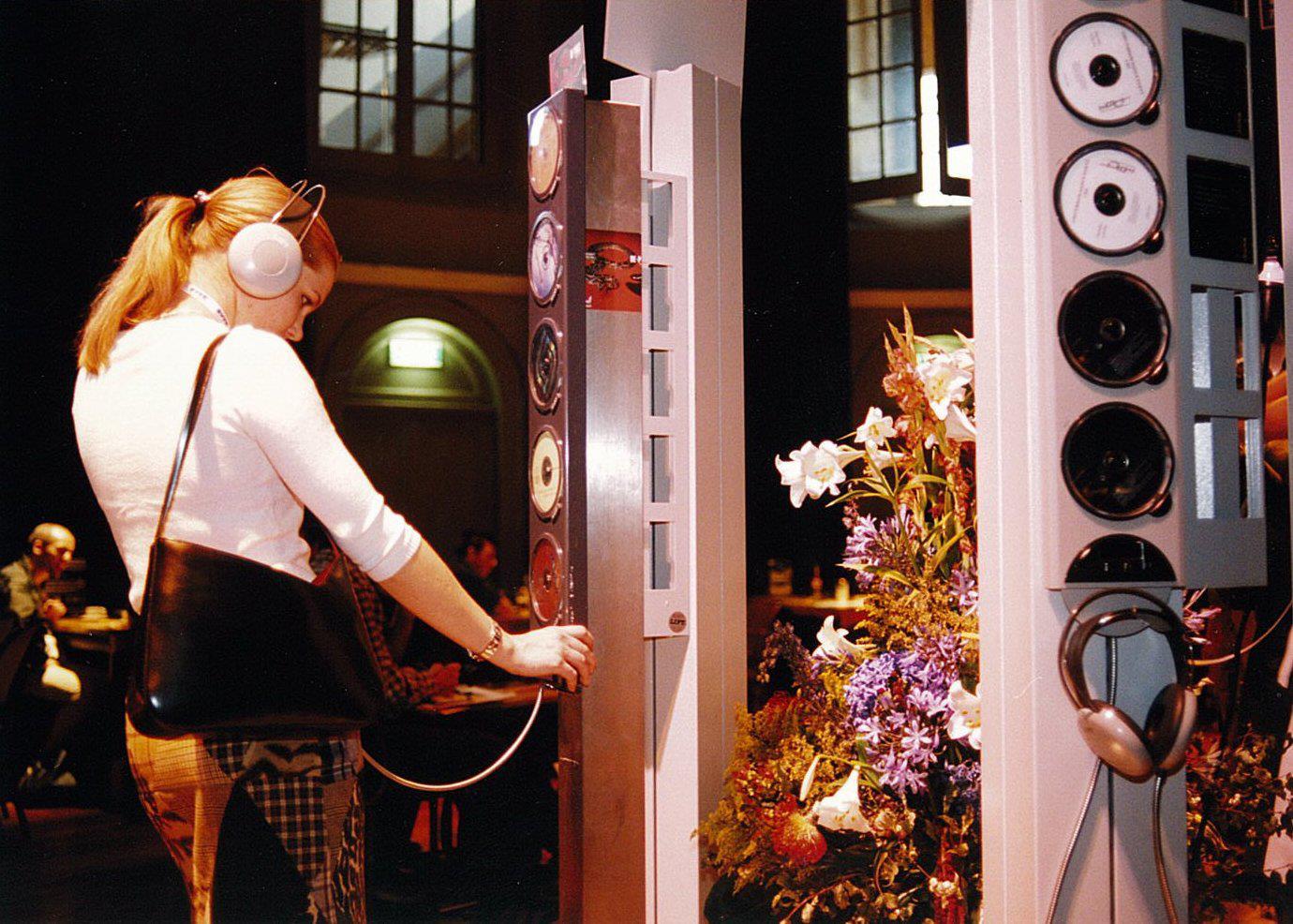
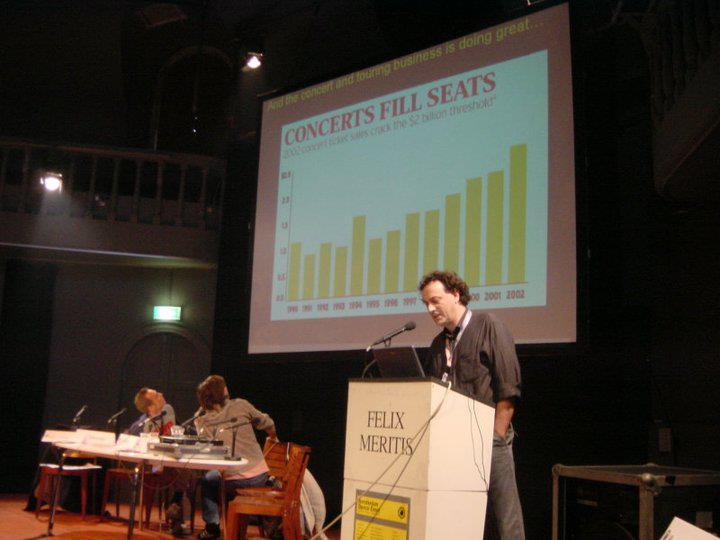
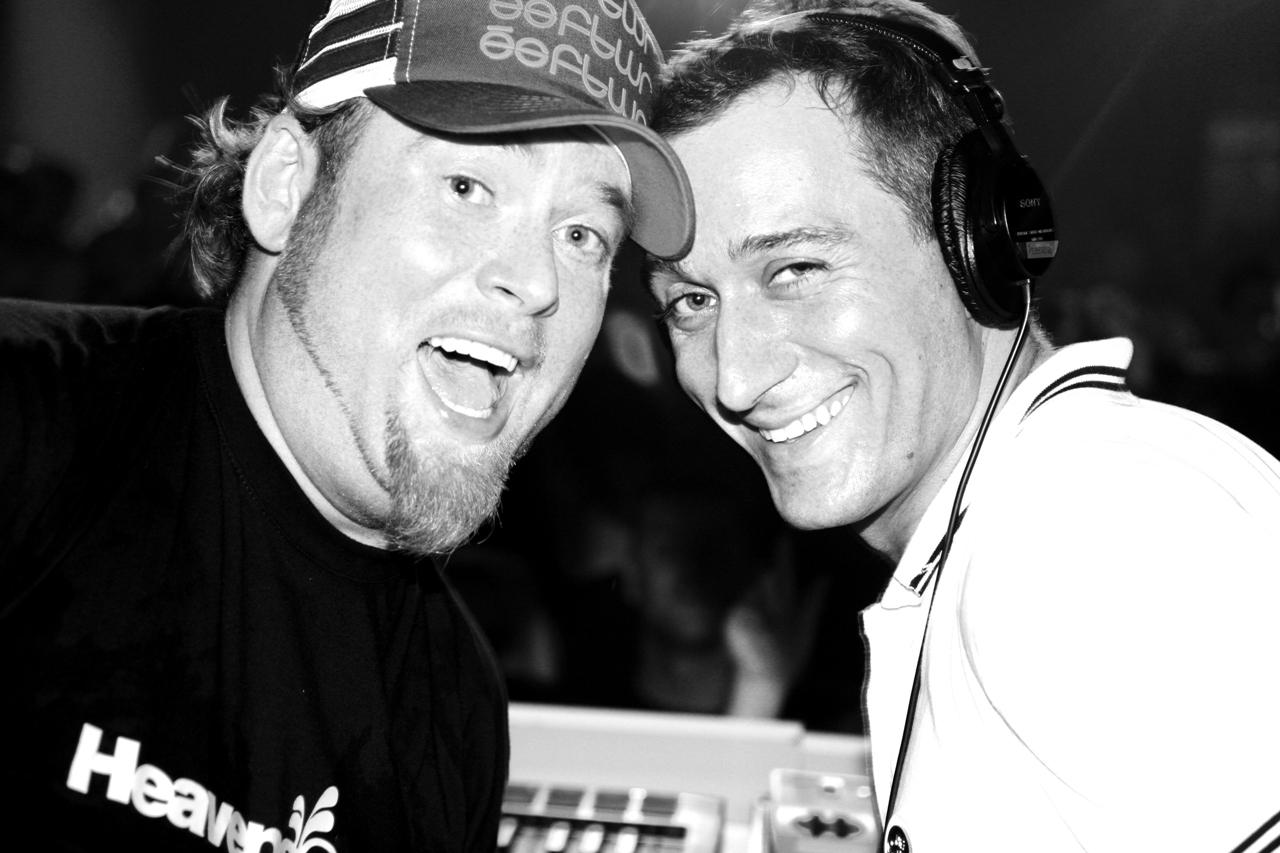

Van de Ven says that growth came from paying attention. “Part of ADE's entire aim is to act some sort of an early-warning and incubation system, for example the recognition of electronic music as a full-spectrum culture and multidisciplinary art form.”
While the public image of dance music stayed fixed on the club, ADE was already making room for visual arts, live performance and film. That openness is a big reason the festival means something different to everyone who walks through its doors. Van de Ven says as much himself.
“ADE exists to reflect the scene and how it evolves year on year, so the event has never had a single face, a single defining era, or a fixed identity,” he shares.
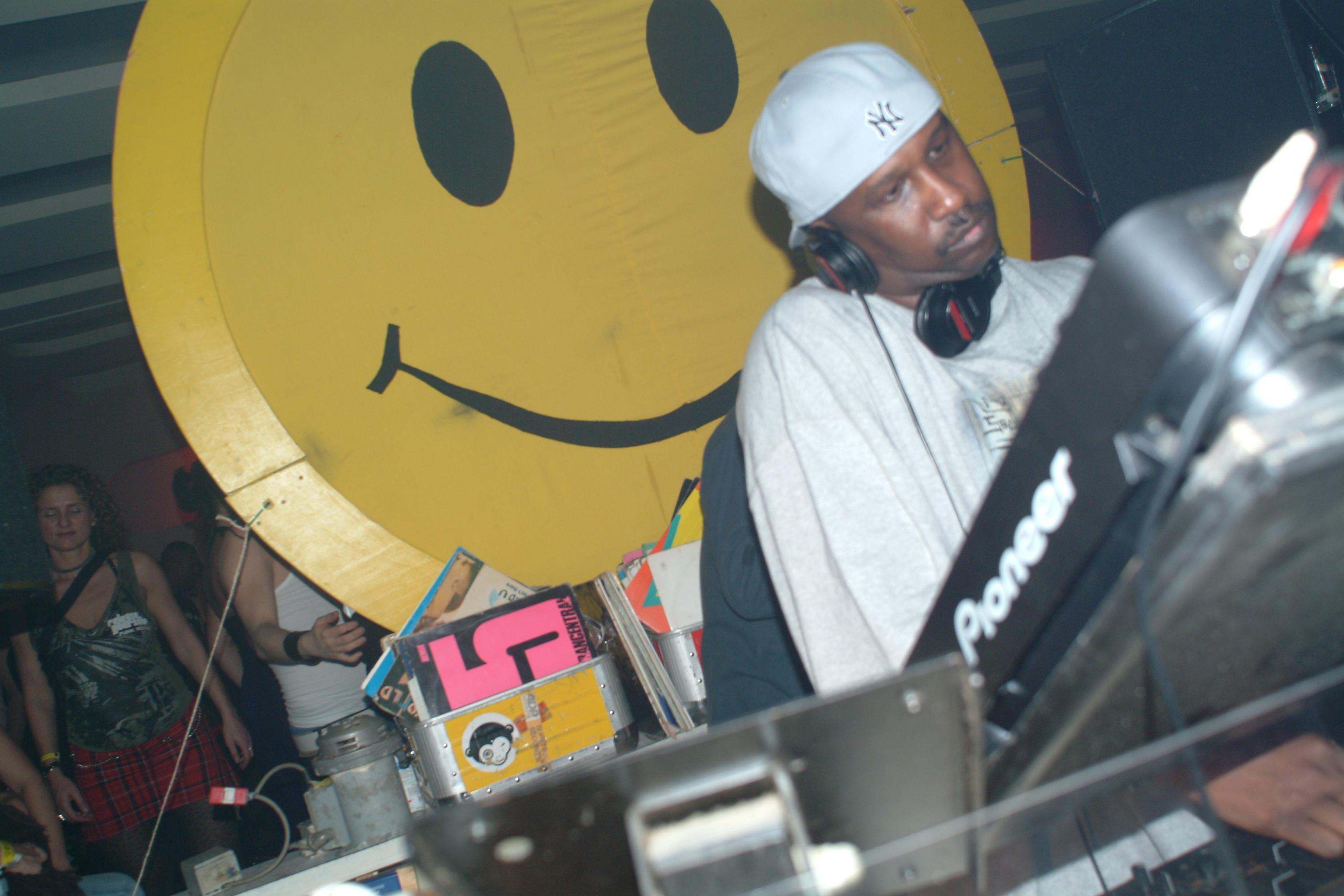
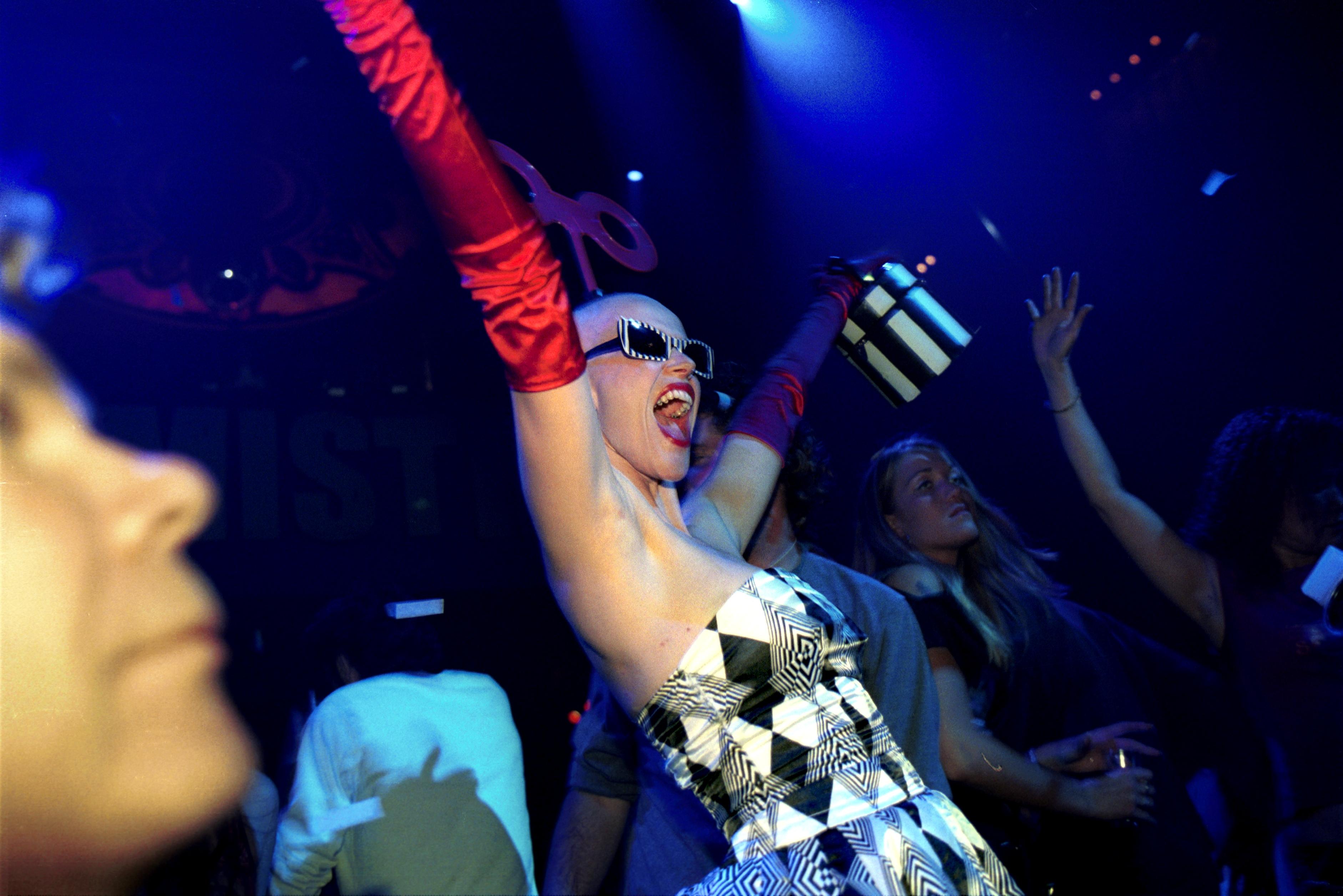
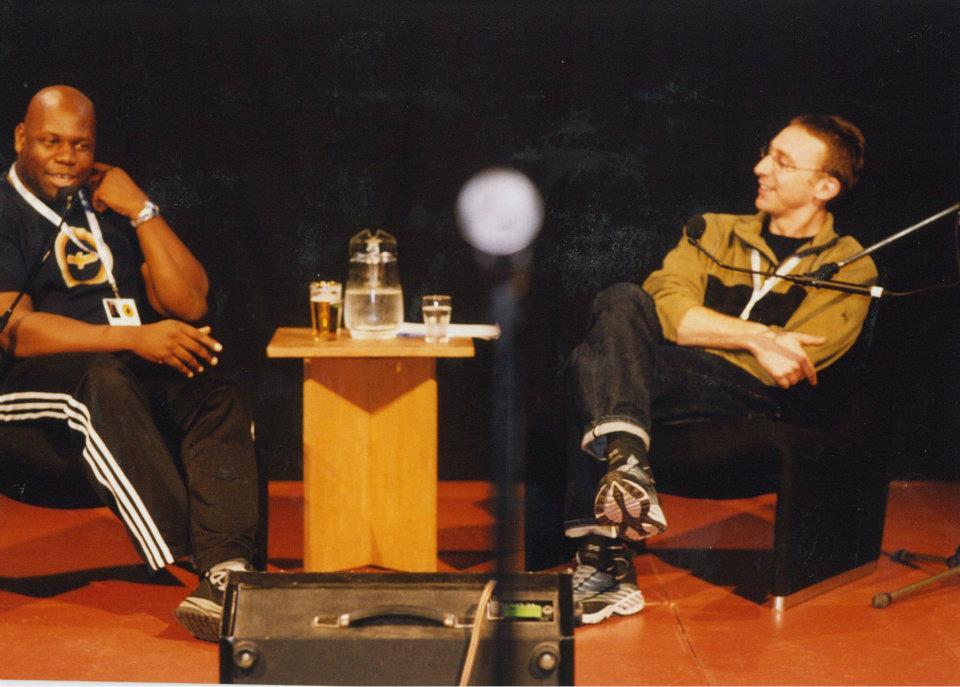
Ask anyone who's been, and you'll most likely hear a different story every time, each one shaped by their own experience.
“For an indie label, the trajectory-defining moment might be a showcase in a basement club. For a tech founder, it's a roundtable or industry mixer during our Startups program at Felix Meritis. For a young producer, it could be a breakthrough moment at an ADE Lab demo drop, and for someone else, it's an all-night marathon where they discovered their new favourite DJ,” he adds.
Put together, those stories paint a picture of what makes ADE tick.
“ADE represents thousands of simultaneous personal trajectories. That fluidity, constantly shifting and meaning something entirely distinct to every single person, is what has sustained our relevance for 30 years,” he underlines.
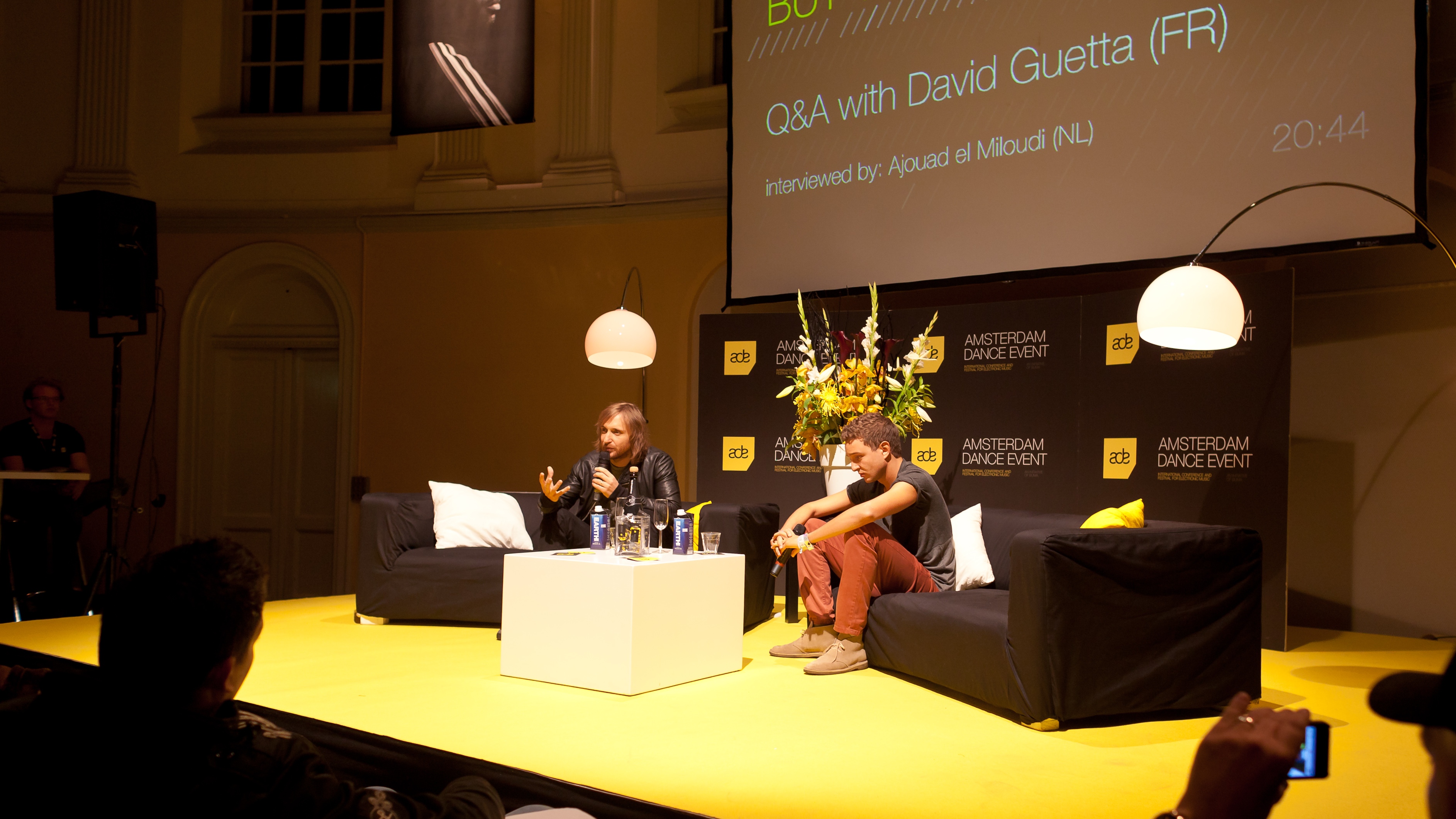
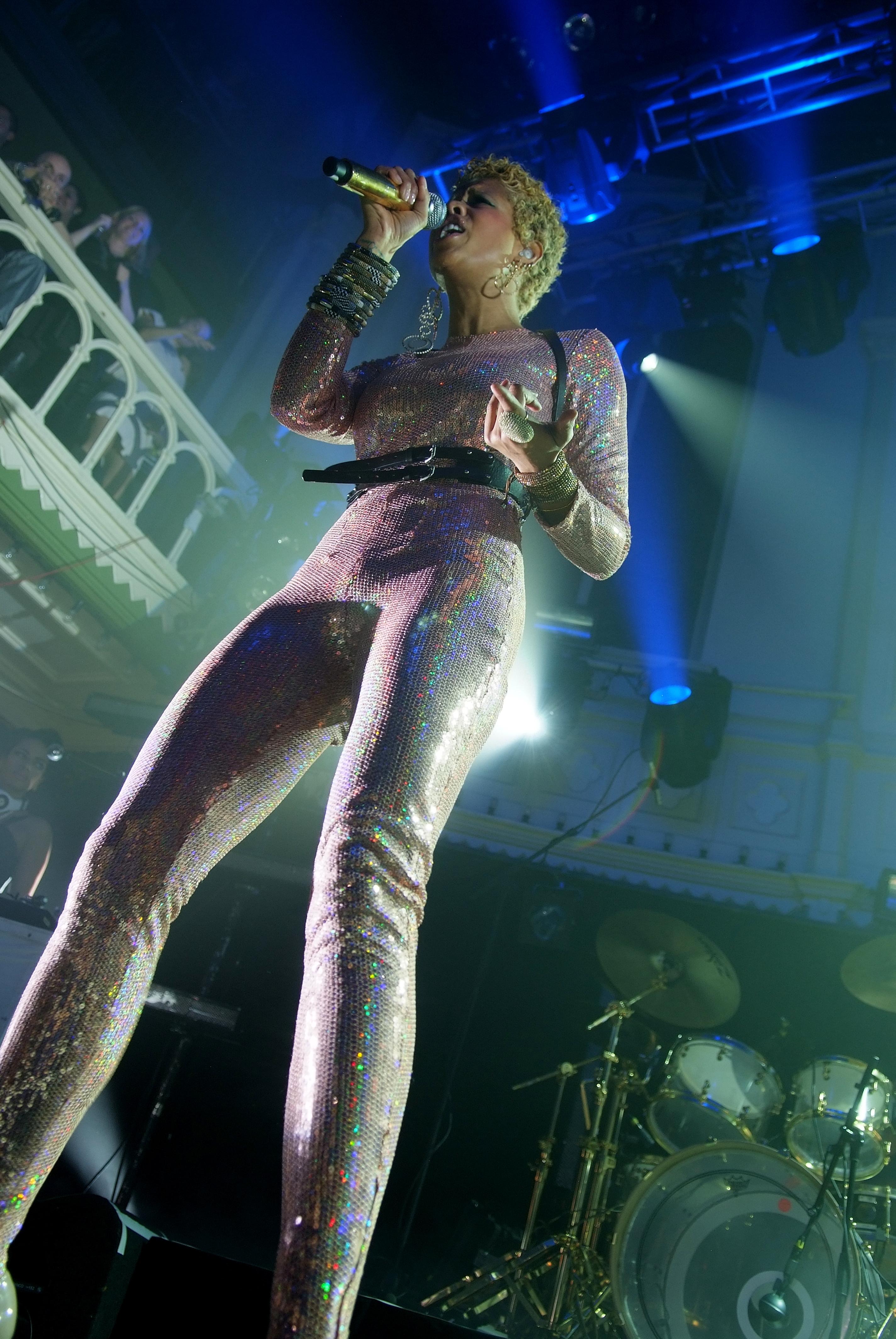
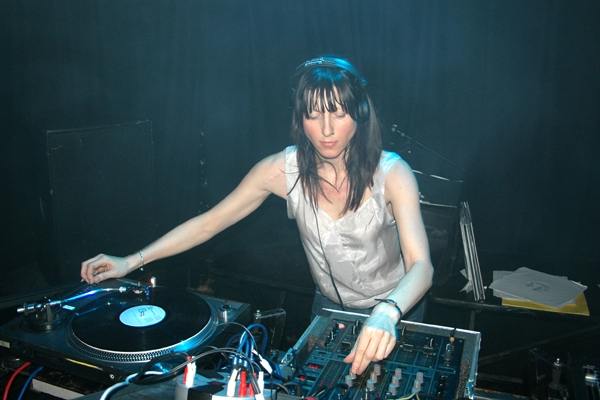
Surprising to some, ADE actually doesn’t run most of what you'll see. It invites venues and promoters to join, and the programme grows from the city itself. Van de Ven reckons that deserves far more applause than it gets.
“ADE Festival is a decentralised or open-source platform, meaning we don't dictate and we don't organise everything you see happening in the city. We rely entirely on the permanent cultural tissue of Amsterdam, over 300 independent venues, clubs, cultural spaces, institutions, and underground rooms,” he shares.
Some of those rooms are legends in their own right, like Gashouder, the 1902 gasholder that returns after a two-year renovation, and Club RAUM, the queer-run club that opened in 2024.
As Van de Ven puts it, “That grassroots infrastructure gives ADE its soul, and it deserves far more international recognition than it usually gets.”
That open-door spirit explains why this anniversary looks forward as much as back.
Jean-Michel Jarre is guest of honour in the very year his album 'Oxygène' turns 50, opening the festival at AFAS Live on October 21 and giving an exclusive keynote at ADE Pro.
The 30 YEARS ADE Icon series pairs legends with emerging talent, and Boris Acket’s EINDER, an 80-by-25-metre textile installation, ripples through De Centrale Markthal from October 21 to November 1, with the Royal Concertgebouw Orchestra opening it with Beethoven's Fifth.
There’s also a remixed Swan Lake (yes, the ballet) made for ADE, along with the first presentation of the Nighttime Culture Index created with VibeLab.
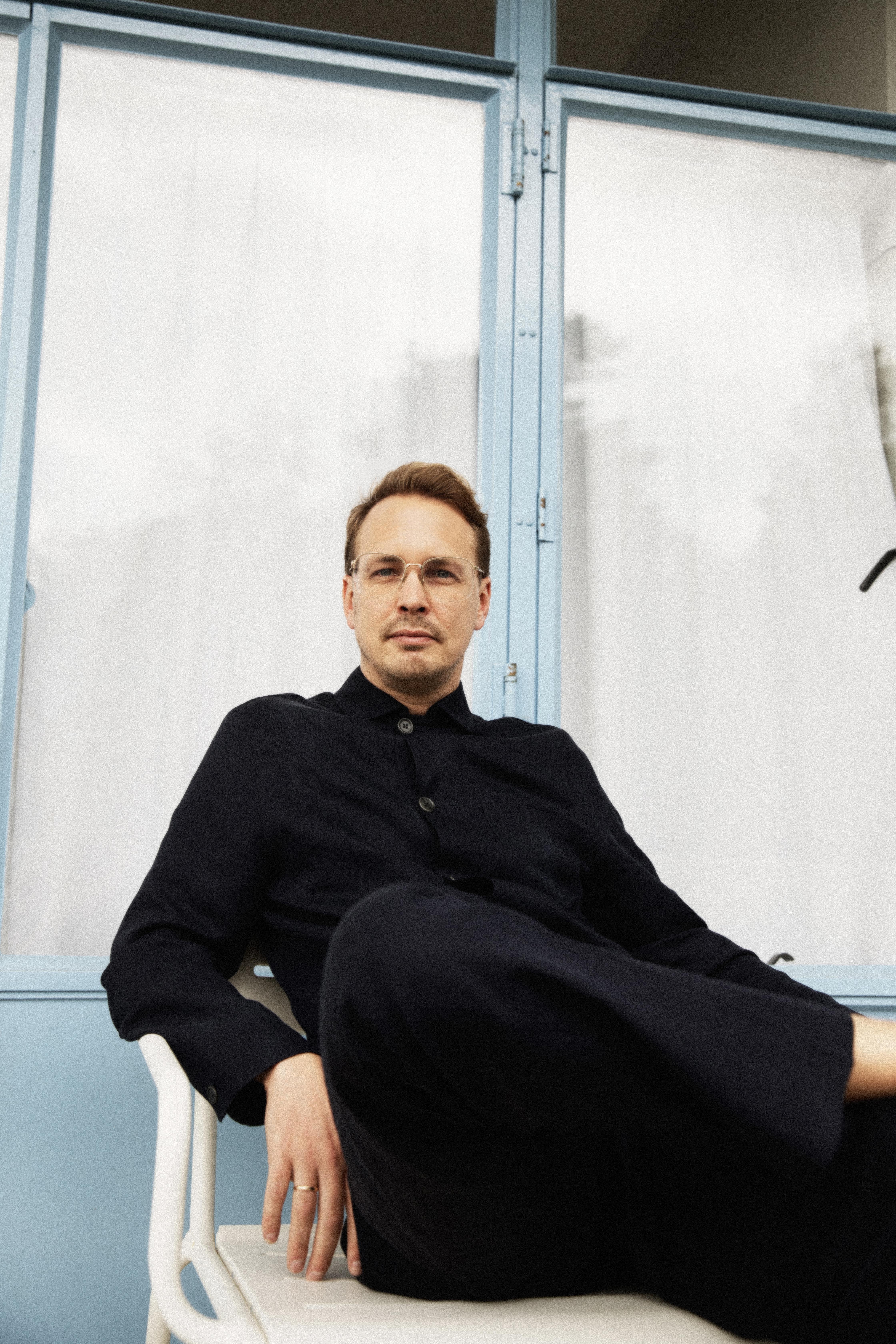
All of it points to where Van de Ven sees ADE heading: “For ADE’s 30-year anniversary, we have been reflecting on what culture is, and I see our future not only as reflecting what’s happening in the cultural landscape but also helping shape what’s next.”
Headed to ADE and hoping to make connections that last? Here’s some advice from the Managing Director himself: “Don't come to Amsterdam just trying to mirror whatever's happening here already. Bring your distinct DNA and uniqueness in sound, culture or context, whatever that may be in your case. The global community that gathers here is actively searching for new and authentic talent and sounds, and that's exactly what makes the scene here so special and lucrative during ADE. Position your presence around your own identity rather than the current expectations of the crowd.”
That spirit will be reflected at Pavilion East, a Mixmag Asia initiative with Clockenflap, NOWNESS ASIA, SOOOP, Kaboom Animation Festival and EMC, taking over Wanakam on October 22.
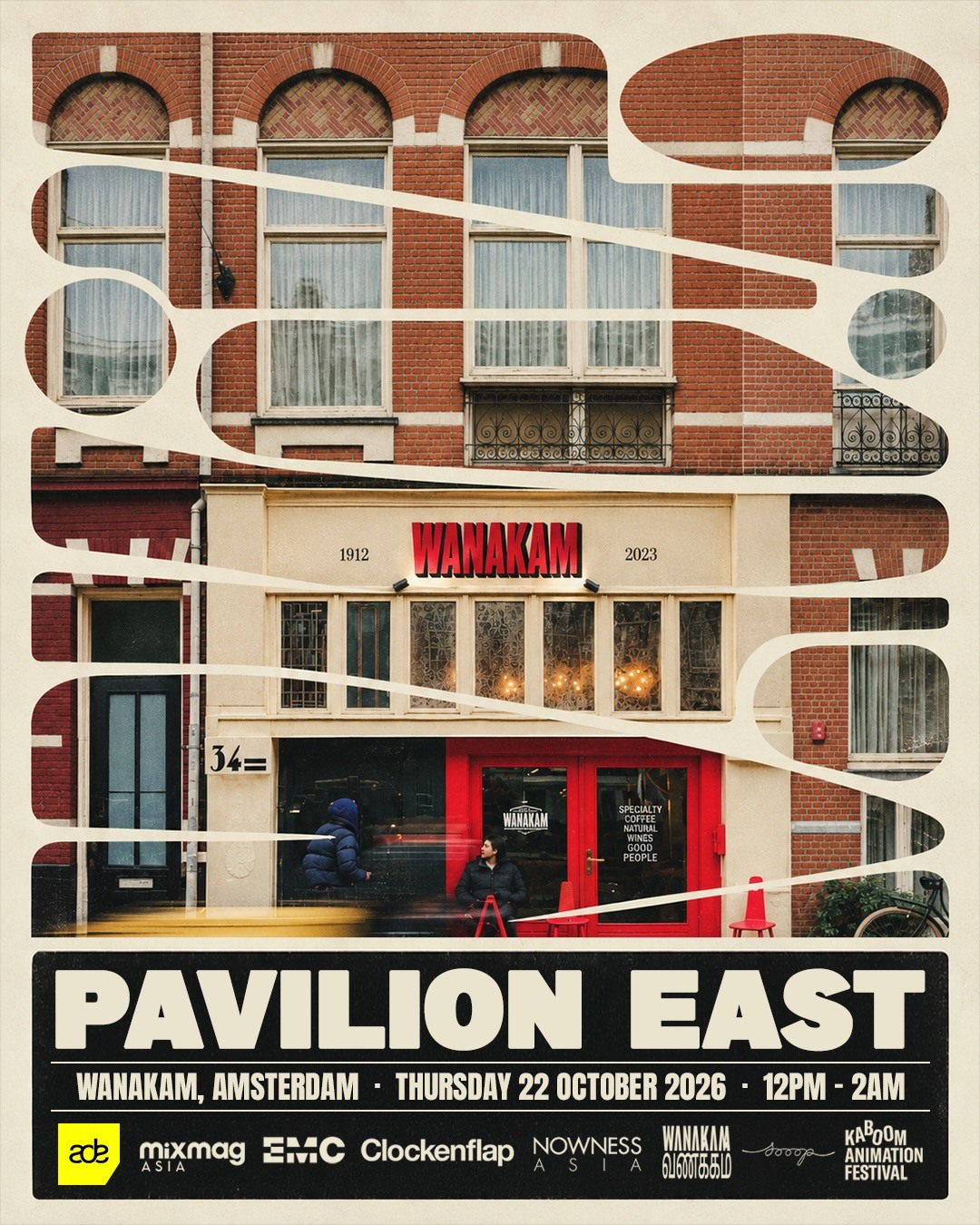
The full-day programme brings Asian underground culture into ADE through industry talks, film and animation screenings, networking and DJ sets, exploring everything from community radio history to the sustainability of diaspora collectives and the challenges of building cross-hemisphere connections.
It offers a reminder that ADE's story is not only about how far electronic music has travelled, but also about the scenes, communities and cultural perspectives that continue to shape where it goes next.
Amira Waworuntu is Mixmag Asia’s Managing Editor, follow her on Instagram.
Never miss a beat. Subscribe to our Scene Report newsletter or follow us on Instagram.
