


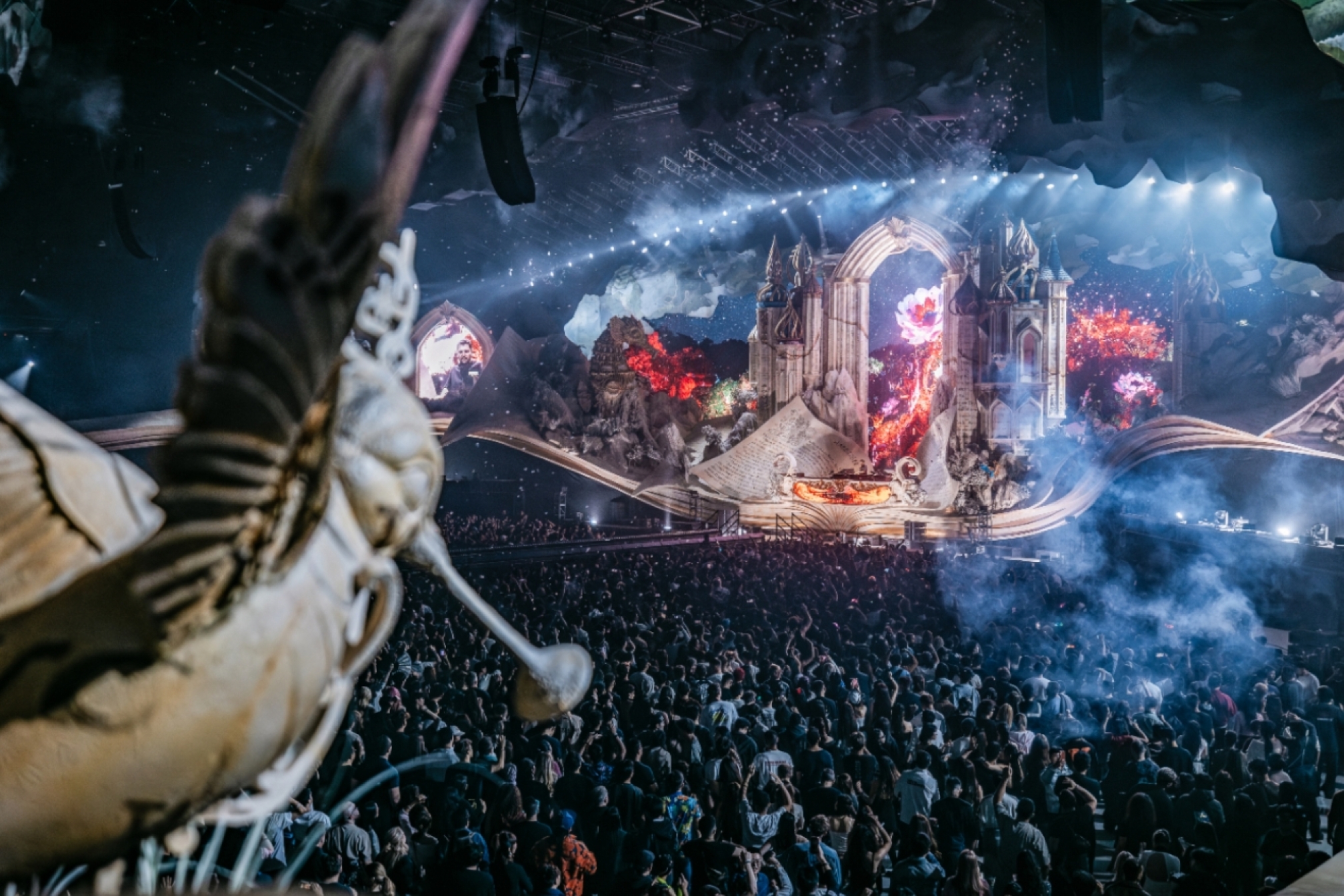
 Features
Festival Recap: The Magic of Tomorrowland brought its signature spectacle to Shanghai
The festival giant’s China debut blended high-energy performances & symbolism with a benchmark in event pageantry—here's what worked, what didn’t & what it means for Asia
When Tomorrowland first announced its expansion into Asia, safe to say it drew immediate attention.. How would one of the world’s most recognisable dance music festival brands translate to this side of the globe, and could its much-mythologised sense of magic resonate with audiences in Asia?
Ahead of its full-scale Thailand edition this December, the brand presented its first entry into Asia in China, teaming up with Hero Esports for The Magic of Tomorrowland in Shanghai.
Alongside 10,000 others, Mixmag Asia was in attendance for both days of the showcase; curious, slightly sceptical, but ready to be impressed.
Before diving into key takeaways, here’s an overview of how the weekend unfolded.
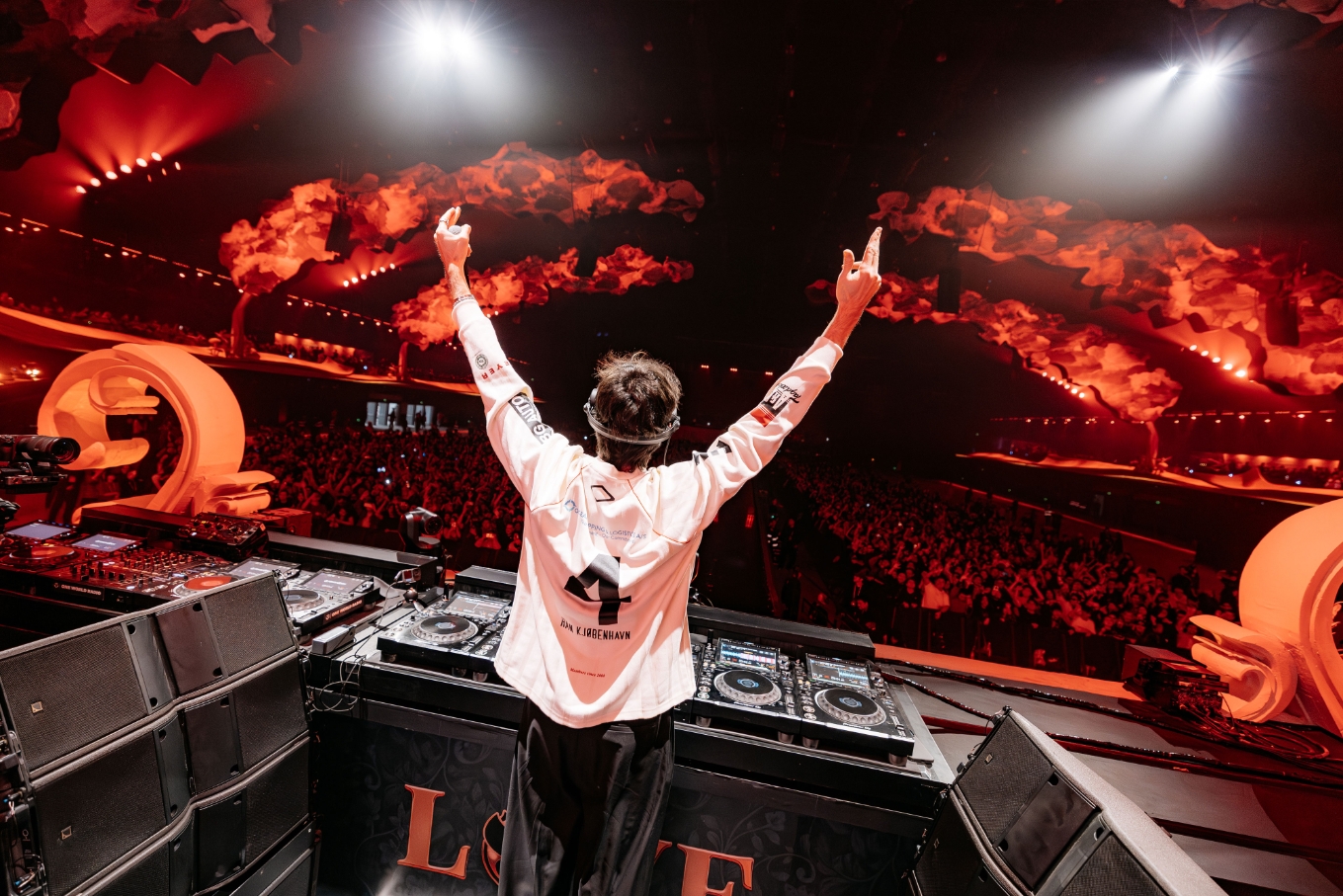
The event took place at Shanghai Huangpu Riverside, a new sprawling Shanghai venue capable of holding 10,000 people across two main buildings. The line-up remained consistent across both days, a programming choice that did not deter repeat attendance.
Artists included Amelie Lens, Chris Lorenzo, Dimitri Vegas, Don Diablo, Henri PFR, and many more, delivering a distinctly Tomorrowland-flavoured roster of big-room energy and crowd-pleasing anthems.
Read this next: Inside Justin Guan’s vision for China’s next entertainment era
Notably, the line-up featured limited Chinese or even broader Asian representation. While understandable given Tomorrowland’s European roots and the event’s positioning as a brand showcase, the absence of local and regional names seemed like a missed opportunity, particularly in a market as rich and complex as China’s.
Despite this, Meguru’s b2b with Amber Broos was arguably a highlight of the entire weekend, underlining just how impactful that local connection can be when given the space.
And although Asian representation in the bookings may have been lacking, the scenography, decor, food and fashion stalls were all produced locally. So at least there’s that.
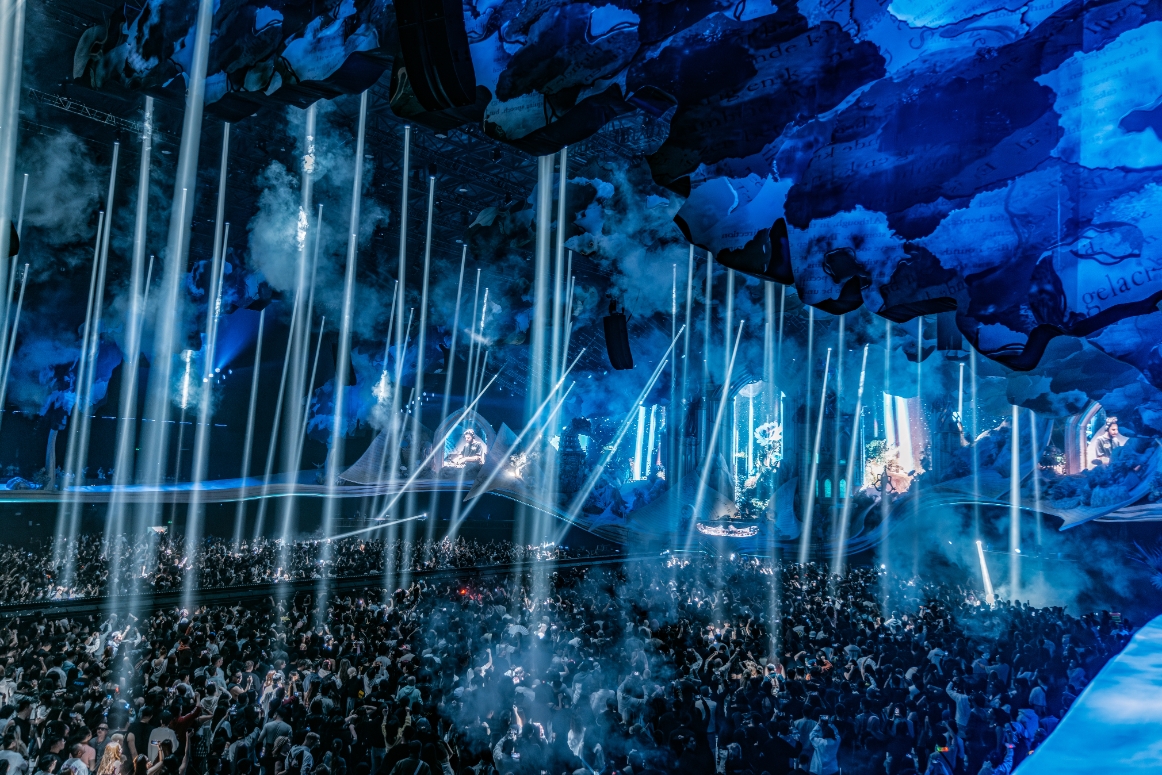
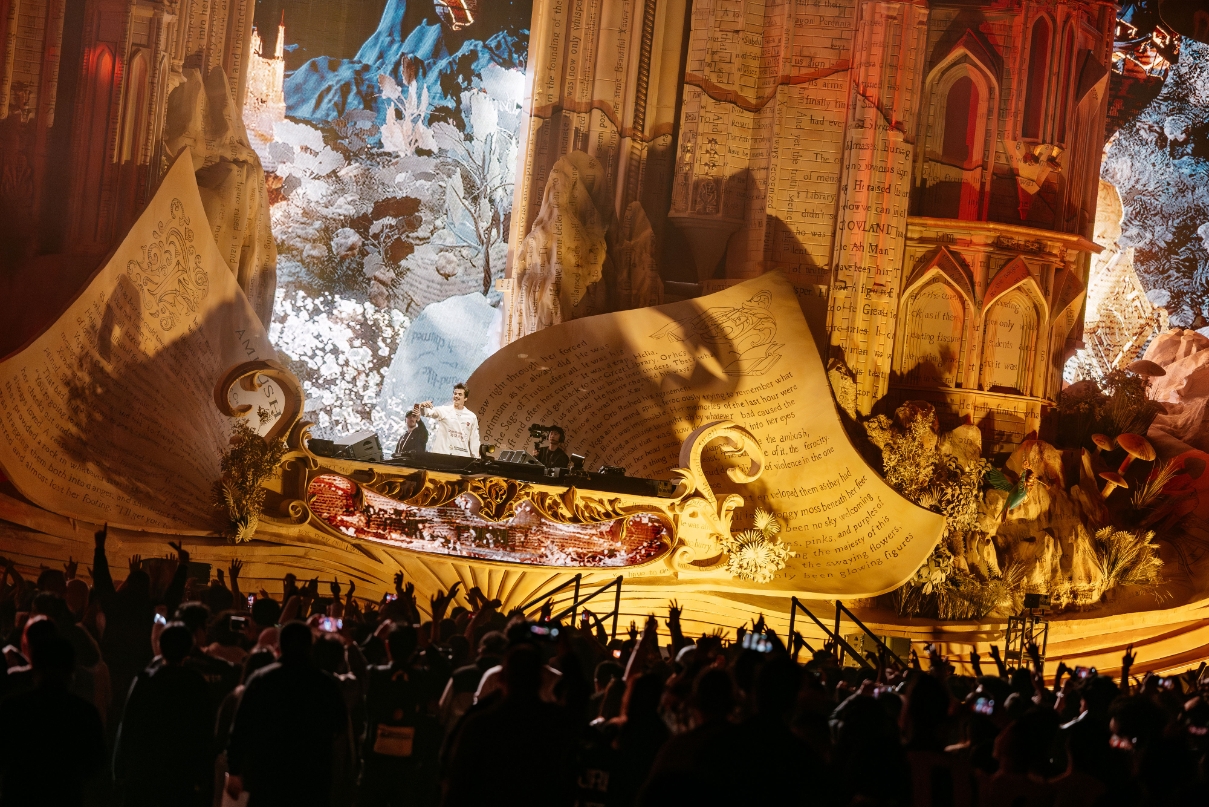
The festival featured two main stages: the Paperworld Stage (the clear crown jewel), and The Butterfly Stage (smaller but still wildly impressive).
Music-wise, it leaned more to more accessible commercial tunes. Edits of ‘Viva La Vida’ and ‘FE!N’ clearly resonated with large audiences, and the crowd’s reaction ultimately confirmed this. Personal tastes aside, watching thousands of people lose their minds in unison whilst singing ‘Sweet Disposition’ was undeniably powerful, even if a bit repetitive.
Read this next: Inside The Gathering 2025: exploring access, collaboration & sustainable music futures
In a broader context, the festival felt like a significant moment for China. Historically, running large-scale festivals in the country involves substantial regulatory hurdles. Most events are strictly free of alcohol, so the fact that attendees were permitted up to two alcoholic drinks already felt like a small victory.
With numerous festivals having disappeared over the years, the arrival of arguably the biggest festival brand in the world into China carries considerable symbolic weight. It signals trust, ambition, and a potential (and hopeful) shift in what’s possible moving forward.
Beyond the music, the extracurriculars were genuinely impressive. Over 25 food vendors served a wide range of cuisines, including some (unfortunately) slightly disappointing Michelin-star carbonara, while interactive elements included giant arcade-style coin machines, rodeo rides, and various games and brand activations.
The Hero Esports museum experience proved to be an unexpected, but welcome addition. As the team that brought Tomorrowland to China, it felt apt to show off their accomplishments in their primary field; Esports and gaming. It was done tastefully, and given the sheer excitement in China surrounding Esports, clearly very wanted.
All in all, the weekend was defined by pageantry; it was a spectacle in its purest form.
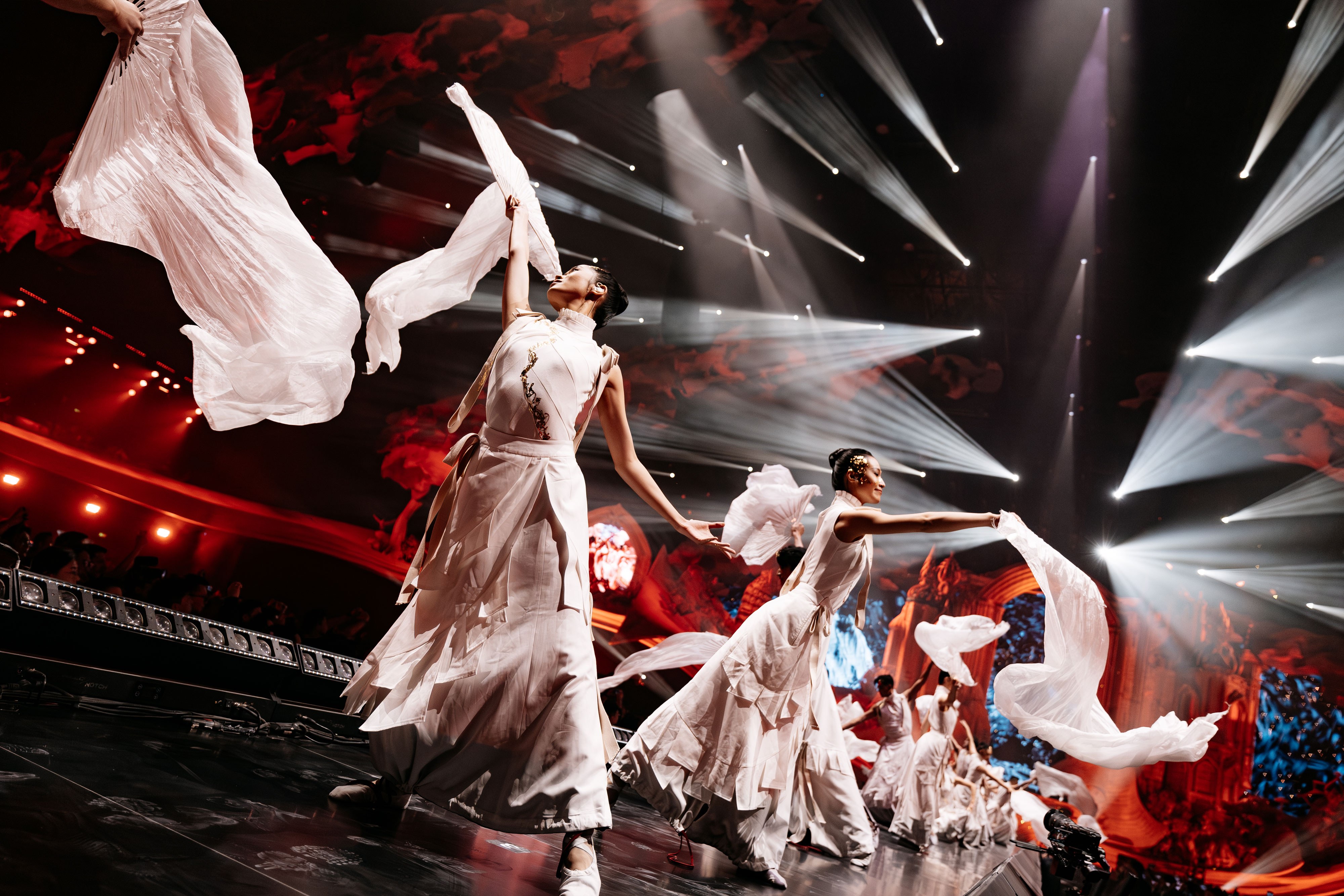
The stage designs matched this level of theatricality.
The Paperworld Stage, in particular, was a sight to behold. Over 1,000 moving lights, 374 square metres of LED wall, 118 speakers, and a 45-metre catwalk. It was maximalist, intricate, and unapologetically grand, exactly what you’d expect from Tomorrowland, translated faithfully into a new setting.
Read this next: The artification of electronic music in Shanghai & beyond
Between DJ sets, more than 20 dancers would rise from the centre of the crowd on a high-platform stage, performing choreographed routines soundtracked by a booming, Morgan Freeman-esque voice delivering poetic, and slightly over-the-top narration.
One unavoidable and unfortunate takeaway was the sheer number of phones in the air. Alongside the music came a sea of TikTok dances, posed videos, and constant screen-checking. At times, it felt strange to see such huge artists playing to a crowd more focused on capturing the moment than fully inhabiting it.
That said, this, too, felt like a reflection of contemporary festival culture, particularly in a city as digitally fluent as Shanghai at an event as Instagram-worthy as a Tomorrowland spinoff.
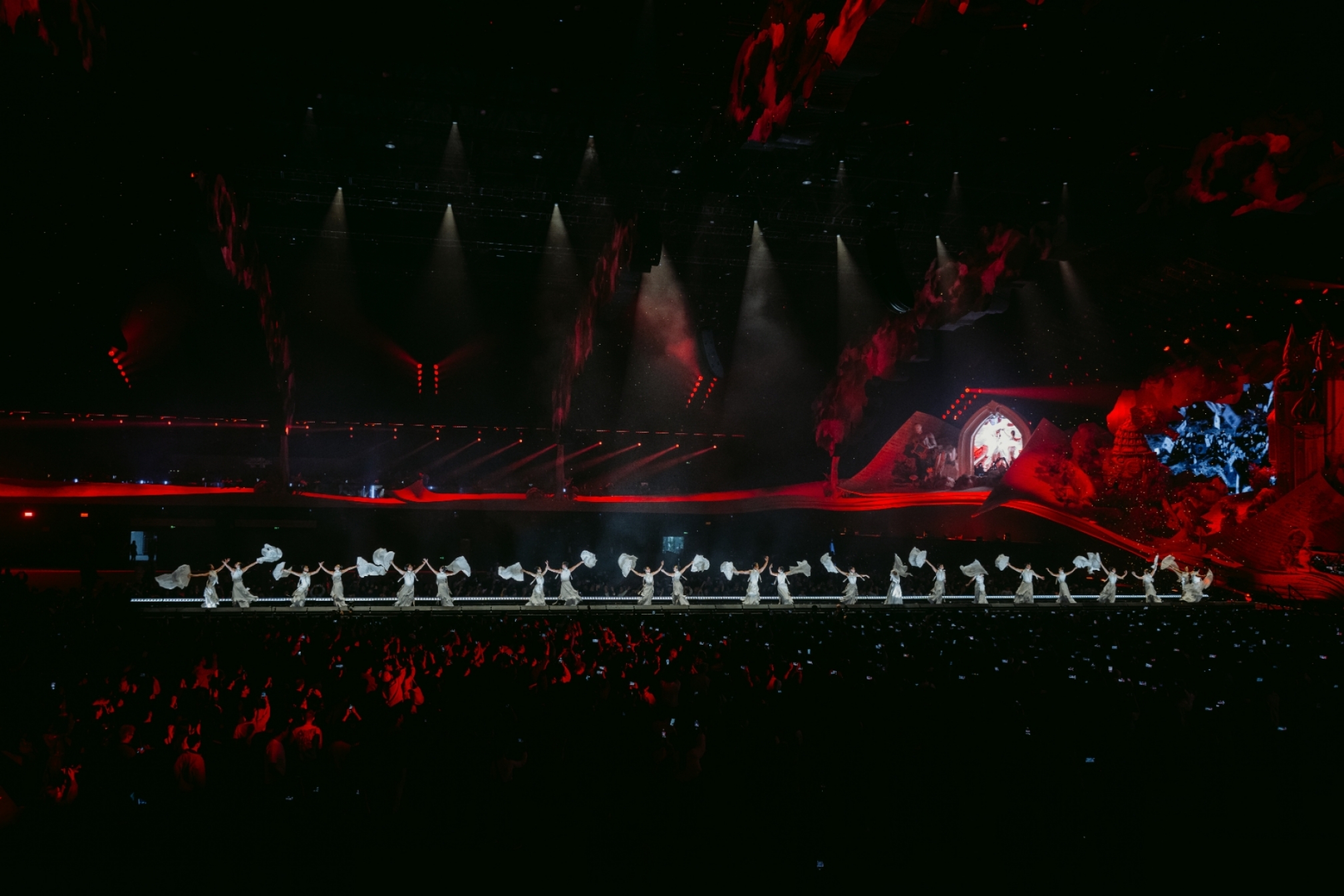
Overall, The Magic of Tomorrowland can be considered resounding success, not just for the organisers, but for China’s festival ecosystem as a whole. While personal moments of disconnection and personal taste being off were evident, the execution, production quality, and sheer scale were undeniably impressive and some of the highest-level festival production we’ve seen.
What was achieved here — logistically, creatively, and culturally — was no small feat, especially in a market as volatile as China. If this was a preview of what’s to come in the (hopeful) return to Shanghai, alongside Thailand’s main Tomorrowland festival in December, the bar has been set very high.
Read this next: “For all the misfits in the world”: Peter Hook shares why The Haçienda was and still is ahead of its time
Looking ahead, here’s hoping the festival places greater emphasis on Asia itself—its artists, musical identity, and cultural context—rather than try to replicate the Belgian powerhouse to a tee. Asia is ripe with talent, culture and message, which deserves a platform of this scale.
We hope to see more of a melding of these two worlds as a genuine fusion, not a copy-paste. After all, there is a meaningful difference between an Asia-focused Tomorrowland and a Tomorrowland that just happens to be hosted in the region.
Henry Cooper is a Writer at Mixmag Asia. Follow him on Instagram.
Cut through the noise—sign up for our weekly Scene Report or follow us on Instagram to get the latest from Asia and the Asian diaspora!
