


 Interviews
Inside Justin Guan’s vision for China’s next entertainment era
The INS Land President breaks down the brand’s growing ecosystem & explains how Tomorrowland’s debut in China reflects a new era for urban nightlife
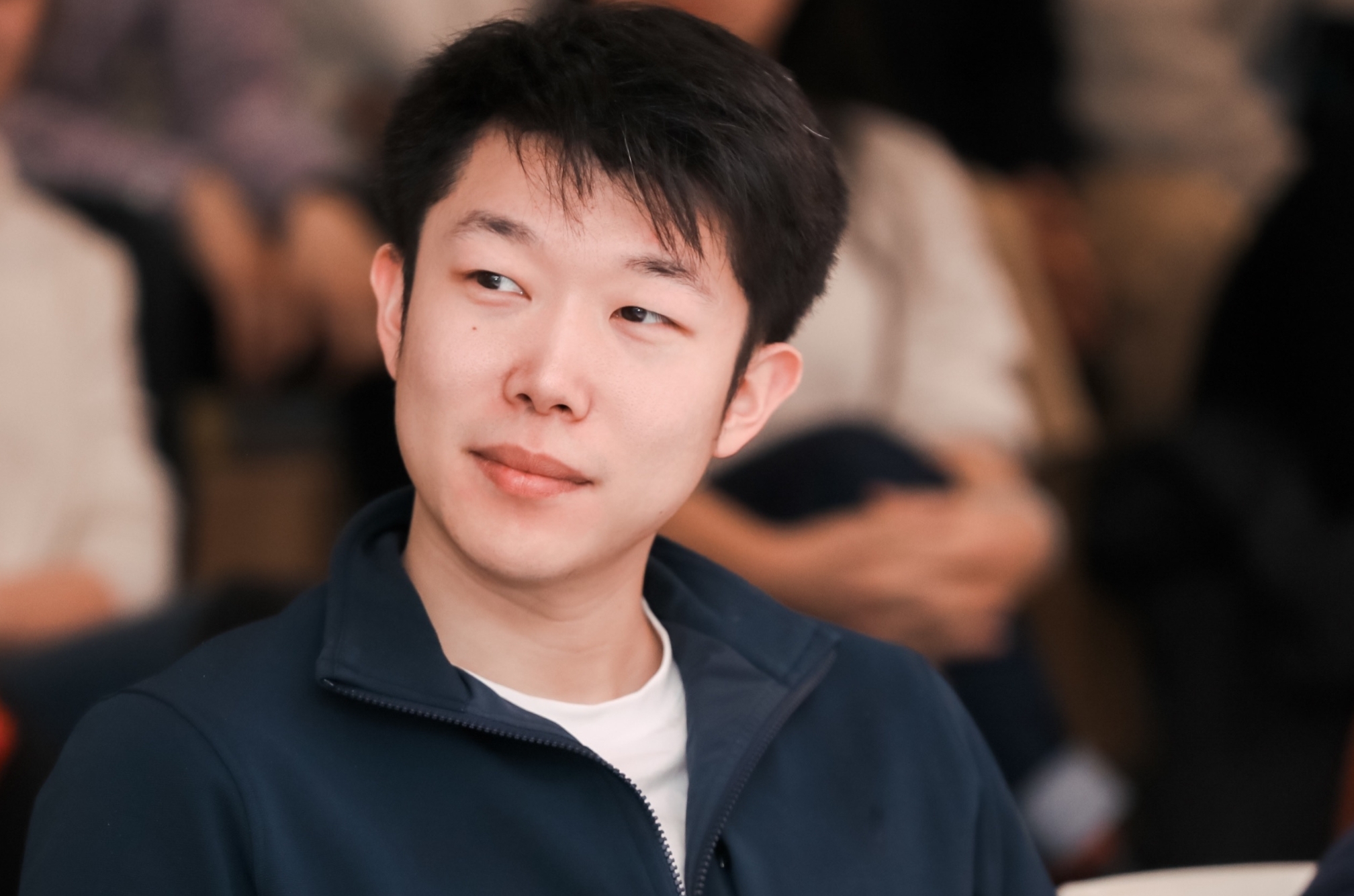
As China prepares to welcome The Magic of Tomorrowland for the very first time, one of the key figures behind this milestone is Justin Guan.
As Co-founder and President of INS Land (an innovative operator of entertainment and commercial complexes), Guan plays a central role in bringing the globally beloved festival brand to Shanghai in a format never attempted before: Tomorrowland’s first indoor edition.
It’s a moment that naturally draws attention to the people shaping the country’s fast-evolving electronic music scene, and Guan is one of them.
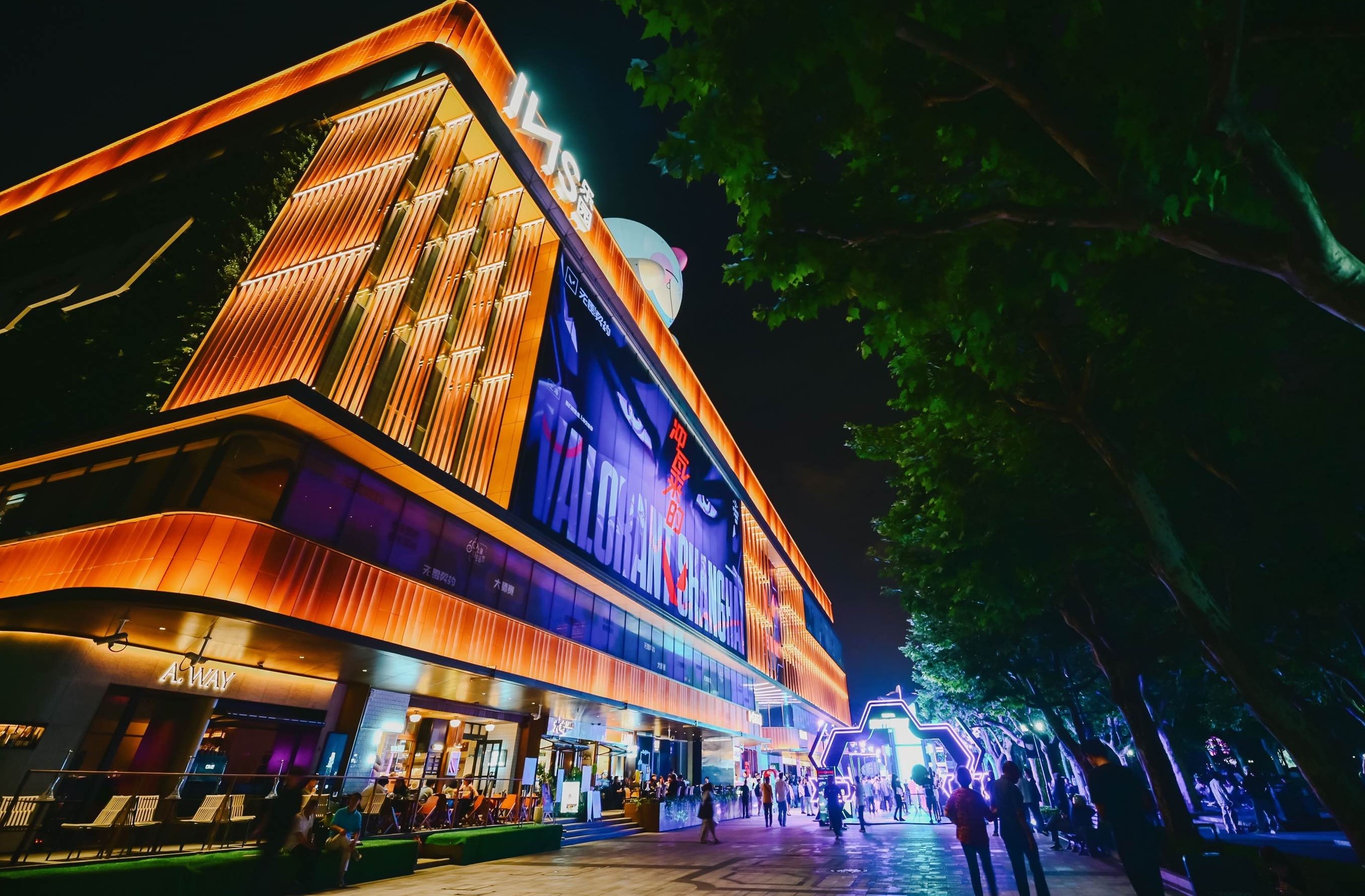
Through INS Land and its flagship complex in Shanghai, Guan has helped introduce a new kind of urban playground that blends nightlife, music, gaming, and cultural spaces under one roof.
WIth the group's extended collaboration with Tomorrowland and eyes set on opening new INS Land locations, this ecosytem is beginning to influence how large-scale music experiences take shape for a new generation of audiences.
In our conversation, Guan opens up about cross-cultural collaboration, the realities of building entertainment spaces in China, and how INS Land’s model may shift expectations around electronic music experiences. He also reflects on his own path, from venture capital to creating destinations designed for connection.
First of all, congratulations on bringing over Tomorrowland to China! What does The Magic of Tomorrowland mean to you personally, and what did you envision when bringing that spirit to China?
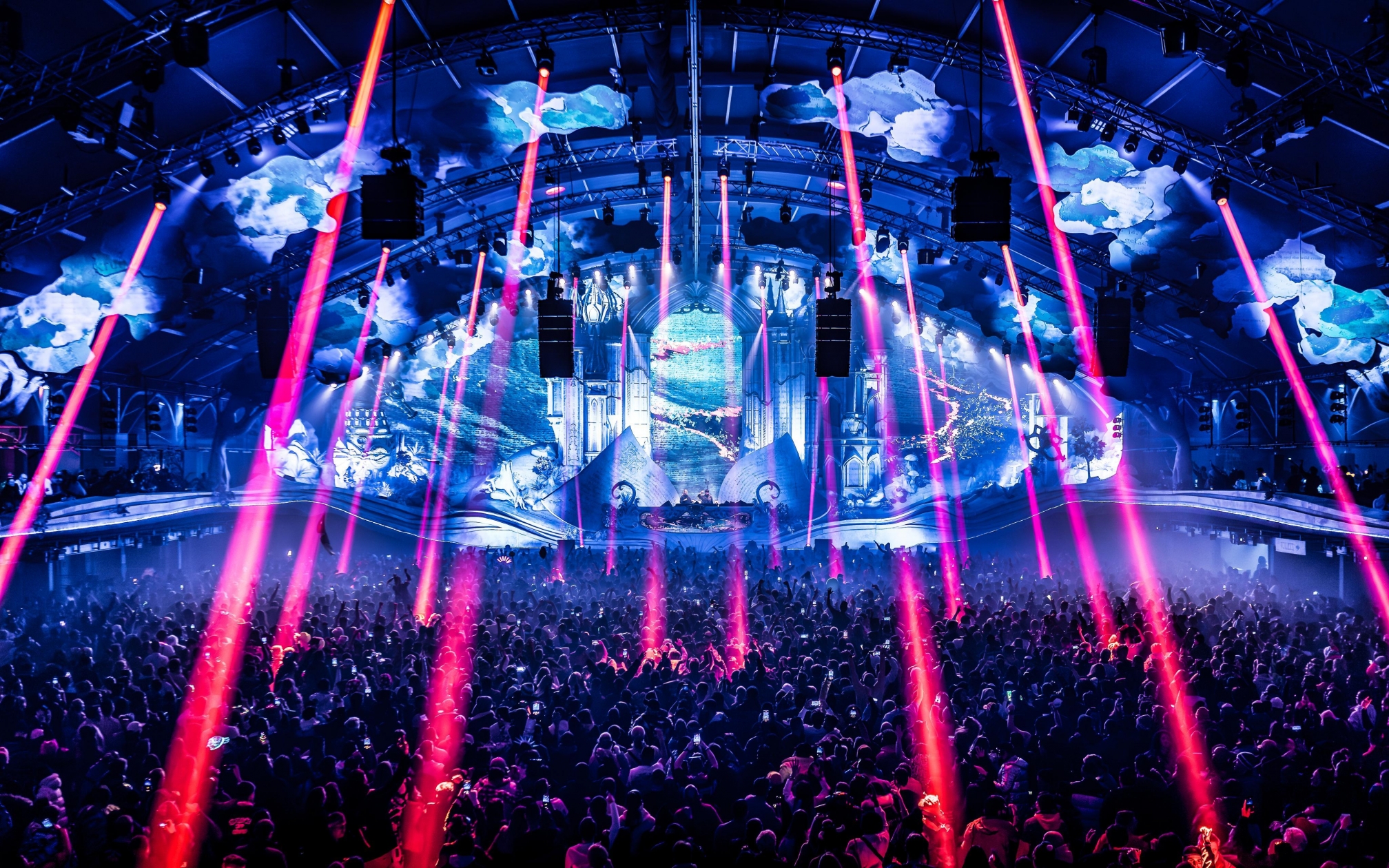
The Magic of Tomorrowland is truly a milestone for us and a milestone for China—more than a music event, it is a showcase of talent and teamwork between the East and West. This event is a bridge between Eastern and Western cultures, artists and audiences. With a fantastic lineup of globally leading DJs as well as the biggest talent in China, to world-class stage production, multicultural food curation and exclusive merchandise, this event has really been able to not just bring a global IP to China, but actually make it 'Chinese'—it was important to us to respect and understand the DNA of this festival but also implement it in a way that pays respect to the city hosting it.
With our sister company Hero Esports, INS Land wants to bring more major entertainment events to China. This may be the first major music event we have brought to China to date, but it certainly won't be our last.
This will be the first-ever indoor edition of Tomorrowland (in addition to its historical China debut). How are you ensuring that the event stays true to Tomorrowland’s DNA while still reflecting Chinese culture and audience expectations?
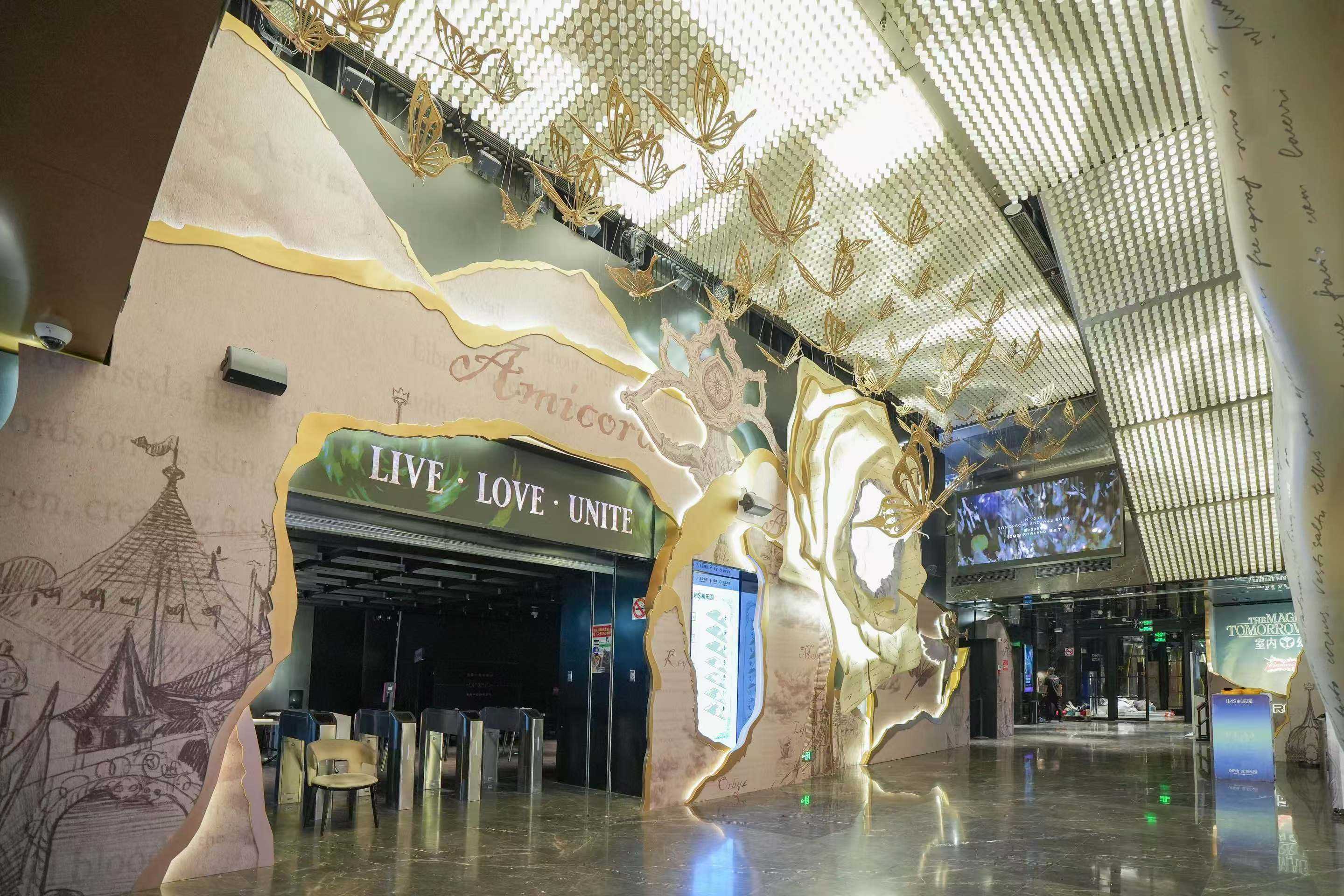
Teamwork. Nothing other than the strongest of communication by the hundreds of people that are working on The Magic of Tomorrowland could have ensured that we created something that is true to Tomorrowland's DNA. Every Tomorrowland event is created with specific details—there are elements of the stage that are handmade and we had crew from Tomorrowland's global team fly to China to get the production done from start to end. It is inspiring to see this brand care so much about the little details and focus so much on making sure audiences have a great experience. It was heart warming to see our two teams from opposite ends of the world work together to make sure the stages were ready to the highest standard.
The people at INS Land and Hero Esports really learnt a lot - beyond an event this was months and months of cultural exchanges. At INS Land we produce experiences all year round at our flagship complex in Shanghai and Hero Esports produces literally thousands of esports matches every year across Asia. We had the music and event expertise, so our challenge was understanding the Tomorrowland DNA.
To learn better, we made sure our team went to Tomorrowland Belgium this year to see their biggest event first hand. We brought in our expertise on the China market to add new elements to The Magic of Tomorrowland which audiences will see—including local foods partnerships, merchandise and local special guest performances from Masiwei and Gali—two of China's top hip hop artists. This collaboration allowed us to expand the possibilities of this show to create something new and hopefully something meaningful to our audience!
How do you hope the festival will influence the perception of electronic music and live events in China’s cultural landscape?
More than an event, we see this as a chance to show the world to China and bring China to the world; a bridge for local artists to be elevated on a global stage and bring global acts to China. Beyond the event, entertainment is a way to connect people, to go out and try new things and The Magic of Tomorrowland will be something completely new.
There are two beautifully designed stages, a massive showground and plenty of experiences to explore. It's something people of all ages can go and enjoy and a way to spend your weekend experiencing the hottest music of this generation—from house to techno to EDM. We think more music lovers will be born from this event and it will pave a path for more events like it to come to China and be brought to this market in reimagined and exciting ways.
This is quite a top-tier collaboration; are there any lessons you learned about building successful cross-cultural partnerships that you can share with us?
Success means strong communication; a Chinese brand working with a European brand means you need a lot of people-to-people communication to overcome our natural cultural differences. But where there are differences, we see opportunities, not limitations. We have been able to learn what is done and what works in Boom and brought that knowledge and experience and paired it with what we know in China to create something phenomenal—The Magic of Tomorrowland.
Read this next: “A local culture created”: How the pandemic connected China’s club scene
Now talking about your career; you began in venture capital and have backed more than 60 startups. How has that experience influenced the way you approach scaling an entertainment ecosystem like INS Land?
From VC to INS, I think something that is similar in both spaces is being able to find a product that can tell a story. Consumers of all industries connect with authenticity and heritage. INS Land is the story of a group of people who believe and also live our motto of PLAY; an acronym that stands for "Peace - Love - Adventure and You Only Live Once". At the heart we are about creating connections and not just for youth but aspirational people who are seeking to find and reconnect with their inner youth. INS Land is a place for people to escape adult life and reconnect with themself and their community.
Can you share with us a bit about your vision for INS Land and what inspired it?
INS Land is brand that is leading in innovation. It was inspired by the idea of: how can we make a physical place or series of places, feel like a dreamland? How can we create a 'Disneyland for adults'? Many partners in the company come from gaming backgrounds and we wanted to create something in reality that could be as close to the virtual experience. We wanted users to feel like they are a character in a video game going through different levels and each level has its own theme and its own mini universe.
That is how INS Land was born. That is why every level of INS Land has its own unique design. Yet, as a whole, the venue works together and supports each other. Our vision is to bring this concept to more cities.
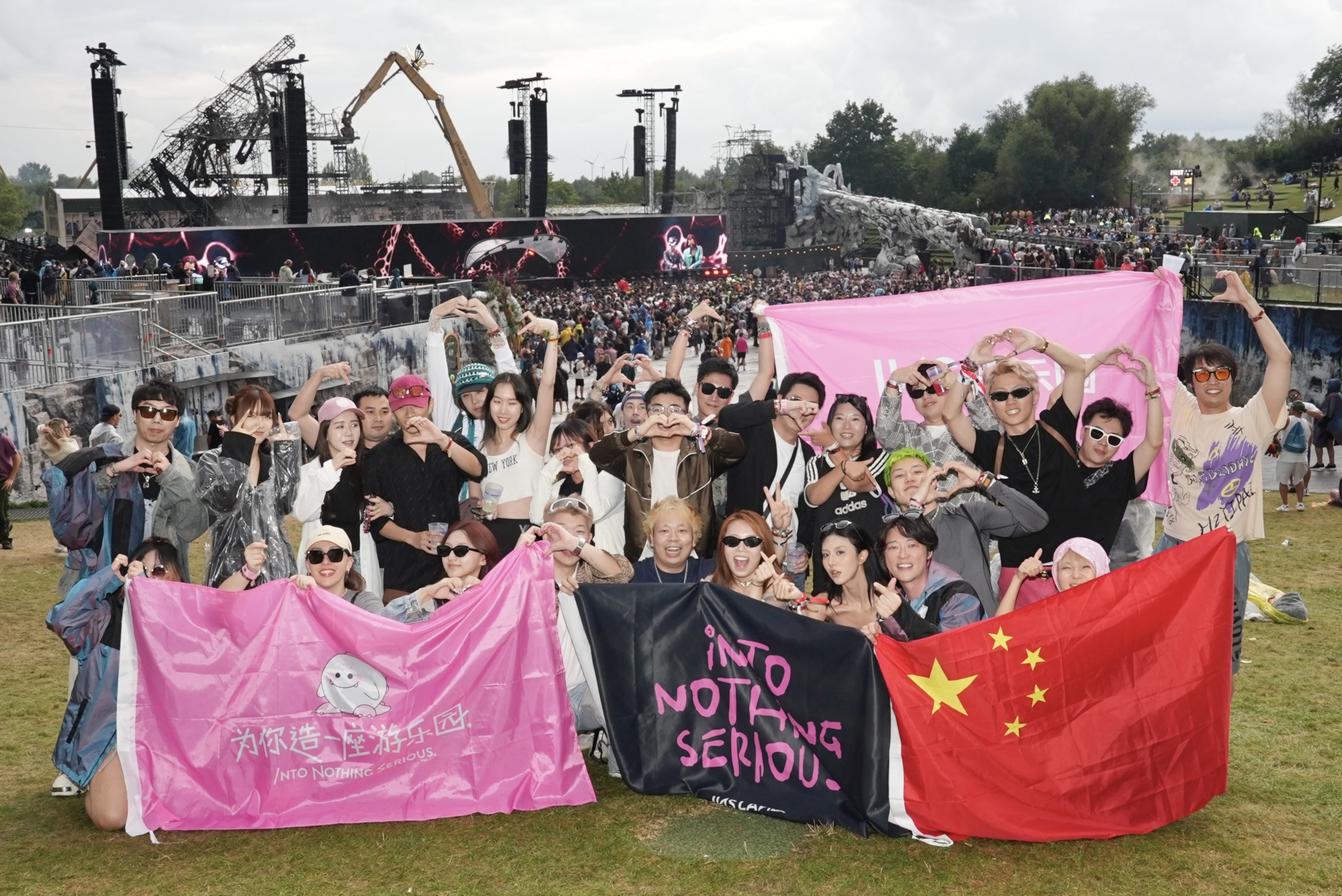
China’s electronic music and festival scene seems to have grown rapidly over the past decade. What do you see as the biggest opportunities and challenges in this market today?
Consumers today always want something new, something exciting and something worth their money. We thankfully have a very dynamic, very young, very hungry team that enjoys meeting these challenges and work quickly to not just follow trends but create them. If you come to INS Land one day and visit again in a few months or even few weeks, you are not going to get the same experience—we regularly change up venues, as well as change the theme and design of the main lobby every quarter.
How do government policies and the rise of cultural tourism impact the development of China’s nightlife and live entertainment sectors?
China's visa-free policy for several nations has been a great way for more tourists to come to China and see what we have to offer. Thanks to social media we see more and more people becoming curious about China—and why wouldn't they be? Mega cities in China are safe, efficient and exciting as well as culturally rich. And INS Land is an experience unlike anything else in the world. It is great that we have the support of the government to do what we do and build the type of venues that we have, which we hope to replicate in more cities.
It’s probably safe to say that the market in China and the rest of Asia now leans towards being digital-first, globally connected, and are culturally curious. How are their values shaping the future of nightlife and live music experiences in your opinion?
Our INS Land app is the perfect example of this—we built something that was digitally accessible and also an app that you don't just buy tickets to events but one that has its own community ecosystem. Being curious is such a great thing because it means we can experiment with so many different people, brands and ideas. INS Land is like a magical vortex and you never know what is going to be inside; it can constantly adapt, change and renovate. The INS Land core is really about being fun, being 'not serious' and always show love; love for yourself, your colleagues and your work.
Read this next: “AI doesn’t exploit musicians, people do”: What if artificial intelligence doesn’t have to hurt the music industry?
What does the future of live entertainment look like in China to you, especially as the boundaries between physical and digital experiences continue to blur?
We do see a blur between offline and online. Gaming is a huge experience in China that the majority if not all of China's youth are invested in. But sometimes we want to get off the online space and meet our people offline. We hope we can continue to create new spaces where people in all types of communities can feel welcome; whether you're into music, art, food, we have venues for you. If you're into EDM or techno or hip hop music, we have venues for you.
Beyond Shanghai, we also host satellite events all over Asia. Whether the theme is EDM, or sound healing yoga, or hosting esports events—the playbook is the same. Create experiences that connect, create moments that become memories. One new event that is happening right after The Magic of Tomorrowland is actually bringing Miss Monique to Hong Kong on December 14.
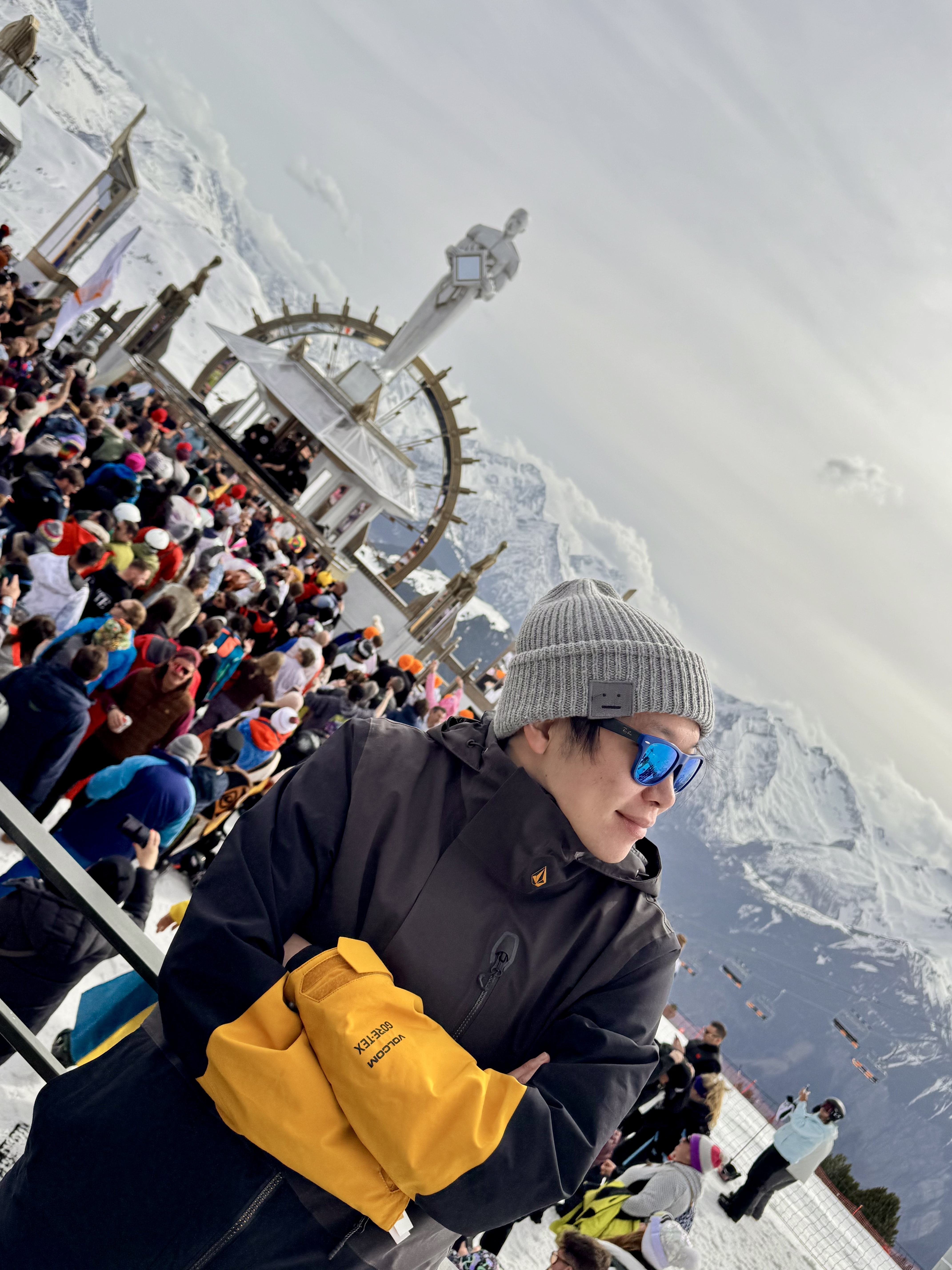
Can you share with us what personal experiences first sparked your love for music, nightlife, or large-scale cultural events?
Back when I was studying in Hong Kong, Halloween was one of my favorite occasions. Everyone would dress up in whatever they loved and celebrate together. That was also when I truly felt how precious real, in-person human connection is—people from different cultural backgrounds and places gathering for the same purpose.
As for music, I started with piano as a kid. Later, I realised piano wasn’t exactly the most convenient instrument for impressing girls, so I switched to guitar. In secondary school, I also played in bands and sang in vocal groups.
What advice would you give your younger self about pursuing vision over certainty?
It’s the age-old reminder: stay grounded in the present. You can never fully predict what the future holds. As Steve Jobs famously said: "you can only connect the dots looking backwards". Focus on what feels meaningful and valuable right now—when you look back, you’ll realise all those moments eventually connect.
Read this next: Review: AlphaTheta OMNIS-DUO
Also, what’s one piece of valuable advice that you can give to young entrepreneurs out there?
My advice is: don’t let anxiety take over. There are countless opportunities in this era—from the rise of AI to emerging industries. I personally believe that in the next 5‒10 years, many small but exceptional companies will emerge. Small teams will be able to create unusual and exciting products. For many businesses, the goal may not be scale or dominance, but elevating service quality and serving niche or long-tail users.
What kind of music do you listen to when you’re alone? Has your personal taste influenced the kind of sound or vibe INS Land represents?
I think the influence goes both ways. For example, when Playground—what later became Dirty House—came along, I started listening to more techno. My original tastes were more old-school: rock music and similar genres. A few years ago, when Chinese hip hop surged, I also had my favorite rappers and would go to their shows. As for electronic music, I began to listen much more to it, even more after INS Land was created.
What does nightlife mean to you personally (beyond business)?
Personally, I feel that nighttime is the part of the day that truly belongs to oneself. Night accounts for one-third of our lives, and during the day we carry responsibilities and social roles. It’s only at night that we finally have the space to be who we are.
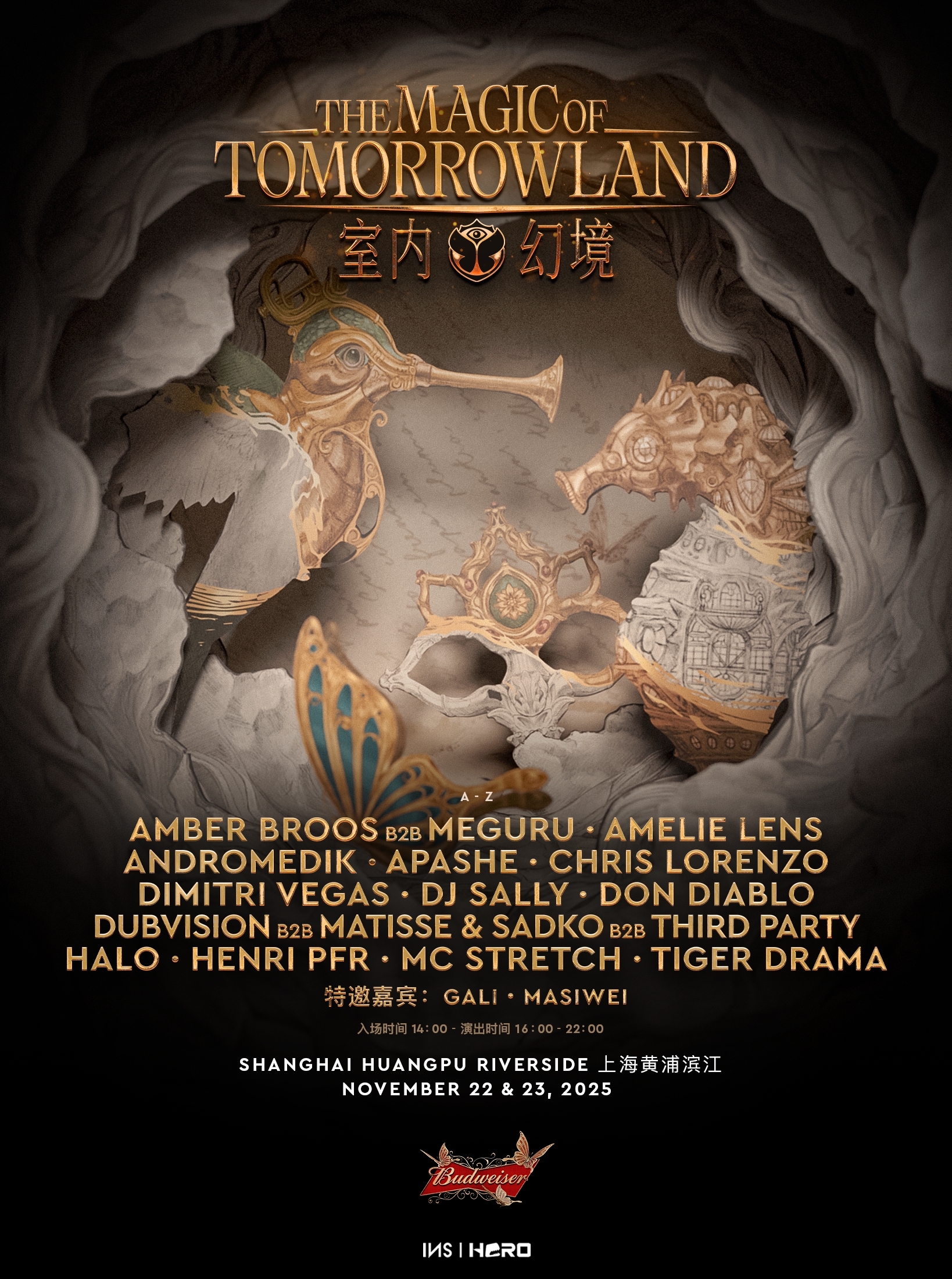
The Magic of Tomorrowland lands in Shanghai on November 22-23; for more info and tickets, head here.
Amira Waworuntu is Mixmag Asia’s Managing Editor, follow her on Instagram.
Cut through the noise—sign up for our weekly Scene Report or follow us on Instagram to get the latest from Asia and the Asian diaspora!
