


 Features
Inside The Gathering 2025: exploring access, collaboration & sustainable music futures
Insights from the artist-led discussions & perspectives from Amsterdam Dance Event leadership on how connection, decentralisation & infrastructure underpin electronic music across borders
On December 10, EMC and Mixmag Asia brought The Gathering back to Bangkok, continuing a cross-regional exchange that connects artists, organisers, and music communities across Asia and Australia.
Anchored by a five-day Artist Retreat at Karma Studios in Chon Buri, the program then explored both the lived realities of artistic practice and the long-term infrastructure needed to sustain electronic music ecosystems.
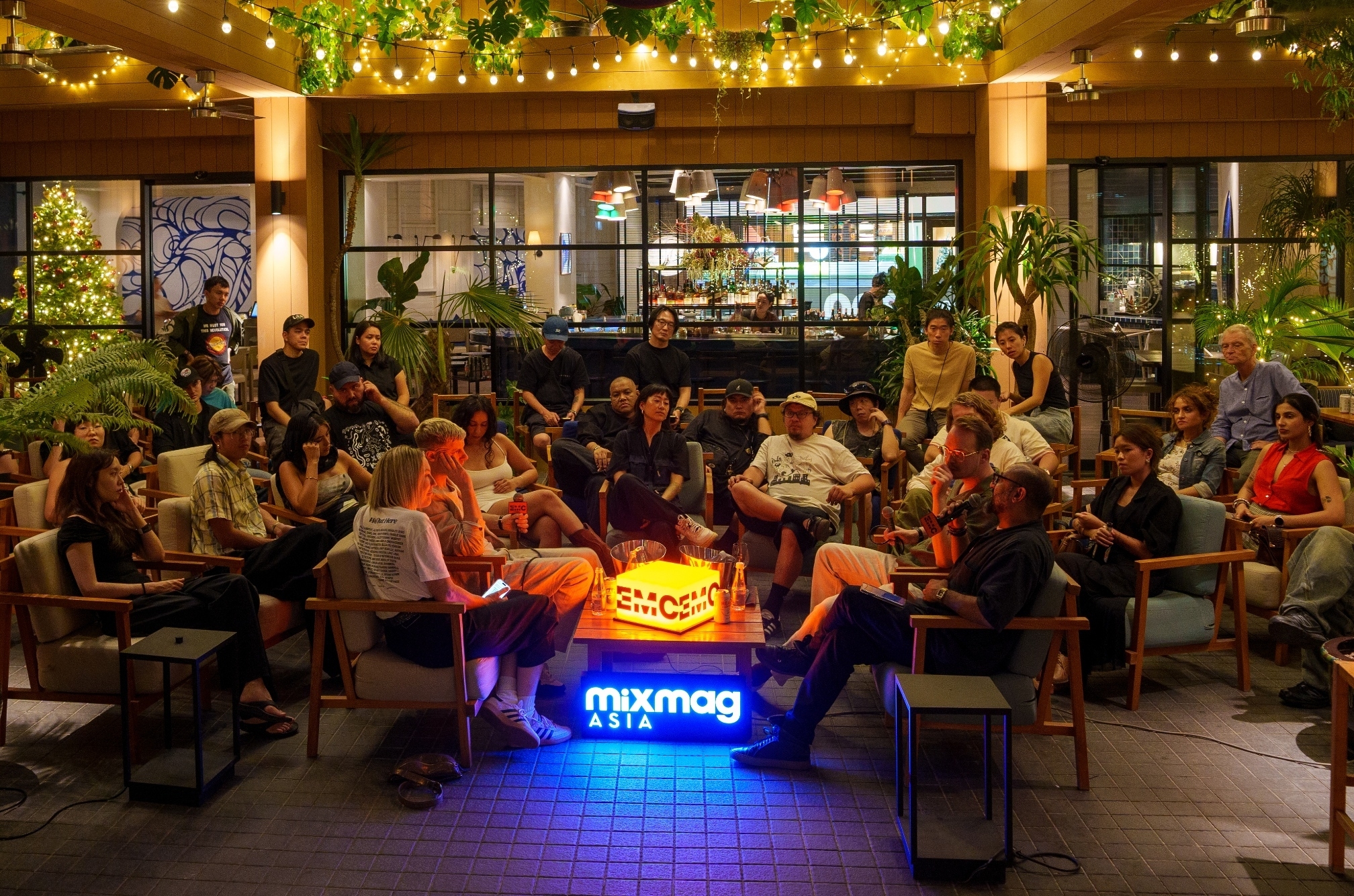
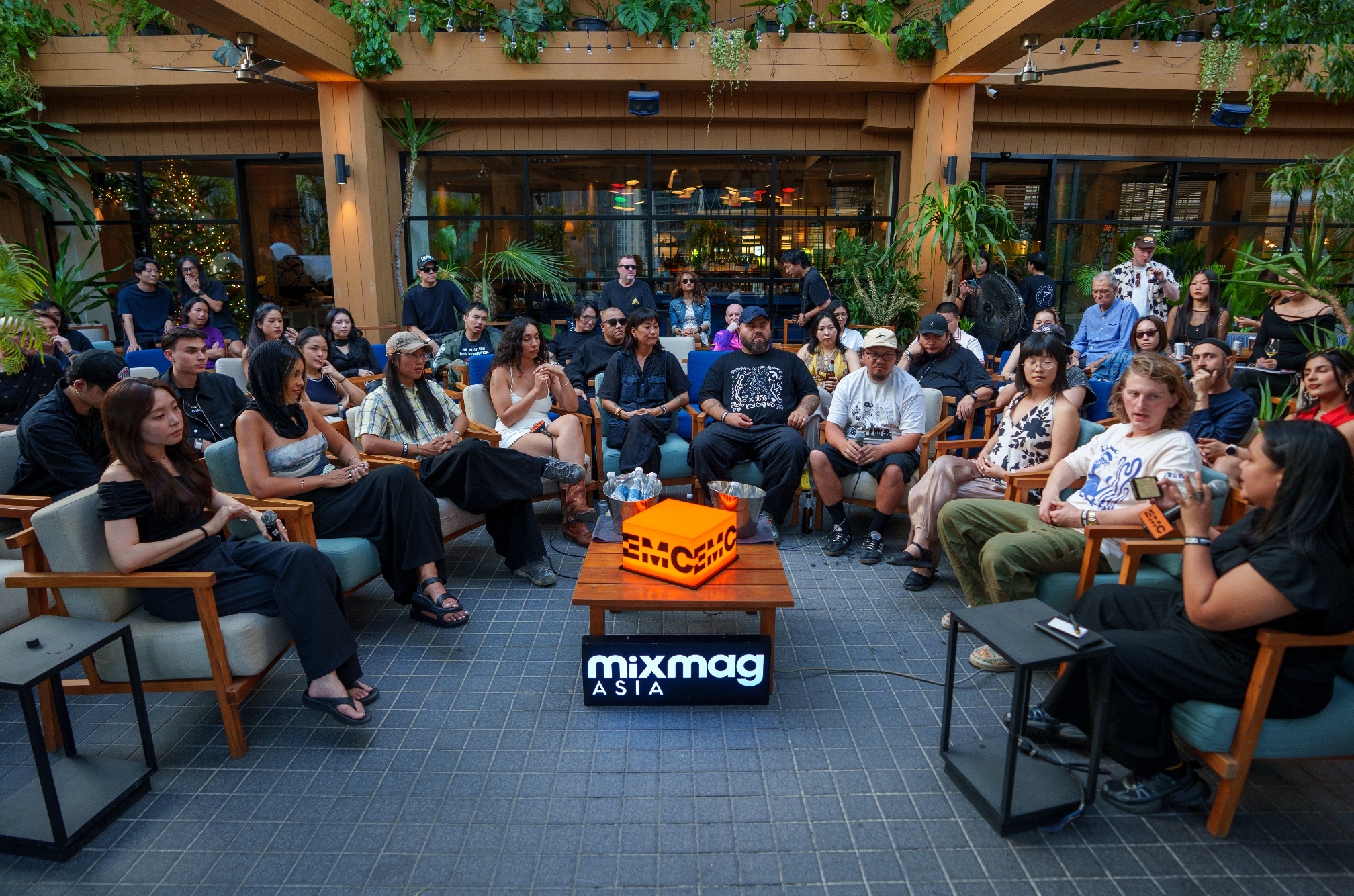
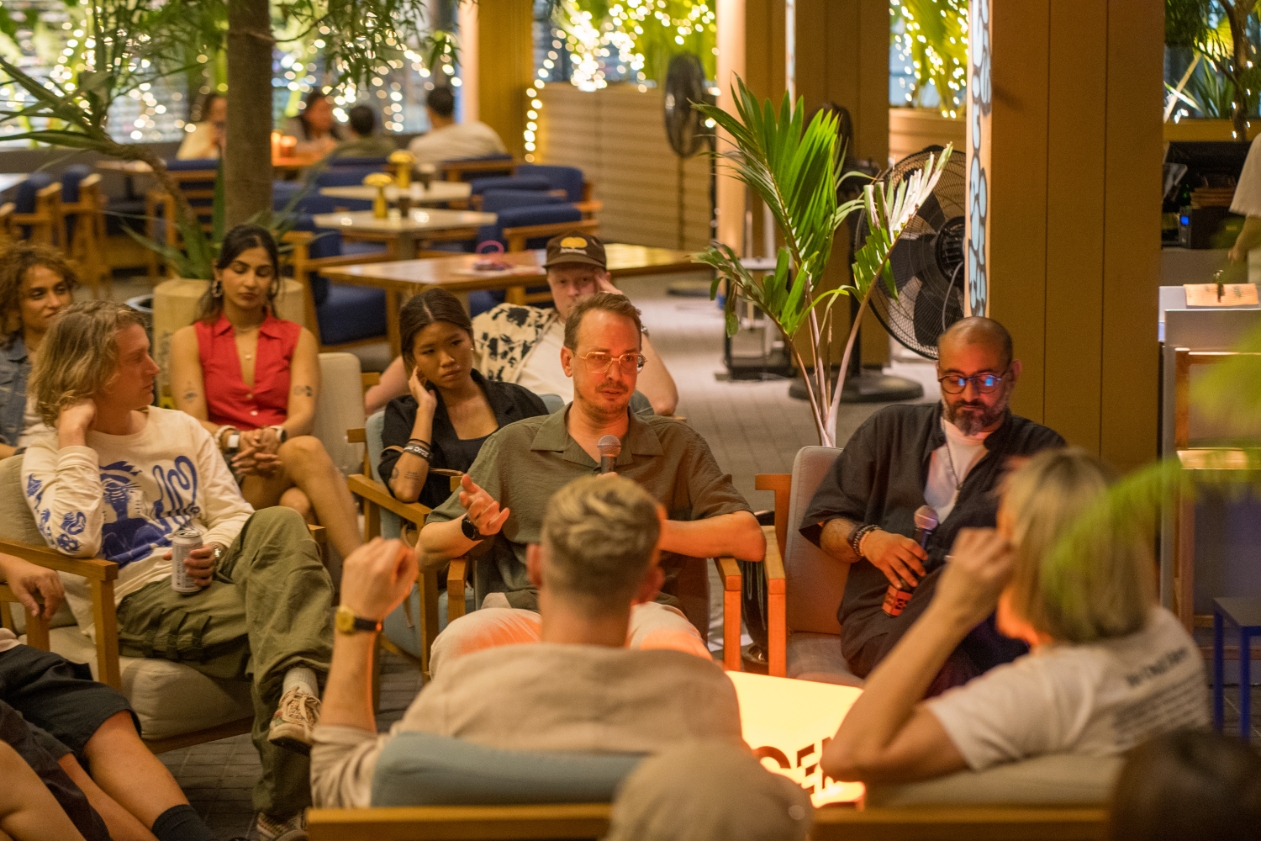
These conversations were extended through two public-facing exchange sessions hosted at Siwilai City Club, the program’s venue partner.
The first session centred on the retreat itself, opening an honest conversation with participating artists about creativity, access, and sustainability. The second broadened the lens, examining how durable platforms are built over time, drawing lessons from Amsterdam Dance Event’s three-decade evolution.
The Artist Retreat brought together 13 artists from 7 countries: 5cruffs, Closet Yi, Cola Ren, Greybox, Jenli, Kurt Lam, LADY KING, DJ PGZ, Sampology, Sudan, Taiga, and Yasmina Sadiki. Working in rotating groups, participants collaborated through improvisation and shared studio time, often across language, genre, and cultural boundaries.
The opening discussion framed the retreat around experience and ecosystem realities, inviting artists to reflect on what emerged when given time, space, and collective support. Many spoke about how stepping outside their local scenes reshaped their creative process.
As 5cruffs reflected during the talk, “You get stuck in your own bubble in your country… and then you’re sharing everyone’s life experience and how they make music. The stuff that came out was really beautiful.”
Artists described how music became the primary mode of communication. LADY KING shared: “Once we start jamming in the room together, it’s like we’re all speaking this universal language.” She referenced collaborations with Mongolian duo Taiga, who introduced traditional instruments and throat singing into improvised electronic sessions.
Read this next: Findings from Grassroots Rising: how community radios are amplifying new identities
Other artists brought Indian rhythmic systems, Balinese field recordings, and self-taught brass textures into the mix, creating an environment where experimentation felt both natural and collective.
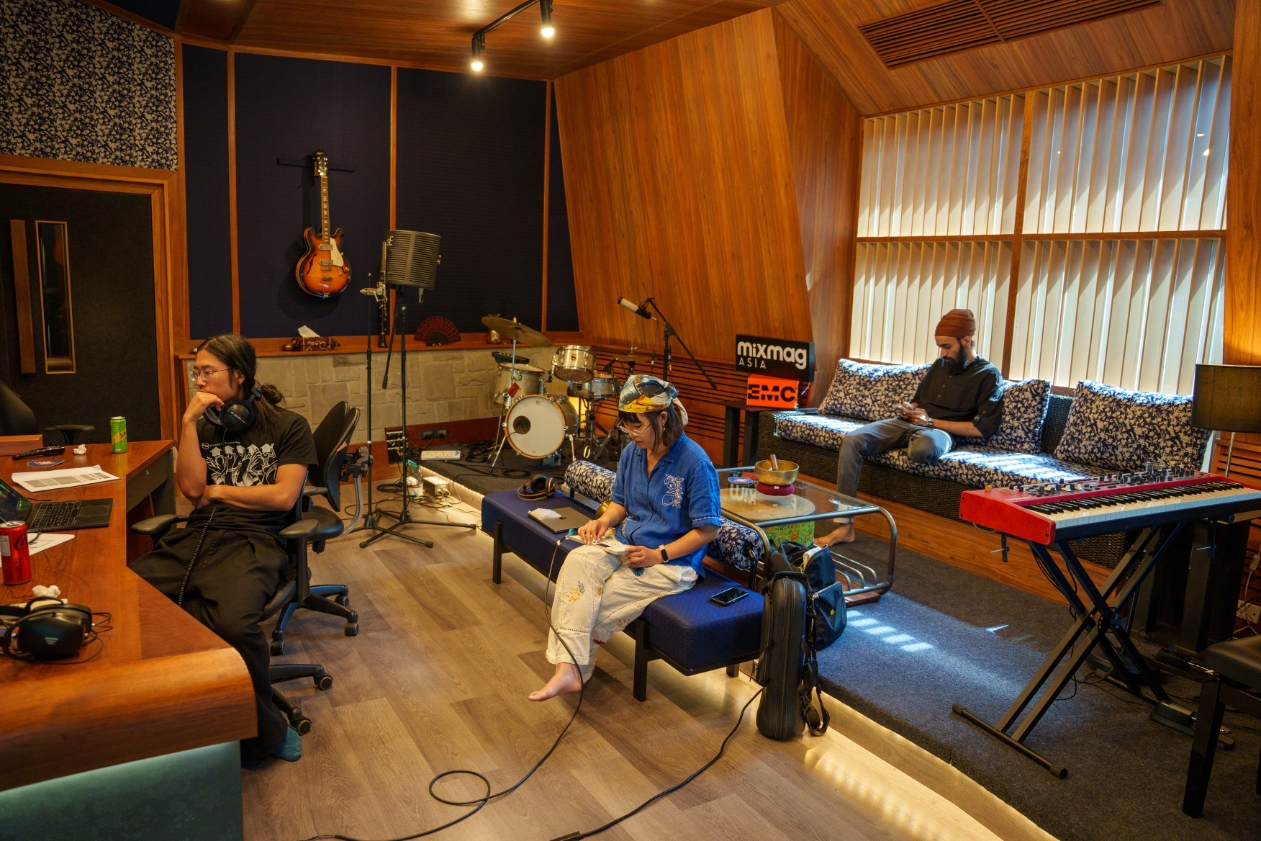
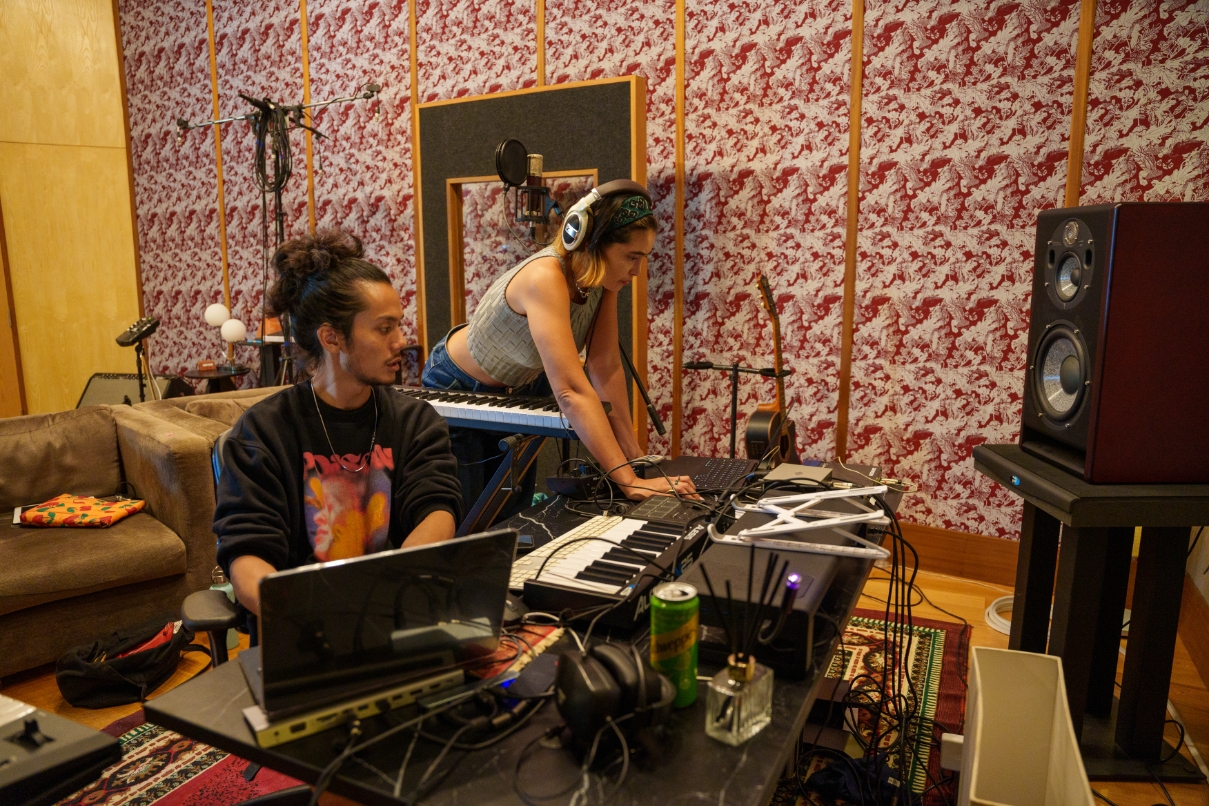
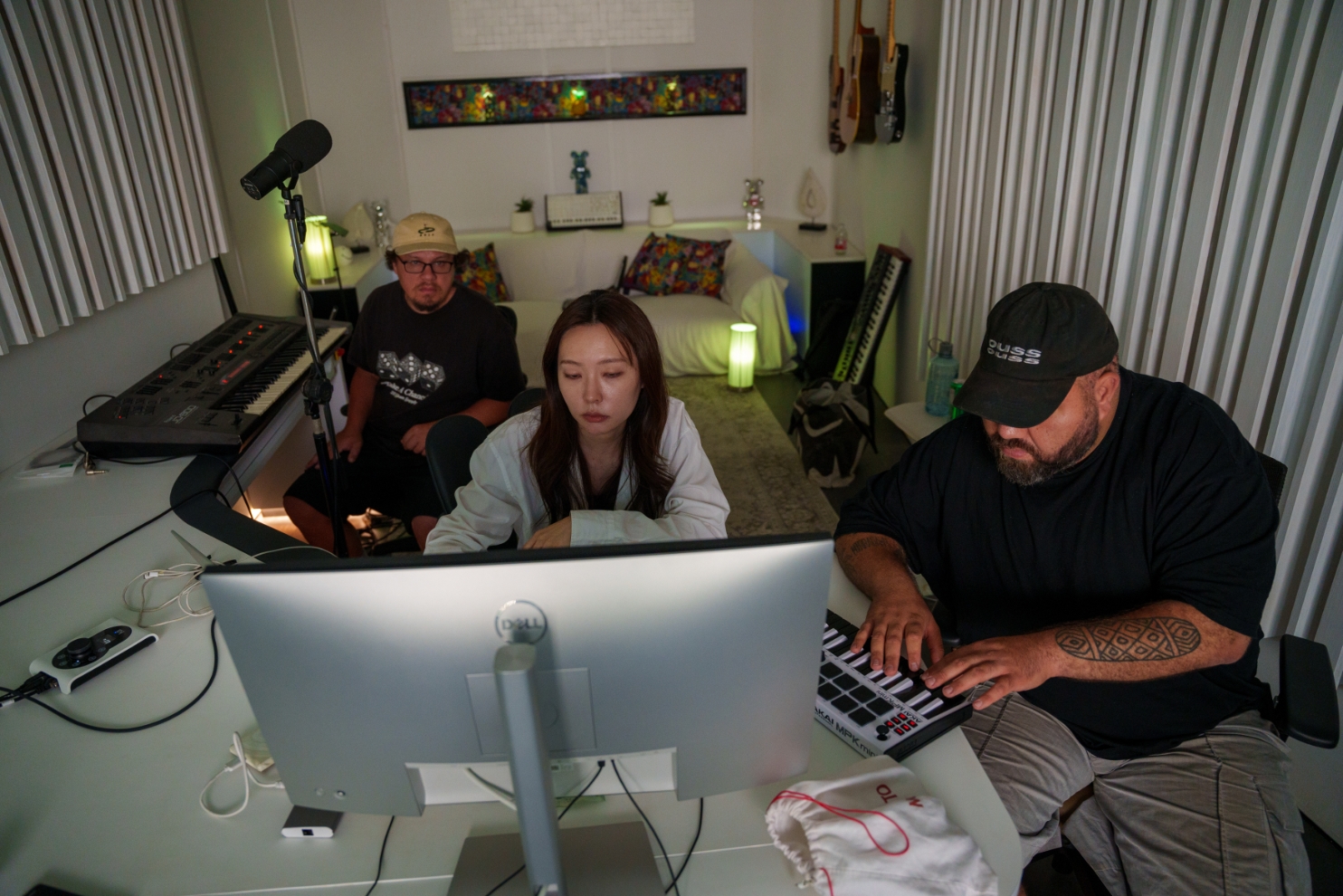
Access quickly emerged as a central theme. Artists spoke about how world-class facilities, technical support, and time away from daily pressures expanded what felt creatively possible. “Having incredible facilities allowed for the workflow to be seamless… ideas could come from here and get put out so much quicker,” one participant noted. Another described the retreat as “a grown-ups band camp,” underscoring how structure and care enabled sustained creative focus.
The conversation later widened to home-scene challenges. Cola Ren from Guangzhou spoke about visibility, saying Chinese artists are “not often seen or heard in the international scene,” while Bali-based Jenli highlighted the need for Indonesian representation as global brands enter the country.
Read this next: “Curiosity rather than fear”: key takeaways from Mixmag Asia & EMC at SuperAI Singapore
Gunai/Kurni and Yorta Yorta artist DJ PGZ discussed the importance of creating pathways for future generations beyond individual recognition. Meanwhile, Closet Yi spoke out about the dominance of K-pop in Korea’s media landscape, and the space this leaves for underground music.
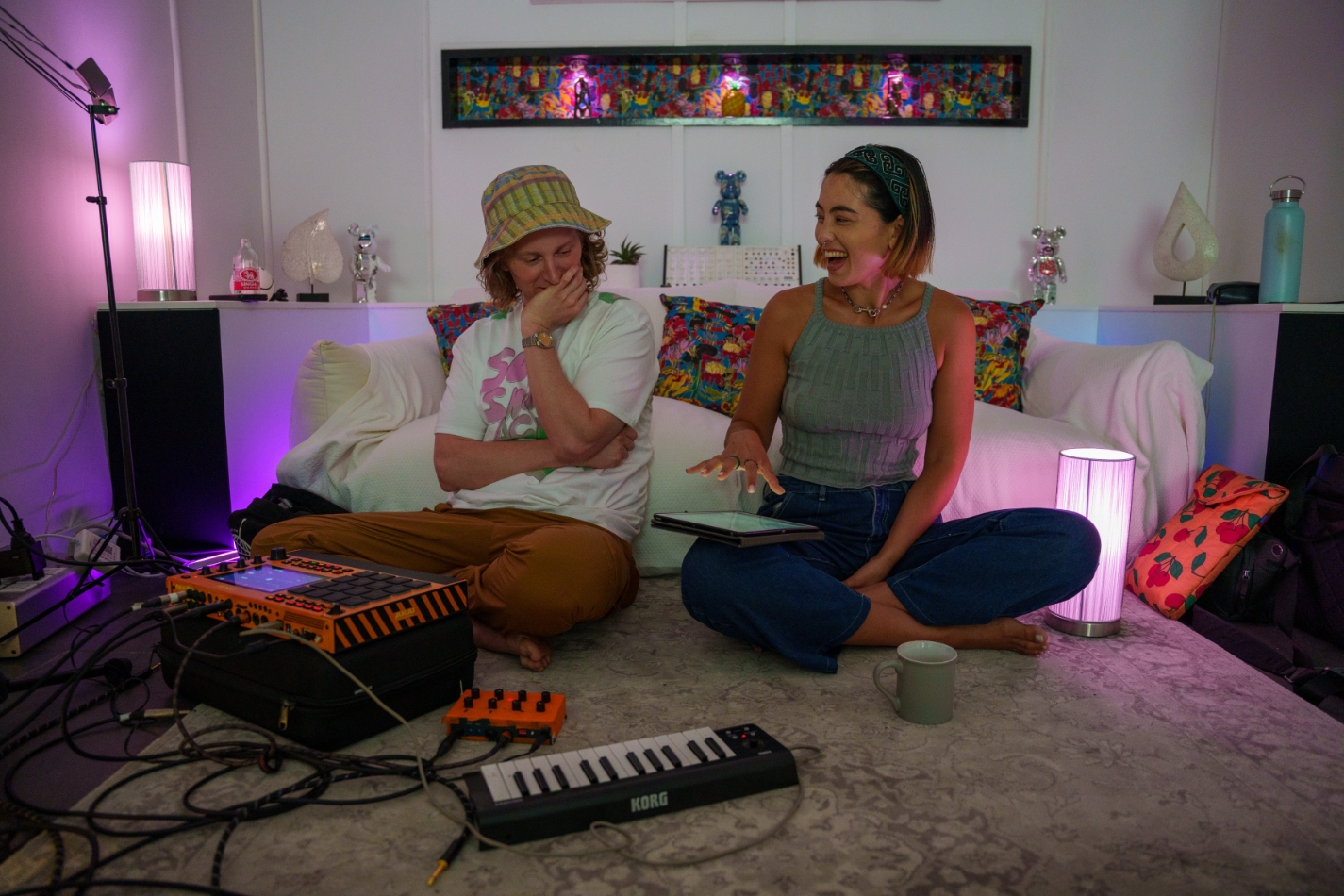
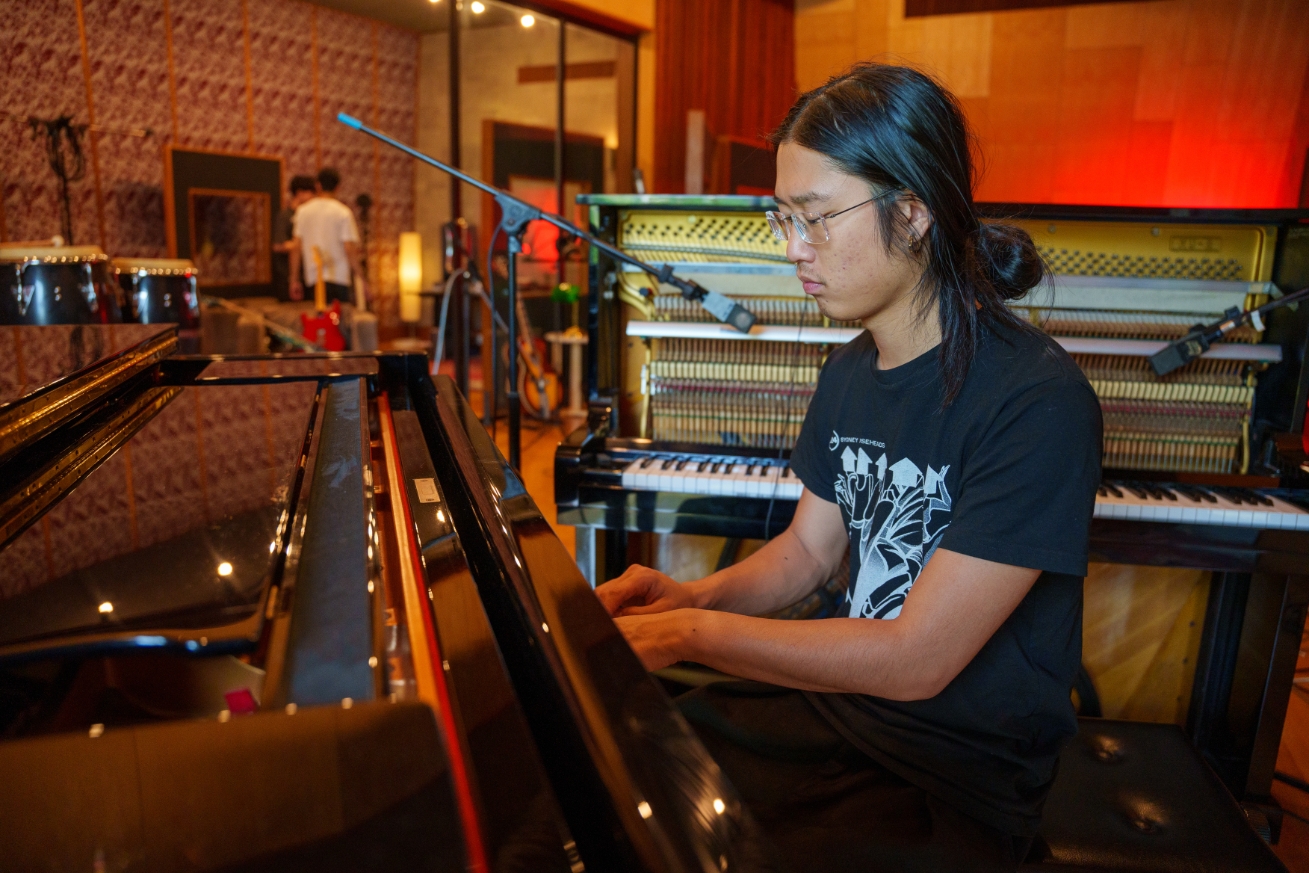

Importantly, artists connected access to longer-term opportunity. Yasmina Sadiki highlighted how high-quality workspaces affect sustainability: “If there’s two kids with the same resume, the song that sounds better mixed is probably going to get picked.” Access, in this sense, influences not just creativity but visibility, funding, and career longevity.
Several artists emphasised that access extends beyond equipment. The retreat removed everyday pressures around rent, scheduling, and logistics: “When you don’t have to think about resources, you can really relax into the process, and because of that, you are making inherently better-quality music.”
Rather than offering solutions, the first session documented lived experiences across different contexts. In doing so, it provided a grounded snapshot of how collaboration, space, and access continue to shape electronic music practice across the region.
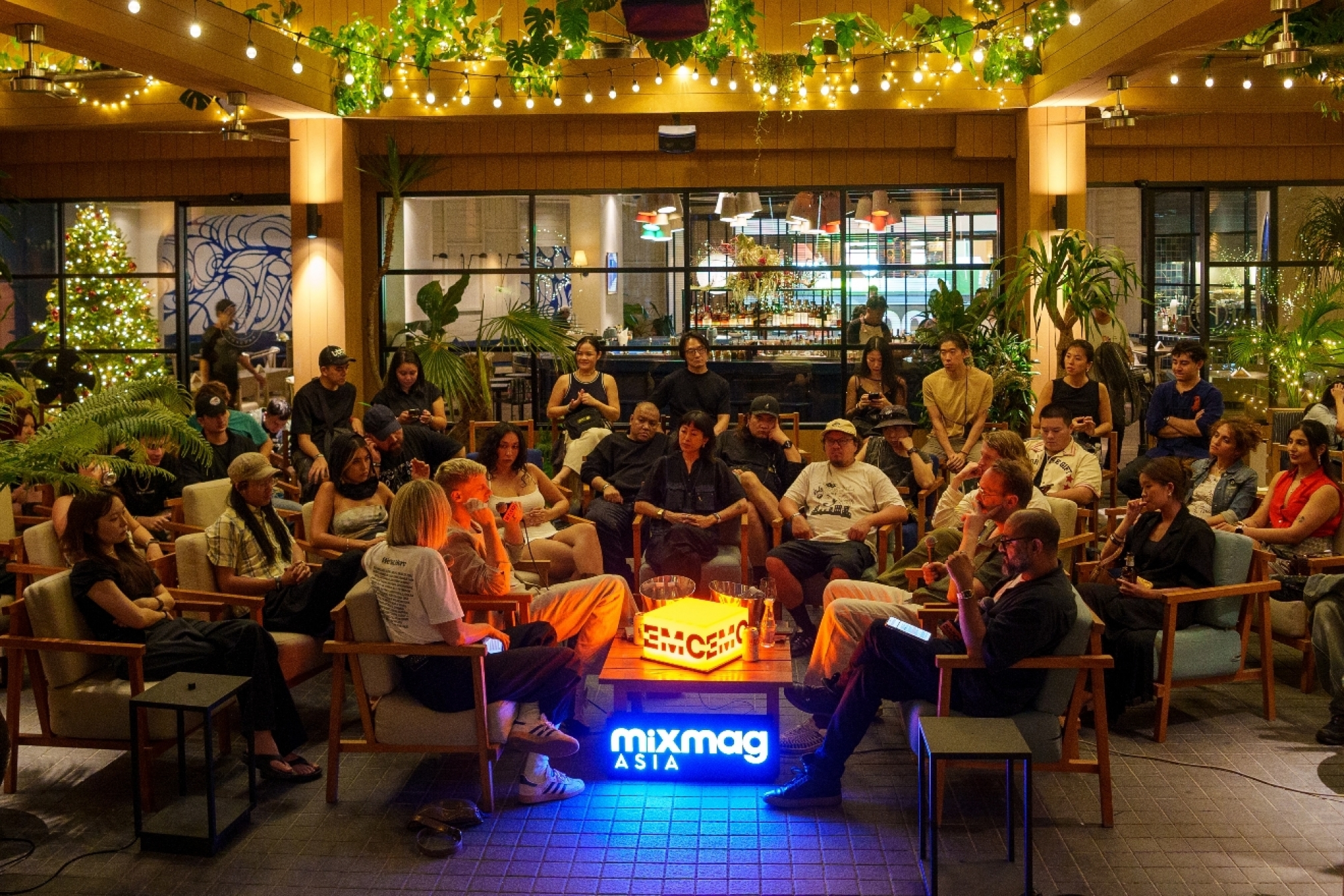
The second session shifted focus from individual practice to collective infrastructure. Titled Building Platforms That Last – Lessons in Infrastructure & Adaptation, the discussion explored what it takes to sustain cultural ecosystems over time.
Facilitated by Mixmag Asia Director Arun Ramanathan and EMC Director Jane Slingo, the session brought together Jan-Willem van de Ven, Managing Director of Amsterdam Dance Event (ADE), and Meindert Kennis, music industry strategist and former ADE Co-Director.
Read this next: 2025 in the bag: an A-Z by Mixmag Asia
Rather than presenting a blueprint, the conversation unpacked how ADE evolved over three decades and what that history reveals about access, creativity, and sustainability.
Van de Ven grounded the discussion in ADE’s origins, explaining that its structure as a non-profit cultural foundation was fundamental to its growth. “We are a cultural foundation, non-profit,” he said. “I feel like that’s the biggest reason why we were able to grow and grow this big.” ADE began with just 150 to 200 people in a single room, expanding organically through showcases in Amsterdam venues such as Paradiso and Escape.
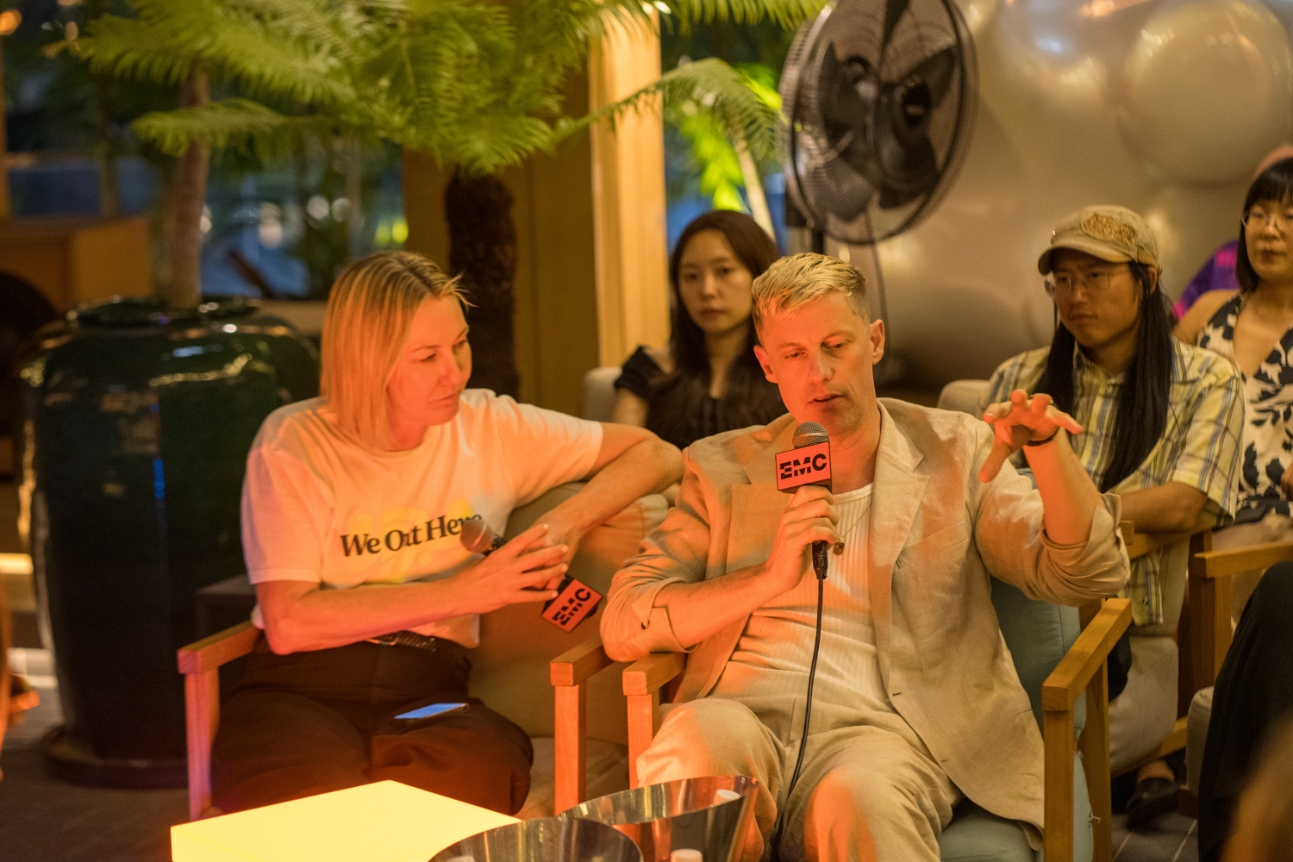
Today, ADE spans hundreds of venues and thousands of events, yet it does so without owning productions or taking revenue from promoters’ doors. “We don’t take away a piece of the pie,” van de Ven explained. “We’re there to coordinate and grow together.”
Read this next: Watch: ‘Enter the K-Bass’ panel puts Seoul’s scene in focus at SXSW London
Both speakers stressed that cultural relevance depends on decentralisation, noting that ADE itself does not dictate musical direction: “We leave that to individual promoters. That’s what keeps it up to date.”
Kennis expanded on how shared leadership and clearly defined roles helped ADE navigate moments of instability, particularly during the COVID-19 period. Reflecting on their time as co-directors, he emphasised the absence of ego as a practical necessity rather than an ideal.
“From the moment we started, it was really clear who had the expertise over what,” he said. That clarity proved essential when ADE was forced to pivot rapidly, experimenting with alternative formats while maintaining its core network.

Infrastructure beyond festivals alone was another recurring theme. Van de Ven highlighted ADE Lab as a long-term investment in younger artists and professionals. By lowering barriers to entry and offering accessible programming, ADE effectively incubates future participants. “We did that with the idea that five years later, they would be a PRO pass attendee,” he said, framing it as a lifecycle rather than a single event.
Read this next: Mixmag Asia’s Standout Snaps of 2025
When the conversation turned toward Asia, both speakers stressed the importance of regulatory stability and strong local value chains. “A stable and predictable regulatory environment is super important,” Kennis noted, explaining how uncertainty makes long-term cultural investment difficult.
At the same time, he acknowledged the region’s momentum: “You already have the energy here. You should nurture that and collaborate with it, and see if something comes out of that.”
The session closed with a clear takeaway for regional communities: durable platforms are collaborative, locally grounded and adaptable. As Kennis put it, “A bridge is never a one-way street.”
Amira Waworuntu is Mixmag Asia’s Managing Editor, follow her on Instagram.
Cut through the noise—sign up for our weekly Scene Report or follow us on Instagram to get the latest from Asia and the Asian diaspora!
