


 Features
Excursions: Pon Your Tone went from a party to “a house that could actually build things” in Jakarta
Twelve years in, the crew helmed by Dipha Barus built its way from doing things differently to Underblok Festival; their biggest project yet and a sign of what's still to come
Welcome to Excursions; our feature series where we interview the providers of cultivating dance floors and distinctive musical affairs from around Asia.
Before it was a label, a management company, or a festival, Pon Your Tone was a party. Back in 2014, Dipha Barus and friends were tired of Jakarta's EDM-dominated nights and started curating their own. Before you knew it, it all came together under the name Pon Your Tone.
Over a decade later, that somewhat casual start has grown into a music label, artist management company, creative house, and production boutique; one that's picked up awards and recognition across genres.
This year, Pon Your Tone took its biggest swing yet: Underblok Festival. Taking over a whole building across four levels and six stages, Underblok put reggae and soundsystem culture on one floor, Italo disco and house on another, and hyperpop, hardbass, and (perhaps as a nod to their rebellious past) EDM throwbacks elsewhere, each scene kept distinct rather than blended into one sound.
Planned in under a month after an impromptu chat, the festival became a way to show just how varied Jakarta's dance music scene actually is (something sometimes even the country's bigger festivals rarely capture).
Head honcho and award-winning producer Dipha Barus shares with us on Pon Your Tone's evolution, what actually makes an artist fit the label's roster, the chaos of pulling off a first-time festival, and where Underblok and Jakarta's scene go from here.
"Sometimes the best ideas come from a spontaneous conversation and the guts to just try it."
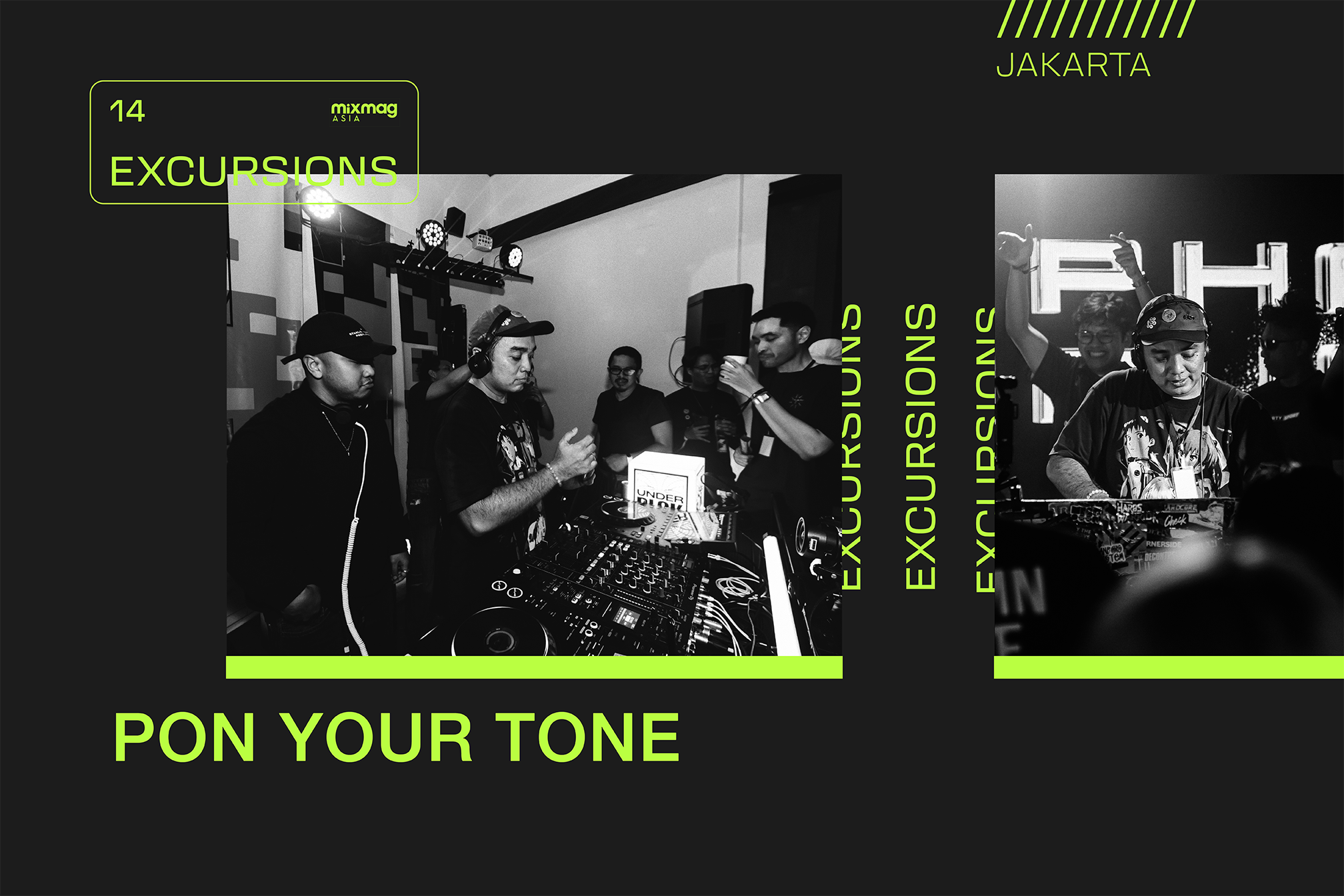
Pon Your Tone started as a regular party before it became a label and collective. What did those nights in Jakarta actually look like, and how different is Pon Your Tone today from what it was back then?
Back in 2014, most nights in Jakarta were full of the first wave of EDM (Swedish House Mafia, Avicii, Zedd, etc.). We wanted to create a night that played the music we actually liked, which back then came from SoundCloud (Soulection, R&B edits, baile edits). No club or night was playing that style, so we made it ourselves.
First we created a YouTube channel, curated songs from SoundCloud, made artwork for each track we selected, and contacted the remixers and editors before putting them out. Then we tried to throw a night called Pon Your Tone at Parc 19, and the rest is history. Today, Pon Your Tone is a music label, an artist management company, a creative house, and a music production boutique.
Though you've been around for quite some time, for readers meeting the collective for the first time; how did Pon Your Tone actually start, and how were you trying to stand out in the scene at the time?
Honestly, back then we weren't trying to be different from everybody else. We just wanted to make a night where our friends could hang and dance together to music we loved. The fun part was that we came with a different theme and party decoration every month. The vibe I was chasing was those early 2000s warehouse parties thrown by the brave collectives back then, like Future10, Dub Container, and Imperial Beat.
That spirit is really what shaped us, and I think wanting to build a space rather than chase a trend is what made us stand out without trying to.
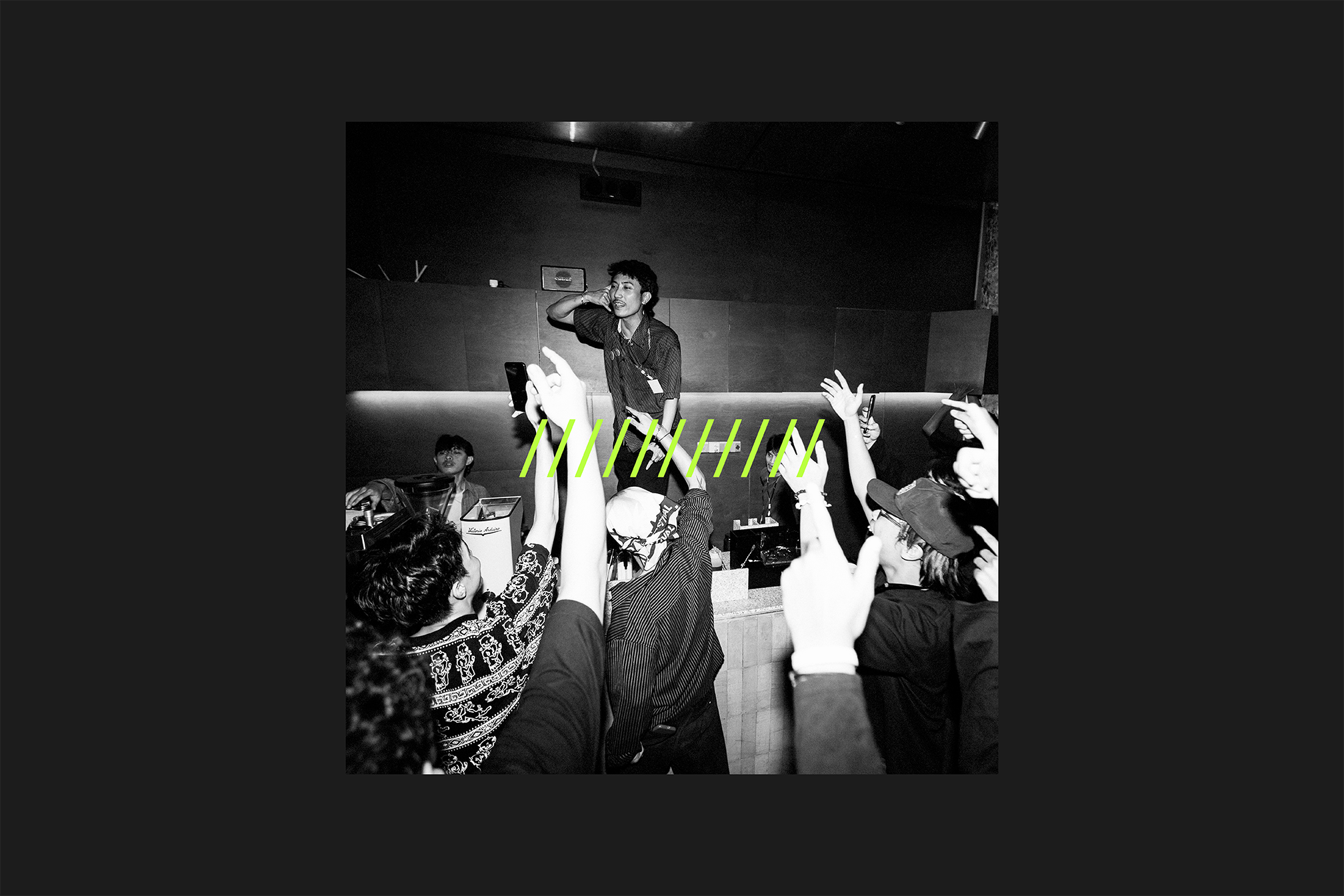
Your current label roster spans quite different sounds and generations. What actually makes someone a "Pon Your Tone artist" beyond just being signed?
For me, it's not about the genre they make, it's about the point of view and the product itself. A Pon Your Tone artist is someone who has their own voice and isn't afraid to take a risk with it.
We've always been drawn to people who tell stories through their music, who mix references freely, and who care about craft and community as much as the output. Whether it's hip hop, electronic, or pop, what connects them is curiosity and honesty. If they have that, the sound takes care of itself, and the product has to be insanely good.
Read this next: The Orange Mic: Radio and relaxation at Airtime Asia’s inaugural conference fuelled by community
The label has picked up AMI Awards across pretty different categories; hip hop production one year, electronic music production another. Does this feel like validation of a "no fixed genre" approach, and is that how you want the collective to be perceived?
At first we never aimed for AMI, and we never planned how people should perceive our sound. We just made music we liked, played it in our own nights, and people connected with it. Looking back at my personal references, I think that's where a lot of it comes from.
I've always loved DJs who tell stories through their sets with a wide musical palette, from reggae to drum'n'bass, from house to R&B, from Brazil to Africa. I guess that shows in how we built Pon Your Tone. As we've grown since 2014, people started to just get it. They hear a release or something in the club and go, "Oh, this sounds like Pon Your Tone". That, to me, is the real validation.
Looking back at the label's releases and events over the years, is there a project or moment that you'd consider the real turning point; the one that changed how people saw the collective?
If we're talking pre-pandemic, it was all fun and glitter, same as it was for everyone. But the real turning point was the post-pandemic era, when we had to learn to adapt to a completely different climate in the music and nightlife industry. That period forced us to grow up as a collective.
We learned to run things more sustainably, to think long-term, and to adapt without losing our roots or the fun that started it all. I think that's when people started seeing us as more than just a party, but as a house that could actually build things.
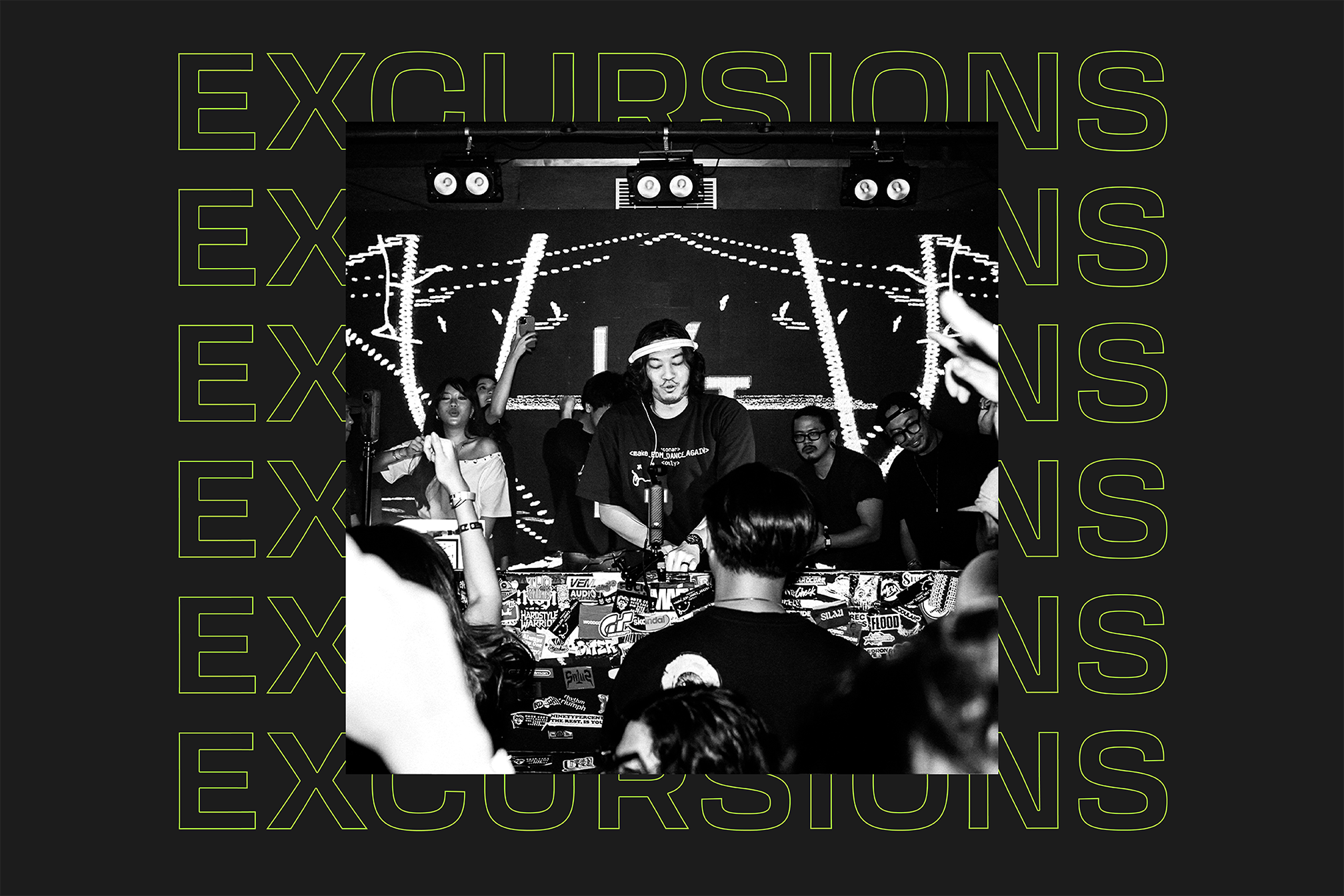
Underblok Festival is a big jump in scale and ambition! Was there a specific moment, conversation, or maybe even frustration that made you think "this needs to happen now"?
It actually started with my business partner Robin when we just moved our office to Row 9 in Blok M, Jakarta. He said, "You know what, I think it'd be cool if we block this whole building and turn it into a festival." We planned it with our friends Albie and Omar from Tabiat Group as part of Blok M Festival with JSD, and it just happened. We prepared it in less than a month, honestly. Sometimes the best ideas come from a spontaneous conversation and the guts to just try it.
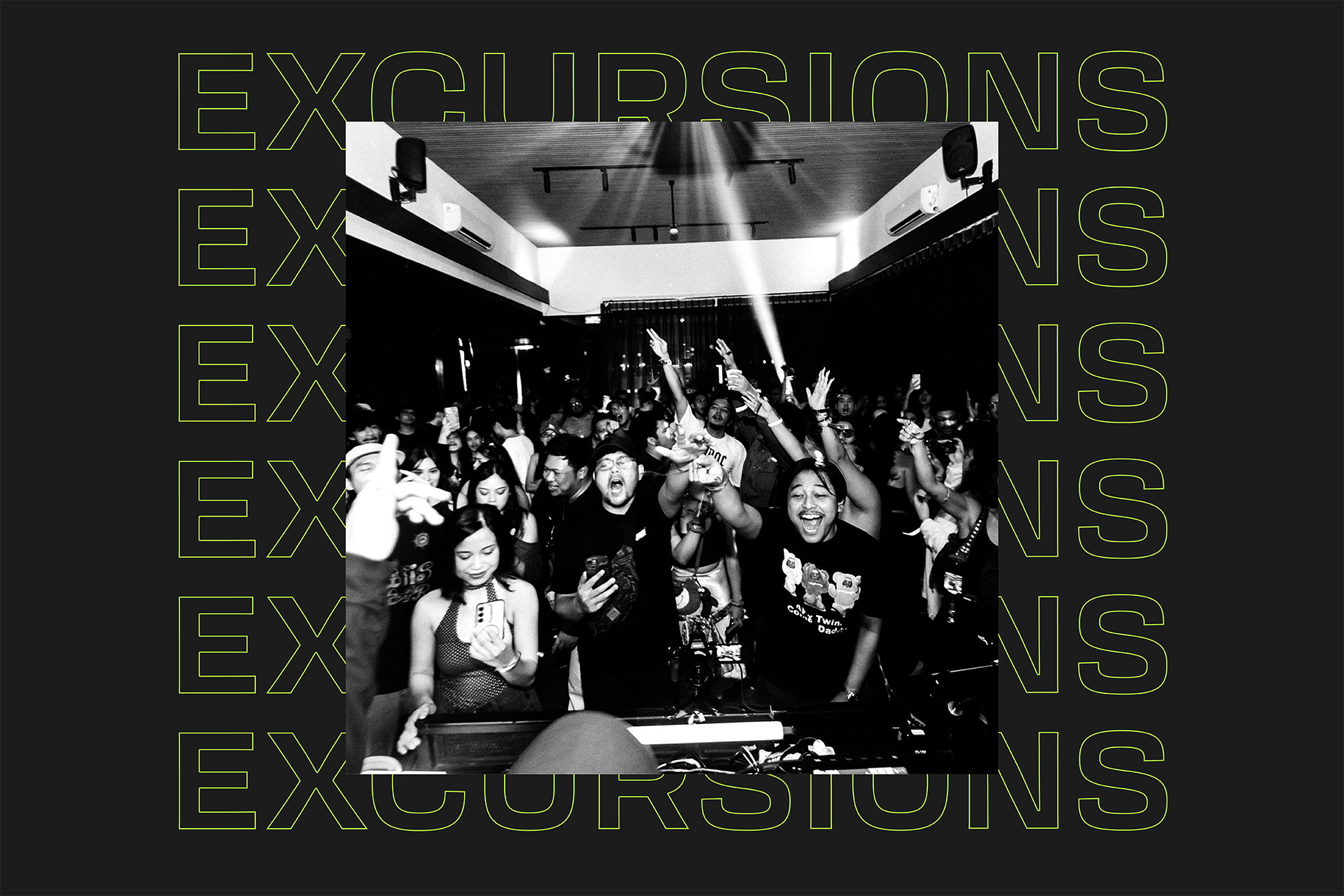
Genres from reggae and soundsystem culture through to hardbass and Italo disco…that's a diverse array of sounds and quite the curatorial risk. Talk us through your strategy on creating the line-up and how you make sure the whole thing feels more than just wanting to fill up a room.
When we first talked about making a festival, we agreed we wanted to show how diverse Jakarta's dance music scene really is. Even the biggest Indonesian festivals rarely show that diversity, so we hoped Underblok could represent it.
The strategy came from our roots. We put reggae, soul, R&B, and hip hop, our foundation in Pon Your Tone, on the first floor. Italo disco and house went on the second floor, along with hyperpop and hyper lokal. Then we made the fourth floor (Row 9 and Krapela) as fun as possible with EDM throwbacks and a Pon Your Tone reunion with Culdesac, Komjeng, and Give It To Me Harder. So each floor tells a part of the story, and together they show the full palette of Jakarta dance music.
Read this next: Excursions: The Dekadenz trio is celebrating a decade of controlled noise & uncompromised vision
Underblok's idea is different scenes sitting side by side, not blended into one sound. In your opinion, what makes preserving those different sonic identities important, instead of curating a more unified festival vibe?
For me, that diversity is the whole point. Each scene has its own community, its own history, and its own way of moving a crowd. If you blend everything into one unified sound, you lose what makes each of them special. Putting them side by side lets people discover something new while still feeling at home in their own corner.
That's what a real city sounds like. It isn't one genre, it's many communities coexisting. Underblok is a reflection of that, and preserving those identities is how we respect the people who built each scene.
You've mentioned that this is the start of a long-term vision rather than a one-off event. What does year two or year five actually look like in your head?
We're planning to make Underblok a festival series, blocking different buildings and warehouses in the future. In year two, I'd love to refine the experience and make each floor even stronger. By year five, I hope Underblok becomes a platform people trust, where new collectives can grow, where the production gets bigger, and where it becomes a real destination in the Asian festival calendar. But the heart stays the same, showing how colourful Jakarta and Indonesia can be.
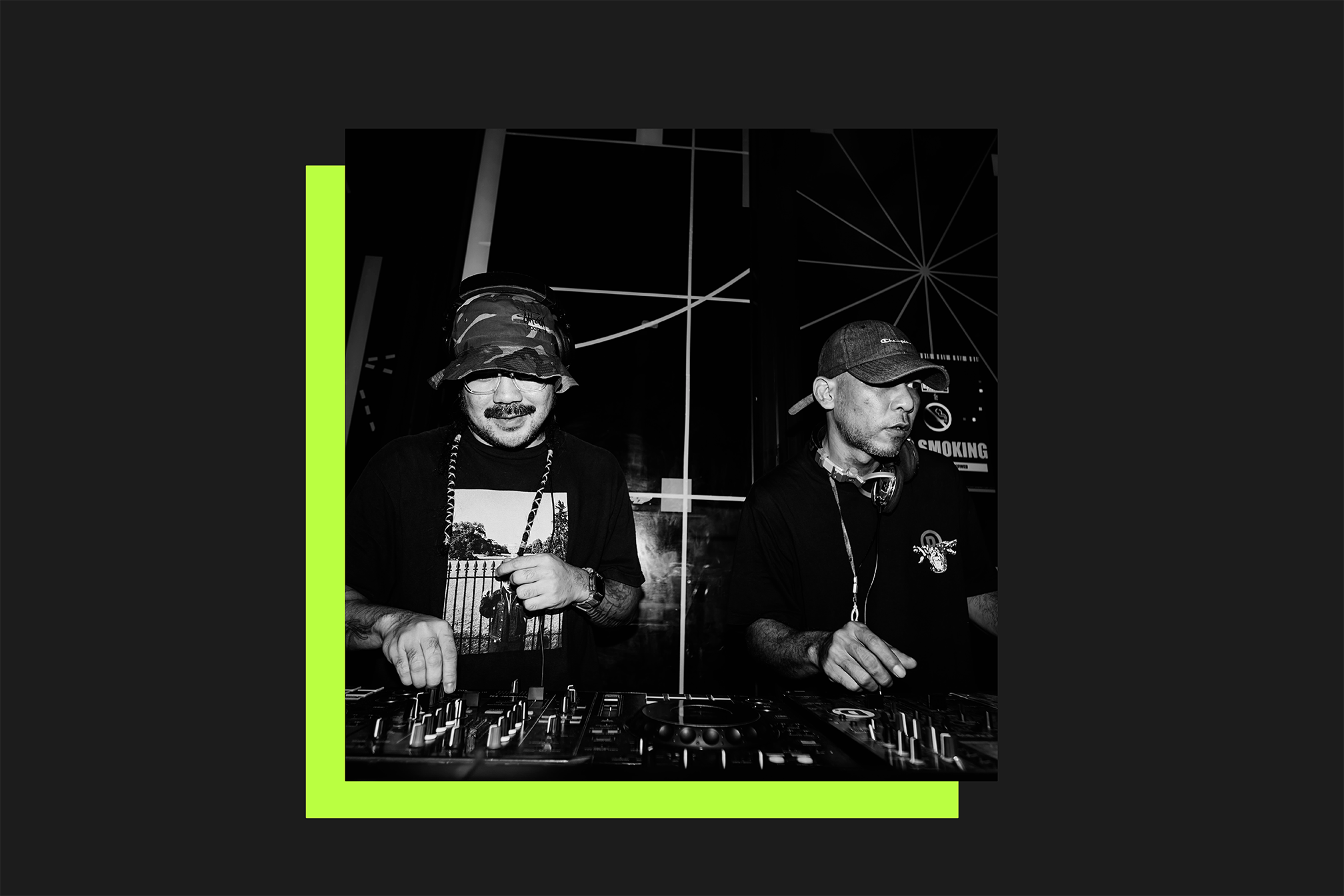
Pon Your Tone has spent years not only housing but also cultivating local talent. How does Underblok further that mission? Can a festival platform do something a label release or a club night can't?
Yes, of course. We're planning to do more than just platform existing talent. A festival can give an emerging artist a real stage, a real crowd, and a moment they can't get from a single release or a small club night. It lets people be seen at scale and gives them the confidence to grow.
A label release plants the seed, a club night nurtures it, but a festival is where it can really bloom in front of everyone. That's something special.
Looking beyond Jakarta, do you see Underblok connecting to the wider Asian dance music scene?
We do have that vision, yes. But we're trying to stay grounded for the next few editions, too. This is still a learning phase for us. We want to improve, figure out how to make Jakarta more fun, and make Indonesia more colourful through our events first. Once we've built a strong foundation, connecting with regional artists and the wider Asian scene is a natural next step.
Read this next: In pictures: The Mixmag Lab Bali with Theo Parrish at the helm
How do you see Jakarta's relationship with other cities' or countries' scenes evolving, and does Pon Your Tone see itself playing a connective role there?
I think Jakarta's scene is at an exciting point where it's ready to share and exchange more with other cities. There's so much talent here that deserves to be seen regionally, and there's a lot we can learn from scenes in other countries too.
Pon Your Tone would love to be one of the bridges in that exchange, bringing our artists out and welcoming others in. Music has always been a conversation, and we want to keep that dialogue open between Jakarta and the rest of the world.
Every festival has a chaotic, behind-the-scenes story that's not seen by the public eye. What's the one from Underblok you can tell us about!
Maybe the one guy who was selling invitations to people outside the festival. One of our team actually caught him in the act. Never a dull moment. I guess it’s a good sign as there is demand for the festival.
Without giving too much away, what's one thing you already know you want to do differently, or push further, for the next edition?
For the next edition, we want to push the production and the experience further, making each floor feel even more immersive and distinct. We'd also love to give more space to emerging collectives and fresh talent, and maybe start planting the seeds for that regional connection.
The goal is always to make it bigger without losing the intimacy and the fun that make Underblok what it is.
Amira Waworuntu is Mixmag Asia’s Managing Editor, follow her on Instagram.
Never miss a beat. Subscribe to our Scene Report newsletter or follow us on Instagram.
