


 Features
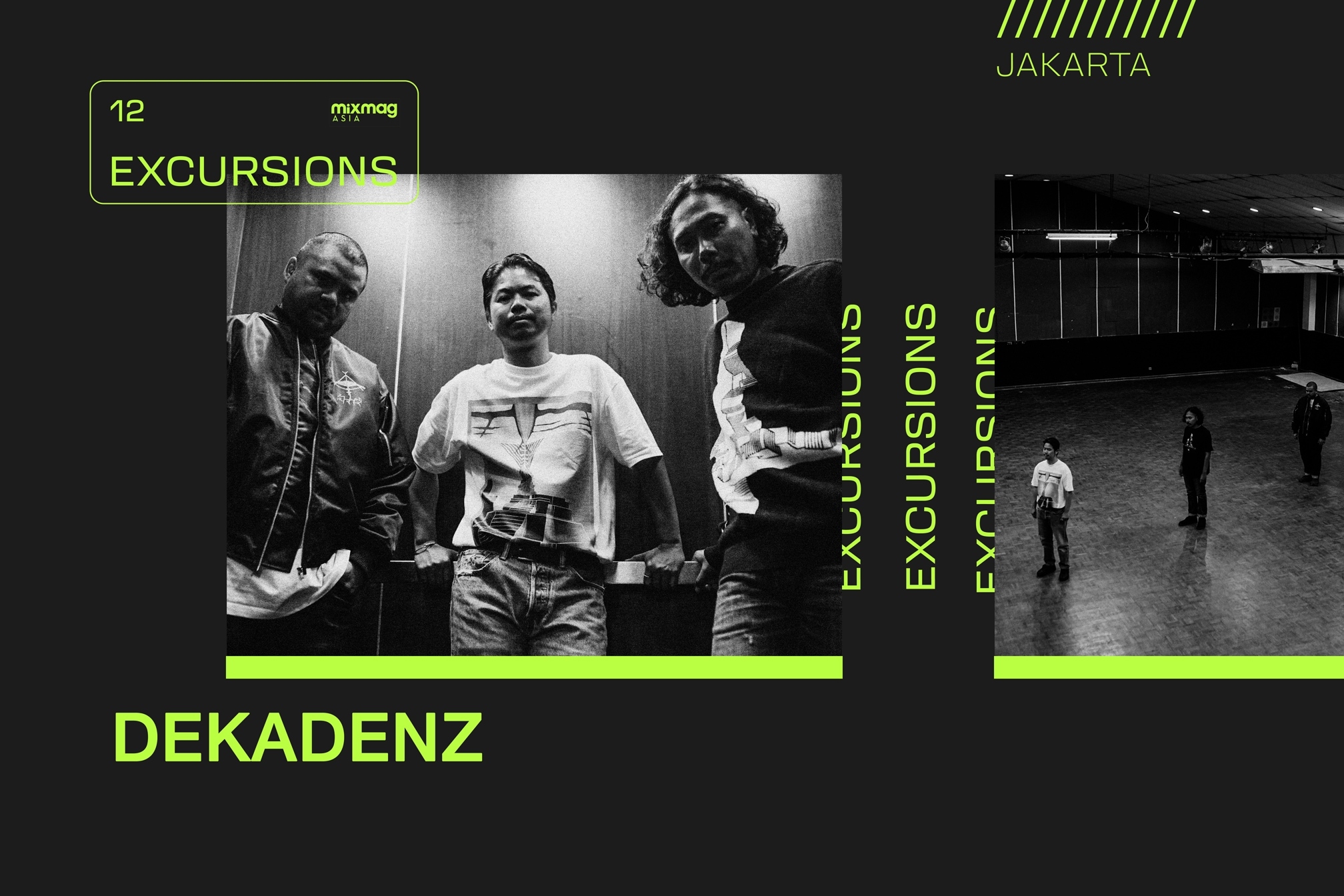
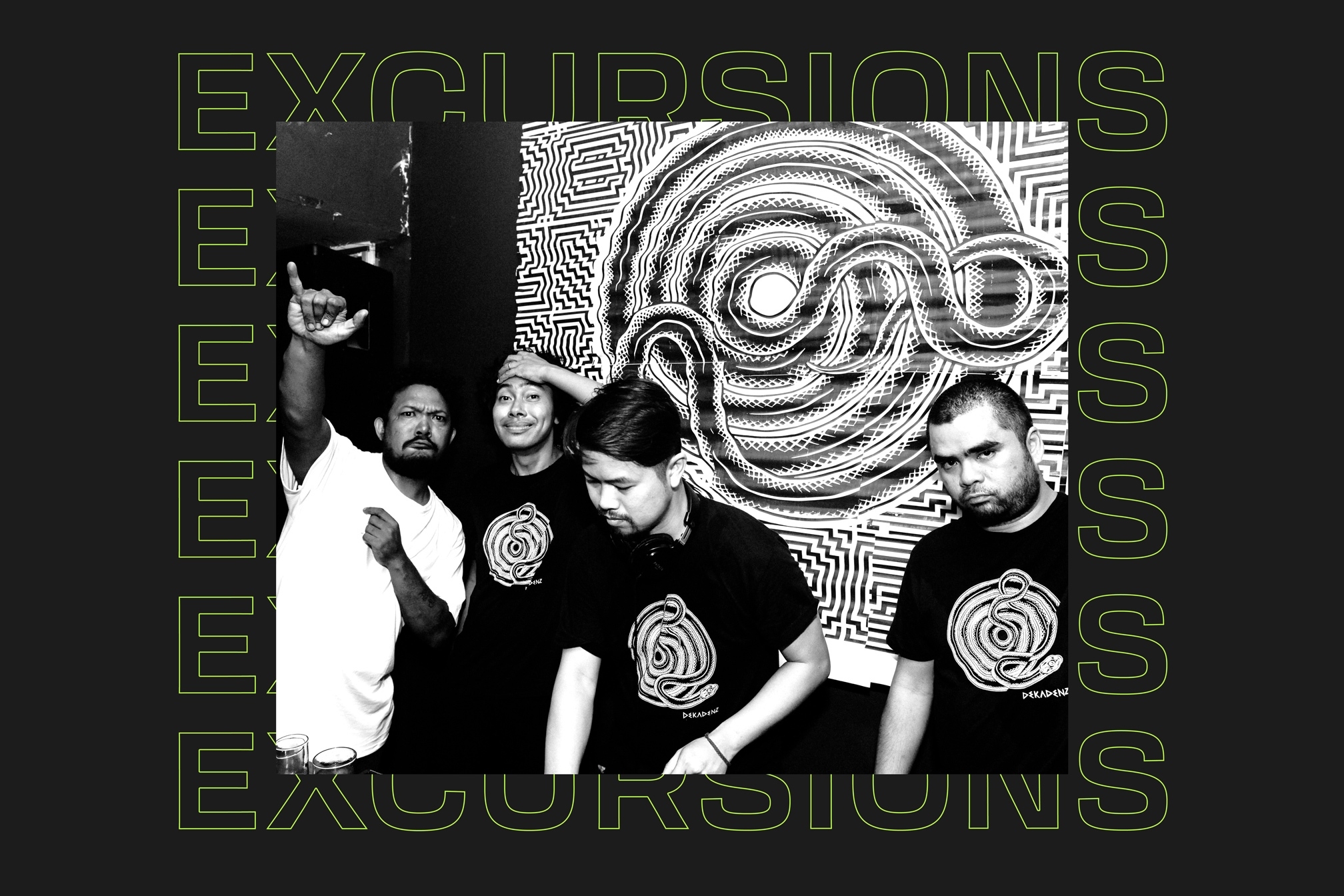
Excursions: The Dekadenz trio is celebrating a decade of controlled noise & uncompromised vision
One of Jakarta's most intriguing club nights was built on instinct, obscurity and a refusal to explain itself; 10 years later, nothing has changed (and that's exactly the point)
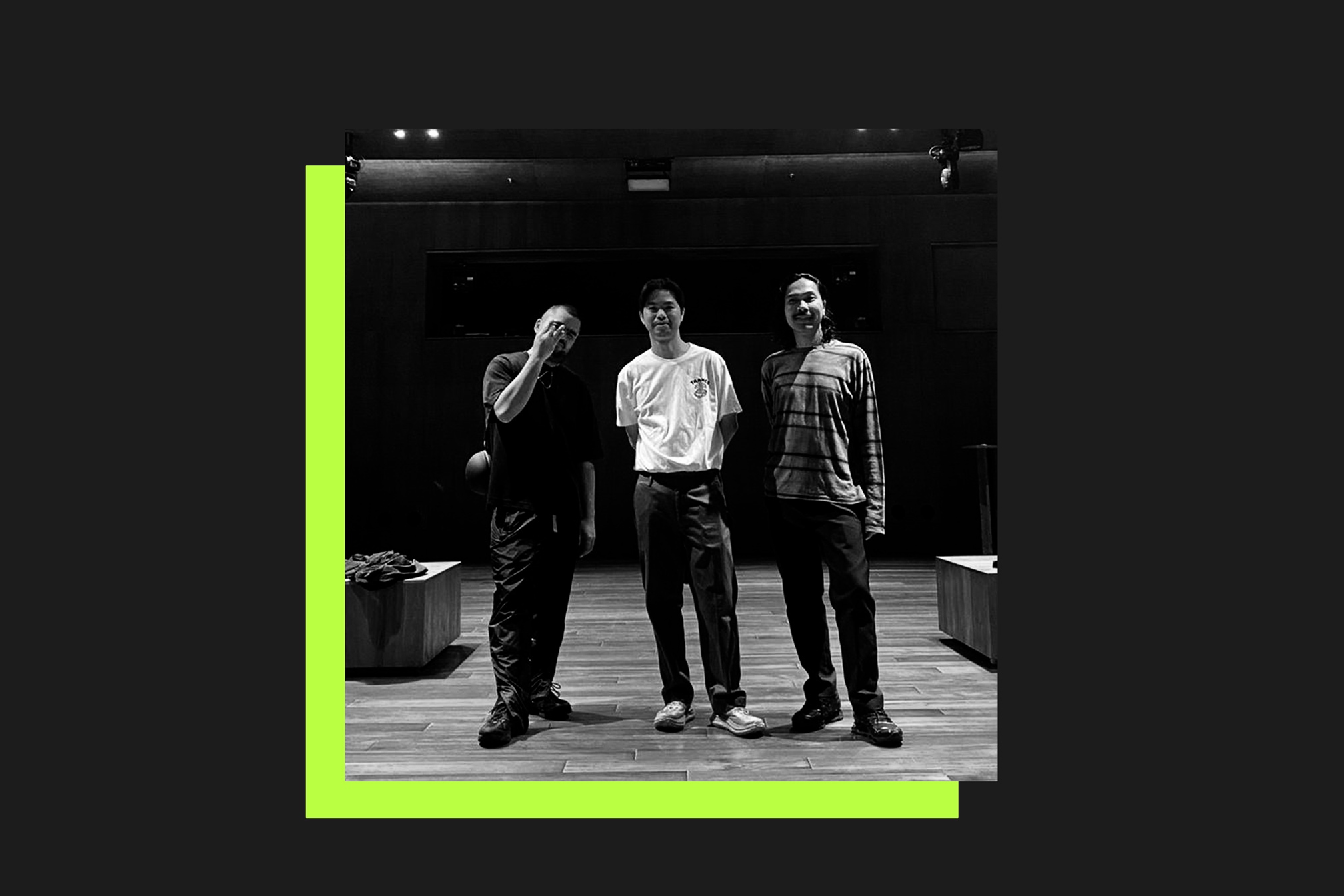
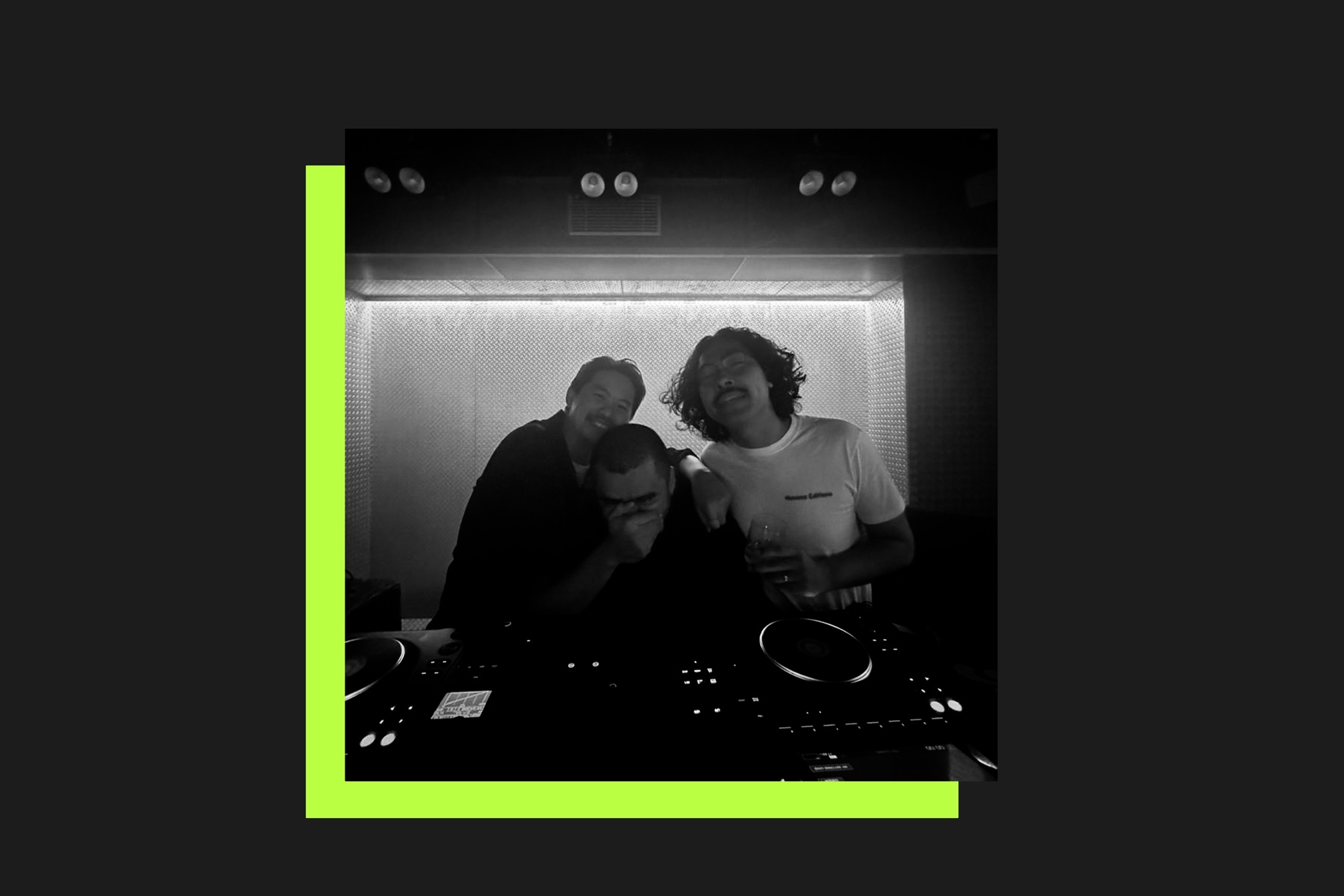
In Jakarta, there's a particular kind of club night that doesn't announce itself too loudly, yet many flock towards it. Dekadenz, the crew and club night founded by Ridwan, Aditya Permana, and Jonathan Kusuma, has always been that kind.
Running for a decade now, it grew out of a shared taste and a few late-night conversations between people who already knew what they liked (and were curious whether anyone else did too).
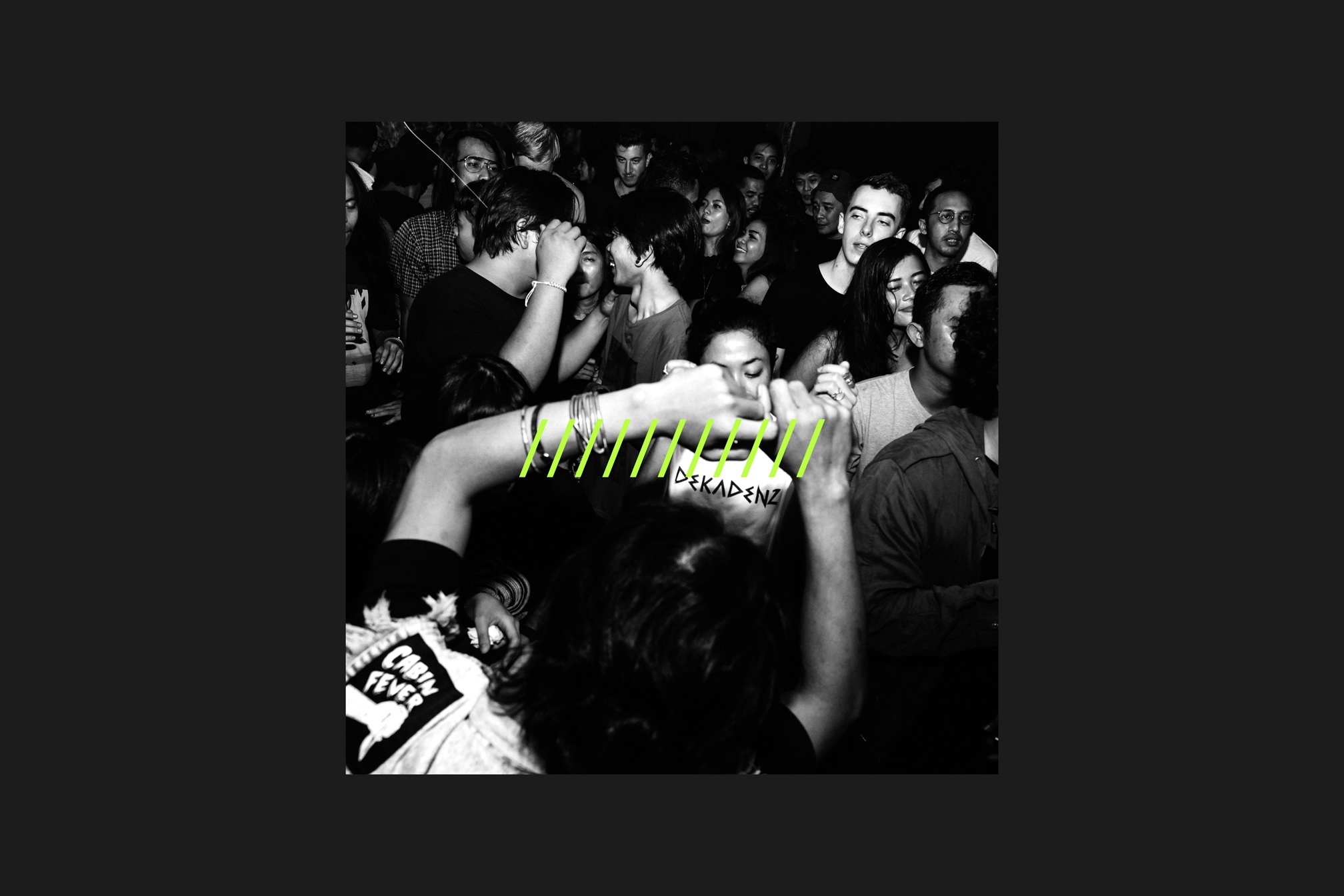
The sounds they're known for are deliberately hard to summarise, pulling from post-punk, minimal wave, and the colder edges of electronic club culture, moving slowly across tempos and textures. More feeling than formulaic, it's this kind of obscurity that keeps people intrigued and their dancefloors packed.
That same sensibility has extended into a record label, home to the 'Themes For Divided Tribes' compilation series and releases from individual producers in their orbit. That title alone tells you something about how they see the landscape.
We caught up with all three founders to talk about how it started, their honest takes on the current state of things in the scene, and what's held it together after ten years.
To mark their 10th anniversary that took place at Jakarta hotspot Zodiac, the crew invited their self-proclaimed "favourite DJ" Vladimir Ivkovic, and, as an added bonus, they've just dropped the live recording from the night. It's a perfect snapshot of the leftfield sounds they're known for.
Put it on while you read the interview below, and let it carry you through the rest of your day.
What led you to start Dekadenz? Was there a moment or experience that sparked it?
Ridwan: Mostly led by music, we always gravitate to the unusual, raw and colder sound. We knew each other way before Dekadenz, and were also into each other's selections when DJing, so I guess the music connections started there and naturally it was easier to start a club night together.
Adit: At that time, Ridwan and I were already together in the Quirk It! collective and we always wanted to create a new music event that focused more on showcasing sounds that were more towards post punk, electronic punk and the like. Ridwan had an idea for the name: "Decadence", which we then changed the spelling to Dekadenz. He also came up with the idea of inviting Ojon (Jonathan) to join. And so it happened, more than a party we are a crew.
Jonathan: I wasn't really sure what I was doing at that point. Looking back now, everything seemed to happen at the right time and in the right moment. I got to know these guys because I used to go to their parties (Quirk It!) back in the day. At that time, I was focused on producing, and a friend once told me, “You should have your own special party.” That idea stuck. Then came those late-night, serious conversations, and somehow, we're still having those same conversations today; still sharing the same values, even since Dekadenz started.
Ten years is a long time to keep anything genuinely underground. Starting at Mondo Rossi in 2016 and ending up here; did any of you think Dekadenz would make it to ten years, or were you just figuring it out one party at a time?
Ridwan: I realised that we are celebrating 10 years when Vladimir said “yes” for the 10th of April. We never do an annual birthday party, let alone planning something really ahead like 10 years; it sounds too gimmicky to us. I guess we've still got the torch burning on after all this time. But a decade mark deserves something special.
Adit: Of course, we think about each event, what we can improve, and so on. Initially, I didn't think it would be a nightclub concept. It was more about having a live act and us residents playing tracks that weren't 100% club-oriented.
Jonathan: There's always going to be doubt about the path we choose. I still feel that sometimes. But I've always tried to focus on the details in every event I'm part of. The three of us had already picked up some experience along the way; playing in clubs, weddings, openings, random events, bars, even sharing decks at beach clubs. But for me, something was still missing. I didn't really know how to fully channel my music yet.
Then Dekadenz came at the right time. It just made sense. It gave me a place to express what I couldn't before. Looking back, I think we were always building towards this without realising it. We already had our own standards on how things should sound, how things should look, the kind of experience we wanted to create.
For years, we were just doing what we love. But at the same time, somewhere in the back of our minds, we were thinking ahead; not in a strict way, but still moving toward something bigger. Something we believed in, together.
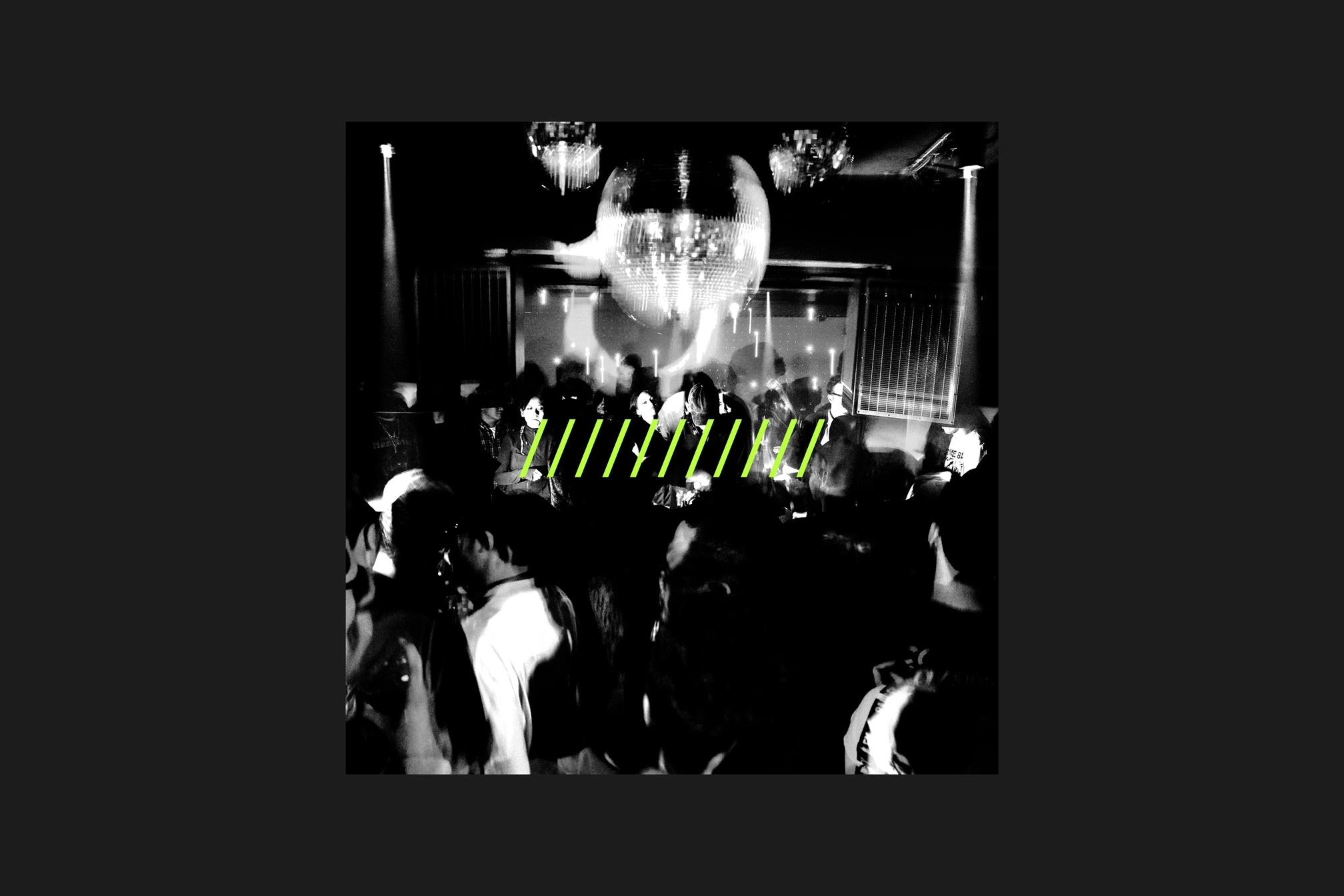
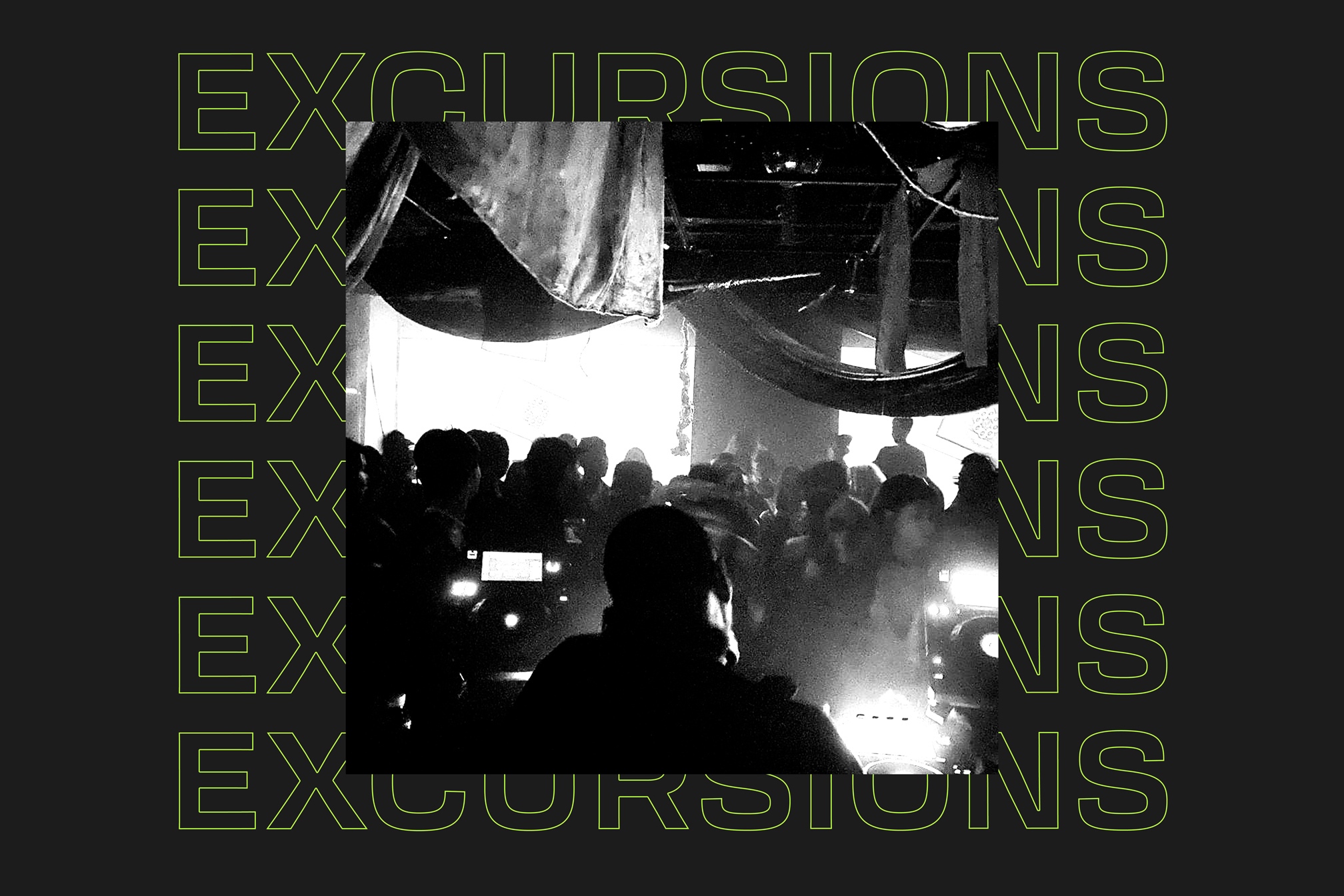
You started out playing at spots like FJon7, The Room, The Safehouse, and BAIA; venues that no longer exist. What do these closures say about Jakarta's nightlife scene, and what can the community do to better avoid more of them happening?
Ridwan: Club business is tough everywhere in the world. I have lots of respect for anyone who is doing it. Clubs like Zodiac are not just a social place but also an important cultural exchange for Jakarta and we need to protect that. By showing up to their club nights and buying their products can go a long way.
Adit: Yes, we grew up in Jakarta and went through the golden era of club and rave culture. We grew from small, DIY-style events, 100% supported by friends and like-minded individuals, and then we expanded to larger venues and a wider audience. But we still play at smaller events to this day. Small, community-driven events are the hope for this to continue. Even without sponsorship, we can continue with the spirit of striving for alternative music, not the mould of a large industry.
Read this next: Mixmag Asia’s 2026 Essential Listening
Regarding Asia's underground community, which feels like the bigger threat to you right now; the economics of keeping it going, or the culture getting diluted (or more “commercialised”) as it grows?
Ridwan: I'm happy with the landscape right now, there are people who are truly doing it for their community. It's good to know what's going on in each city.
Adit: Economics.
Jonathan: I mean…if you look at music history; in any era, there's always some kind of “challenge”, right? Some context that shapes the sound. And, yeah…I guess we're in one of those moments again. People always say “express yourself through art”, and it sounds cliché, but at the same time, that's really where it all comes from. All the timeless tracks, the movements, the great artists…they were responding to something. Pressure, change, whatever was happening around them.
So for us, it's just about staying creative. Sticking to what we believe in. Doing what we love. And being consistent; really treating it as a long-term thing, not just chasing moments.
I don't know if that fully answers it, but that's honestly how I see it.
Your EP series 'Themes For Divided Tribes' ran two volumes before the pandemic hit. Given how much has shifted in the Indonesian experimental scene since then, is a new release being seriously considered? What sort of sounds can we expect from it?
Ridwan: Actually, we did five volumes already and if we ever release another one, it won't be too far from what we've been doing.
Adit: TFDT is now up to Volume 5. It's a compilation of works by several names. But, we've also released several EPs by individual producers. This year, we'll be releasing a mixtape from Odopt. We'll also be releasing an EP by Dekadenz residents. It can be sharp or slow; edgy, dark or strange. Educational, in the form of dance music. Our musical direction remains the same.
Jonathan: Yes, and the next TFDT is also gonna be released this year.
Speaking of releases, you have one coming out soon; a mixtape by Odopt. How did this come together, and did you set any kind of “brief” for the overall sound?
Ridwan: We've been into his productions for a long time. The project just came out of friendship throughout the years. It never really had any special brief, they were just really good at what they were doing, and it naturally made sense to work together.
Read this next: Tune In: Must-know community radios from Asia
Vladimir Ivkovic's 2019 gig at The Safehouse was one of your big international bookings before lockdown. Why did inviting him back feel right for the 10-year mark, and compared to 2019, what felt different about his set this time?
Ridwan: It was all a great coincidence really. Somehow just perfect timing for our decade mark. Vladimir is definitely the right person for the occasion. Such a special night when you can hear and connect with different kinds of styles and tempos.
Adit: Vladimir is our favourite DJ. He's a kind and gentle man, a beloved person. We've tried several times to invite him, but we've always failed. The perfect opportunity came on our tenth anniversary (Yay!).
His set reminded me of when we first started this movement: music without boundaries, the concept of playing in a bar, not a club. He plays a lot of music outside the club world. Like a story, his set has a complete flow with a beginning, middle, end, and everything in between. He doesn't chase hysteria too much, and I admire that. It's an important statement for our tenth anniversary and for this era. It carries many positive messages.
Jonathan: So we heard he was going to be in Bali for a while. And somehow, the date he was available just perfectly lined up with our first ever Dekadenz party at Mondo Rossi Musik. The timing was a bit weird, but also kind of beautiful, in a way. I mean, DJing and music in general…it's all about timing, right? The length of a track, BPM, bookings…everything runs on time. Without duration, there's no music.
But yeah, we've always been big fans of his music. And after inviting him, it went beyond just that. He actually inspired us on a different level; not just musically, but in terms of values too. Especially in times like this, when everything feels a bit confusing.
How would you individually describe the Dekadenz sound? Or maybe it's more of a feeling?
Ridwan: It's still tricky to explain because everything is based on the feeling that night. I'll let people describe it themselves. Or maybe they're still deep in the rabbit hole...
Adit: Between sound and feeling. I have a fetish for underground music from the late 80s to the 90s, with the current packaging. Controlled noise elements. Not too overdone.
Jonathan: I feel like the sound we've been playing and listening to since day one hasn't really changed that much. There's this sense of rotation in our collection; even though the number of tracks we've downloaded has grown so much, we somehow keep coming back to the same feeling. I still can't really pinpoint what it is, because it keeps shifting depending on our mood and the context.
Read this next: DJ Nobu selects 10 leftfield tracks he has on rotation while touring
Can you share a particularly powerful or surreal moment from one of your past parties?
Ridwan: It's always good when the three of us are playing all night. Our last time at Klymax was such a great time and the Strange Weather gig was also amazing. But to be honest, every night that we curate has its own surreal moment. We put lots of thought into it, whether it's a band or DJs.
Adit: When people can dance to a minimal wave track or even beatless music.
Jonathan : When I go home feeling energised, full of inspiration, that's when I know it was a great release and a great party. And after that, it's always about searching for that same energy, trying to channel and absorb it through music again.
Dekadenz has always been more of an “if you know, you know” name, rather than chasing hype. Has there ever been pressure from within the crew, or from outside, to chase a bigger profile?
Ridwan : Bigger does not always mean good. We still just go with instinct and see whether it makes sense for our club night.
Adit: We do what feels right to us.
What's one thing you'd like the world to know about the scene in Jakarta?
Ridwan: Jakarta has a long history of clubs since the 90s. For me, the city is deeply rooted in a wide range of electronic music genres. That openness has kept the scene in a good place today.
Adit: Diverse and forward.
Jonathan: Same as what Ridwan and Adit said, Jakarta has a lot of layers and pockets of great communities and artists that have been diverse and forward-thinking for a long time. But at the same time, everyone here is struggling to survive. The economy isn't doing well, and the Rupiah is getting really weak, so that becomes a challenge for us to handle. Especially for clubs, promoters, agents, and even artist fees.
Ten years in, what are your goals for the next decade?
Ridwan: Do this again and again; like being in a good loop of your favourite tracks.
Adit: Do what we always do and what we like.
Jonathan: Staying alive, staying healthy, living a decent life…and hopefully being here again for another interview, with more good news and more achievements from everyone to share.
Odopt's ‘Pacific Time’ mixtape, the joint release by Dekadenz Jakarta and Teenage Menopause Records, is now available online and in tape format in Indonesia. Purchase here.
Amira Waworuntu is Mixmag Asia’s Managing Editor, follow her on Instagram.
Cut through the noise - sign up for our weekly Scene Report or follow us on Instagram to get the latest from Asia and the Asian diaspora!
