


 Features
The Orange Mic: Radio and relaxation at Airtime Asia’s inaugural conference fuelled by community
We passed The Orange Mic around Da Nang and Hội An, Vietnam, to hear how community radios across Asia make their guests feel at home
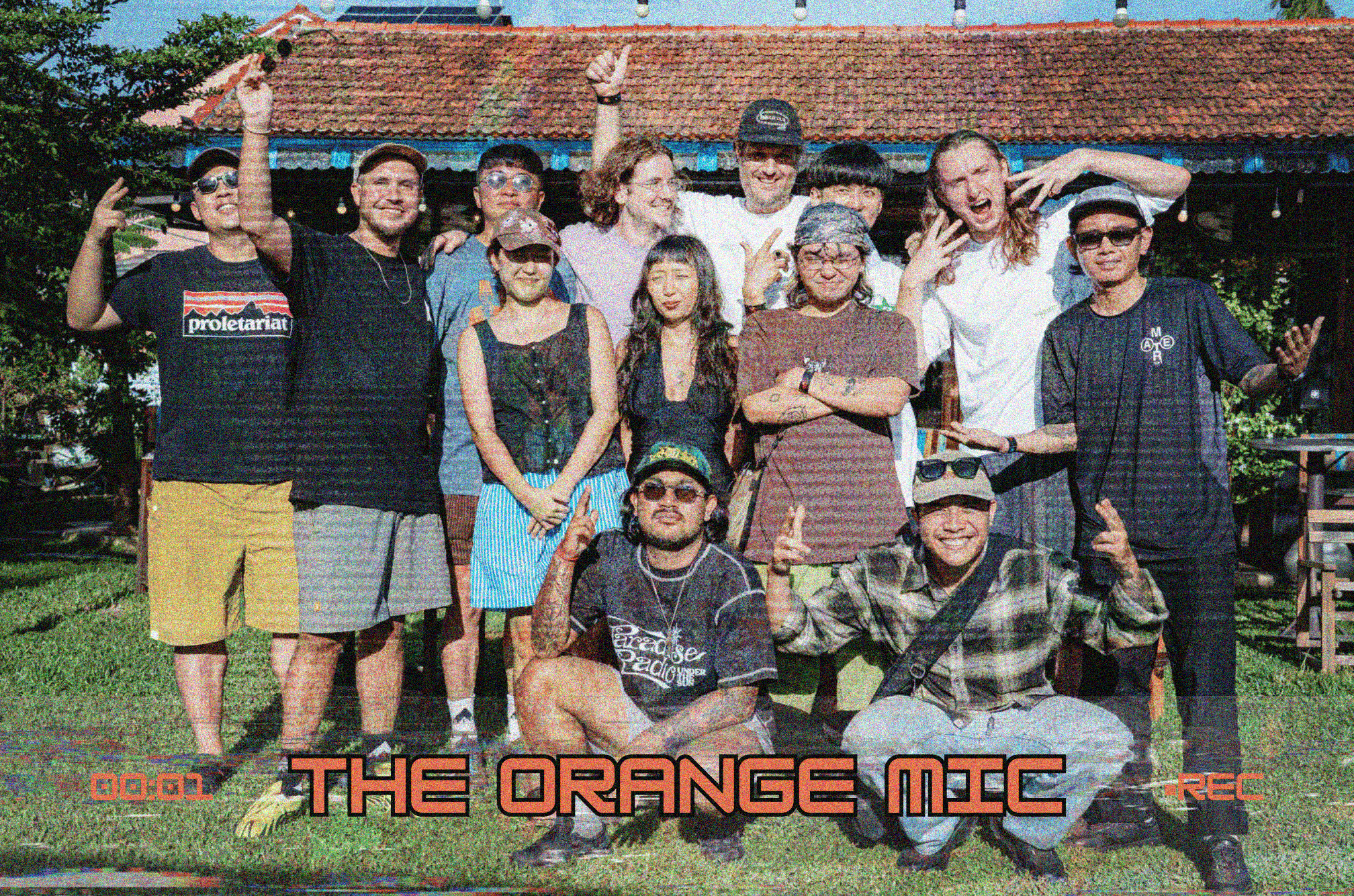
Travelling with us around Asia and beyond, there’s a small member of the party with a big responsibility: The Orange Mic is an ongoing series that records the conversations around culture, community, and music; on the ground and straight from the source.
Airtime Asia, the first celebration of Asia’s community radios, record labels, DJs, and, of course, the community of music-lovers that make it all happen, began against the backdrop of Da Nang’s Simple Beach: white sand mirrored by even whiter clouds, and blue water and sky as far as the eyes could see.
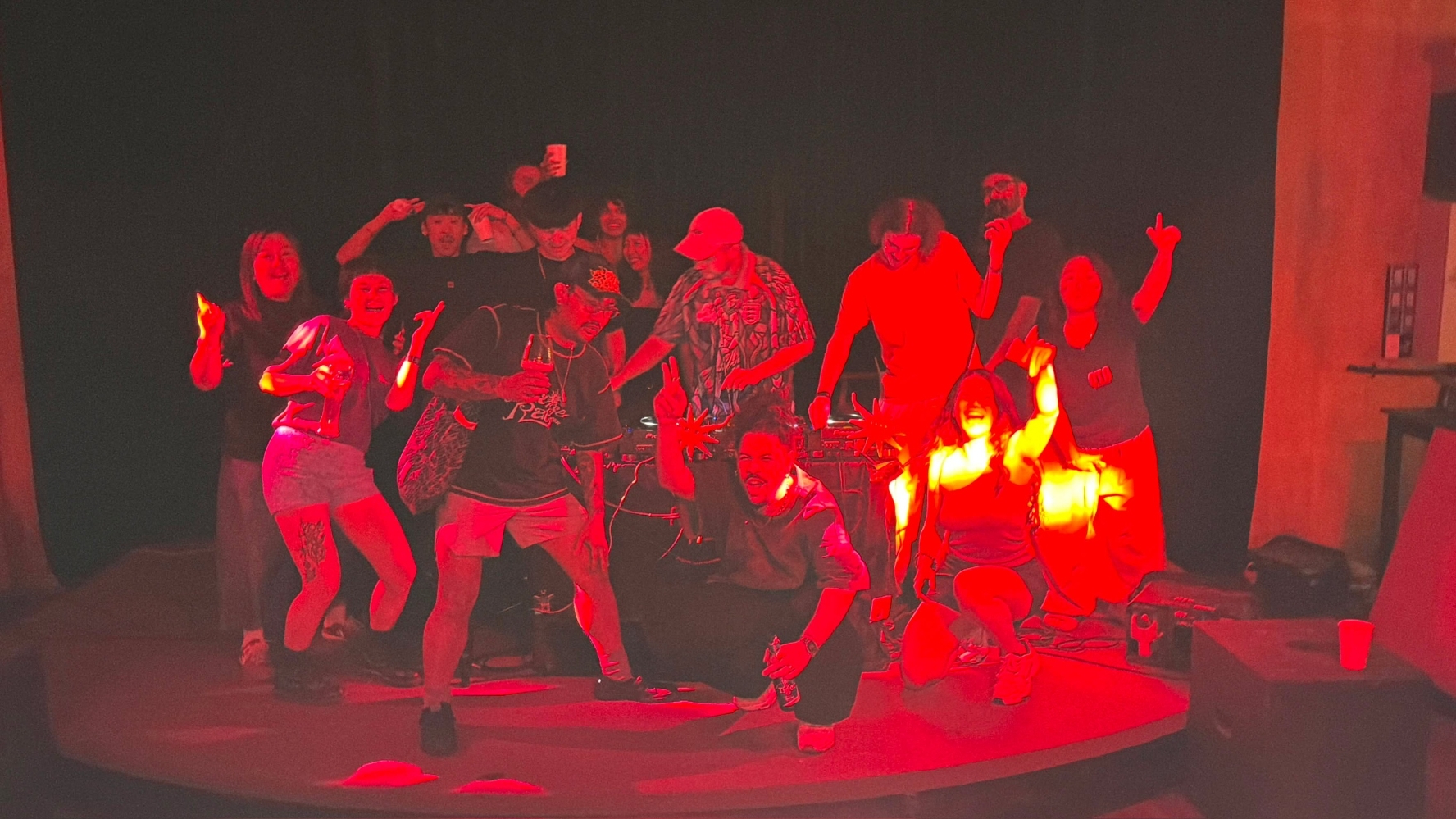
In Hội An, it came to an end under the red lights of OTA Playhouse, after a night of B2B2B2Bs, with empty cups in our hands and USBs being unplugged to shouts of “Where are the afters?!”.
When asked about why he believed the four day long conference was crucial, founder of Airtime, Myroslaw Bytz, had this to say: “With the primacy of the algorithm and the ascendancy of artificial intelligence, I believe we are at an inflection point right now, especially in the less established electronic music scenes in the world. Community radio stands firmly in the corner of humanity, where people are not chasing clout, likes, or paper, but holding down the true underground spirit of creation and sharing.”
He continues: “It seems crucial to me to unify those that are doing this independently, for the love, and nudge us all towards cooperation instead of competition. We all become stronger through unity and the borderless exchange of creativity, and that is a net positive for all people.”
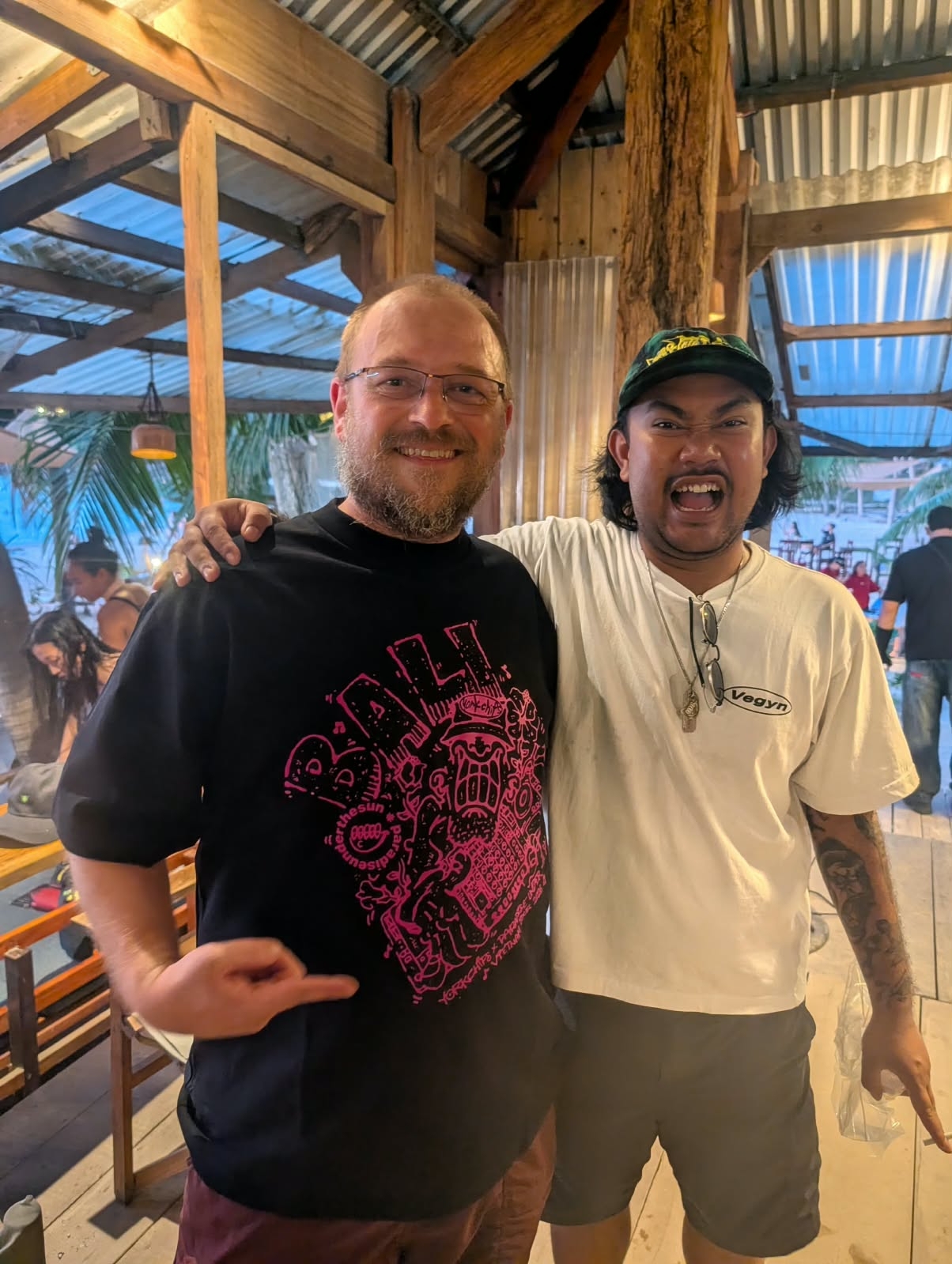
And this sentiment took the form of a pulse felt throughout the event. Moving between over 15 venues across Da Nang and Hội An, the thread that tied the community of 40+ artists and 12 community radio stations together was a boundless curiosity of what more could be accomplished through collaboration for the sake of it, sharing stories and laughs, yet always looking forward as to how to do more for the underrepresented.
Read this next: Tune In: Must-know community radios from Asia
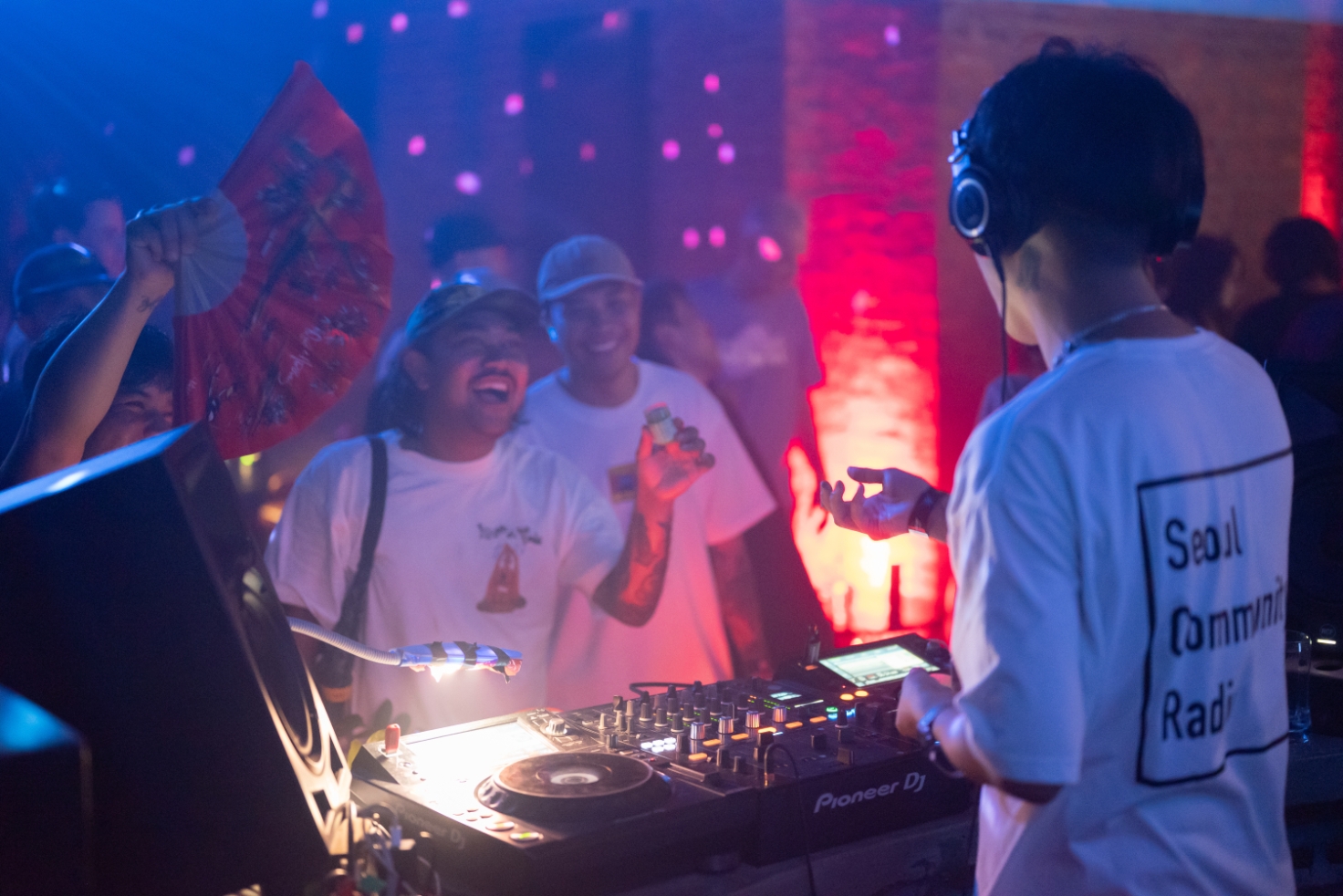
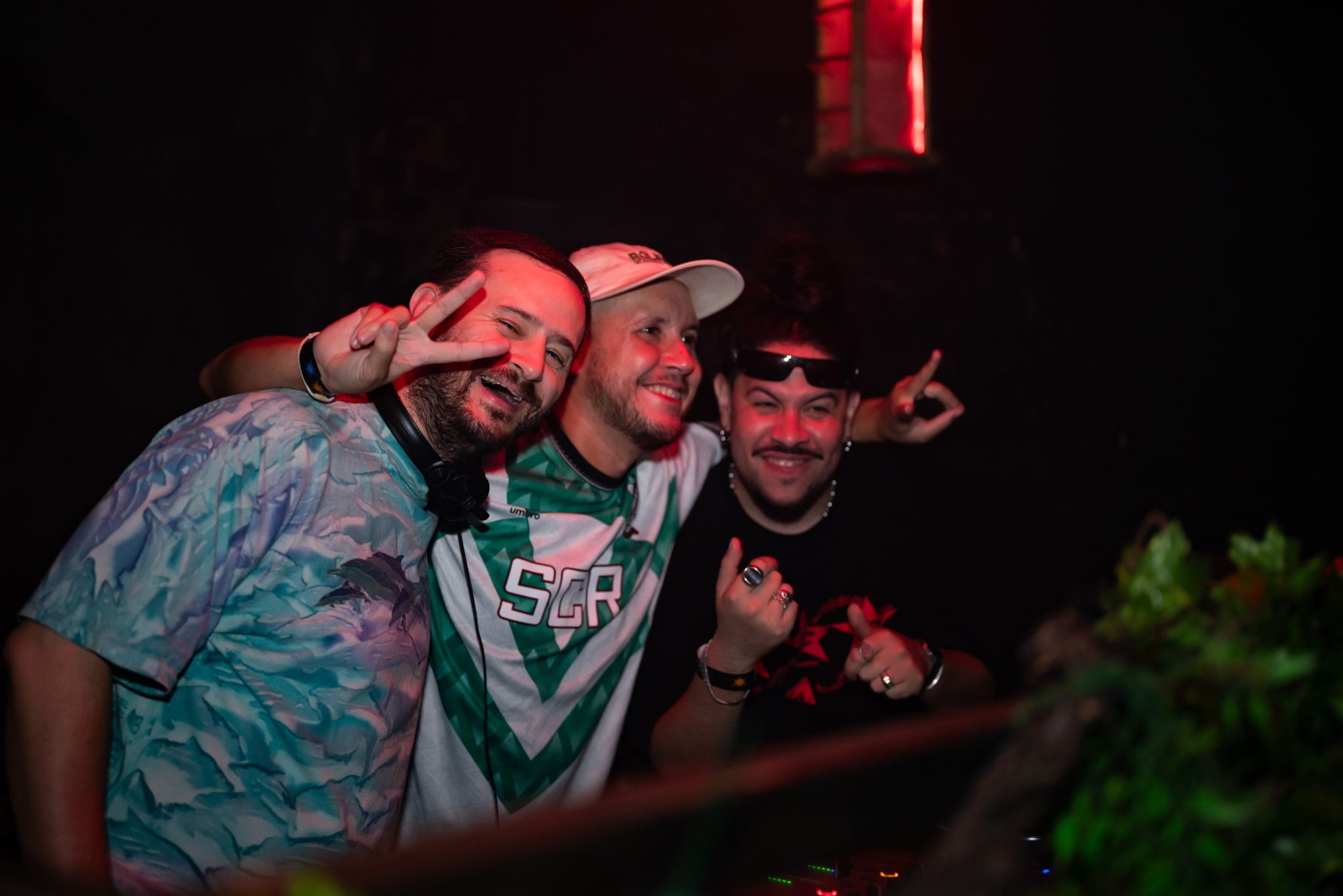
The scene set by the Airtime Asia team was in itself a source of inspiration to the artists: a corner pub on the street playing stank face worthy drum’n’bass, an entire street of venues new and old hosting the radio DJs in grimey club rooms and airy bars alike, locals and foreigners holding vibrant conversations on what their favorite set of the night had been, and what they’re looking forward to catching next.
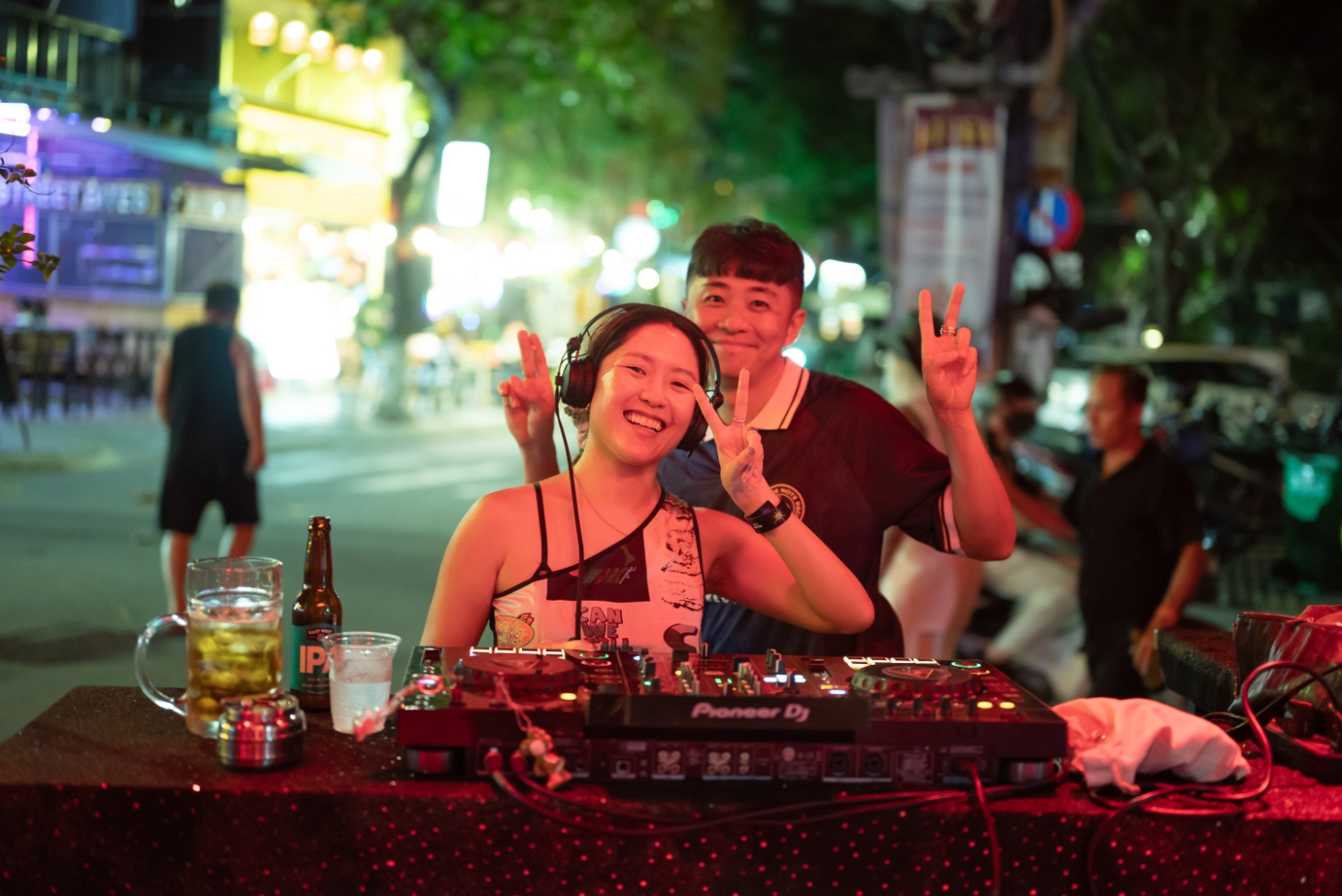
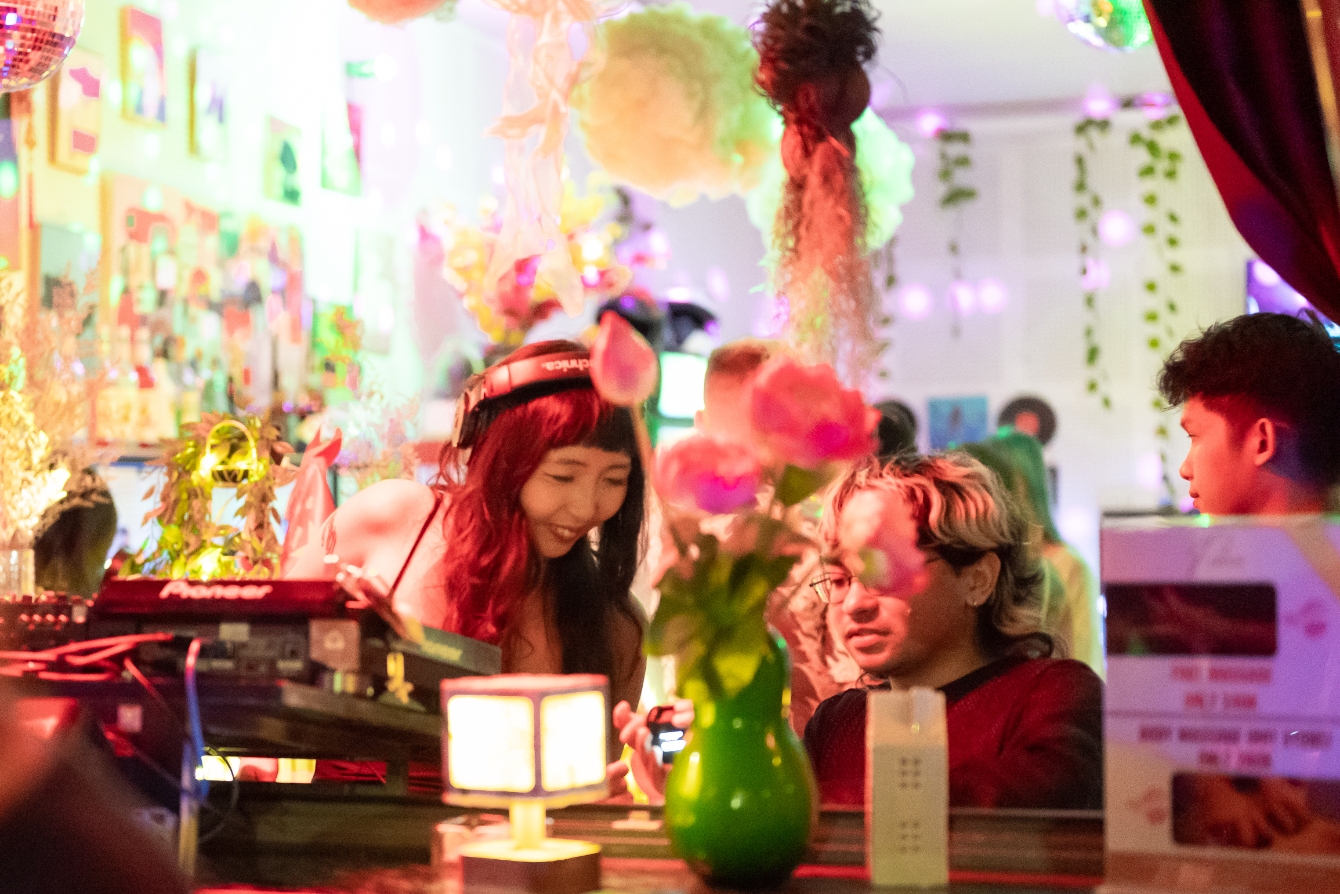
It then becomes worth asking how the community radios designed their spaces back home to create an atmosphere that’s welcoming to their guests and serves as a place of comfort for their teams.
We spoke to the founders of five community radios to hear their approach, and as The Orange Mic was passed on from one community leader to the next, in front of peaceful ricefields, noisy club entrances, and heated billiards games, the vision that Bytz started Airtime Asia for became ever evident.
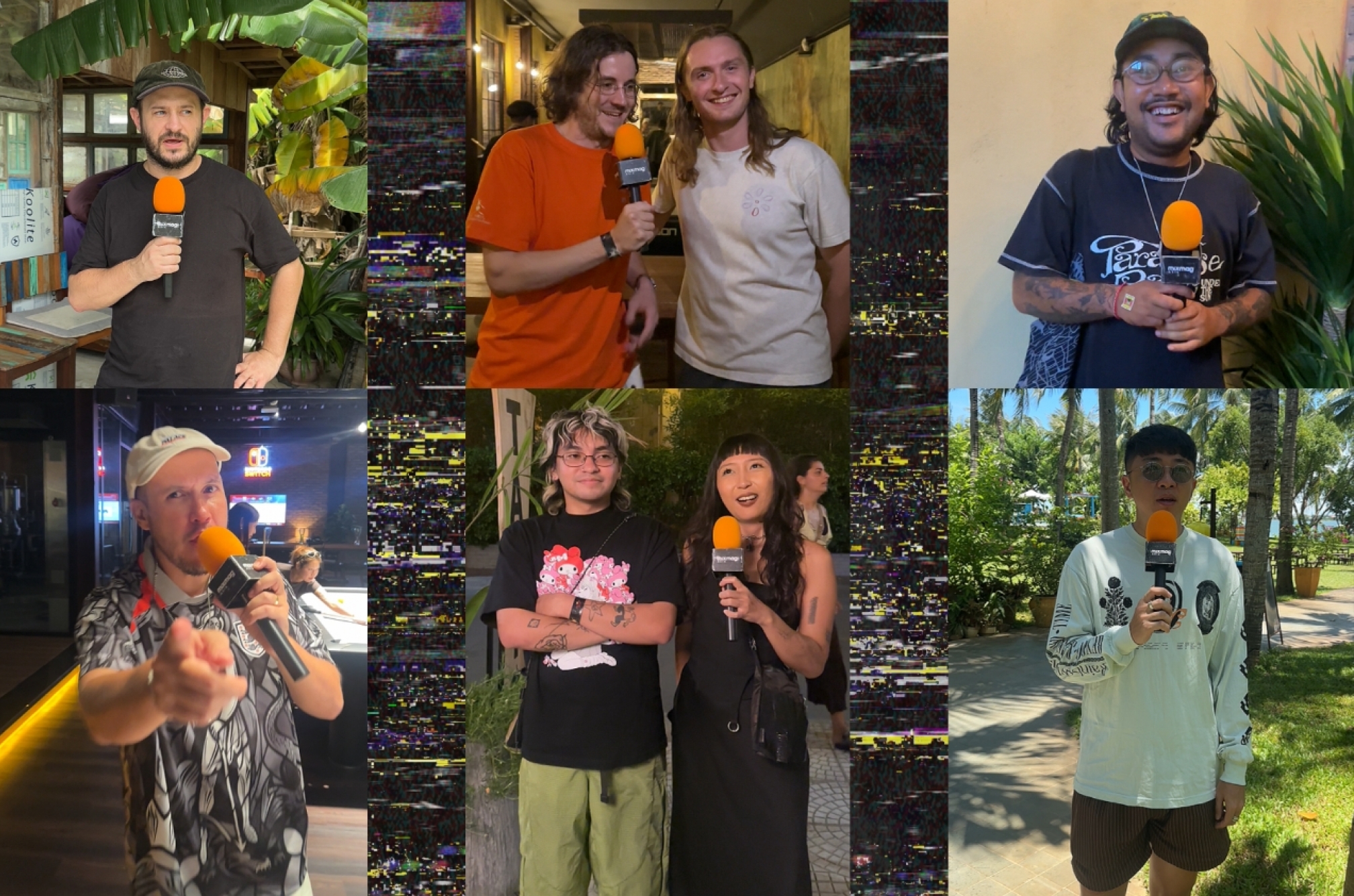
Tokyo: Room 303
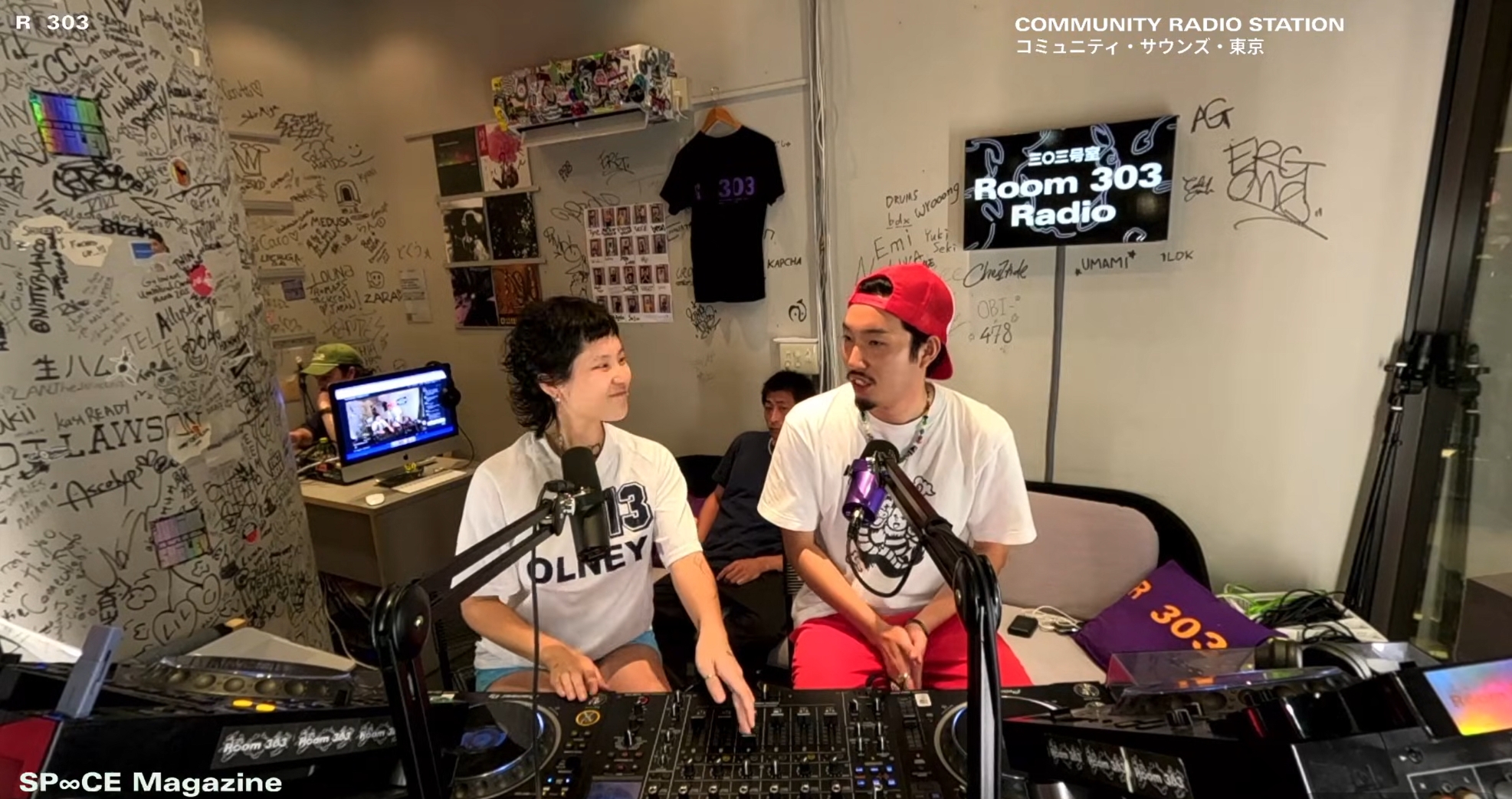
Describe your radio’s studio aesthetic in three words.
Miles and Graham: Living breathing organism. It's like a work in progress, a constantly evolving thing because it's a community based project. I love to see how it changes every time I tune in.
Is there anything behind the camera, or something the audience of the streams don’t get to see, that might be inspiring your DJs and speakers?
Miles and Graham: Escalator, [an] inspiring escalator. It’s a glass wall with a hotel lobby behind it, which also has a glass wall with a lounge behind it. So there's a lot of depth; as a DJ playing you're seeing people coming up, going into a hotel, people milling around…Sometimes there's events happening in there, there's people chilling, there's a lot of activity: so you're playing to a whole audience but they can't necessarily hear you, so you're in a kind of fish tank.
Bali: Paradise Under the Sun
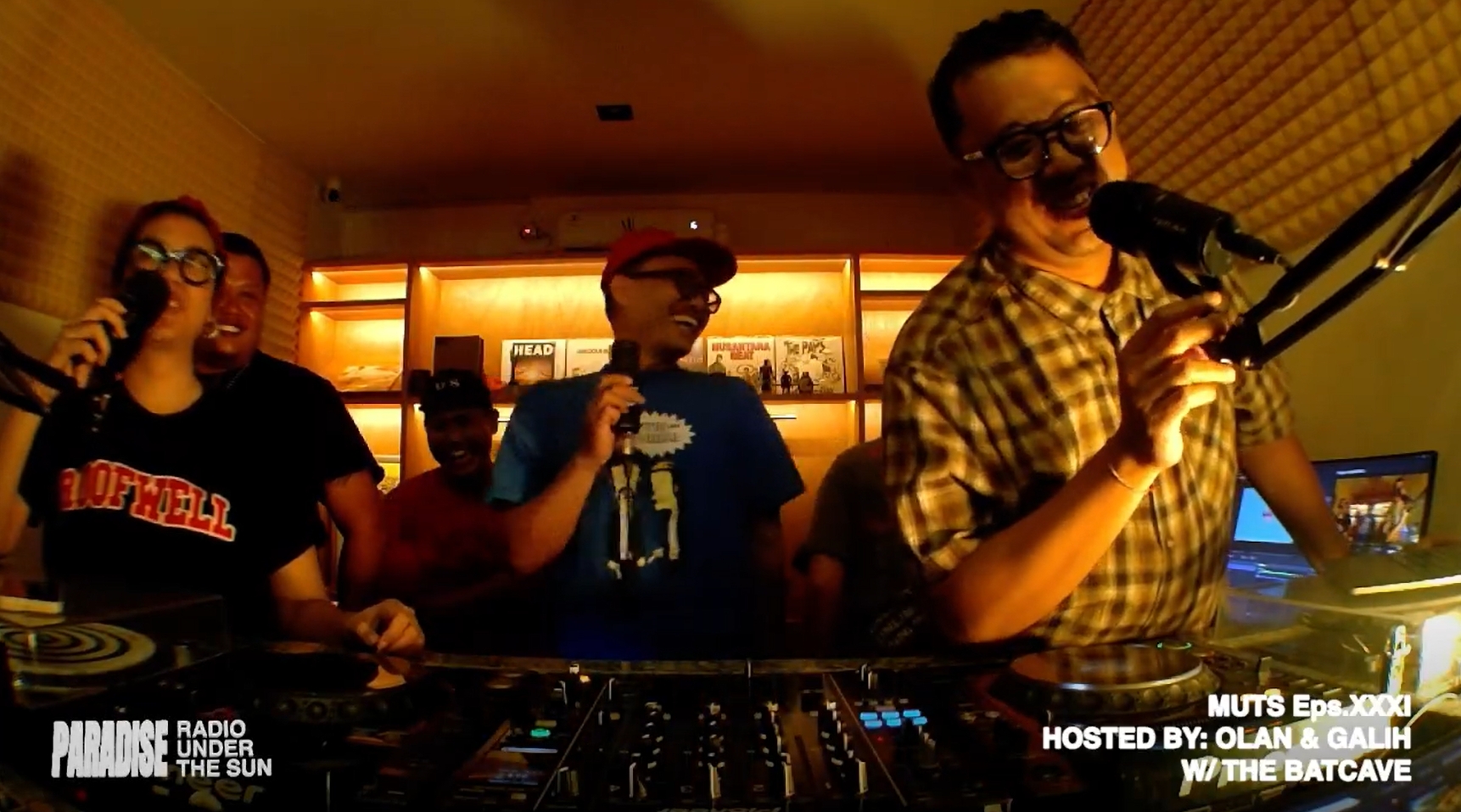
Describe your radio’s studio aesthetic in three words.
Dani: Raw, very, very natural, and…having fun! We have a background in the studio with a few vinyls. We never buy them; our friends come to the studio like “This is a vinyl for your studio!” for free! And they need to put it on our background.
Is there anything behind the camera, or something the audience of the streams don’t get to see, that might be inspiring your DJs and speakers?
Dani: In our studio we just use a very cheap camera. We're trying [our] best with that one, so we just put in some custom fisheye [lens]. If you're coming to our studio, you can see a lot of people hanging out - our studio has a coffee shop, a lot of people working, and the vibe is literally the town of Denpasar… you must come to Denpasar!
Singapore: Wild Pearl Radio
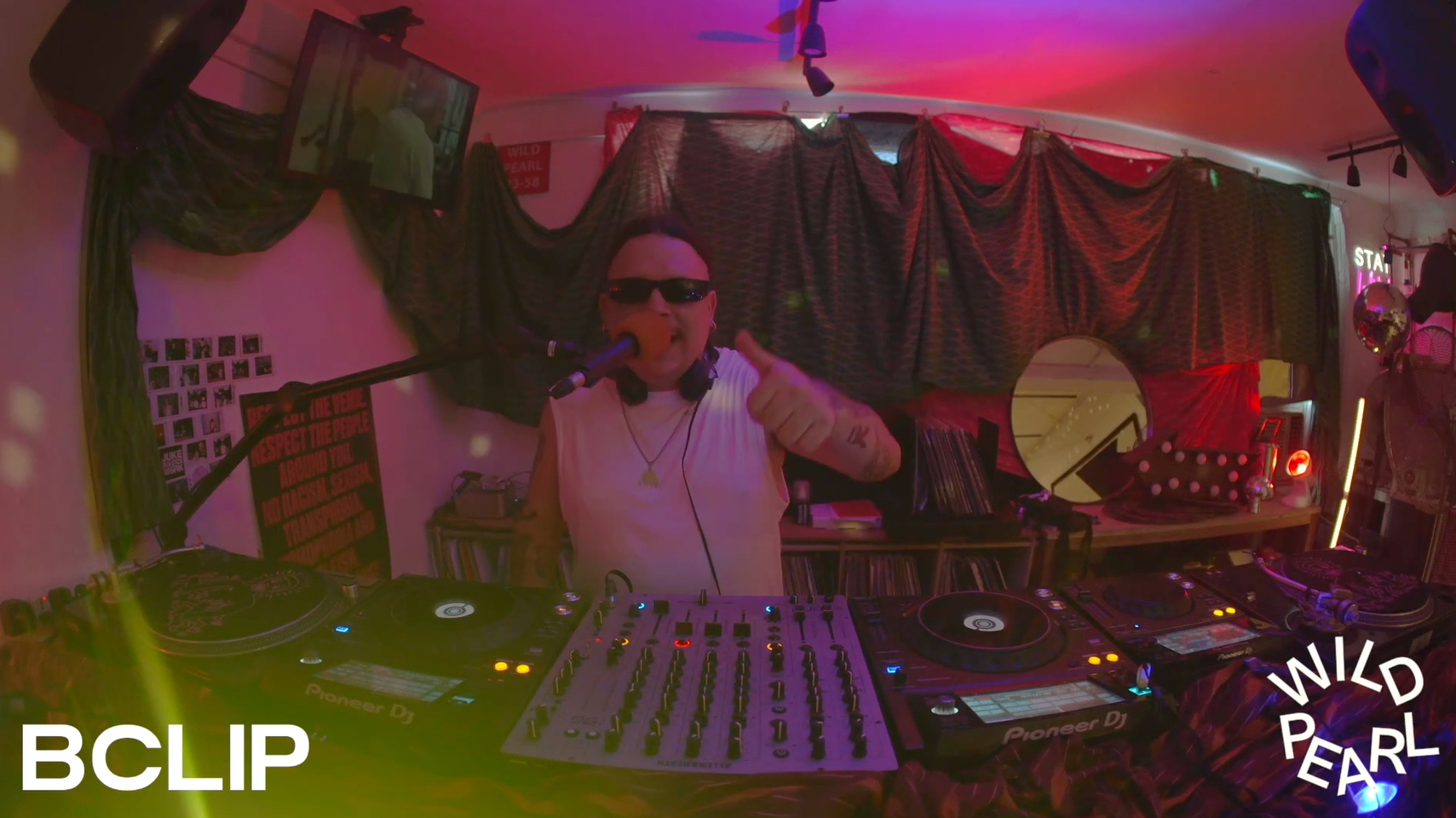
Describe your radio’s studio aesthetic in three words.
Leland: Wild Pearl Radio was born out of house parties, so I would say house party, disco balls… that's four words already. The last one would probably be: smoke machine.
Is there anything behind the camera, or something the audience of the streams don’t get to see, that might be inspiring your DJs and speakers?
Leland: Well, we have a pretty colorful studio, lots of furniture: lots of places to lounge at, but also if you move them, to dance on. It's a pretty relaxed environment for the DJs and they feel really good when they record.
Manila: Manila Community Radio
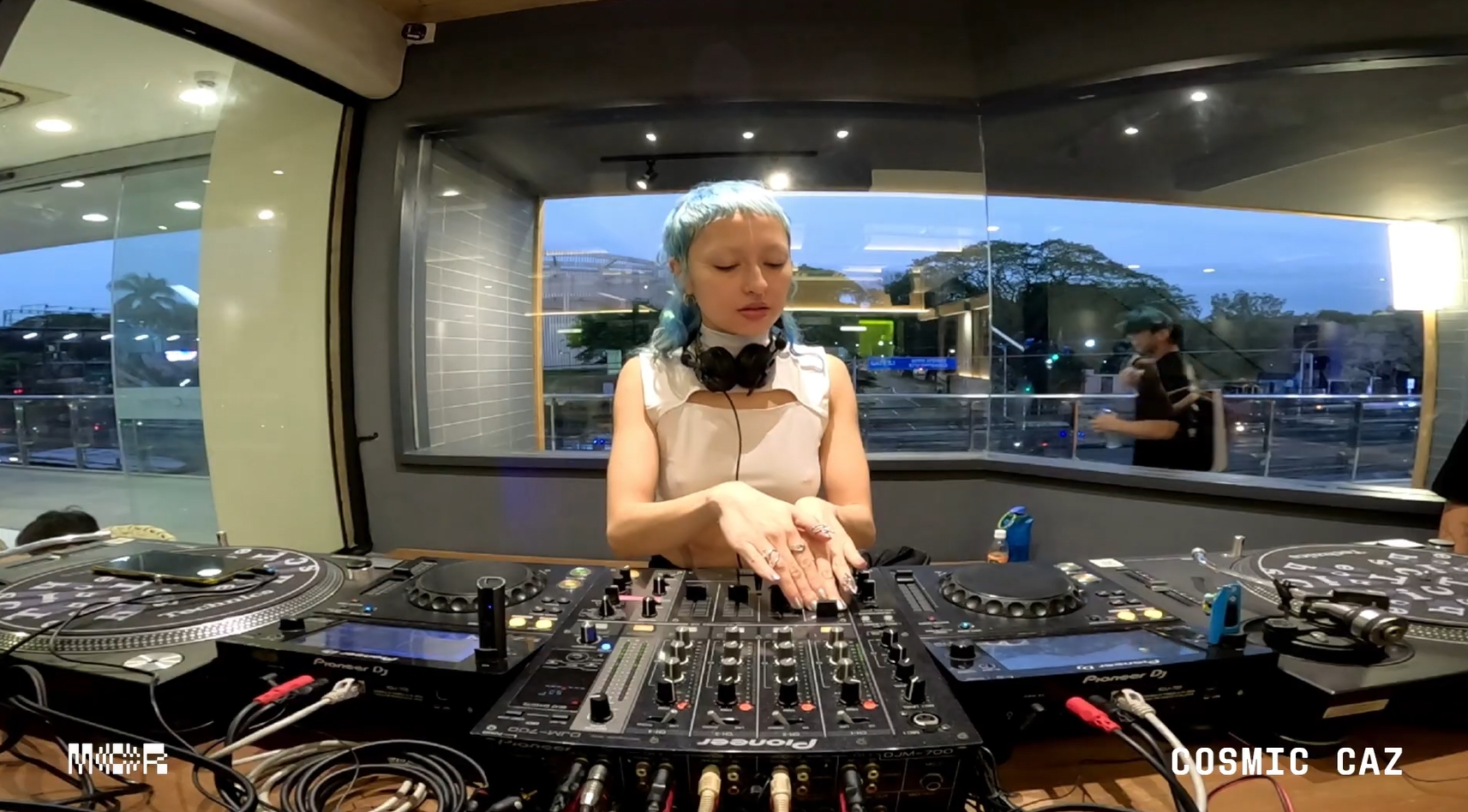
Describe your radio’s studio aesthetic in three words.
Yumi: Vibrant, maximalist, bustling. Those words because those represent our digital footprint thus far, covering the diversity of Manila’s sound as well as the color that we bring.
Is there anything behind the camera, or something the audience of the streams don’t get to see, that might be inspiring your DJs and speakers?
Luis: We're actually situated in this fusion chicken restaurant. So on the livestream you see the view: you see the school behind the DJs, but behind the camera it’s just a lot of students eating chicken. I'm not sure if it's necessarily inspiring, but it does sort of affect the DJ in some ways.
Bangkok: Bangkok Community Radio
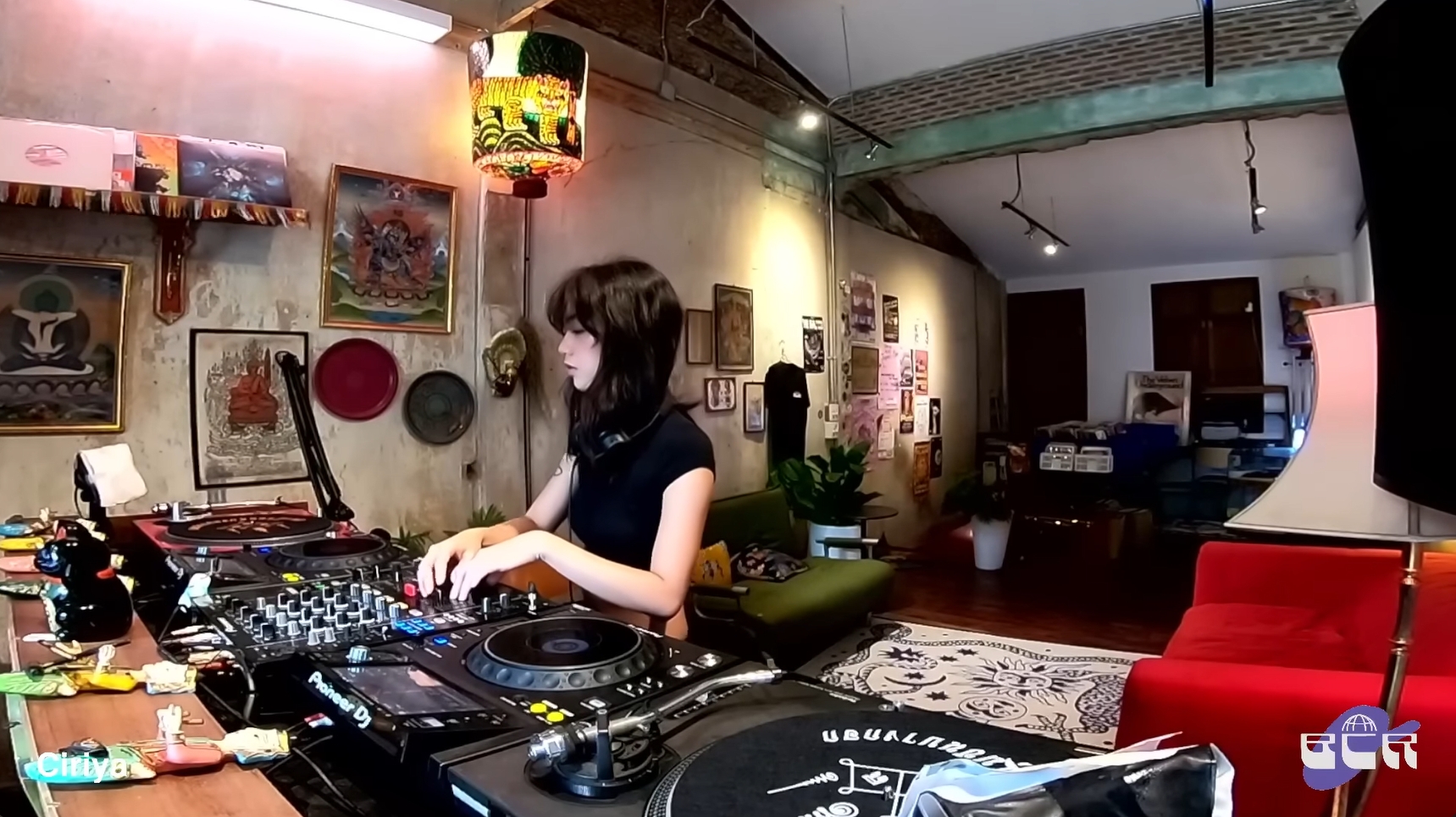
Describe your radio’s studio aesthetic in three words.
Brent: Local, comfortable, social. We like to keep a local vibe. We try to bring in local artists, from Thailand or throughout Asia. So when people come in to do a show we want them to feel like they're in Asia. We got Yellow Fever to come in and he's got a lot of artifacts from Asia, and he curated the studio. We're situated in a townhouse which has washed walls, a bit weathered, that really gives the essence that you're in Asia and not just in any studio around the world. Another keyword would be comfort: people will come in and they can just feel at ease, at home, they can concentrate on their performance rather than be in a studio environment. The third one is social: where they can make friends and meet people and talk about themselves or the radio or whatever they're involved in in the creative scene.
Is there anything behind the camera, or something the audience of the streams don’t get to see, that might be inspiring your DJs and speakers?
Brent: When we first started we were against a back wall, and you're facing a wall. So we flipped it around so we create a vibe, so it's not just one person performing: you get people socializing, talking, dancing, and they're facing each other. There's nothing physically behind the camera. We make a conscious effort to make sure it's comfortable. We didn't want to go down the route of like, big studio lights and there's cameras in your face. We try to use the ambient light as much as we can - that would make the performer more comfortable to concentrate on their set.
Farhana is Mixmag Asia’s Visual Designer, follow her on Instagram here.
Never miss a beat. Subscribe to our Scene Report newsletter or follow us on Instagram.
