


Night Shift exhibition revisits Kuala Lumpur’s nightlife scene during 1997-2003
Curators Roshan Menon & Callen Tham share thoughts on preserving the Malaysian capital’s club history & lessons to learn from it
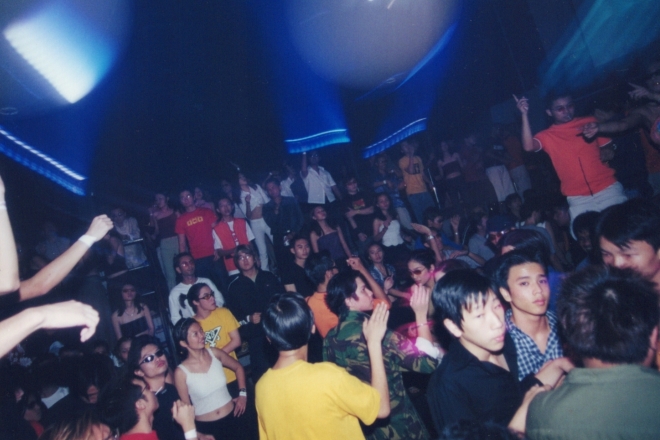
Night Shift, an exhibition on Kuala Lumpur’s nightlife scene between 1997 and 2003, opens on November 7 at Bookmark @ APW in Bangsar.
Opening day includes a panel discussion with figures from the era, followed by a party. The exhibition then runs from November 7 to 15, daily from 10am to 10pm.
Four sections make up the exhibition: The Art, covering flyers, posters, photography and design; The People; The Spaces; and The Economics, covering sponsorship and licensing.
On display will be flyers, posters, photographs, period newspaper coverage, objects from venues that no longer exist, and new interviews with promoters, DJs, owners and performers. Much of the material will be shown publicly for the first time.
The exhibition is curated by Roshan Menon of Saturday Selects and Callen Tham, whose credits include Excessive Records, Ohrwurm, Tempo and Pervert Designs.
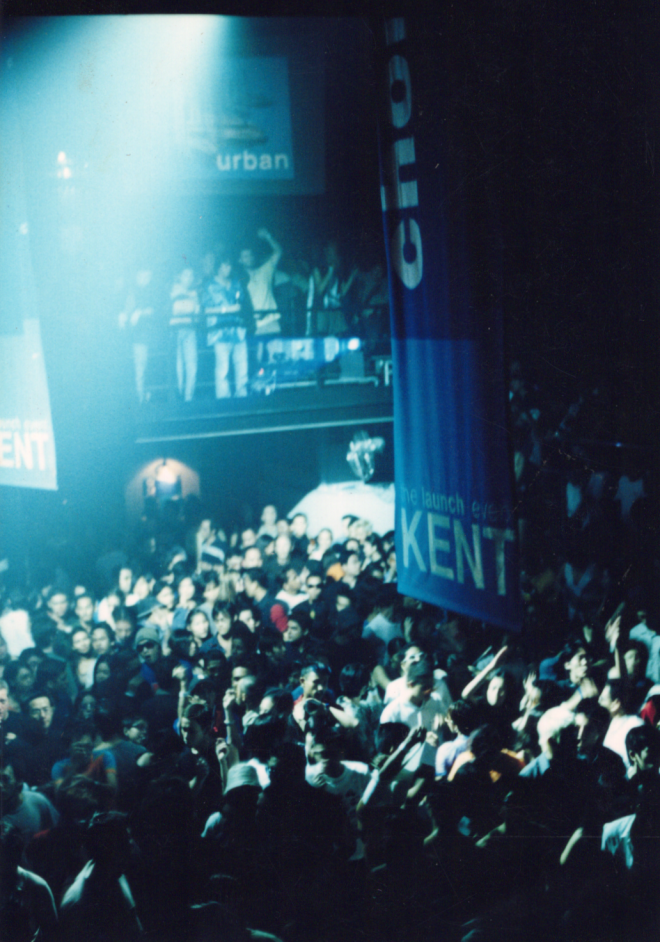
Menon started it as a personal project. “I wanted to understand our history, and as I built my own collection, I realised there wasn’t one place to find this information,” he tells Mixmag Asia.
Read this next: OMK exhibition in Seoul traces the roots of Philippine soundsystem culture
Tham was initially unsure about it, since earlier attempts at a KL clubbing retrospective never took off. He took part in the scene as a DJ, promoter and record store owner: “We weren’t really documenting things back then, so there isn’t a complete record of what happened,” he says, adding “Everyone remembers things a bit differently too, which is why I thought it would be interesting to bring these things together.”
Around 1997, a 1am curfew and the Asian Financial Crisis pushed the dance scene out of regular venues. Parties moved into bungalows, penthouse suites and the rooftop of Menara IMC.
One standout night took place on July 18, 1997: “We hosted a rave inside Pudu Prison before its demolition,” Menon shares.


Malaysia’s first international touring DJs arrived in this period. Sven Väth played a set that ran almost 14 hours, plus big names like John Digweed, Sasha and Paul van Dyk stopping by.
By 2002 and 2003, sponsors had started to come on board. Menon says funding mattered to how organisers worked: “A lot of that era was funded by tobacco sponsors, and before that money was accessible, the scene had to be creative and resourceful to keep the dance going.”
Read this next: Photographer Greg Girard's new book is a textured voyage through vintage Tokyo
Both curators say community kept the scene going. “Promoters, DJs, designers and artists all leaned on each other, and crowds turned up because they felt part of something, not just because a big name was on the flyer,” Menon says.
He lists a few lessons from the period: “Build a community, not just an event, because a loyal crowd will carry you through the years.” He also adds: “Be resourceful with space and budget; constraints often produce the most memorable nights.”
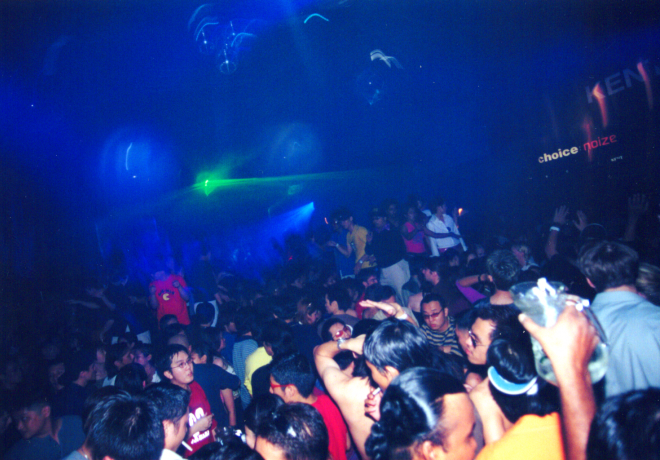
Tham says the approach was practical at the time: “There was a lot of energy around the scene, and people were willing to take a few chances and try things out.”
Read this next: 48 vintage pictures that capture the early days of clubbing across Asia
“We had ideas, we wanted to do things differently, and we figured things out along the way,” he explains, adding that this still applies today: “You don’t need to have everything figured out before you start something. Sometimes you just have to give it a go and see where it takes you.”
Menon also says the scene would have benefited from more recognition from the city: “The scene survived the restrictions back then, but it would have had an easier time if the city had seen it as part of its culture and economy. That conversation is still worth having today.”
For more details on the Night Shift exhibition, including registration and opening hours, follow the official Instagram account here.
Amira Waworuntu is Mixmag Asia’s Managing Editor, follow her on Instagram.
Never miss a beat. Subscribe to our Scene Report newsletter or follow us on Instagram.
