


 Features
A look inside HighHouse: Singapore's nightlife venue that's more than just the view
Recently the home of Mixmag Asia's CIRCUITS, we spoke with the team about creating a space built around sound, culture, food & connection
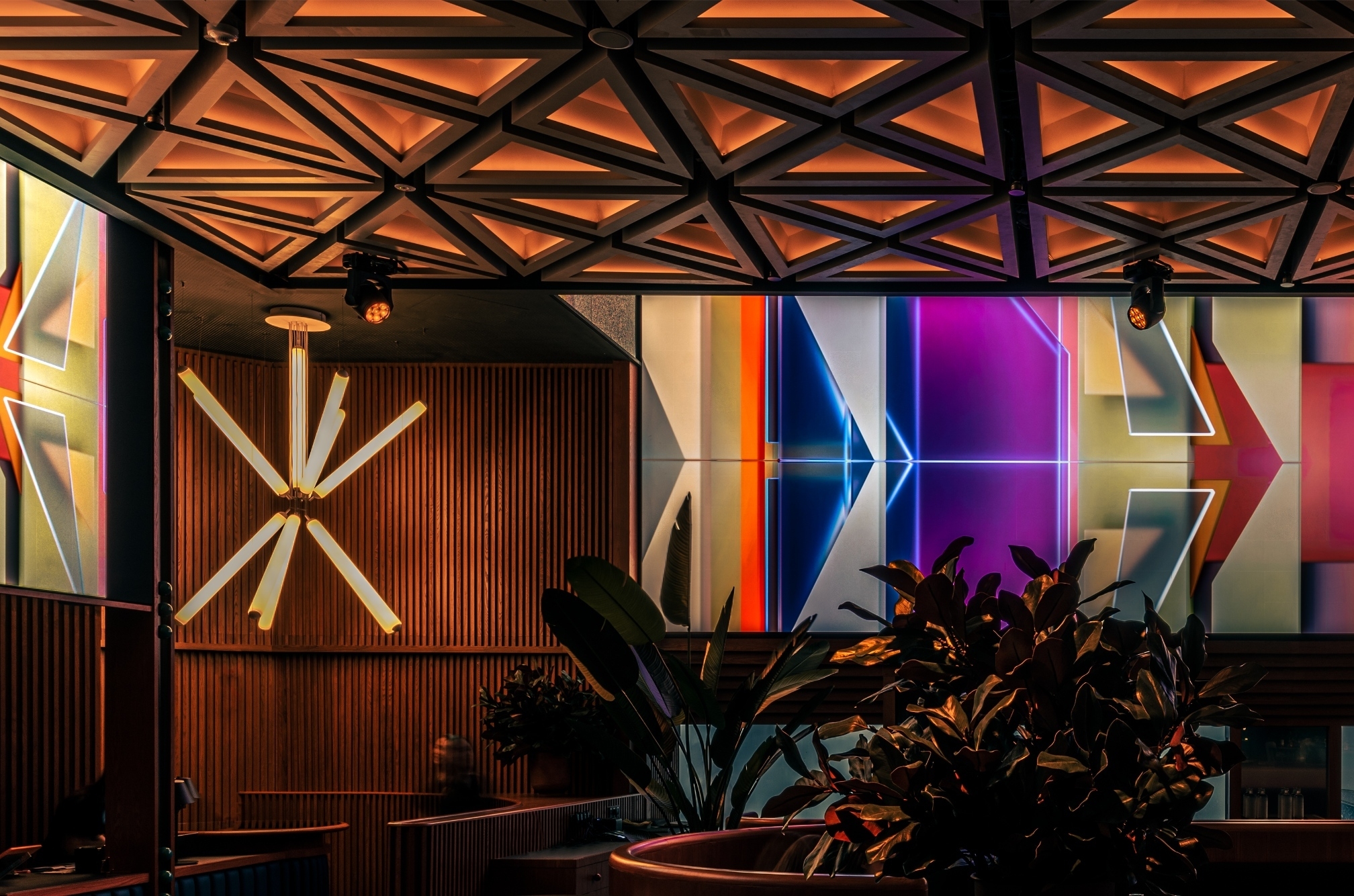
Nestled on the 62nd floor of Singapore's skyline, HighHouse has been slowly evolving, adapting and, in some regards, leading the city's approach to the intersection with music and food and beverage.
It's a space that moves through the day in distinct moods, from lunch to sunset sessions to a late-night dancefloor, all without asking you to leave, all from the highest bar floor in the country.
Singapore, like much of Asia, is ever-shifting. New sounds, venues, artists and ideas cycle through at a pace that keeps even seasoned observers guessing. HighHouse sits at the sharper end of that shift, programming genre-fluid electronic music alongside an often Michelin-starred culinary offering with guest chefs, and a mainstay menu that's hard to forget, with sister space NOVA operating above it for a more high-energy crowd.
As well as guest chefs, they’re no stranger to top-notch talents, having hosted names like Didi Han, Yeti Out, Seoul Community Radio, Giorgia Angiuli, Wildealer, Meltmode and many more.
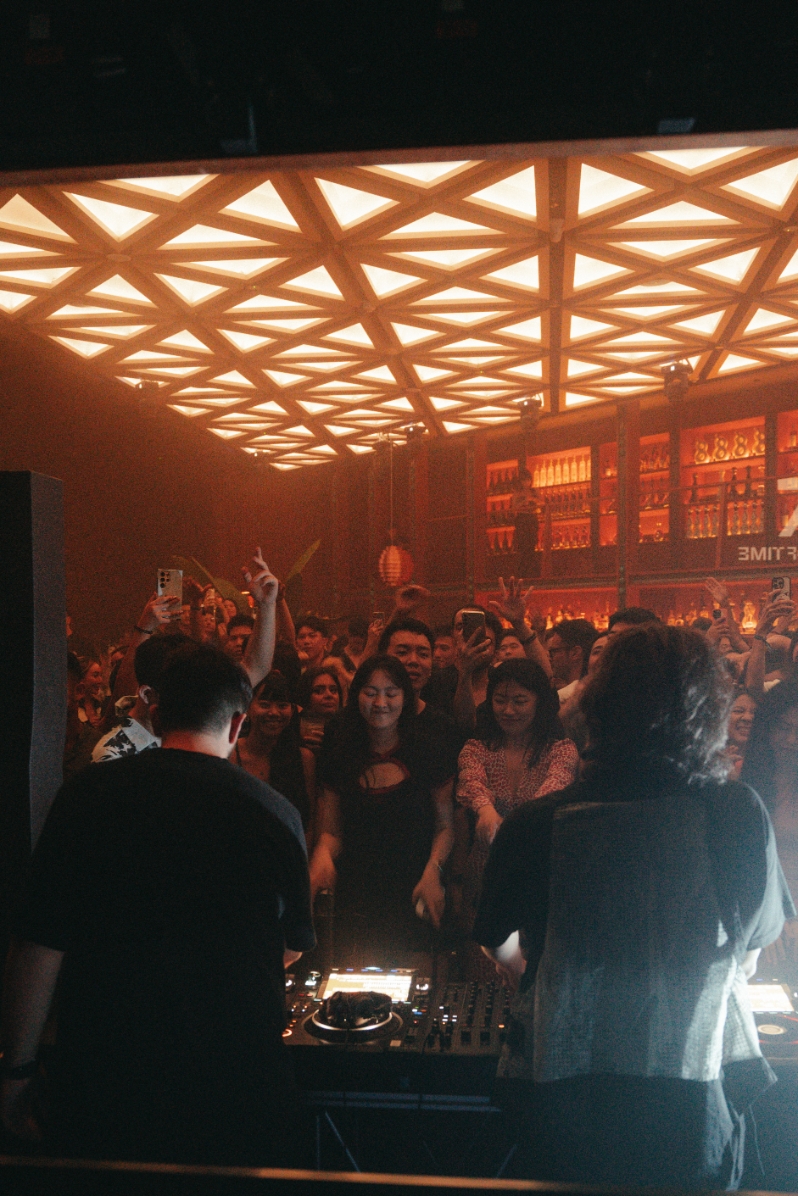
Recently, the space marked another moment in that evolution, becoming the latest stop for Mixmag Asia’s very own CIRCUITS, where we brought PNNY, ling:chi and TASHASAN to the floor for a night.
We sat down with the team behind it to talk about sound, space and what it actually takes to build a rooftop with substance.
HighHouse has a very specific feeling the moment you step into it. What was the original vision? Did the physical space come first, or the concept behind it?
The concept came first. We wanted to create a space where music, art, hospitality and conversation could coexist naturally, not just a nightclub or restaurant, but a complete cultural experience that evolves throughout the day and night.
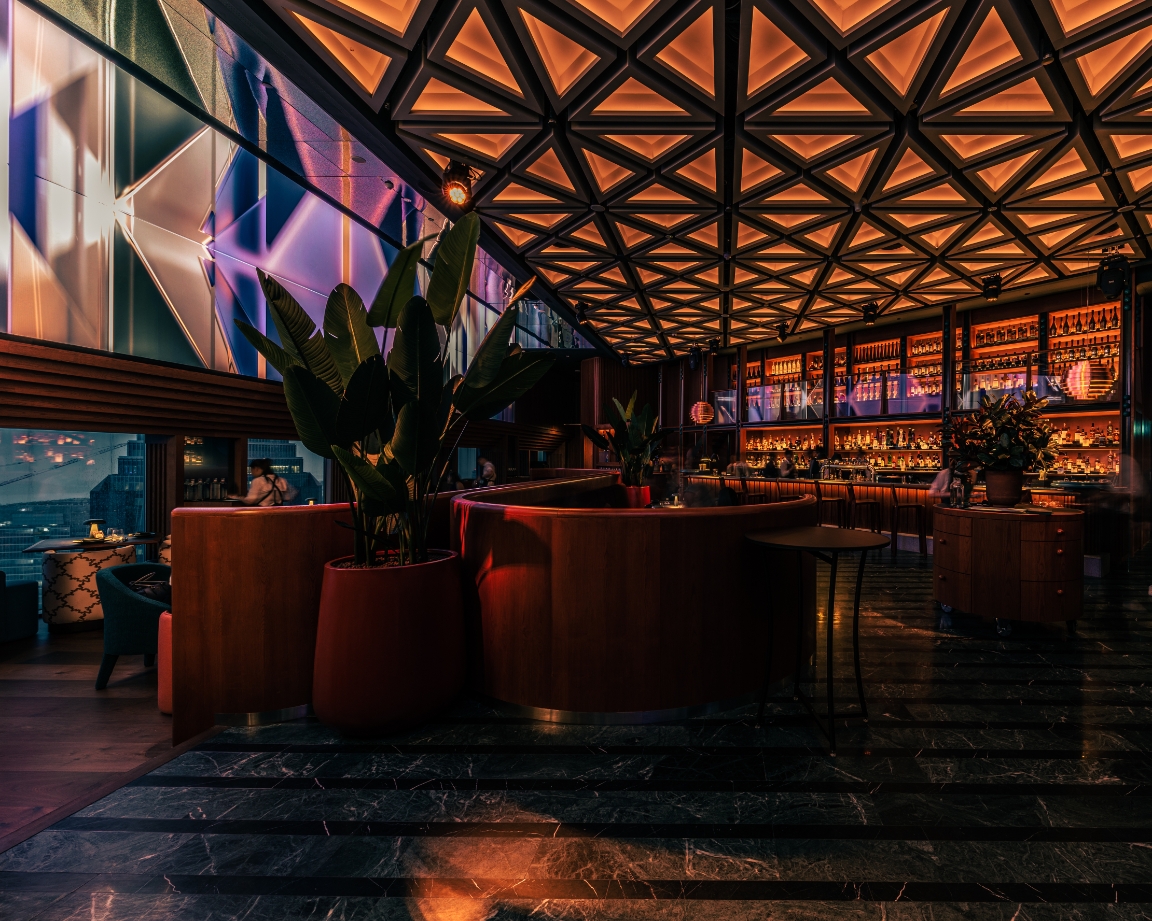
The physical design was then built around that emotional journey. Every part of HighHouse, from the soaring double-volume bar to the intimate booths and immersive digital art, was designed to shift with the energy of the evening. The idea was always to create a sense of discovery, where guests could experience different moods and atmospheres within a single destination.
Singapore has always had a slightly complicated relationship with nightlife. Where does HighHouse sit within that tension?
Singapore’s nightlife has evolved tremendously over the years. Audiences today are much more open, informed and intentional about the spaces they choose to spend time in. We see HighHouse as part of a new generation of venues that prioritise culture, curation and experience rather than just nightlife in the traditional sense.
For us, it’s about creating an environment where people can genuinely connect; through music, food, art or conversation. The nightlife element is important, but it’s only one layer of the overall experience.
Read this next: Festivals in Asia to look forward to in 2026
Why did now feel like the right time for a space like this in Singapore?
There’s a growing appetite in Singapore for more immersive and thoughtfully curated experiences. People are travelling more, discovering different music scenes and becoming increasingly interested in spaces that feel culturally connected rather than transactional.
A rooftop changes constantly with the weather, the light and even the energy of the city below it. How do you programme for a room that’s never quite the same twice?
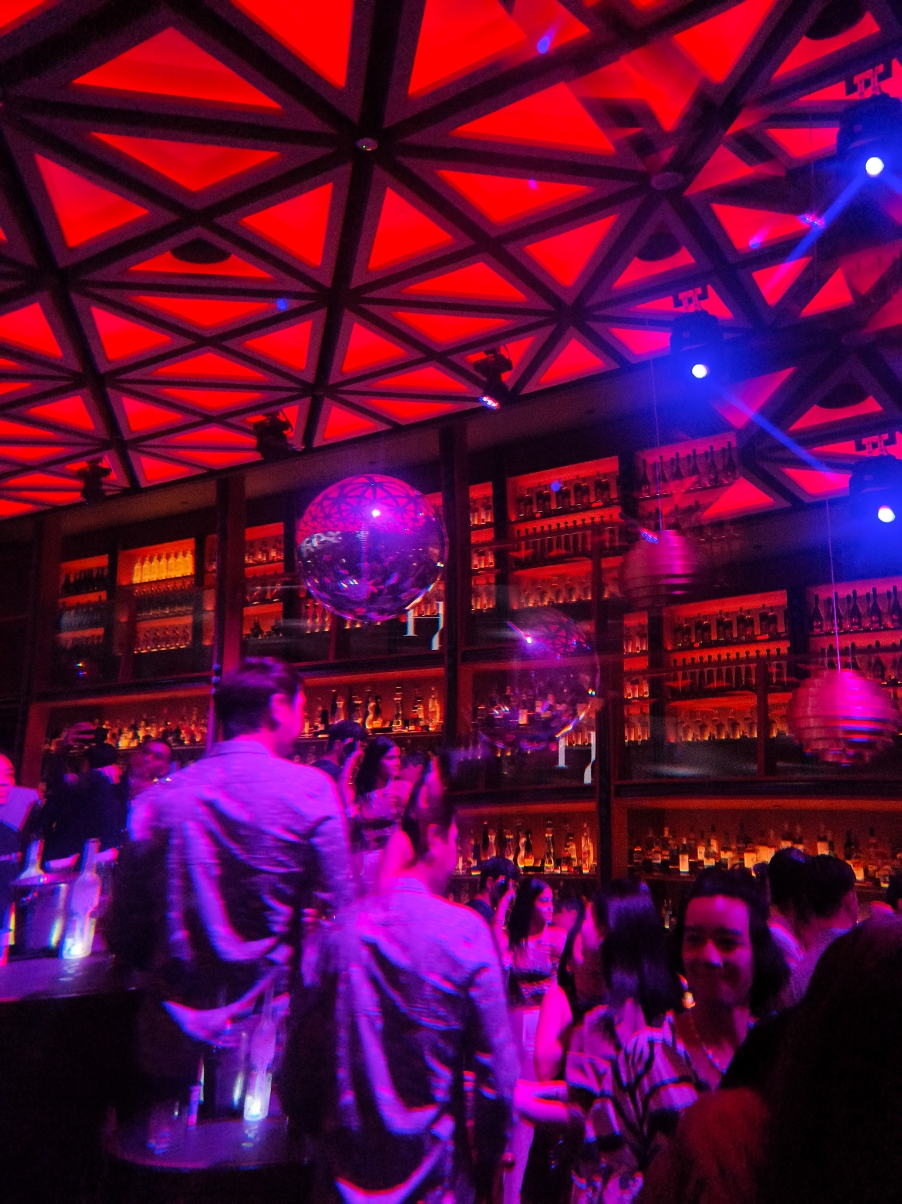
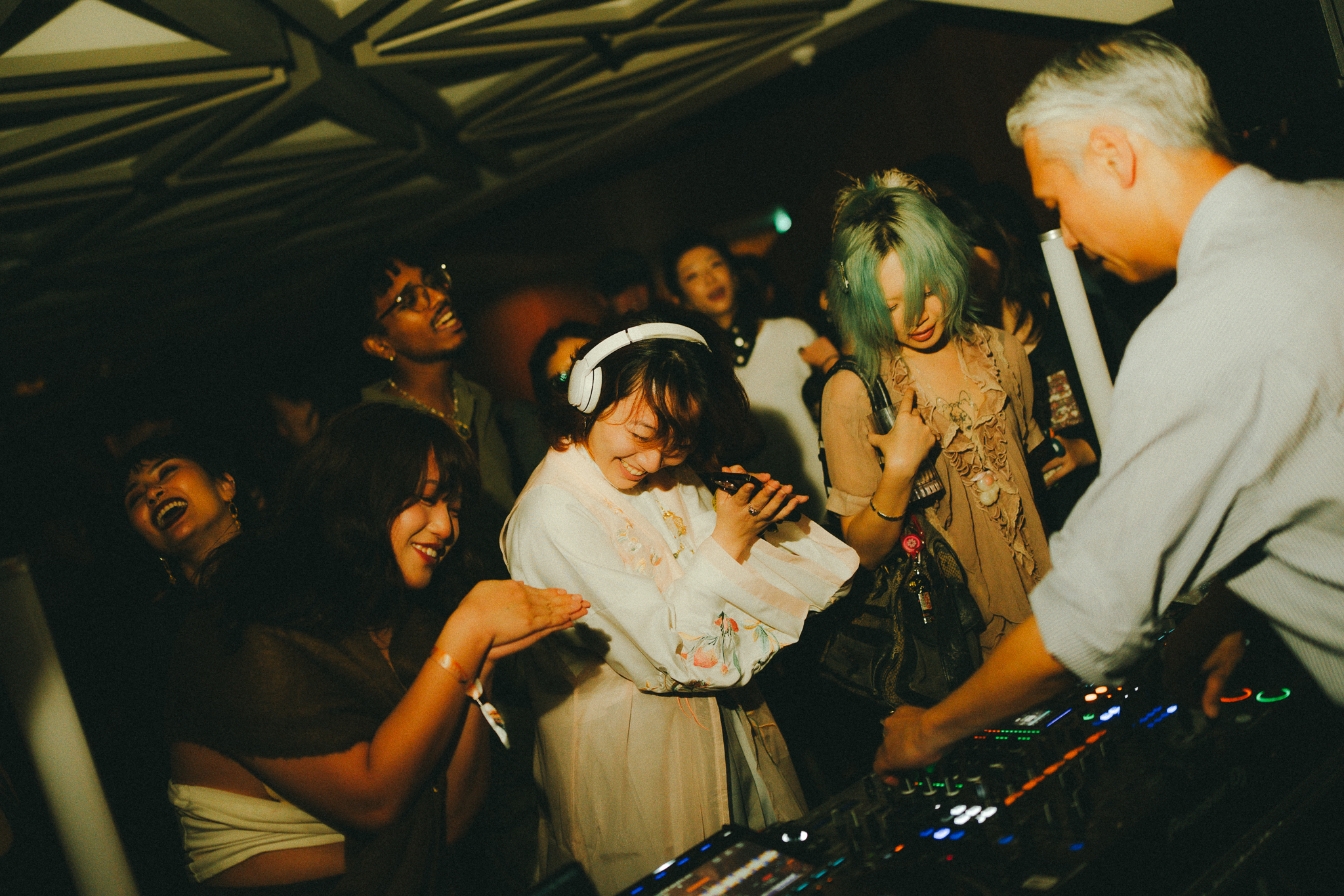
That unpredictability is actually one of the most exciting parts of the space. HighHouse transforms naturally throughout the day; lunch feels completely different from sunset, and sunset feels completely different from 1AM.
Our programming responds to those transitions. The music, lighting and even the pacing of service evolve gradually with the room.
What does HighHouse offer that didn’t really exist in Singapore before?
At HighHouse, guests can move from dinner to cocktails to a late-night dancefloor without ever feeling like they’ve changed venues. Alongside that, there’s the integration of large-scale digital art, intentional sound programming, elevated hospitality and panoramic skyline views. It’s the combination of all those elements that makes the experience feel unique.
Read this next: Pump Up the Rainbow: A conversation on queer & safe spaces in Asia
How has music curation in Singapore shifted over the years, and how has HighHouse moved with or against that change?
Singapore audiences have become far more adventurous over the years. There’s greater appreciation now for underground sounds, genre-fluid programming and DJs who take people on a journey rather than simply playing familiar hits.
At HighHouse, we’ve always wanted to champion that sense of discovery. We programme across melodic house, techno, R&B, hip hop, mainstage big room sounds and more experimental electronic music, while also giving space to both established and emerging artists from Singapore and abroad.
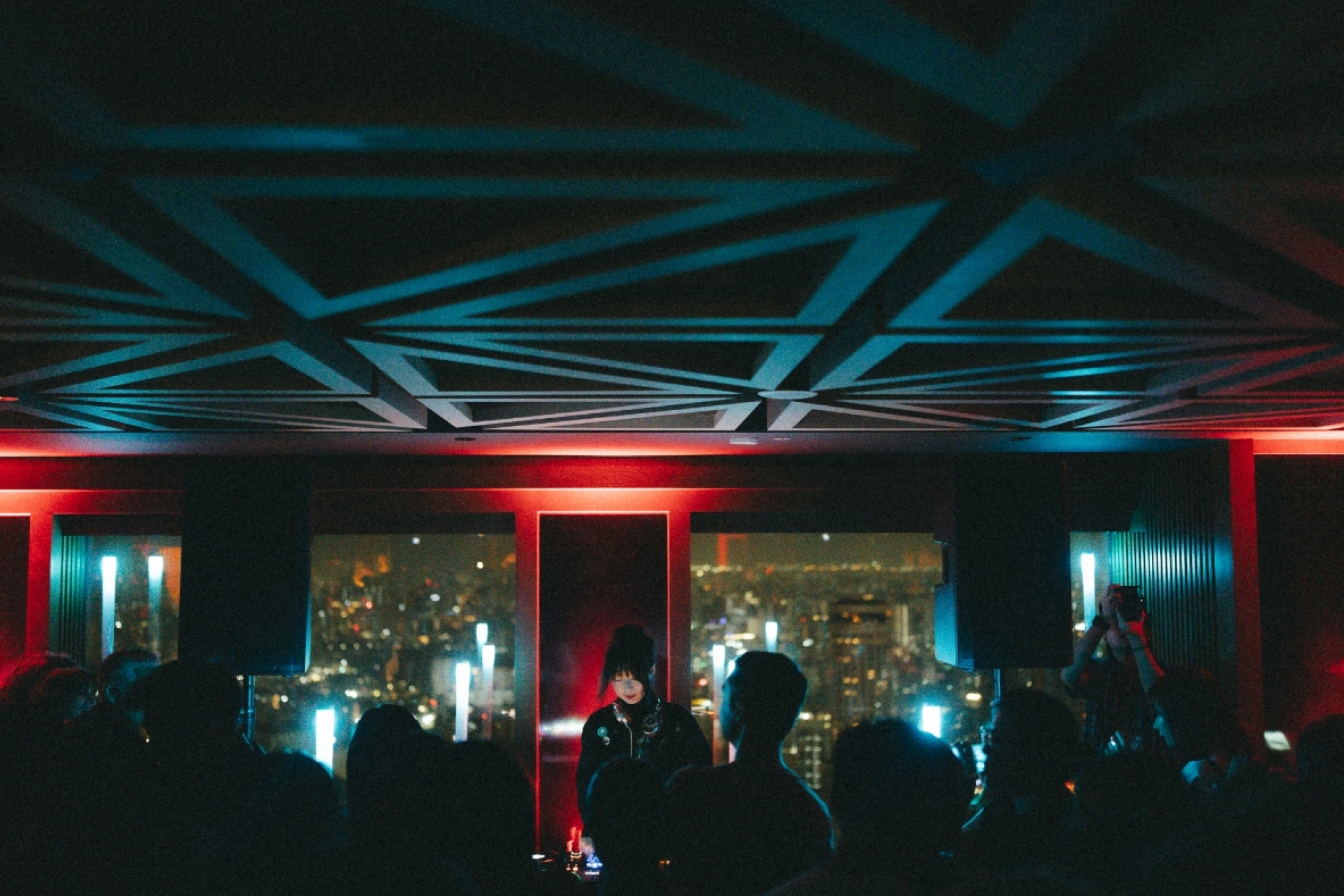
Is there a genre, sound or scene you feel Singapore still hasn’t fully opened up to yet, but you’re waiting on?
We'd love to see Singapore embrace more genre-fluid electronic music. We've traditionally gravitated towards clearly defined sounds, whether that's commercial EDM, techno or house, but some of the most exciting artists today sit between genres. The lines between house, techno, breaks, UK garage, baile funk and bass music are becoming increasingly blurred. I think audiences here are ready for that kind of unpredictability, and I'm excited to see where it goes.
Walk us through the technical side of the space. What are you working with sonically, and how does that shape the experience on the dancefloor?
Sound was a major consideration from the very beginning because we wanted the music experience to feel immersive without overwhelming the space. The acoustics had to work equally well during dinner service, sunset sessions and late-night programming.
A lot of attention was placed on clarity, warmth and balance throughout the venue so that guests feel connected to the music no matter where they are in the room.
Read this next: Mixmag Asia’s 2026 Essential Listening
Rooftop venues can easily become more about spectacle than substance. How do you balance atmosphere with genuine music culture?
The view may bring people in initially, but the experience is what makes them return. From the start, we never wanted HighHouse to rely solely on spectacle. Music programming is treated with the same level of importance as the culinary and hospitality experience.
We work closely with artists, selectors and collaborators who genuinely care about the electronic music scene and community. That allows us to create nights that feel intentional rather than purely commercial. The atmosphere is important, but it always needs substance behind it.
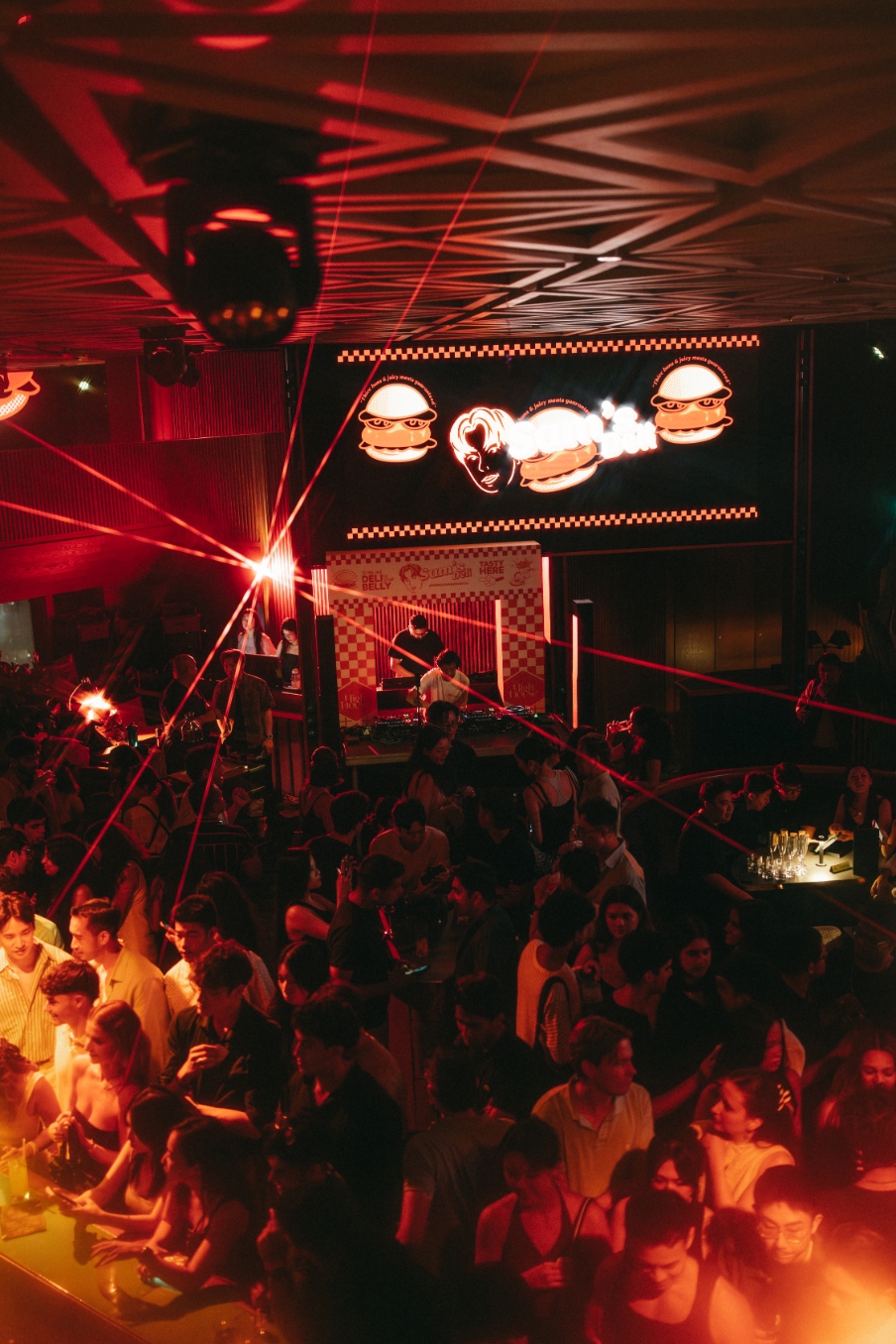
NOVA and HighHouse sit side-by-side physically, but culturally feel very different. How do you define the distinction between the two in terms of programming, crowd and atmosphere?
While both spaces share the same skyline and DNA of elevated hospitality, they each offer very different energies.
HighHouse is more immersive, intimate and creatively driven; a space centred around discovery through music, art and dining. NOVA, on the other hand, is more open-air, high-energy and celebratory. The programming leans into bigger moments and a more immediate rooftop party atmosphere.
Do the two spaces attract different sides of the same person, or genuinely different crowds?
A bit of both. There are definitely guests who move fluidly between both spaces depending on the mood they’re seeking that evening. Someone might start their night with dinner and deeper musical programming at HighHouse before transitioning into the more energetic atmosphere at NOVA later on.
HighHouse draws a more discerning crowd interested in music discovery and immersive hospitality experiences, while NOVA tends to attract a more tourist-heavy, high-energy crowd looking for a vibrant rooftop party atmosphere.
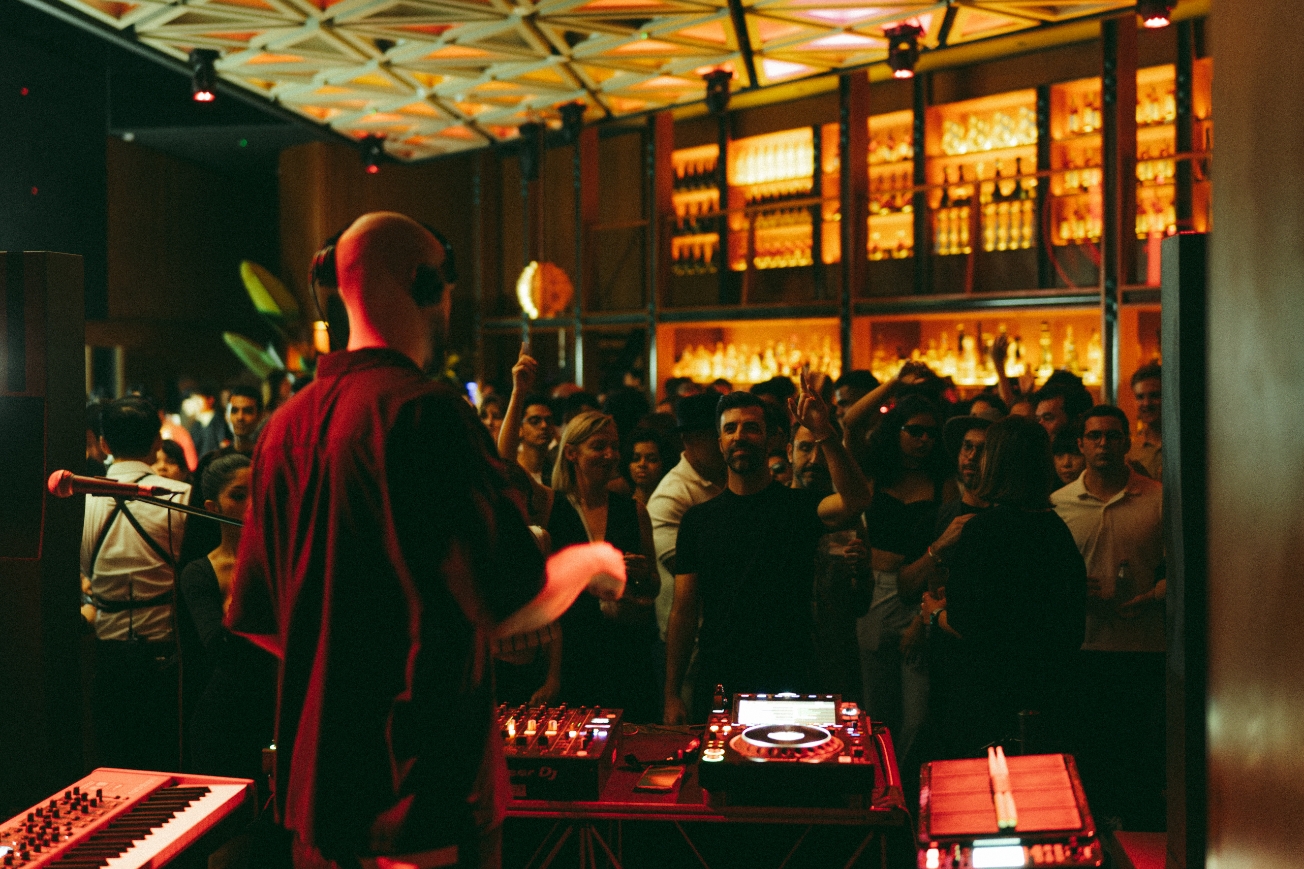
HighHouse programmes a different sound for every night of the week; how do you curate a music journey that builds from a dinner-time simmer all the way to a 3AM peak?
It’s very intentional. We think about music in terms of pacing and emotional movement rather than isolated sets. Early in the evening, the sound is more atmospheric and conversational, something that complements dining and the sunset transition.
As the night progresses, the energy gradually intensifies through rhythm, tempo and texture. By the later hours, the room naturally reaches a more euphoric and dancefloor-driven state. The key is ensuring that progression feels organic rather than abrupt.
Read this next: CTRL+Print Vol. 2 / Vaporwave, Acidgrafix & Cybersigilism
What’s a moment at HighHouse that made you feel like the concept was truly working?
During F1 weekends over the past two years, there were a few standout moments that really showed the concept working at its fullest, especially the way both HighHouse and NOVA came alive as one connected ecosystem.
From LAP 62 brunch sessions and sunset programming in 2024, to 2025’s full venue takeovers like Yeti Out x Seoul Community Radio and the Mandala Mansion closing weekend across both spaces, it was a clear showcase of how the experience could shift seamlessly across dining, music and nightlife.
What does the space look like five years from now? Do you preserve what it is, or let it evolve naturally over time?
We believe evolution is important. The essence of HighHouse—discovery, connection and immersive experiences through music, art and hospitality—will always remain, but how those ideas are expressed should continue evolving naturally over time.
Henry Cooper is a Writer at Mixmag Asia. Follow him on Instagram.
Never miss a beat. Subscribe to our Scene Report newsletter or follow us on Instagram.
