


 Features
Pump Up the Rainbow: A conversation on queer & safe spaces in Asia
Across the region, Pride events have always existed in negotiation with visibility, risk & community. We spoke to a number of local crews on what it takes to build a space worth showing up for.
Dance music and clubs have always been political, whether they wanted to be or not. House music was born from Black and queer communities in Chicago. Techno came out of Detroit's margins. Ballroom gave the world a vocabulary for identity and performance that still echoes across floors and festival line-ups today.
In Asia, that conversation is playing out against a backdrop that's been shifting. Thailand is marking its first anniversary of marriage equality this June, having become the first country in Southeast Asia to legalise same-sex marriage.
Meanwhile, Japan's Supreme Court Grand Bench announced in March 2026 that it will deliberate on whether the country's ban on same-sex marriage violates the Constitution, with a ruling expected in 2027.
Progress rarely moves in a straight line or even in large steps, but at least it moves.
In Hong Kong, a court ruled that banning trans people from using gender-appropriate toilets was unconstitutional. Taiwan’s government introduced bills that would open assisted reproduction to single women and female same-sex couples.
South Korea’s new minister for gender equality has pledged to prioritise the passing of a long-stalled anti-discrimination bill (which includes protections for LGBTQIA+ people). India’s Karnataka state passed a hate speech law, while Tamil Nadu state made LGBTQIA+ sensitivity training mandatory for all doctors.
None of that makes the work on the ground any less necessary. On the dancefloor, this momentum finds expression in a wave of parties and collectives doing exactly that; close to home, close to the people who need it most.
Across the region, local crews are doing what they've always done: carving out space, building community, and making sure the dancefloor is actually safe and welcoming for the people it claims to serve
Read what seven organisers have to say about how their cities shape what they build, what safety looks like in practice, and the one track that captures it all. Also, don’t miss their events throughout Pride month; all listed below.
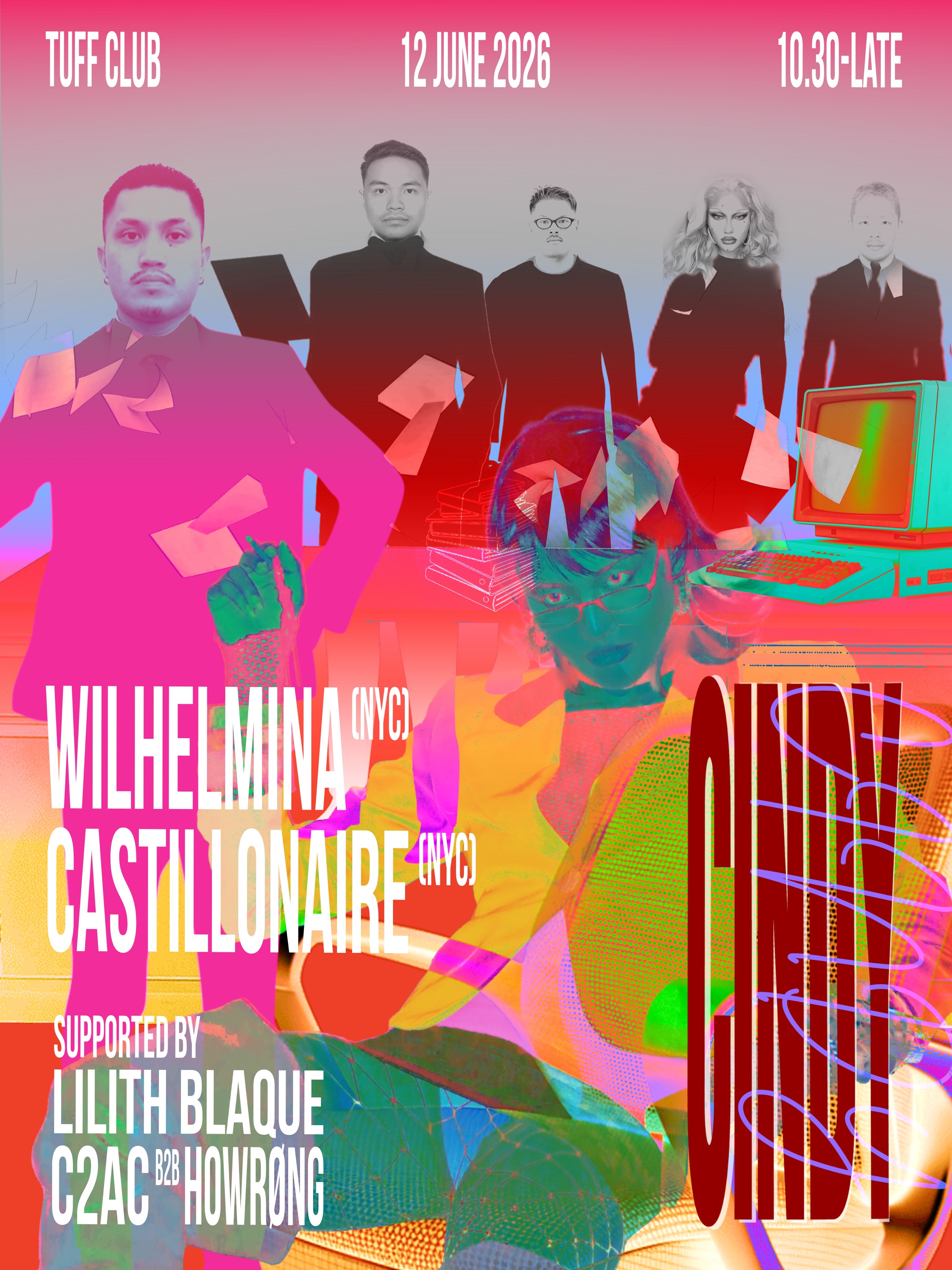
June 12, 2026 Singapore: CINDY
Pride celebrations can look very different depending on where you are in Asia. How does your city shape the kind of event you’re throwing?
CINDY: Singapore shapes everything about how we gather. There’s a kind of coded intimacy here — queer nightlife has always existed through pockets of trust, improvisation, and community care. While there has been progress in recent years, queer visibility here is still shaped by broader structures of regulation, tolerance, and social conservatism. Because public expressions of queerness can still feel heavily negotiated in Asia, especially in cities where visibility comes with different risks, the dancefloor becomes more than just a party space. For me, many of these underground events are about creating a temporary world where people can feel expansive, excessive, emotional, loud, soft, sensual — all the things that everyday life sometimes asks us to compress.
Nightlife has always been a space for both release and resistance, oscillating between visibility and control in Singapore. Rather than simply celebrating Pride, we’re interested in creating a space that acknowledges both the freedoms we’ve gained and the work that remains to be done. Pride, for me, is not only about visibility but about making room for forms of queer life that remain difficult to contain or neatly define.
We need to touch on the importance of creating safe spaces. What does it actually look like in practice at your event?
CINDY: Safe space in practice means being intentional about every layer of the experience, not just saying the words at the door. It’s about having a team and crowd that understands consent, respect, and accountability. It means programming queer artists and DJs who understand the community they’re playing for, making sure people of different identities and expressions feel welcomed without needing to explain themselves, and creating an atmosphere where people can move freely without fear of harassment or judgment.
As a new party, CINDY doesn’t inherit a culture of safety — we have to build one deliberately. That starts with the people we invite into the room, the values we communicate, and the standards we uphold throughout the night. I think safety also includes emotional permission. It is giving people room to feel joy, grief, sexuality, softness, rage, glamour, all at once. The best queer parties are the ones where people leave feeling more of themselves than when they arrive.
Drop us one track that you feel best encapsulates the spirit and sound of your event!
CINDY: I’d choose a track from our headliners; WILHELMINA ‘Gongs of Death’. The track pulls from ballroom’s percussive energy and sense of dramatic tension, but filters it through something darker, more experimental, and emotionally charged. It feels both confrontational, ecstatic, a tension awaiting a release — qualities that I associate strongly with queer nightlife.
For me, it captures the spirit of CINDY: a space where beauty, desire, performance, and transformation collide on the dancefloor.
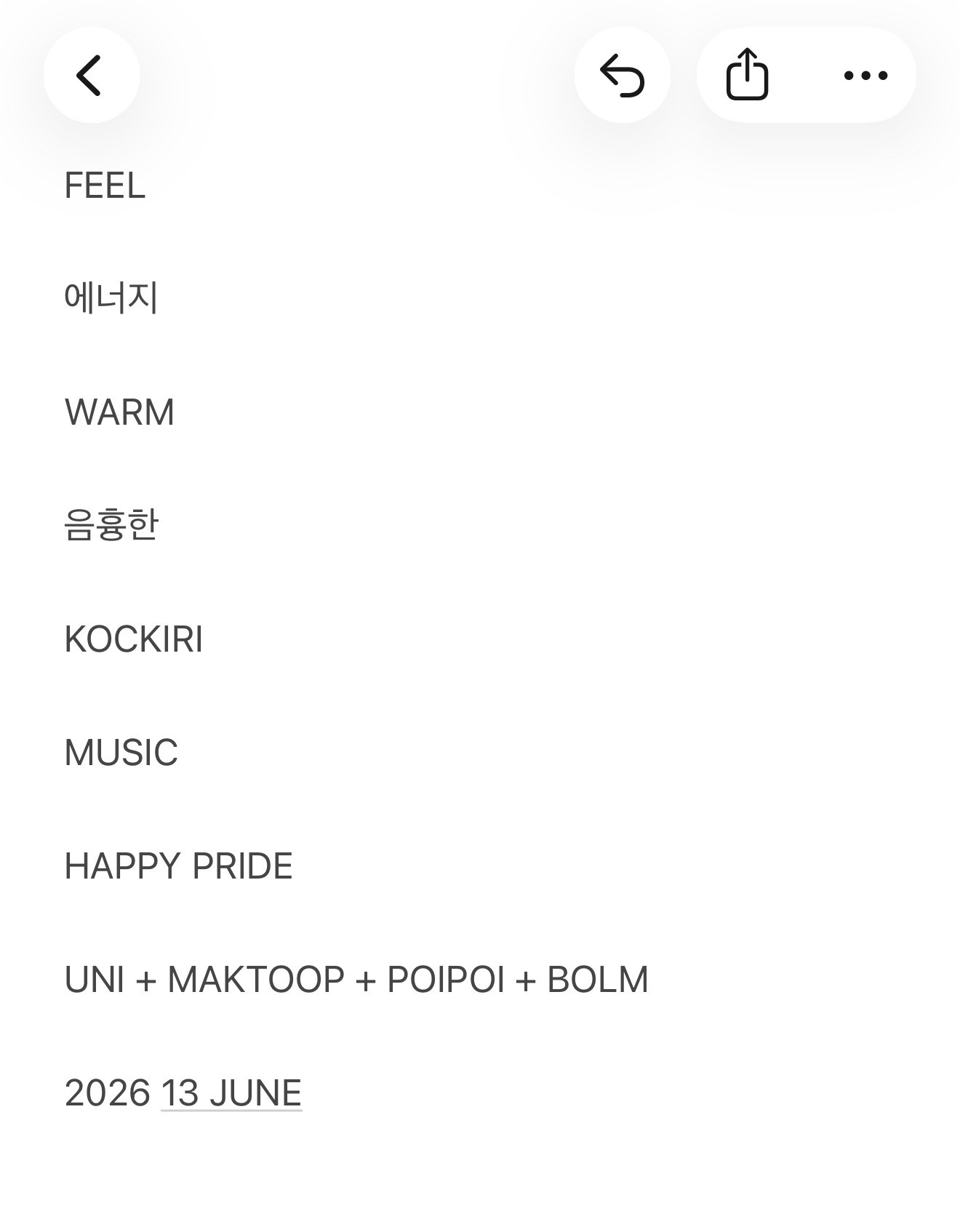
June 13, 2026 South Korea: Kockiri presents Kockiri Pride Week
Pride celebrations can look very different depending on where you are in Asia. How does your city shape the kind of event you're throwing?
Kockiri: Seoul is a very fast and complex city. People are always busy, and many things are quickly consumed and forgotten. At the same time, I believe the city’s queer community has spent many years finding one another, supporting each other, and building its own culture. While organising Kockiri’s Pride night this year, the words that came to my mind were: feel, energy, warm, music and a bit of naughtyness.
For Kockiri, Pride is not only about expressing identity. It is also about meeting people from your community, seeing close ones, feeling excitement, flirting, laughing, and sharing a sense of connection with one another. In Seoul, Pride doesn't end when the parade is over. It continues in bars tucked away in alleys, in small venues, and in gatherings among friends. Kockiri is to reflect that side of Seoul's queer scene.
We need to touch on the importance of creating safe spaces. What does it actually look like in practice at your event?
Kockiri: I don't think a safe space is created through rules and restrictions. First and foremost, it is about creating an atmosphere where people can exist as themselves without feeling nervous or judged. Kockiri has always grown within the queer community, but it is also a space that is open to everyone. The most important thing is mutual respect.
At the same time, I believe that you can’t be truly free without safety. People don't just gather for Pride simply to feel safe—they come together to feel free. The kind of space we want to create is warm, welcoming, and full of opportunities for people to connect naturally with one another. I think Pride begins with the relief of knowing you can exist as yourself. And that feeling is created through music, people, laughter, and small moments of curiosity toward one another.
Drop us one track that you feel best encapsulates the spirit and sound of your event!
Kockiri: System Olympia 'My Lincoln (feat. DXJX)'.
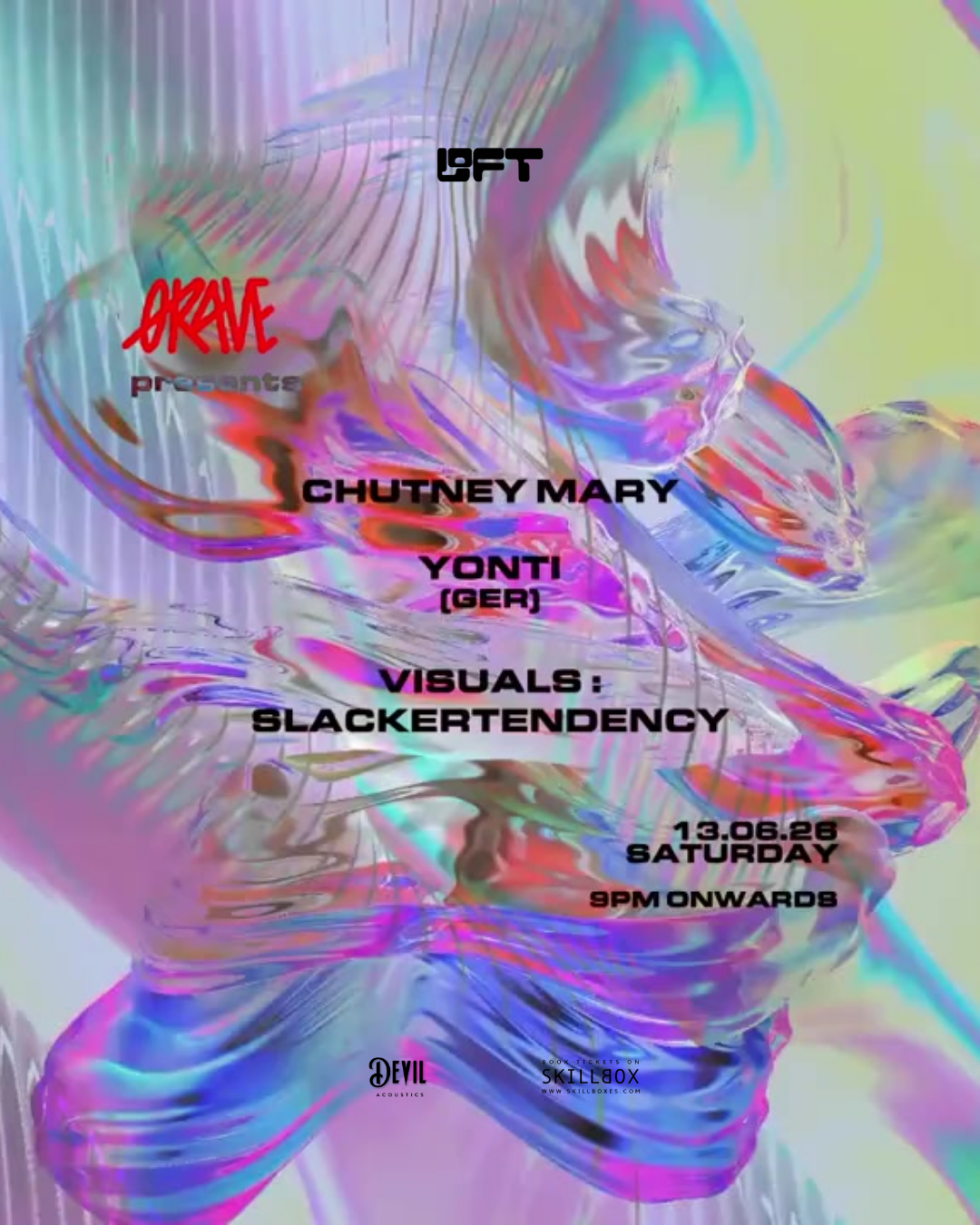
June 13, 2026 India: QRAVE presents Chutney Mary & Yonti
Pride celebrations can look very different depending on where you are in Asia. How does your city shape the kind of event you're throwing?
QRAVE: Goa is often imagined as a place of freedom, and in many ways it is. People from across India and beyond have moved here in search of a different way of living, one with greater openness, self-expression and possibility. At the same time, freedom isn't experienced equally by everyone. While Goa has a thriving nightlife culture, diverse and intentionally queer-centred spaces remain relatively rare. There may be no shortage of parties, but lineups don't always reflect the diversity of the communities they serve, and dancefloors don't always feel safe and welcoming for women, queer and trans people.
QRAVE emerged from this reality. We wanted to create a space where our communities aren't simply included, but centred. In a place as interconnected as Goa, nightlife carries a social significance beyond the dancefloor. It becomes a space where people meet, connect and build community. Our events bring together local communities alongside people passing through, creating a space that feels both intimate and expansive.
QRAVE operates in both Goa and Bengaluru, and each city shapes the work differently. While Goa has informed our focus on creating queer-centred community spaces, Bengaluru already has a thriving ecosystem of queer collectives and parties. There, our emphasis is on artist curation, musical discovery and contributing to an already vibrant queer nightlife culture.
We need to touch on the importance of creating safe spaces. What does it actually look like in practice at your event?
QRAVE: What creating a safe space looks like in practice varies depending on the city, venue and community we're working with.
Over the years, we've introduced a range of practices aimed at making our events more welcoming, from gender-neutral washrooms and consent-focused photography policies to visible care crews and multiple LGBTQ+ sensitisation sessions for staff and management. We also work closely with gate teams and venue staff, recognising that the atmosphere of an event is shaped long before the music starts. Alongside this, we provide things like free electrolytes, earplugs and other forms of practical support that help people feel comfortable throughout the night.
We also use text-based live visuals and messaging throughout the space to communicate the values of the event and remind people that they are entering a queer-centred environment. These interventions can be subtle, but they play an important role in shaping the culture of the dancefloor.
Many of these ideas have been tested, refined and built with the support of venues like The Loft in Goa, helping shape a nightlife culture that reflects the community we're trying to serve.
A lot of this work begins before the event itself. We're intentional about how we build and moderate our online community and how we approach outreach, often relying on personal invitations and conversations rather than broad promotion. No single measure creates a safer space. It's the accumulation of small decisions, partnerships and practices that shape how people experience the night.
Nightlife has always been one of the ways queer communities find each other. With QRAVE, we're interested in carrying that legacy forward through thoughtful and inclusive curation, safe dancefloors and artists who move people. If someone leaves having discovered a new artist, made a new friend, felt safe enough to make out on the dance floor, or felt more like themselves for a few hours, we've done our job at QRAVE.
Drop us one track that you feel best encapsulates the spirit of your event!
QRAVE: ‘How RU Plush’ by D. Tiffany, Regularfantasy
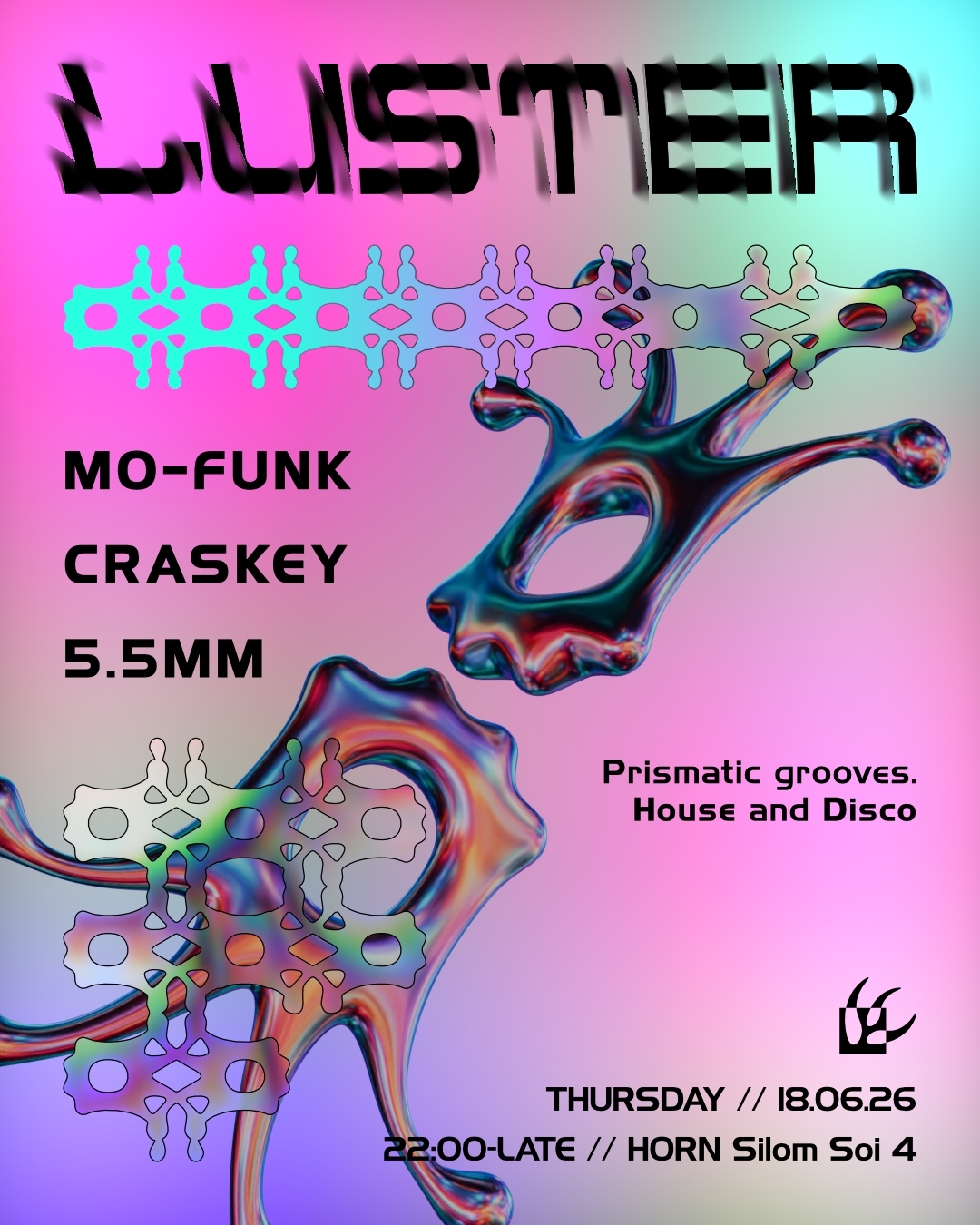
June 18, 2026 Thailand: HORN presents LUSTER
Pride celebrations can look very different depending on where you are in Asia. How does your city shape the kind of event you're throwing?
HORN: Thai people from all walks of life will always find fun, laughter, and moments of celebration regardless and in the face of day by day challenges. This attitude means a successful event must deliver fun as a minimum priority and offer clear concepts to stand out. For LUSTER, it’s a combination of curated audio experiences, exuberant energy, and sense of belonging. The latter is crucial for our queer dancers; that this space is for them to freely celebrate and connect without the need to explain or perform.
We need to touch on the importance of creating safe spaces. What does it actually look like in practice at your event?
HORN: HORN is a queer space open to all, and non-heteronormative expressions are the norm. Our staff try to build rapports with guests so that they know to reach out if anything feels off. We keep eyes on disruptive or discriminatory behaviours, to ensure guests feel safe to enjoy and express their authentic self.
Drop us one track that you feel best encapsulates the spirit and sound of your event!
HORN: Master Plan, Pepper Gomez ‘Electric Baile (Enzo Elia Dub Edit)’
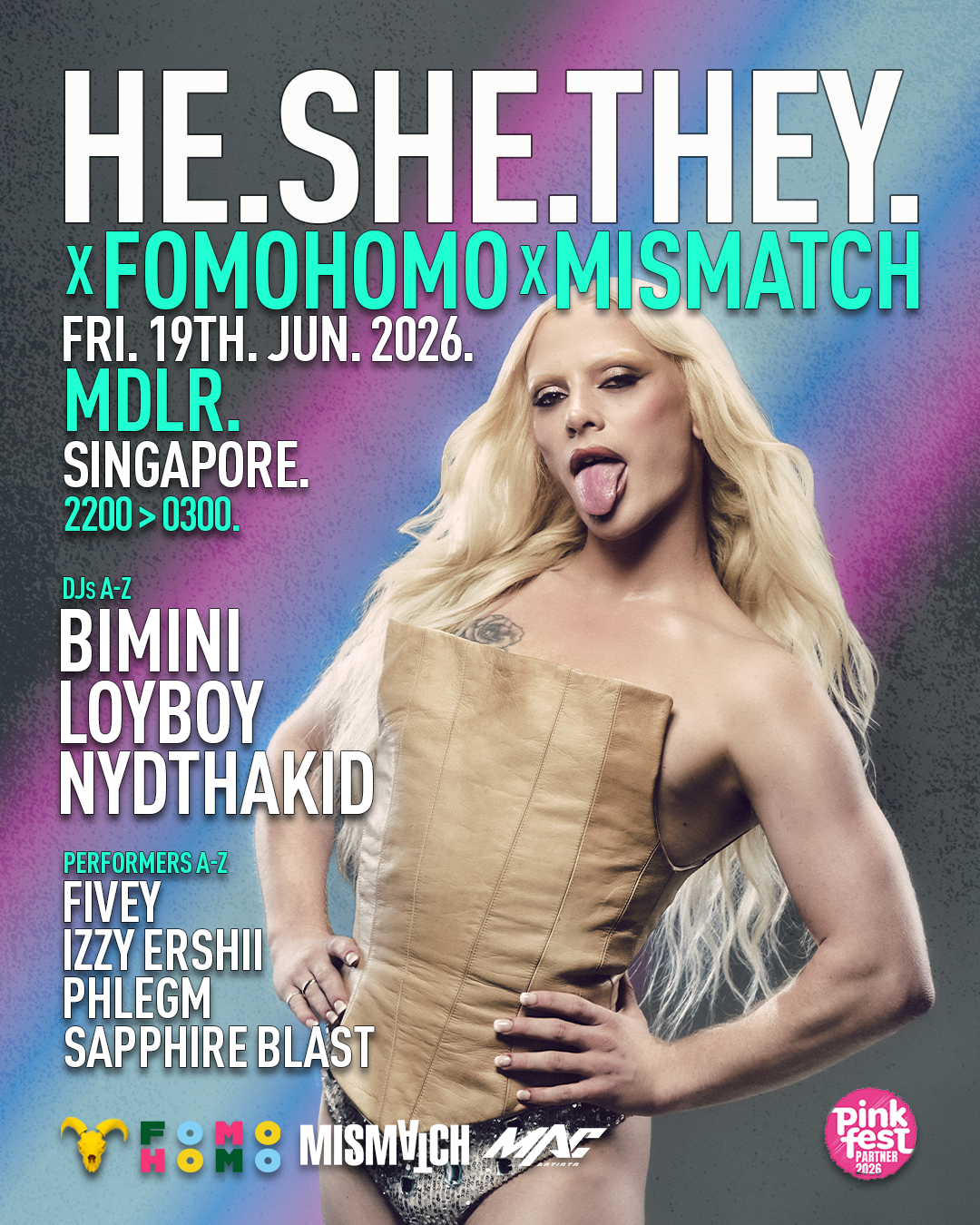
June 19, 2026 Singapore: HE.SHE.THEY. x FOMOHOMO x MISMATCH
Pride celebrations can look very different depending on where you are in Asia. How does your city shape the kind of event you're throwing?
FOMOHOMO: Living in a famously structured city like Singapore means our local queer underground constantly fights for real spaces to breathe against rigid daily norms. That is why FOMOHOMO teamed up with local legends MISMATCH to bring in HE.SHE.THEY., merging our grassroots energy with their hardcore welfare policies and deep activist history to provide the exact structural backing our community deserves. It is a collaboration designed to give our scene a solid foundation to completely rip up the rulebook for a night.
We want a dancefloor that actively prioritises the entire LGBTQIA+ spectrum. Instead of just centring gay men, we are building a room where the trans community, lesbians and the broader queer family can take up space and be totally free while knowing they are entirely safe and deeply seen.
We need to touch on the importance of creating safe spaces. What does it actually look like in practice at your event?
FOMOHOMO: Safe space is often just a buzzword but we treat it as a strict operational standard starting right at the door. Security is briefed to ask for explicit consent before searches to foster a welcoming energy from the jump. Inside, radical autonomy means guests can use whichever bathroom they want unquestioned.
Some venues rely on discrete safety systems where guests have to order a specific fake drink at the bar to signal they need help. Instead of expecting bartenders to hear complex code words over loud music, we take welfare straight to the crowd. We have recognisable local community figures actively on patrol to check vibes, shut down issues immediately and ensure everyone feels untouchable enough to serve a full look.
Drop us one track that you feel best encapsulates the spirit and sound of your event!
FOMOHOMO: ‘Let's Talk About Gender Baby’ by Planningtorock, ABSOLUTE. and BIMINI. It is a reimagining of a queer club classic that just dropped in March. It perfectly merges Planningtorock's expansive artistry with ABSOLUTE.'s driving rave production and our resident headliner Bimini's commanding presence. The track is an outright anthem for dismantling the gender binary and celebrating total fluidity. It captures the exact message of LGBTQ+ defiance and liberation we are building for the dancefloor.
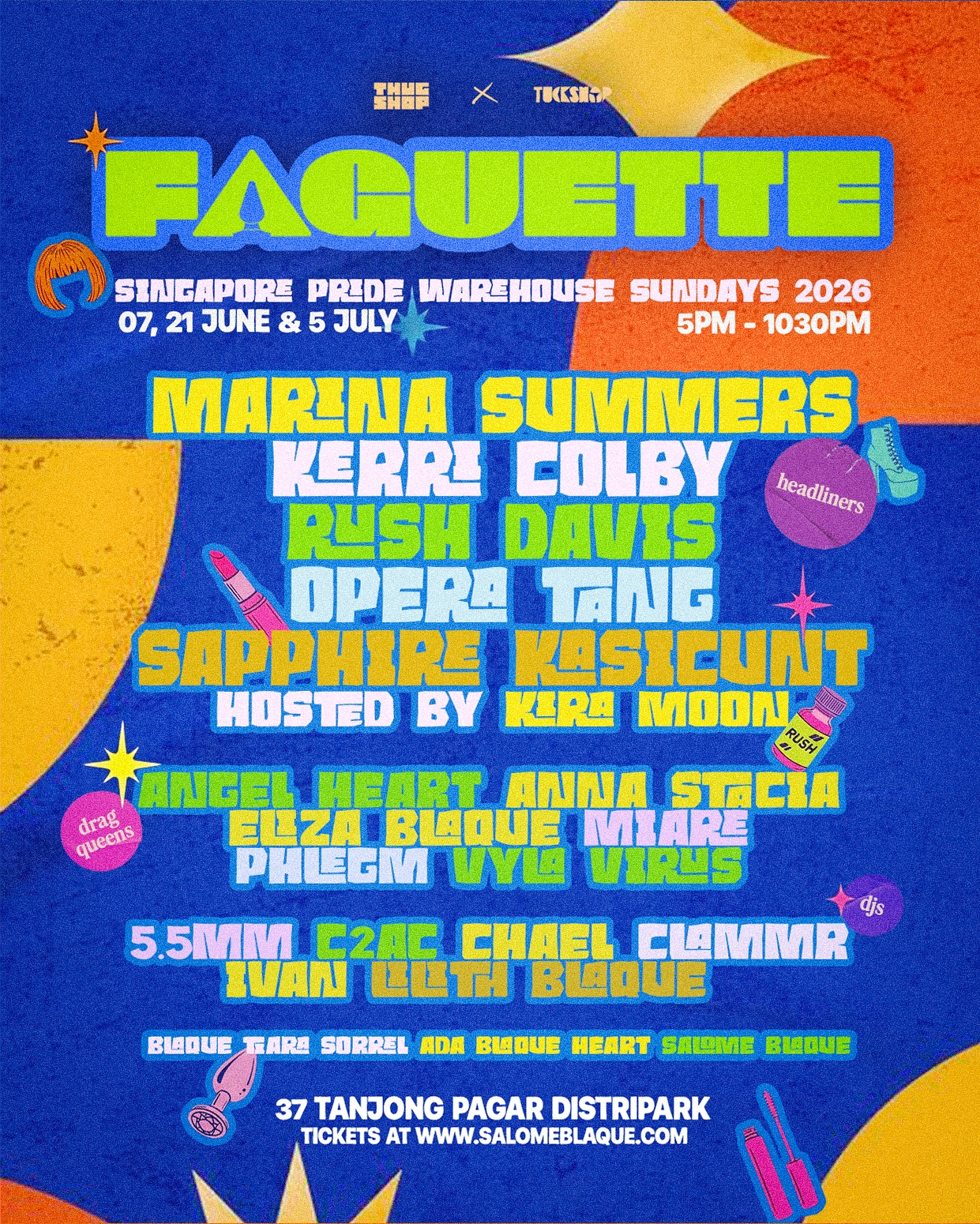
June 7 & 21 and July 5, 2026 Tuckshop/Catch Us Move (CUM) presents FAGUETTE
Pride celebrations can look very different depending on where you are in Asia. How does your city shape the kind of event you’re throwing?
Tuckshop: Singapore is a unique place to celebrate Pride. We don’t necessarily have the same freedoms or scale as some of our neighbouring cities, so queer people here have always found creative ways to build community. FAGUETTE was born from that spirit.
The name itself comes from reclaiming a word many of us grew up hearing used against us. Instead of letting it define us, we turned it into a celebration. A warehouse filled with drag, music, performance, nightlife culture and queer excellence tbh. Singapore’s queer community has always been resilient. We’ve learned how to create our own spaces, tell our own stories and celebrate ourselves on our own terms. FAGUETTE is very much a reflection of that too.
We need to touch on the importance of creating safe spaces. What does it actually look like in practice at your event?
Tuckshop: Safe spaces aren’t just a slogan for us. It’s something we actively work on every single event.
It starts with having a team that truly understands queer nightlife and knows how to look after our community. We have very clear codes of conduct, trained staff, visible organisers and a zero tolerance approach towards harassment or discrimination. More importantly, we create an environment where people can show up exactly as they are.
For many people, especially younger queer folks, stepping into a queer space for the first time can be intimidating. We want FAGUETTE to feel like a place where they can dance, connect, express themselves and feel celebrated rather than judged. At the end of the day, creating safe spaces means creating spaces where people can exist freely.
Drop us one track that you feel best encapsulates the spirit and sound of your event!
Tuckshop: If we had to pick one, it would be ‘Von Dutch’ by Charli XCX. It’s loud, confident and pretty chaotic. There’s a sense of freedom, mischief and self assurance running through it that feels very close to what we want people to experience at FAGUETTE. Come as you are, take up space and have the time of your life. It’s Pride month goddamnit.
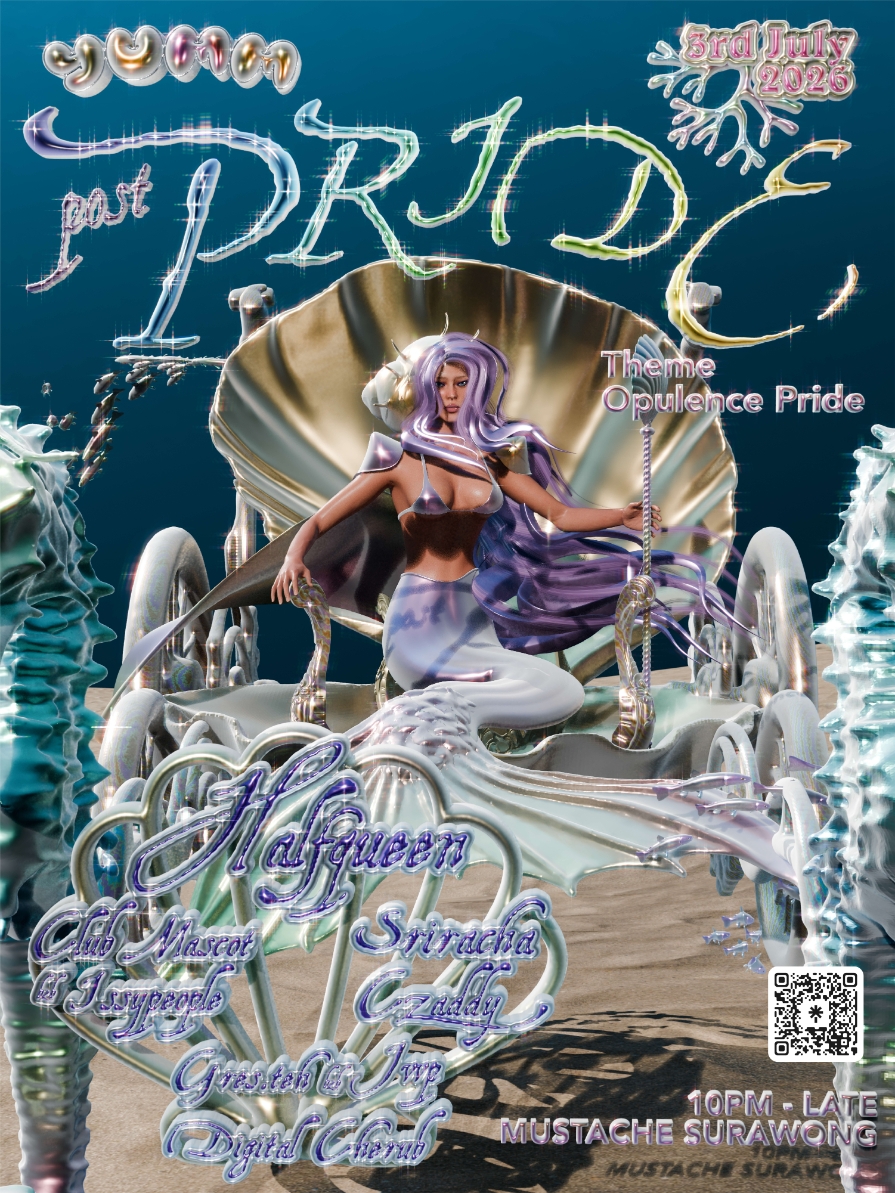
July 3, 2026 YUMM PARTY presents YUMM POST-PRIDE 2026
Pride celebrations can look very different depending on where you are in Asia. How does your city shape the kind of event you're throwing?
YUMM PARTY: Sometimes living in Bangkok makes me take things for granted. Being LGBT here is simply very normal, and it's only when we see the horrible things happening to people like us elsewhere that we're reminded of the reality outside this bubble.
At the same time, normalisation can sometimes come at the cost of community. Many times it starts to feel more like commercials than community-driven spaces where people can truly connect, explore, and express themselves freely. That's why I created YUMM as an all-inclusive but queer-focused party where everyone can make friends, flirt, be themselves, and throw some ass on the dancefloor.
We need to touch on the importance of creating safe spaces. What does it actually look like in practice at your event?
YUMM PARTY: "Safe space" has become a bit of a buzzword lol. As someone who has experienced being denied entry to clubs because of gender-based dress codes, creating a genuine welcoming environment is something I take seriously.
Shout out to all venues that hosted and supported our community, we only ask for everyone to be treated equally. That being said, creating a safe space is not just about policies but also about cultivating an atmosphere where people feel comfortable being themselves and connecting not only with the music but also with the people around them. It's about encouraging playfulness, openness, curiosity, and even courage to people in those spaces.
Drop us one track that you feel best encapsulates the spirit and sound of your event!
YUMM PARTY: Ultra Naté ‘Free’ ;)
Never miss a beat. Subscribe to our Scene Report newsletter or follow us on Instagram.
