


“It’s a movement being shaped in real time”: Bass Crawl sets the tone for Filipino bass identity
Through Continuum Bass’ multi-venue event and a decentralised vision, the collective founded by Ezzrei is reshaping how local artists reinterpret global bass culture with Southeast Asian roots
-
 “It’s a movement being shaped in real time”: Bass Crawl sets the tone for Filipino bass identity
 -
 “It’s a movement being shaped in real time”: Bass Crawl sets the tone for Filipino bass identity
 -
 “It’s a movement being shaped in real time”: Bass Crawl sets the tone for Filipino bass identity
 -
 “It’s a movement being shaped in real time”: Bass Crawl sets the tone for Filipino bass identity
 -
 “It’s a movement being shaped in real time”: Bass Crawl sets the tone for Filipino bass identity
 -
 “It’s a movement being shaped in real time”: Bass Crawl sets the tone for Filipino bass identity
 -
 “It’s a movement being shaped in real time”: Bass Crawl sets the tone for Filipino bass identity
 -
 “It’s a movement being shaped in real time”: Bass Crawl sets the tone for Filipino bass identity
 -
 “It’s a movement being shaped in real time”: Bass Crawl sets the tone for Filipino bass identity
 -
 “It’s a movement being shaped in real time”: Bass Crawl sets the tone for Filipino bass identity
 -
 “It’s a movement being shaped in real time”: Bass Crawl sets the tone for Filipino bass identity
 -
 “It’s a movement being shaped in real time”: Bass Crawl sets the tone for Filipino bass identity
 -
 “It’s a movement being shaped in real time”: Bass Crawl sets the tone for Filipino bass identity
 -
 “It’s a movement being shaped in real time”: Bass Crawl sets the tone for Filipino bass identity
 -
 “It’s a movement being shaped in real time”: Bass Crawl sets the tone for Filipino bass identity
 -
 “It’s a movement being shaped in real time”: Bass Crawl sets the tone for Filipino bass identity
 -
 “It’s a movement being shaped in real time”: Bass Crawl sets the tone for Filipino bass identity
 -
 “It’s a movement being shaped in real time”: Bass Crawl sets the tone for Filipino bass identity
 -
 “It’s a movement being shaped in real time”: Bass Crawl sets the tone for Filipino bass identity
 -
 “It’s a movement being shaped in real time”: Bass Crawl sets the tone for Filipino bass identity
 -
 “It’s a movement being shaped in real time”: Bass Crawl sets the tone for Filipino bass identity
 -
 “It’s a movement being shaped in real time”: Bass Crawl sets the tone for Filipino bass identity
 -
 “It’s a movement being shaped in real time”: Bass Crawl sets the tone for Filipino bass identity
 -
 “It’s a movement being shaped in real time”: Bass Crawl sets the tone for Filipino bass identity
 -
 “It’s a movement being shaped in real time”: Bass Crawl sets the tone for Filipino bass identity
 -
 “It’s a movement being shaped in real time”: Bass Crawl sets the tone for Filipino bass identity
 -
 “It’s a movement being shaped in real time”: Bass Crawl sets the tone for Filipino bass identity
 -
 “It’s a movement being shaped in real time”: Bass Crawl sets the tone for Filipino bass identity
 -
 “It’s a movement being shaped in real time”: Bass Crawl sets the tone for Filipino bass identity
 -
 “It’s a movement being shaped in real time”: Bass Crawl sets the tone for Filipino bass identity
 -
 “It’s a movement being shaped in real time”: Bass Crawl sets the tone for Filipino bass identity
 -
 “It’s a movement being shaped in real time”: Bass Crawl sets the tone for Filipino bass identity
 -
 “It’s a movement being shaped in real time”: Bass Crawl sets the tone for Filipino bass identity
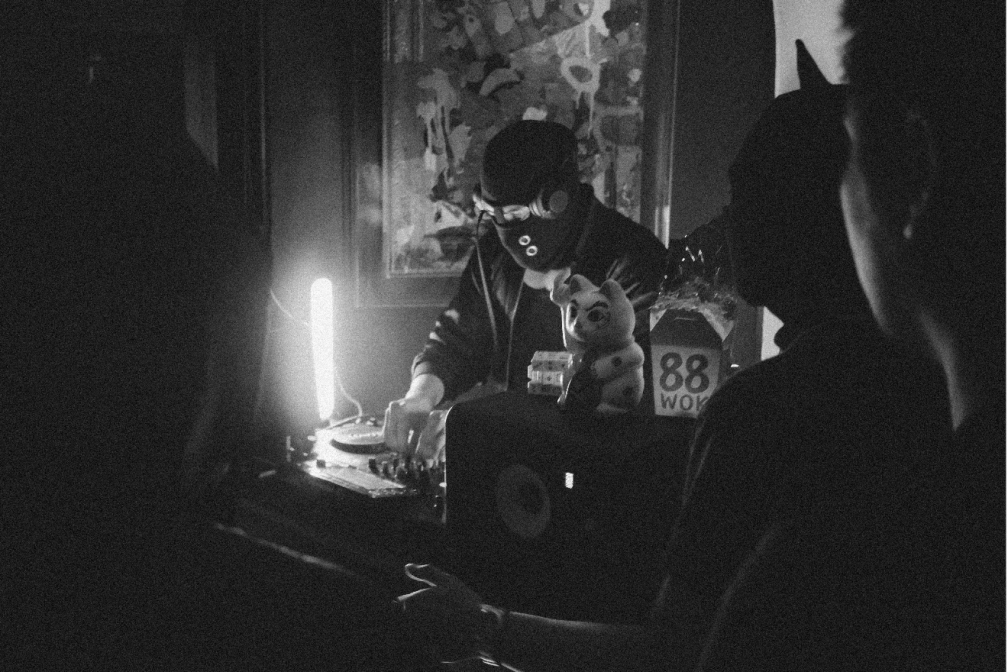
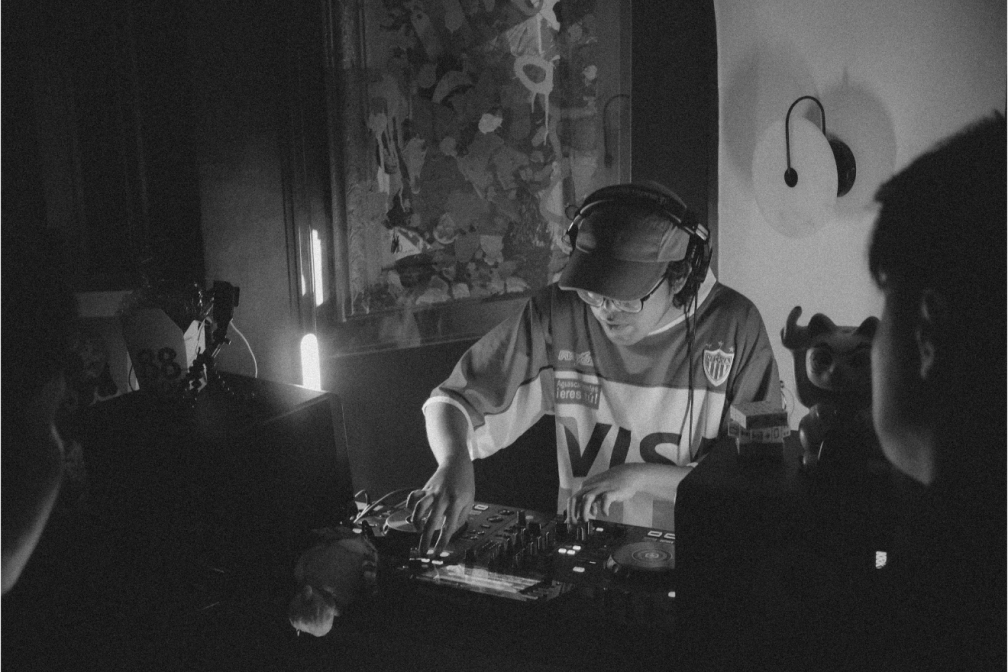
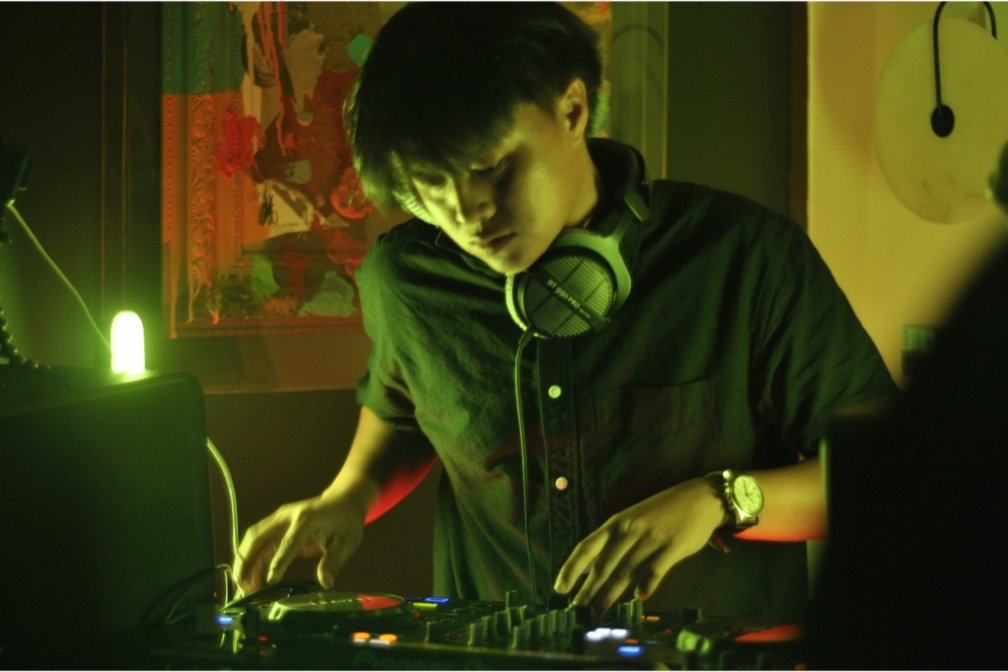
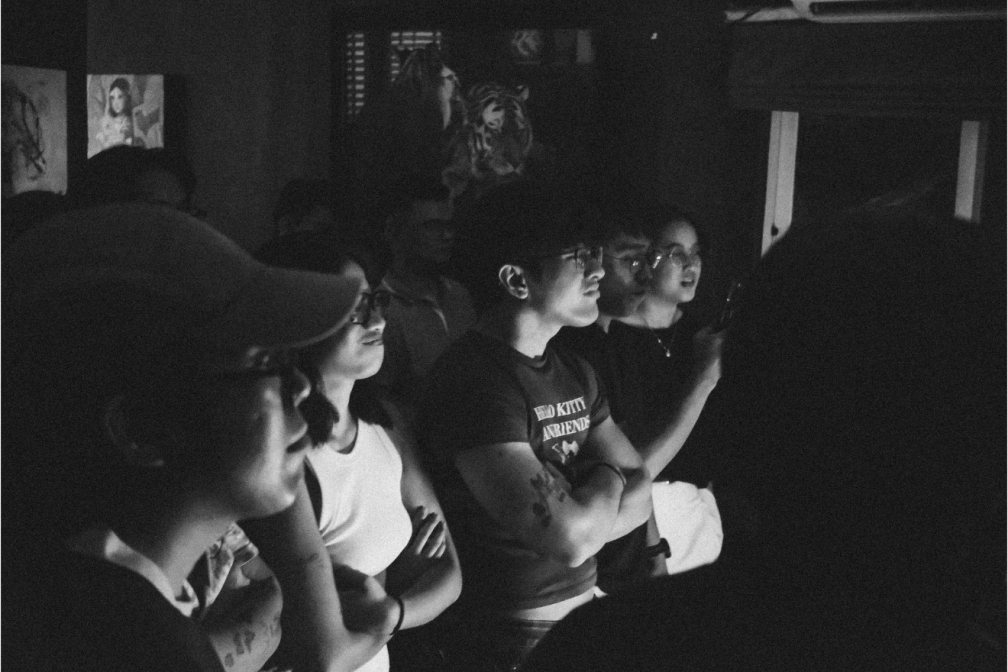
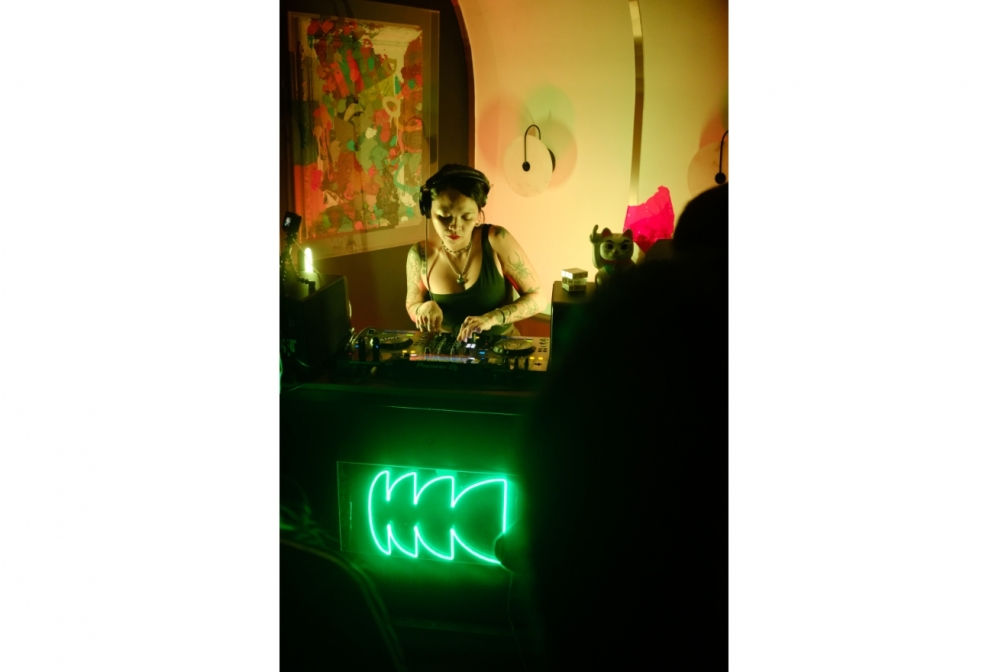
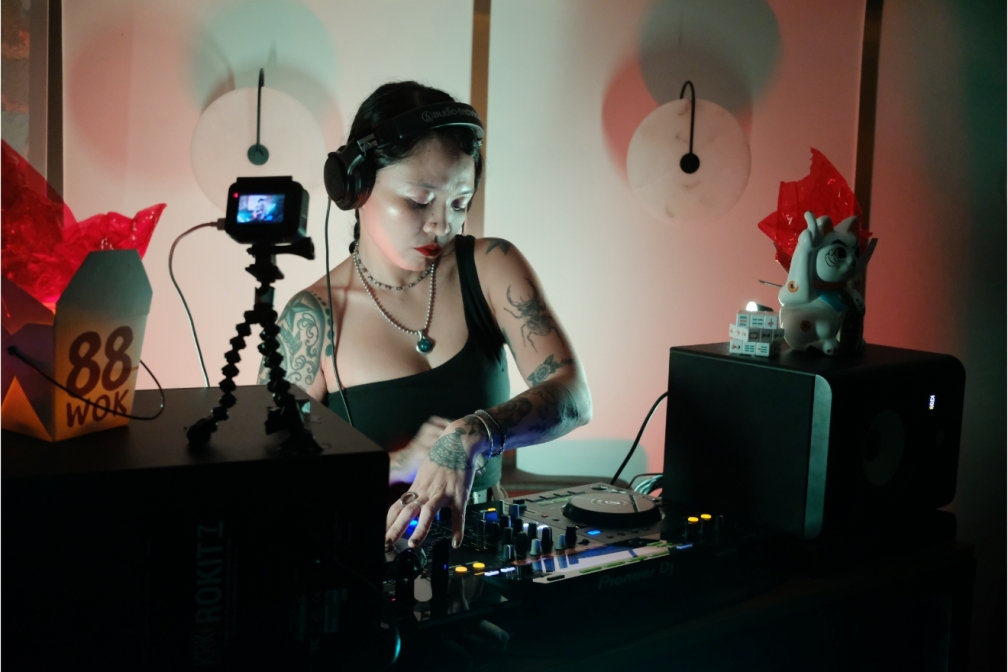
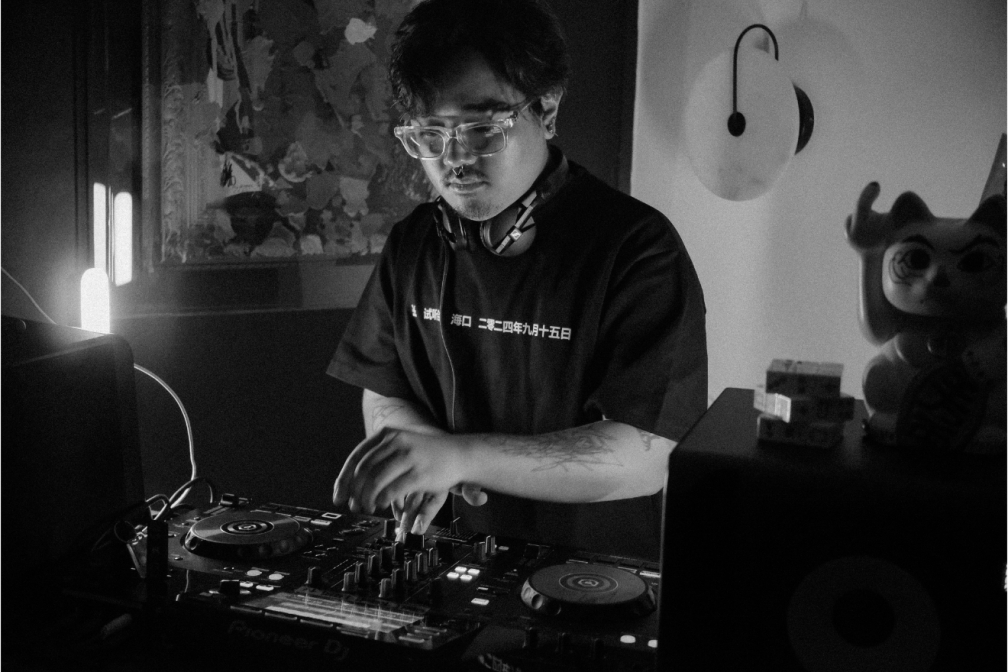
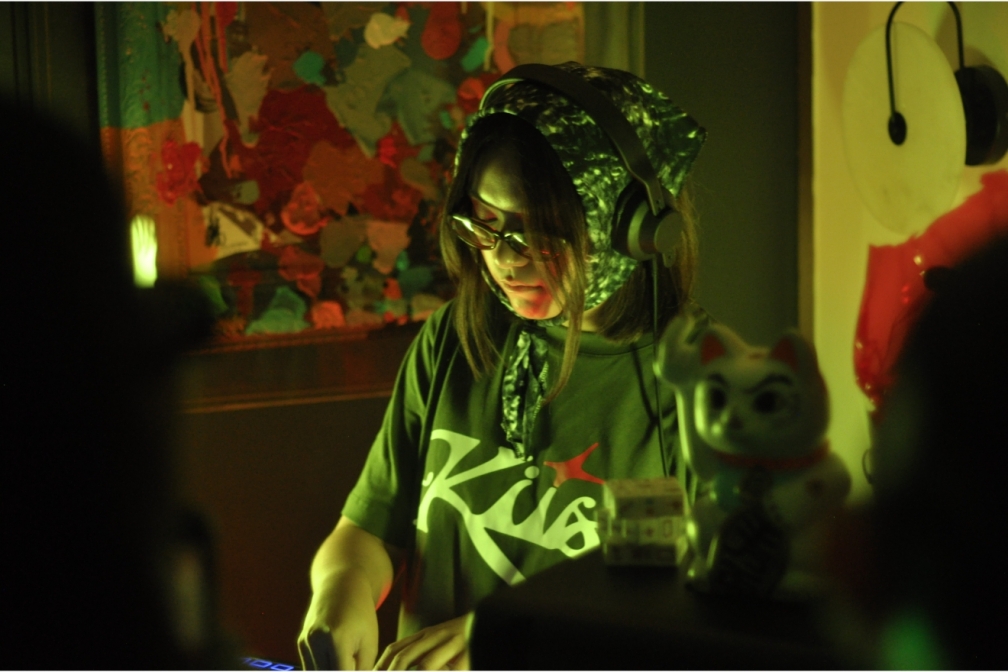
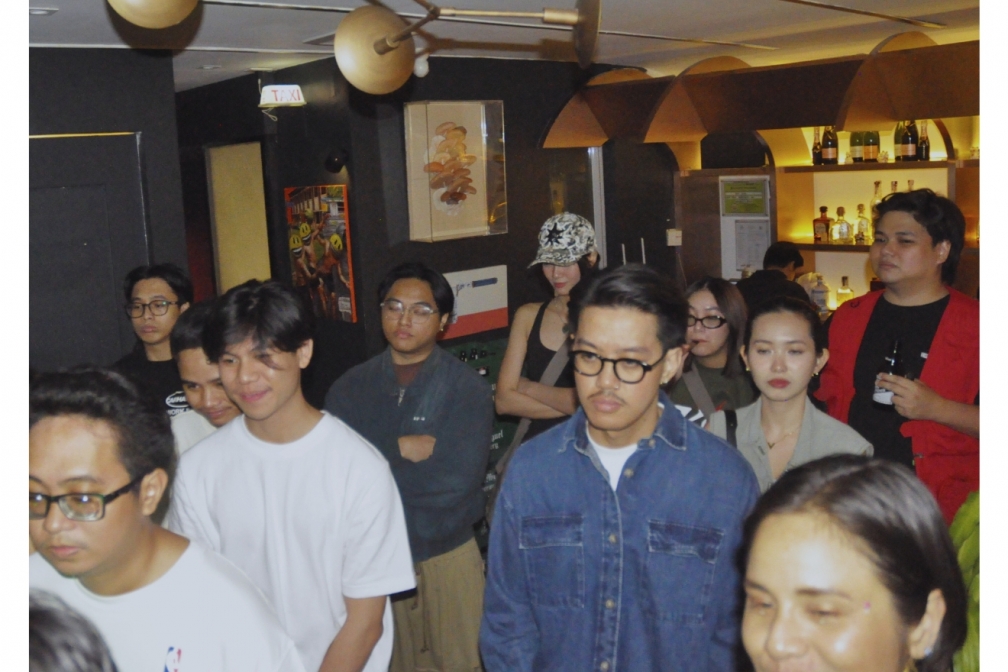
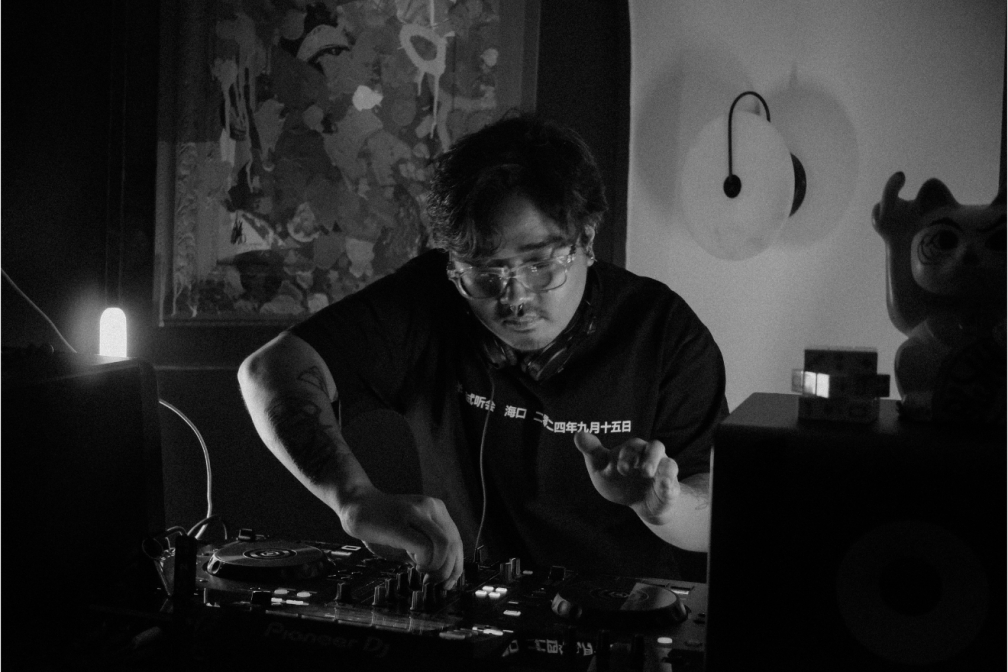
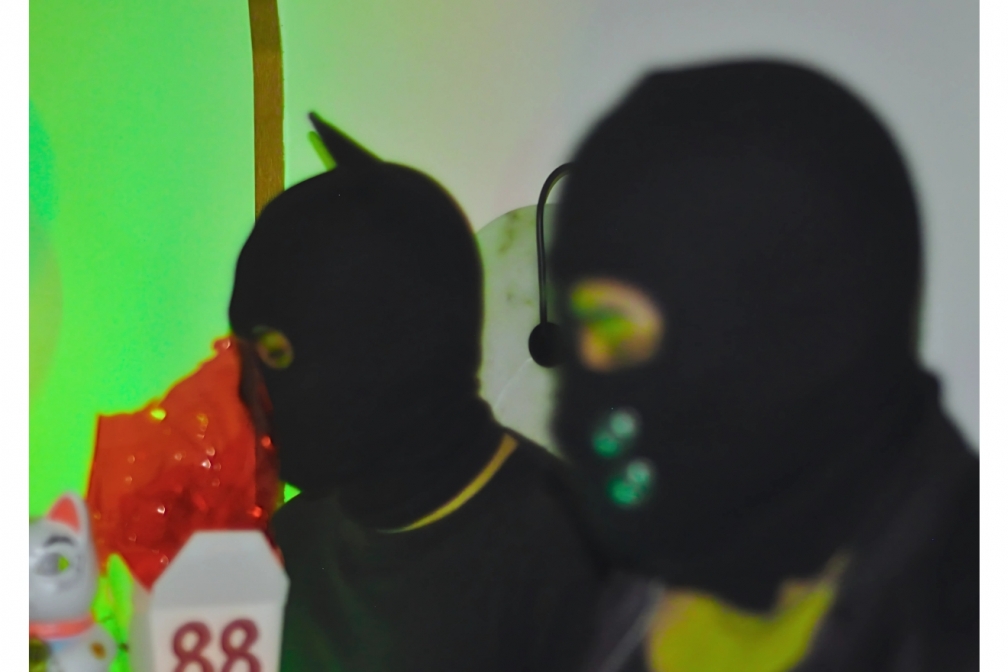
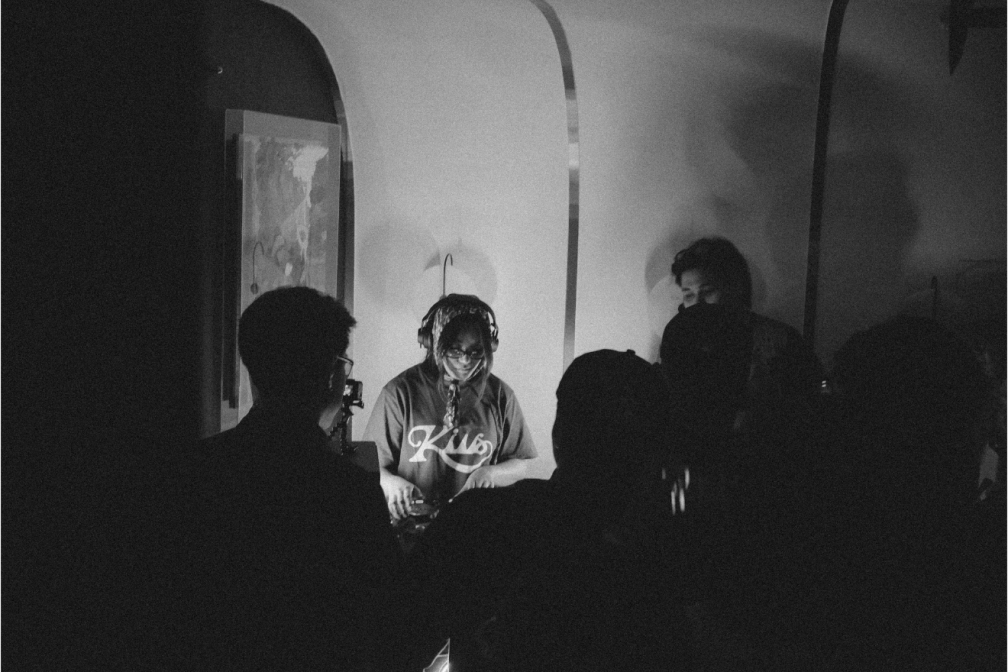
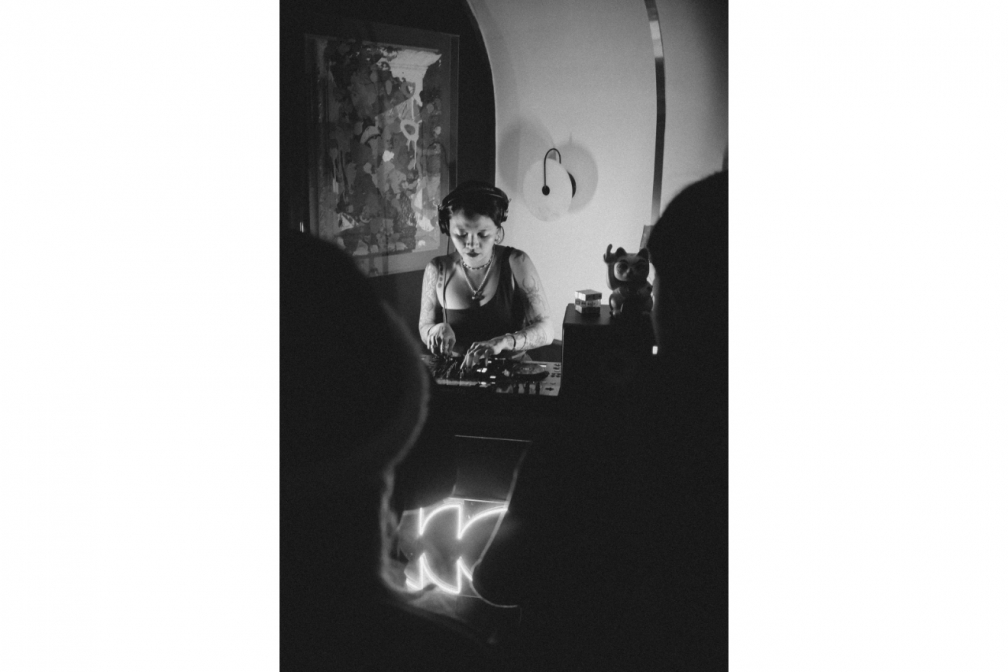
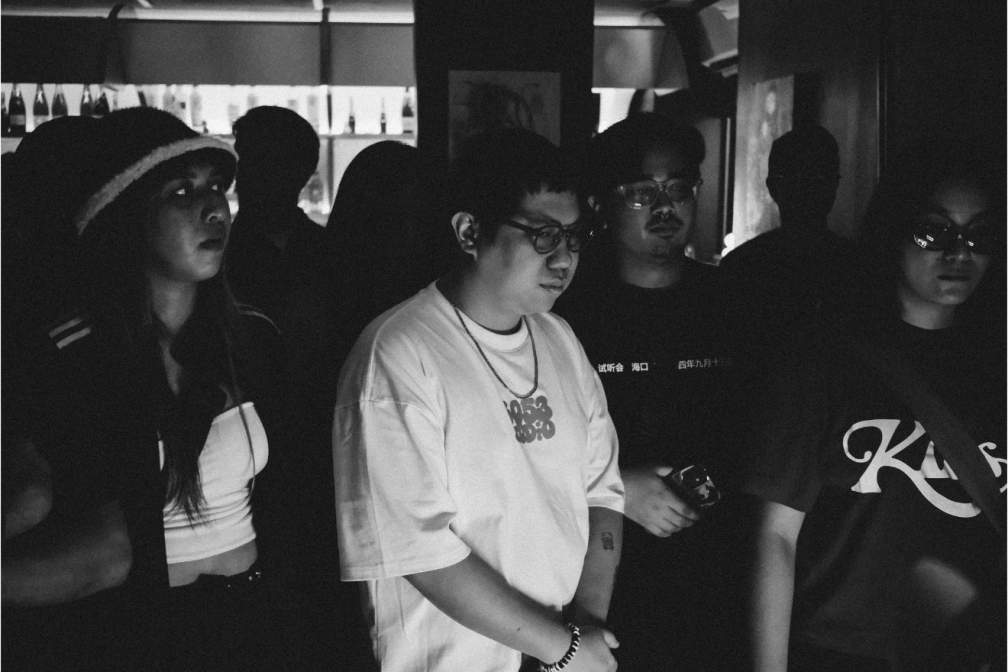
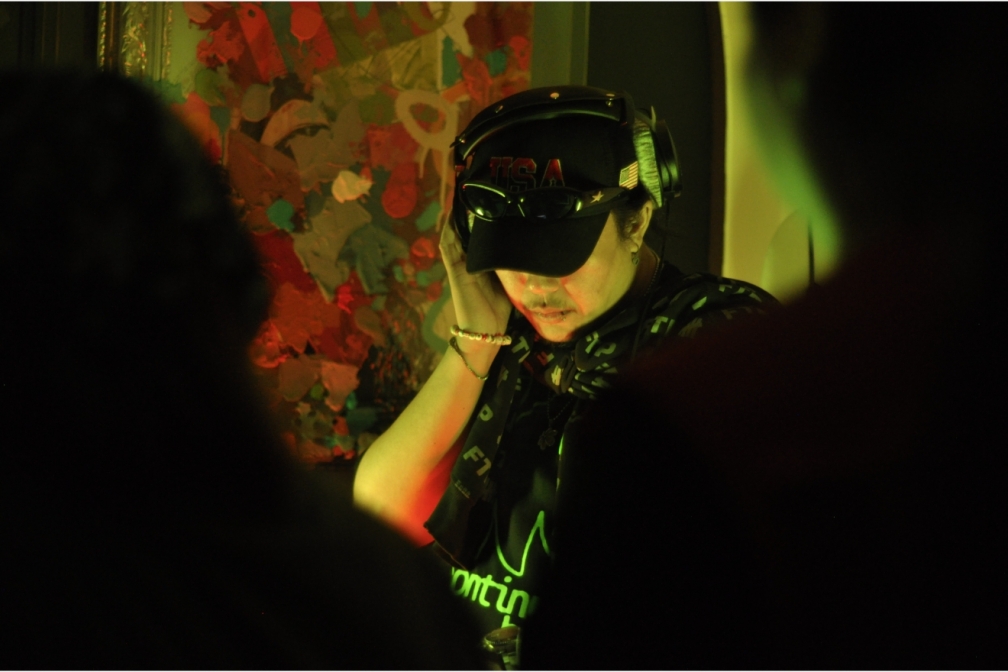
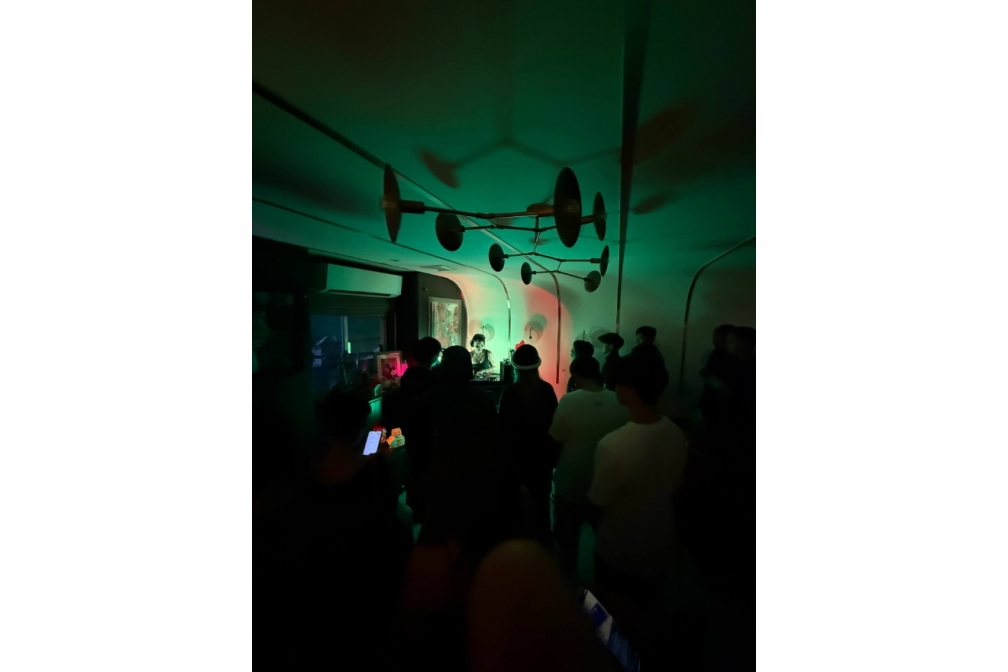
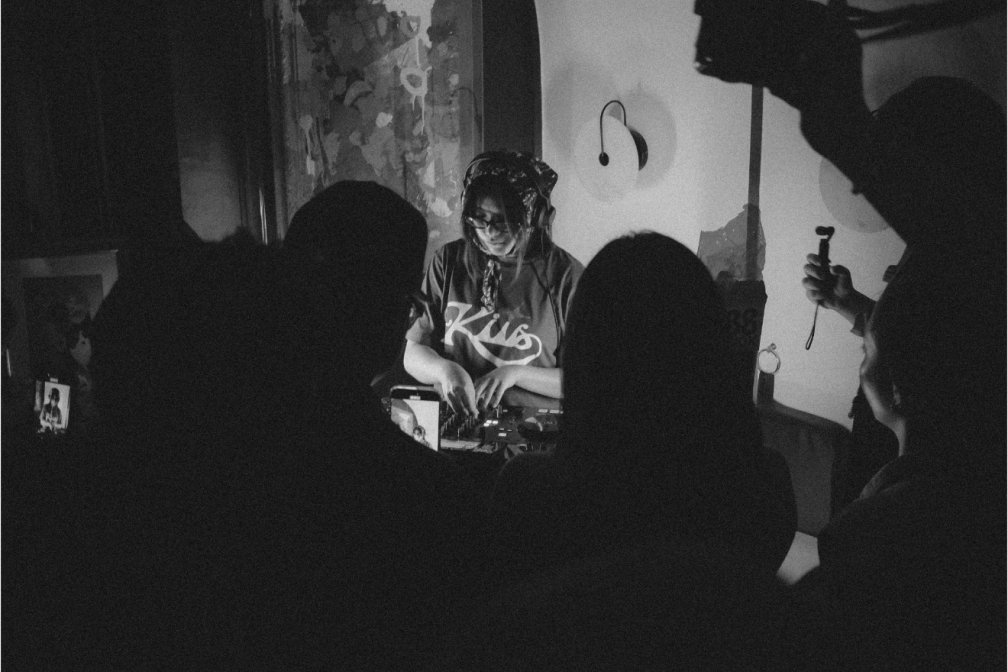
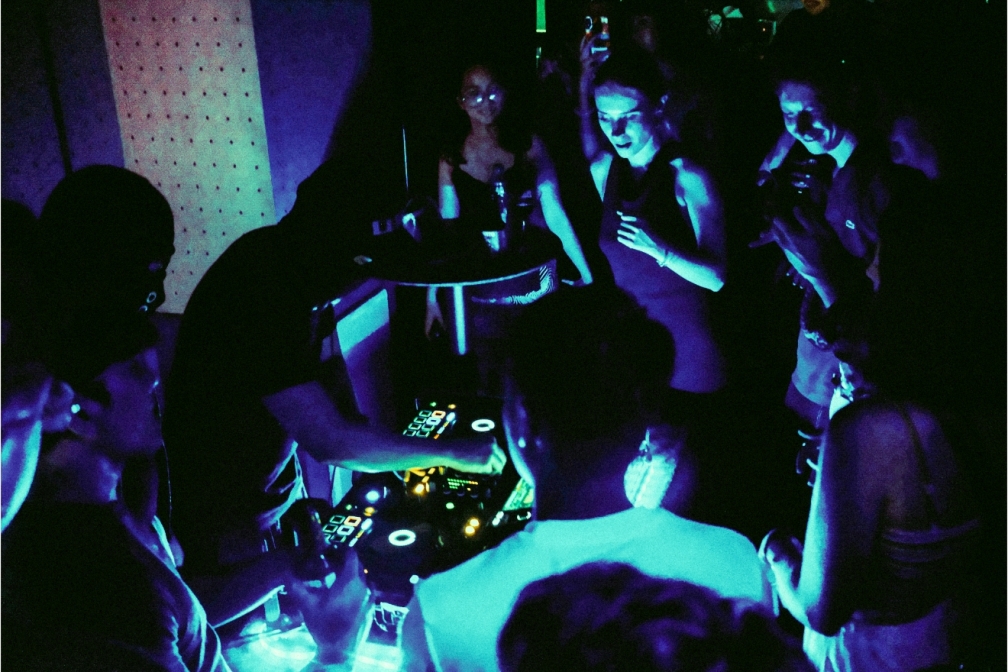
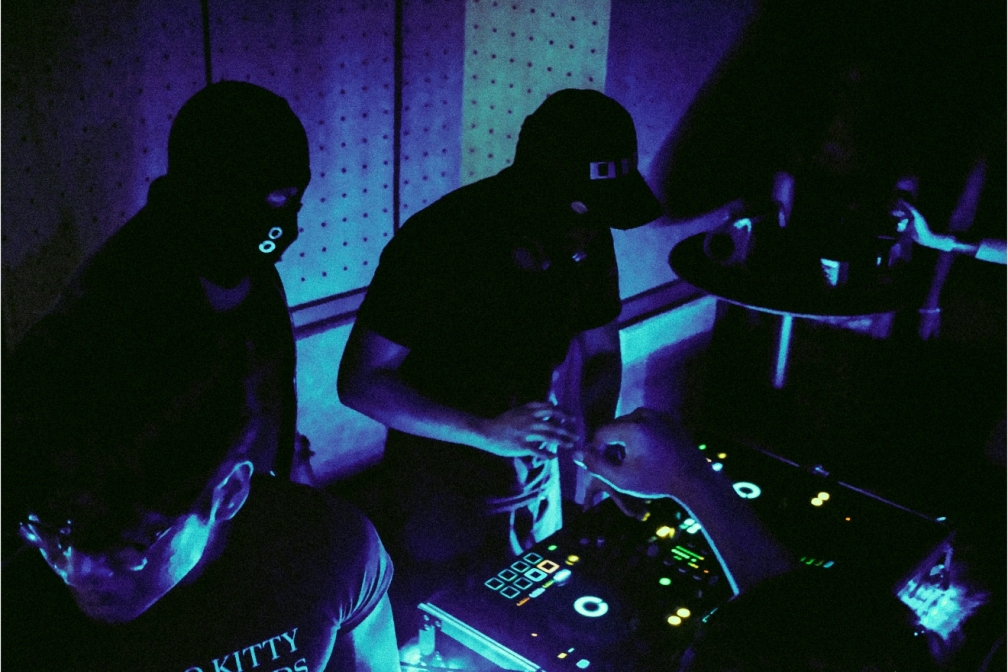
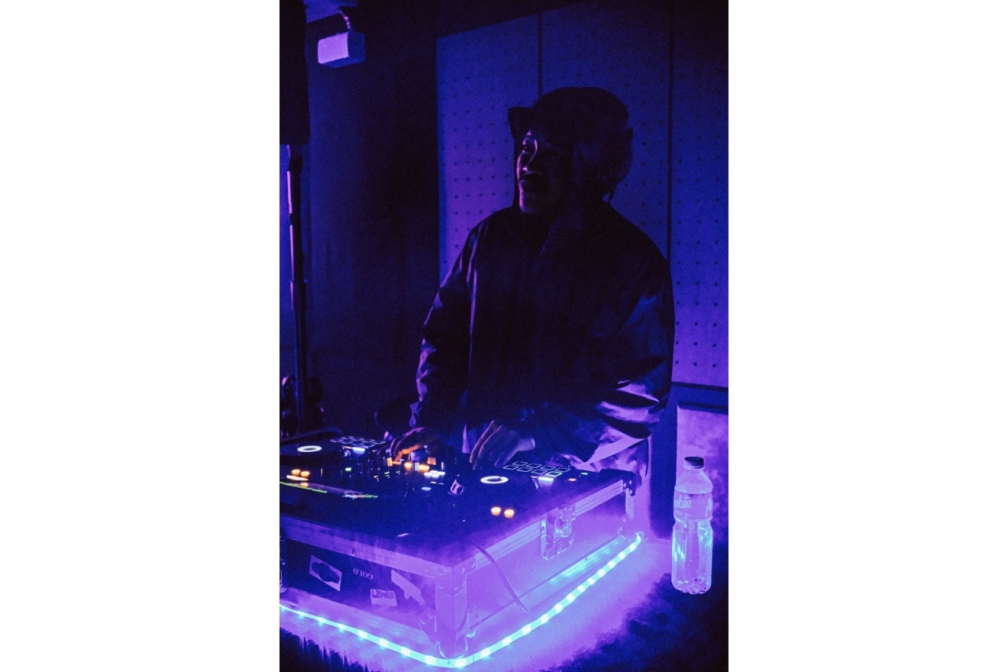
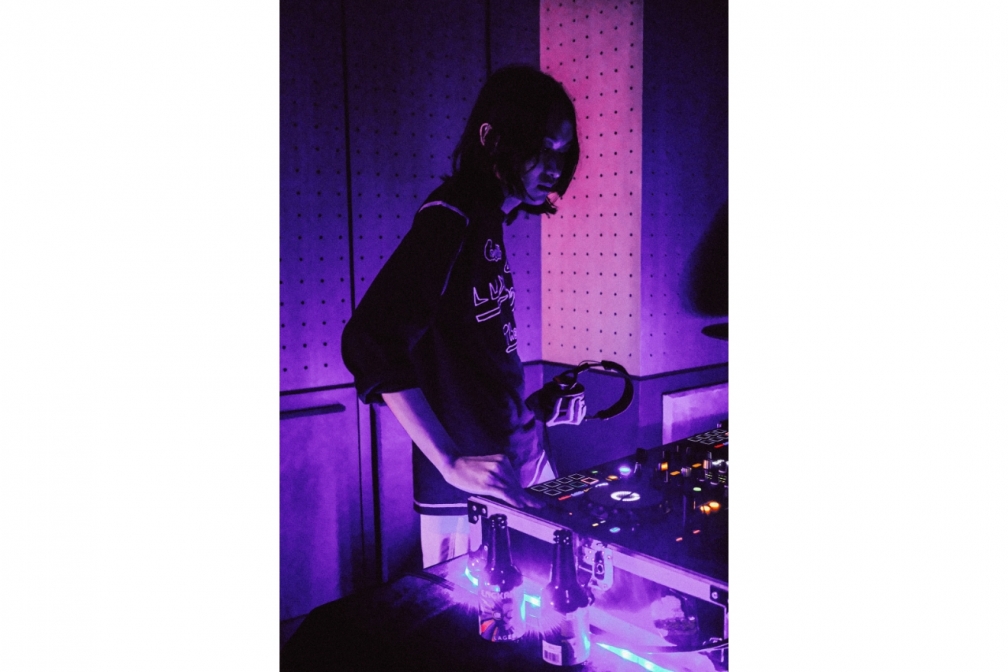
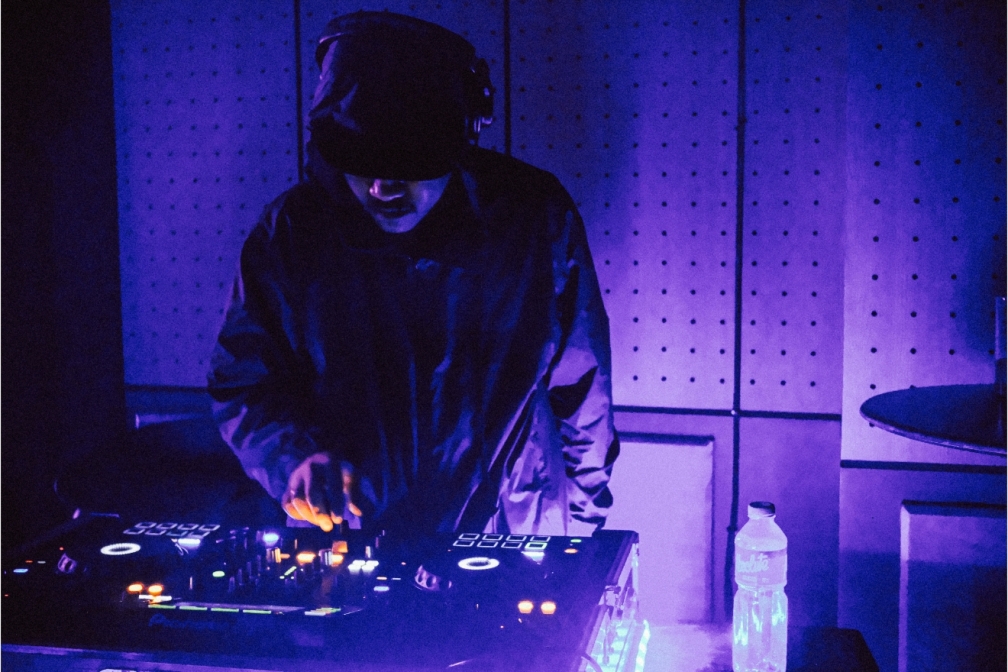
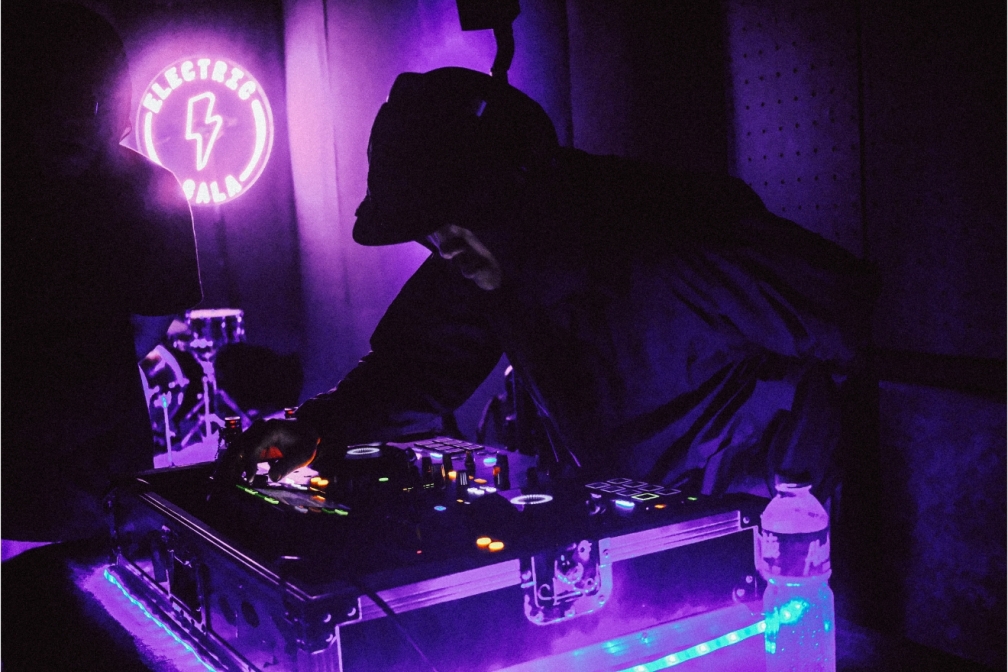
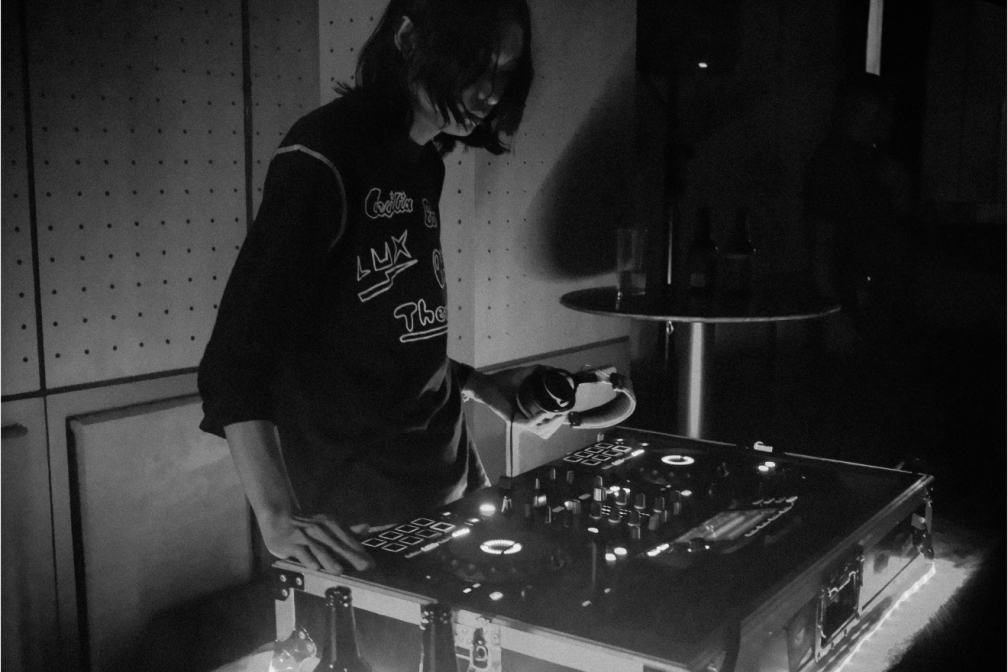
This year’s Fête de la Musique Manila saw a major shift in the city’s underground frequencies, thanks to Continuum Bass and its first-ever Bass Crawl; a three-venue journey through the full spectrum of bass culture.
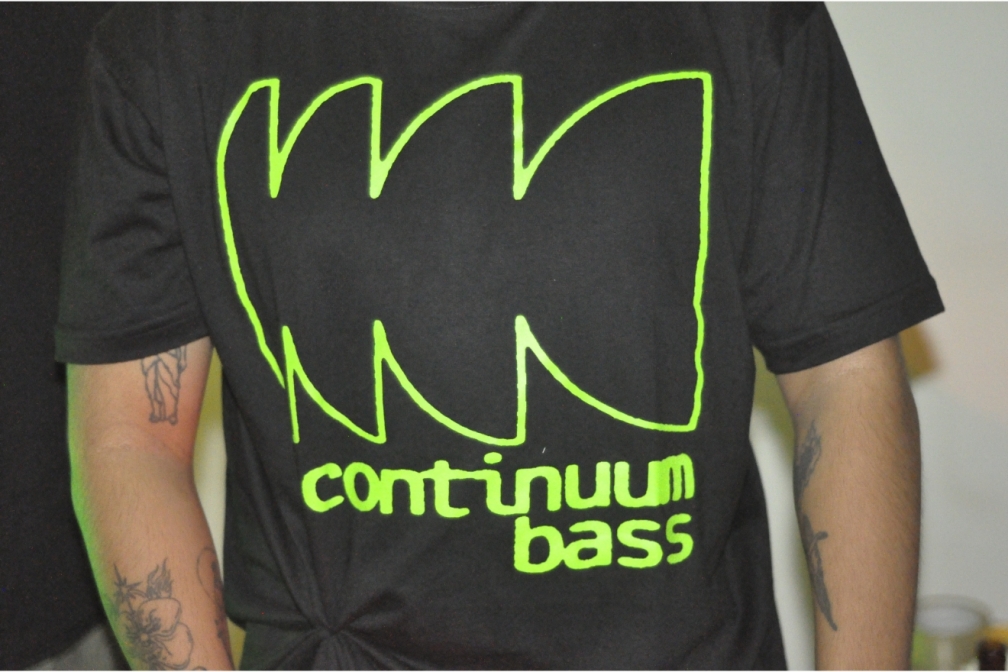
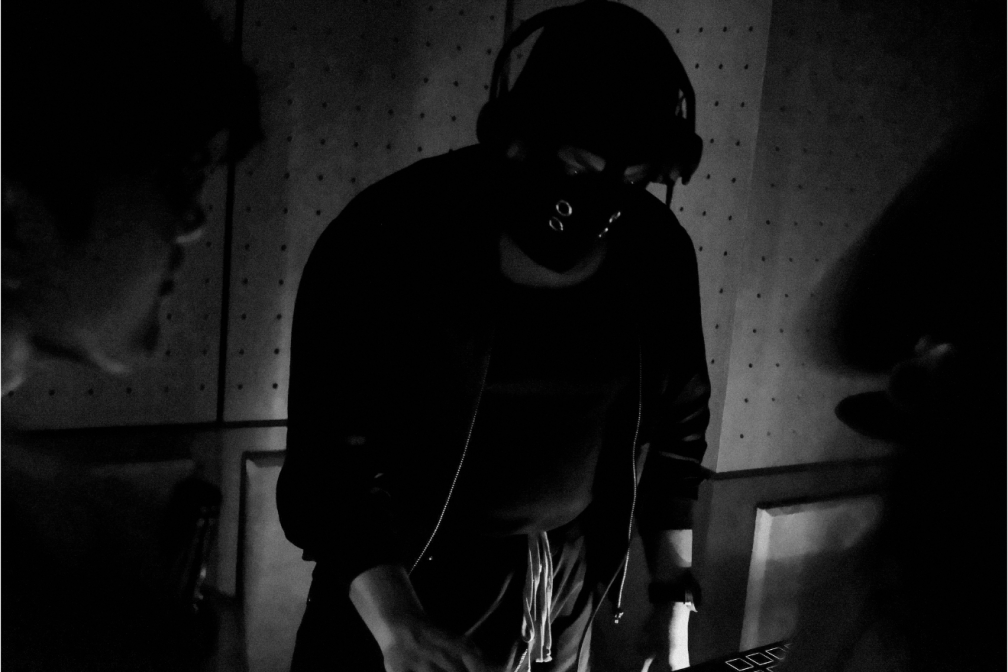
Founded by producer, DJ, writer and educator Ezzrei, Continuum Bass has been pushing a singular vision since 2022: to carve out space for bass-forward music in the Philippines while nurturing a community around it. From jungle and halftime to trap, deconstructed club and ambient bass, the Crawl brought together artists from Manila, Cebu, Bacolod, Davao, and beyond.
“What this expanded format communicates is simple: Filipino bass music is not a passing trend. It’s a movement being shaped in real time,” said Ezzrei. “It has a deep relationship with many cultures all over the world. This shows that the Philippines is catching up and is finally ready to be a part of this steadfast subculture that stood the test of time.”
For Ezzrei, bass music in the Filipino context is still emerging…but that’s exactly what makes it exciting.
It’s more of a cultural seed than a fully established genre,” she explained. “While global bass tropes like dubstep, UKG, jungle and footwork have inspired producers and DJs here, what’s truly exciting is how local artists are starting to reinterpret these sounds through a uniquely Southeast Asian—and specifically Filipino—lens.”
She traces that evolution back to the country’s indigenous connection to rhythm. Drawing parallels between indigenous musical traditions and modern production, Ezzrei points to the intuitive sense of pulse found in instruments like the kulintang, gangsa, and bamboo percussion.
Read this next: The Mixmag Asia Clubbing Guide: Manila
“Our indigenous music is naturally percussive. Traditions like kulintang, gangsa, agung, and bamboo percussion are deeply rhythmic and cyclical, creating trance-like patterns that mirror the pulse-driven energy of modern bass music. These ancestral roots give Filipino artists an intuitive grasp of rhythm and sonic layering. That instinct is now being rechannelled into electronic production. We carry this inheritance even in the most synthetic of beats,” she explains.
Continuum artists like Los Baños-based RVCK are already pushing this fusion further. His track ‘Hardline’ flips a ‘70s jazz tune into a dub-soaked breakbeat cut.
Ezzrei herself leans into that same direction: “I sample Filipino love songs and flip Tagalog rap hooks into jungle and halftime tracks. Pieces like ‘Daigdig Koy Ikaw (Jungle Ballad)’ are meant to feel like both a rave and a memory—something uniquely ours but legible to the world.”
Read this next: Making waves, digging for treasure & preserving music at Siargao’s Barbosa
The 2025 Bass Crawl featured familiar names like Hideki Ito, LONER, and m4r1w4r4, while also welcoming new forces Cebu-based Bantayan Bass Club who emerged after attending a Continuum show. Their inclusion signals a broader, decentralised movement that’s no longer confined to Metro Manila.
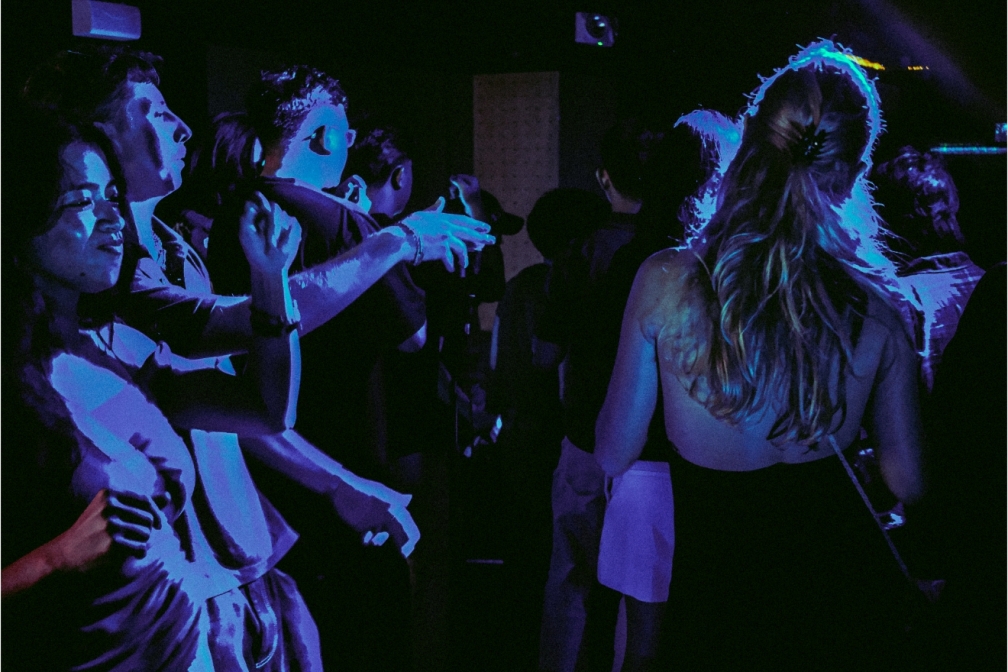
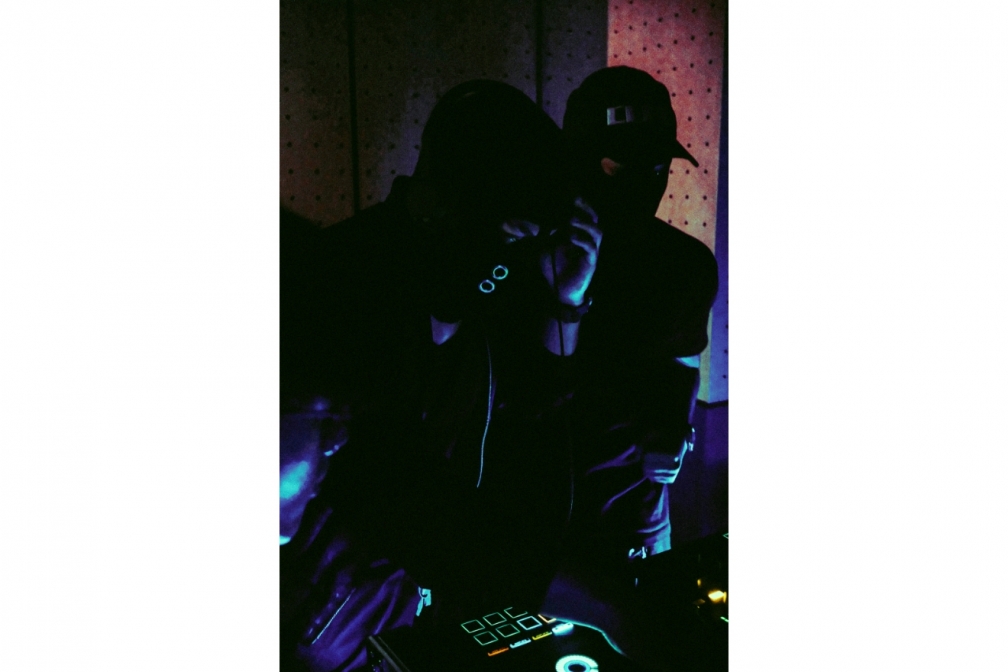
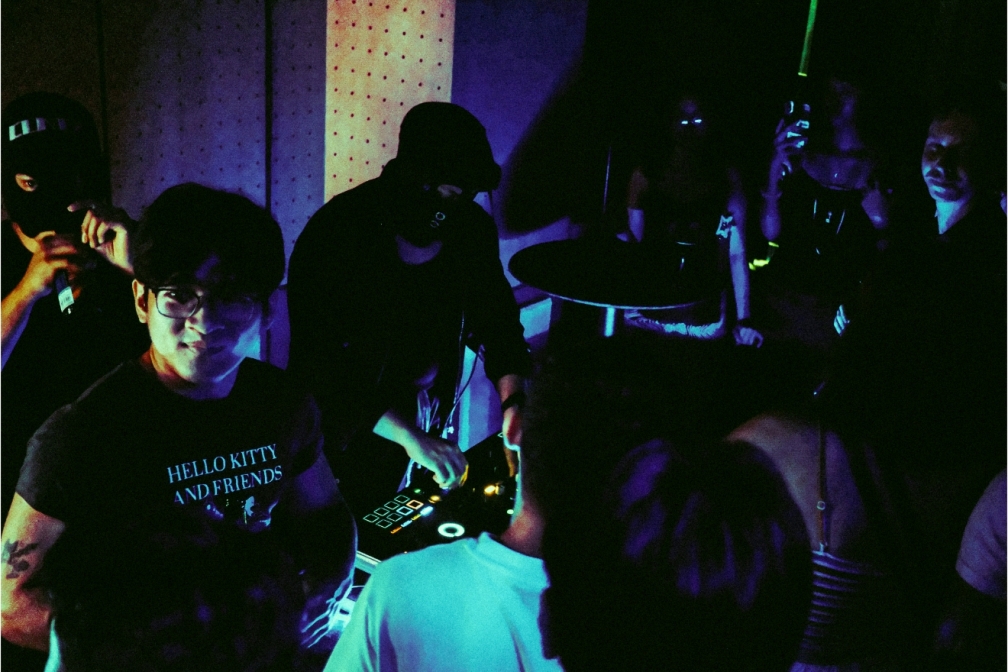
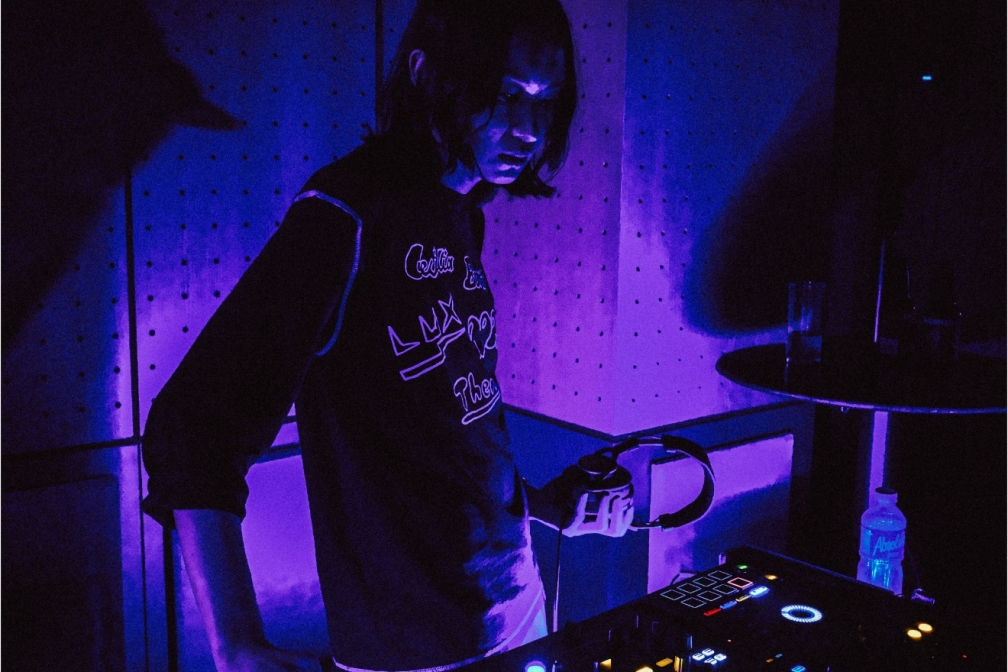
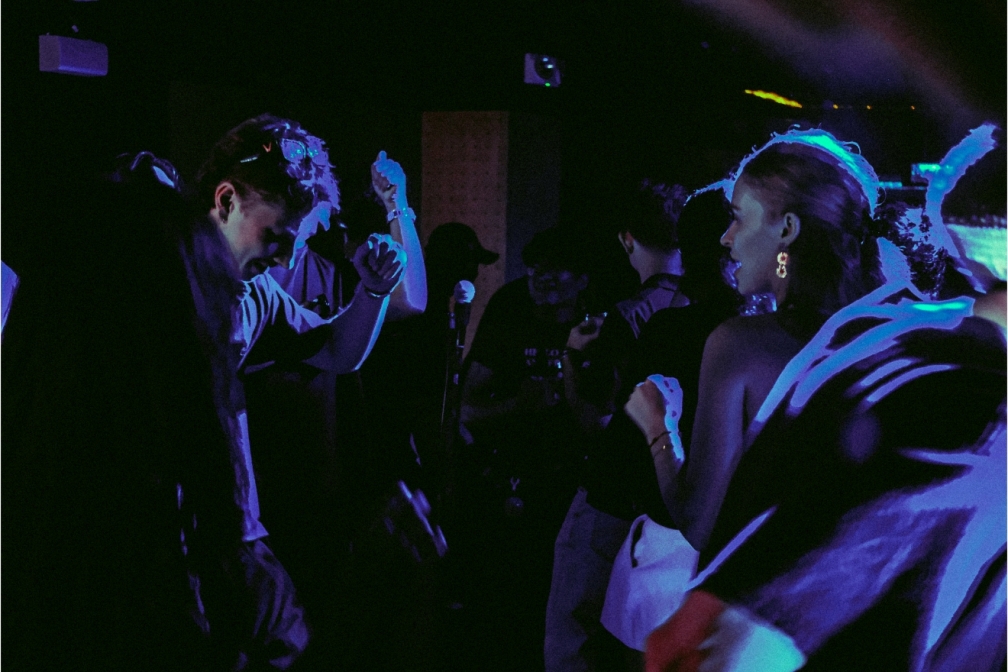
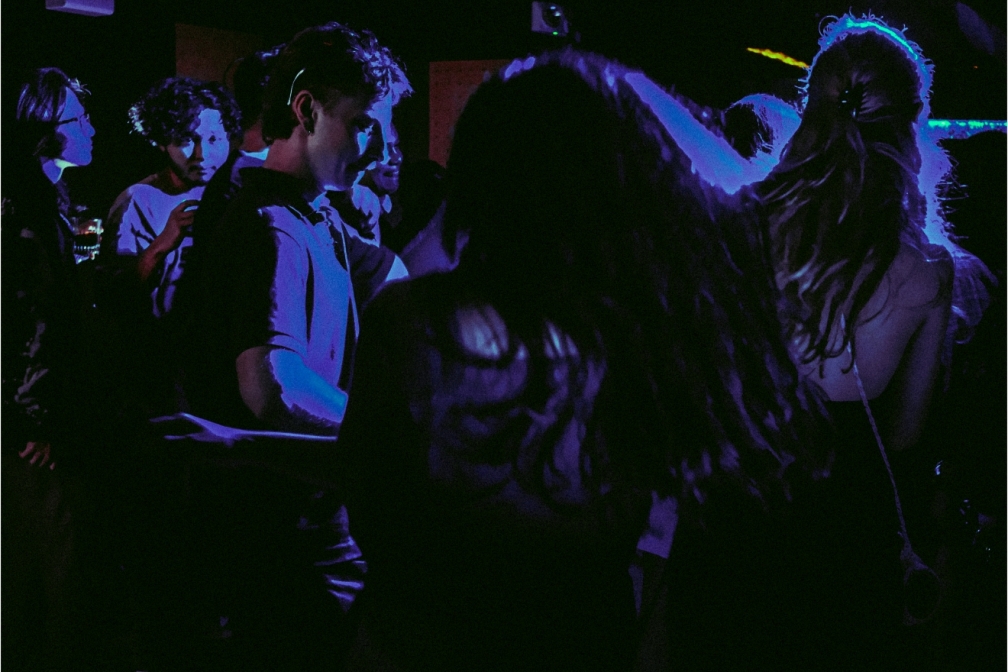
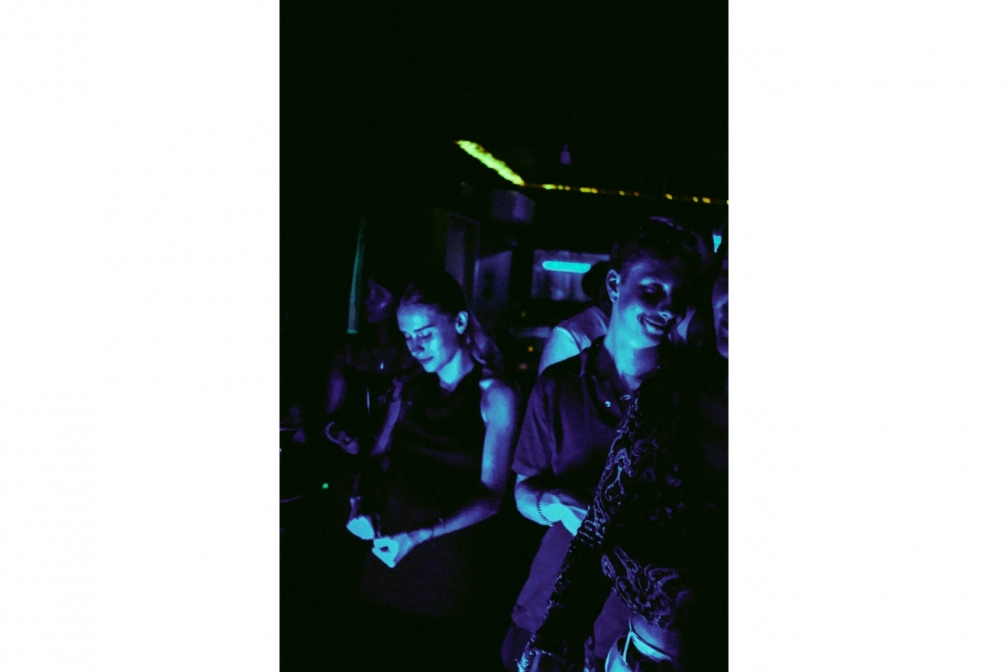
In a scene long dominated by imported sounds and gatekept spaces, the Bass Crawl wasn’t just a run of events. If anything, it felt like a manifesto built on care, culture and community. And judging by the enthusiastic crowds in the photos, this is only the beginning.
[Images via Aya Ezmaria, Chic Godasan & Rex Zablan]
Amira Waworuntu is Mixmag Asia’s Managing Editor, follow her on Instagram.
Cut through the noise—sign up for our weekly Scene Report or follow us on Instagram to get the latest from Asia and the Asian diaspora!
