


 Interviews
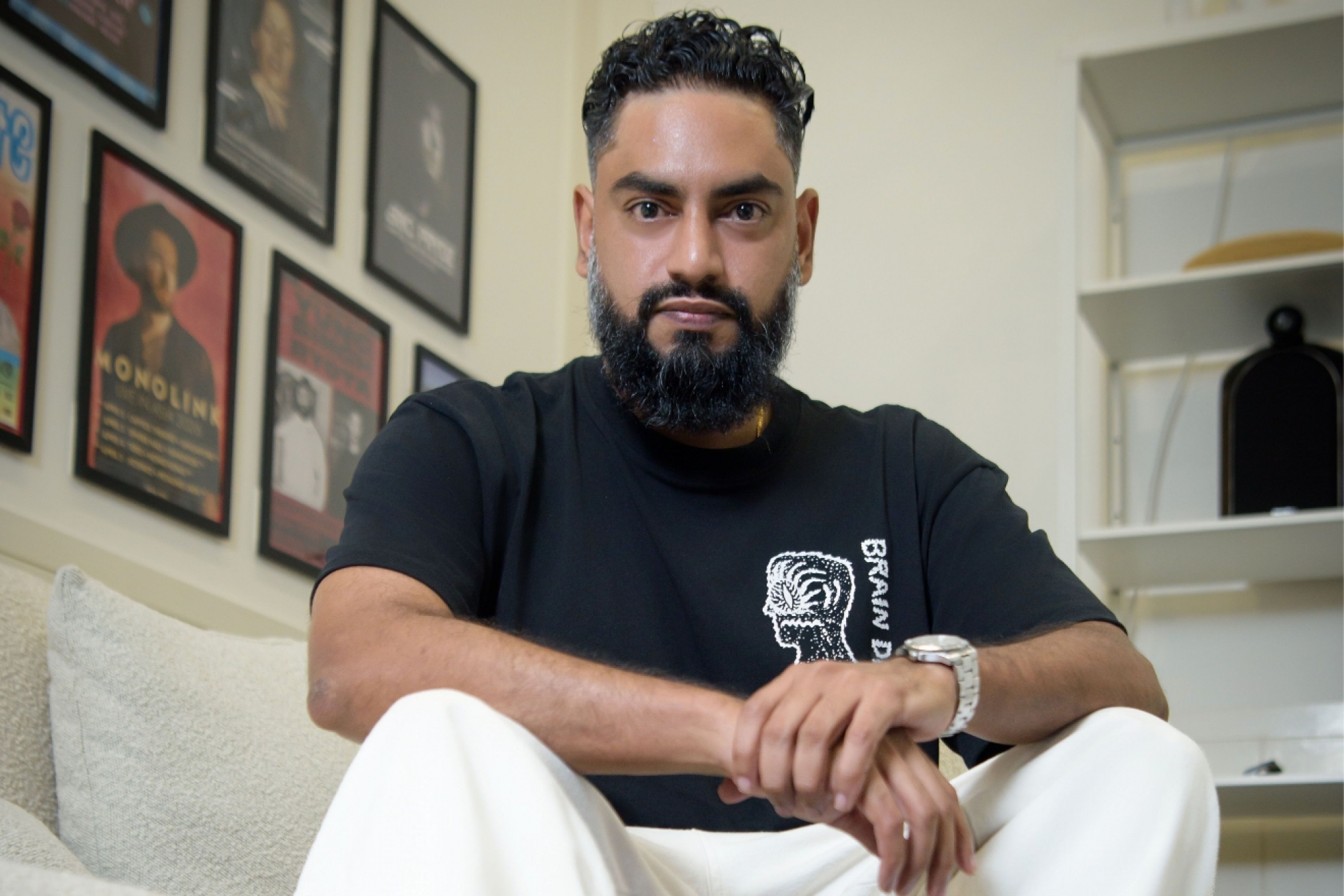
“A promoter at heart”: Zaran Vachha explains why most artists skip Asia on tour & how he’s fixing it
Visa rules, routing headaches & city-by-city economics have kept multi-stop Asian tours rare; the Singapore-based Triangle Group co-founder shares with us on how he aims to solve this puzzle
Long before "regional touring platform" entered his vocabulary, Zaran Vachha was a teenager sneaking into Hong Kong clubs, shooting party photos.
It was this hustle that grew into two decades spent building touring circuits through London and Hong Kong before landing across Asia at large, with a client list that has included Jamie xx, Pharrell Williams and plenty of names still working the underground at the time.
"The turning point was realising that people were actually paying me for my taste, my network, and my ability to understand what would work in a room," he shares.
That promoter's instinct now sits at the centre of Triangle Group, the Singapore-headquartered live entertainment platform that Vachha and his co-founder and partner Greg Hargrave conceived together. It has just closed a US$15 million raise, said to be the largest institutional investment in Asia's experience economy by a homegrown operator. Former Live Nation Asia Pacific President Roger Field has joined full time as Executive Director and Operating Partner, lending the venture some serious industry weight.
Operating across 18 cities and 9 countries through brands including Collective Minds, Curious, and drum and bass festival Touch Bass, Triangle is chasing something few have managed in this region: making multi-city touring across Asia's wildly different markets actually pencil out, so fans stop watching artists fly straight past them on the way to Australia.
We sat down with Vachha to talk about taking the chaos out of touring Asia, a mad moment with MF DOOM, and what it takes to professionalise a scene he once ran on instinct alone.
Take us back to the beginning: what were you doing before all this, and what pulled you into live entertainment in the first place?
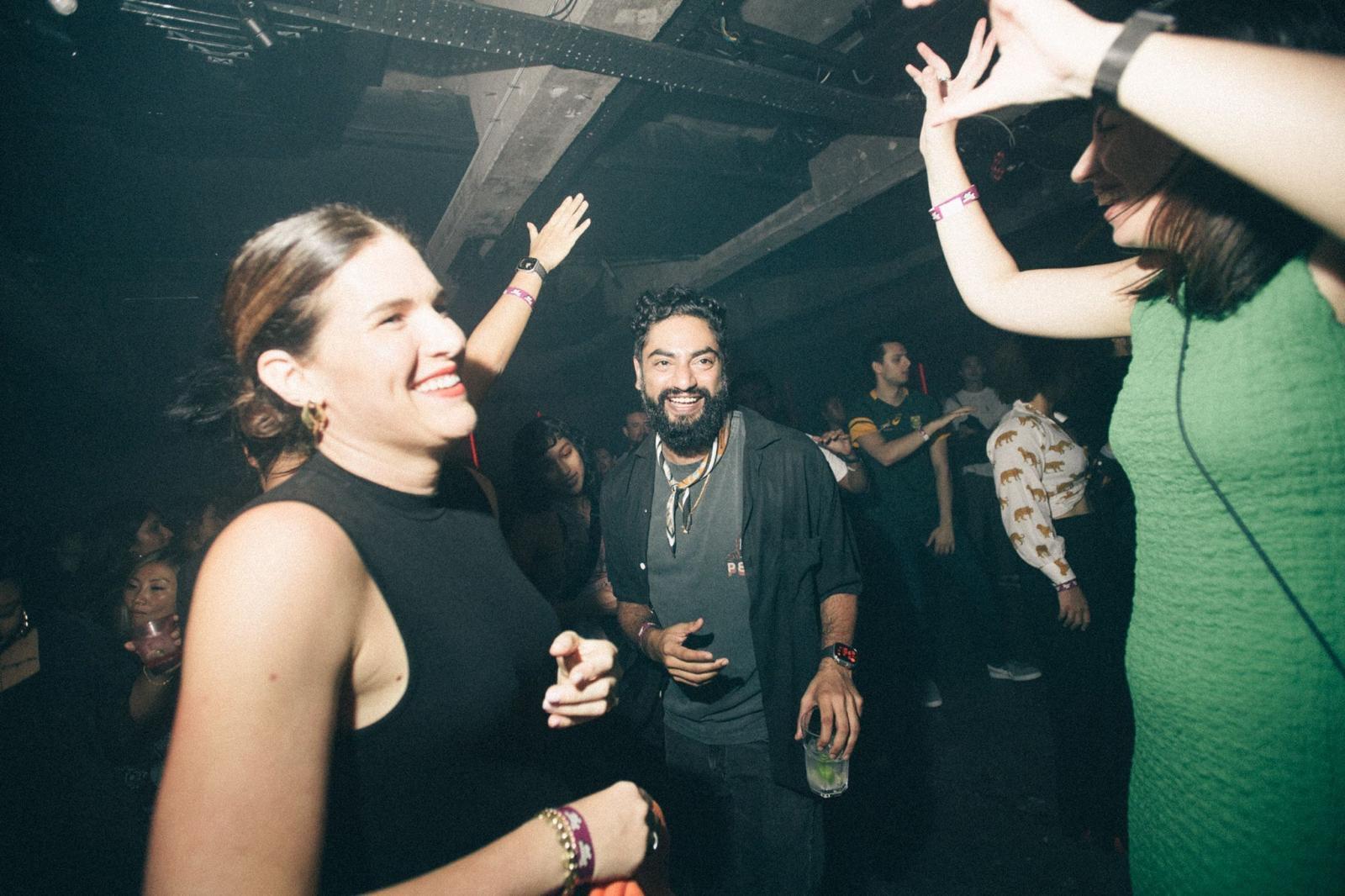
I actually interned at HKclubbing while I was still in high school. I was going to parties in Hong Kong underage, taking photos, and by the time I got to university, I was already a pretty seasoned clubber. That's when I started putting on my own shows in clubs and warehouses.
My first booking ever was Justice, who I found through the now-defunct Hype Machine—which still feels slightly ridiculous looking back. From there, I just fell in love with it: finding artists, putting people in a room together, creating that moment where everyone is there for the same reason. Ultimately, I just loved bringing people together to dance.
At what point did this shift from a passion project into something you realised could actually be a business?
While I was in London, I started getting hired by bars and clubs for music programming—everything from DJs to live music. I booked Ed Sheeran for live sessions before he became who he is today, and the same with artists like Jamie xx.
The turning point was realising that people were actually paying me for my taste, my network, and my ability to understand what would work in a room. London at the time was incredibly interconnected, so I could take those relationships across clubs, live music, brands, and different venues. That was when it stopped feeling like I was just putting on parties and started to feel like I'd actually built something I could turn into a business.
You built things up in London and Hong Kong before Collective Minds. What did the industry look like in those markets that you simply didn't find when you arrived in Asia?
In London, it was very much clubland. It was slightly dangerous, there was a lot of cash around, and definitely some nefarious characters. It really wasn't the corporate business it is today. It was underground. It was beautiful and exciting. It felt like the scene was ours.
It was also very different in terms of how people discovered artists. You found them through clubs, gigs, DJs, record shops, blogs, and word of mouth. Now so much of that discovery happens online first, and artists can build huge fanbases before people have even seen them live.
Hong Kong was almost the opposite. It was very much a luxury brand market, with a huge appetite to spend on bringing major international artists out for launches and private events—but there were very limited venues for actual concerts. That was probably the biggest shock when I started working more broadly across Asia: the lack of venues, and especially interesting mid-sized venues, across the region.
Read this next: Inside Justin Guan’s vision for China’s next entertainment era
Was there a specific gap (infrastructure, ticketing, artist relations, or otherwise) that you clocked early on and thought, "this is the thing nobody's solved here yet"?
The biggest revelation was that apart from club promoters at the bottom end and AEG and Live Nation at the top end, there was a huge middle ground. COVID-19 knocked out a fair few independent promoters, and many of the others retired or focused on an older demographic of music.
But the real lightbulb moment was that no one was putting together region-wide tour offers. It seemed like the biggest oversight. We're working day and night to plug this gap and ensure more concerts happen in the region.
Looking back, was there one lesson or practice from operating overseas that turned out to be completely wrong once applied in Asia?
The biggest misconception about Asia is that it's one place. Every country has a different culture, audience appetite, traditions, and price sensitivity. What works in one market can completely fail in another.
Some of the biggest artists in the world struggle to sell tickets in certain parts of Asia, while other artists can sell more tickets here than almost anywhere else in the world. You really can't treat Asia with a one-size-fits-all approach.
What one story will you never get bored of telling?
When I was a young promoter in London, I put on—well, tried to put on—an MF DOOM concert. On the way to the gig, he got out of the car to take a piss and never came back. There ended up being a riot in the venue. I tried to take my revenge the next time he was in London by sending in some heavies to rough him up. But it turned out to be an imposter in an MF DOOM mask. I guess that's why they call him the Madvillain.
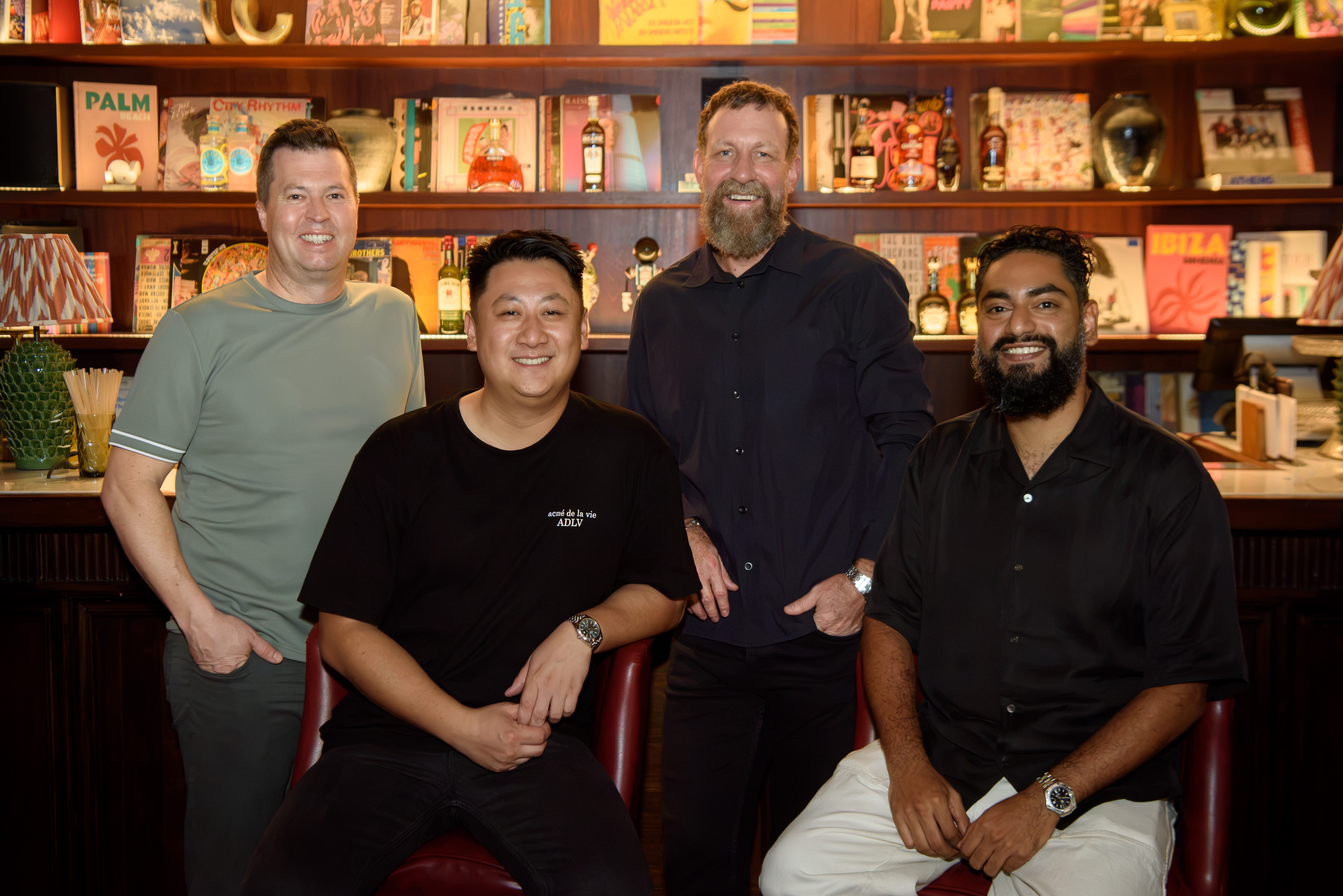
On the recent US$15 million Triangle Group raise: it's being called the largest institutional investment in Asia's experience economy by a homegrown operator. What does that scale of capital let you do now that you couldn't do a year ago?
It really helps us grow the team and bring in the talent we need to take the business to the next level, particularly as we compete more seriously in mid-scale and arena-level touring.
It also gives us more firepower to put offers in much further in advance, take bigger positions, and lock down tours earlier. A year ago, we were still operating much more opportunistically. Now we can plan further ahead, move faster, and compete for tours that require more capital and more certainty upfront.
The line on Triangle is that it "takes the chaos out of touring Asia." What's the single most frustrating part of routing a tour across multiple Asian cities: the thing you're now trying to solve structurally?
The hardest part is getting everything to line up. Every country has different economics, so getting agents to understand why an offer in Bangkok might look completely different to one in Singapore or Jakarta can be challenging.
Then there's the practical side: trying to align venue availability across five or six cities, flights, production, visas, and artist schedules—all within the same routing window. One date moving can sometimes throw the whole tour out. You may have everything sorted, and the artist decides they want to do the run next year. It's bloody painful, but we roll with the punches.
That's really what we're trying to solve structurally: bringing all of those markets together so the artist and agent can have one regional conversation rather than trying to piece Asia together city by city.
Read this next: Festivals in Asia to look forward to in 2026
You've recently brought on former Live Nation Asia Pacific President Roger Field as Executive Director and Operating Partner, after he spent a year advising and investing before committing full-time. What did that year show him (or show you) that made full-time the right call now?
He saw the Asian opportunity. It's such a big untapped market that's there for the taking. It's a huge white space with so many different ways to attack it. We're also much less corporate and more nimble than he's used to.
From our end, there's no one with that level of experience across Asia and Australia. We were looking for someone to take us to the next level, and it just felt like a natural progression. We're beyond excited to have him on board.
Triangle CFO Matthew Qi-Tao has spoken about pursuing roll-up opportunities across promoters and markets. What does a roll-up actually look like in practice: are you acquiring local promoters, or partnering with them?
We've partnered with many of the best local promoters in each country across Asia on co-pro agreements and beyond. Through this process, we've identified which are the best ones and are open to acquisition conversations over time to build out our touring capabilities even further.
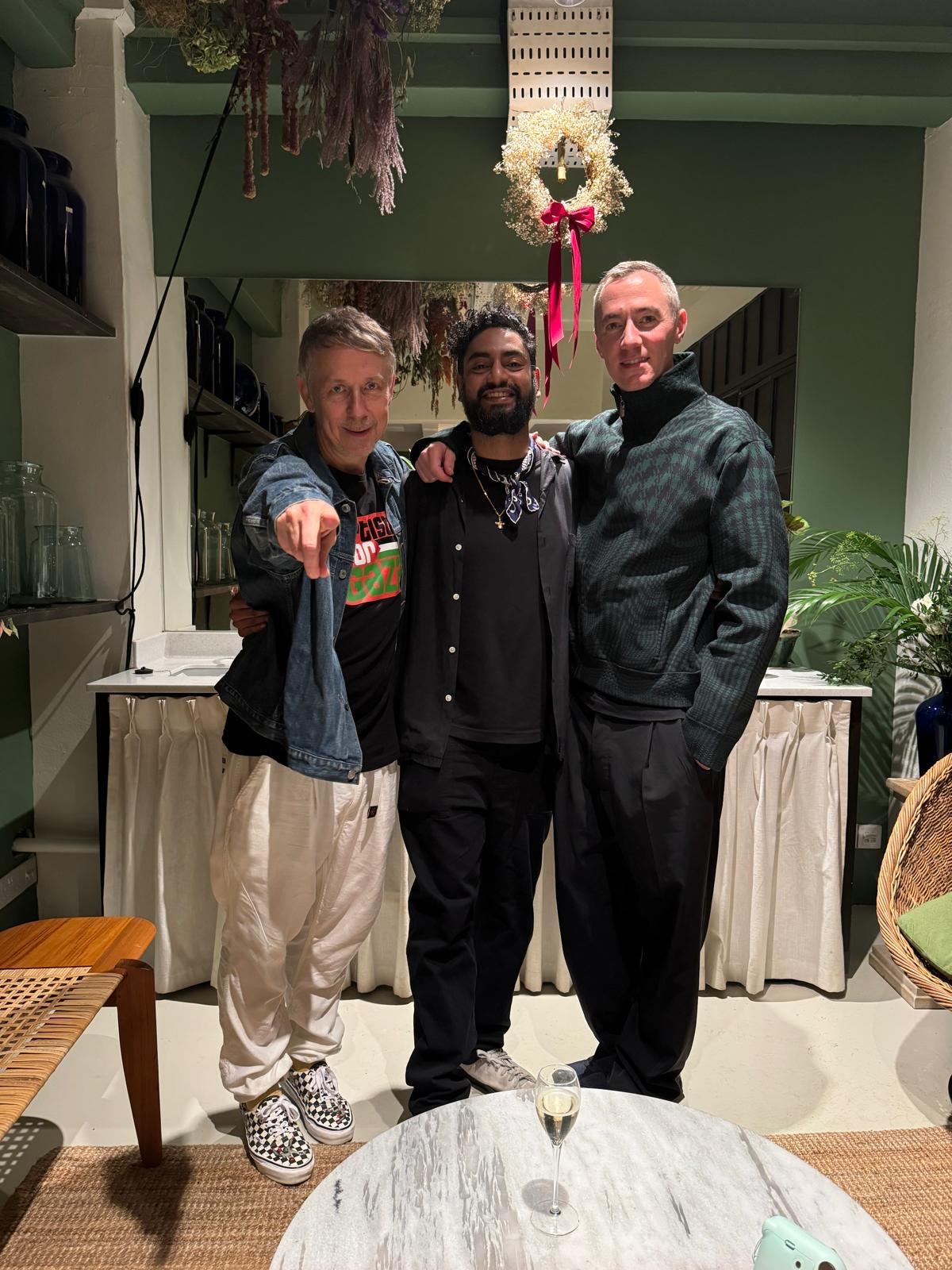
A lot of your audience are the independent promoters this could touch directly. What's the pitch to someone wondering whether Triangle is a partner or a competitor?
We want to be partners. There are great promoters in every market who understand their audience and city better than we ever could coming in from the outside. We can bring the regional touring, artist relationships, capital, and scale, while they bring the local knowledge and relationships.
For us, it's really about asking: how can we help you do more? If you're doing five international shows a year, can we help you do fifteen? Can we bring you tours you wouldn't otherwise get access to?
I also think too much competition can actually be quite damaging. Two promoters bidding against each other just pushes the artist fee up, then the ticket price goes up, and ultimately the fan loses. We'd rather work together and grow the market.
Triangle now spans Collective Minds, Curious, and Touch Bass; electronic, but also speaking tours and drum and bass festivals. Was building a multi-brand platform a deliberate bet that regional infrastructure matters more than genre focus?
Yes. We never wanted to be known as just an electronic music promoter. I love electronic music, but ultimately we're interested in culture and live entertainment.
Collective Minds has one audience, Curious has another, Touch Bass has another. But underneath it all, the infrastructure is quite similar. You're still finding talent, routing tours, booking venues, selling tickets, and putting on great shows. Once you have that infrastructure across the region, you can put a lot of different content through it. For us, that's much more interesting than just being known for one genre.
Read this next: "Never fully, neatly belonged": D.Dan on identity, shifting sounds & playing the country he's never lived in
Every Asian market is genuinely different; language, purchasing power, regulation, culture. How do you build one platform that works across all of them without flattening those differences?
That's probably the hardest part, and also the most important part.
We want certain things to be consistent—reporting, production, settlements, contracts, data—but the actual way you operate in each market has to remain local. You can't have someone sitting in Singapore deciding how to market a show in Bangkok or price a ticket in Jakarta. The people on the ground need to make those decisions.
For us, it's really global standards, local execution.
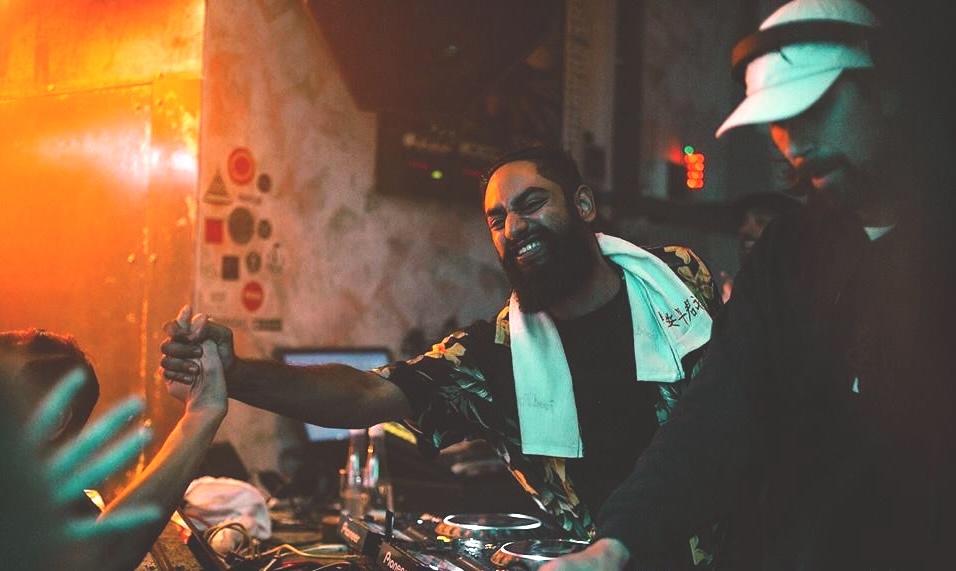
A global promoter can book an artist into any single Asian city easily enough. What can Triangle do across multiple Asian markets that a one-off local booking simply can't?
The biggest thing is the routing—this makes it much more feasible for tours to happen. One-off shows in the region are becoming rarer because of the costs to bring an artist out. The difficult part is piecing the puzzle together: working out a time that makes four to six cities work together at the same time as it works for the artist and the venues.
We're not booking a one-off; we're routing a region, making it more cost-effective for everyone involved—the artist, the fan, and the local promoter.
A year from now, what's the one thing that will have visibly changed for an artist or a fan trying to move across this region for shows? What's the one clear difference people will actually see and feel?
More shows. It really is that simple. Artists who would normally come to Asia and do two cities should be doing four, five, or six. Artists who previously thought Asia was too complicated or too expensive now have a route and a trusted partner.
For the fans, it should mean more content, more concerts, and not constantly watching artists fly over Asia on the way to Australia or having their Asia tour consist solely of Tokyo.
If we're doing our job properly, the fans probably won't even know what Triangle is doing behind the scenes. They'll just notice that a lot more shows are happening with more variety and a higher standard.
What do you wish people knew about you that they don't?
Probably that I'm still very much a promoter at heart. Promoting looks like fun and games from the outside, but it's bloody hard work. We feel every bad comment, every event that doesn't hit the right ticket sales, every person who has a bad time. For every win, there are hundreds of days of stress and heartache to get to that moment of joy—when you see people dancing and forgetting their worries.
The moment is fleeting, but for me, it makes it all worth it. That's the high we continue to chase.
Amira Waworuntu is Mixmag Asia’s Managing Editor, follow her on Instagram.
Never miss a beat. Subscribe to our Scene Report newsletter or follow us on Instagram.
