


 Interviews
"Never fully, neatly belonged": D.Dan on identity, shifting sounds & playing his childhood hometown
The Korean-American, Berlin-based artist & Mala Junta resident opens up about DIY beginnings, longevity & what draws him to the decks before his Seoul debut
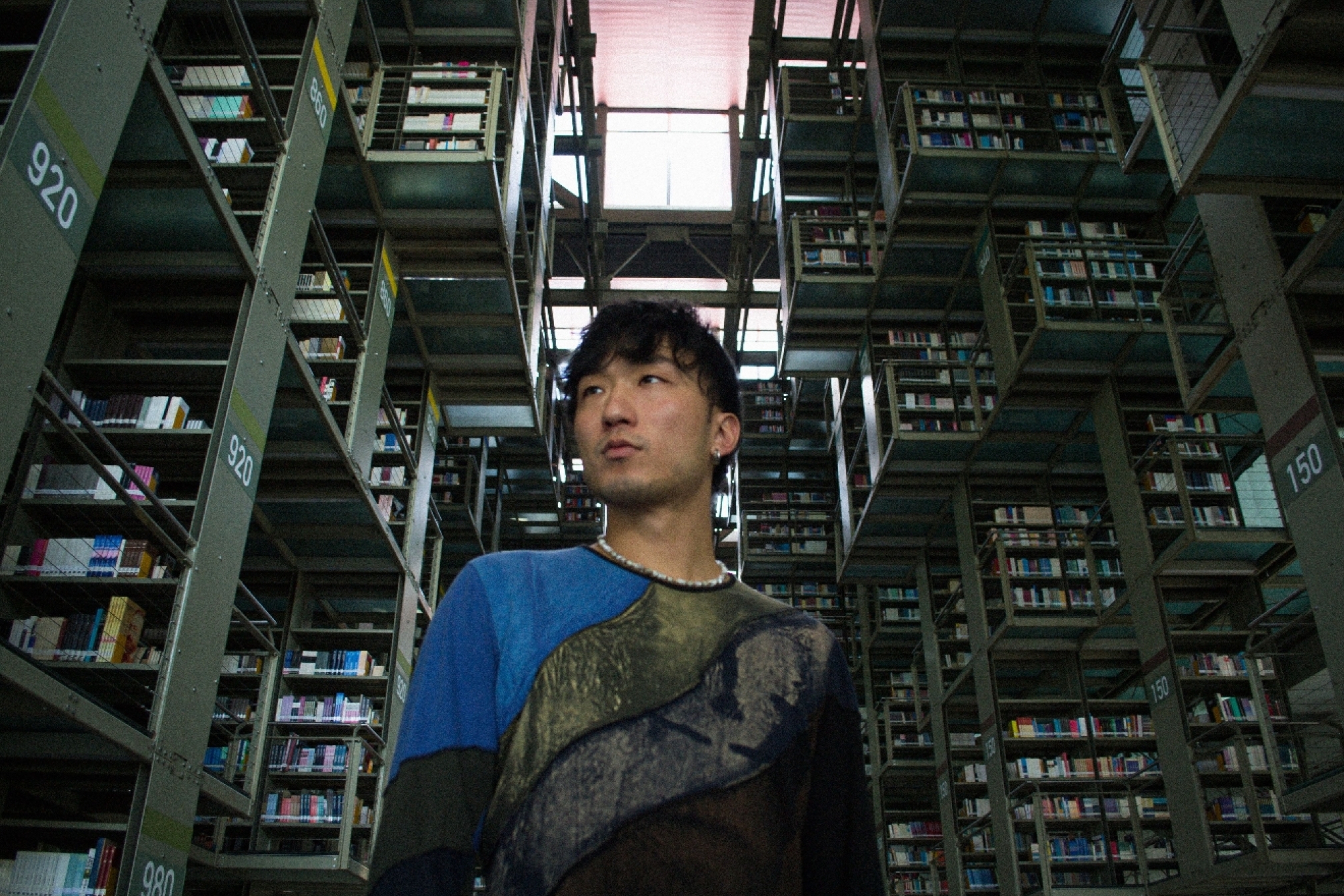
On October 9, D.Dan is set to perform in Seoul for the first time. He lived there as a young child before his family moved to Seattle, where the rest of his upbringing happened. It's a return to a place he knows mostly through early memory rather than lived experience. Decades later, walking into Seoul's biggest scale techno collective, Hightechseoul, for the first time carries a different weight than any other stop on his calendar.
D.Dan's route into electronic music started somewhere else entirely. He trained as a percussionist from a young age, then spent his teenage years in shoegaze and psych-rock bands around Seattle. Turntables came later, in 2010, after he stumbled on Serato Scratch Live promo videos and got pulled into DMC competition footage and scratch technique.
From there it was a short step to dance music (straight into post-dubstep, jungle, eventually techno) and then a much longer one to the DJ he is now.
Between Seattle and Berlin, he did almost everything a scene has to offer: running a DIY house venue, throwing warehouse parties and renegades, teaching sound engineering, interning at record labels, working overnight radio at KEXP. He talks about all of it shaping how he plays now; not as background, but as active reference points he still draws from.
His Korean-American identity runs through the conversation too. "I never fully, neatly belonged to an easily definable category or culture," he says of growing up between the two. It's part of why techno pulled him in; a space, in his words, where people who relate to that feeling "can come together and find a sense of safety and belonging without prejudice or judgment".
Ahead of Seoul, we asked him about all of it: the move from drummer to DJ, the twelve-hour set experience, the label he built on his own terms, and what it means to play a country he's never lived in but still calls home.
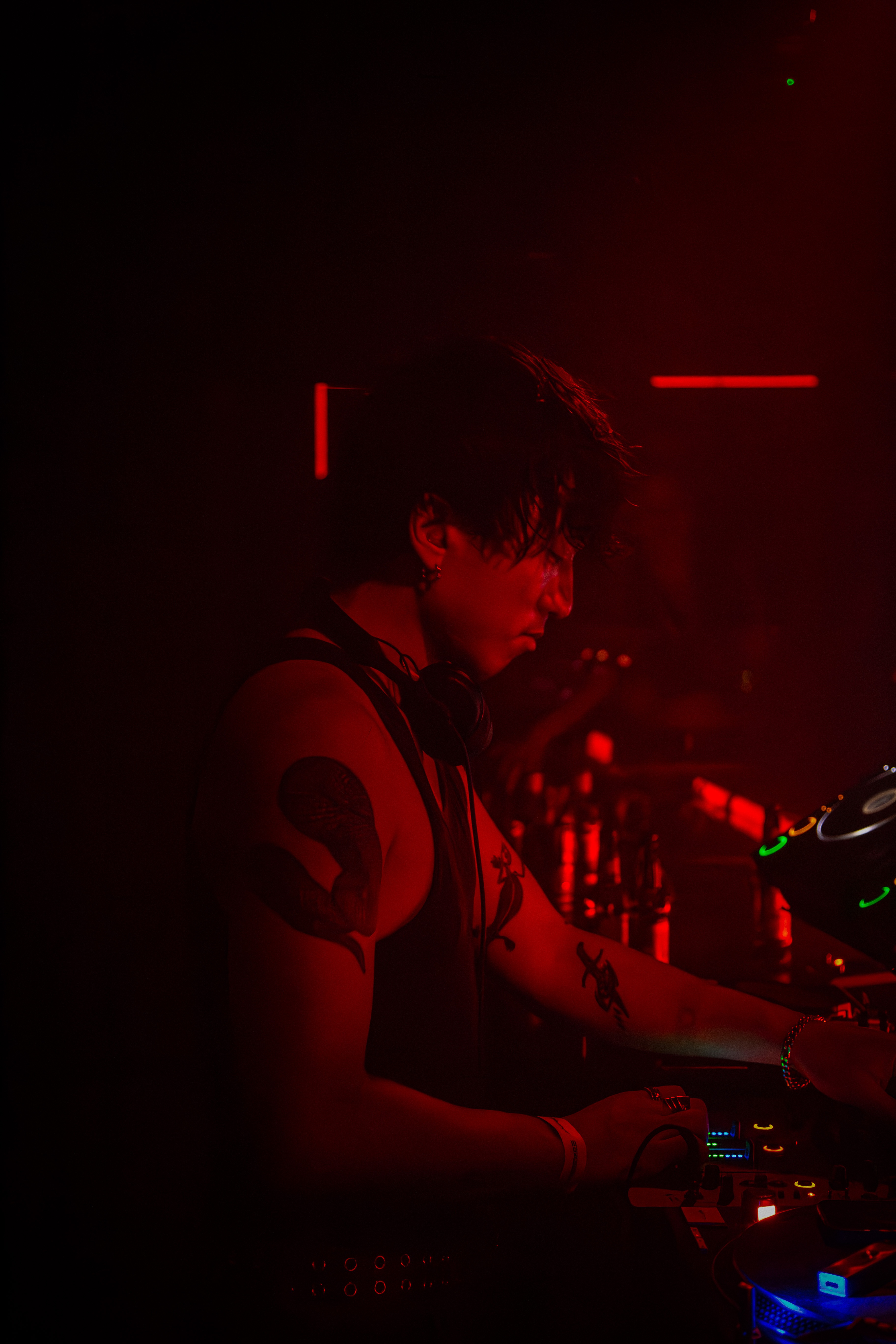
You started in shoegaze and psych-rock bands before picking up a percussion education and then turntables in 2010; what was it exactly that pulled you towards turntablism? And when you're building a set now, can you still feel that percussionist's brain at work, or has the DJ completely taken over from the drummer?
I actually started training as a percussionist at a very young age, from 12 years old onwards before I started to be in bands from the age of 14. From around 2007, I was listening to a lot of 90s hip hop and instrumental beats (think Mos Def, Talib Kweli, Flying Lotus, Shigeto).
I remember coming across promotional videos for Serato Scratch Live in 2008, thinking it was the coolest concept to be able to control digital files like a vinyl record on a turntable. And then that sent me down the rabbit-hole of watching old DMC competition videos, researching scratching techniques and classic scratch samples, etc.
It didn’t take that long though until I became more interested in how to DJ dance music and how to beatmatch and transition seamlessly, especially as there was more of a social element to it. This also just happened to align with when I started to find more club/dance music such as post-dubstep, jungle and eventually techno.
When I am digging for music or DJing, I definitely still utilise the training or instincts I learned as a percussionist. I spent many years learning about polyrhythms, collective pulse, as well as musical phrasing within a composition, amongst many other things. They’re all necessary elements to understand when you’re playing in a classic ensemble with many other musicians, in order to keep the performance cohesive. These are all concepts that are at the foundation of the way I mix.
Your sound has clearly gone through distinct chapters. Looking back, was there a specific gig or moment where you felt your sound truly "click" into what people now recognise as D.Dan?
I don’t think there was one specific single moment that I can pinpoint into how people recognise me now. I think it’s a natural collection of many elements that developed an overall impression over time; different releases, sets, published sets, podcasts, etc.
Read this next: Micro-movements: How Korea and Japan are merging into one dancefloor
How would you yourself describe your music?
Listening to the music itself will describe more than words ever could! I also have quite a wide range that I have released.
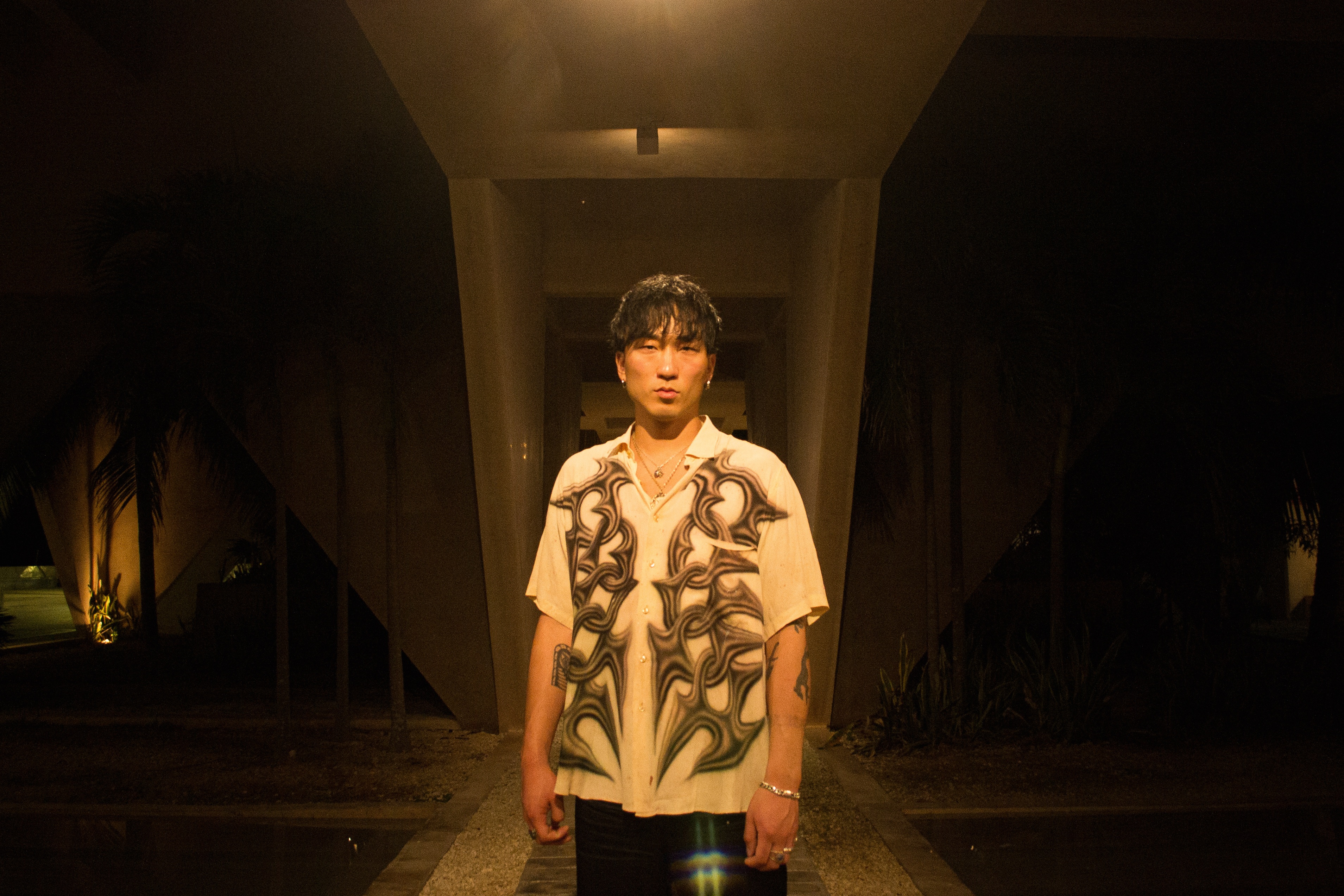
With summerpup, you've built your own platform, from the minimalist tools of 'sequence.01' to a genre-defier like 'Embers'. How do you decide what belongs on your own label versus what you send elsewhere?
I started my own label to be able to release music at my own pace, curation, and schedule. For music I have released elsewhere the past years, they are usually single tracks released on VAs by certain clubs or collectives I have a personal connection with.
In the future, for a full-length EP released elsewhere, it would really have to be through a significant personal connection I have with the label owner or the label itself for it to make sense for me.
Running a DIY house venue, throwing warehouse raves and renegades, teaching sound engineering, interning at labels, working overnight shifts at KEXP… that's a lot of different vantage points in the music industry before you even moved to Berlin. Which of those experiences do you find yourself drawing on the most now?
If I were forced to choose one, it would be throwing DIY house parties, warehouse raves, and renegades. In general, being a local and a resident of a local collective for many years before I ever got booked as a headliner for a night. I still remember what it felt like to be listening to a DJ/producer for so many years, and finally being able to book them to see them play in Seattle. Many of the parties that my friends and I threw were sold out, but some of them didn’t have a large turnout for one reason or another.
On the nights where the room wasn’t full, I could always feel whether or not the artist still put their heart into it or not. For one show, even though there were like 20 people on the dancefloor, I knew for a fact that almost every single person on that dancefloor was a diehard fan and we had been waiting for years to see that artist. I am glad that I can have this kind of understanding, and that the impact you can have on other peoples’ lives as an artist does not always specifically correlate to size or numbers.
That being said, every single one of these experiences I had in the music industry gave me tools and experience that I still draw upon to this very day and will draw upon forever.
Read this next: Survival of the Fitz
What does a longer set teach you about yourself that a 90-minute peak-time slot never could? 12,5 hours b2bing (which you did with DJ TOOL) sounds like a massive undertaking!
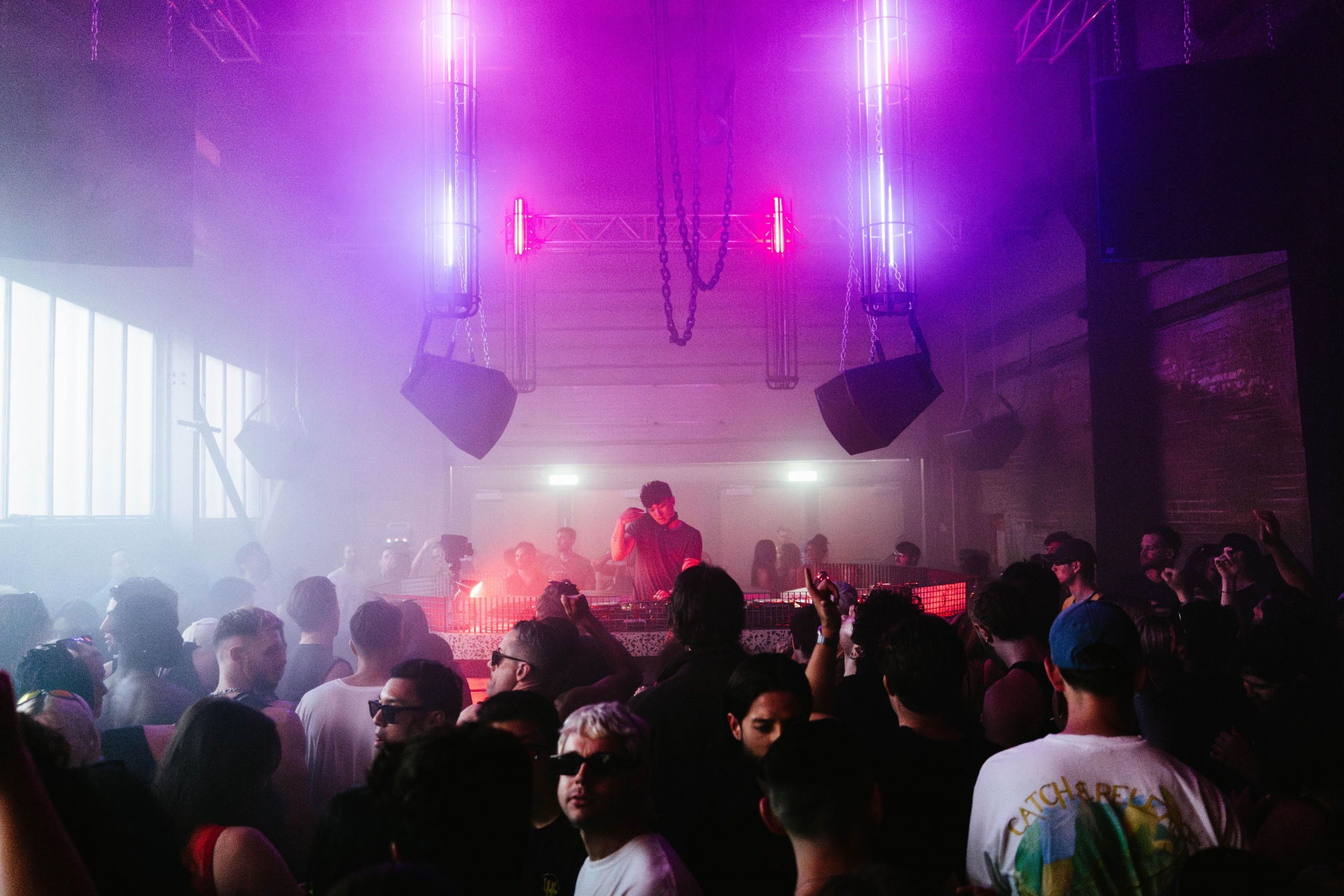
With longer sets, it really depends on the crowd, the quality of the sound system, booth, as well as a synergy with the light-tech and the music. When all the important elements align and come together, that’s when I can really allow myself to relax and lose myself in the sound and atmosphere of just being there. In this process, it allows me to mix very instinctually and intuitively, and to channel emotions I am feeling deep within me that I may not have the ability to always express so clearly during everyday life.
My perception of time becomes pretty abstract and I often completely lose track of it. When I look up during longer sets, where everything feels connected, I can see that many people are fully being taken away with their eyes closed on their own journey, some people are kissing, some people I make eye contact with and it feels like there is some kind of unspoken understanding of what I’m feeling. It’s a magical experience. These kinds of things rarely ever happen during shorter sets.
Your Korean-American identity is named as one of the things informing your sound. How consciously do you feel that heritage in the music itself, versus something that's just quietly part of who you are?
A big part of my Korean-American identity is the feeling that I never fully, neatly belonged to an easily definable category or culture. Culturally, I’m not fully Korean, ‘nor would I say I am fully from USA. What has always drawn me to techno is that it can be a space where many people who can relate to this feeling (in their own ways) can come together and find a sense of safety and belonging without prejudice or judgment.
Returning to a country you've never lived in but still call your motherland can be loaded with complicated feelings; belonging, distance, curiosity, even grief. Is there a specific feeling you're bracing for with this trip?
I am bracing for the joy I will feel to play in Seoul for the very first time. I am bracing for the potential awkwardness that I cannot speak Korean. I am bracing for the potential childhood memories resurfacing, good and bad. I am bracing for the happiness I will feel when eating Korean food at the source (specifically mul naengmyeon and gori gomtang).
Read this next: Artists exciting us in 2026 / September
What are you most excited about regarding the underground electronic music scene in South Korea? Are you walking in as an artist wanting to observe and absorb, or do you already have a sense of what you want to bring to a Seoul dancefloor?
It’s a combination of both. I definitely have a sense of what I want to sonically bring to a Seoul dancefloor. But I am so curious and excited to see how the dance and party culture is like in Seoul, it’s always something I pay attention to when I go play somewhere especially for the first time. A strong impression can stick with me for a very long time.
Amira Waworuntu is Mixmag Asia’s Managing Editor, follow her on Instagram.
Never miss a beat. Subscribe to our Scene Report newsletter or follow us on Instagram.
