


 Features
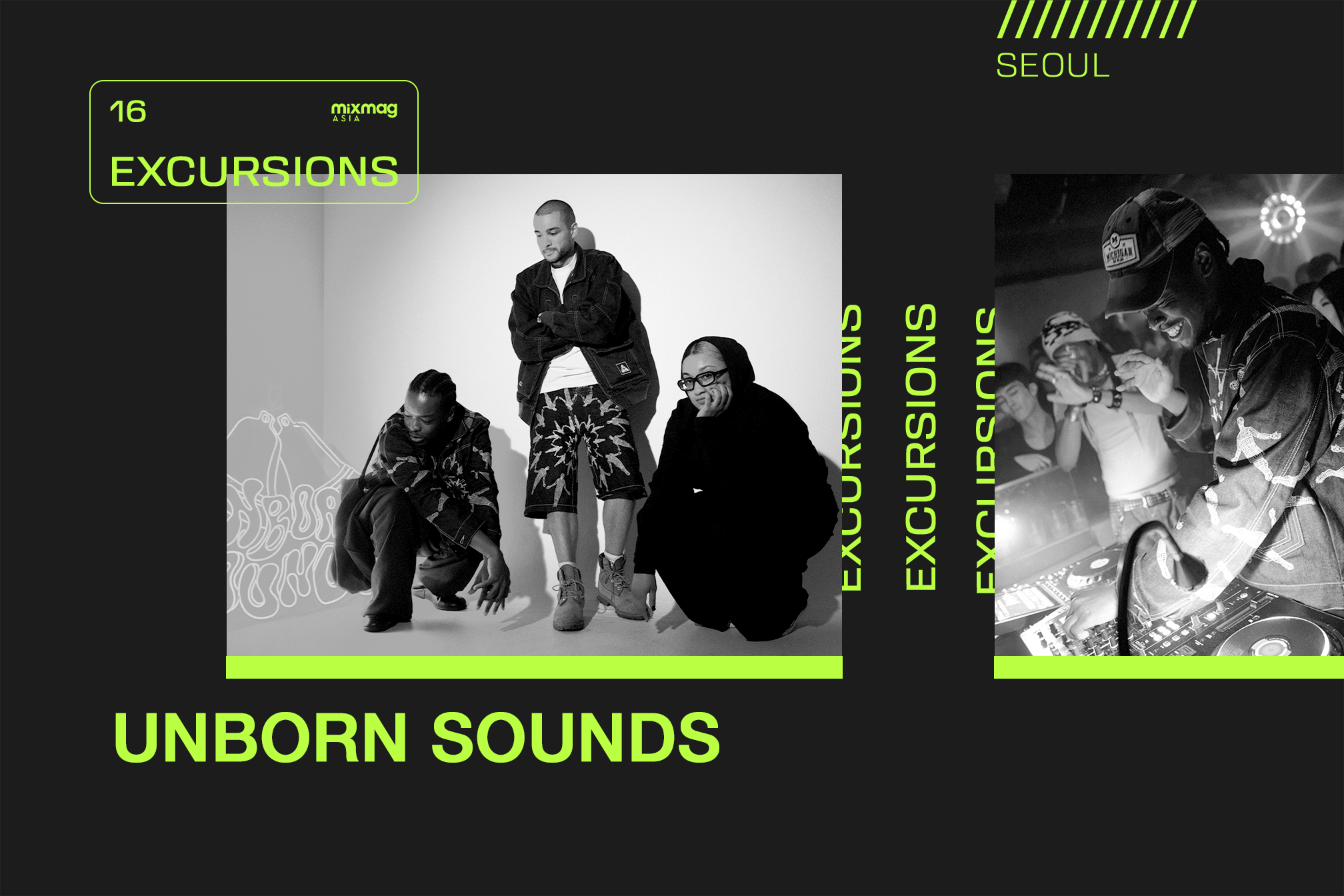
Excursions: UNBORN SOUNDS on making a case for a more inclusive scene in Seoul
Included as a case study in VibeLab’s first Nighttime Culture Index, the crew discusses building a more diverse nightlife community by introducing African, Caribbean & Latin club genres to the city’s dancefloors
In one of the trendiest cities in the world, the so-called “Best Big City”, Seoul is a place of great polarity. Despite foreigners making up less than 6% of its population, the city continues to attract international attention, yet its electronic scene is largely driven and shaped by local Korean tastemakers and spaces, led by similarly interconnected homegrown networks.
In a city where DJ and production talent emerges from the streets, studios and dancefloors, creating spaces for different cultural backgrounds to cross paths is still an ongoing process. UNBORN SOUNDS has been building exactly this kind of community, bringing together music, fashion and creative expression while opening doors for a more diverse generation of artists.
With some of its members having put down roots in Seoul as early as 2013, UNBORN SOUNDS has become more than a music community. Alongside its fashion brand and creative agency, it has established itself as a launching pad for rising DJs hungry for a stage, creating opportunities for cultural exchange in an ecosystem that continues to draw international attention.
Included as a case study in VibeLab’s first Nighttime Culture Index, which measured nightlife across six cities and multiple dimensions, UNBORN SOUNDS offers an interesting perspective on how independent music communities can contribute to a more diverse and inclusive nightlife culture.
While Seoul scored 50.5/100 in the category of Cultural Diversity in Programming, the city’s participants rated this international community of artists, DJs, and nightlife tastemakers as an example of how a country with a largely homogeneous population can foster a more inclusive nightlife culture, despite scoring just 32.5 in Sustainability & Environment.
We spoke to UNBORN SOUNDS to understand how a small group of creatives is widening who gets a place on Seoul’s dancefloors.
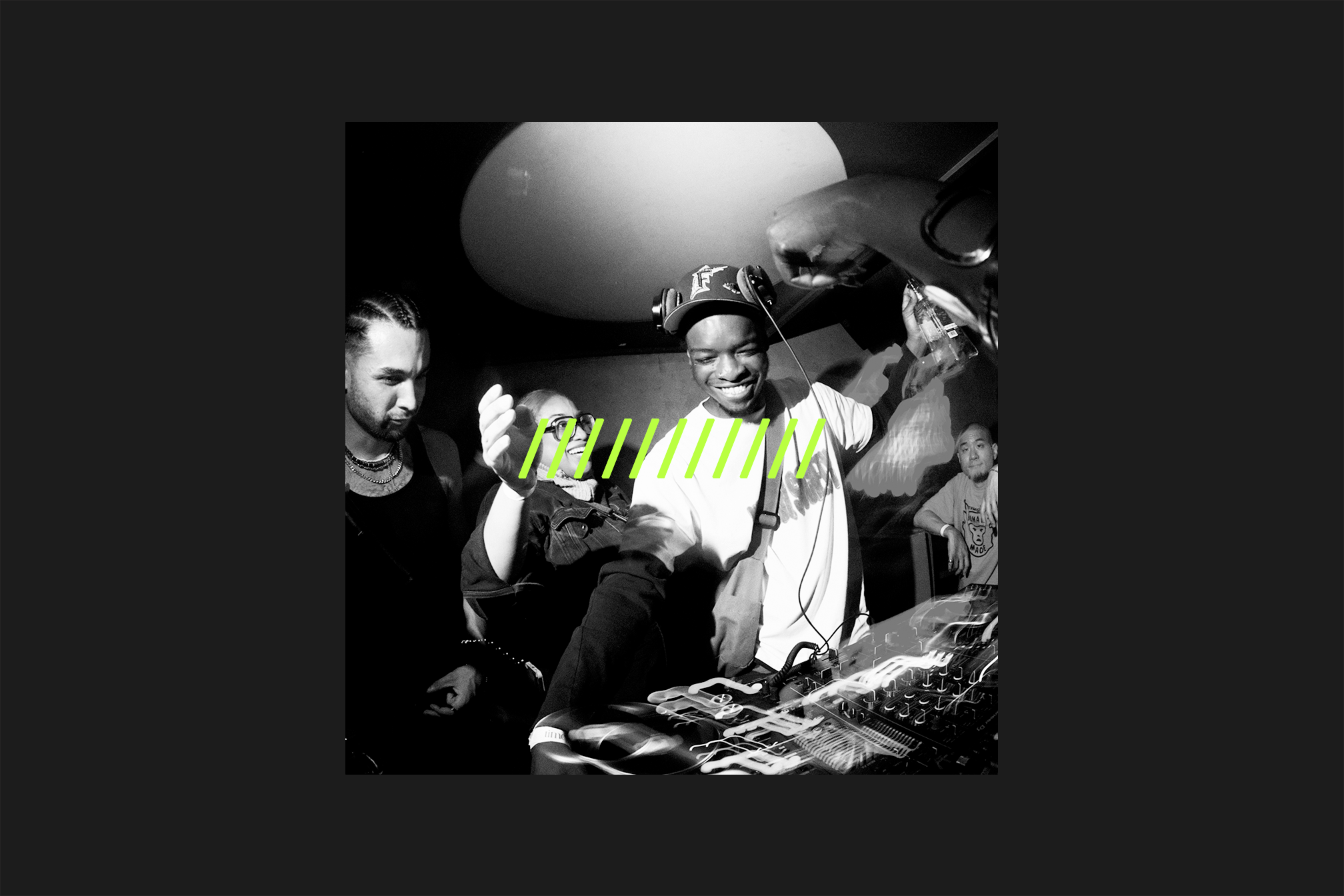
Take us back to the time when everything started. Was there a cultural or musical gap in Seoul when UNBORN SOUNDS was founded?
Yes. Clubbing, as most of the world does it, is still relatively new in Korea. When we started around early 2022, there was a very established scene built by local and foreign DJs who’ve put in serious work. Still, even just four years ago, we felt a disconnect between what was happening here and in other music communities around the world.
Seoul’s underground scene was built on genres originating from North America and Europe, and lacked a visible connection or representation of African, Caribbean, and Latin music, or anything from the wider diaspora. The feeling increased when we saw how ubiquitous these sounds were becoming globally elsewhere.
There were a few DJs pushing different genres, but everything was very isolated. There were just a handful of times we saw very strong international acts come to Seoul and have a line out the door because the promoter did their job well, only to have the packed club not know how to react to any of their music.
We started DJing together as UNBORN SOUNDS partly because we wanted to hear music that wasn’t being played in the clubs, and give a more authentic representation of ourselves and our cultures. This means expressing ourselves musically, but also truly creating a space that feels authentically connected and reflects our own backgrounds and experiences. We’ve come a long way in that goal since, and now we have room to explore even more.
Ultimately, the goal is to become the bridge connecting Seoul to the rest of the world and the rest of the world to Seoul. All while building a community where global sounds and cultures feel represented and celebrated.
Read this next: South Korea’s university DJ dongari: the hidden incubator of Seoul's dance music scene
Something very distinctive about UNBORN SOUNDS is its versatility across genres. At the same time, it seems to attract an audience thirsty for sounds that are not easily found in Seoul. What was the intention behind opening these spaces for this type of audience? Did you notice a lack of them, or do you feel you are creating a new wave?
Every founding member of UNBORN SOUNDS was a DJ before the crew started. The original idea was simple: create a space that is by us, for us, where we can play the music we want to hear.
Over time, we’ve found a balance between playing what the crowd is used to and what we want, while pushing new or unfamiliar sounds without killing the vibe. We play a lot of edits and remixes, but we’re not afraid to drop an original track even when nobody in the room might know it. We take sonic risks and want our crowd to be open to discovering new music and experiencing how different cultures and genres can come together.
We believe there has been a lack of spaces like this in Seoul because not everyone is willing to do the work or take the risks involved. Introducing new sounds to a new audience takes understanding, respect, research and a willingness to experiment without financial guarantees or knowing how the crowd will react.
UNBORN came together just as Seoul started gaining traction as an international destination for creatives, travelers and expats. Our events are about creating a complete experience. Some people come to discover music, others to meet creatives, explore fashion or simply escape.
We love the music we play, but we know it’s about much more than that. Our crowd trusts us to take them somewhere new.
We’re not inventing a ‘new wave’ because these sounds have existed long before us. We are building the spaces where they can be heard and changing how people see and organise culture in Korea. We hope this inspires the next generation to do even more.
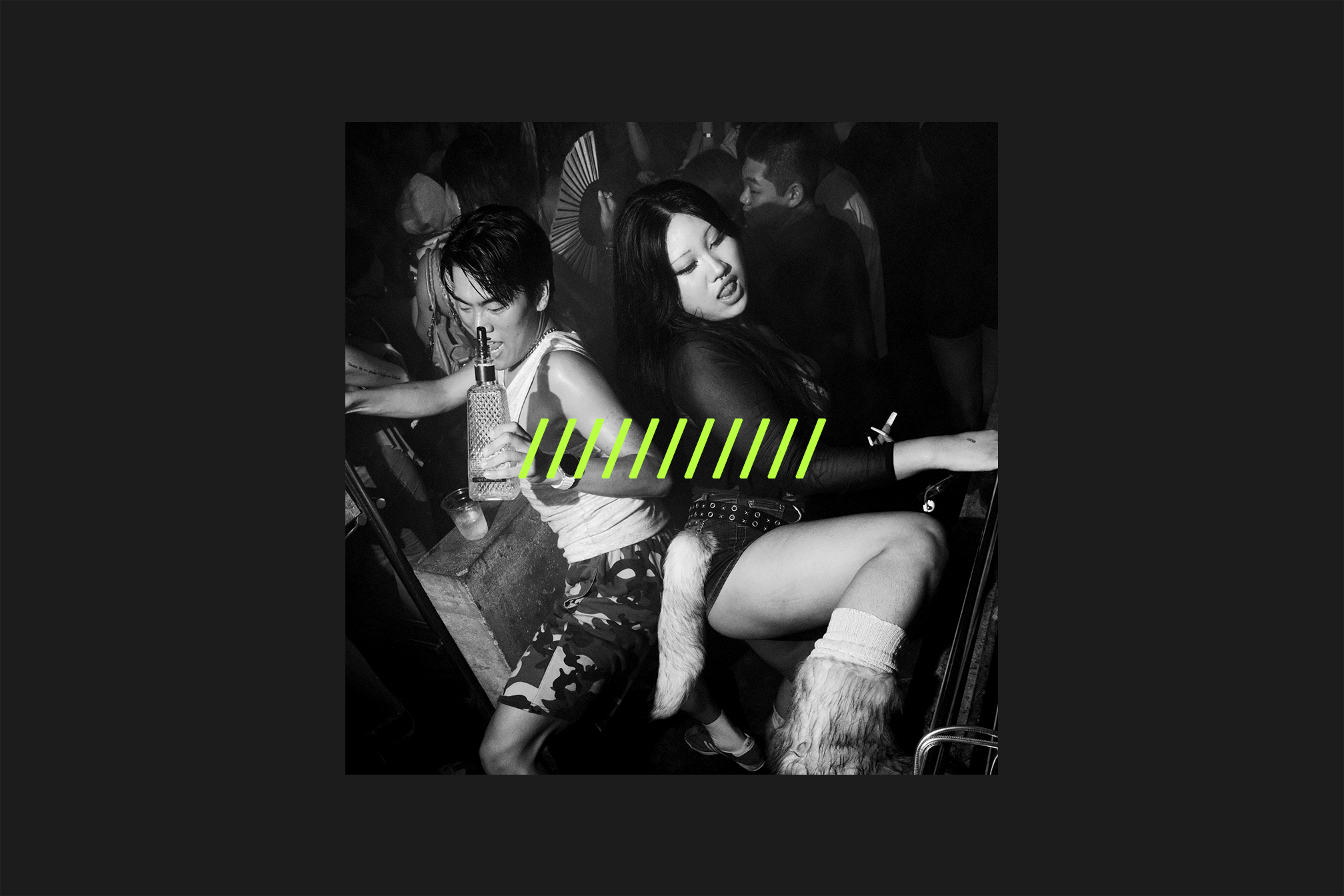
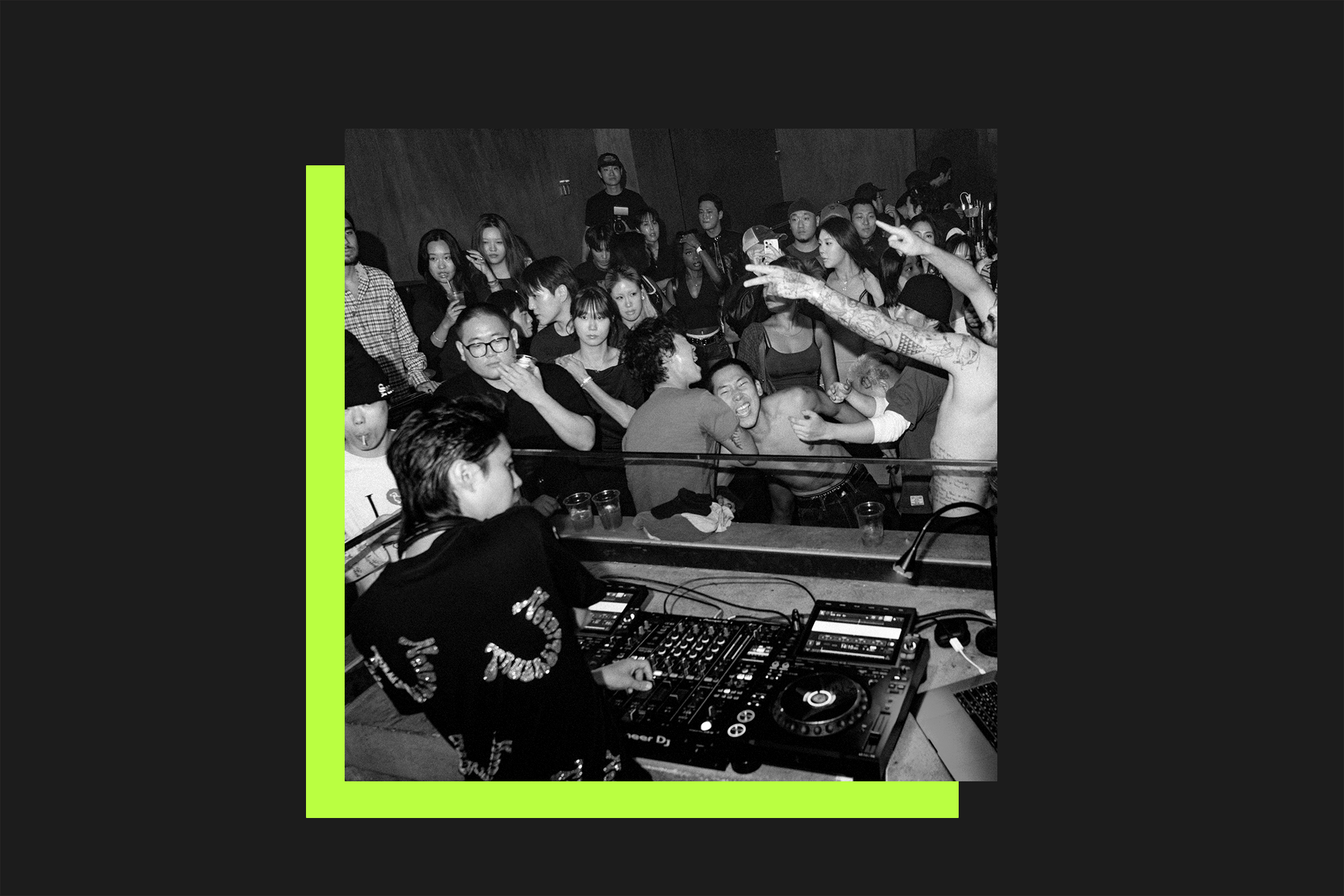
Hip hop in Seoul is not unusual, but your parties nonetheless feel different. They have been described by other foreigners as organic, with a strong sense of community. How have you been building this?
Over the past year, hip hop has probably made up less than 20% of the music played at our events. That said, hip-hop is a huge part of our foundation and influences so many of the genres we play.
Growing up, we heard hip hop merged with sounds from all over the world, so most of our sets naturally blend it with genres such as gqom, bouyon, reggaeton, soca, dancehall, baile, jersey, amapiano, and so on.
All of us were checking line-ups and going out for the music long before becoming DJs, so we know what people expect. We have so much love and passion for it, and try to hold on to that idea of what makes a good night out, not just from behind the decks but also from the perspective of the crowd. We do our best to care about every detail of an event: the music, the people, the culture and the overall experience.
As for being organic, if you take a look at our Instagram, we have a decent amount of content, but most of what we do is still very offline and in-person. We’ve created a third space in Seoul where people from all over come together for the music and each other.
We also work hard to build relationships with artists and crews, both locally and internationally. When artists come to Seoul, we don’t just play a show with them and move on. We spend time together, build friendships and create relationships that go beyond the events, then do it again when we visit their cities. Locally, we make a point of working with or supporting other artists, DJs and crews whenever we can.
K-pop is obviously huge, but the global music scene here is still small, and our superpower is being grassroots. We’re quite literally “building” the community as we go, and people can see that.
Read this next: "Moved by networks": how Hahoe Festival is reflourishing Korean culture
How do you navigate the balance between representing the cultures and musical traditions that inform your work and building connections with Seoul’s wider local community?
It takes a lot of time and consistently showing up, but people recognise and respect authenticity. We’ve been here for almost 10 years. We speak the language, understand the culture, and have spent years learning how to move within Korean society without losing who we are.
From the beginning, we approached things in a way that felt most natural to us, even if it didn’t always follow set rules or expectations. As a result, a lot of our connections and opportunities came only after people realised we weren’t going anywhere, and we were committed to building something long-term.
However, that’s not to say there weren’t people from the wider community supporting us and wanting to work together from the beginning.
Korean society runs on established rules and professional expectations. These are very often advantageous to how things operate here, but navigating them while maintaining our own ways has not always been easy.
We work to find a balance between understanding and respecting the environment without ever compromising our own cultural identities. That is also a big part of creating another bridge to connect with the rest of the world. It's always a mutual exchange between the two.
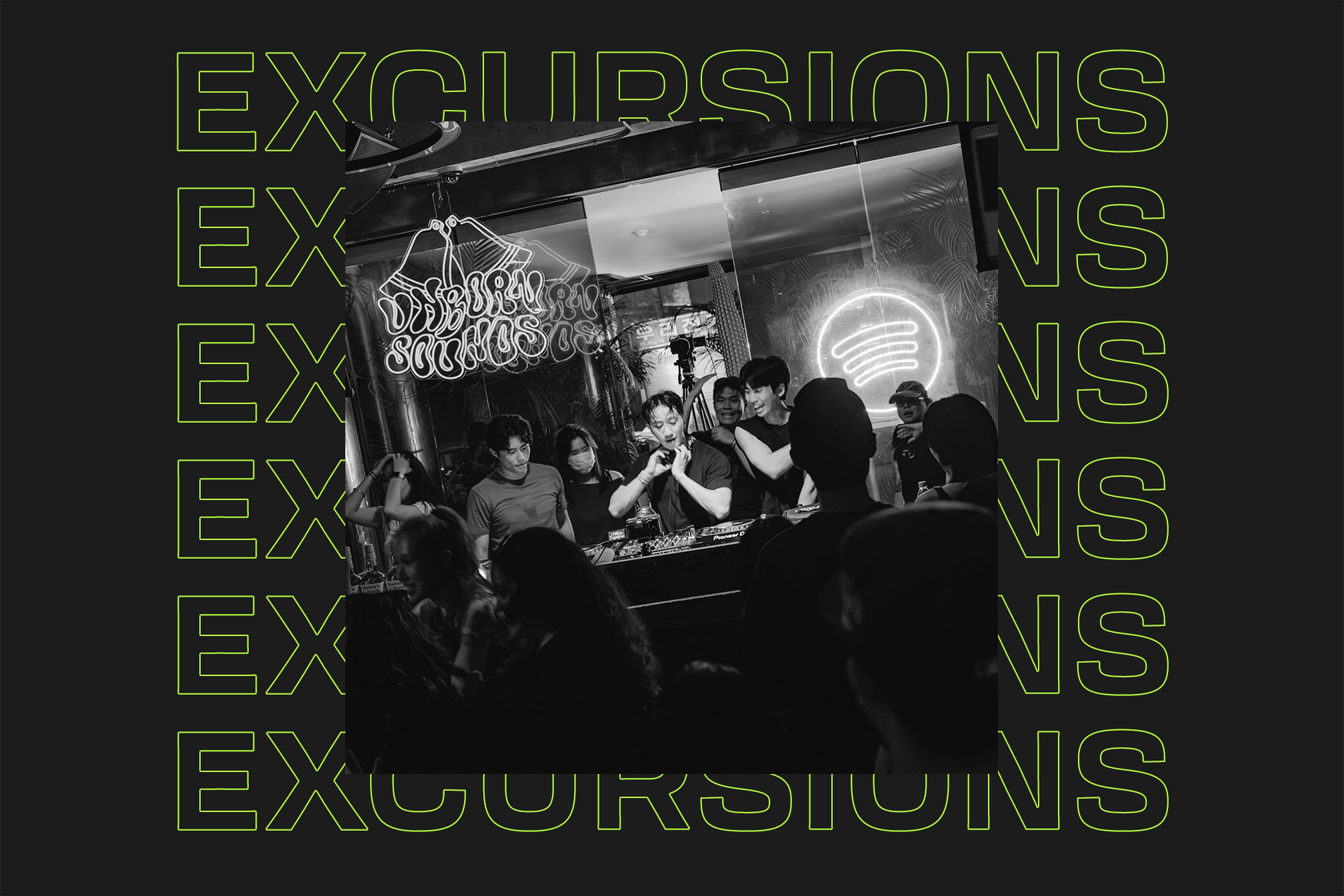
Seoul’s nightlife has its own established genres, venues and audiences. Where do you see UNBORN SOUNDS fitting into this ecosystem, or do you actually see yourselves as challenging its existing norms?
We fit into Seoul’s nightlife ecosystem by not fitting. We have found ways to work within the established structures while also introducing new ideas and sounds that challenge them. We comfortably move between underground and commercial spaces without defining ourselves as either, because we know what we stand for.
We’re not interested in challenging norms for the sake of being different. We’re more interested in expanding people’s ideas of what community and nightlife can look and sound like. We want UNBORN SOUNDS to keep evolving, while influencing and encouraging other artists, DJs, and collectives to push their own boundaries to help grow both the underground and commercial music scenes in Korea.
We work hard to build our own distinct identity without limiting our growth and what we think we’re capable of doing. We are people who genuinely love learning, experimenting, and challenging ourselves to experience new things.
We’re constantly exposing ourselves to new ideas, genres, and sounds, and finding ways to introduce them into the scene, even when the timing isn’t right, or there still isn’t an audience for them yet. We aim to innovate.
What do you think people find at UNBORN SOUNDS that they might not find at other hip hop parties in Seoul?
Honestly, everything. In no order: raveton, cyber-baile, sghubu, guaracha, Chicago drill, coupé-décalé, singeli, Baltimore club, dennery segment, philly club, cyber-gqom, gqom-trap, batida, jungleton, zess, azonto, juke, dembow, bouyon, kompa, kuduro.
Have you noticed any changes in Seoul’s music scene or audience since launching the UNBORN SOUNDS parties?
Aside from the current changes we’re seeing in nightlife globally, people in Seoul are much more open to hearing unfamiliar music compared to just a few years ago. You can see it at a typical UNBORN club night containing all the genres we’ve mentioned, where you’ll have a crowd that is engaged and fully enjoying themselves.
Early on we had a phrase we’d always say while DJing: “sneak one in”. We’d use it when we played tracks from unfamiliar genres, usually amapiano or gqom at the time, in a club where we knew it wouldn’t fit (which was almost every club back then).
It doesn’t feel like we have to play that way anymore. There’s much more trust and freedom to introduce new genres and deep cuts. We still pay attention to the dance floor and read the room, but there’s so much less fear.
We don’t feel that same pressure we used to. So the biggest change we’ve noticed is that people are willing to trust the music even when they don’t recognise it.
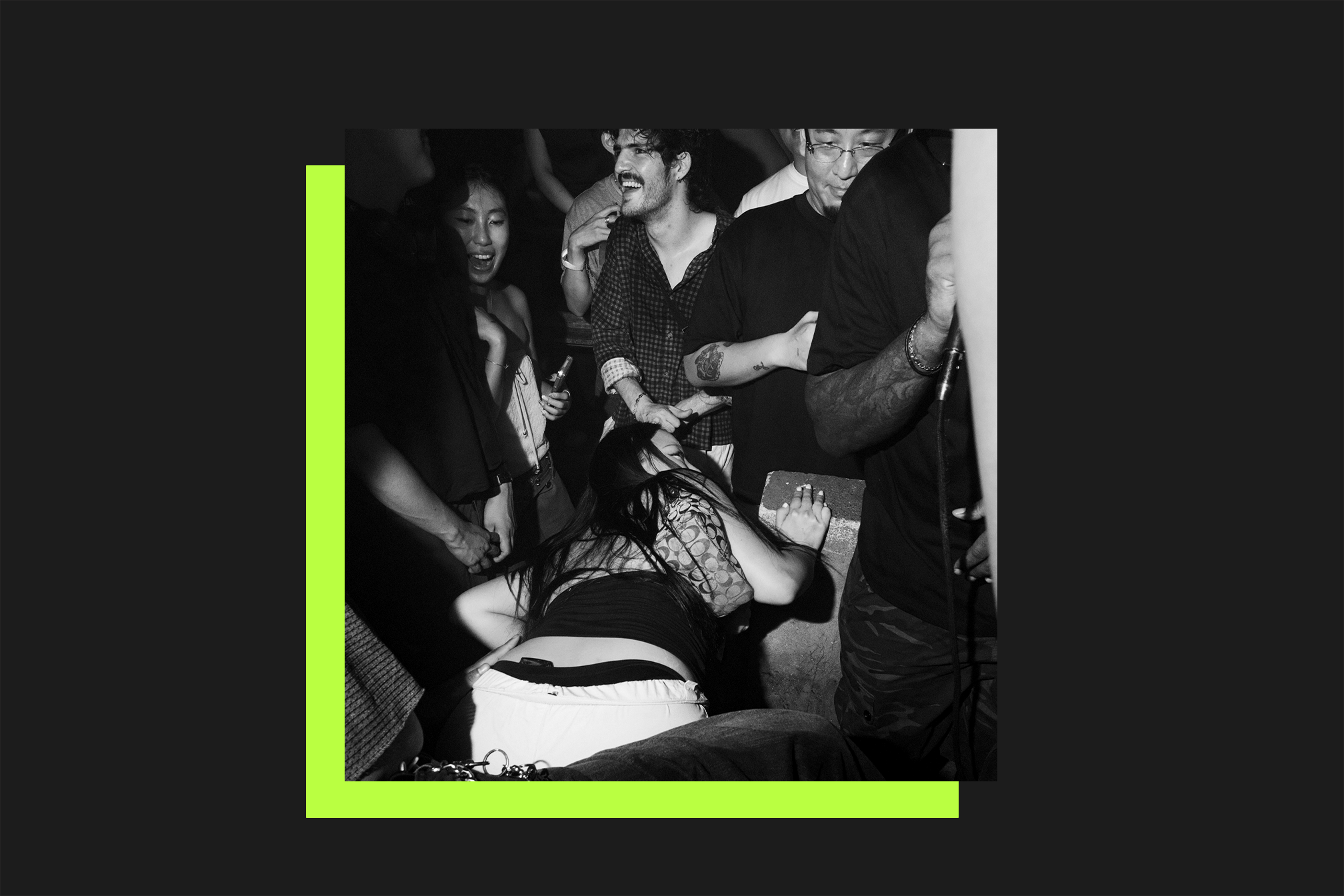
Some might not know this, but UNBORN SOUNDS also works beyond the decks. You are a creative and production agency operating between Seoul, Tokyo, and Hong Kong. How does music extend into your creative projects, and how do these different areas of your work influence each other?
Music is really just one piece of the pie. We do a lot beyond DJing and throwing parties, but music is what gets our foot in the door. Through events, we’ve built relationships, expanded our network and gained the experience to grow beyond the dancefloor.
Since 2024, we’ve launched UNBORN Agency, a creative and production agency under the UNBORN brand. Much of what we’ve learned through music translates directly into our agency work, from brand activations and intimate dinners to talent casting, management and content creation. As DJs, we know how to set a tone, build energy, tell a story and connect with an audience. We bring that same thinking to every project.
What makes us different is that we come from inside the culture brands want to connect with. We’re in the field every weekend, know the artists and creatives personally, and understand what these communities respond to. Brands get access to a network we’ve spent years building and connections that go beyond traditional marketing.
Our clothing brand, UNBORN SOCIETY, is another example of how these worlds influence each other. It grew out of the same community that comes to our parties. People wear the pieces to our events, and we build events around the brand. Each one feeds the other. Over the past year, we’ve presented the brand during Paris and New York Fashion Weeks, while placing it with retailers in Seoul. For us, UNBORN SOCIETY is another way to carry the culture beyond the dancefloor and keep our community connected outside each event.
Our team brings together artists, designers, producers, A&Rs, photographers, stylists and PR professionals, each contributing different experiences and perspectives. Music is UNBORN SOUNDS’ foundation, but there’s no cap on what we can do and create.
Read this next: DJ co.kr on the long game of “making unfamiliar music feel familiar”
What other local collaborations is UNBORN SOUNDS developing with different media crews, artist collectives, and venues?
It’s been amazing to watch international interest in Seoul skyrocket over the past year and a half. Last year alone, we collaborated with over 200 artists and collectives from Seoul, Tokyo, Paris, Los Angeles, New York and beyond.
Locally, it’s been a privilege to work with media crews like VISLA and SCR, who truly protect the underground, and artist collectives such as Ghetto Ray and Fiction Seoul. At the same time, we’ve introduced international artists like Ricky Bishop, Pz’, 454, Falcons, tokyovitamin and Nasthug to our community.
These days, we work closely with venues like Bolero, Grain Haus, Soap, Seoul Community Radio and Courte Cafe. Honorable mention to Cakeshop Seoul, where we started our first events in late 2021, before we even had an official name.
We’re selective about who we work with. A collaboration with UNBORN has to feel authentic and make sense for everyone involved. We like bringing different communities together, introducing new audiences to each other and creating opportunities beyond a single night. This extends beyond music into media, fashion, tech and more. We only build relationships that have a lasting impact.
Moving forward, we want to bring more brands into our Seoul community, across alcohol, food, skincare and fashion. The goal is to keep scaling our production, bring in more international artists and create fresh activations and experiences for people.
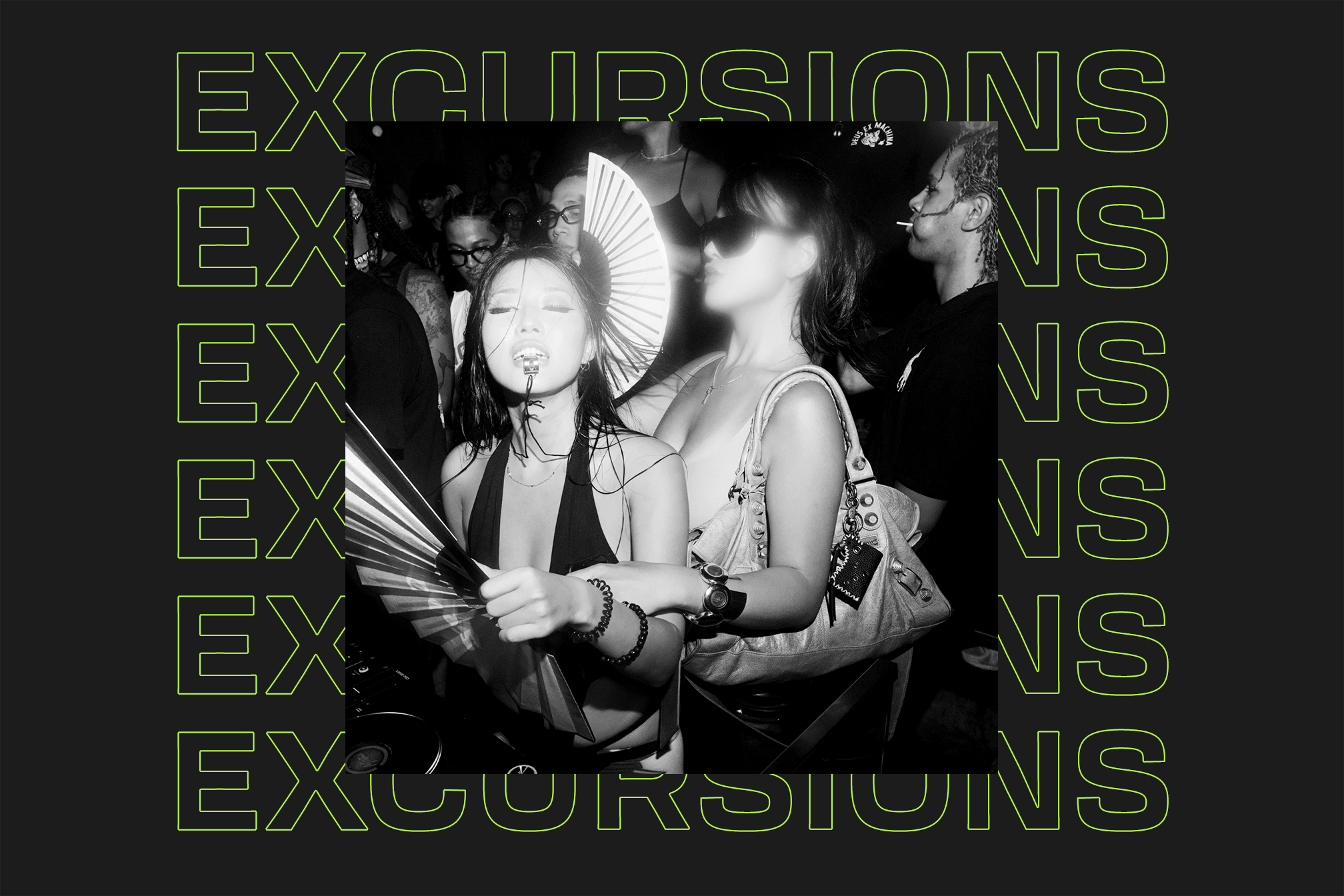
Finally; what does a truly inclusive scene look like to you? And what do you think Seoul still needs to get there?
Compared to more established markets like Paris, New York City, or London, the Seoul scene still needs to develop in many ways. There is a great amount of talent here, but there needs to be more room for growth.
For example, a large part of society here regards the nightlife scene as either outright negative or simply a low form of entertainment, rather than something with real cultural impact. Most people reading this will know that these spaces have historically played an important role in developing popular music, art, fashion, and communities globally. They are where culture is created, and that’s something we want to see recognised more in Seoul.
For us, a truly inclusive scene is not only pushing sonic boundaries, but can also make room for different people, backgrounds, races, cultures, sexualities, and perspectives.
To get there, the Seoul scene needs to learn how to make space for new artists, and most importantly, have different communities collaborate with one another as they explore wider musical palettes. A space where hip hop, Afro-centered sounds, underground electronic music, Latin music, and every other genre we love can co-exist and grow together.
It’s simple: bring people together from different cultures, create real moments, and build something authentic through music and community. More authenticity, more collaboration, more real connections; tangible culture and impact.
Most recently, we are actively working towards this with our newest project, Connect Your USB. It is aimed at creating structured opportunities for emerging local Korean DJs to gain experience, access resources, and perform in spaces they might not otherwise have access to. So far this year we’ve found twelve amazing new local DJs and given them peak time sets at four of our events.
For some of them, it was their first time playing in a club, and the amount of raw talent here is astounding. It's one thing to talk about building an inclusive scene, but it's another to actively create these opportunities for people to become part of it. We are serious about this because we went through it ourselves.
We are trying to build the kind of inclusive scene that we ourselves wish we had the opportunity to experience when we were starting out.
Daniela Solano is a freelance writer for Mixmag Asia, follow her on Instagram here.
Cut through the noise—sign up for our weekly Scene Report or follow us on Instagram to get the latest from Asia and the Asian diaspora!
