


 Features
"Moved by networks": how Hahoe Festival is reflourishing Korean culture
What began as a playful mask ritual among friends has grown into a cultural experiment, blending Busan’s community spirit with Korea’s ancient roots & electronic soundscapes
What began as a small gathering in the woods among a few friends has grown into a festival now celebrating its sixth anniversary. For the second consecutive year, Hahoe Festival was hosted in Andong City, the self-proclaimed “Capital City of Korean Spiritual Culture.”
Situated three hours from Seoul and 2.5 hours from Busan, Andong sits right between South Korea’s two most influential electronic scenes. Seoul serves as the country's music hub, constantly rotating local and international DJs, while Busan—though smaller—maintains a longstanding and tightly knit community.
Almost by design (and fate), Andong becomes a natural bridge between these two cultural centers. It offers more than geographic proximity; it creates the potential for shared growth—a space where communities can coexist, bond, and blend.
Stories have been heard suggesting that Seoul, like Busan, once had an alliance of clubs, but internal rivalries and competition fractured that unity. Efforts to restore such cohesion have yet to be seen.
This context then framed one of the most compelling findings of ethnographic observations: I was, as hinted by this article's title, moved by the networks. It was not only about the music or the people—it was the invisible networks formed between dancers and masks, DJs and architecture, tea rituals and techno sets.
These connections, created by the transient nature of a festival, were designed to be ephemeral, yet they hinted at the potential for replication beyond the event itself.
The festival is built and organised by a community largely composed of Busan residents—a port city of 3.3 million known for its deep-rooted communal values. This idea of "community" frequently comes up when Seoulites or travellers describe Busan natives as open and easygoing. Conversations with Hahoe Festival’s cultural director, DJ Oenn, highlighted just how deeply rooted the ideals of unity are in their system.
Laid-back and humorous, Oenn contrasts sharply with his vampy, edgy aesthetic. Discussions often returned to themes of union and oneness, plus mirrored an understanding of “the flow of life”.
Read this next: From within and without: the sound of ffan’s quiet revolution
His responses reflect a humble artist hungry for community, and this is, believe it or not, unique. After almost two years of living and working in South Korea's electronic scene, this was a first encounter with someone expressing such values so clearly. In contrast, Seoul has often felt like a place where each family looks out for itself, while this Busan native spoke more about “the potential of what we could all become together”.
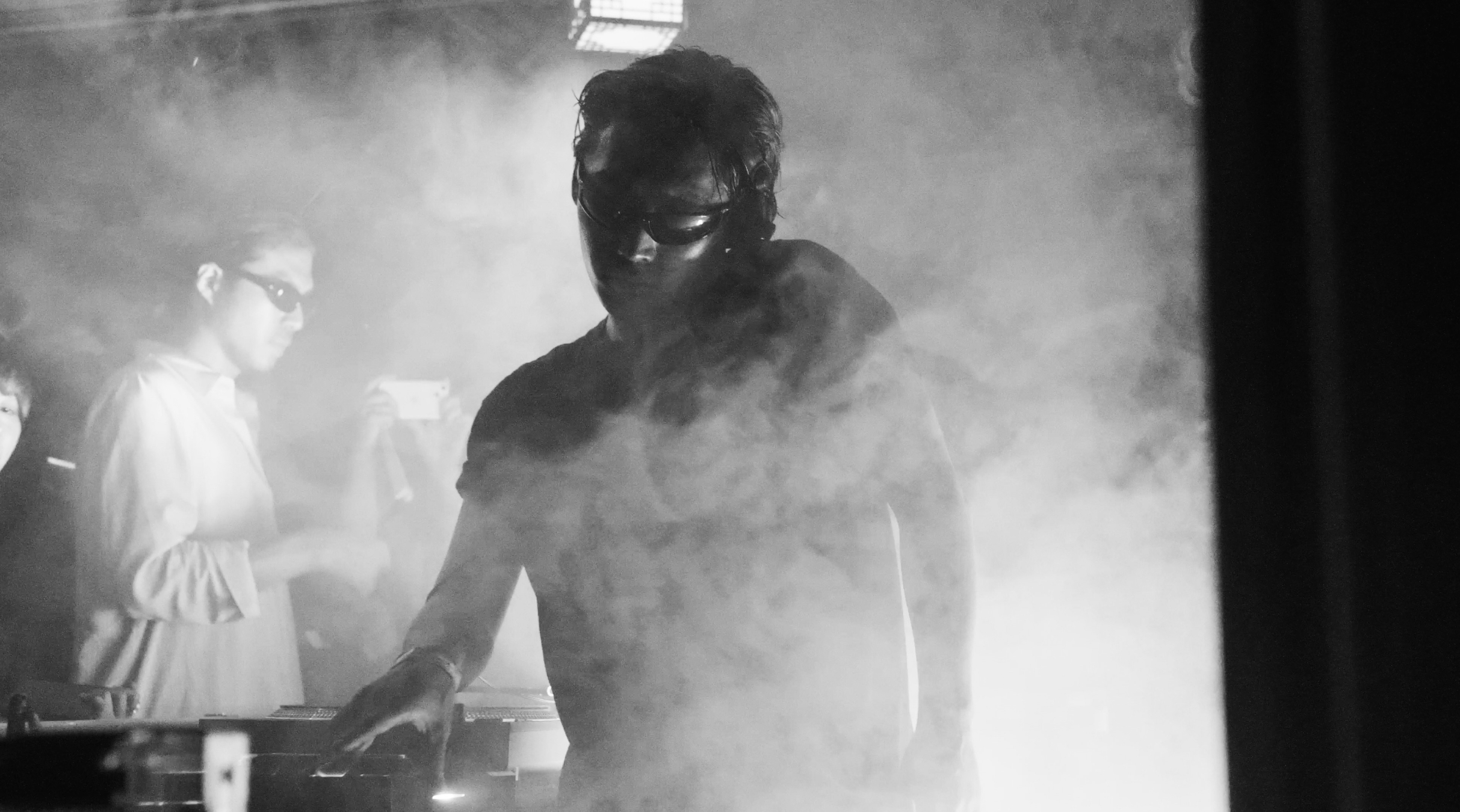
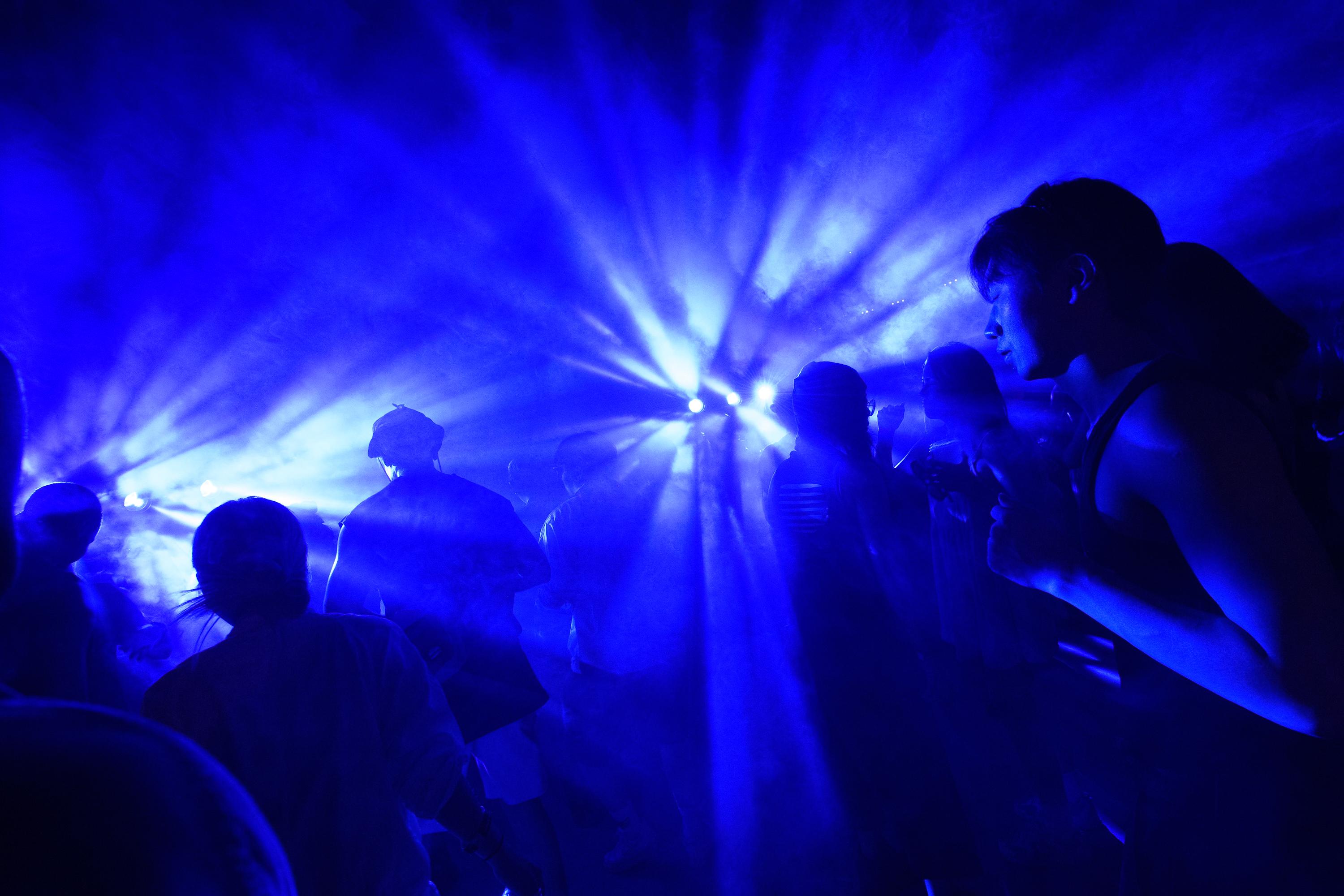
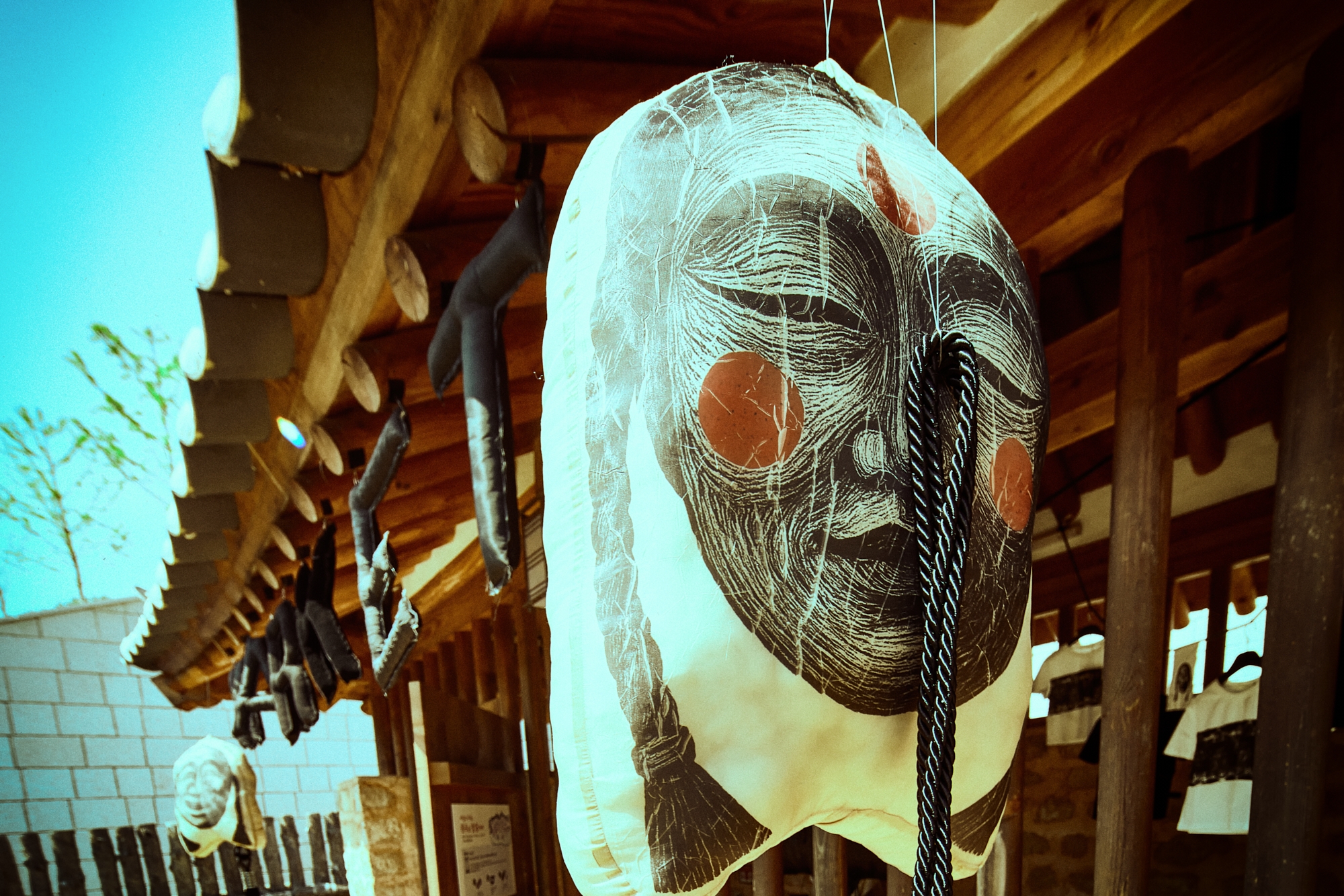
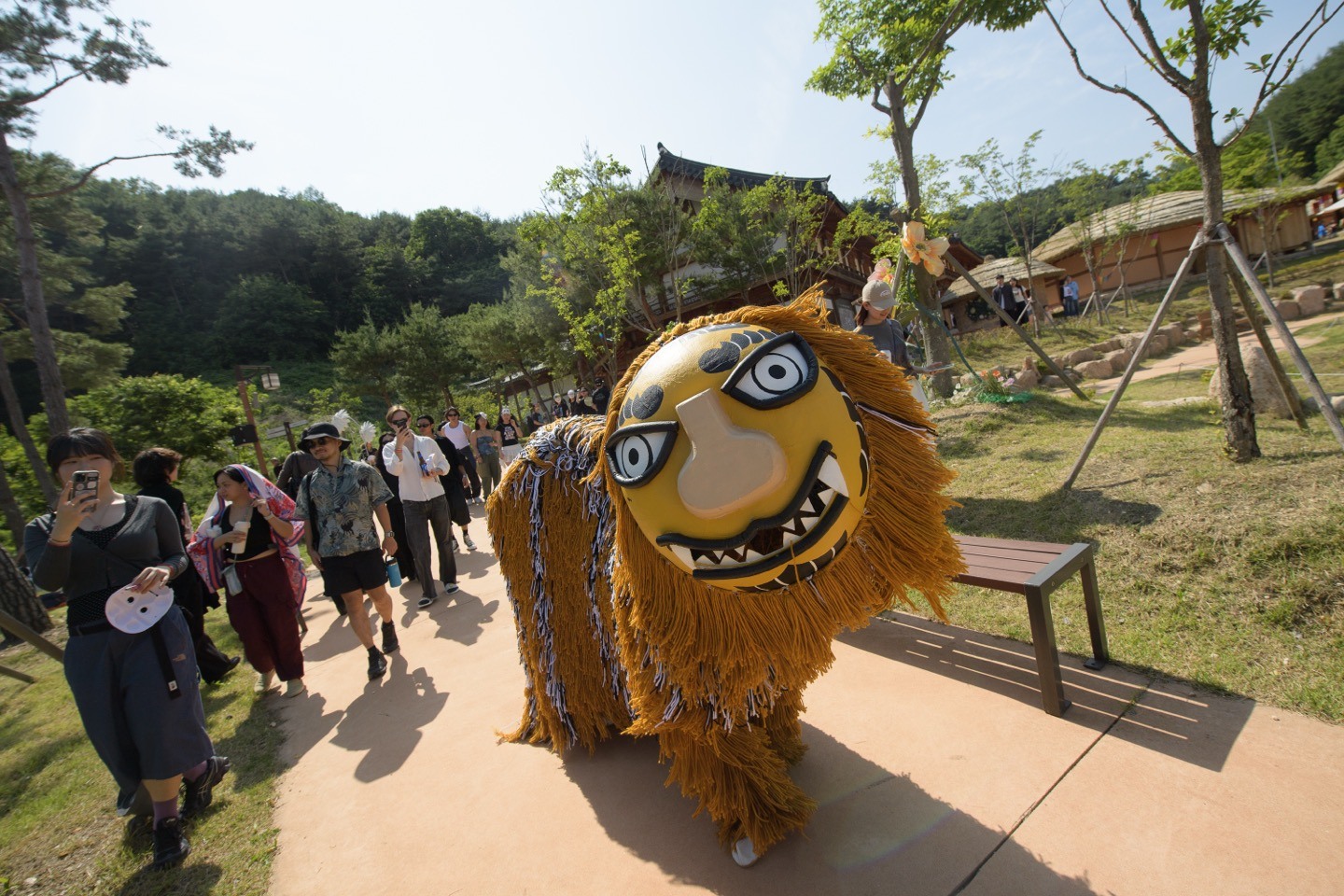
Oenn recalled the festival’s early days and its core idea: blending traditional Korean culture with electronic music. Their first event was held at Output Busan, one of the city’s legacy venues. Masks were handed out to the crowd—even Oenn wore one while DJing, one of the most interesting features of his performances.
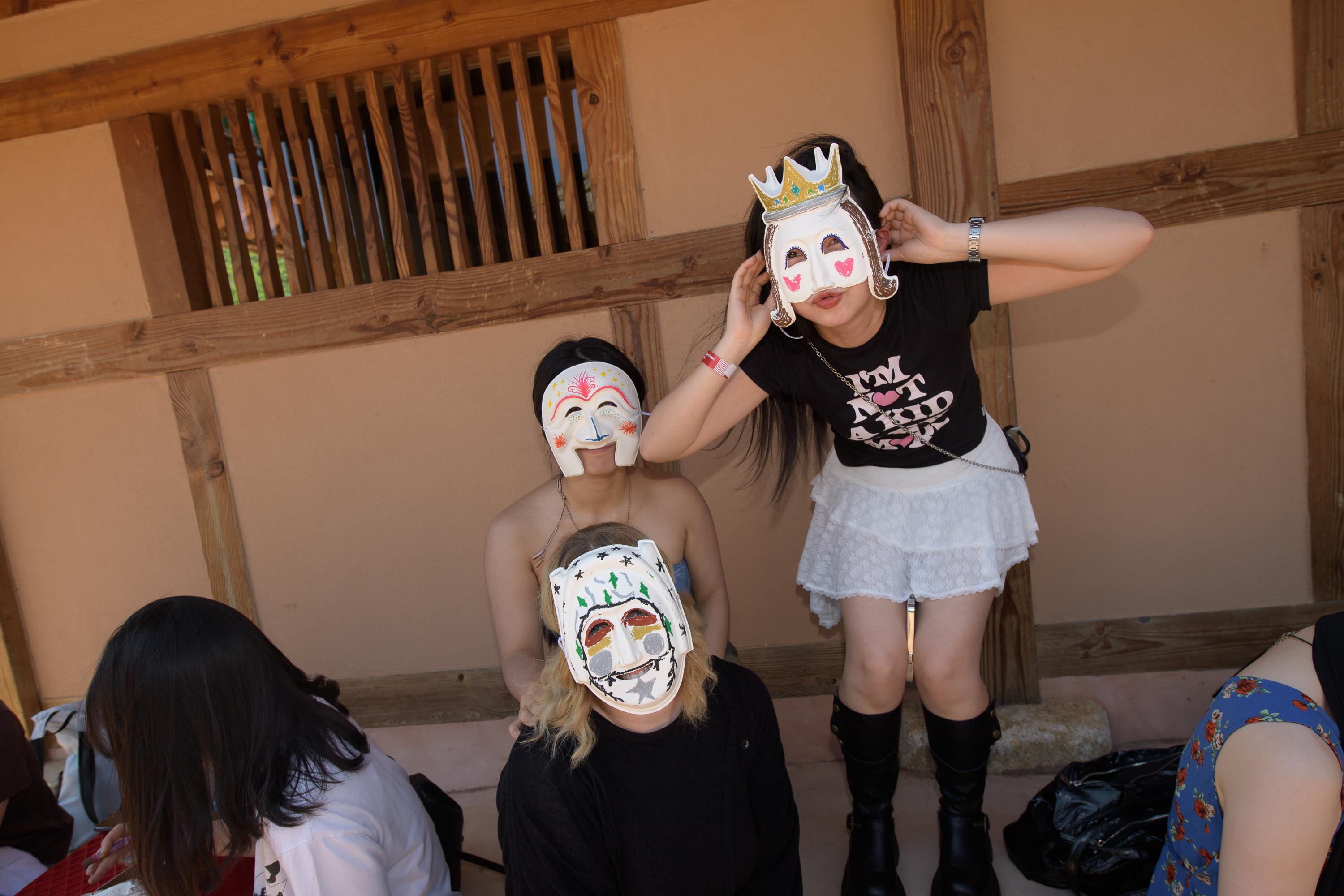
To make the event even more exciting, real dancers were hidden behind the masks, increasing the heat of the dancefloor and leading the event into a free and trippy experience. Something that perhaps neither native Koreans nor foreigners have ever experienced on a dance floor: freedom, safety, and anonymity.
Read this next: Excursions: IYAAKI is a judgment-free space in Seoul to celebrate culture, identity & queerness
He realised he had found a way for people, especially those from more conservative backgrounds like Busan, to explore, be authentic, and feel free. This was the birth of Hahoe as we know it.
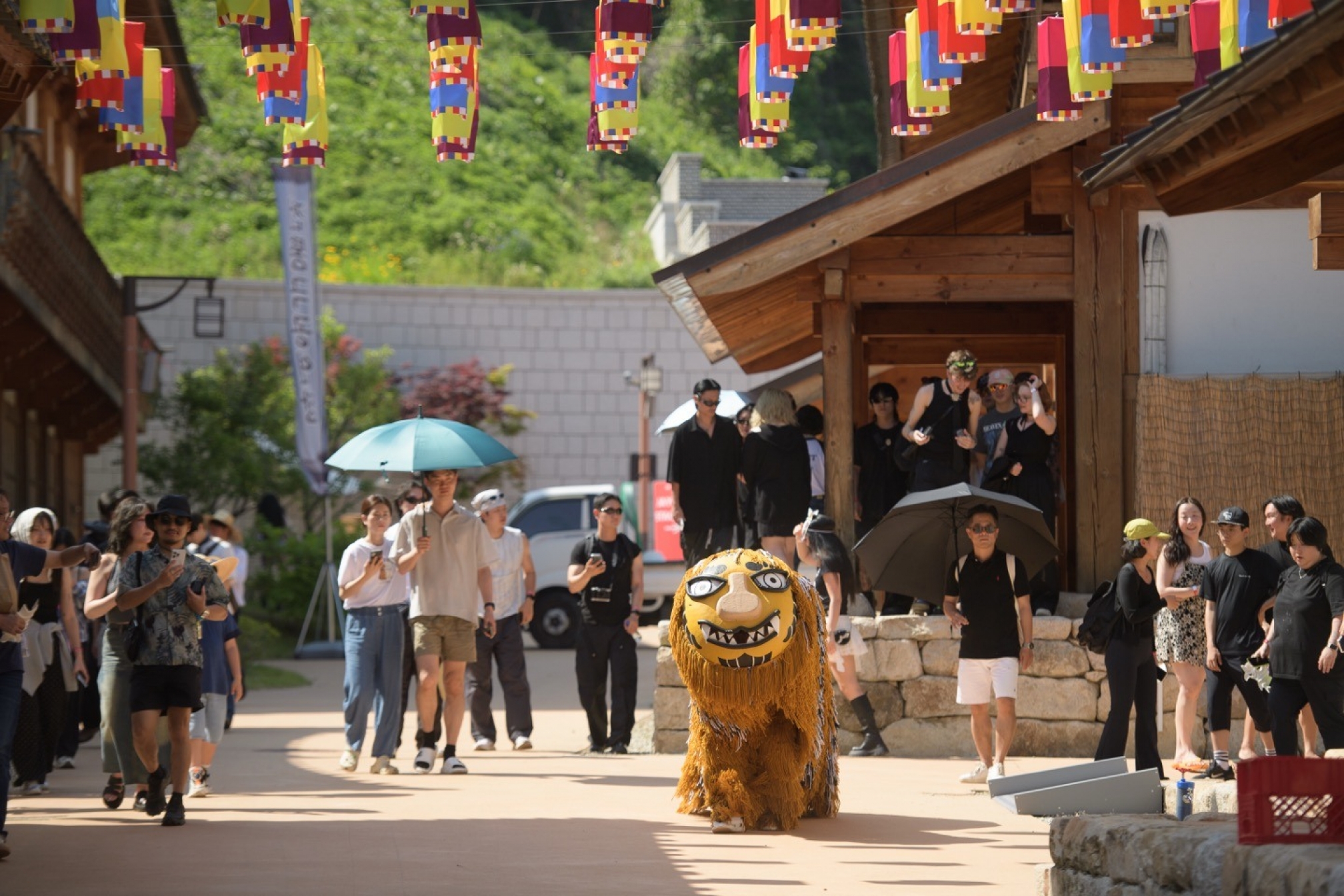
“My friends and I have always been very curious about our country's culture, history, and all things Korean. We were especially curious about the Hahoe masks originating from Andong. Like children playing with toys, we made, decorated, and wore the masks. With a simple DJ setup, I would sometimes hold our own small festivals on a balcony. These playtimes were the starting point of “Hahoe,” says Oenn.
This year, with support from the Korean Heritage Foundation (an organisation committed to protecting Korea's cultural properties), the festival returned to Andong.
Read this next: Listen to Closet Yi’s current rotation of South Korean gems
The city is home to 280 cultural assets, including the UNESCO-listed Hahoe Village. The village and its traditional masked drama, Hahoe byeolsingut talnori, inspired the festival’s name. Known for preserving Korean traditions for over 2,000 years, Andong is the only place where this Joseon Dynasty-era ritual drama is performed.
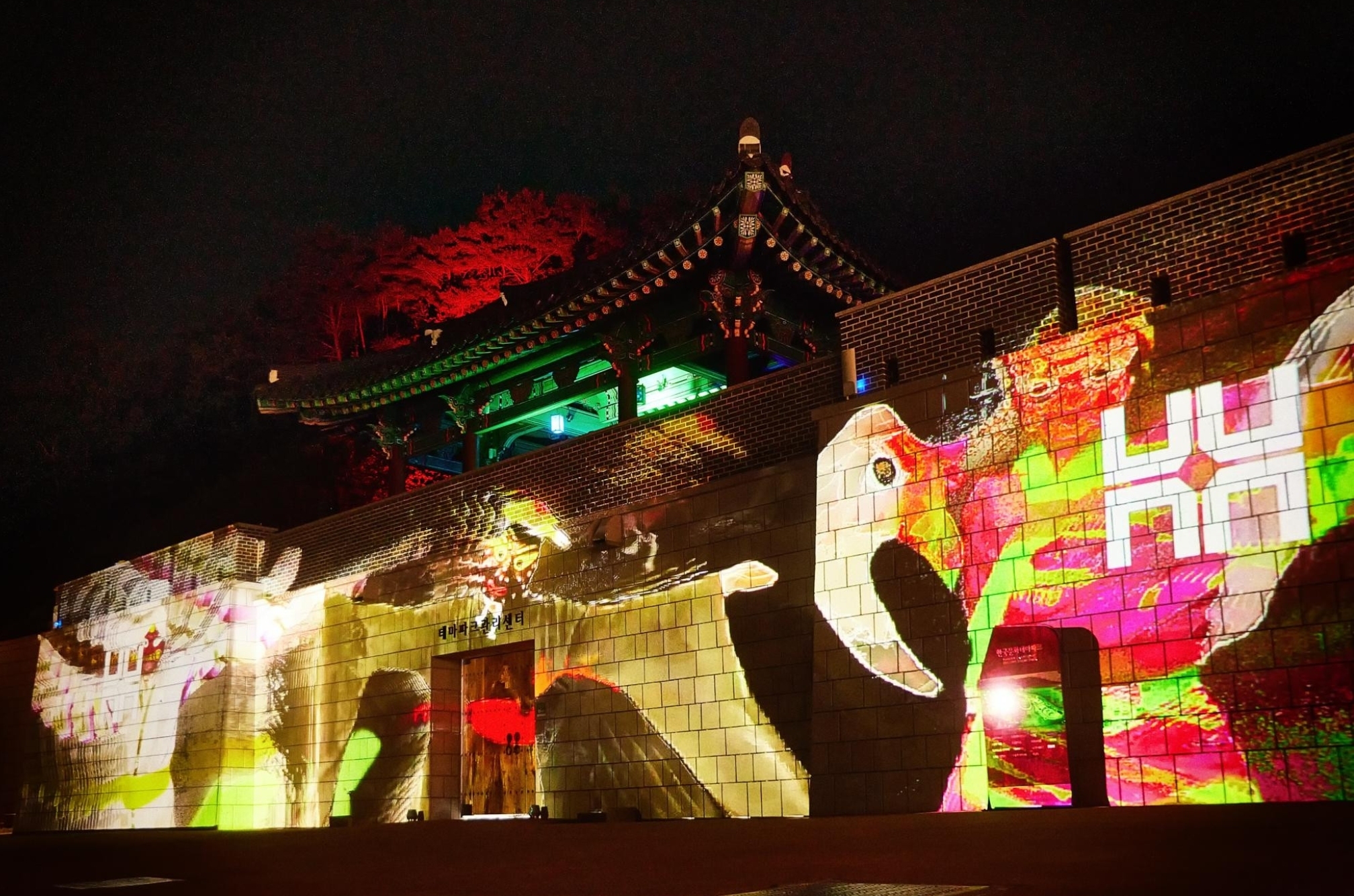
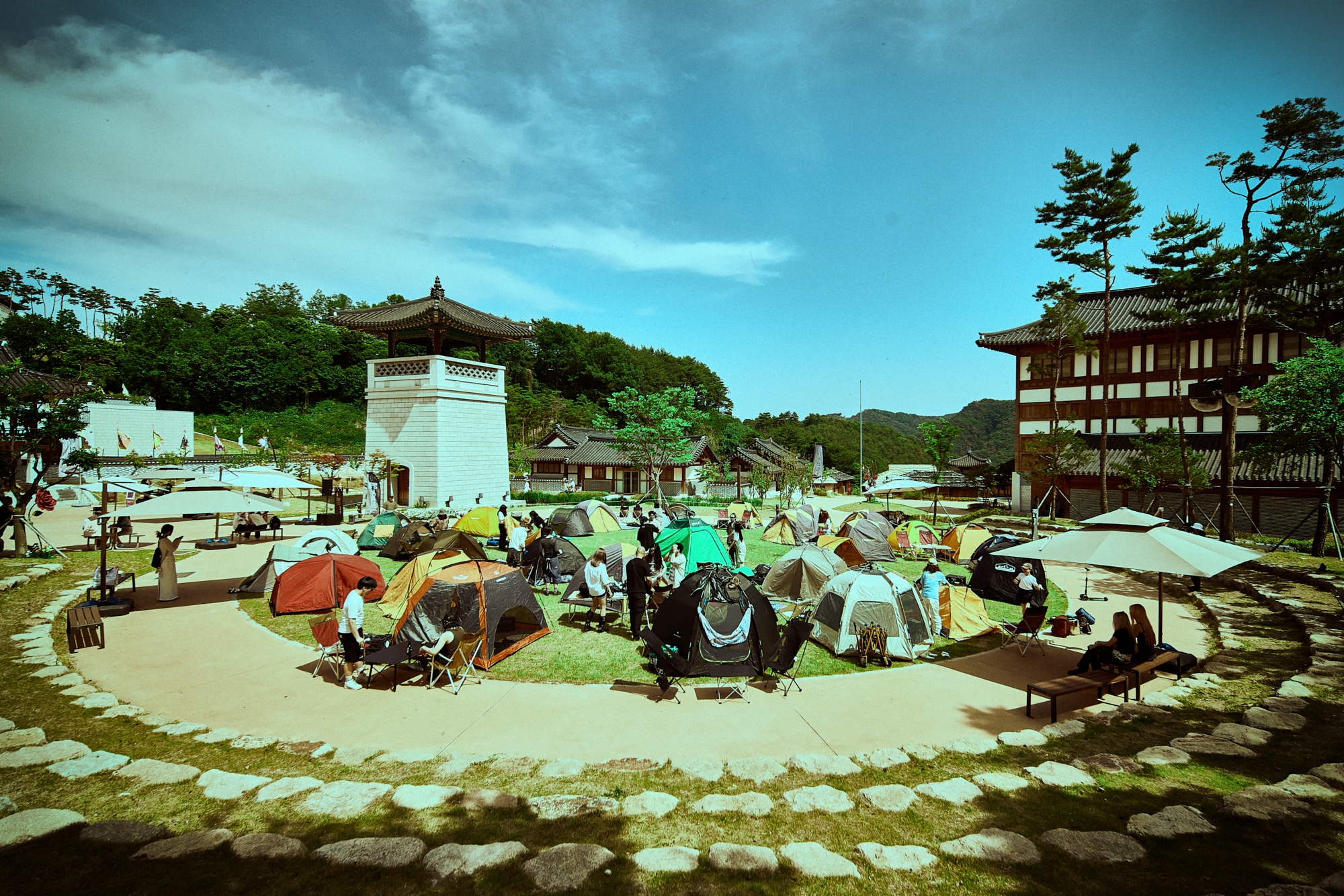
The festival took place at Andong’s Korean Culture Theme Park, a reconstructed 16th-century fortress village, about 30 minutes from the city centre. Entering through fortress gates, guests stepped into a fantasy-like world of Korean art and architecture. It was as if travelling 500 years back in time.
At 2pm, the event opened its doors to celebrate what Oenn and the Hahoe team consider the core of Korean culture: community.
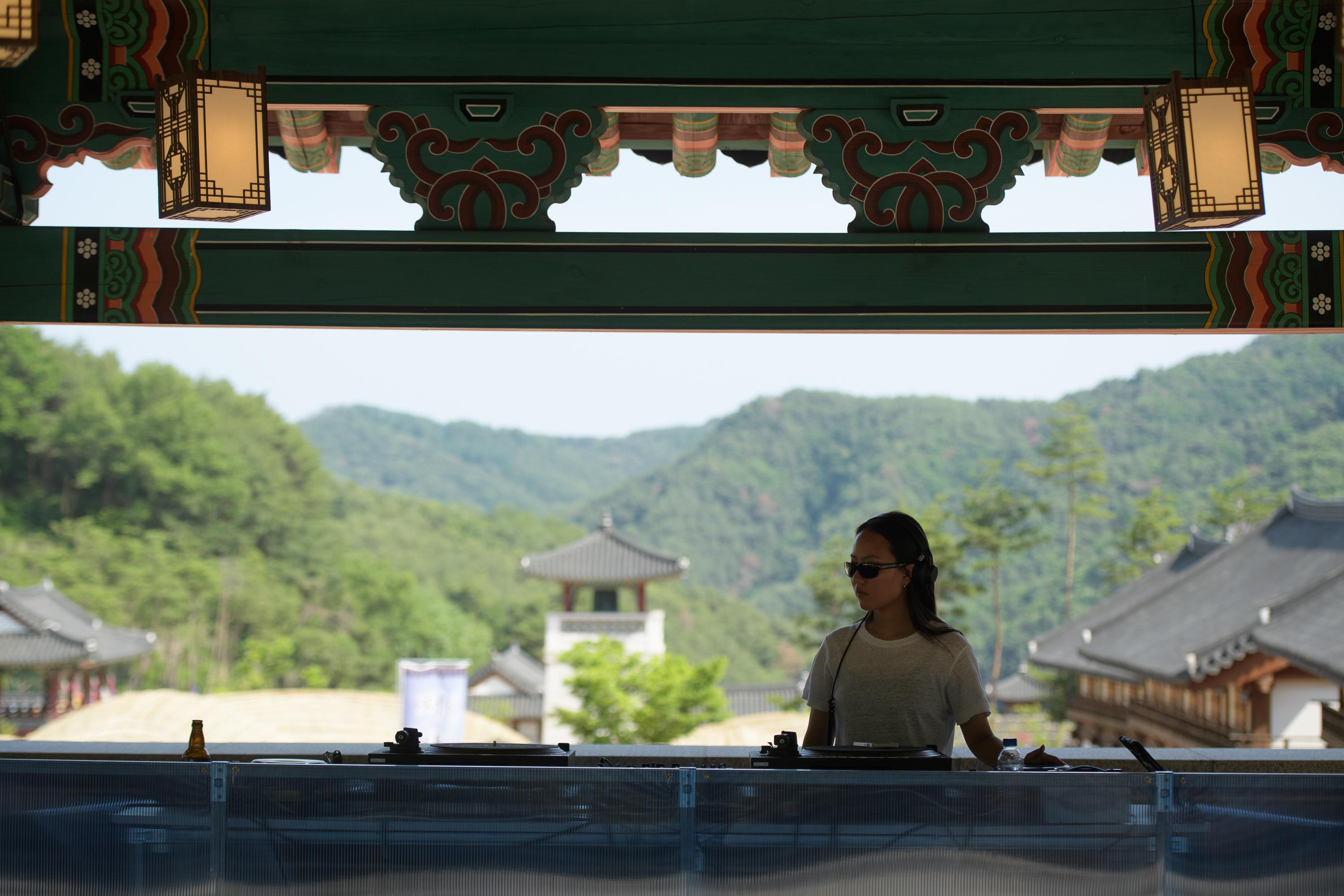
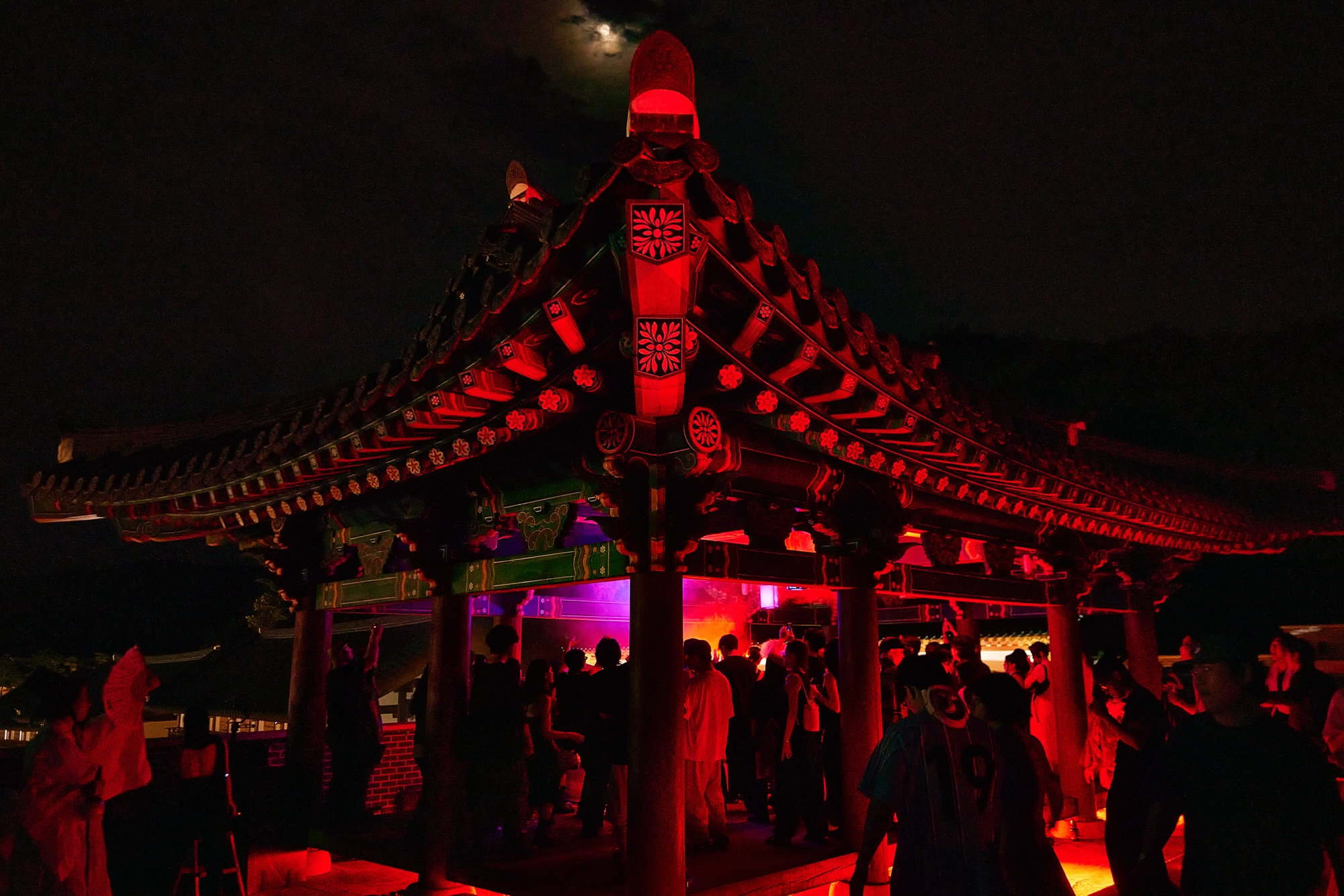
While the term "community" may seem vague or overused, observations during the event suggested it was the cohesive force holding everything together. Efforts were made to identify the one element without which the festival could not exist. The answer lay somewhere between the the philosophical, invisible force of community, and partly the powerful role of Korean architecture. Whether architecture evokes nostalgia that fosters this sense of unity is a topic for future exploration.
Read this next: Moments from Fingerprints’ four-night run at Seoul’s new club, Hertz
But here, community is the protagonist. It revealed itself in small but meaningful ways: the check-in team letting me in despite an error with my name; the camaraderie among club owners from Busan, Gwangju, and Seoul; offering tents to nearly everyone without a secured sleeping spot; the local Andong girl who gently shared soju with others (and with whom I’m still in touch); and me, personally, trying to share my tacos with everyone—delicious, though no one wanted them.
It was in those gestures that one could perceive the dominance of the conceptual communal values. As one attendee, Alan Jeong of Habo Korea, noted, “Oh, that is the Busan people. That is how they are. They support each other. They see each other as one.”

Would we have seen this in other modern Korean festivals like The Air House festival on Nami Island, the DMZ PeaceTrain festival in the border between North and South Korea or Debaser Festival in Busan? Do these communal values truly belong to Busan, or are they simply part of the festival experience itself?
In Hahoe, even the line-up reflected this spirit. Focused on showcasing regional talent, the festival was divided into three stages: Jayu (“freedom”), Obang (“ecstasy or trance”), and Gamu (“singing and dancing together”). Each stage featured respected local names, some among South Korea’s most recognisable underground figures.
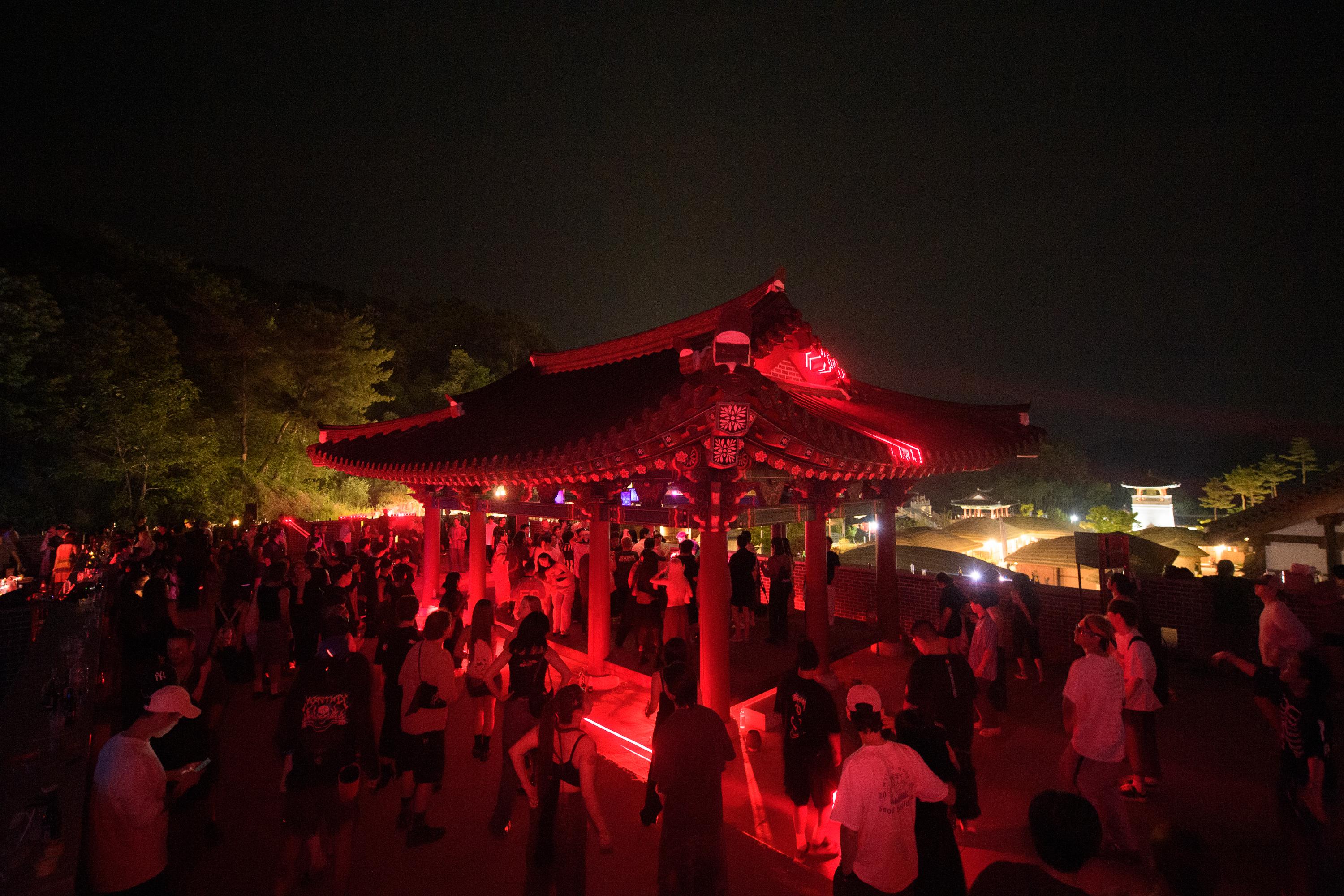
Jayu, the house stage located at the top of the fortress, offered breathtaking views of the surrounding nature. Standout sets came from Mui (Daegu), Sanbu Sound Bar´s Jisang(Yi) (Busan), Slowmouth (Cheonan), Little Forest in the City’s Jimin (Seoul), Hahoe’s Oenn (Busan), and Nué’s Zoonpark (Seoul), with the legendary Radio Revolution closing the night.
Read this next: JustBe Templestay: A “Zen Meditation Playground” for techno tourists in Hongdae
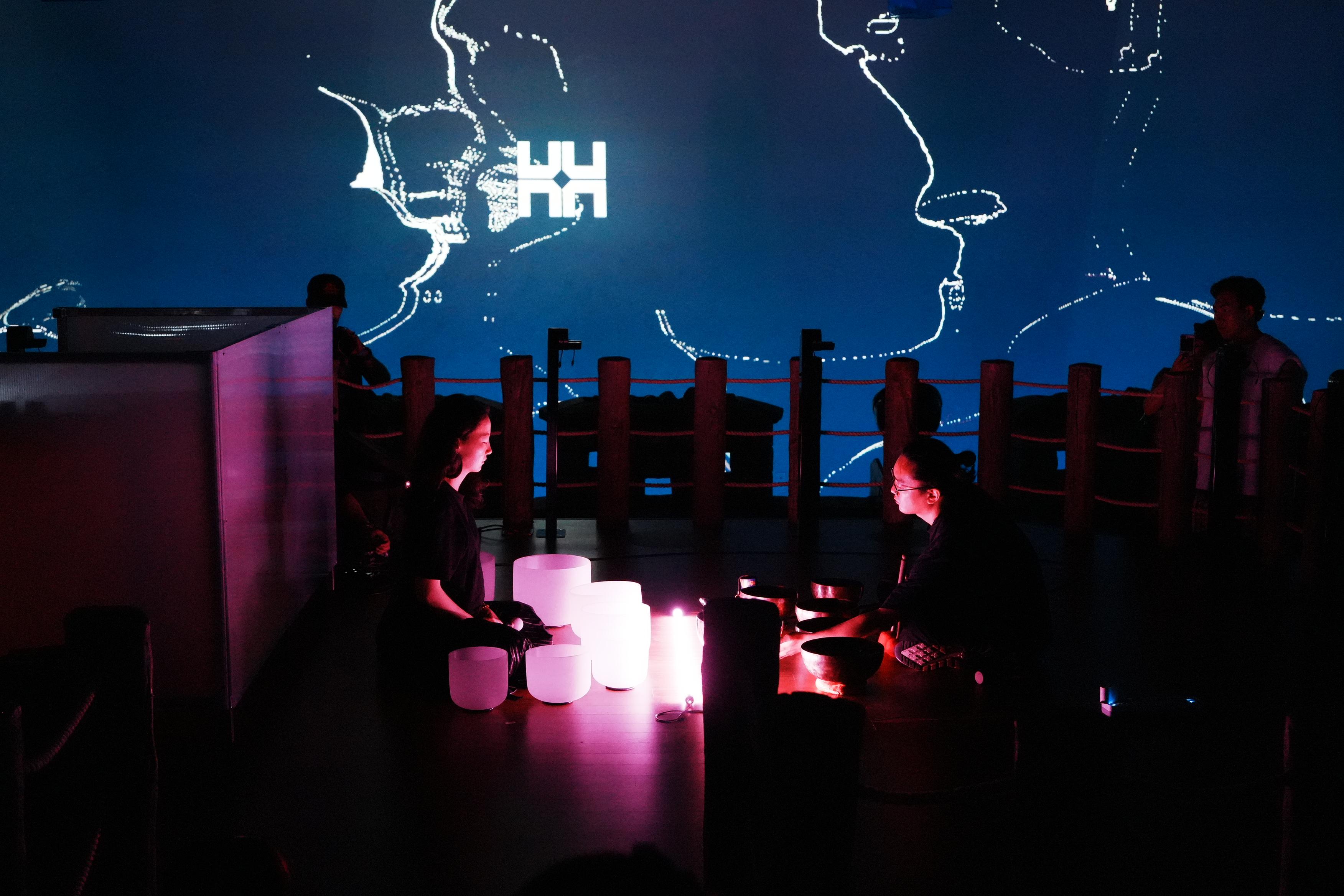
Obang, the techno stage, was held in an indoor exhibition space with a 360-degree screen that projected visuals designed with a Korean hanji (traditional paper) under dim, immersive lighting. The stage opened with a meditation session led by the Nué Seoul team, who were also selling Angae-tea (“fog tea”) during the festival, a traditional Korean brew with a rich aroma and smooth finish. The line-up included Keemboyeom (Seoul), E3 (Seoul), Studio Namsan’s Xanexx (Seoul), and closed with a strong performance by Taeri Kim (Busan).
Gamu, the most spirited and sunlit stage, was set in an open space between the recreated village houses. DJs Kim Pro (Busan), Coolrnch from Cha Cha Mambo (Seoul), Stokes and Stone´s Gyusco (Seoul) and Maro (Seoul) lit up the space with warmth and groove.
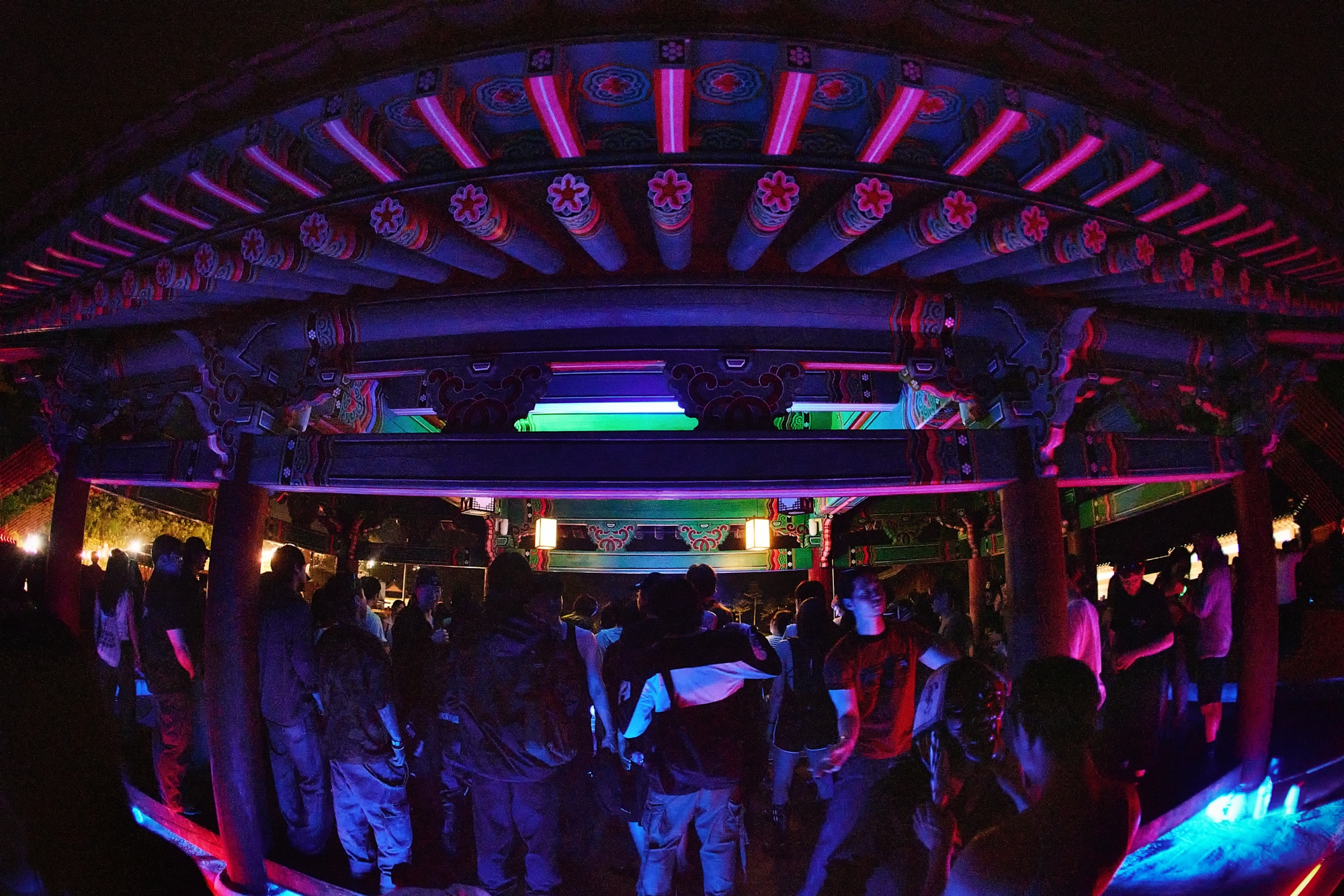
Beyond the music, Hahoe offered cultural moments rarely seen at festivals. In front of the Jayu stage and fortress gate, a Korean traditional percussion group performed Samulnori—a genre usually reserved for village celebrations, rituals, and agricultural festivities.
Obang hosted another unique moment: “Ancient Futurism,” a public dialogue featuring innovators, philosophers, blockchain community builders, and human rights activists. They discussed ways to blend ancestral wisdom with modern technology.
Once again, the word “community” stood out—this time during conversations with a descendant of Hahoe Village, who engaged warmly with attendees.
Read this next: The Sounds of Seoul in 10 tracks — curated by Balming Tiger
The whole experience felt like a space where people from different areas and walks of life could connect, revealing the potential of what Hahoe could become—the forefront of globalising Korean traditional culture.
With Hahoe, Koreans are re-flourishing their cultural identity—whether via community, heritage sites, or by globalising traditions. Hopefully, this is a promising sign for events across the country to continue exploring the intersection of old and new; continuing to shape, reflect, and celebrate evolving identities within Korea’s broader cultural landscape.
[Images via Hahoe Festival]
Daniela Solano is a freelance writer for Mixmag Asia, follow her on Instagram here.
Cut through the noise—sign up for our weekly Scene Report or follow us on Instagram to get the latest from Asia and the Asian diaspora!
