


 Interviews
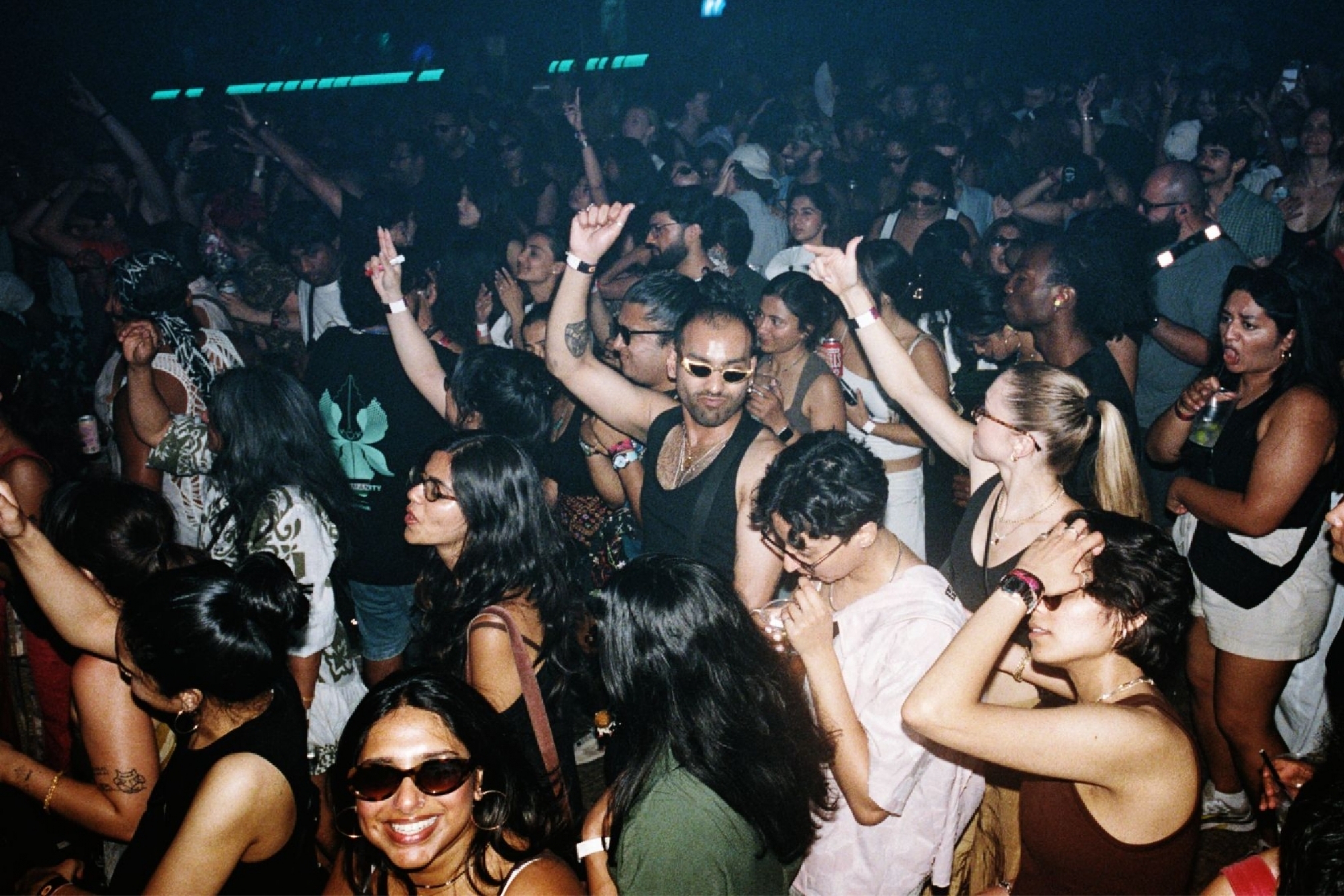
Dialled In explain why they’re “a blank canvas for the audience as much as the artists”
Ahead of their Singapore debut, co-founder Dhruva Balram explains how the London-founded South Asian platform books across regions, classes & countries & trusts the dancefloor when it comes to programming their nights
Dialled In started in London, built by a team with roots in Pakistan, Bangladesh and India. These days its map is a lot bigger.
Every year they travel to Bangladesh, Pakistan, Sri Lanka and Nepal to work out how they can build projects alongside people on the ground; our questions were answered from India, as it happens. Their rule is to never “parachute in and out” as a diaspora organisation.
Singapore came together the way many good bookings do, through a persistent local partner. The local Tropika Global team spent a couple of years trying to get them to Esplanade, and this year the calendar lined up. With nothing planned in South Asia and the team focused on label work and A&R, a November 21 date fit.
Esplanade has thrown only one club night before, and the line-up reflects how they book, treating Dialled In as a blank canvas, mixing regions, communities and sounds, with quality as the constant.
Arthi Nachiappan, Jhumka and Kahli return, joined by Bangladesh’s Bhai Bhai Soundsystem and India’s Lush Lata. Singapore’s Raaj and Tashasan play alongside live performer Arunditha Emmanuel. Parimal Shais, aka Bassdroppingalien and a Hanumankind collaborator, makes his first Dialled In appearance.
Ahead of their Lion City debut, Dialled In co-founder Dhruva Balram shares about bringing the platform there and why getting artists from different countries into one room (still) matters.
How has Dialled In’s understanding of South Asian identity evolved since the early days, and how has that shaped the platform today?
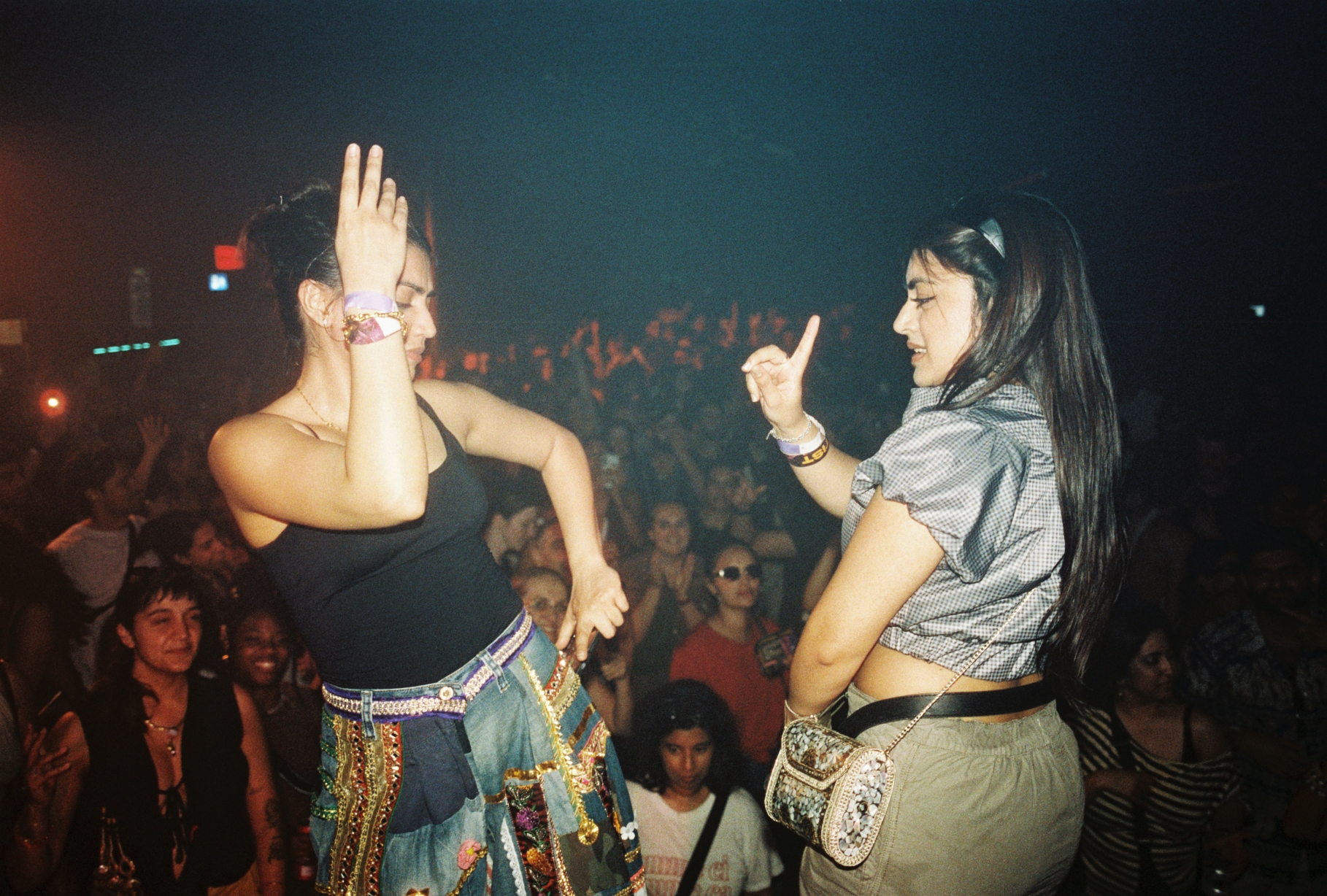
Dialled In is made up of individuals with roots in Pakistan, Bangladesh and India, and from the start we’ve worked with artists and communities across the diaspora and across South Asia itself. That understanding of South Asian identity has been central to the organisation since day one. Rather than evolving, it has deepened and broadened.
You can see that in the work we now do across the region, in Bangladesh, Pakistan, Sri Lanka and Nepal. I’m answering these questions from India, in fact. We travel to these countries every year to understand how we can work alongside communities there, in ways that benefit them as much as us.
It shapes everything we do, from festival programming that brings artists over from South Asia to the projects we run on the ground. All of it happens in consultation and collaboration with people across the region. We never want to parachute in and out as a diaspora organisation.
What made Singapore the right place for Dialled In’s next chapter in Asia?
We’ve always wanted to branch out and keep taking Dialled In to new places. The opportunity came through Ramesh at Tropika Global, who had been trying to bring us to Esplanade for a couple of years, and this felt like the right moment.
The timing worked for us too. We didn’t have any events planned in South Asia at this point in the year. Instead, we’re focused on label work and A&R while we’re out here, so a Singapore show at the end of November fitted neatly into our calendar.
Coming from London, how do you stay true to Dialled In’s roots while making the experience feel relevant to Singapore’s local music scene?
Wherever we go outside the UK, we work hand in hand with local partners to programme and produce the event, and to understand the context and sensitivities of each place. Singapore is no different. We’ve worked closely with Ramesh at Tropika Global and the team at Esplanade to make sure the night feels right for the city, while still feeling unmistakably like Dialled In.
South Asian music spans so many different sounds and influences. How do you bring that diversity into your programming without putting it all under one umbrella?
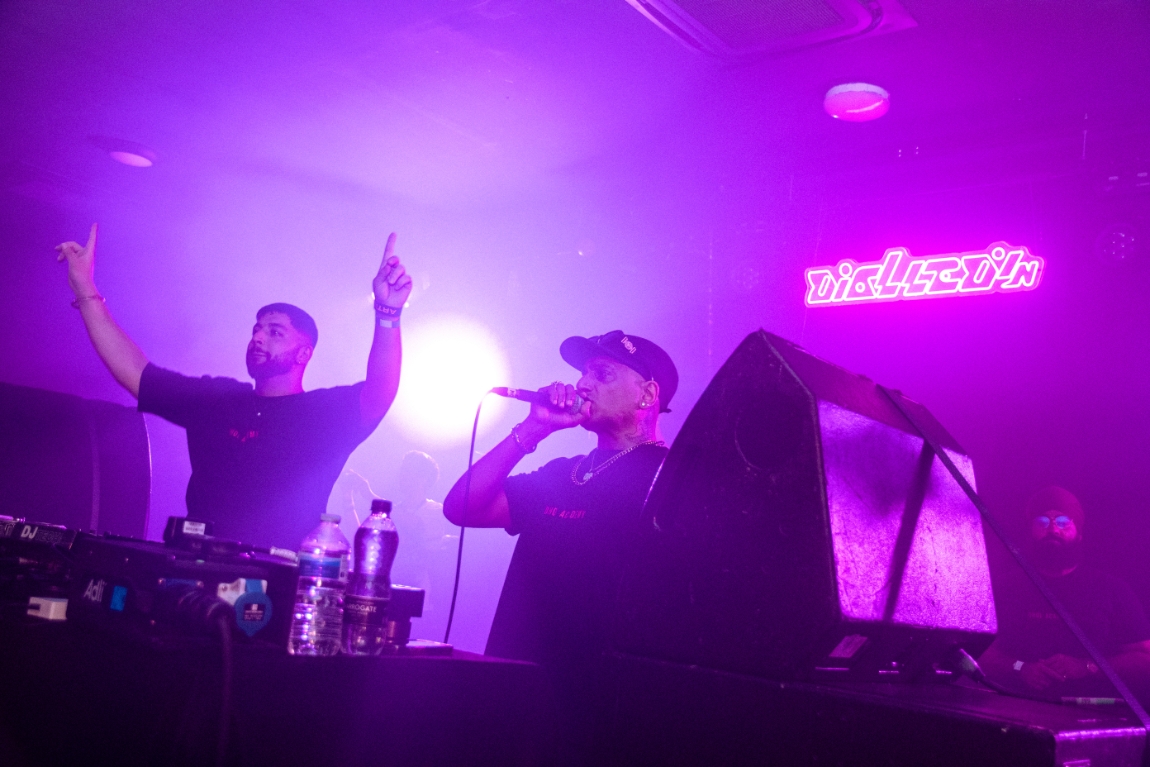
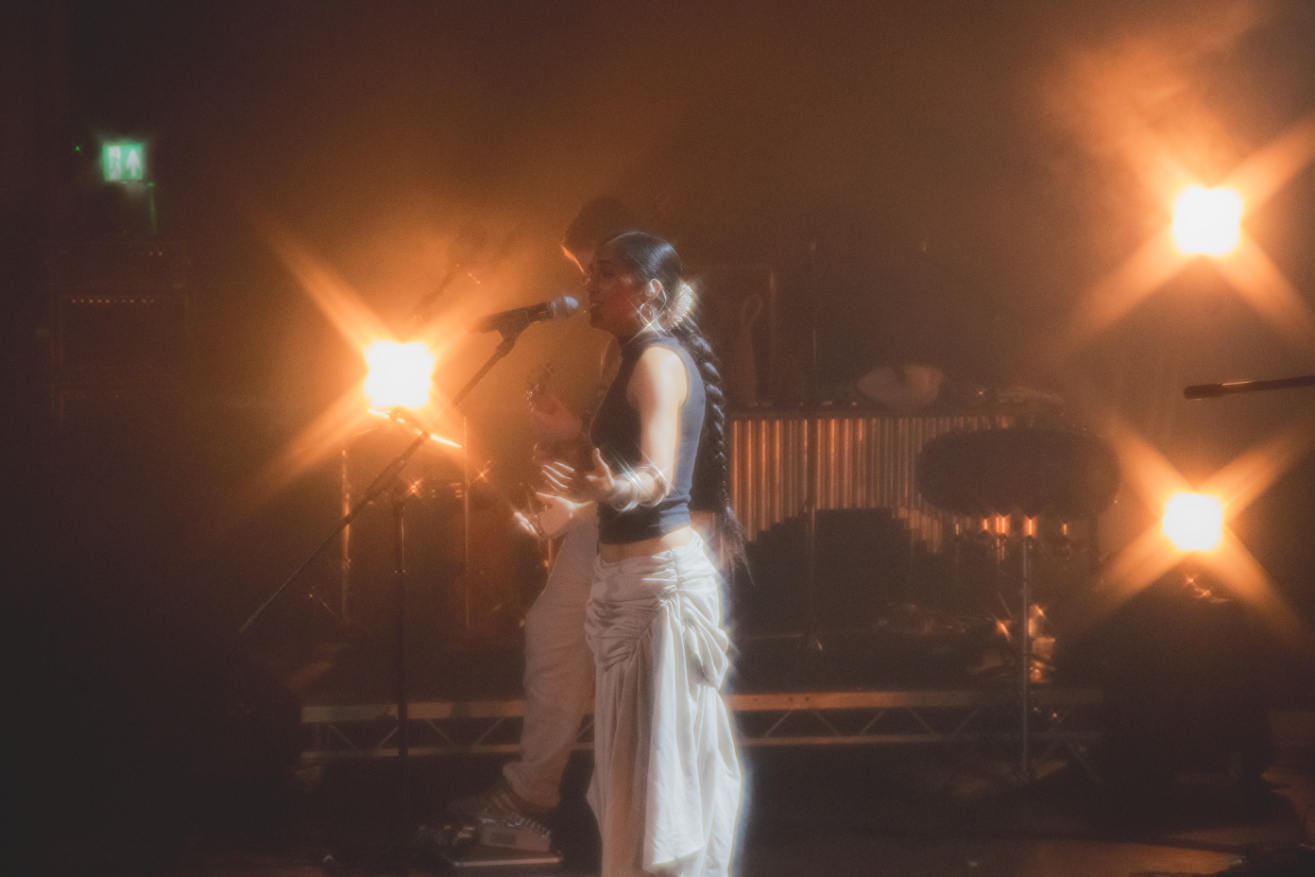
We treat Dialled In as a blank canvas. What ties it together is a love for artists who are redefining South Asian music and looking to the future, and we programme with that intention at the heart of everything.
That intentionality is where the diversity comes from. We make sure we’re representing different regions, ethnic groups, classes and countries, alongside a wide range of sounds. The one constant is quality: everyone on the bill is operating at the highest level.
Read this next: Inside Glastonbury’s South Asian-focused Azaadi Stage in full colour
How do you create a night that feels familiar to some people while introducing others to sounds they may not have come across before?
Honestly, we can’t predict that. We don’t know what each person in the room has or hasn’t heard before. So it comes down to programming a really strong night with depth and breadth: a wide range of sounds, genres and people.
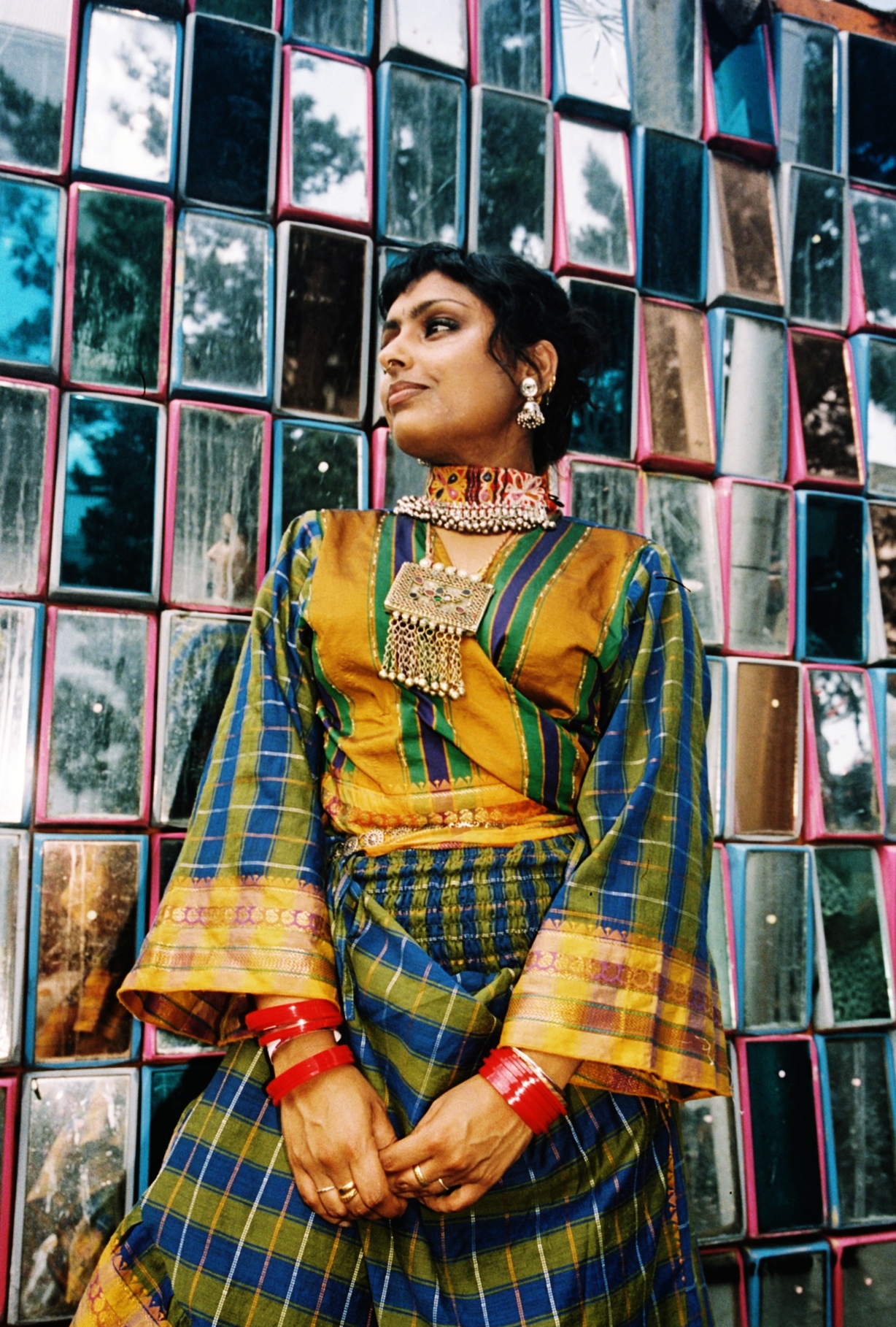
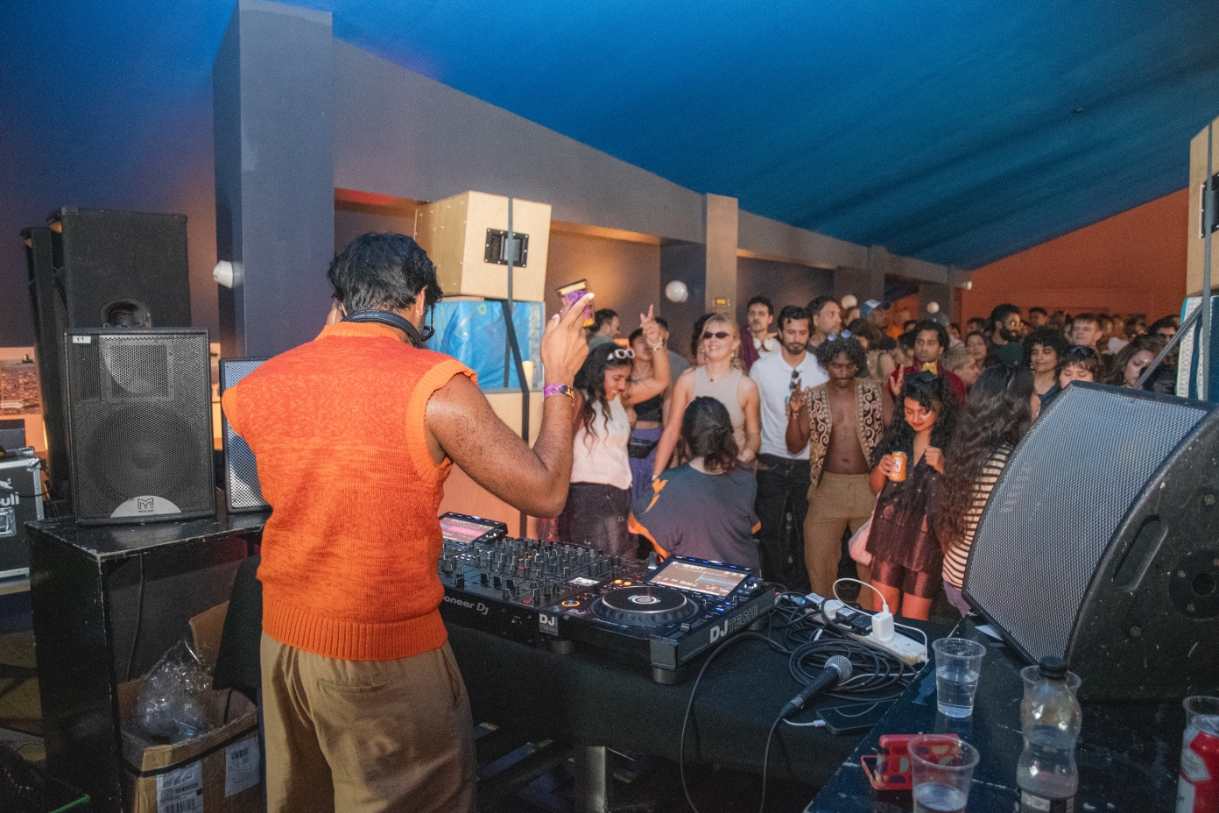
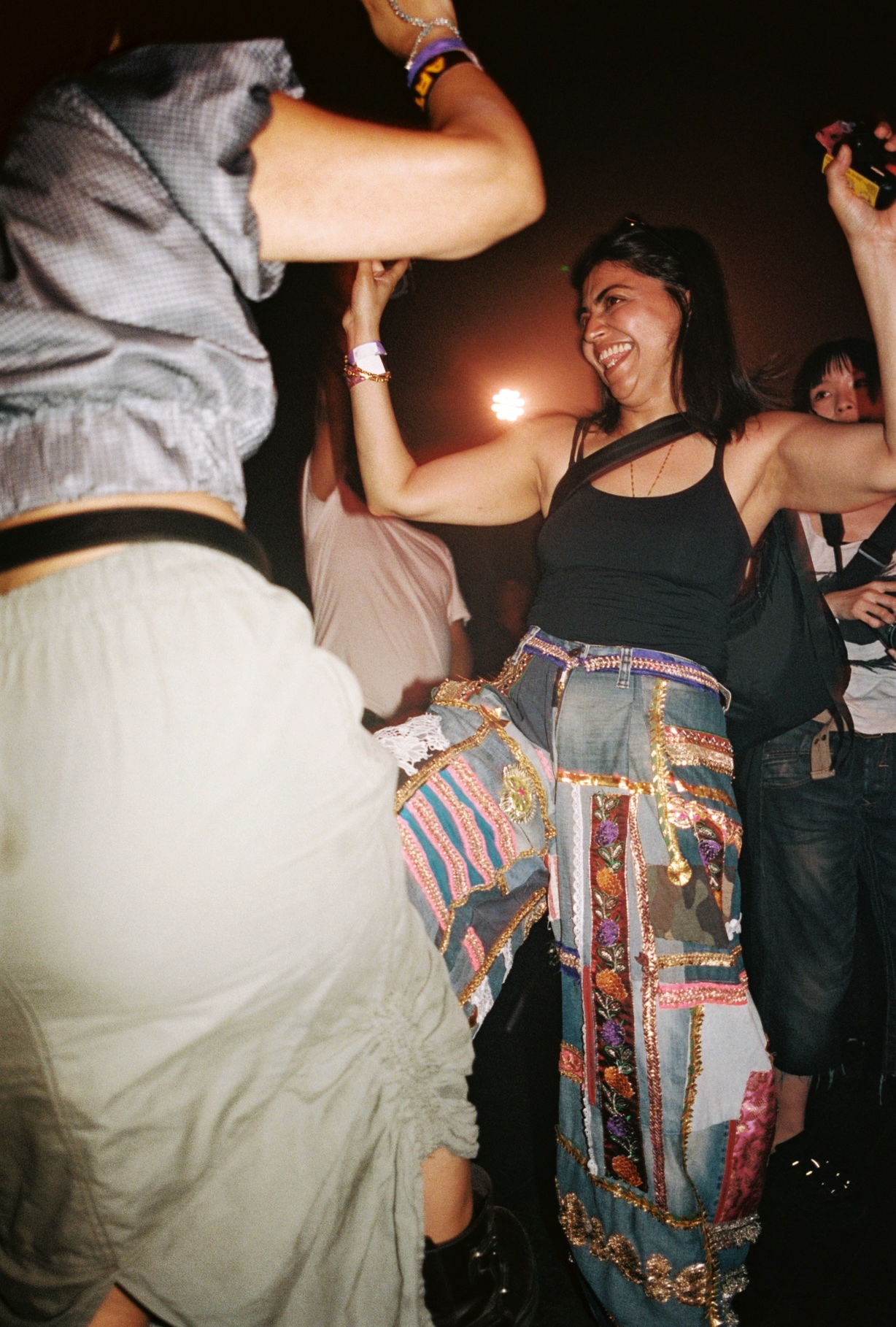
The hope is that everyone who comes to Dialled In leaves having experienced something new. Our London festival was a good example. Across nine stages, people moved between a huge range of artists, sounds and influences, and found things they might never have sought out on their own.
Are there any sounds or scenes you think deserve more attention in international electronic music programming?
South Asia as a whole, but especially the countries beyond India. Artists across the region are making fascinating work, and I’d love to see them on some of the biggest stages in the world, with the opportunities to take that work in new directions.
Visas are a real barrier and make it harder than it should be. But more often than not, the effort is worth it.
What drew you to Parimal Shais for this edition? What do they bring to the line-up?
We’ve wanted to book Parimal Shais for years. As with everything we do, it came about through our local partner: Ramesh had been speaking to Parimal’s team about a Singapore show, and it felt like the perfect moment for us to work with him for the first time. It all came together naturally.
Read this next: Review: Dialled In's debut in Manchester felt like a beacon of hope against a disturbing political environment
For someone discovering an artist for the first time at Dialled In, what do you hope they take away from the experience?
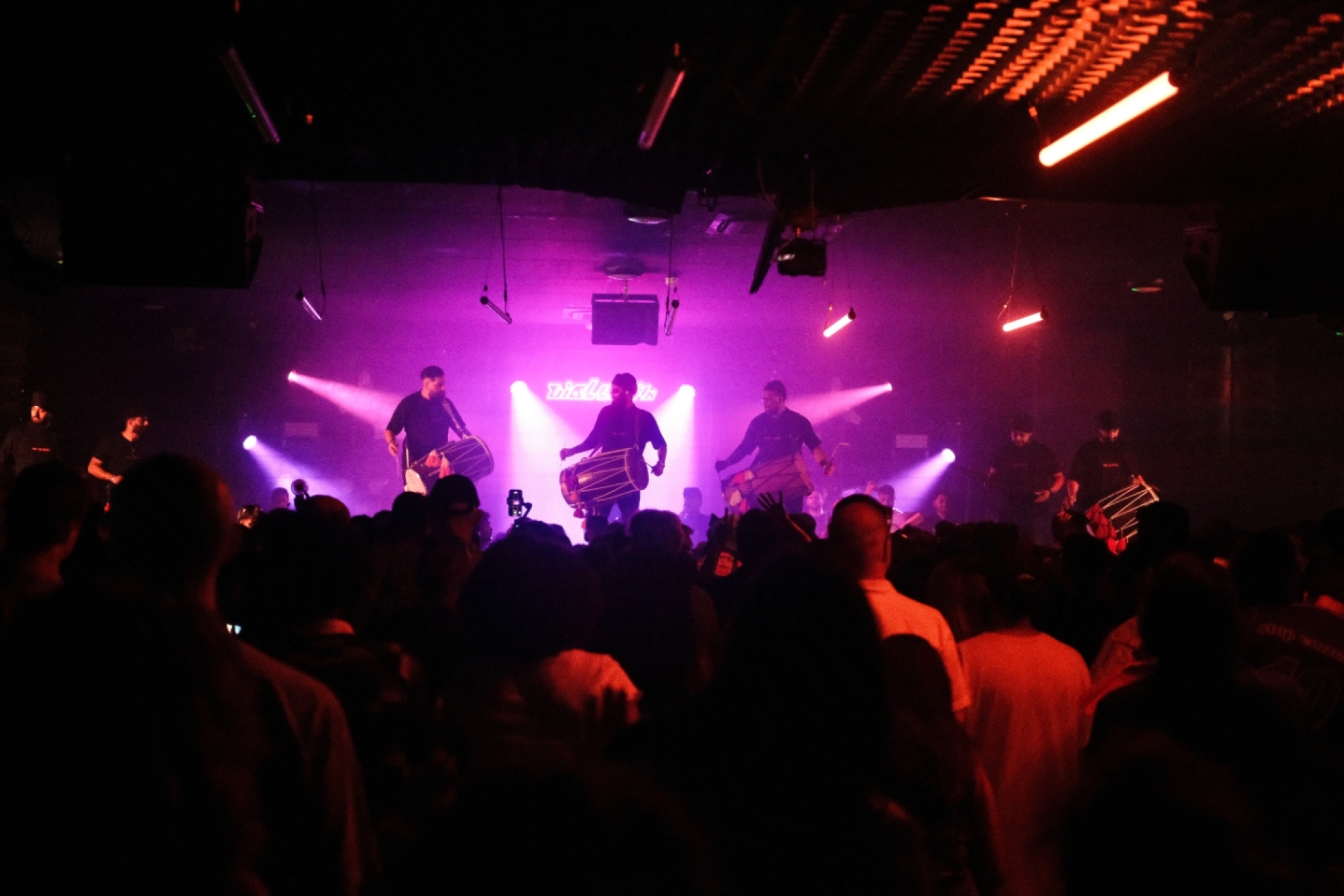
Dialled In is a blank canvas for the audience as much as the artists. We trust artists to come and experience it however they please, and we extend the same trust to the people on the dancefloor. All we hope is that they have an incredible night.
We don’t promise anything beyond that. People should have a good time in whatever way feels right to them, and it’s not our place to tell them how.
Tell us how the Esplanade setting contributes to the overall experience.
Esplanade hasn’t hosted a club night in a really long time. We believe this is only the second one they’ve ever thrown, so the opportunity is a real privilege. We’re excited to bring Dialled In to such an iconic venue.
Beyond bringing everyone together for one night, how can events like this open up opportunities for collaboration, touring and knowledge sharing across regions?
Doing things together in real life opens up opportunities that digital spaces just don’t. Connections happen more spontaneously and more naturally.
Events like this also create third spaces. Artists from Pakistan and India, for example, often can’t meet in person, so a night like this gives them the chance to be in the same room, share knowledge and build real relationships. That matters a lot, and it’s often where the next collaboration or tour begins.
How do you keep those connections going after the event, and what would you like to see grow out of Dialled In’s time in Singapore?
We’d love to see more artists collaborating, and for audiences to leave with a real sense of what these artists can do and what Dialled In stands for.
We’d obviously love to come back. Ideally, Singapore becomes a natural stop on our calendar of events around the world. But you have to experiment and take that chance the first time to see what’s possible.
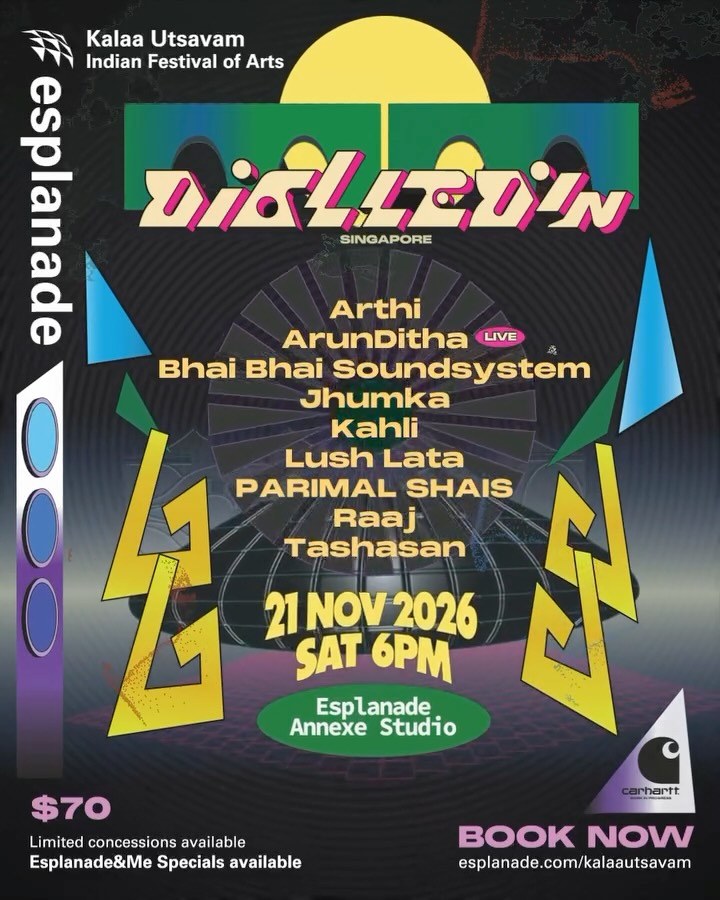
Dialled In Singapore supported by Carhartt WIP SG takes place on November 21 at Esplanade; tickets available here.
Amira Waworuntu is Mixmag Asia’s Managing Editor, follow her on Instagram.
Never miss a beat. Subscribe to our Scene Report newsletter or follow us on Instagram.
