


 Green Room
“Imperfection is a starting point”: the APAC conversations leading festivals to a greener space
EMC & Mixmag Asia’s Earth Night 2026 discussion brought together organisers & artists from Australia & Southeast Asia turning sustainability talk into real-world action
On April 23, 2026, EMC and Mixmag Asia brought together festival organisers, artists and event makers from across Australia and Southeast Asia for Connect for Cause, an online session hosted as part of Earth Night, the global initiative led by DJs for Climate Action.
What followed was one of the more practical and honest conversations the regional scene has had about sustainability. But first, the speakers.
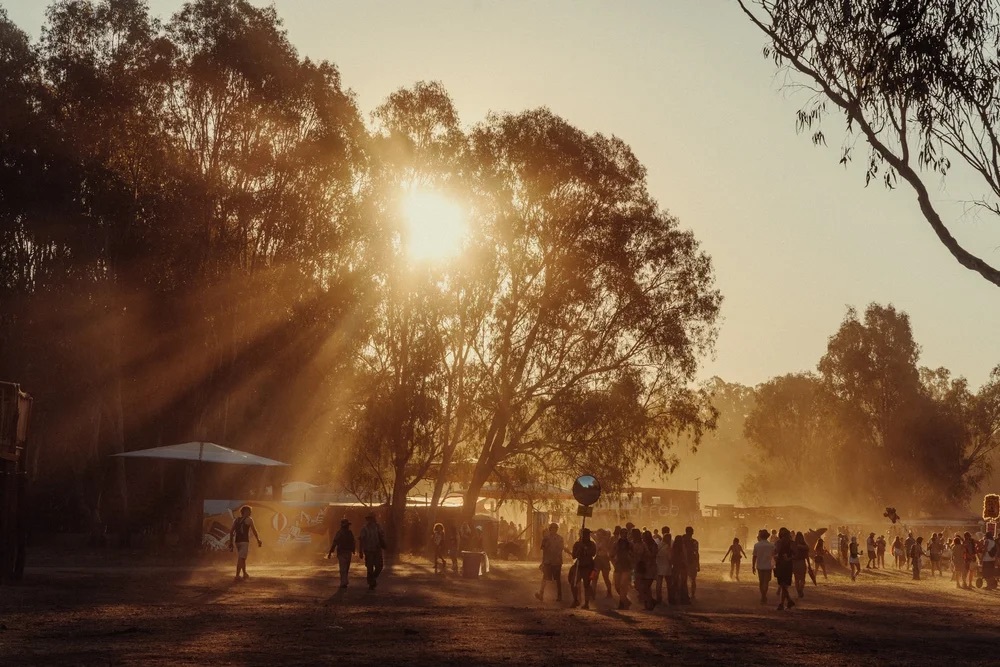
Vicky Keeler is the General Manager of Strawberry Fields Festival, a 15,000-person music, art and wellbeing event held on Yorta Yorta Country in New South Wales, now in its 16th year. Halim Ardie also joined as co-founder of Club Conscious in Bali, who recently served on the organising team for Day Zero Bali’s debut edition.
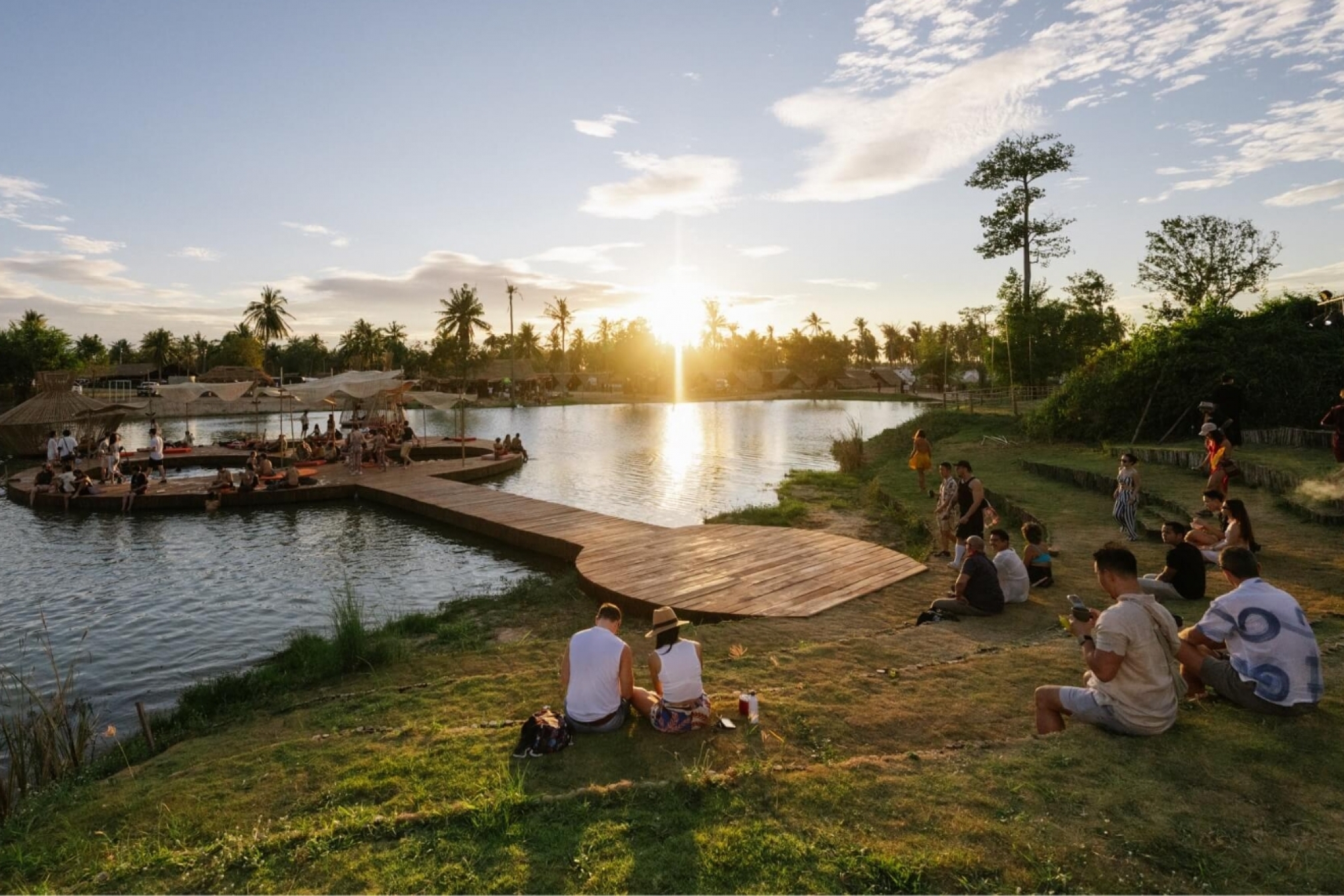
Also on the speaker line-up was Phuong Le, Music Director of Wonderfruit; the Thailand-based cultural platform that spans music, food, arts, wellness and architecture, drawing around 28,000 attendees annually and just celebrated its 10th year last December. Sydney-based DJ, producer and radio host Anna Lunoe also contributed to the conversation with years of experience in pushing sustainability practices directly within the artist and touring ecosystem.
A consistent thread through the entire discussion was that sustainability does not require being a major festival or having a dedicated budget line.
As Vicky Keeler put it: “There’s no step too small when talking about sustainability. It doesn’t matter what your scale is and what your influence is, but anything is better than nothing.”
Phuong Le echoed this, pointing to a particular challenge in Southeast Asia: “The problem that we have here in Asia is just so immense, but you can still start somewhere.” The point being that the scale of the problem is not a reason to wait. It is a reason to act with whatever is available.
From the artists side specifically, Anna Lunoe offered a reframe that cuts through a lot of the paralysis people feel: “Imperfection is a starting point and is something not to be shying away from at all.” Her own approach has been to treat sustainability the same way she treats any other part of running a music career, something to build systems around rather than add on later.
Read this next: “The planet is our only dancefloor”: how dance music events are adapting to sustainability
“Strawberry Fields have implemented so many different green initiatives over the years, and it’s definitely been something that has been layered over time as we’ve grown,” Vicky explained. She walked through one of the festival’s most significant changes: the introduction of a rewashable crockery system in 2019.
It sounds simple, but in practice it meant building a cashless RFID deposit system from scratch, renegotiating with vendors, and running ongoing patron education campaigns…all without precedent in the Australian festival market. By last year, the system was saving an estimated 41,000 single-use items from landfill annually, and it now pays for itself.
The lesson: a single sustainability initiative can touch every department of an event. “When you’re going to implement something like this, you know we went into it with open eyes knowing that we’re going to get pushback,” Vicky said. “You’ve really got to break down communication.”
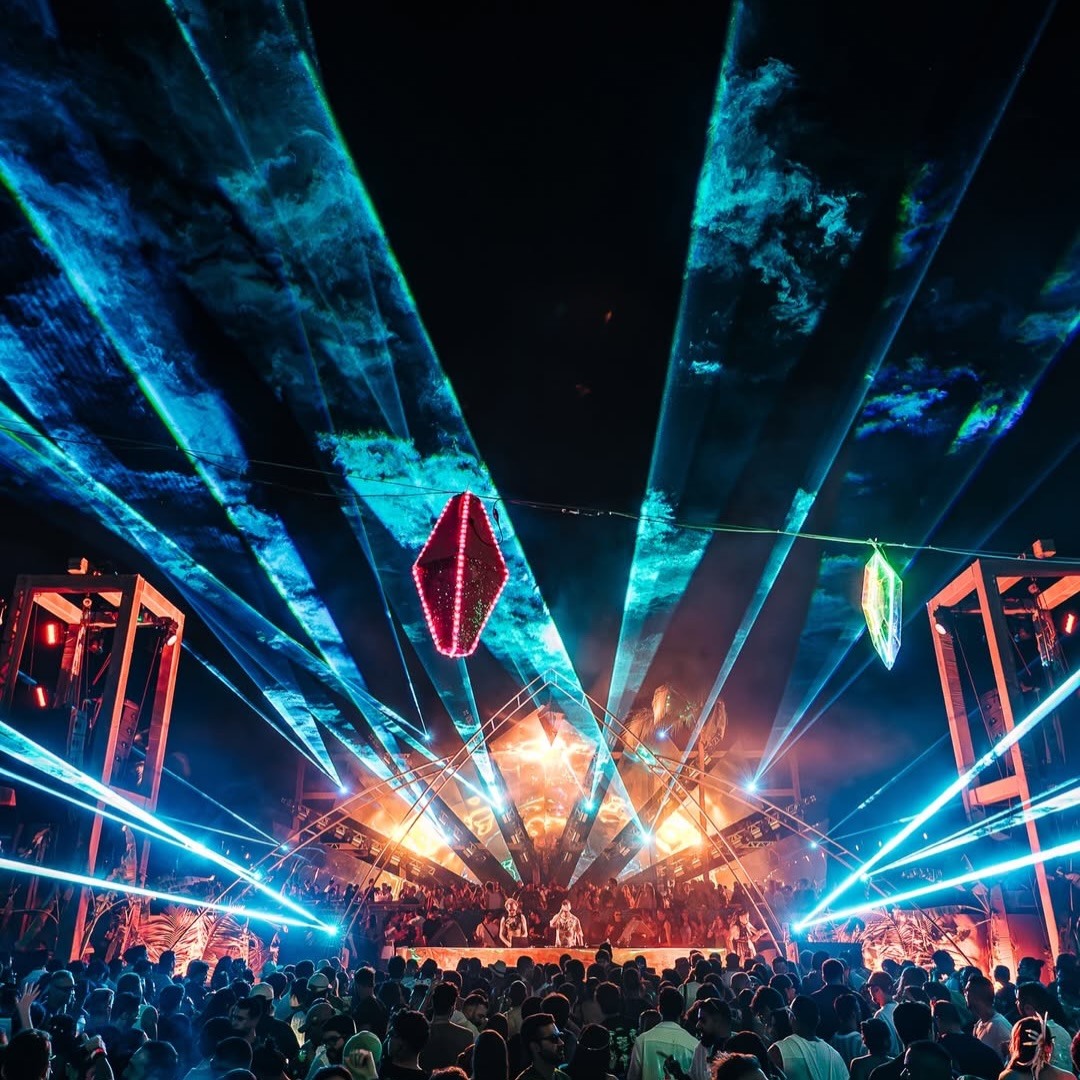
Halim Ardie’s experience at Day Zero Bali highlighted a different set of pressures. Working within a venue they did not own, with a 36-hour window to strike the site, and operating as a year-one festival in a market where sustainable supply chains are still developing, the challenges were structural as much as logistical.
Read this next: Sustainable sesh: How clubs and festivals are boosting the green agenda
One thing that worked: sourcing furniture made from recycled shipping pallets by local Indonesian craftspeople, who were then invited to the festival site to install their work. “That is a benefit and a positive impact on the ecosystem,” Halim said. The spend on furniture became community investment.
“I think that the main thing is try to do as much as possible with what you’ve got. For example, if you’re buying the furniture, make sure that you can use recycled wood and if you’re doing that, make sure that you’re working with local crafts people that are within the community that could use this kind of high level of injection of money coming into them,” he underlined.
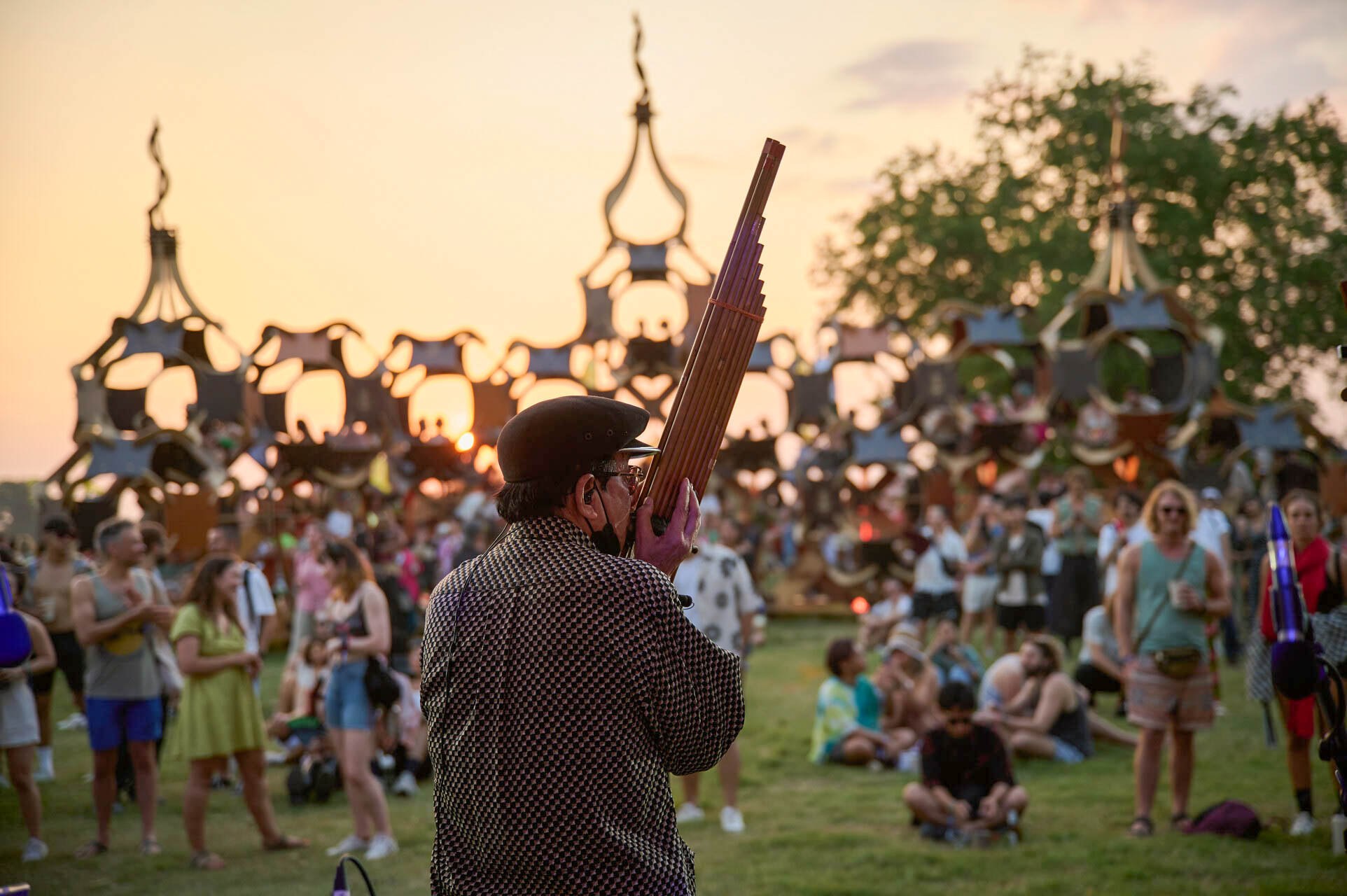
At Wonderfruit, the founding ethos was sustainability from day one, and the team has spent years learning that systems which look clean on paper can collapse under real life habits: “Once you have thousands and thousands of people coming, you just realise behaviour becomes unpredictable,” she explains.
Her example was the issue of single-use cups. Wonderfruit couldn’t just design a system and tell people what to do; it had to create a habit that felt natural.
“We said everyone has to bring their own cup, or they can buy one at the festival. But if you don’t have a cup, you can’t drink. Which was actually a risk for us too, since we depend on bar sales. At the same time, you almost have to implement it radically for people to get it. Because once they show up without a cup and don’t want to spend money buying one, they figure it out: next time I’ll just bring a cup, and I’ll tell my friends to bring one too.”
Read this next: Humans of Wonderfruit 2024 in their element
The ultimate lesson? Accept that changes won’t work immediately. “It takes years to really embed these things. But you stay consistent, and the more people do it, the more others follow,” she concludes. The response has been to design for behaviour rather than enforce rules, and to stay consistent.
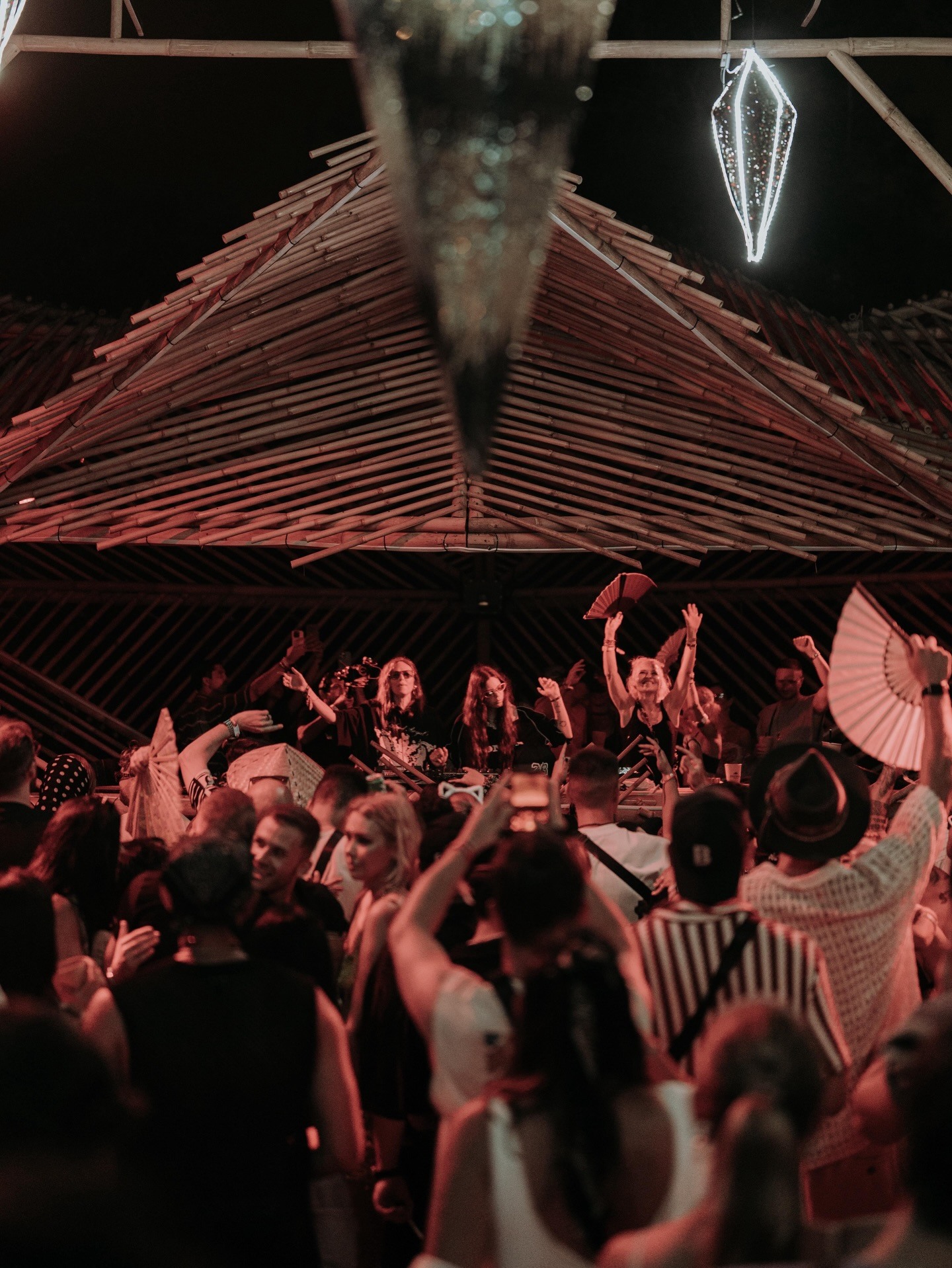
Anna Lunoe spoke to what artists specifically can do, drawing on years of personal practice and industry advocacy. She stopped producing merch she couldn’t feel good about, stopped pressing vinyl she might not sell, and has spent years posting practical guidance online for other artists, such as on how to change your rider and how to book travel more efficiently.
“One of the hardest things for me—both personally and in trying to influence other artists—was encouraging people to publicly acknowledge that they care about environmental issues. Because once you admit that publicly, you become accountable. I was really worried about opening myself up to that,” she shared.
“It’s worth being aware of what you’re asking when you invite artists to go public about environmental issues: you’re asking them to have their lifestyle scrutinised. And so much of an artist’s life is difficult to align with sustainability; you’re working within an imperfect system from the start,” she explains further.
Read this next: Hi DJs, we are Mixmag Asia & we would like you to adopt an Eco Rider
What’s shifted her framing is something Halim Ardie also touched on, that is approaching limitations as creative prompts.
“Talking about the creative side of sustainability and how exciting it is to find solutions that are not only more sustainable but so much cooler and more creative and more interesting and more inspiring. So that’s been my focus now in the way that I talk about sustainability; just life-hacking it and looking at really fun ways to make life more sustainable and more functional and just better in all the ways," she added.
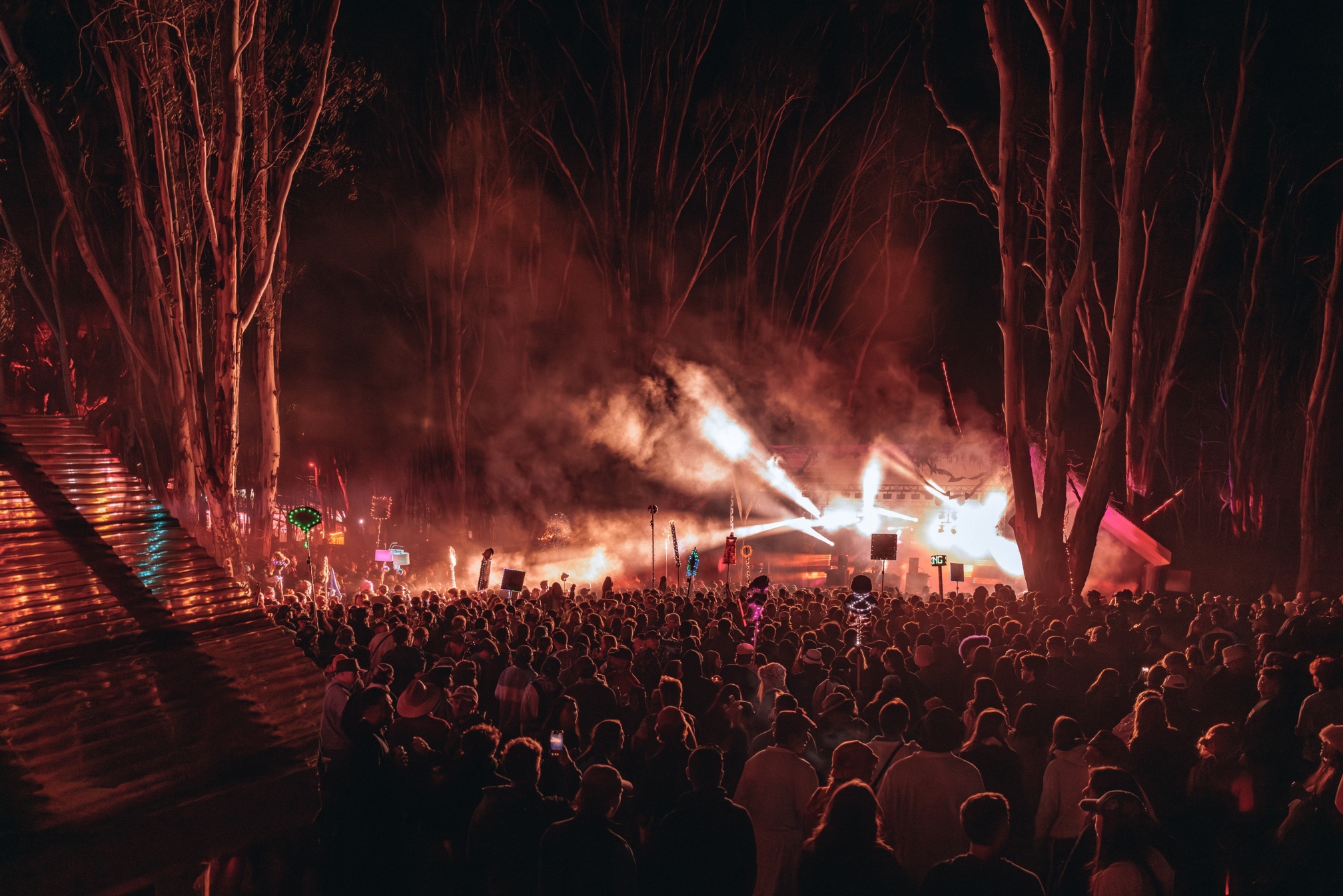
What emerged across the entire discussion was a set of principles that anyone in the scene can actually use. First off, start with what you control, and use it efficiently, whether that is 200 dollars or 200,000. A little can go a long way.
Get the local context before building anything, especially in Southeast Asia where culture, rhythm and existing community relationships will shape what works and what does not.
Support what already exists rather than building from scratch. As Anna Lunoe put it: “There are so many causes and initiatives already happening that desperately need your support. Put your energy behind the projects that are already happening that align with your values.”
Read this next: Festivals in Asia to look forward to in 2026
None of this is perfect work; everyone on the call said so. But it’s real work, happening at festivals, in artist riders, in office banking decisions and in the people who build stages from reclaimed wood because it’s the right call.
The combination of doing good and doing it well is exactly the kind of trend the electronic music community knows how to spread.
If you'd like to Support DJs for Climate Action by making a donation, head here.
Amira Waworuntu is Mixmag Asia’s Managing Editor, follow her on Instagram.
Cut through the noise—sign up for our weekly Scene Report or follow us on Instagram to get the latest from Asia and the Asian diaspora!
