


Tristan Hunt shares tips for neurodivergent creatives in the electronic music industry
The Former AFEM exec offers actionable advice to help those with ADHD, autism & dyslexia leverage their unique strengths
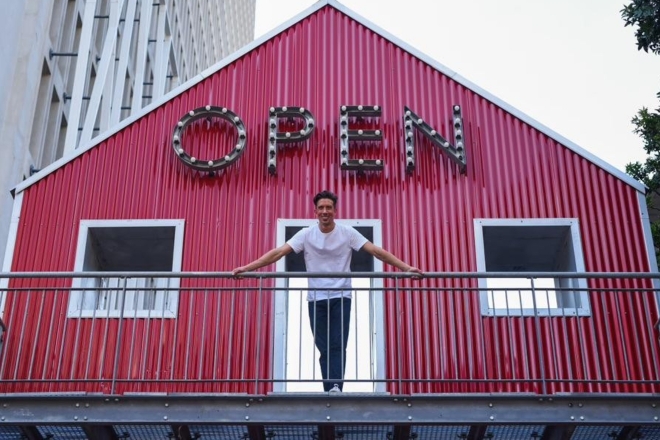
In a new Beatport article, music industry ADHD coach and former AFEM executive Tristan Hunt offers a direct and practical guide for neurodivergent DJs, producers, and promoters navigating the electronic music industry.
Titled How Neurodivergent DJs, Producers and Promoters Can Thrive in Electronic Music, the article breaks down how conditions like ADHD, autism, and dyslexia can be harnessed as strengths instead of setbacks in creative careers.
Hunt dispels common misconceptions around neurodivergence, emphasising that traits like non-linear thinking and hyperfocus are often the very sources of innovation in music production, performance, and promotion.
Drawing on over two decades of music industry experience and his own diagnosis of ADHD, dyslexia, and dyscalculia, Hunt speaks from lived experience.
Hunt outlines simple strategies: build flexible routines that match your energy, use tools like checklists and reminders to stay on track, and structure your day to make the most of hyperfocus.
In addition, he stresses the value of knowing your strengths, understanding your challenges, and designing systems that work for your brain—not against it.
“Technology can significantly bridge gaps where traditional methods fall short,” he states, elaborating on how certain tools such as apps or noise-cancelling headphones can amplify one's abilities.
Read this next: Apple Music & UMG tap into mental wellbeing with Sound Therapy
Another thing Hunt encourages is for artists to communicate their needs clearly and surround themselves with a supportive network; small changes, such as adjusting your environment or using digital tools, can make a big impact.
“Advocating for yourself not only improves your experience but helps educate others in creating inclusive spaces,” he adds.
Read this next: MITC launch new, 24-hour mental health support service for artists and touring professionals
The piece also connects to Beatport’s Voices of the Community series, featuring Melbourne-based artist FOURA who shares how embracing her neurodivergence has helped shape her career in music.
Hunt now works full-time as a coach for neurodivergent creatives and regularly speaks at industry events on mental health and inclusion, encouraging wider understanding and support for neurodiversity across the electronic music landscape.
Read the full article here.
Amira Waworuntu is Mixmag Asia’s Managing Editor, follow her on Instagram.
Cut through the noise—sign up for our weekly Scene Report or follow us on Instagram to get the latest from Asia and the Asian diaspora!
