


Soi48’s photobook documents the raw & hyperlocal realities of nightlife in Asia
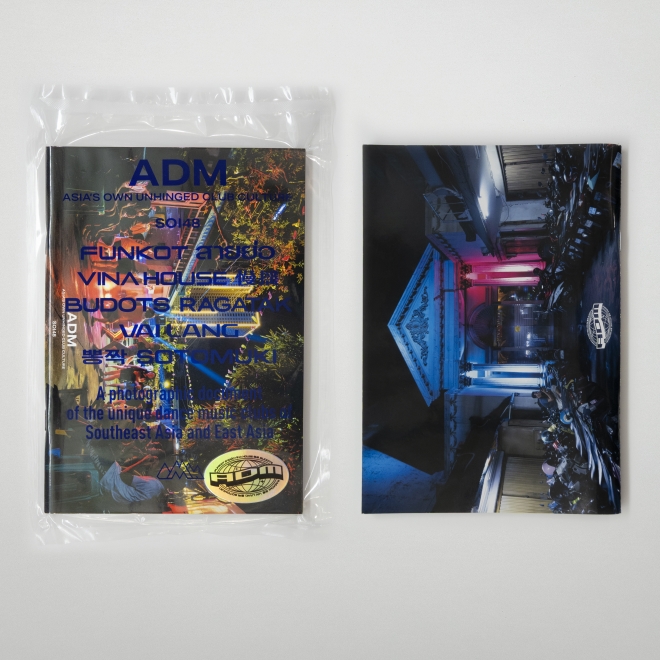
ADM: Asia’s Own Unhinged Club Culture gives an intimate look at dance music spaces, fashion, flyers, & more from 2017-2025
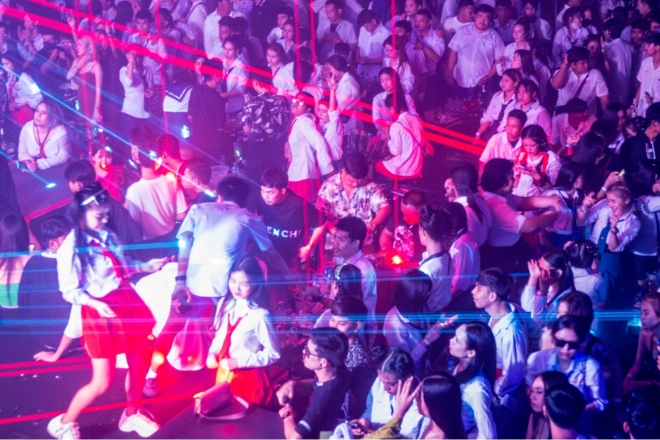
A new photobook book has been released showcasing dance and clubbing cultures in Asia, with a unique insider’s look at dancefloors, nightlife of migrant workers and memories of the underground scene during COVID-19.
Penned by Japanese duo Soi48 comprising Keiichi Utsuki and Shinsuke Takagi, ADM: Asia’s Own Unhinged Club Culture does a 180-degree turnaround from focusing on globally recognised clubbing scenes to “raw, hyperlocal dance music cultures that have rarely been covered by international media.”
Utsuki shares: “It captures a wide range of dance music spaces—nightclubs, festivals, secret raves and migrant-worker discos—through close, on-the-ground engagement with local communities.”
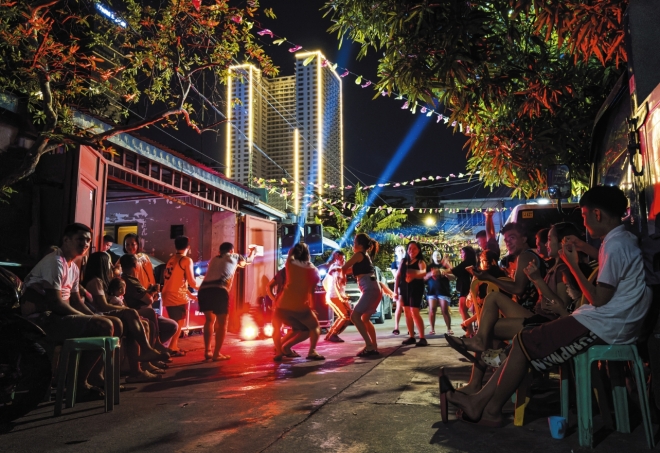
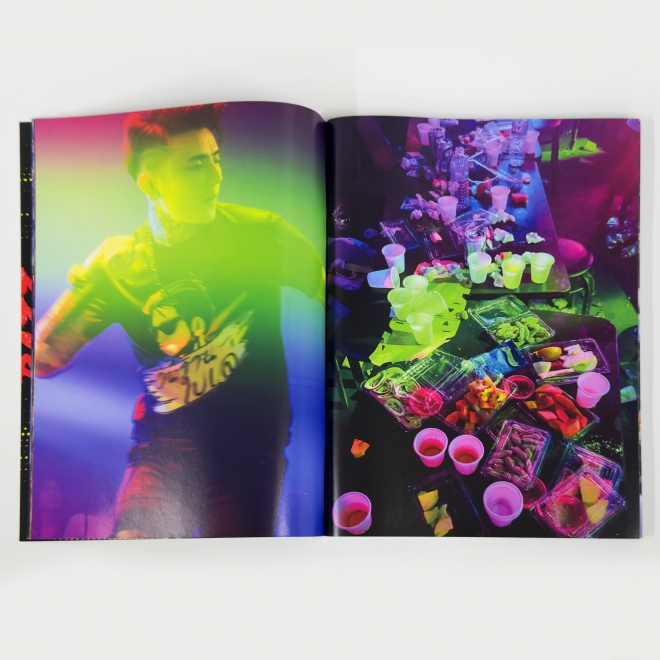
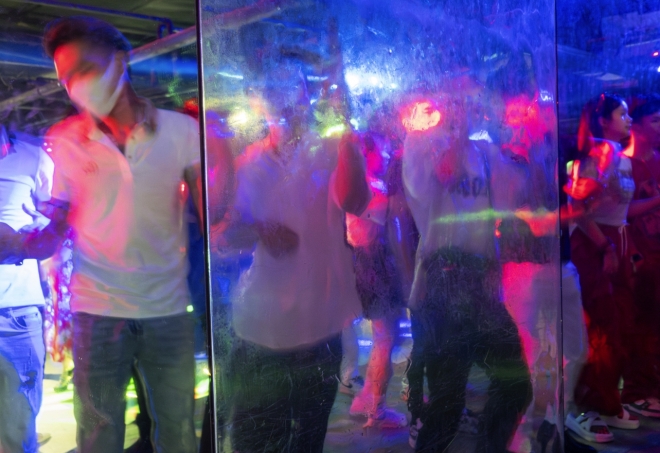
He explains to Mixmag Asia that the idea emerged from time spent inside clubs across the region, adding that “just as South Africa has gqom and Brazil has baile funk, we realised that Asia also has its own unique dance music.”
Throughout the book, Soi48 shows glimpses of people creating nightlife and compares different fashions, dancing styles, flyers, and interiors from 2017 through 2025.
Their travels across Thailand, Vietnam, Laos, Malaysia, Indonesia, Philippines, Myanmar, Taiwan, Korea and Japan, capture “the ingenuity, wit and passion of music lovers throughout the region.”
Read this next: Back to the Island: New photobook captures the sun-drenched zenith of late '90s to early '00s Ibiza clubbing
Utsuki adds: “It is a visual record of how dance music evolves, mutates and survives outside the usual club-industry frameworks.”
In total, the 167 pictures also feature pioneering names from different corners of Asia and showcase their unique music genres, such as budots, vinahouse, and saiyo.
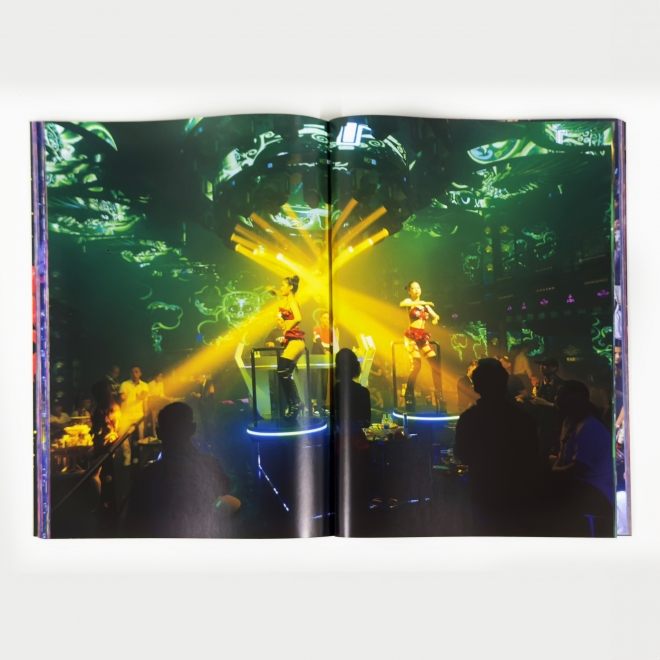
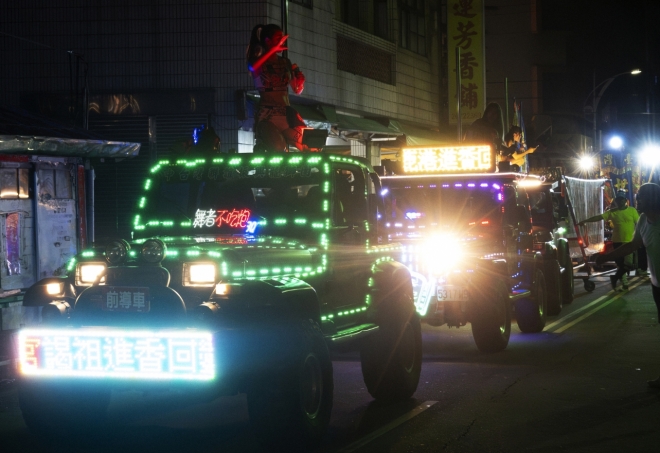
Migrant worker nightlife plays a central role in the book. Utsuki explains that his interest lies in how music moves across borders with people rather than platforms.
“I became interested in how music is transmitted not through the internet, but through the movement of people, independent of global music trends,” he says.
Read this next: Mixmag Asia’s Standout Snaps of 2025
He adds: “These nightclubs exist only because these migrant communities exist, and if the workers were to disappear, the clubs would naturally disappear as well.”
The photobook is available for purchase here, and will also be distributed by Rush Hour Records for those in Europe; pre-order here.
Daniela Solano is a freelance writer for Mixmag Asia, follow her on Instagram here.
Cut through the noise—sign up for our weekly Scene Report or follow us on Instagram to get the latest from Asia and the Asian diaspora!
