


Iconic Mumbai venue Blue Frog set to reopen in early 2026
Founder Mahesh Mathai says the return reflects India’s growing appetite for live music performances & commitment to discovering new talent
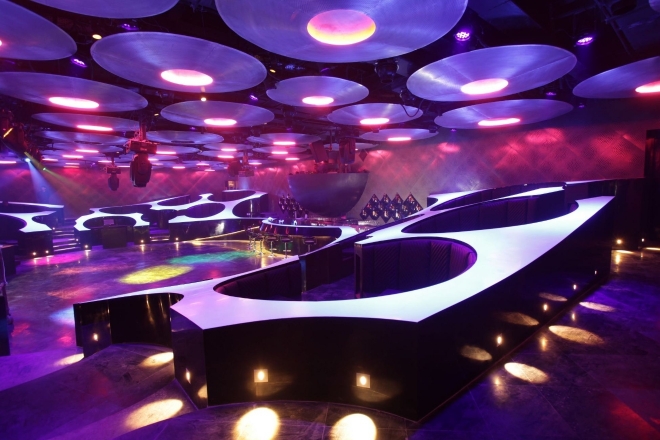
Blue Frog will reopen in early 2026 in Mumbai’s Ballard Estate, with founder Mahesh Mathai confirming its return and highlighting the renewed demand for live performance in India.
The iconic venue first opened in 2007 in Lower Parel and quickly became a dedicated stage for independent music and touring acts, supporting artists across genres. It then expanded to cities like New Delhi, Pune, and Bengaluru before closing down in 2016.
Mahesh has stated the company was revived in 2024 after its 2020 bankruptcy, now joined by entrepreneurs Suresh and Karan Bhojwani plus music programmer and electronic artist Jehan Johar.
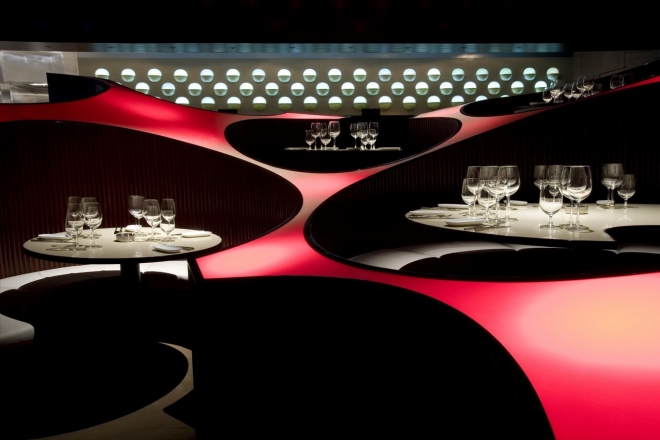
Blue Frog’s original design became central to its identity, noted for its circular, multi-level seating inside a converted warehouse. The space blended a bar, restaurant, recording studio, and performance venue, with a lily pad–inspired seating layout that shaped how audiences experienced the music.
Circular mahogany-finished booths surrounded a central stage, complemented by stepped flooring, acoustic treatment, and colour-shifting lighting that created an intimate and immersive environment.
Read this next: Indian collaborations shape Gorillaz’s new album ‘The Mountain’
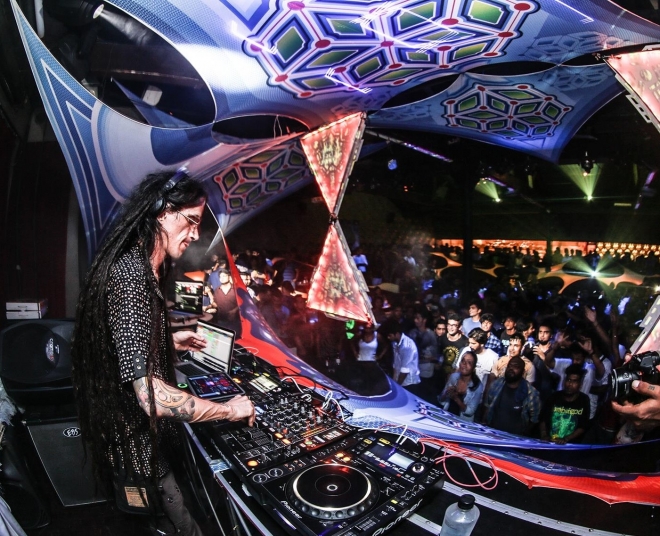
Over the years, the club hosted a wide spectrum of artists, including Mutemath, Armin van Buuren, Infected Mushroom, Kohra, OX7GEN, L'Imperatrice, Nitin Sawhney, Ustad Zakir Hussain, and many others.
Mathai sees the relaunch as a response to India’s evolving live music landscape. He states, “When we started Blue Frog, if you had told me that Coldplay would have six concerts in India and U2 would be playing and people are going to buy tickets at these kinds of prices, I would have said, ‘No chance.’”
Read this next: OX7GEN unites two generations of Indian breakdancers in ‘Body Mechanics’ MV
He adds, “It’s the living proof that there are people who are waiting to listen to live international music.”
Programming will evolve as well, with what Mathai calls “little differences” and a continued focus on emerging artists.
“A lot of the platforming of talent we did in 2007-2008 has gone on to become pretty big musicians and bands,” he emphasised.
[Via: Rolling Stone India]
Amira Waworuntu is Mixmag Asia’s Managing Editor, follow her on Instagram.
Cut through the noise—sign up for our weekly Scene Report or follow us on Instagram to get the latest from Asia and the Asian diaspora!
