


 Interviews
“The different DJ”: an unfiltered look inside the mind & sound of Hiroko Yamamura
The Chicago sound flagbearer talks about identity, the significance of her Japan tour, her intuitive club philosophy, plus the fact that she has “no idea” why she ended up being a DJ
Often dubbed “the meme queen” (but even more accurately “the techno machine”), Hiroko Yamamura embodies the joyful side of DJ culture…even when her sound skews heavy and serious.
She approaches techno with the curiosity of an engineer and the delight of a gamer, weaving industrial pressure, acid bite, hypnotic swirl, and unmistakable Chicago swing into sets built for movement and fun.
Rooted in punk, industrial, and house, her style is defined by motion, texture, and a deep love for machines. Last May, she took over The Mixmag Lab London in a Danzig tee—a nod to her heavy-metal roots and an eclectic, unapologetic approach to music.
Her energy resonates from Chicago’s late-night institutions to Berlin basements and festival stages across the globe. Right now, she’s on tour in Japan, reconnecting with family and returning to a scene she sees as foundational to techno’s DNA.
Another thing she’s know for? Being one of dance music’s reigning meme monarchs, turning the absurdities of DJ culture and everyday life into tiny cultural artefacts of collective self-awareness.
Our exclusive interview with her shows just how her perspective stretches beyond the booth: she speaks candidly about being Japanese-American, growing up in nerd culture, and feeling like an “outsider” who found belonging through sound, machines, and late-night rooms.
She also shares about navigating the many versions of the “Chicago sound”, why she treats DJing like live world-building, and how intuition, online subcultures, plus a stack of unfinished tracks keep her moving forward.
It’s sharp, warm, and delightfully unfiltered. Very Hiroko Yamamura.

First of all, what does returning to Japan mean to you?
Japan really is my second home. Besides my direct family, the rest of my family lives here. Being Japanese-American means you never really fit in either country, but you also have the advantage of enjoying both cultures.
Japan’s underground scene is incredibly diverse right now—are there any Japanese artists or collectives you’re looking forward to connecting with?
There are so many cool crews out here. I really enjoy the legends such as Takkyu Ishino, DJ Nobu, and Ken Ishii, as well as their contributions to global techno. I think with Japan being where the actual sounds of techno were created, the part it plays in music is often under-documented. Recently, there seems to be a big uptick in new DJs, especially in online spaces. I really can’t wait to be touring with my good friends Risa Taniguchi and SAMO, as well as the FULLHOUSE collective.
Does your setlist or performance approach change when you play in Japan versus anywhere else in the world?
Absolutely. I make it a point to always have a nod to the places I’m playing, whether it’s music from producers in the area or a classic that may not be well-known outside the region. In Japan, my connections are highly rooted in gaming and anime, so a cheeky anime opening edit isn’t out of the question. There are just so many amazing producers from Japan that I can’t wait to share with you.
Being Japanese-American, do you feel your cultural background influences your artistic perspective or creative choices?
Absolutely. When you’re looking at Japan from the outside, it’s easy to glamorie aesthetics and artistic aspects without engaging with where they stem from. Growing up embedded in nerd culture definitely steered what kind of Japanese music and media I consumed and stand on, but being able to look at them with a cynical American lens is a privileged position I don’t overlook. That said, my parents immigrated to America for a reason, and it’s given me a unique tool set I cherish.
You’ve become one of the key figures carrying the Chicago techno torch. How do you interpret the “Chicago sound” today—and how do you make it your own?
I’m really quite lucky to be from the third wave. We got to grow up on the best DJs and producers and see where the genres fractured and grew. I also got to see what not to do in one’s career and the pitfalls of the city. For me, there are a hundred different Chicago sounds. If you grew up east, west, or south, your definition of the sound differs. Your attachment to church and gospel—and how that plays into your relationship with the queer community in the city—has created divides in the sound that people don’t really talk about.
I spent most of my time in the city as a kid, but I went to high school in the suburbs, so I can’t really call myself a true Chicago DJ. I got to take in the best music the city had to offer—from punk and industrial all the way to house. Chicago really offers the cream of the crop compared to other cities, and listening to everything has shaped and saved my life.
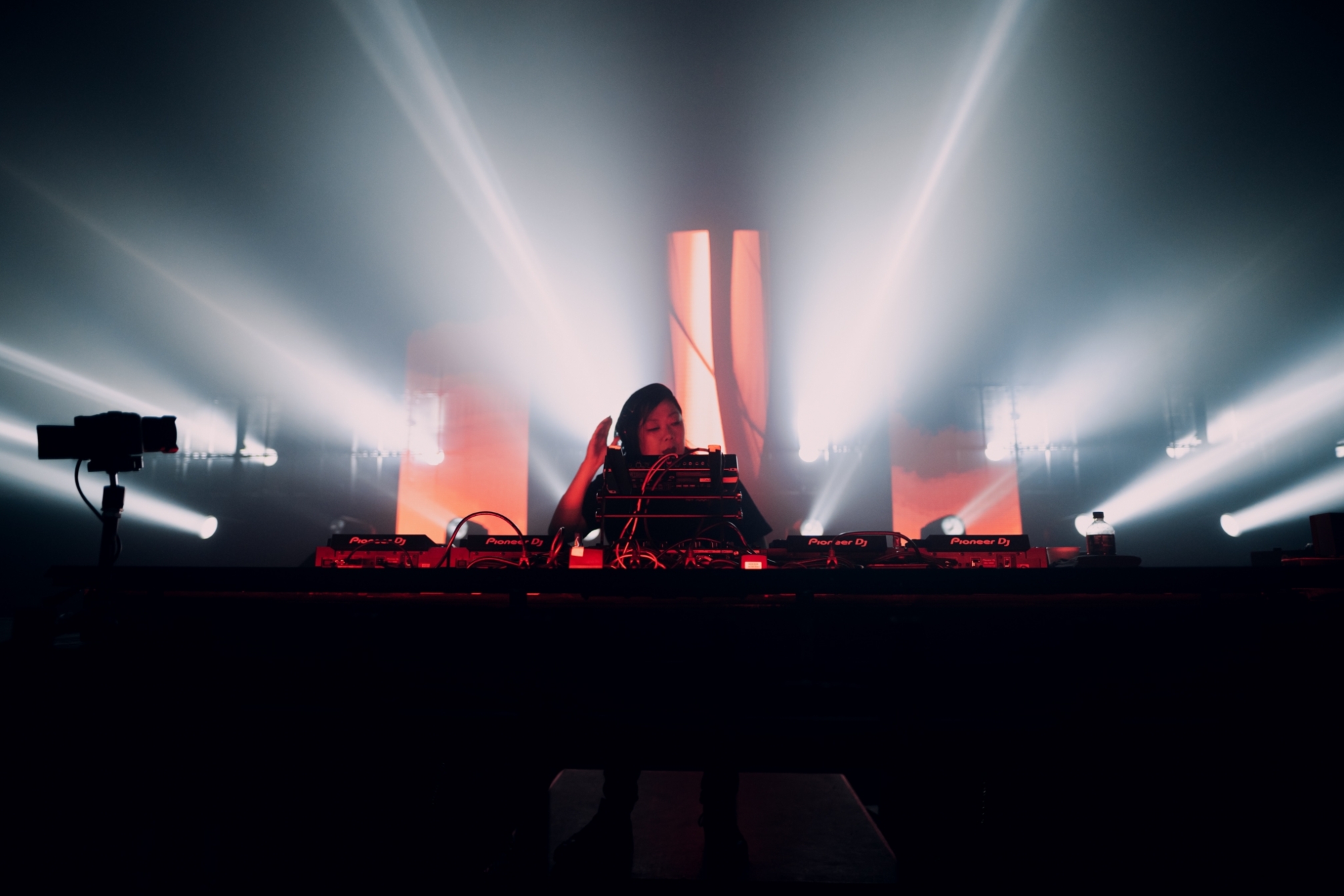
Your sets often blur heavy industrial textures with hypnotic techno grooves. What draws you to that balance?
I think at times you can get so lost in the sauce you don’t know where things are coming from. I’m a bit of a jammer, so making music is 50% about the fun experience and a way to entertain myself. I don’t know how much my influence comes out in songs, but there’s no way around it. The tech and the gear steer the story quite a bit for me and are part of the story.
Read this next: Mixmag Asia Radio: Rural Festival with Jane Fitz, Mareena, Innerworld & Zundoko Disco
What space do you feel your sound lives in best—dark warehouse raves or big-room festivals?
I used to say my music was for the underground, but if I’m being honest, the challenge of new crowds at festivals has added a rewarding dimension. Being “the different DJ” on a line-up of superstars has some advantages—I don’t have the pressures that the famous people do, and I’m allowed to play what I want. While I miss the sense of community from underground warehouse parties, where I’m on a first-name basis with everyone, venturing to new venues and crowds without the same expectations is nice.
What does your ideal set flow look like—do you plan it or let intuition lead?
I don’t choose any music before a set, aside from finding producers from the locale. I don’t like to let the last song of the previous DJ end—I know that’s a no-no in some places, but I think it really messes up the flow of the evening. That last track and where the room’s energy is—that’s where I’m going to start. We can go up or down from there, but there’s no agenda. It’s really about picking up the vibe of the room and running with it—or challenging it.
Tell us a bit about your recent track with Sian and Oysher, ‘Champagne’, and how it came about.
Sian really has been my saviour. We met working on a few uncredited projects in the past, and after finding out we had everything in common, we began collaborating. I’m really able to hand off a mess of a project and he knows exactly the idea—or he has the most genius ideas, and I might just add some aspects to them. This particular track was just passed around online with some tears and hurt feelings along the way. I actually haven’t had the pleasure of meeting Oysher yet, but the three of us have some heaters in the oven I can’t wait to share. I hope we can continue freely sharing ideas, files, and feelings online.
Read this next: The Mixmag Asia Music Guide: Japan
You’ve described your approach as “outsider” before. What does that term mean to you today?
If you spend your life obsessed with music and behind a computer, your social life probably isn’t amazing. I started going to events to try to make friends or find people I might have something in common with. As someone who has genuinely had days with no one to talk to, you start looking for escape and camaraderie in online spaces, clubs, and hobbies.
I don’t really fit in the dance scene today—I’m not very talkative, I get uncomfortable when people look at me, and I’m not good with crowds. I have no idea why I ended up being a DJ—what a bad career choice with these silly hang-ups. But in the end, music events and making music have given me something to do. No matter how silly it may be to other people, it means something to someone like me who has struggled with purpose and belonging.
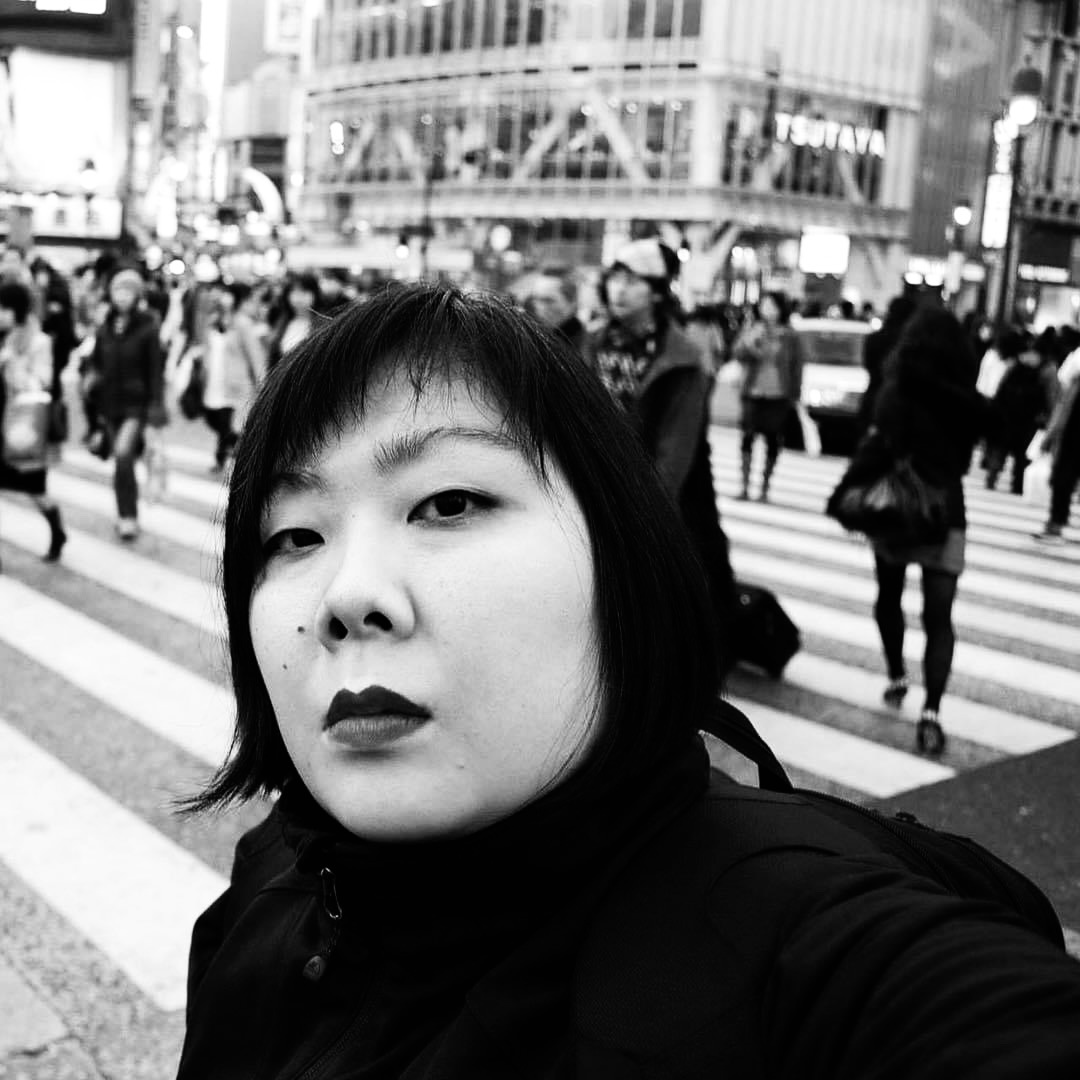
How do you see the techno scene evolving in the next few years—both in the States and here in Asia?
The online world and economy are hitting the club and festival scene from multiple angles. People’s sensibilities have completely changed from five years ago—what folks want from events is more fragmented than ever, and the ability for events to take place is more at risk than ever.
In Japan, you’ll see many nights attended mainly by foreigners because of the state of the yen and tourist inflation. In the States, kids just don’t drink anymore or stay out as late. While that may be the best ethical choice, it’s in direct opposition to how nightclubs sustain themselves. If music moves away from the high-cost environments it’s been enjoyed in—where will it go?
More people, including myself, enjoy consuming music and entertainment online, but I’m conditioned to still need to go out and spend time with people. With the global economy about to tighten, we’re going to see a shift. What that means, I don’t know.
Read this next: How Star Festival defied Japan’s Dance Ban Law and thrived
After the Japan tour, what’s next for you creatively?
I have a stack of music I keep finding excuses not to finish. There’s some cool stuff with pals like Sian and Sasha Grey, as well as projects with Seth Troxler. There are some new drum machines and samplers I’ve been binge-watching videos on, and I hope to test them soon—maybe they’ll fix the workflow issues I’m dealing with. Once I get home, I’m looking forward to strapping on my guitar and jamming with friends for fun.
What’s in your USB right now that no one would expect?
Every BLACKPINK song, as well as some edits I made.
You’re an avid gamer—what are your top 5 games of all time?
This may be the most difficult question ever posed to me. This changes all the time, but for now:
1. Bloodborne
2. StarCraft II
3. Final Fantasy X
4. Halo
5. Elden Ring
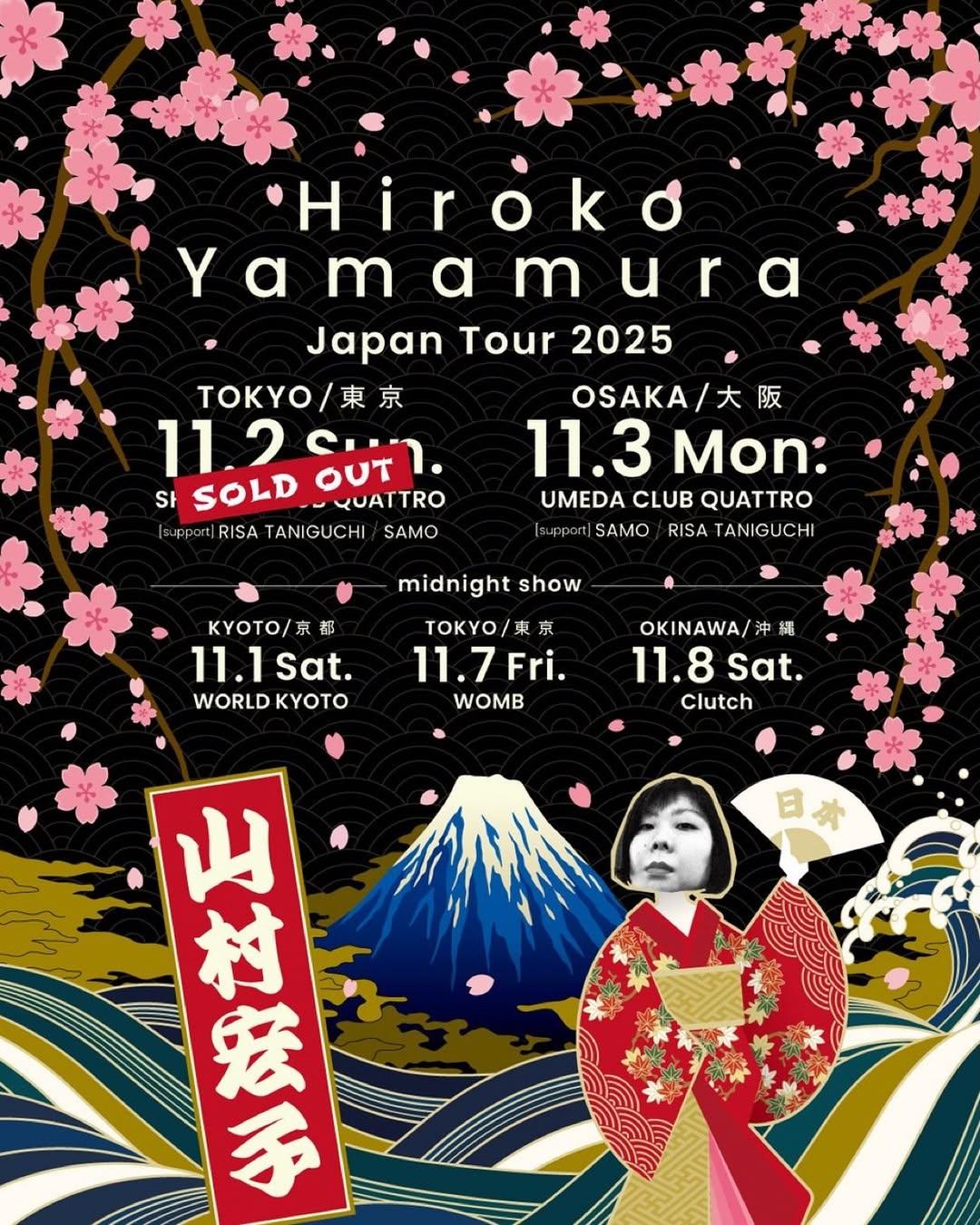
Hiroko Yamamura is currently on tour in Japan; keep updated with her movements (and memes) here.
Amira Waworuntu is Mixmag Asia’s Managing Editor, follow her on Instagram.
Cut through the noise—sign up for our weekly Scene Report or follow us on Instagram to get the latest from Asia and the Asian diaspora!
