


 Mixes
Mixes
Mixmag Asia Radio 166: Radio Revolution & DJ Bowlcut at Morsecode’s anniversary night
Two standout mixes from South Korea's underground mainstays
The minimal sound and movement remains a cornerstone of the region’s underground, and in a landscape where labels come and go, those rooted in culture and community always stand out. Morsecode is one of them.
Since launching just over two years ago, the Seoul-based imprint has steadily built a reputation for championing those in the space, while investing deeply in the scene around it.
Mixmag Asia first encountered the label when it first launched, speaking with founder Slowmouth as his vision was starting to take shape. Now, seeing that initial vision fully come to life feels both inevitable and well-earned.
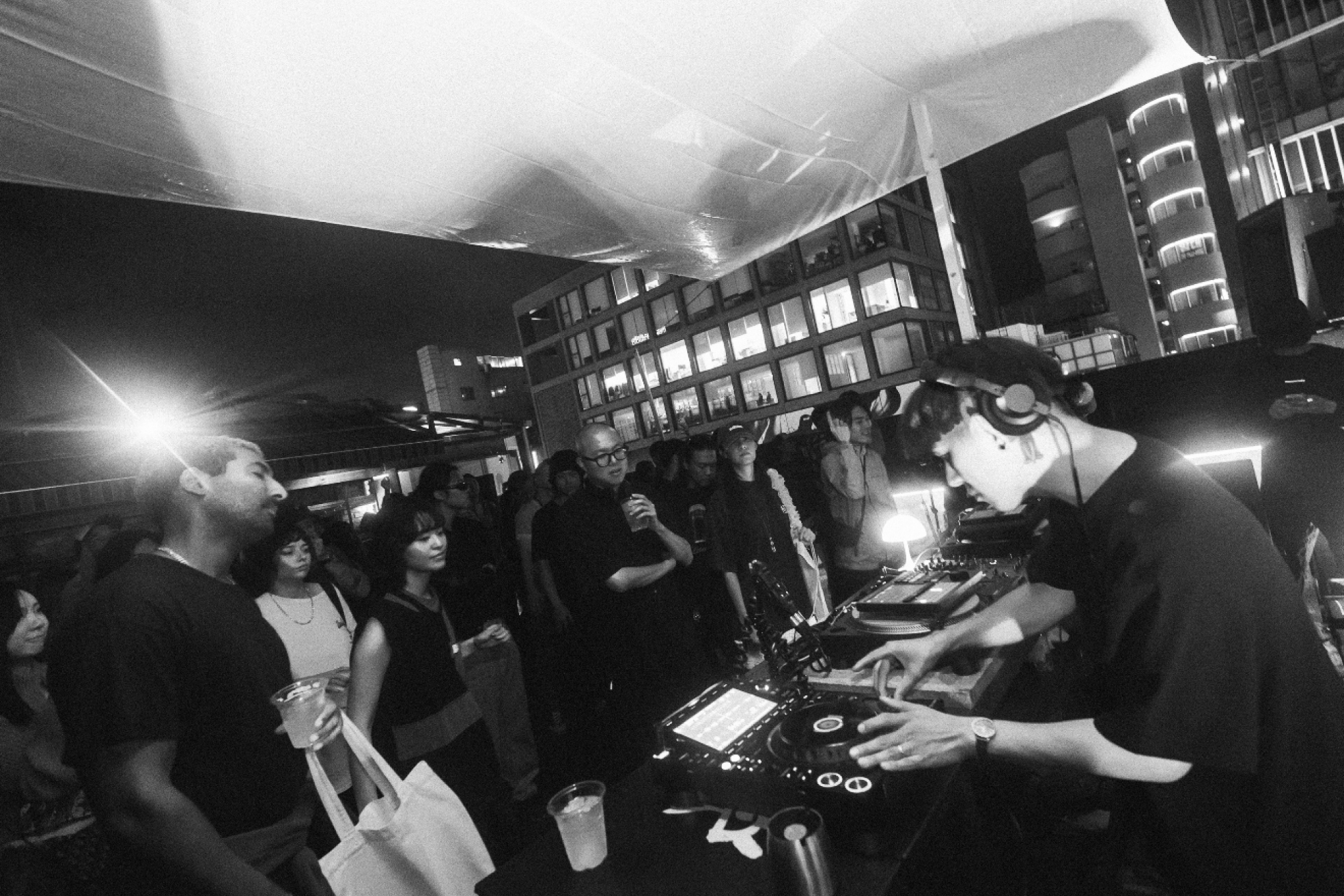
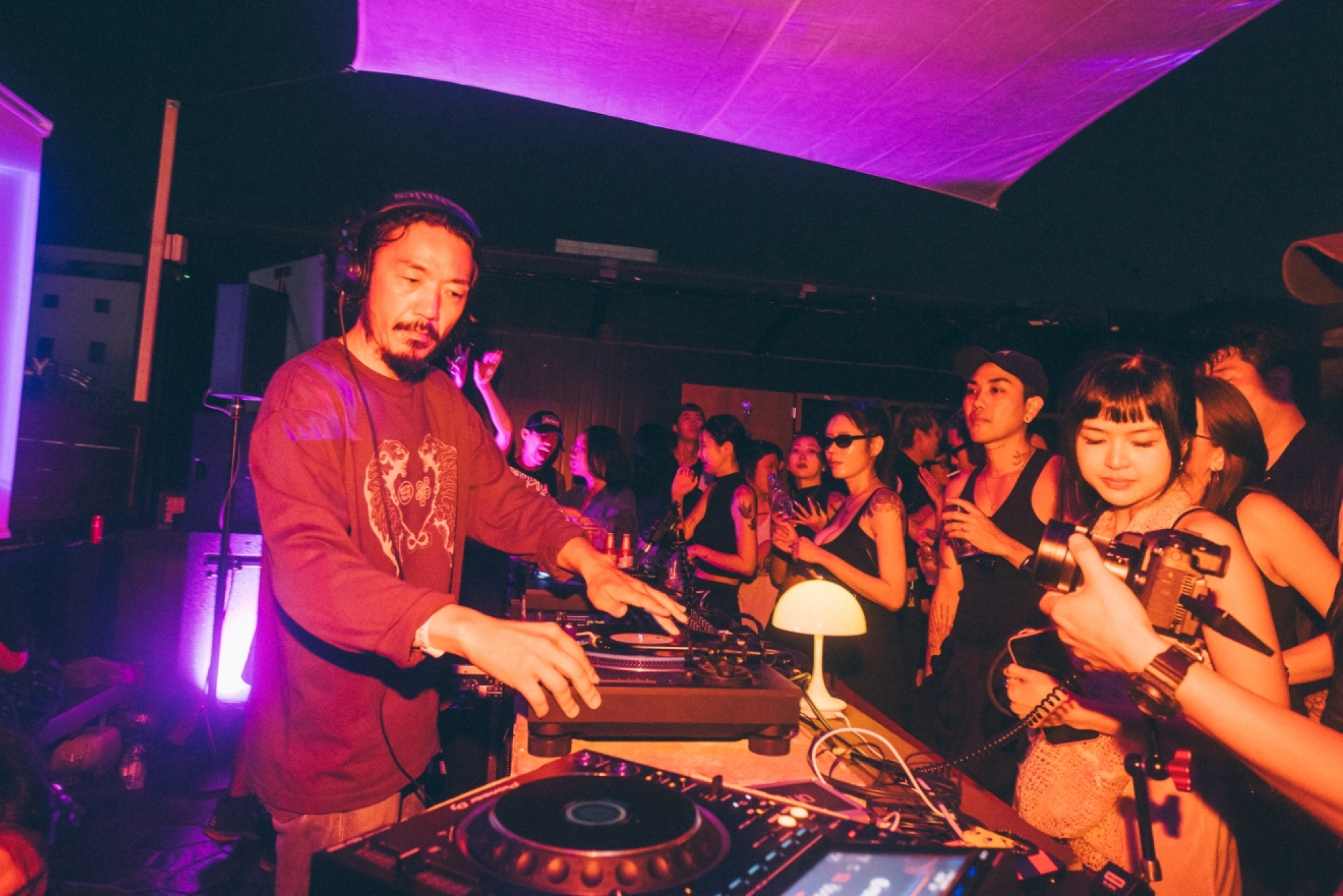
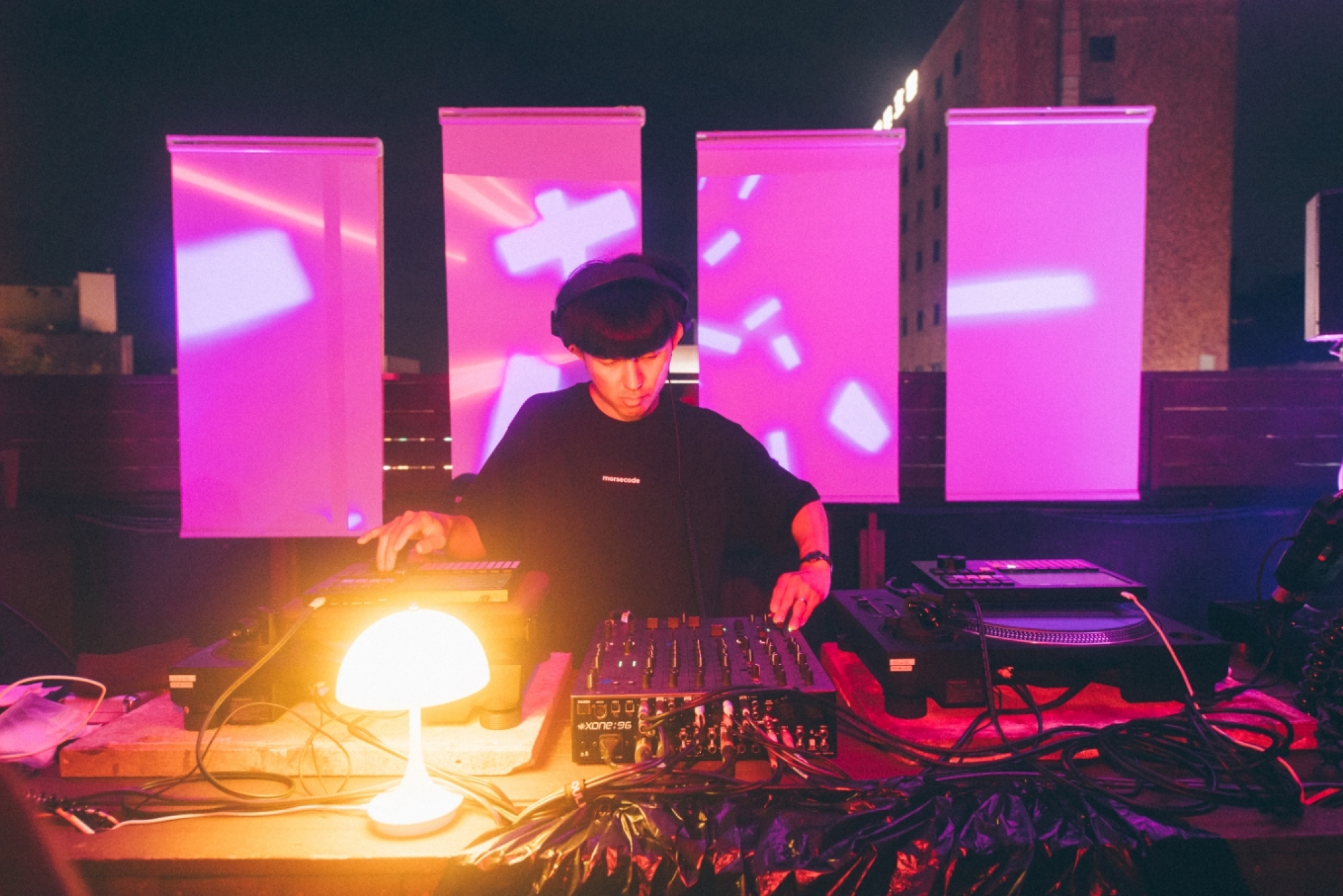
To mark three years of Morsecode, the label took over leading venue Nyapi for Line and Dot—a two-day, two-stage showcase bringing together some of Korea’s finest alongside regional heavyweights.
With sets from Direkt, DOTT, FFAN, Foi, Jimin, Kimmtae, Kivva, Kugel, Kyo, Le James, Liem, Givogi, Per Hammar, Taku and Slowmouth himself, the weekend played out as a masterclass in minimal precision.
From the celebration came two standout mixes from underground mainstays Radio Revolution and DJ Bowlcut, each delivering their own distinct take on the genre.
Listen below and read on to learn more about both artists.
Firstly, how was the Morsecode anniversary event?
Radio Revolution: The Morsecode anniversary event was truly special. It brought together artists from the underground scenes of Seoul, Romania, Thailand, Japan and Vietnam, and the energy in the room was incredible. There were so many moments where I could connect with the crowd in real time, and that made it a very meaningful experience for me personally.
DJ Bowlcut: There are only a handful of collectives and colleagues I support wholeheartedly, and Morsecode is easily one of them. They’ve been pushing the boundaries of “the sound of Seoul”—not just through events, but also through their releases and overall creative output. I was genuinely happy to support them from the very beginning of this anniversary event. It was one of the best shows I’ve played in 2025.
Where are you based, and if you’re not from there, how did you get there?
DJ Bowlcut: I’m based in Seoul, but I’m originally from Incheon, a neighboring city just outside the capital. They’re very close, and funnily enough, quite a lot of DJs in Seoul actually come from Incheon.
Radio Revolution: I’m currently based in Busan. I’ve always had a love for both music and travelling, so over time I started playing in different cities and going on overseas tours, which naturally expanded where and how I operate. Busan has a very dynamic subculture and underground scene, so it aligns really well with my style and outlook.
What’s your favourite thing about the music scene in Seoul?
DJ Bowlcut: It’s incredibly vibrant—there are always parties happening, full of energy and enthusiasm. There are also many opportunities for creative brand collaborations, which make the scene richer and more dynamic. It’s a highly competitive environment, too, and that pushes people and businesses to experiment and try new things.
Radio Revolution: What I love most about the Seoul scene is that it feels like it’s now entering a true blooming phase after a very turbulent period. We’re seeing more festivals and more venues opening, especially around Itaewon. There’s still a long way to go, of course, but the global spotlight is slowly turning towards Seoul, and it’s become a place that people from Japan and across Asia are eager to experience for themselves.
At the same time, because of our cultural character, there’s a strong sense of competition between DJs, clubs and organisers. That can be intense, but it also creates an exceptional level of focus, precision and seriousness in the way people approach music and events, which I really appreciate.
How does Seoul’s scene compare to wider South Korea?
DJ Bowlcut: Most of the dance music scene is still concentrated in Seoul. But recently, I’ve seen more outdoor events popping up in other provinces, especially in places with beautiful scenery. I think the scene will continue to expand outside Seoul as the demand for underground events grows.
Radio Revolution: Seoul is definitely the centre in terms of accessibility and diversity. You can experience a wide range of sounds and scenes in a relatively small radius. Busan, on the other hand, feels more local, with a tighter and deeper sense of community. They each have very different strengths, and I genuinely enjoy moving between the two and experiencing both perspectives.
What can you tell our readers and listeners about your mix? Why is it special to you?
DJ Bowlcut: I’ve been making loops and beats on the Polyend Tracker—what I call “Mod Files”—and performing live/DJ hybrid sets using two Trackers, almost like turntables. It has a similar spirit to what A Guy Called Gerald or old-school Amiga Tracker DJs used to do.
Because of the limitations of the Tracker, the music leans on deep bass, simple elements, and slightly weird, avant-garde textures—yet it still remains dance-floor friendly. It captures a minimal and micro-house vibe using sounds I’ve collected around Seoul, from FM radio snippets to field recordings. I try to create a hypnotic, deep atmosphere out of everyday sounds. Radio Revolution jokingly called it “K-Minimal”.
Radio Revolution: This mix is built around the kind of underground minimal, house and techno tracks that I personally love and play often. It’s special to me because it captures the emotions and energy I’ve carried with me while travelling and performing in different places. My hope is that listeners can tap into those moments and feel that sense of connection as the mix unfolds.
What’s your favourite dancefloor in South Korea?
DJ Bowlcut: Honestly, the SCR Studio is my favourite dancefloor in Korea at the moment. It’s unique, intimate, and embraces so many different people and energies.
Radio Revolution: Whether it’s in Seoul or Busan, the dancefloors that stay with me the most are always the smaller clubs. I’m drawn to spaces where you can be physically close to the crowd and really share the music together. That intimacy—where you can feel every reaction and shift in the room—is what I enjoy the most.
And your favourite dancefloor in Asia?
DJ Bowlcut: I haven’t played in many parts of Asia yet, so I don’t think I have enough experience to give a proper answer. Whoever’s reading this—book me, and then I’ll have a better answer next time.
Radio Revolution: Tokyo and Osaka, as well as many underground clubs across China, have left a very strong impression on me. I’m particularly fond of environments where a relatively small space allows the music and the people to connect in a very immersive way.
But if I had to choose just one, I would say Ulaanbaatar in Mongolia. The fact that there’s still no McDonald’s there kind of says it all—it still feels pure and rough in the best possible sense of the words.
Who’s one DJ you’d love to go b2b with?
DJ Bowlcut: There are many DJs in Korea I’d love to play with. One of them is Radio Revolution. He’s open-minded, crosses genres without boundaries, and knows how to bring the crowd together and create positive moments on the dancefloor. We played b2b in Busan once, and it was super fun—I’d love to do it again.
Radio Revolution: I think it would be fascinating to go b2b with someone like Seth Troxler or Jamie Jones. I’m very interested in what happens when two different styles and energies blend together. Sharing a similar vibe is great, but the unexpected chemistry that emerges when two contrasting worlds meet on the decks is something you can never underestimate.
What are a few of your favourite records from Morsecode?
DJ Bowlcut: Slowmouth’s ‘Anchor EP’ and Cliff Sequence’s ‘Life Is a Revolution’ EP. The craftsmanship and dedication behind these releases inspire me deeply—both musically and in terms of how they approach their work as a label.
Radio Revolution: ‘Life Is A Revolution (MR003)’ is definitely one of my favourites. It’s a beautifully crafted record with a very solid mix and overall sound. I have vivid memories of using this track to completely lift the dancefloor during my China tour. Those moments when you feel yourself becoming one with the crowd—I owe a lot of respect and gratitude to tracks like this.
Are there any producers or DJs in South Korea that have recently caught your attention?
DJ Bowlcut: OHO and Yebin. Both have very dancefloor-oriented sounds, and I’m excited to see what they do next.
Radio Revolution:
1. Salamanda. Their unique rhythmic patterns and the way they patiently build up their productions are truly captivating.
2. 2nd Floor. His sound has a lot of depth, and the way they develop and shift the energy throughout a track is very distinctive.
3. Amon. His musical sense is highly original, and I find myself constantly curious about what he’s going to do next.
Which other labels would you love to see do a showcase like this?
DJ Bowlcut: Perlon, Perlon, Perlon. Please—let me be Perlonized.
Radio Revolution: I’d love to see labels like Perlon and yoyaku host showcases in Seoul. It would be an amazing opportunity to introduce a wide spectrum of artists and fresh music to the local audience.
If they could present a model similar to what Morsecode is building—not only focusing on releasing music, but also on event curation, promotion, festivals and record fairs—I think it would be incredibly inspiring and could serve as a strong reference point for how labels and collectives can evolve in Korea.
Listen to both sets from Morsecode's anniversary event on Mixmag Asia’s SoundCloud.
Henry Cooper is a Writer at Mixmag Asia. Follow him on Instagram.
Cut through the noise—sign up for our weekly Scene Report or follow us on Instagram to get the latest from Asia and the Asian diaspora!
