


 Interviews
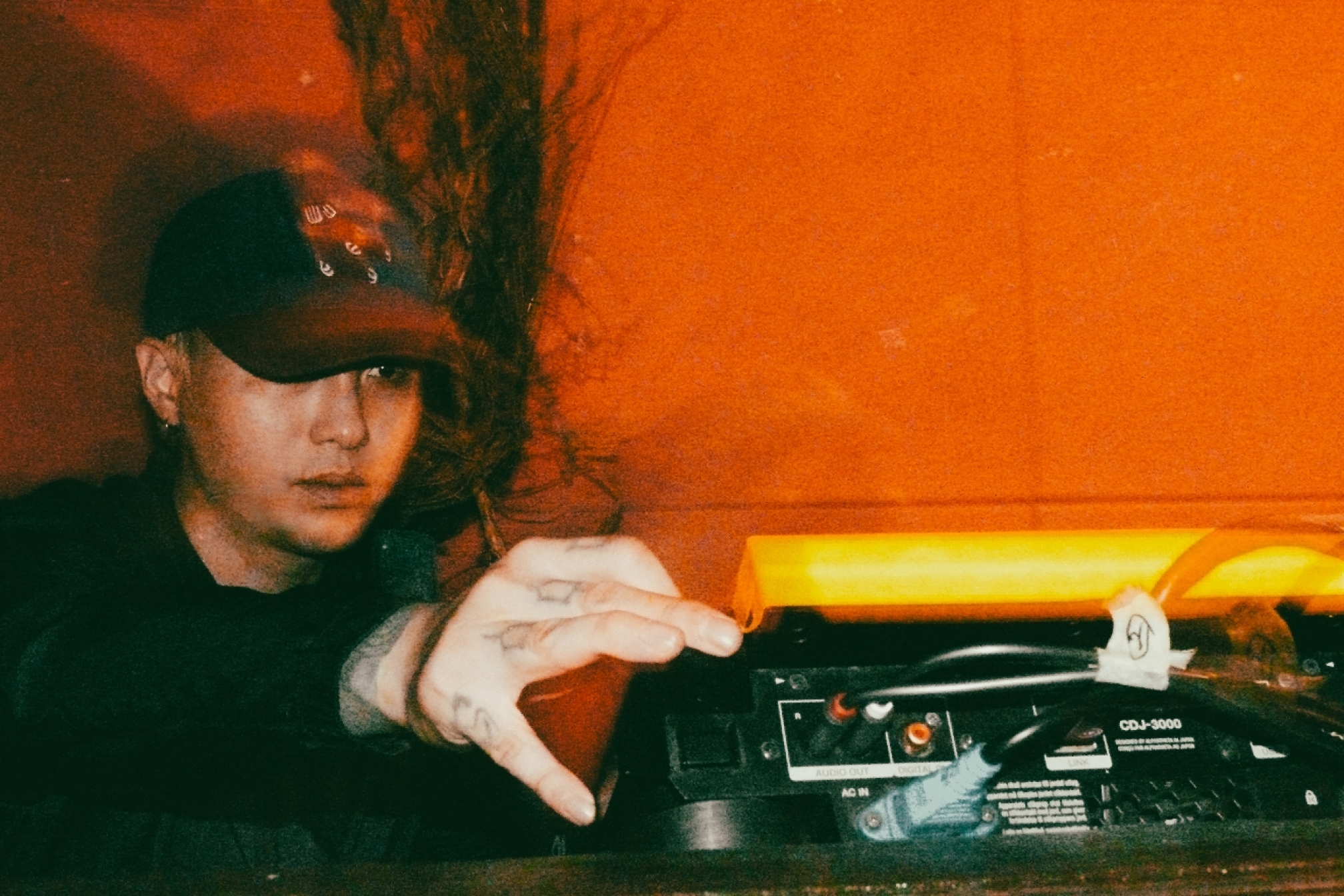
Slowmouth is sending honest signals through his Morsecode label
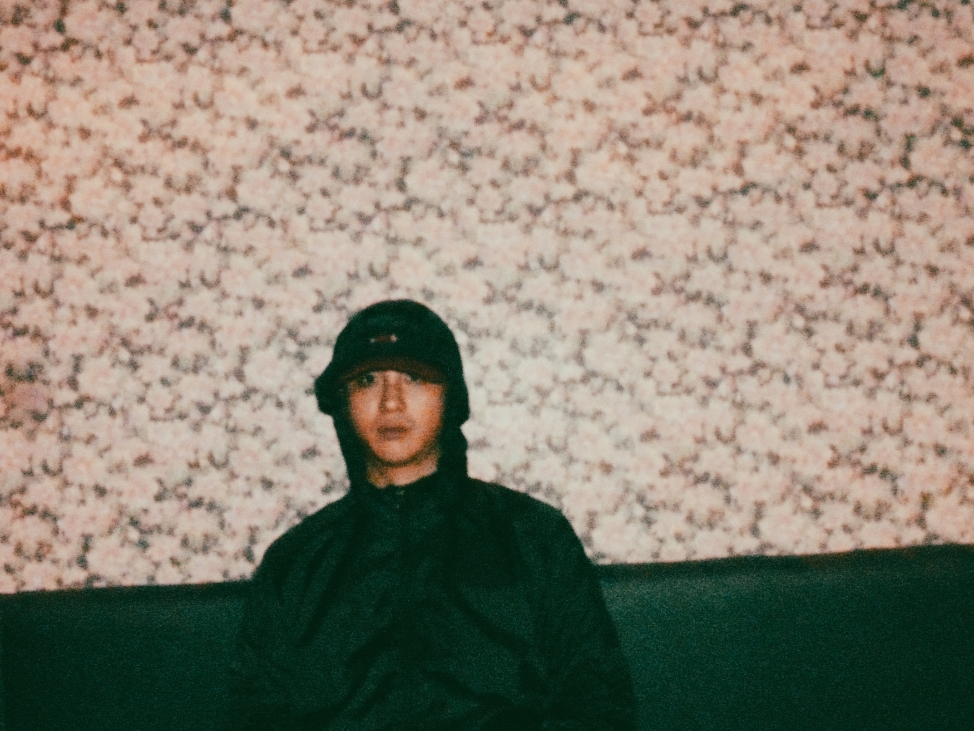
From Cheonan to Berlin, the producer reflects on humble beginnings, a growing imprint & Asia’s rising frequency; all after an anniversary event that was one for the books
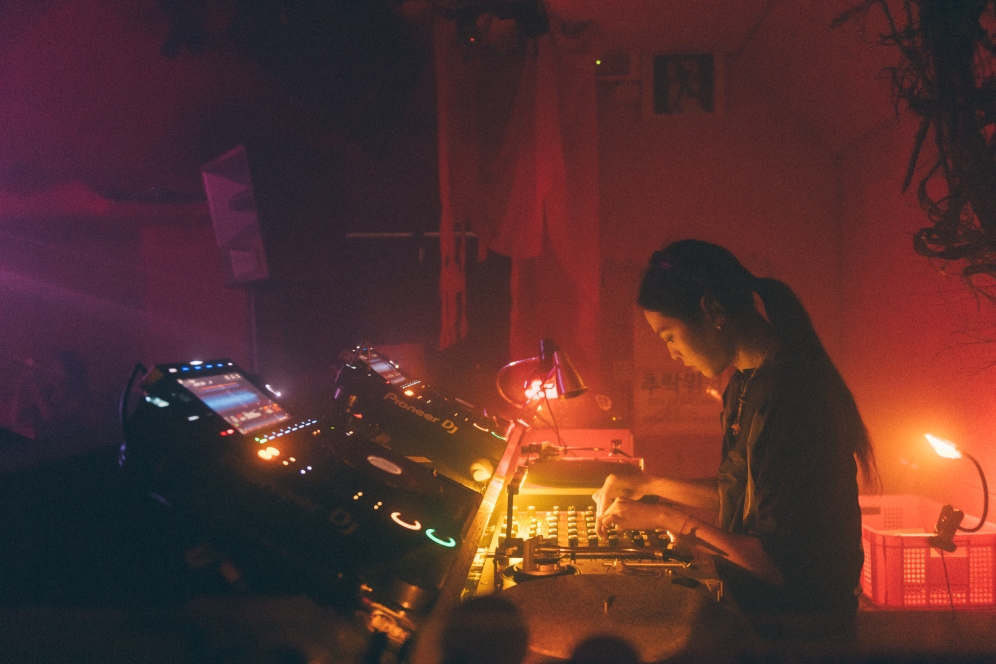
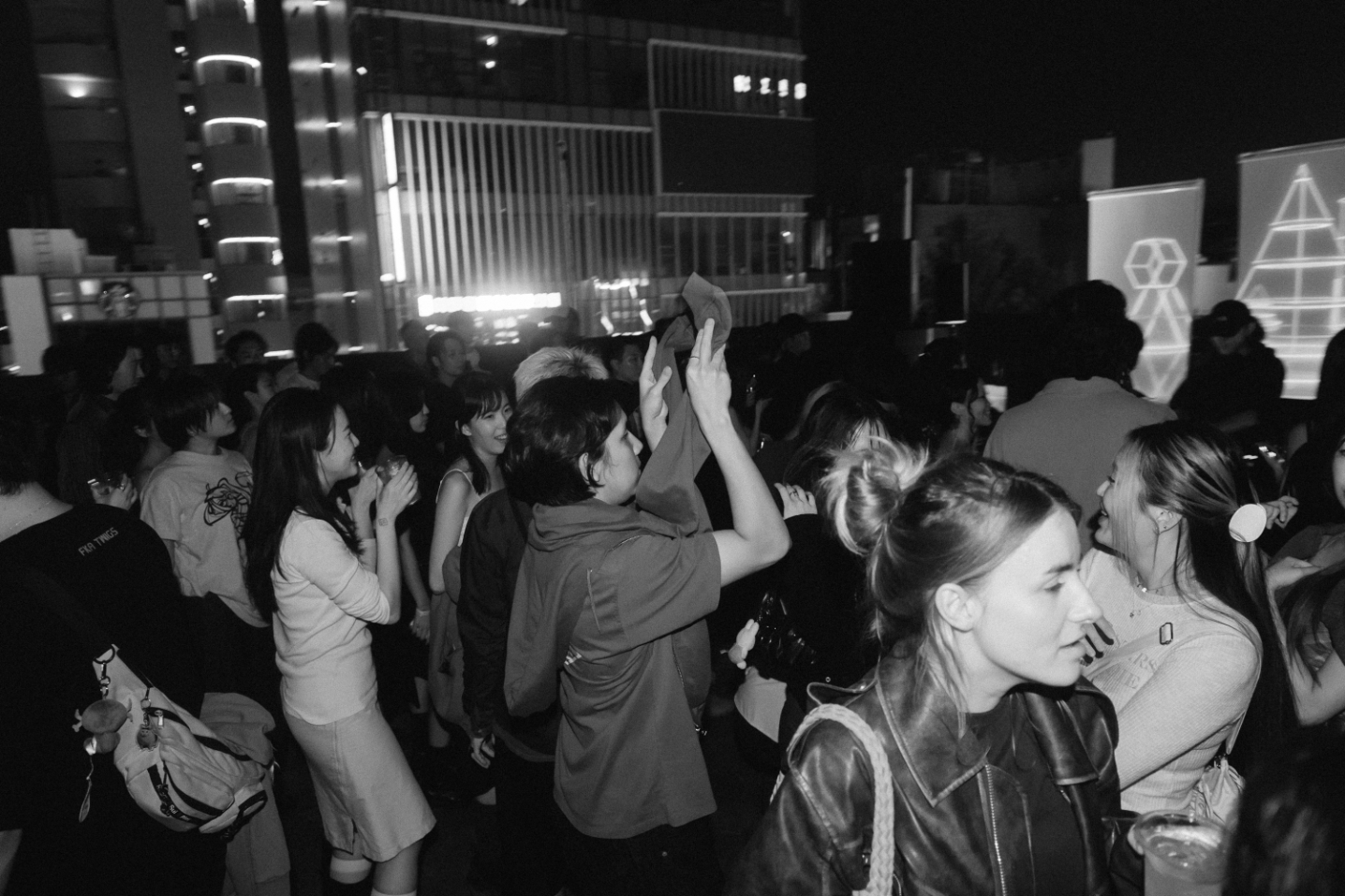
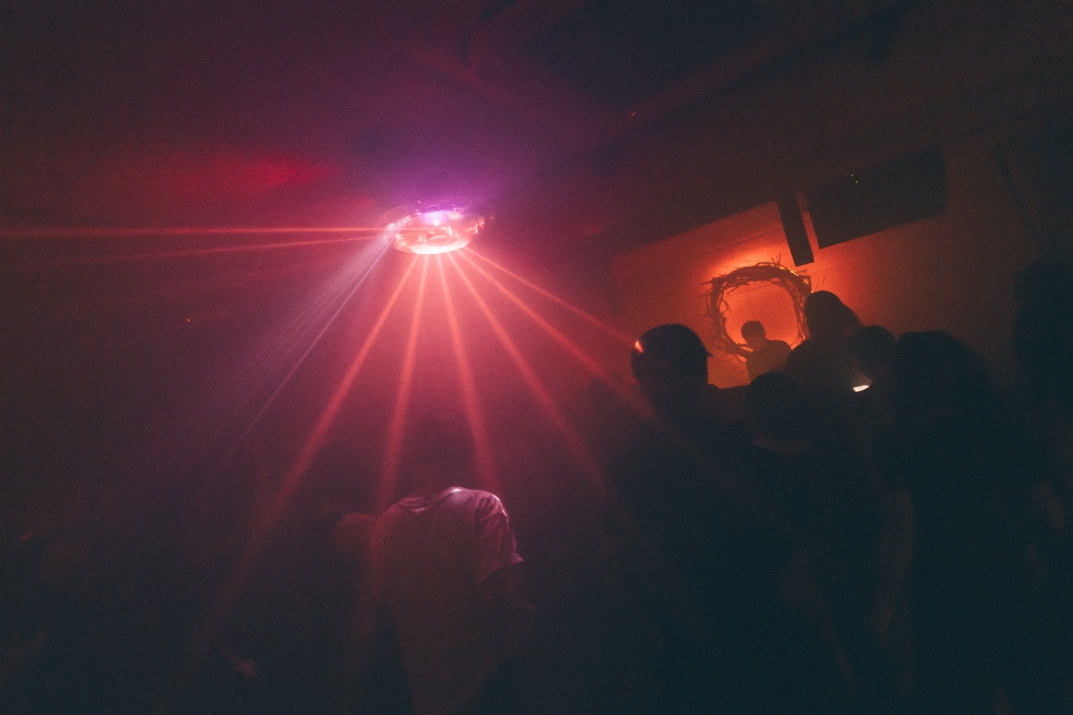
As soon as October started, along came Morsecode Records’ anniversary party—a festival-like event spread across two days and two floors, featuring 17 names from around the globe.
From South Korea, Thailand, Japan, Romania, and beyond, the beats of Morsecode Records echoed loud and clear, kick-starting the month under Seoul’s starry sky.
With weather shifting unexpectedly from rain to biting winds, Nyapi’s rooftop and main floor carried the soul and resonance of the three-year-old label founded by DJ and producer Slowmouth and Cliff Sequence—a label of humble origins but strong motivations, and whose character has travelled far beyond its birthplace of Cheonan, South Korea.
The event brought together names and sounds rarely found under one dance floor—a Berlin-style gathering that started on Saturday evening and ended late on Monday. Seoul Community Radio’s DJ Bowlcut, DOTT of More Rice Records, Direkt from Romania, Per Hammar from Sweden, and Slowmouth were among Morsecode’s extended family and friends.
The label’s anniversary was a reminder that scenes are changing and evolving; becoming more mature, more connected.
We spoke to the man behind it all; dive below.
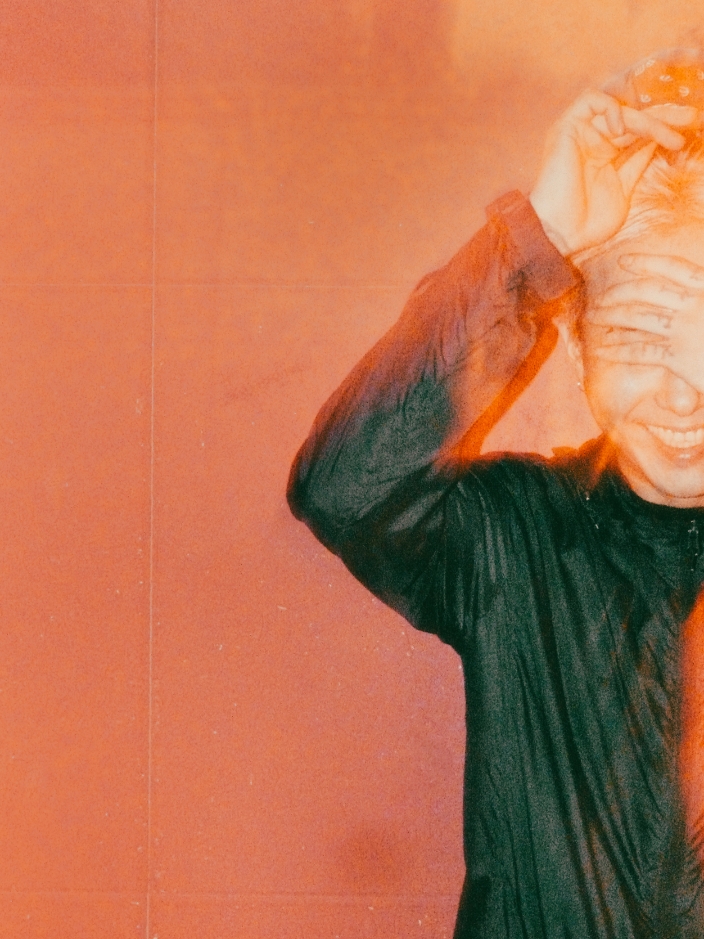
Tell me about growing up in South Korea and what rave culture looked like in your hometown—where was this, and what were the sound and mood?
When I first got into electronic music and debuted as a DJ around 2010, I was living in Cheonan, a small city near Seoul. At that time, Korea’s club culture was going through a transition—moving from traditional Korean nightlife to something closer to the European style. The scene was more diverse and deeper than many people think, but also very closed-off. Each local area had its own ecosystem.
I started young, and the club scene back then worked almost like a family—residency systems were strong, and you had to earn your place through time and experience. Looking back, that period shaped my entire understanding of community—everything that later became the foundation for Morsecode was born during those early years.
What’s the philosophy behind Morsecode, beyond the sound? What does the name symbolise for you?
For me and my friends, the essence of being an artist has always been about one thing—the music itself. We’ve been throwing small local parties in Korea for three years, always guided by that idea, and now it’s been another three years since Morsecode developed into a label.
When I was naming the label, I wanted something that represented clear and honest communication—communication without distortion or misunderstanding. I thought about what could symbolise that kind of connection, and Morsecode felt perfect. That’s why, even after it evolved into a label, I kept the same name from our original party—because the spirit behind it never changed.
Do you see the label as more of a community or a creative statement?
As I mentioned earlier, we didn’t start as a label or a brand—it all began as a small local party among friends. Over time, as we continued consistently and sincerely, it naturally evolved into something beyond a community—it became a space for artistic expression itself.
But the essence never changed. To me, Morsecode is still a place where people meet and ideas take shape.
What do you look for when signing or releasing music under Morsecode?
Honesty. Not in lyrics, but in sound. We look for people who make music for the right reasons—not for trends or hype, but for pure expression.
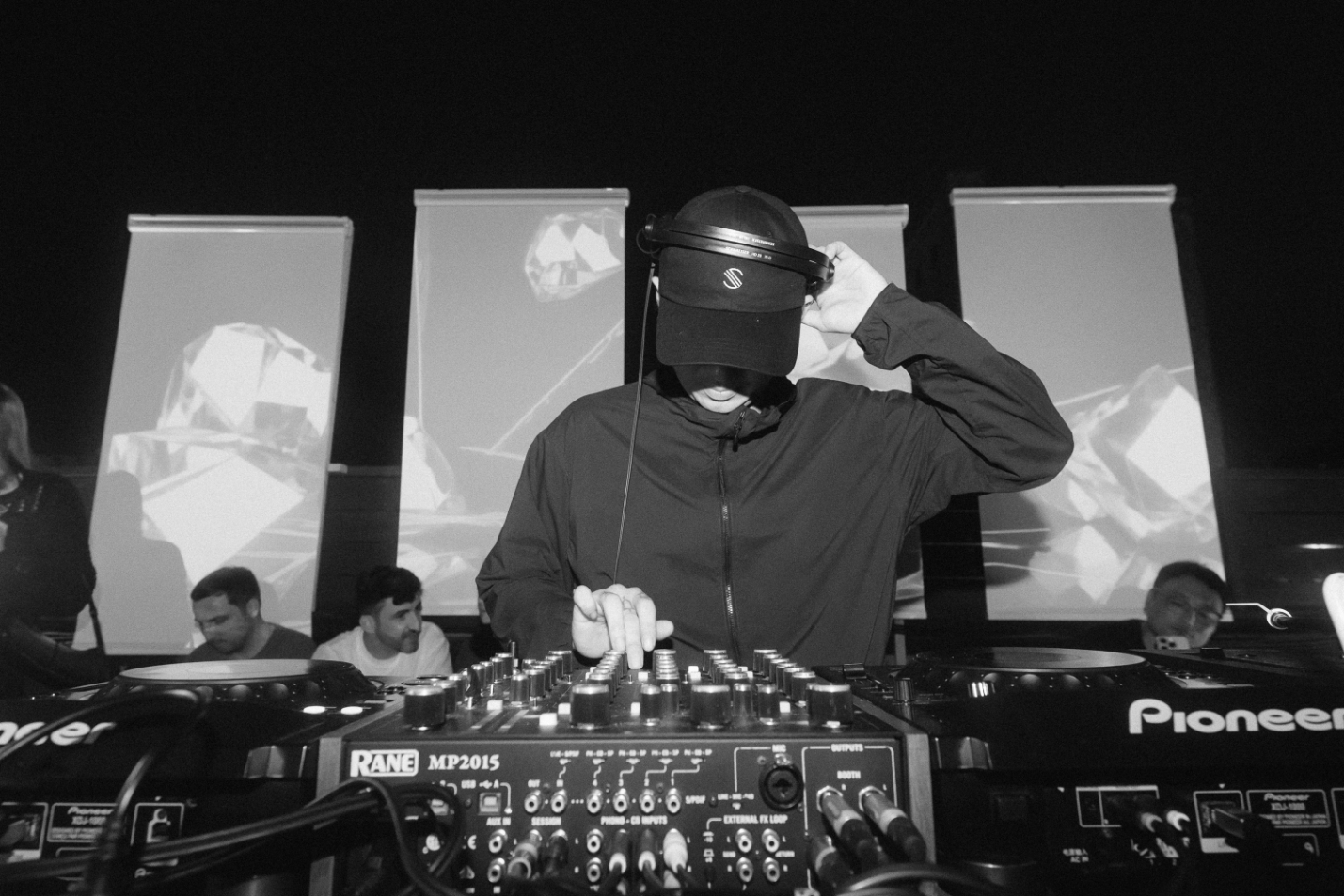
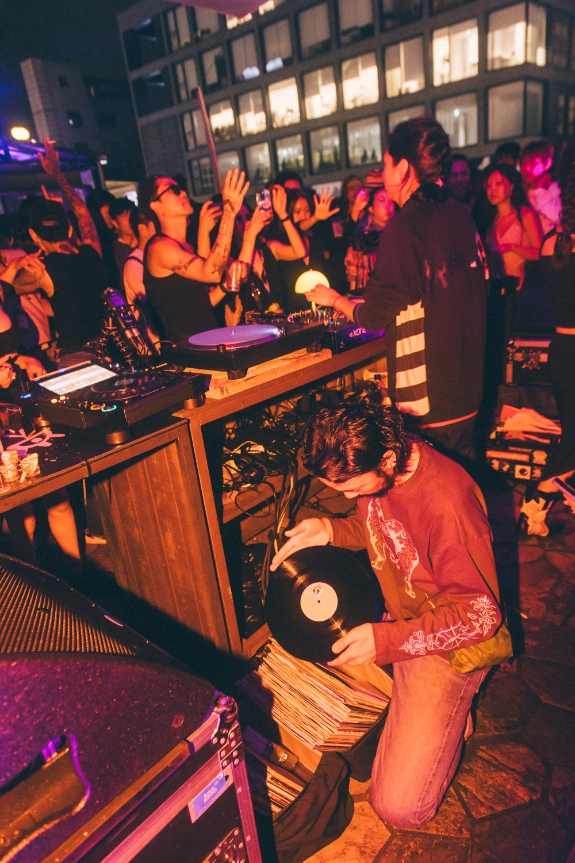
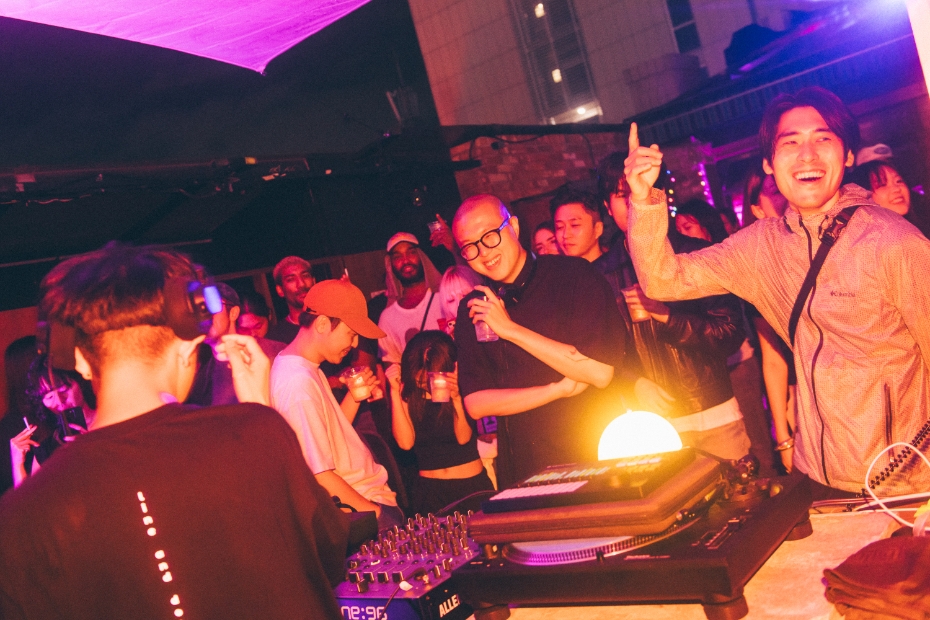
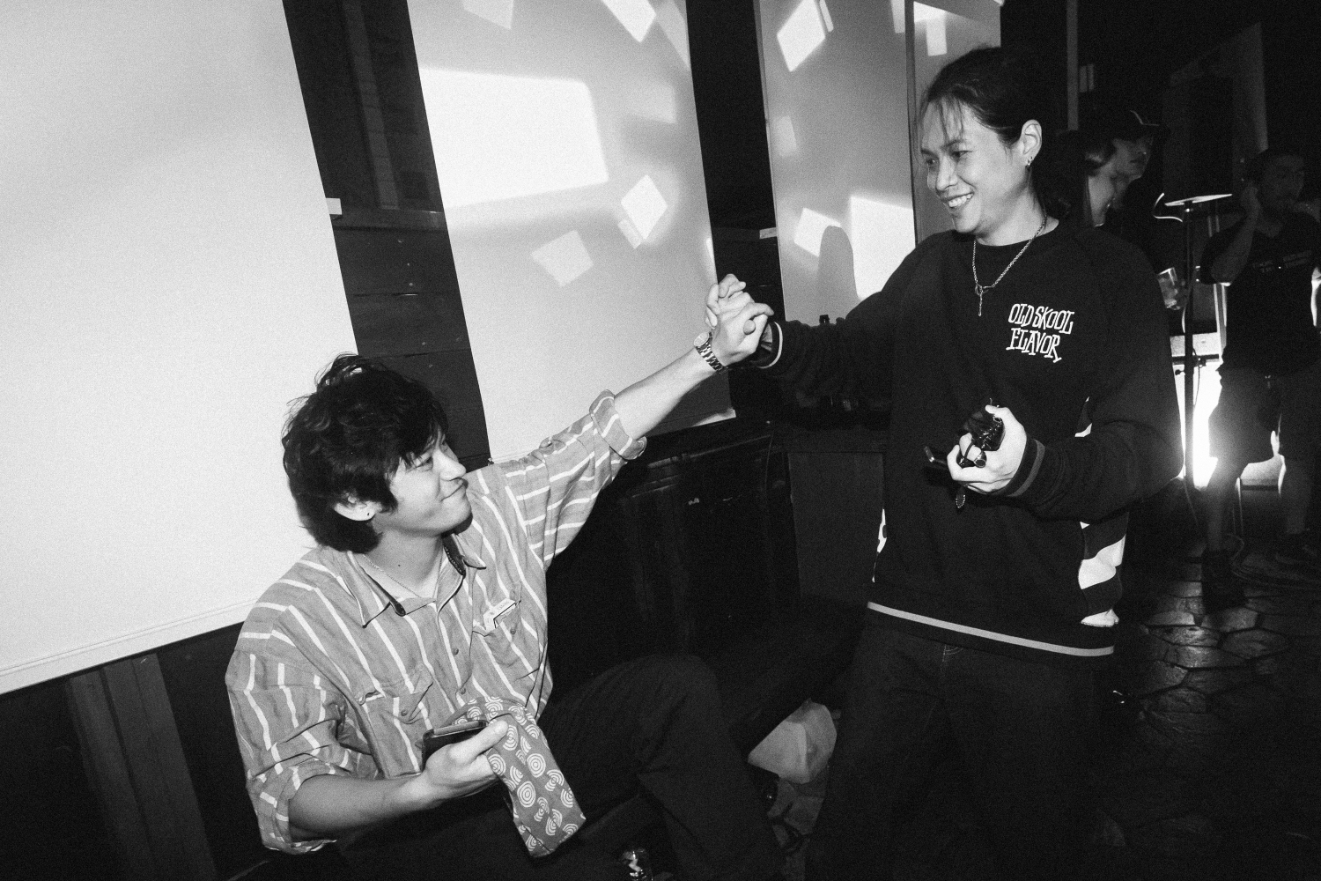
You approached the third anniversary like a mini-festival—conceptually, visually, musically. What story did you want the event to tell?
The third anniversary wasn’t just about celebrating time. It was a moment to reflect on the journey—the mistakes, the growth, and the people who stayed with us. We kept the concept simple and honest. The visuals were minimal, the sound was raw, and the emotions were real.
Every detail was designed to bring people a little closer to one another.
Read this next: The Mixmag Asia Clubbing Guide: Seoul
How did you curate the line-up, especially when balancing local and international acts?
When curating the line-up, I didn’t think in terms of local or international. What mattered was whether the artists shared the same vision and understood the same language of sound. Most of them are friends I’ve connected with over the years—some from Seoul, others from around Asia.
We’ve grown together, inspired one another, and built trust through music. So the line-up wasn’t about contrast; it was about connection. By the end of the night, it didn’t feel like different scenes coming together—it felt like one community sharing the same taste.
What do you hope people took away from that night?
Even though it was a fairly big event with close friends, our message wasn’t grand. We simply wanted people to feel something real. Perhaps to ask themselves, “What is the essence of a party?”. Hopefully, they left with new inspiration from this community.
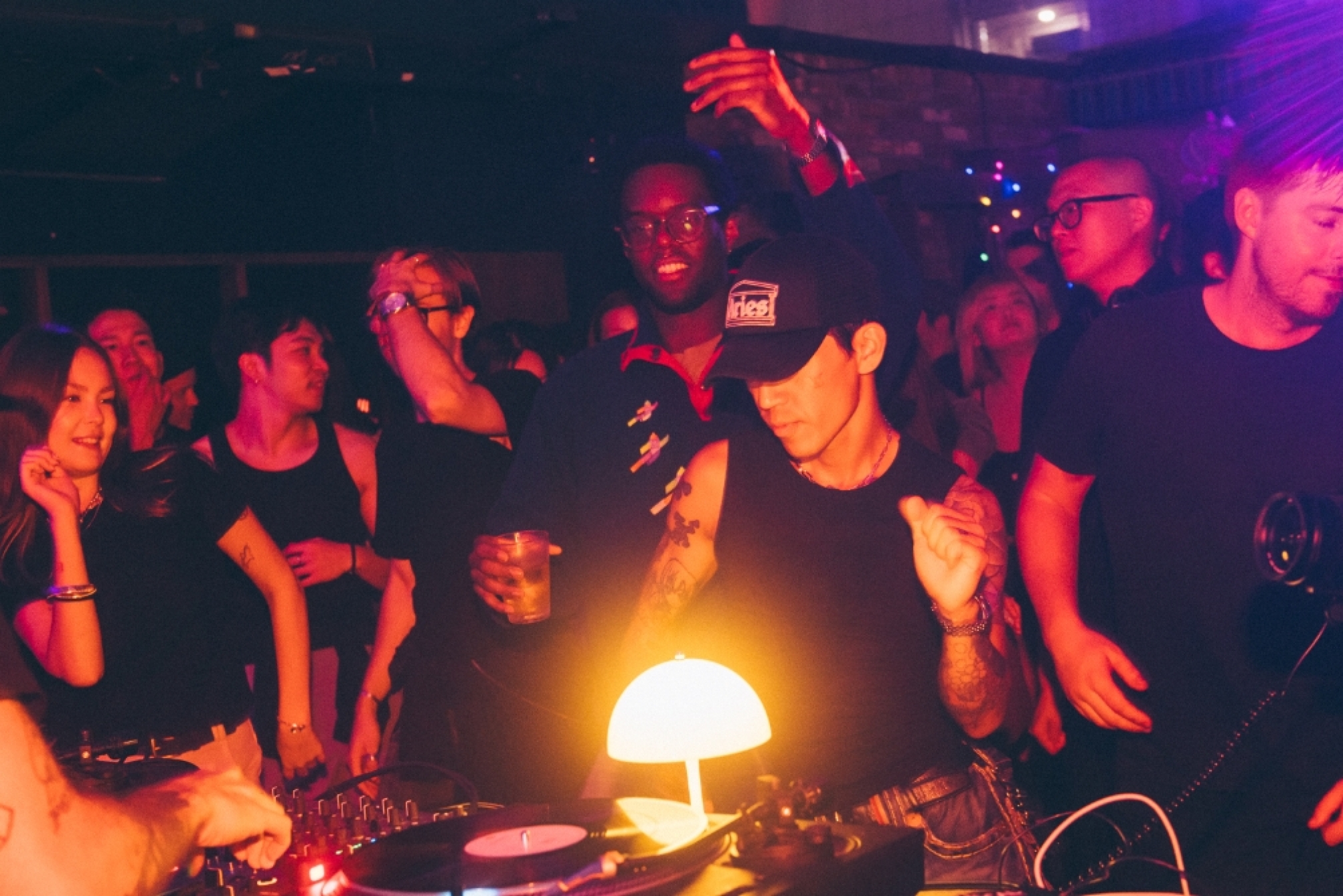
Where do you see Korea’s minimal and underground scene heading next?
I think the Korean underground scene is becoming more mature. People are starting to care less about trends and more about sound, atmosphere and intention. It’s not about getting bigger—it’s about getting deeper.
The new generation values subtlety, patience and honesty, which is a very good sign. The scene doesn’t need to explode to grow—it needs to keep building small, strong communities that stay true to their sound. That’s the future—quiet, but powerful.
Do you think Seoul is connecting more deeply with other Asian scenes?
Definitely. The Asian underground scenes are becoming more connected every year. It’s not just about travelling or collaborations—it’s about understanding the same language of energy and intention.
Whether in Seoul, Bangkok, Tokyo or Jakarta, there’s a shared mindset now: people are building things slowly, honestly and together. I see Morsecode as part of that network—a small signal linking one city to another. It’s not about leading or following—just staying connected through sound.
Read this next: From within and without: the sound of ffan’s quiet revolution
How do you see the role of labels like Morsecode in that regional exchange?
I don’t think labels like Morsecode are here to lead the scene or define a sound. It’s more about keeping the conversation going—sharing small signals that connect people who care about the same things. A label can act as a quiet bridge between cities, artists and communities. It gives form to ideas that might otherwise stay invisible.
For us, Morsecode is simply a way to send honest messages through music—to remind people that we’re all part of the same taste, no matter where we are.
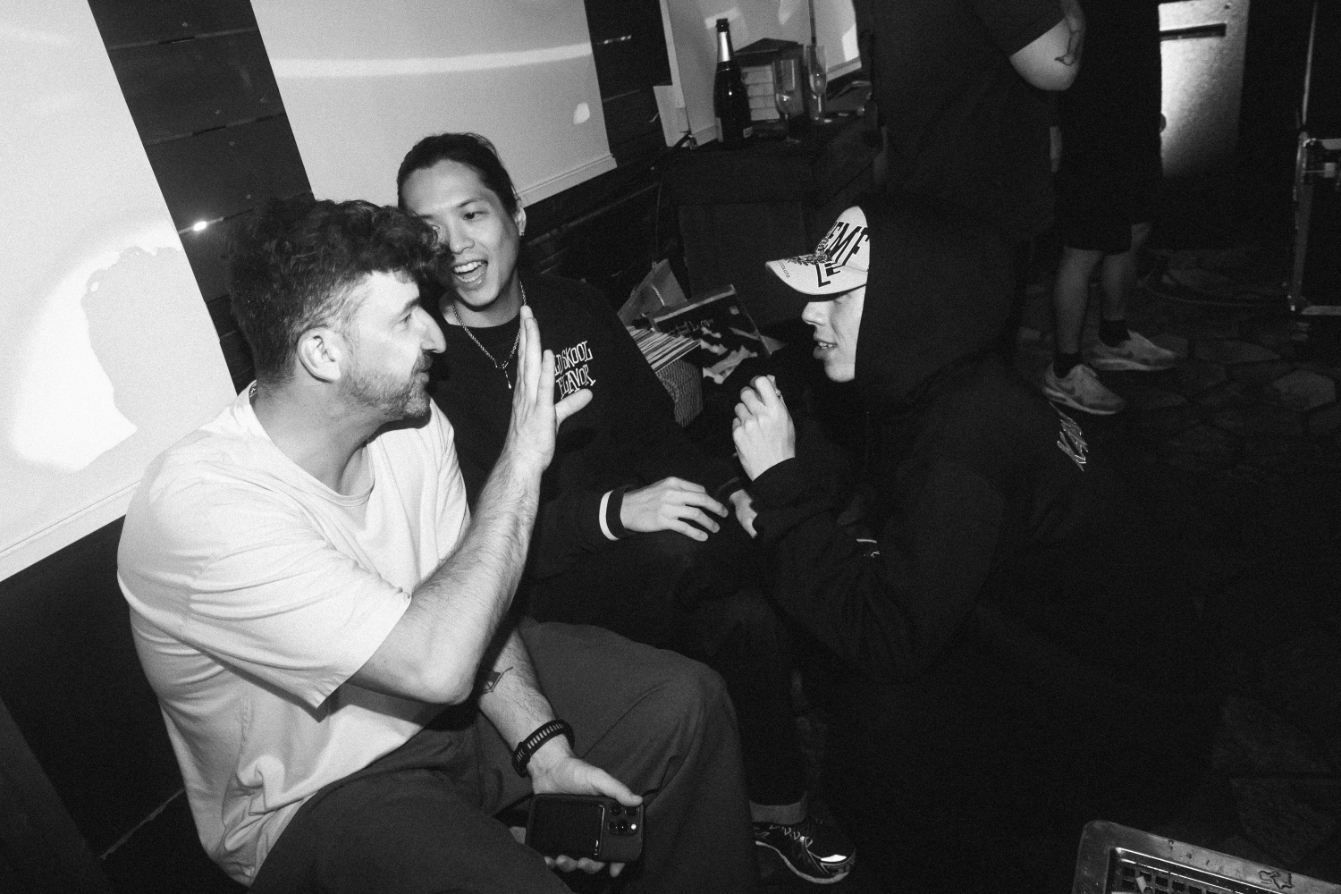
Has travelling across Asia influenced your production or DJing?
Travelling across Asia changed a lot for me. Every city has its own taste and emotion—the crowd in Bangkok reacts differently from Seoul, and Tokyo has a completely different sensitivity again. Experiencing that made me more open. I stopped trying to control every detail and started trusting the natural flow—in both DJ sets and production.
Now I care less about perfection and more about feeling. I just want to create moments that feel honest, no matter where I play.
Has that influenced Morsecode’s sound direction?
In the beginning, Morsecode was very local—built around our small community in Korea, shaped by our own taste and experiences. But travelling and connecting with artists from different cities changed the way I listen. I realised that sound doesn’t have to belong to one place. It’s more about emotion and intention than location.
Read this next: Excursions: IYAAKI is a judgment-free space in Seoul to celebrate culture, identity & queerness
What does the next chapter of Morsecode look like in your new city?
Moving to a new city feels like starting from zero again—in the best way. It’s slower here, more grounded, and that gives me space to think about what really matters. The next chapter of Morsecode is about building something physical—a record bar, a record shop, a place where people can truly meet, listen and talk.
We’ve always believed that the essence of this community is real connection, and this new city feels like the right place to return to that. So this chapter isn’t about expansion—it’s about creating something tangible, where sound, space and people exist together—quietly but truthfully.
[Images via Yabakinoko & Morsecode Records]
Daniela Solano is a freelance writer for Mixmag Asia, follow her on Instagram here.
Cut through the noise—sign up for our weekly Scene Report or follow us on Instagram to get the latest from Asia and the Asian diaspora!
