


 Interviews
Kaishandao 开山刀: Bridging Aotearoa & Asia
Writer Martyn Pepperell speaks with an artist, blogger and promoter with two feet proudly at two opposite ends of the globe
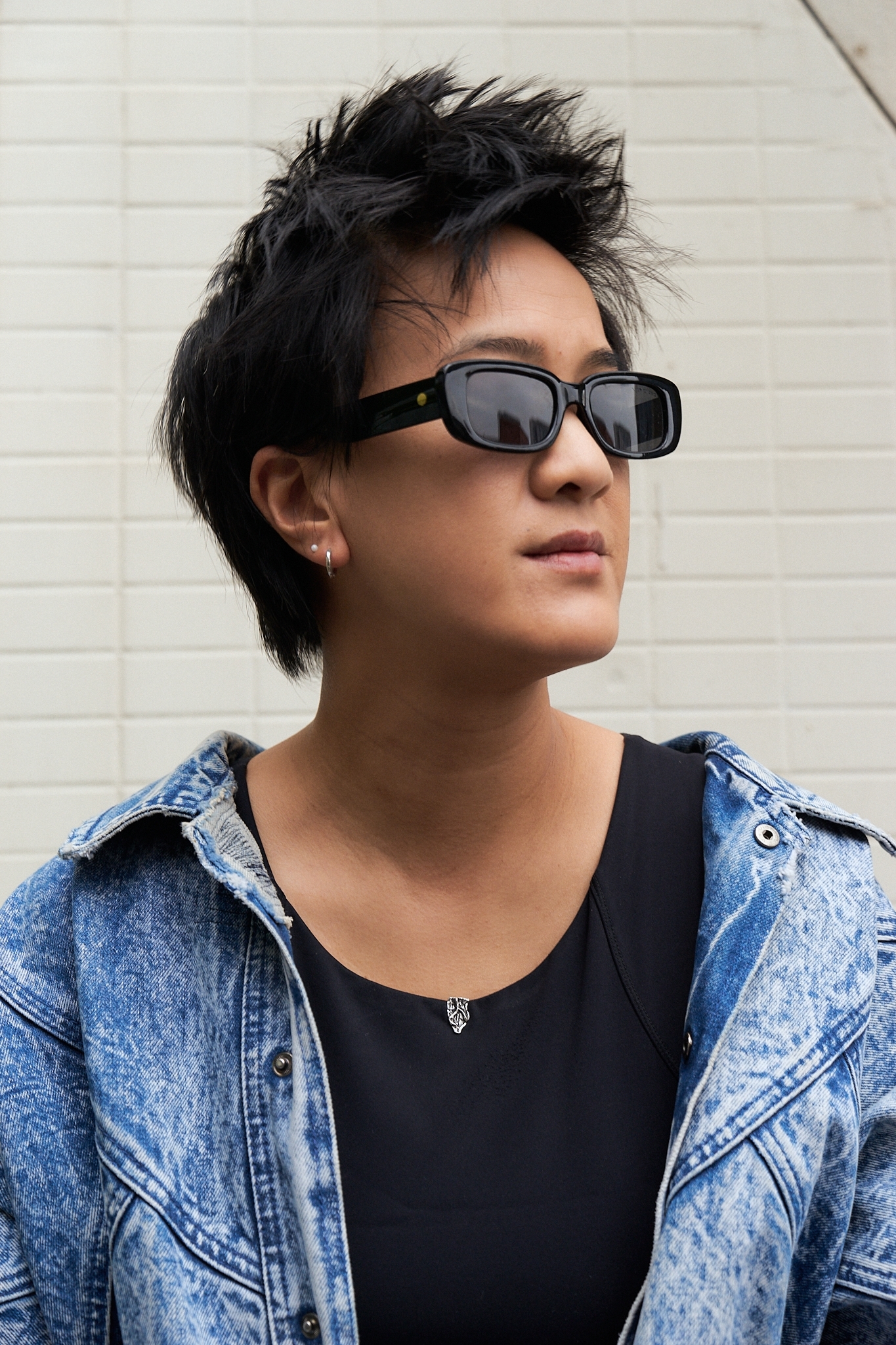
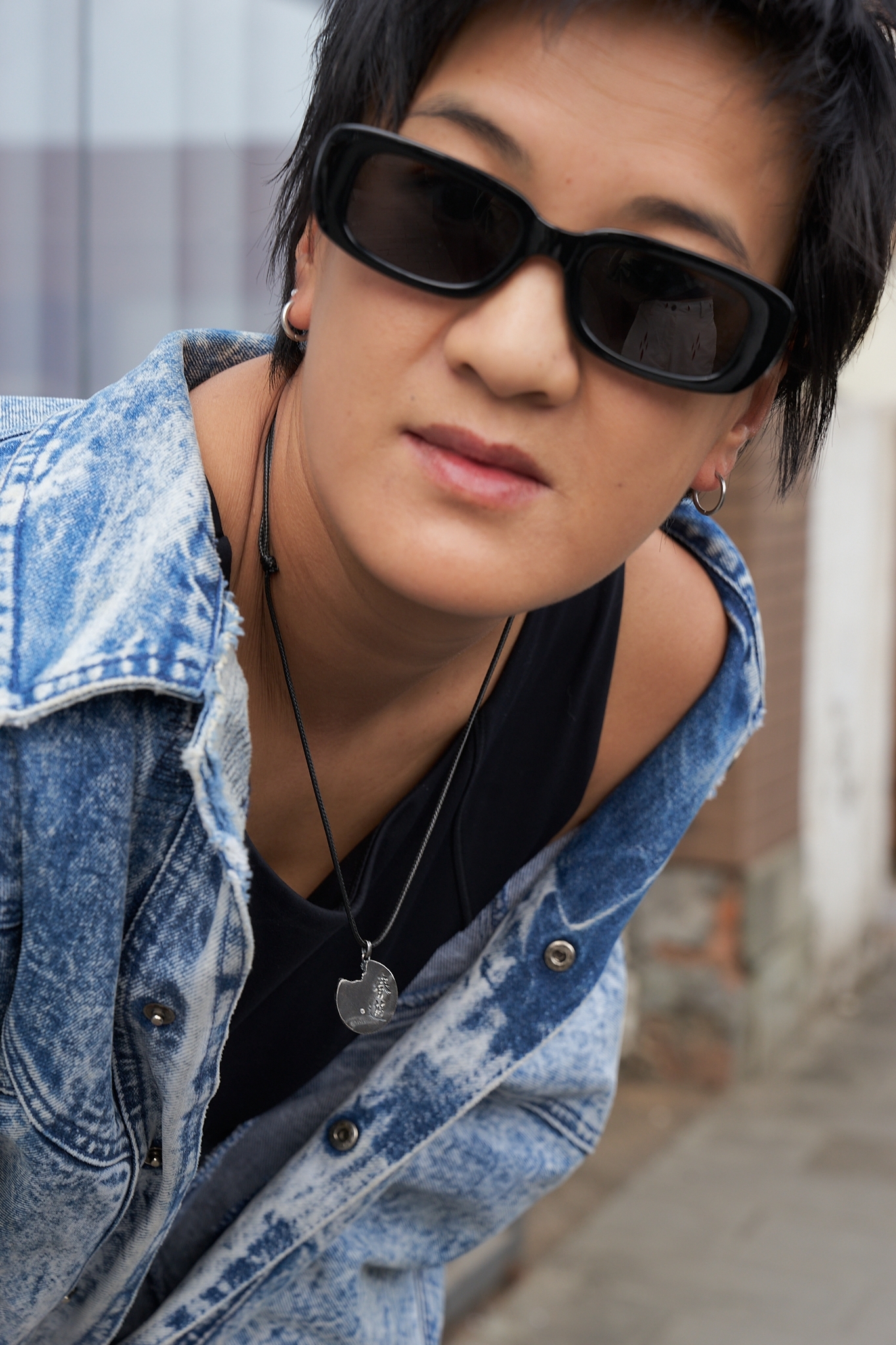
Kristen Ng is a Chinese New Zealander with family roots in Taishan, Guangdong. Since 2014, she’s been based in Chengdu, the capital of southwestern China's Sichuan province, where she works on a range of music projects, including Kiwese, Kaishandao 开山刀, and Chengdu Community Radio.
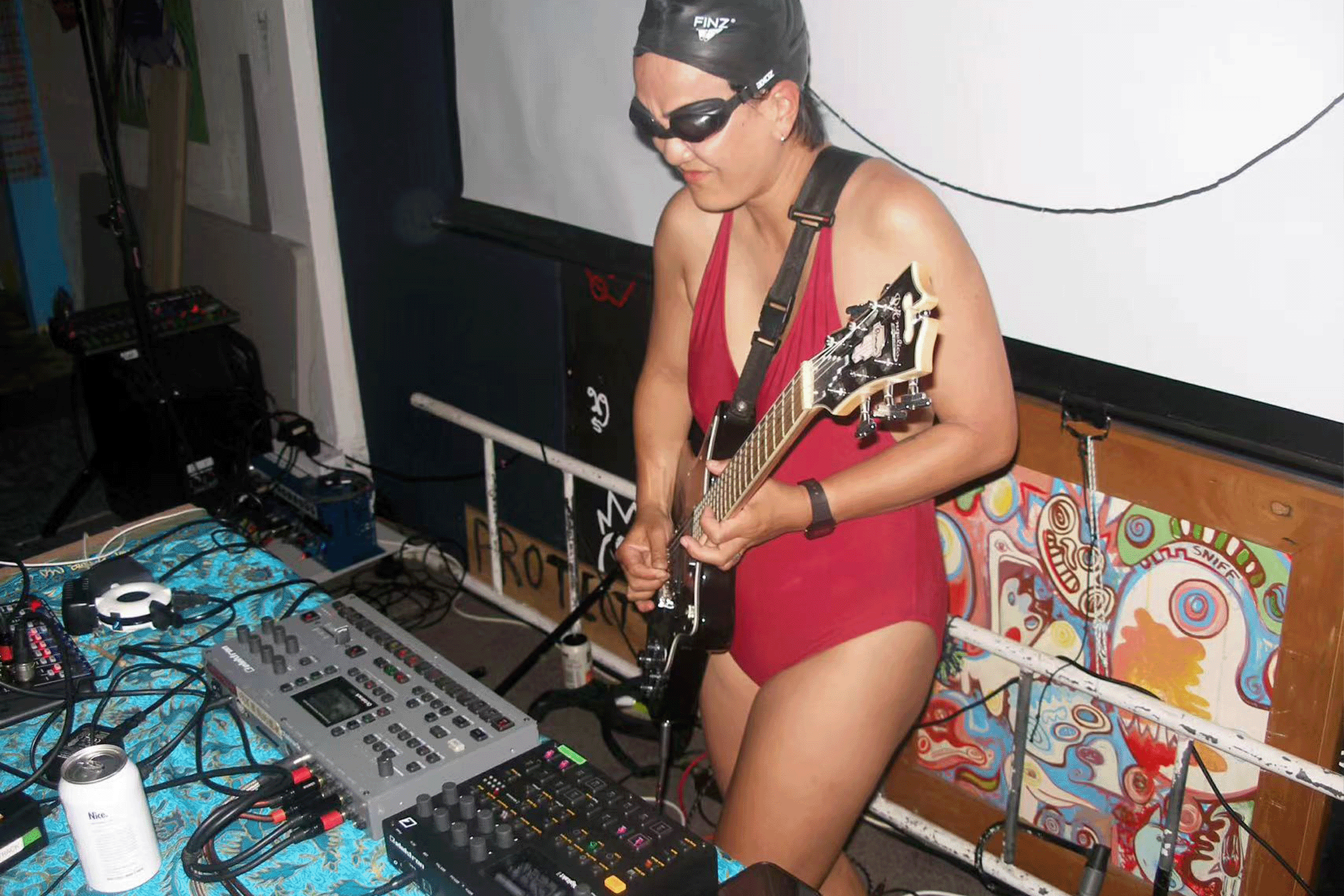
Raised in Te Whanganui-a-tara, Aotearoa (Wellington, New Zealand), Ng spent her teenage years playing guitar, busking in the inner-city, and working odd jobs along Cuba Street. By the time she finished high school, she was deeply immersed in the city’s underground and alternative music, arts and culture communities. After moving to China, she continued to explore the disparate worlds of DIY music, but this time around, she felt increasingly drawn towards club culture and dance music as well.
In 2013, she launched Kiwese, a music blog-turned-independent touring label and promotion agency. Ng’s vision for the platform was to help foster meaningful connections between China and Aotearoa New Zealand through music, travel, and culture. Since 2015, she has toured Orchestra of Spheres, The All-Seeing Hand, BIRDPARTY, Womb, Strange Stains, and Vera Ellen across China.
Read this next: Mixmag Asia Radio 167: OIL Club 8-year anniversary with Sulk, yueming b2b NOSCOPE720 & Kaishandao
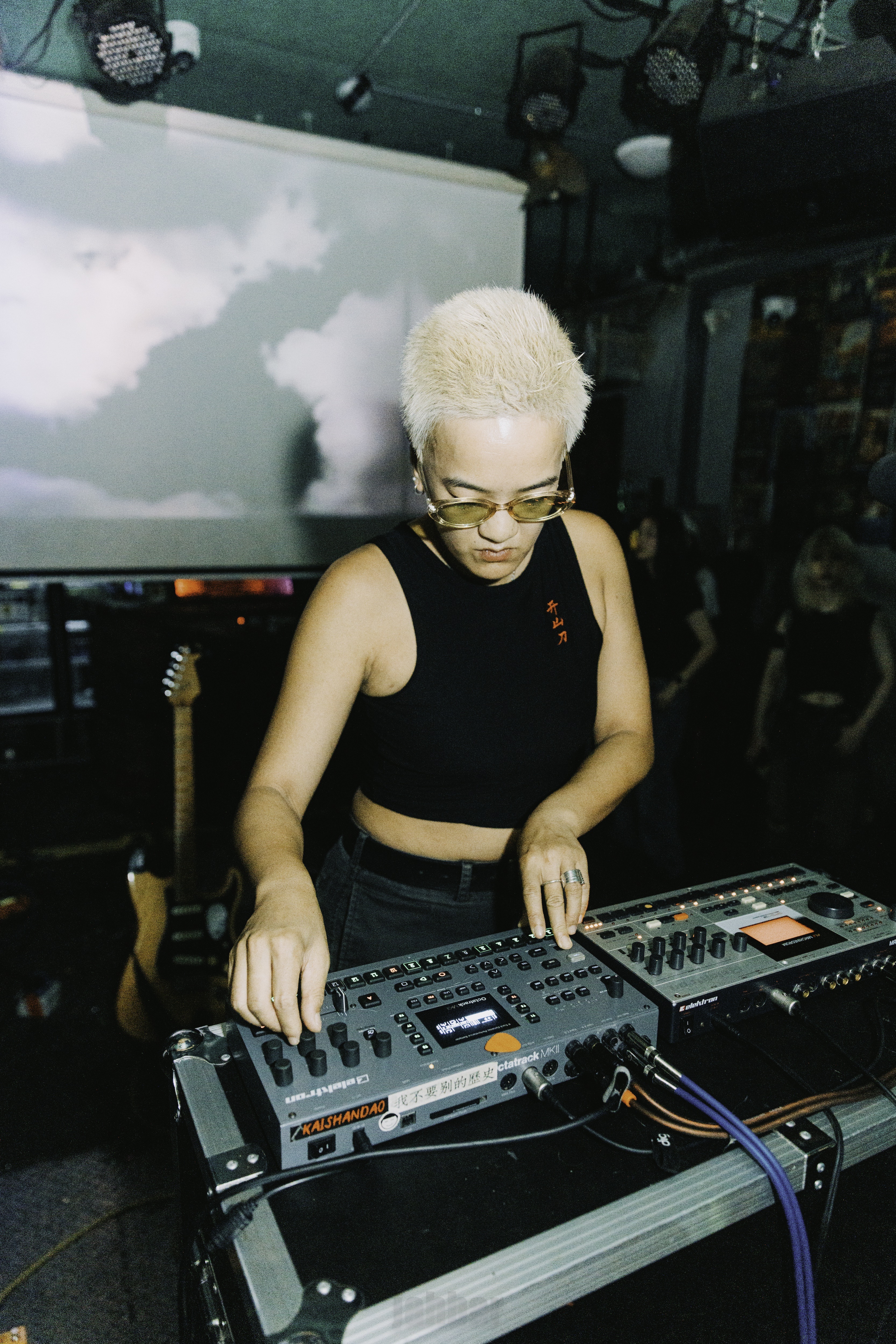
For the last 9 years, Ng has also recorded and performed live electronic music as Kaishandao 开山刀, building a following in China, Aotearoa, and further abroad. Working within the slipstreams between live instrumentation, machine beats, field recordings and synthesised sounds, her music, as documented on her two EPs, Homeland (2019) and Aunty Dubs (2026), is a kaleidoscopic wonderland of house, techno, IDM, 2-step, breaks, and digital dub gestures. Never forgetting her roots, she imbues her performances with a post-punk / dance-punk strut and the feeling of those nights out that don’t finish until lunchtime.
Inspired by Chengdu’s burgeoning club music scene and DJ culture, Ng teamed up with her friend Aymen to form Chengdu Community Radio in 2019. Across their archives, you can listen to a wealth of local documentation.
Recently, Ng launched KIWESE WORD by KAISHANDAO, a Patreon page for sharing writing, reflections, touring advice, hot tips, and hot takes. In mid-March, MIXMAG ANZ caught up with her over a video call.
WHERE ARE YOU AT THE MOMENT? SET THE SCENE.
I’m currently sitting on the street in Shibuya, Tokyo, while I’m waiting for a beautiful automatic washer-dryer to do my laundry. I’ve been here for a couple of days. I’m on this whirlwind Japan tour. I’m playing at a brand new club called ORD. near Daikanyama's Yarigasaki crossing. So far, I’ve played at Club Daphnia in Osaka and A-Bar in Kyoto.
I managed to get over to Room 303 Radio on Tuesday, which was a cool experience. They’re inside a little glass cube in the entrance of the WPÜ hotel in Shinjuku. The crew who run it are really nice. It was cool to do something different in Tokyo.
This weekend, I’m flying back to Shanghai to start the mainland China tour I’ve organised for Night Lunch. The boys arrive on Monday, and we’ll get into it on Wednesday.
TELL US A BIT ABOUT NIGHT LUNCH!
They’re a noise music duo from Ōtepoti Dunedin. I first met them at the Camp A Low Hum festival in 2024, when they were playing the lagoon stage. I met Liam Clune because I thought his cap was really funny and cool. It was a blue hat with the New Zealand flag on it. We’ve been in talks since last January about touring China.
After I toured the noise rock group Dale Kerrigan, they went back to Ōtepoti and couldn’t shut up about China. It’s going to be really fun and cool. I’m excited to tour them.
WHEN YOU WERE A TEENAGER, YOU WORKED AT SLOWBOAT RECORDS ON CUBA STREET IN TE WHANGANUI A TARA FOR A BIT. WHAT WAS THAT LIKE?
I think I was hired to work at Slowboat because I used to busk outside there every day with my guitar. I think the co-owner, Jeremy Taylor, had a plan to get me in the shop to get me off the street and shut me up. That was incredibly formative, getting to polish the records and make everyone cups of tea.
I had a few jobs on Cuba Street. I used to play jazzy folk music at the old French Cafe to entertain the customers. I started playing ukulele in primary school and had guitar lessons during high school. When I got into the school music room with amplifiers and electric guitars, I was 100% there for it.
WHAT DID YOU DO AFTER YOU FINISHED HIGH SCHOOL?
I had a gap year in the UK in 2009. I’d been head girl during my final year at high school, and I think I needed a change of scene. I wanted to explore and see what was out there. I went to Reading Festival, and saw The Pixies play at the 02.
That was when I was introduced to dubstep. I was hanging out with these dudes at the pub who were really into Casper, Rusko, Jack Beats and Skream. I got into it through driving around with them. I went to Fabric during that trip, which was my first real exposure to club culture. Prior to that, I was listening to bands or going to experimental music gigs at Fred's in Wellington.
I hadn’t really been exposed to the club side of electronic music yet, but I did listen to dance-punk bands who had electronic elements in their music, like So So Modern. They were hugely influential on me growing up, as were all the all-ages shows A Low Hum were organising.
After I came back, I started studying Chinese and English literature at Victoria University.
Read this next: Behind the Lens: Kirill Sokolov is chasing the chaos & intimacy of China’s underground
WHY DID YOU START YOUR KIWESE BLOG, AND WHAT HAS IT EVOLVED INTO SINCE THEN?
Kiwese started in late 2013 as a WordPress blog. It’s still a WordPress blog, but it’s also evolved into an independent touring label and promotion agency. I use it to tour New Zealand bands through China. I hope to tour Chinese bands through New Zealand eventually. The blog is a place where I can post writing, videos, photos, and reviews.
After university, I moved to Beijing and based myself there. All these tiny underground bands from New Zealand, like Carb On Carb and God Bows To Math, were coming over and doing these mega-long tours. I found it really fascinating and inspiring. Kiwiese became a place where I could tell stories about all of this.
There was also this bigger thing going on. The New Zealand dairy co-operative, Fonterra, had moved to China, and New Zealand was really hamming up all this tourism and dairy rhetoric there. I felt like there was a lot of narrative and focus on the economy and tourism in the links between New Zealand and China, but I didn’t see many cultural links. I guess Kiwese evolved as an idea to fill those gaps.
HOW DID YOUR BACKGROUND IN DIY BAND MUSIC TRANSLATE INTO BEING INVOLVED IN DANCE MUSIC IN CHINA?
That’s a good question. It really happened in Chengdu. After I finished my year in Beijing, I didn’t want to leave China. I wanted to get fluent in Mandarin, and twelve months just wasn’t enough.
I moved to Chengdu to continue my studies. That was when I was exposed to the Poly Center. It’s a high-rise building in downtown. It’s 21 stories tall, but each floor is two floors, so it’s basically 42 stories tall. It’s a big ass building. When I moved there in 2014, there were bars and nightclubs on every story. It was a nightlife city in a building. You had people from every walk of life getting in the elevators together.
TELL US MORE ABOUT THE POLY CENTER?
The Poly Center existed this way from 2013 until 2017, when it was shut down because there was too much heat on it. I happened to arrive in Chengdu right in the middle of a golden age. My friends who were involved in music took me there, and that was it. On the top floor, two clubs became my second homes: TAG and Here We Go, the original nightclub in the Poly Center.
I spent every Friday and Saturday there. Sometimes on Wednesdays and Thursdays as well. I loved experiencing the sound systems and the familiarity. I’d meet people, see them again the next weekend, and build rapport. Being able to listen to music and dance all night long was still quite new to me. I hadn’t really had the experience of regularly attending a club and being part of something like that before. It was super inspiring.
Read this next: Behind the lens: a glimpse of Chengdu's unabashed underground scene
HOW DID YOU GO FROM THE DANCEFLOOR TO PRODUCING AND PERFORMING LIVE ELECTRONIC MUSIC AS KAISHANDAO?
I really wanted to start a live band. I used to take part in these freestyle jams at Steam Hostel and Morning. Those were the two other bars I went to. Eventually, while I was back in Wellington on a trip, I picked up a Korg Volca Sample machine from Music Planet. Shout out, Pete Jamieson. I liked playing guitar, but I thought it would be cool to play my own beats as well.
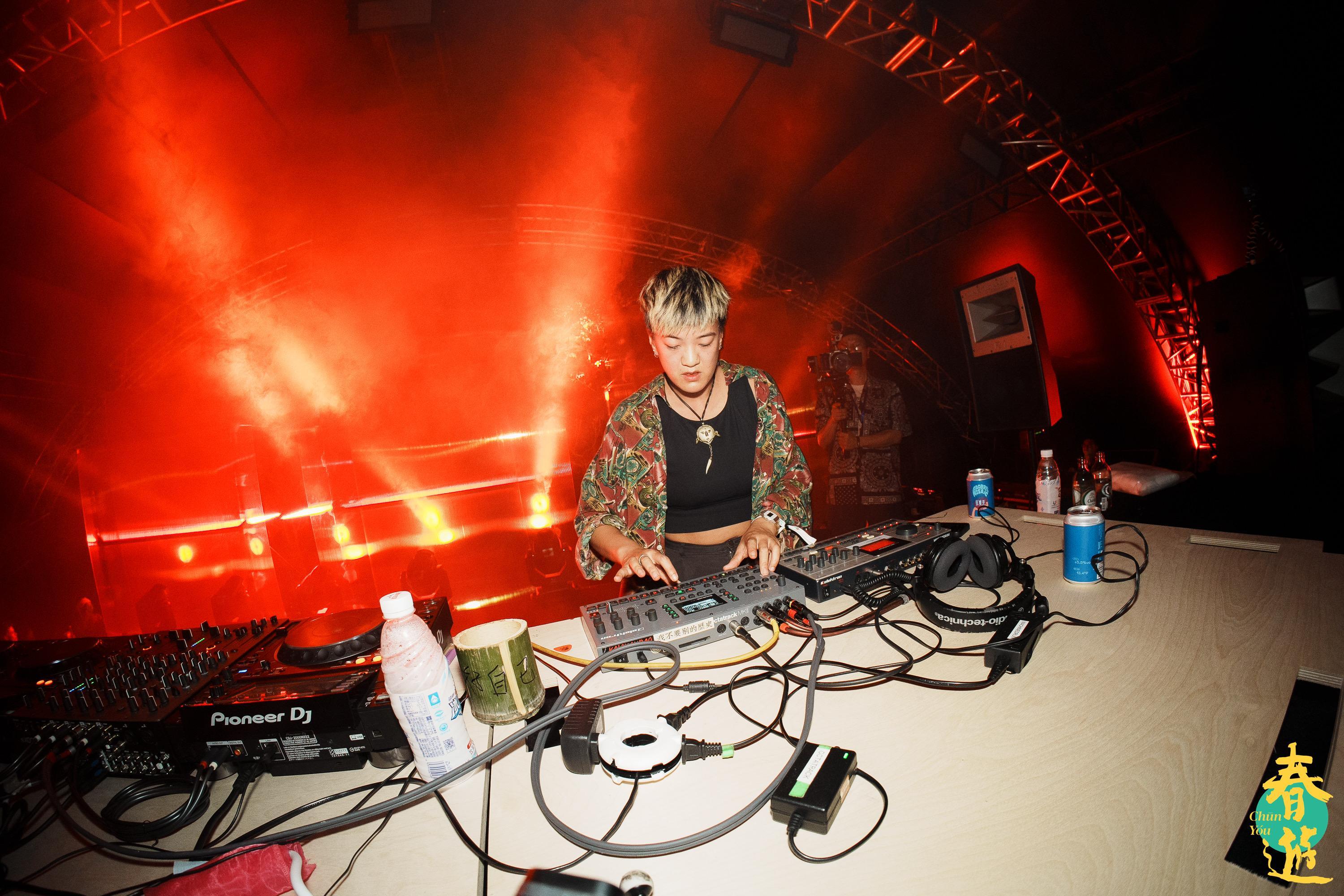
It was always my dream to play live at TAG. When I started, I was playing at dive bars and live houses. Eventually, I was able to play at TAG. At the time, live electronica sets weren’t super common in Chengdu. It was more about DJ sets. Having someone on the floor with a guitar was something really new. I’d been active in the club scene as a dancer for a long time by then, so being able to hear my stuff on a big sound system was amazing.
At the time, I was working as the events manager at a venue called Nu Space. I was using it as a place to demo my live set. I was also programming these really low-stakes audiovisual nights. In 2019, the rules changed. We weren’t able to just run these shows after that. We needed to have permits. After that, I gravitated more towards performing in clubs.
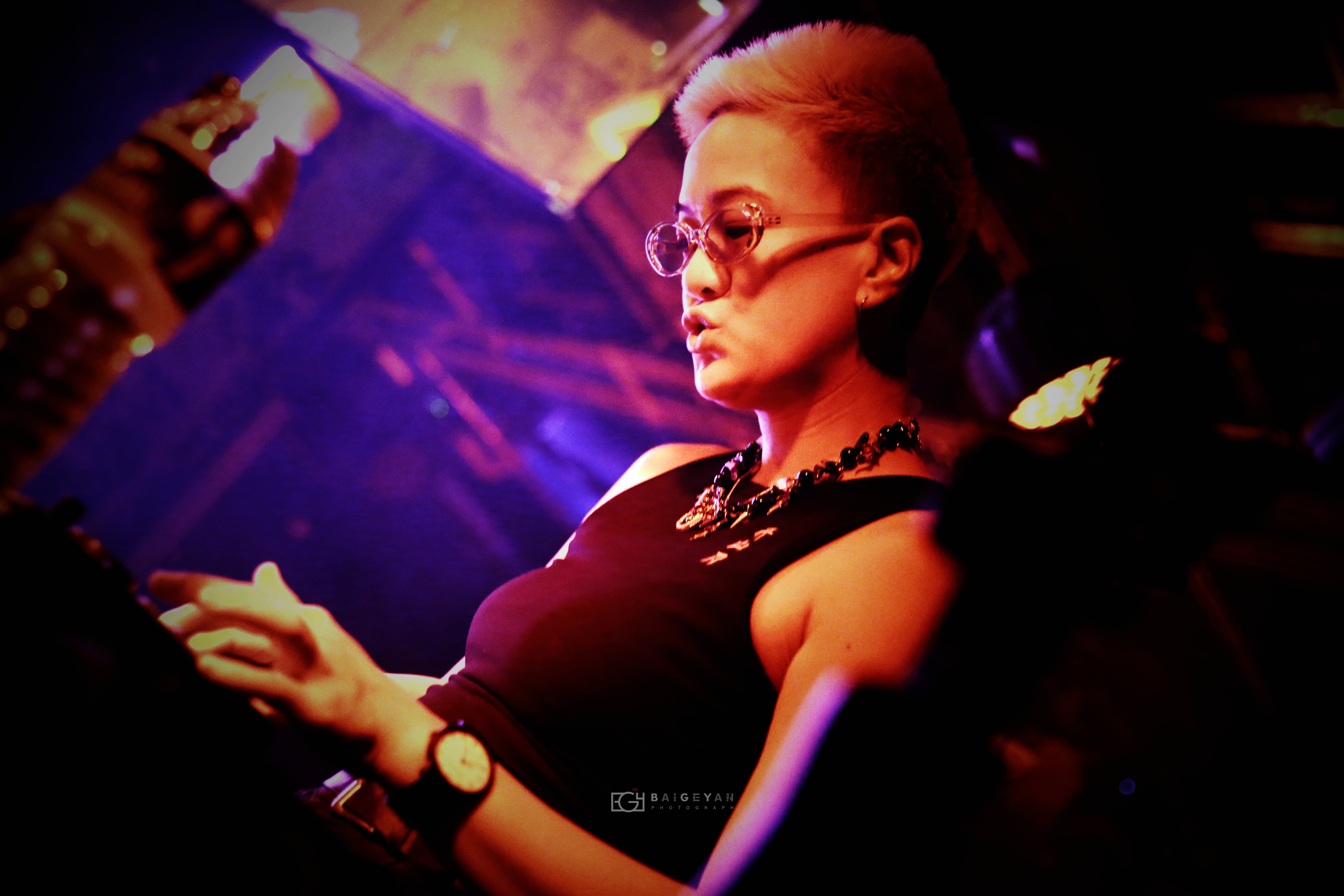
THAT YEAR, YOU PUT YOUR FIRST SINGLE UP ON BANDCAMP, ‘HIDDEN BAR’.
‘Hidden Bar’ was a reference to the second room at TAG.
TWO YEARS LATER, YOU RELEASED YOUR FIRST EP, HOMELAND. HOW DID THAT CHANGE THINGS FOR YOU?
Homeland was a big milestone for me. Finally, I had a release under my belt that I could be really proud of, and it was a complete body of work. It was something I felt good about sharing. I’d been doing Kaishandao 开山刀 since 2017, and I only had a few tracks on Bandcamp and some live recordings on Soundcloud.
Being able to release Homeland on vinyl and tape was incredibly special for me as well. As you know, I grew up working at Slowboat Records, so having physical media made the whole thing feel real. To celebrate the release, I went on this massive tour of mainland China. I got to meet so many interesting people and go to so many interesting places.
Before COVID, I had only played outside of Chengdu once, at the old Lantern in Beijing, which was a huge opportunity for me. During COVID, when China shut its doors, you could go out, but no one could come in. That meant everyone was locked up, which might sound terrifying, but for the people in our scene who chose to stay, it was a really unifying time. Without any international DJs coming in, the local clubs suddenly had all these slots to fill across the country.
I started getting the call-up regularly after that. I definitely had to deal with some imposter syndrome at first, but I started accepting offers and playing for crowds in all these different cities. It was really special to share this live set I’d been fostering in Chengdu.
TELL US ABOUT HOW CHENGDU COMMUNITY RADIO GOT STARTED?
That happened at the end of 2019. I couldn’t stop talking to my Kiwi friends about the Chengdu club scene, the DJs, and the tunes they were playing. But there was no record of what was going on. There was no website or podcast where the mixes were being archived. My friend Aymen and I wanted to start Chengdu Community Radio to record these moments and make them less ephemeral. Being able to record what is happening in our city has been very important.
WHAT HAS IT BEEN LIKE COMING BACK TO AOTEAROA AND PERFORMING AS KAISHANDAO?
Coming back to do the Aotearoa leg of the Homeland tour was a huge shift. There were a lot of feelings. I was almost coming back with a new life and a new identity. I’d been away for a long time, so being back with my friends, the whenua and the energy of the place was a huge one.
Something special about that trip is that I was able to bring my friend Wu Zhuoling with me. She’s a live electronica performer, and she’s been a huge inspiration for me. I got to play at Camp A Low Hum, which is a festival I started going to in 2010. I also got to play at Newtown Festival in my hometown, Wellington. It was a dream come true.
Read this next: The Asia Diaries: Explore Chingyi's sonic journey & creative exchange across China
WHILE YOU WERE BACK THIS SUMMER, YOU MADE YOUR NEW EP, AUNTY DUBS. TELL US ABOUT THAT?
That came about really effortlessly. It was almost like a meme about visiting Wellington and making a dub EP. It came about because I was preparing to play live at Twisted Frequency. I’ve only recently started going to that festival, but it has made a big impression on me. I wasn’t thinking I was making dubs to play at Twisted, but I let myself be playful and experiment with genres I don't normally play. Aunty Dubs came about really organically; it was inspired by home, land and sea.
WHAT HAVE YOUR IMPRESSIONS BEEN LIKE OF THE NEW GENERATION TALENT IN AOTEAROA?
It’s been so cool. I’m so grateful that I’ve been able to come back annually since COVID. It’s a great privilege to be able to return to my homeland. I find it super inspiring to keep one foot in China and one foot at home. A big part of that is Ludus and Alice Rizzo from Tonic Collective. They’ve become my eyes and ears, and they have an encyclopedic knowledge of what is going on. They’re my home base in Wellington.
It’s always exciting to come back and hear the new artists playing. I’m a big fan of a lot of the Pōneke acts who play on The Dojo stage at Twisted Frequency: Juniper May, Field Enhancement, etc. I also got to experience some new DJs like Rotary Ho. I really love what Tonic are doing, and I’m always tuning into Mouthfull Radio. I think there’s a lot of exciting stuff happening in Aotearoa at the moment.
-
This interview has been edited and condensed for clarity and readability.
