


 Features
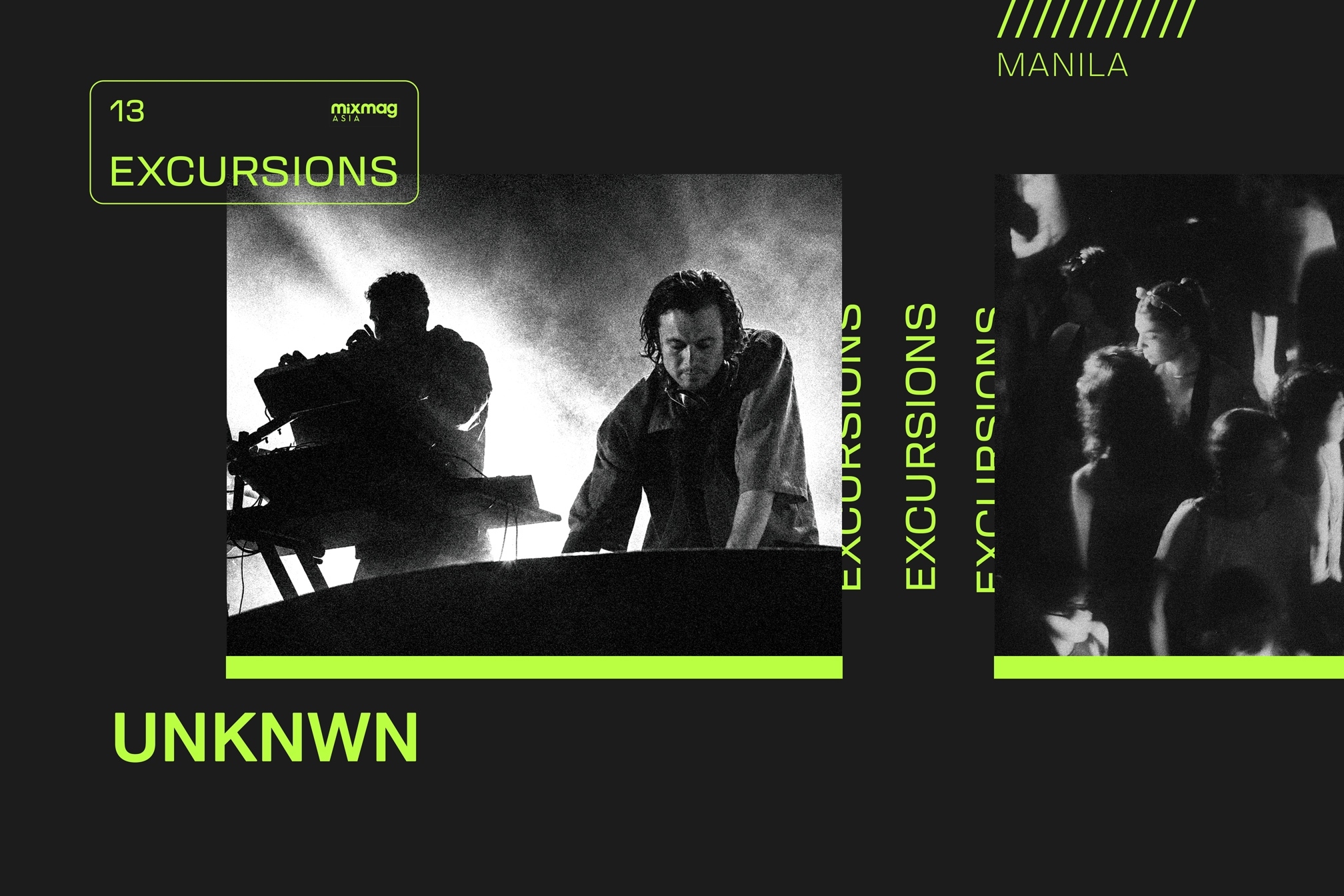
Excursions: Manila's underground scene is rebuilding with more intention and UNKNWN is leading the charge
Emel & Tomas have spent ten years making space for independent nightlife in a city where it doesn't come easy. Here, they reflect on exchange, community & why showing up matters more than the line-up.
Ten years into running parties in Manila, UNKNWN has become something of a reference point for how an underground electronic music scene takes shape in a city where the conditions for it aren't always straightforward.
Their anniversary earlier this year at Puerta Real Gardens (15 acts, two stages, 16 hours from 1pm to 5am) was as much a marker of how far the scene has come as it was a party.
Co-presented with Twelve Points, the line-up was built around a clear principle: local acts don't open for the internationals, they play alongside them.
In conversation, UNKNWN founder Emel Rowe along with Twelve Points’ Tomas Cabili were candid about where Manila's scene actually sits. There's momentum, but also a lot of ground still to cover.
The city is still recovering legally from an administration that cracked down on underground events, particularly queer parties. Permits, curfews, and unpredictable infrastructure are standard variables. And culturally, awareness and crowd etiquette are still catching up.
Still, both point to a generation of artists that is sharper than ever, plus a post-pandemic crowd that's getting more curious.
"Manila's scene and talent pool can go toe-to-toe with the standard set in more established scenes abroad," they proclaim. Whether the infrastructure and legal landscape catches up to that level is another question, but one they're clearly not waiting around on as they continue to push forward.
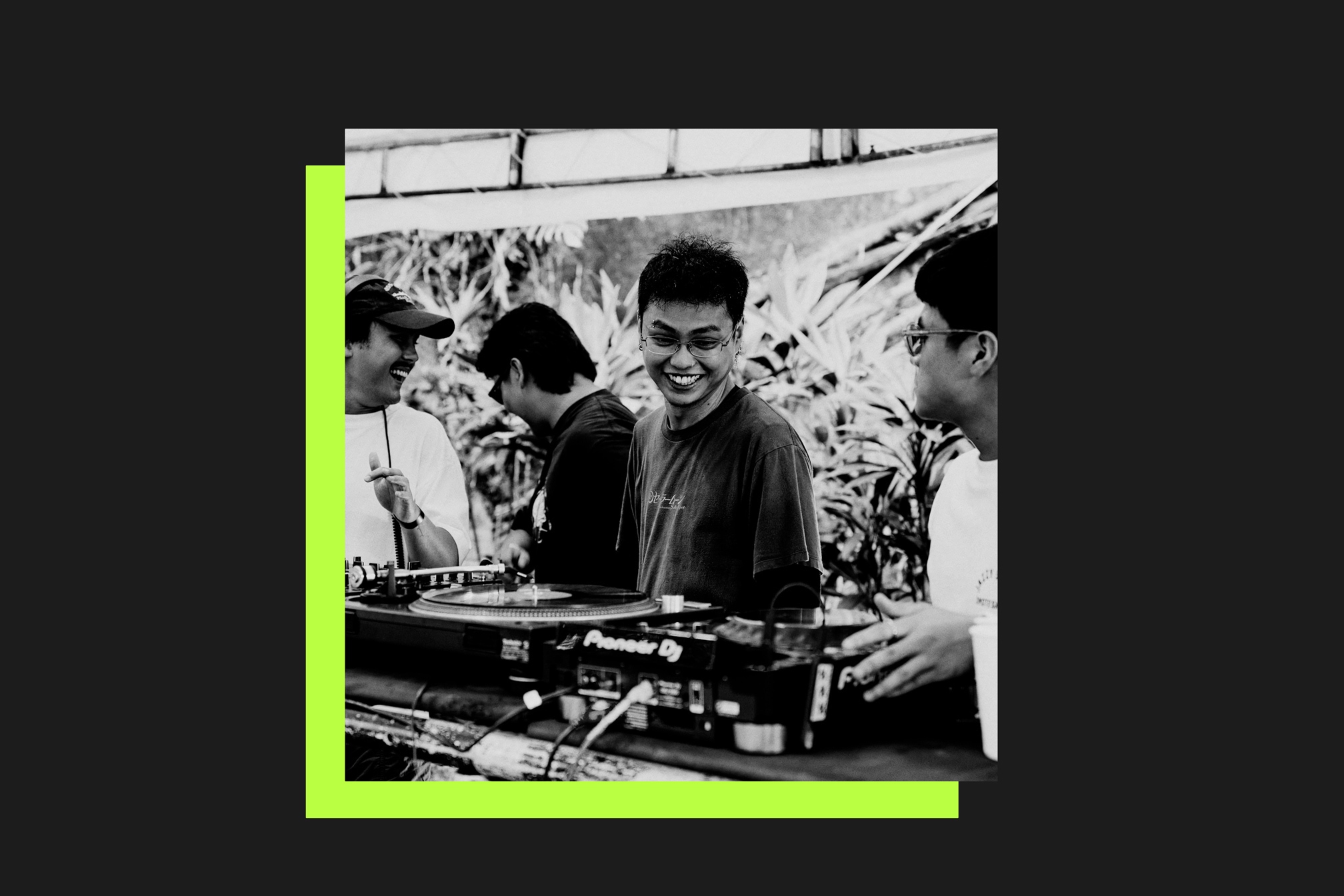
Looking back on the anniversary, how did it feel overall: for the community, the dancefloor, the artists, and for you personally?
Tomas: Part of the ethos of Twelve Points is to champion local and regional talent and cement the fact that Asian talent can go toe-to-toe with the standard set in western scenes—UNKNWN is the perfect partner to work with because of this. It was great to see local talent like Jav/ and Thirstkid pull in a primetime crowd in the midst of world class talent playing at the same time.
Emel: It felt more like a checkpoint than a celebration. For the community, it was a reminder that what we’ve been building is real—and worth showing up for. The dancefloor felt more open, more curious, more present. For the artists, there was a level of trust. They leaned into longer sets, into storytelling, into not rushing the moment.
Personally, it felt grounding. Ten years in Manila nightlife makes you an “elder” whether you like it or not. So it became less about looking back, and more about asking what are we responsible for now?
This year spans 15 acts across two stages. Paint us a picture on how you conceptualised the whole image: from creative direction and music programming to operations and flow!
Tomas: For Twelve Points, it was important for us to have local talent play the prime slots, and UNKNWN was gracious enough to grant us our request and went beyond our expectations as one of the stages was made to be a Twelve Points feature stage which had talents like Roll The Dice, Barbosa Records, Anacalypto, Di Linh, and Twelve Points Residents Jav/ and Thirstkid.
Emel: We always start with the feeling. For this one, it was about time—how people move through 15 hours, from daylight into night. The programming followed that: artists who understand pacing, restraint, and release. The two stages weren’t about splitting the crowd, but giving people different emotional paths to move through. Creative direction stayed minimal—we let the environment and the people do the heavy lifting.
Read this next: The Mixmag Asia Clubbing Guide: Manila
You described the anniversary as a reaffirmation of your commitment to community and cultural exchange. What does “exchange” mean to you in practice?
Tomas: Communal practice demands the equitable exchange of ideas from members of the community, and UNKNWN and Twelve Points are major proponents of this notion. Pragmatically, for us, it entails a symbiotic relationship that supports each other believing that we prosper by working together as one.
Emel: Exchange is about removing hierarchy. Not just bringing international artists in, but creating space for real dialogue—between local and foreign artists, between scenes, and even between the crowd and the music.In practice, it means longer sets, shared spaces, unexpected pairings, and giving local artists the same level of platform and respect.If it only moves in one direction, it’s not exchange. It has to go both ways.
How would you describe Manila’s electronic scene, from artists to crowd as of right now? And where do you see it going?
Tomas: Manila’s scene is blossoming into something unique, even comparatively to other scenes in the region. As stated previously, we believe that Manila’s scene and talent pool can go toe-to-toe with the standard set in more established scenes abroad.
The sky is the limit and with hard work and a lot of luck, we will be able to carve out our own special niche that other scenes will hopefully look towards in the future.
Emel: Right now, it feels like it’s rebuilding—with more intention. There’s a new generation that came in post-pandemic, still forming habits. At the same time, artists and crews are raising the standard. The crowd is getting more curious, but still needs guidance.
The artists are sharper than ever. Where it goes depends on whether we choose comfort or growth. If we keep pushing—longer formats, better curation, stronger regional ties—it can become one of the most interesting scenes in Asia.
Are there any challenges—culturally, legally, or logistically—that those not from the city might not understand about doing events in Manila?
Tomas: As with many burgeoning scenes, there are still many difficulties that come with doing events in Manila. Culturally, legally and even logistically, we are still not at par with more established underground scenes like Thailand, Korea, and Japan but coming to events like UNKNWN, we have seen how it has grown the past 10 years and every event we are always happy to see new faces.
Culturally, the main issue is awareness and etiquette. Which you would expect with up-and-coming scenes. Legally, we are still reeling off an administration that cracked down on underground events, especially queer parties. We can only hope that this improves as a major election is coming in 2028. Cultural and legal challenges will slowly erode in time.
As more parties like UNKNWN and more labels like Twelve Points sprout and take root, the general population will be more open to the scene and perhaps the difficulty of holding events will ease.
Emel: All of the above. Logistically, things are rarely straightforward. Timelines shift, infrastructure can be unpredictable, and you learn to build with flexibility. Culturally, Manila is layered. You’re balancing different expectations while trying to stay true to the vision.
Legally, there are always hoops—permits, curfews, regulations that don’t always align with how nightlife wants to exist. But those constraints shape the scene. You’re forced to be resourceful, and that becomes part of the identity.
What led you to start UNKNWN? Was there a moment or experience that sparked it
Emel: It wasn’t one defining moment—more a build-up of smaller ones. We wanted to throw parties our way, and to be treated fairly within the system. After enough conversations with DJs, promoters, and venue owners, and really looking at the scene, it became clear: If we wanted it to exist, we had to build it ourselves.
Read this next: Raves as Rituals: The Rise of the Bantuwing and the decolonisation of a Manila dancefloor
Is there a UNKNWN “genre”, or is it more about energy?
Emel: Good music is good music. We started within a specific lane, but quickly realised our taste and the market were far apart—maybe seven years apart. So we adjusted. Not by chasing trends, but by finding a sound that genuinely resonated with us and building from there.
So it’s not about genre. It’s about energy, intention, and whether it actually moves people.
Are there any artists (local or international) who, in your opinion, really “get” the UNKNWN sound or vibe and why?
Emel: There are a lot, and it’s less about where they’re from and more about how they approach the space. The ones who get it understand that it’s not about them—it’s about the room. They’re patient, they listen, and they’re not afraid to take people somewhere unfamiliar. That willingness to lean into the unknown, instead of playing it safe, is what stands out.
Across the years, you’ve encouraged people to “catch sunset” and commit to the “full experience”. What’s the philosophy behind wanting people to stay for the whole arc?
Emel: The philosophy is simple—we curate experiences you didn’t know you needed. Sunset is a good example. It’s beautiful, sure, but there’s also something grounding about it. It shifts your pace before the night even begins.
Six years post-pandemic, there’s a whole generation that needs that spelled out. People are used to arriving late, consuming quickly, and leaving. We’re trying to reintroduce the idea of presence.
The anniversary was 15 hours outdoors, in one of the few culturally significant venues left in Metro Manila. Everything is already there for you. Sayang naman if you only experience half of it. Going into something early, unknown, and letting it unfold—that’s the whole point.
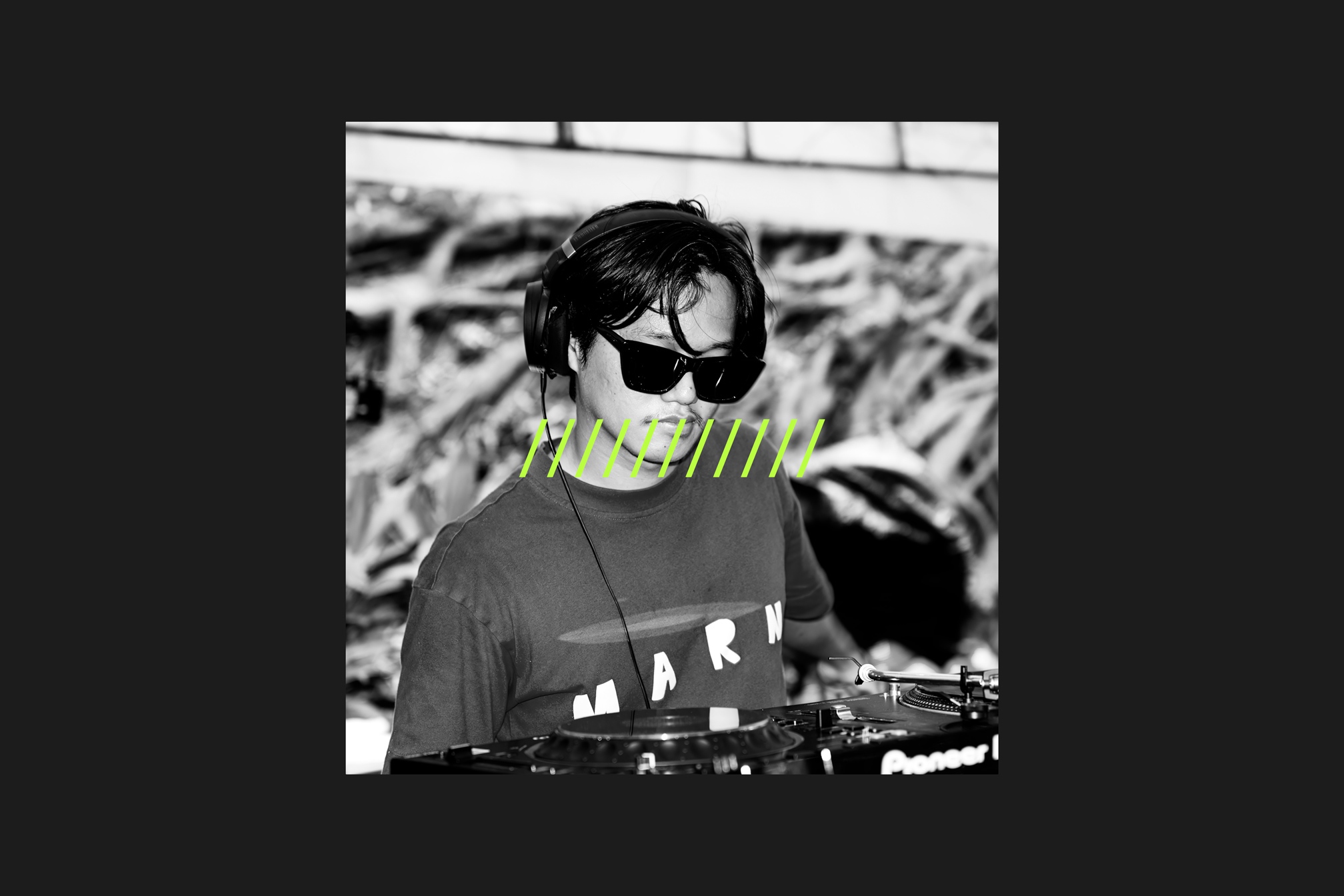
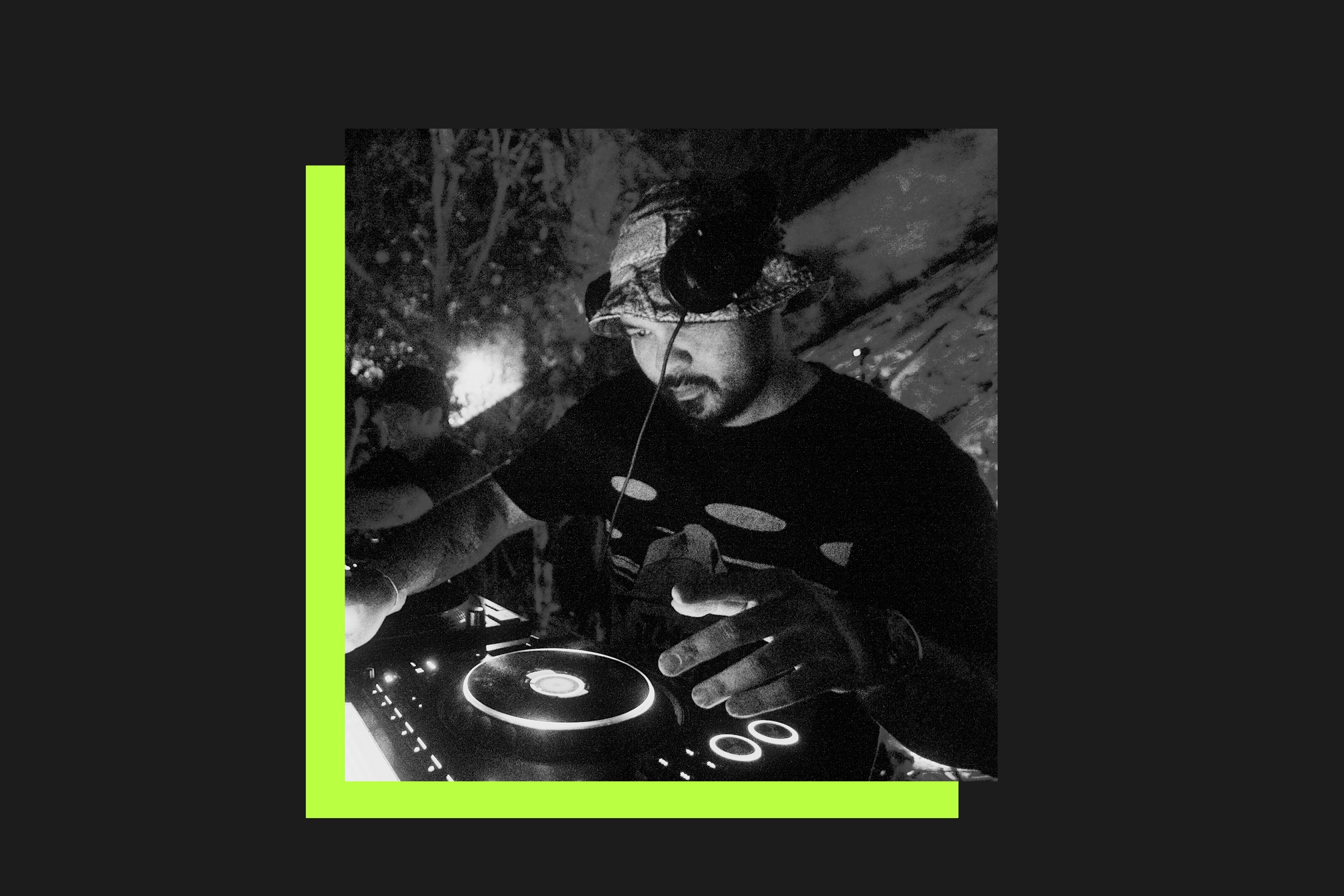
UNKNWN began as a series moving through secret, changing locations. What did you learn about the Philippines landscape and your community from this?
Emel: We learned that the community can be a bit anxious—and that’s exactly where the work is. There has to be trust. If we say it’s happening, there’s a very high chance it’s worth it. “Knowing” everything can become the barrier. The unknown feels scary, so people hesitate. But it doesn’t have to be. With trust and dialogue, we can move forward together.
So yeah—be cooler. Go out on your own. Buy the ticket before everything is announced.
Read this next: Tune In: Must-know community radios from Asia
You recently shared on social media that UNKNWN’s core values have stayed the same. What has evolved or shifted as the community has grown?
Emel: Our connection to the region, and how we define success. In the beginning, we looked outward—towards the West, towards headliners, towards validation. But after traveling, you realise every scene has its own struggles. It’s not as perfect as it seems.
Now, the focus is closer to home—on Southeast Asia, on our neighbours, on what we’re building here. Success isn’t just the line-up. It’s the experience, the community, and whether it actually means something.
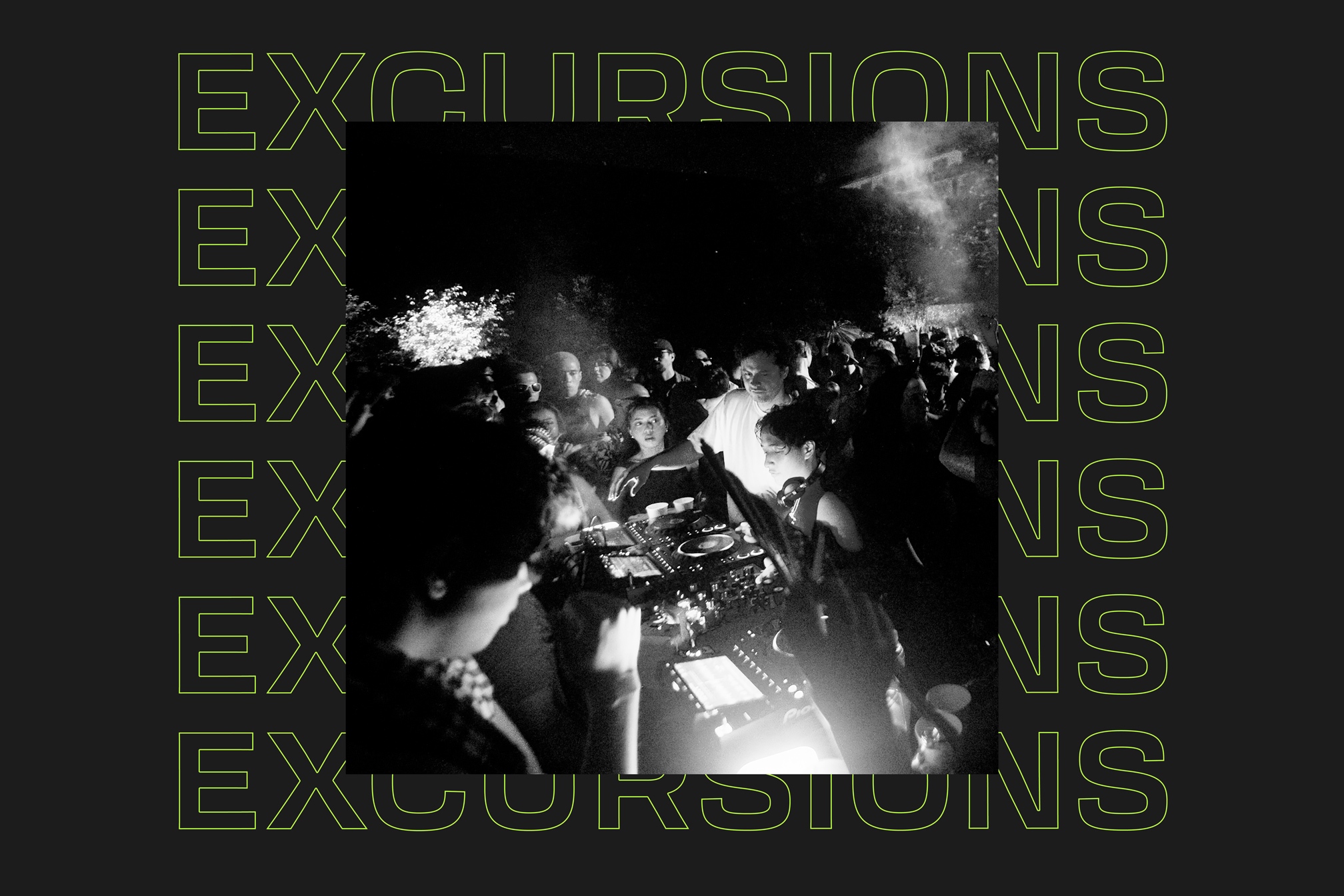
The underground scene can be turbulent. What helped you keep going through the years and were there moments that made you question whether to continue?
Emel: Of course there were moments of doubt. What helped was tuning off the noise and focusing on the work and delivering a great event with good people, and trust that it carries forward.
And having the right partner helps. This space is tough without support, and we’ve been lucky to work with people who understand our limits. That balance lets us keep going without losing what makes it ours.
What’s one piece of advice you’d give to collectives building communities in 2026?
Emel: Start. It’s like buying the ticket before we announce anything. Some many ideas about what reality will look like after you make that choice to begin. But you’ll never really know until you begin. That and don’t be shy to ask for help. There are a lot of crews that popped up in 2022. So there are a lot of teams to learn from. Anyone that’s worth their salt in this industry will be happy to help you. If they don’t, then add that fuel to the flame.
This quote has been serving us well to “be who you are, and say what you feel because those who mind don’t matter, and those who matter don’t mind”.
Read this next: Mixmag Asia’s 2026 Essential Listening
Is there a future project or direction you’re excited about that reflects that commitment?
Emel: Haha you’re going to have to come to party if you wanna know that info. If I gave specifics it wouldn’t be UNKNWN.
Amira Waworuntu is Mixmag Asia’s Managing Editor, follow her on Instagram.
Cut through the noise—sign up for our weekly Scene Report or follow us on Instagram to get the latest from Asia and the Asian diaspora!
