


Waifu founder addresses challenges of international demands in Tokyo
Midori Morita highlights via Instagram post how small venues & grassroots promoters are struggling to meet Western touring expectations
On December 5, 2025, Midori Morita, founder of queer collective and party organiser Waifu, also known as Dolly3o3, uploaded an Instagram post addressing the hardships and pressures faced by “Tokyo's underground club scene”.
The post has drawn praise from the local community, as well as from DJs across Asia and around the world, with some drawing parallels to similar realities in their own countries.
It spoke about the consistently high demands placed on Tokyo’s underground scene by international agents.
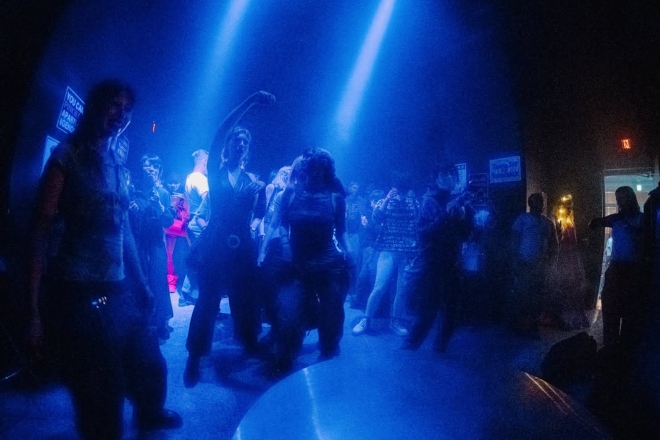
As outlined, Tokyo’s nightlife largely operates through small venues hosting a wide variety of parties running in parallel every night. Although these venues are limited in size, they still charge fees to organisers. As stated, this often makes it difficult for organisers to generate profit. Nevertheless, driven by camaraderie and support for the local scene, organisers frequently absorb financial losses in order to continue doing what they love.
As Japan’s nightlife scene continues to gain acclaim for its musical influence and long-standing credibility, interest from international agents and DJs looking to play in the city has increased. However, this growing demand often comes with expectations that do not align with the local scene; economically or culturally.
Read this next: Future Female Sounds launch survey to research challenges faced by women and non-binary DJs
The post states: “DJ agents from Western countries constantly demand high performance fees and superstar-level conditions” from small organisers. These demands can include nice hotels, car transfers, private backstage rooms at venues, champagne, large guestlists, and free drinks—all at the organiser’s expense, while significantly reducing the possibility of profit.
Speaking to Mixmag Asia, Morita mentions: “Additionally, While Japan's image in the West is strongly tied to the bubble era, the reality is that Japan has seen no economic growth for 30 years, deflation has only worsened, and the Yen has fallen against the Euro to around 185 yen per Euro. But western DJs and artists seem fixated on an outdated image of Japan during the bubble era. Such individuals possess not a shred of genuine interest or respect for Japan, holding only the preconceived notion that ‘Japanese people are rich and fawn over Westerners’”.
Read this next: The Mixmag Asia Music Guide: Japan
She continues: “It’s common for DJs to say they ‘want to play in Japan’ solely to show off to other Western artists on social media, claiming things like ‘it's hugely popular in Japan’– it feels like they're looking down on us. Of course, there are also many wonderful DJs who reach out because they genuinely want to empower minority spaces together.”
Overall, the post reflects the current difficulties faced by Tokyo’s underground scene in balancing financial sustainability with a community-driven spirit—challenges echoed across other global scenes, as reflected in the post’s comment section.
Looking ahead, Morita states that genuine communication, an artist’s personal character, and human connection will be defining factors for future collaborations with international artists—alongside the music itself—in order to build “ a good party”.
Daniela Solano is a freelance writer for Mixmag Asia, follow her on Instagram here.
Cut through the noise—sign up for our weekly Scene Report or follow us on Instagram to get the latest from Asia and the Asian diaspora!
