


“Like stumbling across a relic of a lost civilisation”: Burning Man 2026’s open-air art gallery
Award-winning photographer Gurps Chawla shares snaps & stories on the sculptures & installations that filled Black Rock City’s desert this year
-
 “Like stumbling across a relic of a lost civilisation”: Burning Man 2026’s open-air art gallery
-
 “Like stumbling across a relic of a lost civilisation”: Burning Man 2026’s open-air art gallery
-
 “Like stumbling across a relic of a lost civilisation”: Burning Man 2026’s open-air art gallery
-
 “Like stumbling across a relic of a lost civilisation”: Burning Man 2026’s open-air art gallery
-
 “Like stumbling across a relic of a lost civilisation”: Burning Man 2026’s open-air art gallery
-
 “Like stumbling across a relic of a lost civilisation”: Burning Man 2026’s open-air art gallery
-
 “Like stumbling across a relic of a lost civilisation”: Burning Man 2026’s open-air art gallery
-
 “Like stumbling across a relic of a lost civilisation”: Burning Man 2026’s open-air art gallery
-
 “Like stumbling across a relic of a lost civilisation”: Burning Man 2026’s open-air art gallery
-
 “Like stumbling across a relic of a lost civilisation”: Burning Man 2026’s open-air art gallery
-
 “Like stumbling across a relic of a lost civilisation”: Burning Man 2026’s open-air art gallery
-
 “Like stumbling across a relic of a lost civilisation”: Burning Man 2026’s open-air art gallery
-
 “Like stumbling across a relic of a lost civilisation”: Burning Man 2026’s open-air art gallery
-
 “Like stumbling across a relic of a lost civilisation”: Burning Man 2026’s open-air art gallery
-
 “Like stumbling across a relic of a lost civilisation”: Burning Man 2026’s open-air art gallery
-
 “Like stumbling across a relic of a lost civilisation”: Burning Man 2026’s open-air art gallery
-
 “Like stumbling across a relic of a lost civilisation”: Burning Man 2026’s open-air art gallery
-
 “Like stumbling across a relic of a lost civilisation”: Burning Man 2026’s open-air art gallery
-
 “Like stumbling across a relic of a lost civilisation”: Burning Man 2026’s open-air art gallery
-
 “Like stumbling across a relic of a lost civilisation”: Burning Man 2026’s open-air art gallery
-
 “Like stumbling across a relic of a lost civilisation”: Burning Man 2026’s open-air art gallery
-
 “Like stumbling across a relic of a lost civilisation”: Burning Man 2026’s open-air art gallery
-
 “Like stumbling across a relic of a lost civilisation”: Burning Man 2026’s open-air art gallery
-
 “Like stumbling across a relic of a lost civilisation”: Burning Man 2026’s open-air art gallery
-
 “Like stumbling across a relic of a lost civilisation”: Burning Man 2026’s open-air art gallery
-
 “Like stumbling across a relic of a lost civilisation”: Burning Man 2026’s open-air art gallery
-
 “Like stumbling across a relic of a lost civilisation”: Burning Man 2026’s open-air art gallery
-
 “Like stumbling across a relic of a lost civilisation”: Burning Man 2026’s open-air art gallery
-
 “Like stumbling across a relic of a lost civilisation”: Burning Man 2026’s open-air art gallery
-
 “Like stumbling across a relic of a lost civilisation”: Burning Man 2026’s open-air art gallery
-
 “Like stumbling across a relic of a lost civilisation”: Burning Man 2026’s open-air art gallery
-
 “Like stumbling across a relic of a lost civilisation”: Burning Man 2026’s open-air art gallery
-
 “Like stumbling across a relic of a lost civilisation”: Burning Man 2026’s open-air art gallery
-
 “Like stumbling across a relic of a lost civilisation”: Burning Man 2026’s open-air art gallery
-
 “Like stumbling across a relic of a lost civilisation”: Burning Man 2026’s open-air art gallery
-
 “Like stumbling across a relic of a lost civilisation”: Burning Man 2026’s open-air art gallery
-
 “Like stumbling across a relic of a lost civilisation”: Burning Man 2026’s open-air art gallery
-
 “Like stumbling across a relic of a lost civilisation”: Burning Man 2026’s open-air art gallery
-
 “Like stumbling across a relic of a lost civilisation”: Burning Man 2026’s open-air art gallery
-
 “Like stumbling across a relic of a lost civilisation”: Burning Man 2026’s open-air art gallery
-
 “Like stumbling across a relic of a lost civilisation”: Burning Man 2026’s open-air art gallery
-
 “Like stumbling across a relic of a lost civilisation”: Burning Man 2026’s open-air art gallery
-
 “Like stumbling across a relic of a lost civilisation”: Burning Man 2026’s open-air art gallery
-
 “Like stumbling across a relic of a lost civilisation”: Burning Man 2026’s open-air art gallery
-
 “Like stumbling across a relic of a lost civilisation”: Burning Man 2026’s open-air art gallery
-
 “Like stumbling across a relic of a lost civilisation”: Burning Man 2026’s open-air art gallery
-
 “Like stumbling across a relic of a lost civilisation”: Burning Man 2026’s open-air art gallery
-
 “Like stumbling across a relic of a lost civilisation”: Burning Man 2026’s open-air art gallery
-
 “Like stumbling across a relic of a lost civilisation”: Burning Man 2026’s open-air art gallery
-
 “Like stumbling across a relic of a lost civilisation”: Burning Man 2026’s open-air art gallery
-
 “Like stumbling across a relic of a lost civilisation”: Burning Man 2026’s open-air art gallery
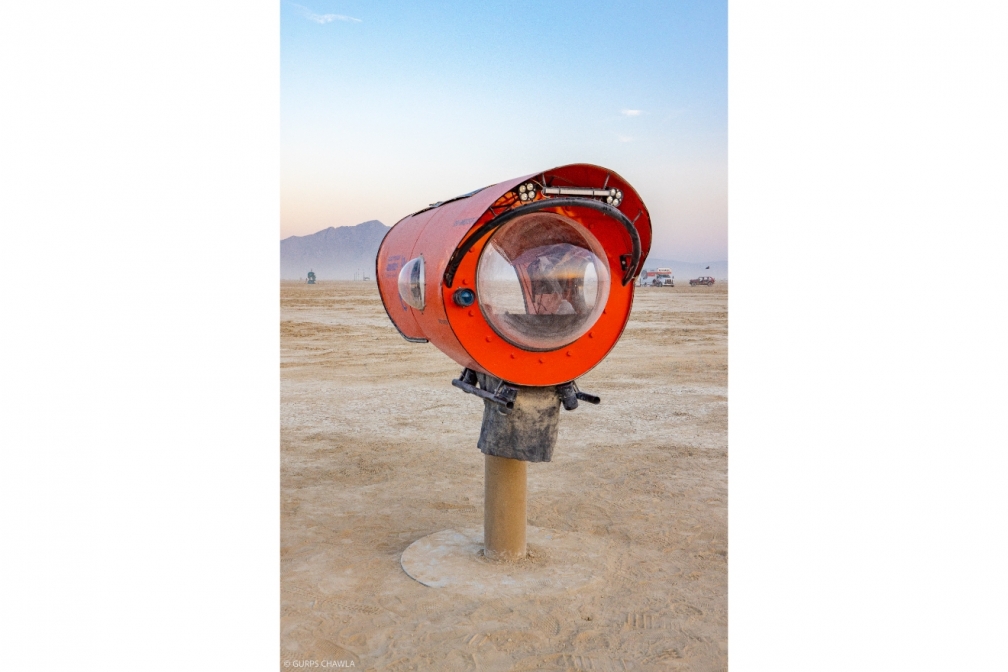
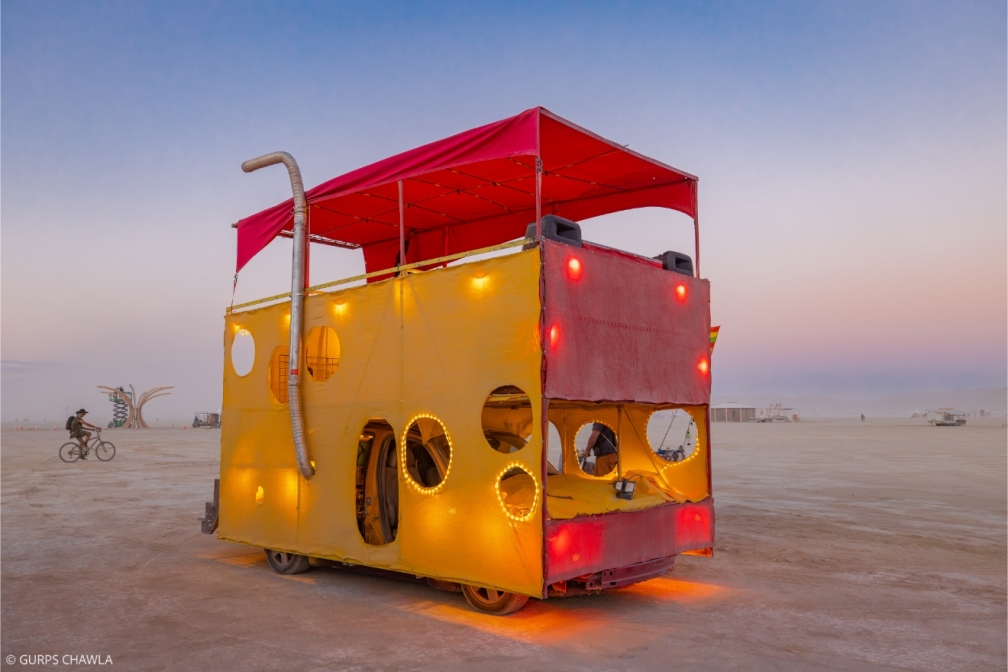
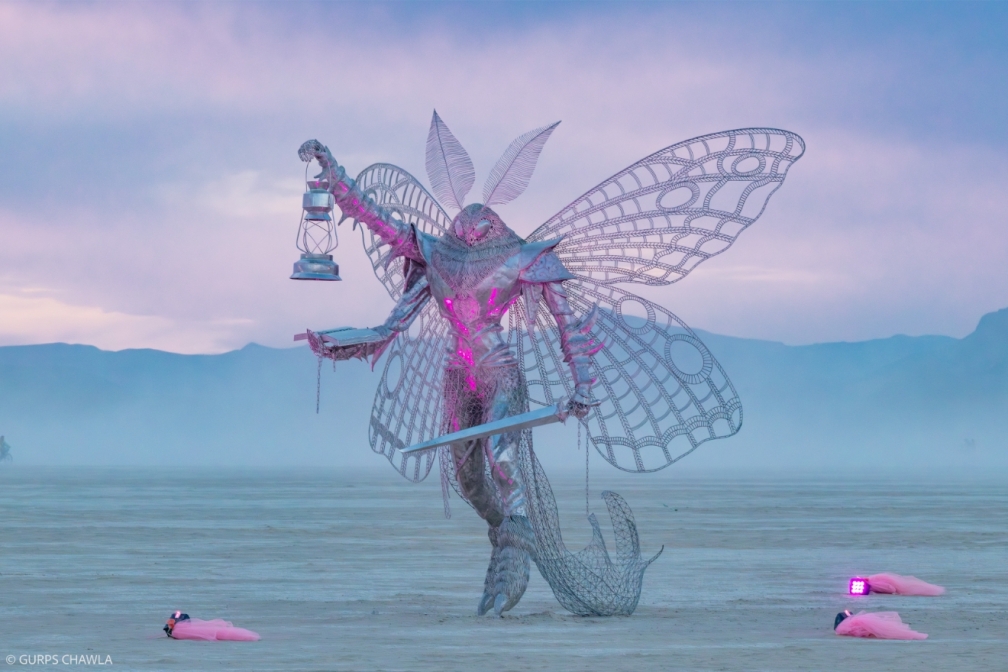
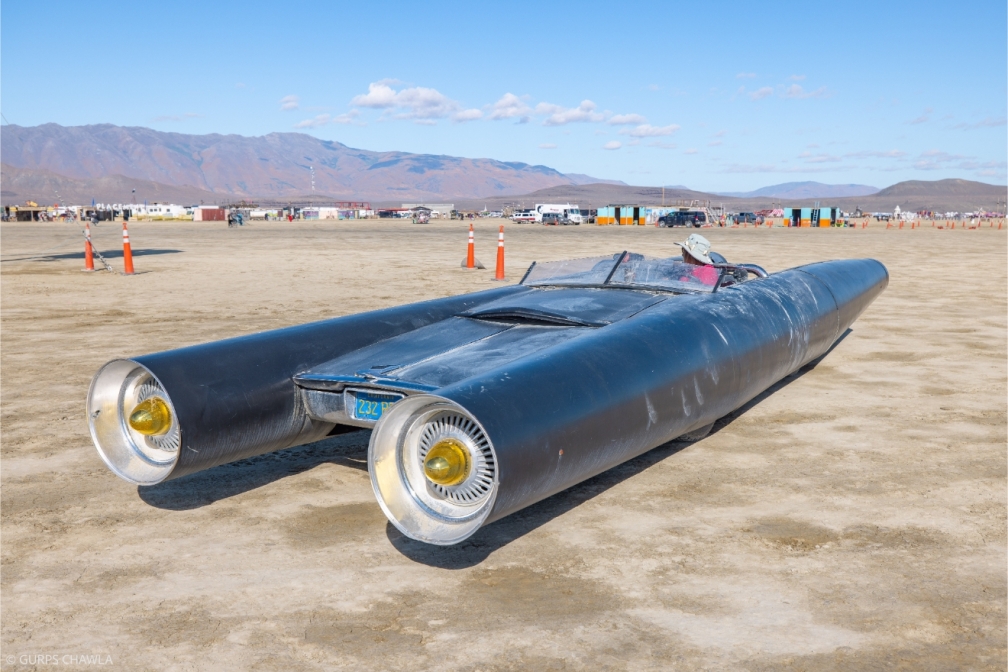
Burning Man is easy to picture as days of parties, and the music is a big part of its reputation. However, the art deserves equal billing.
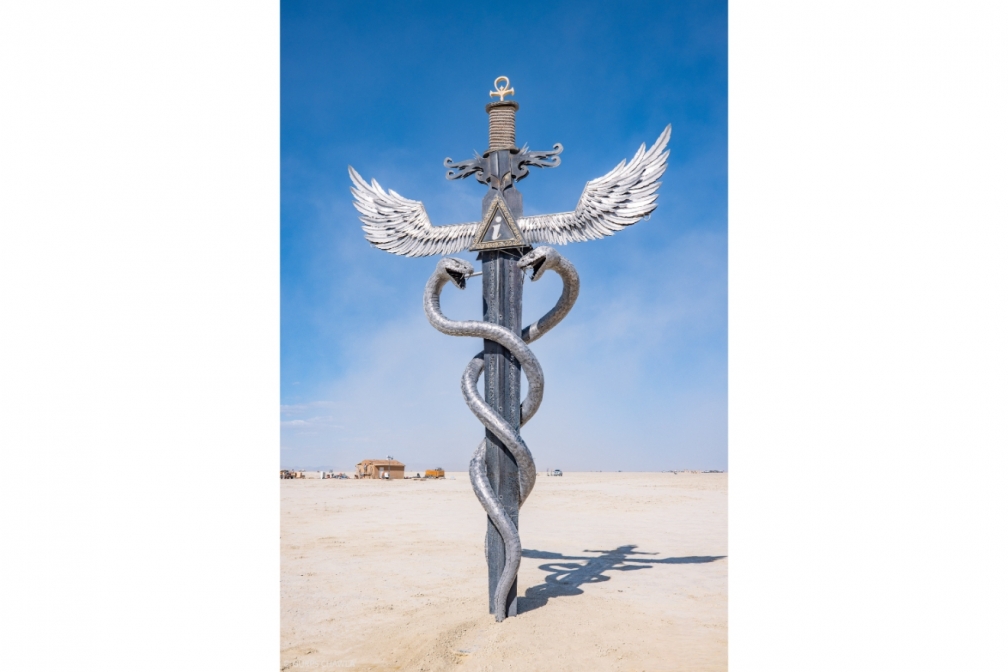
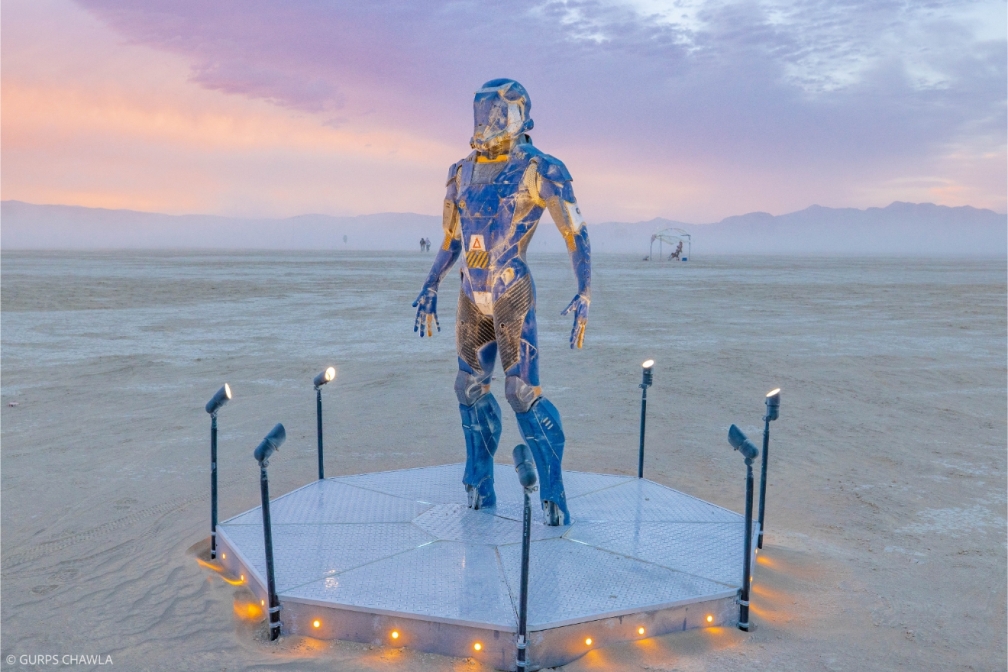
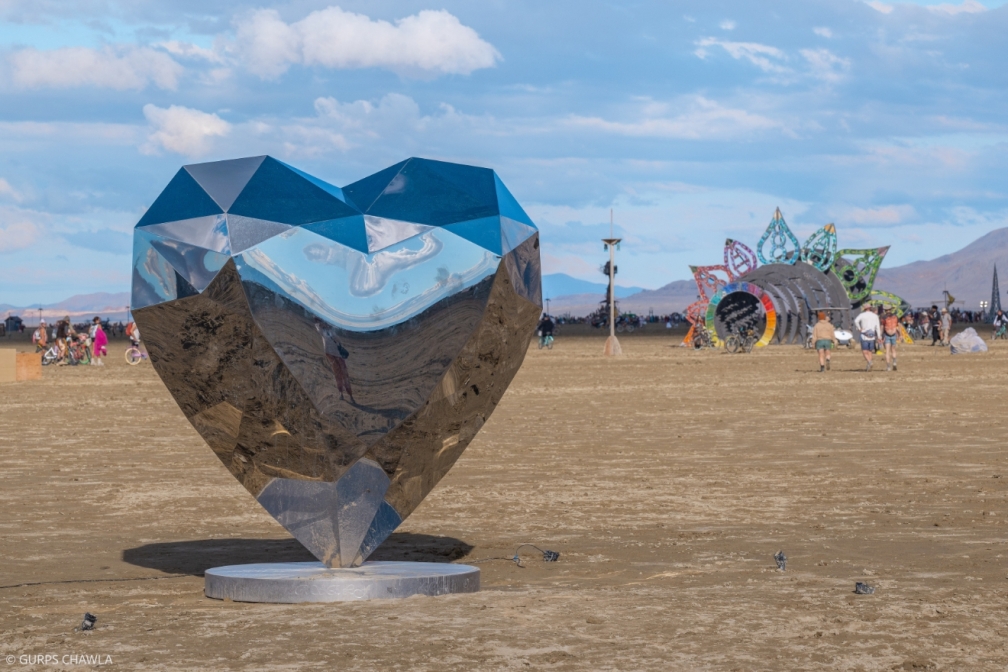
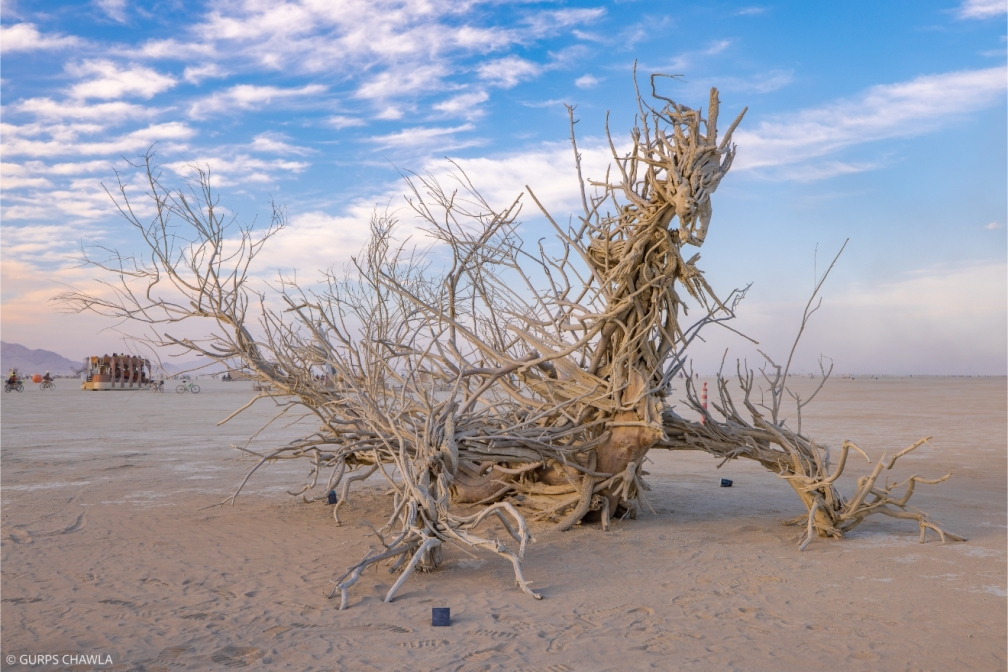
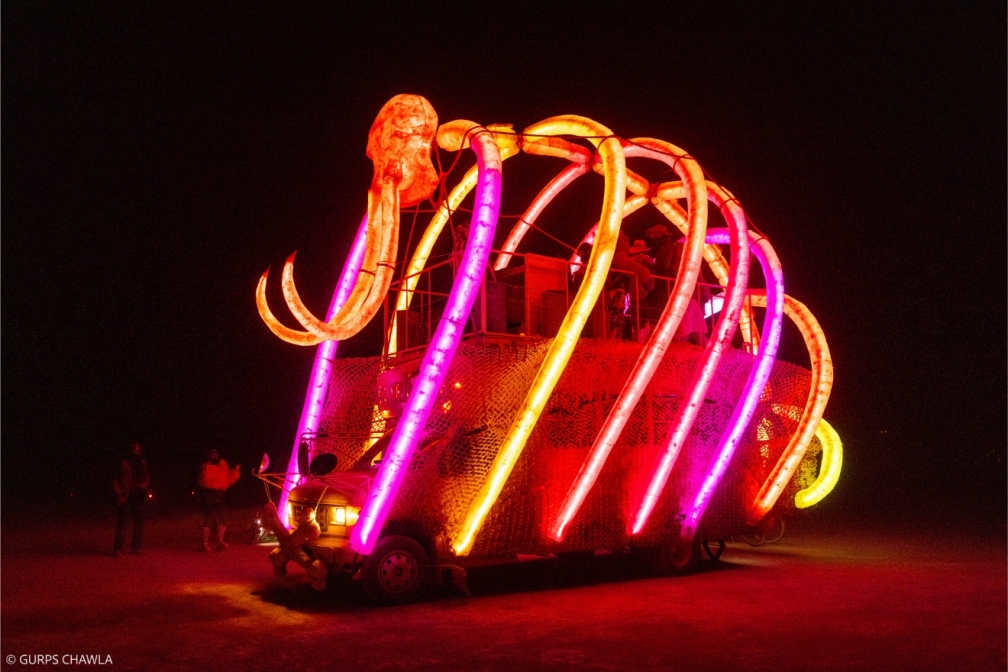
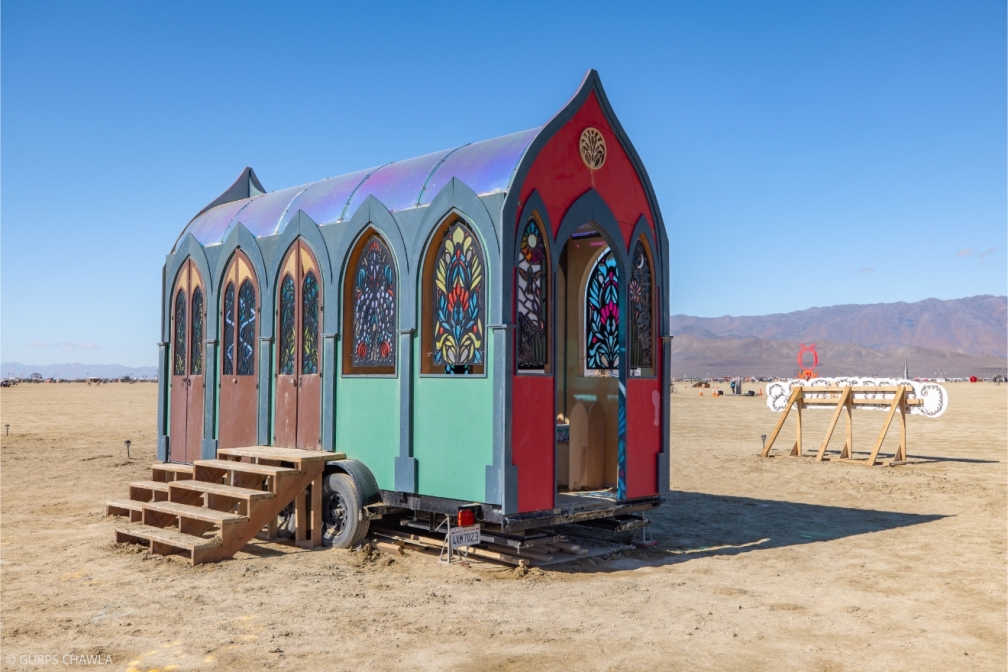
Beyond the DJ sets and desert dancefloors, thousands of people spend months building things for strangers to find in the vast openness, and this gallery is a look at some of those things.
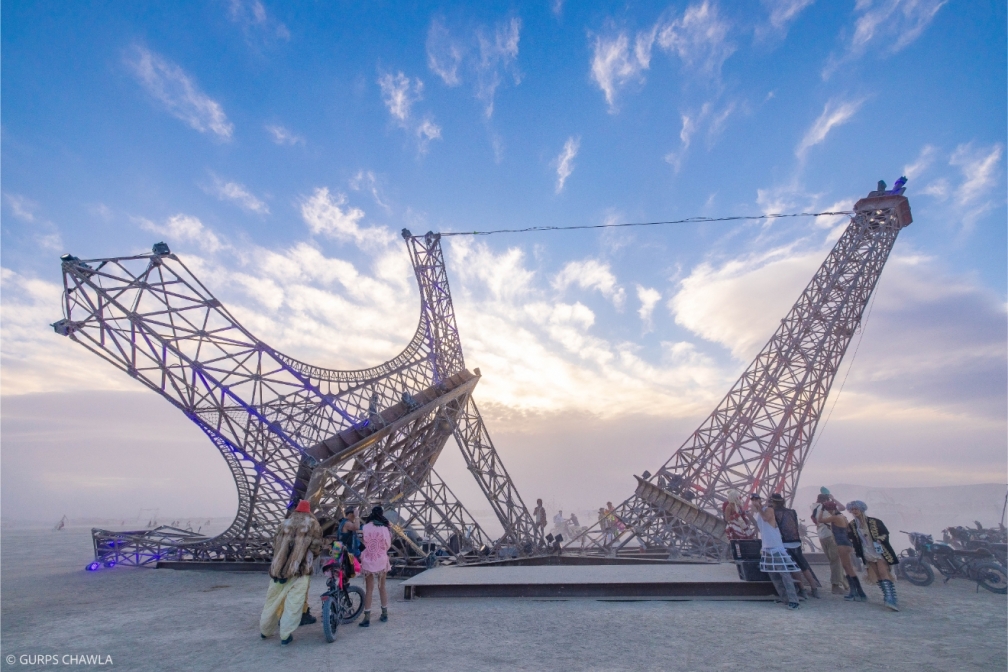
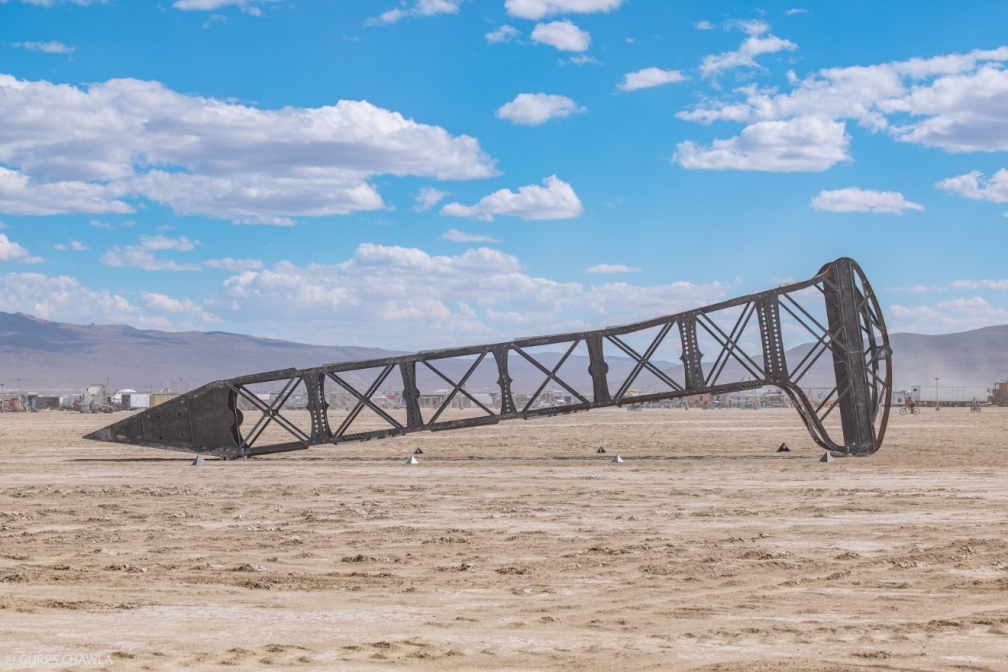
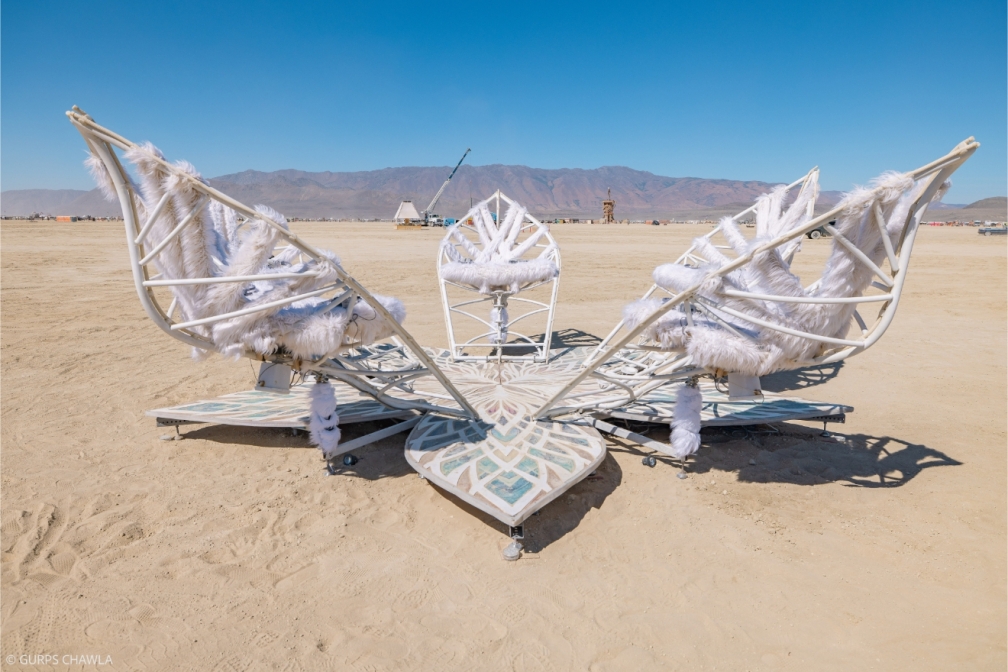
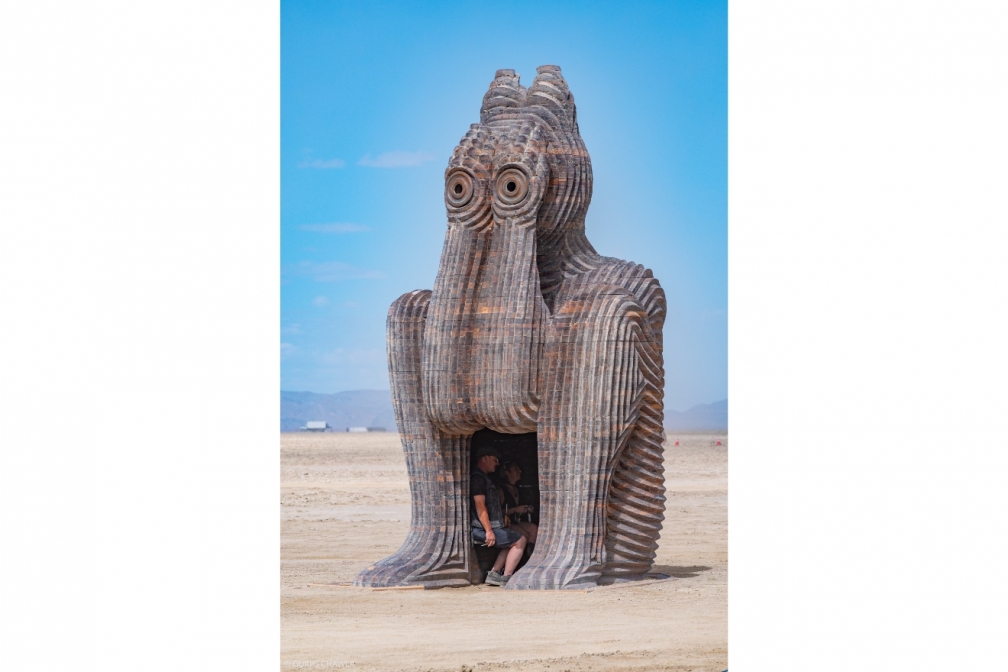
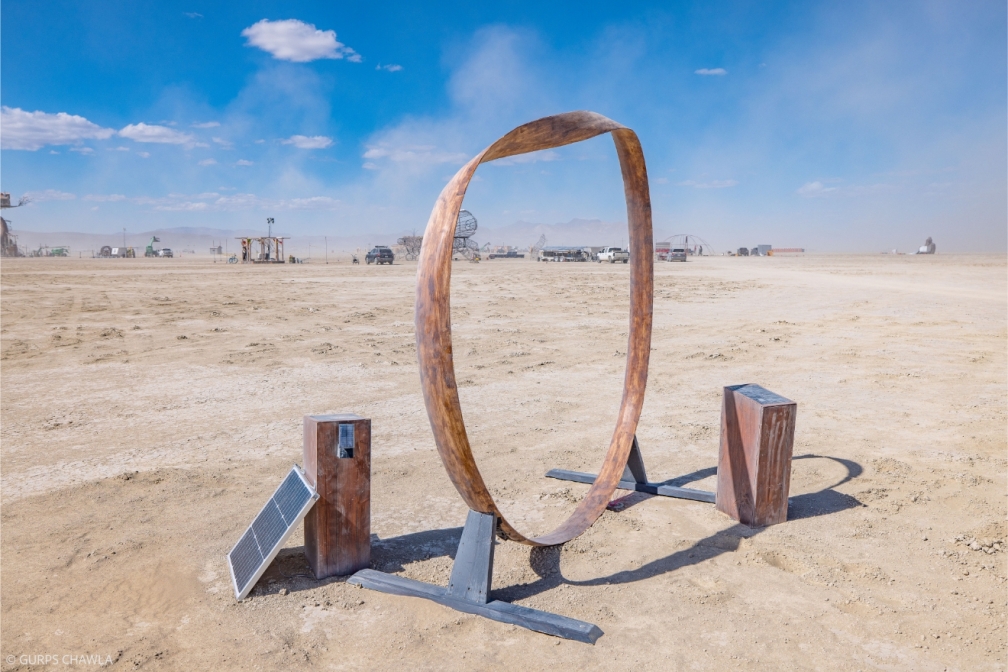
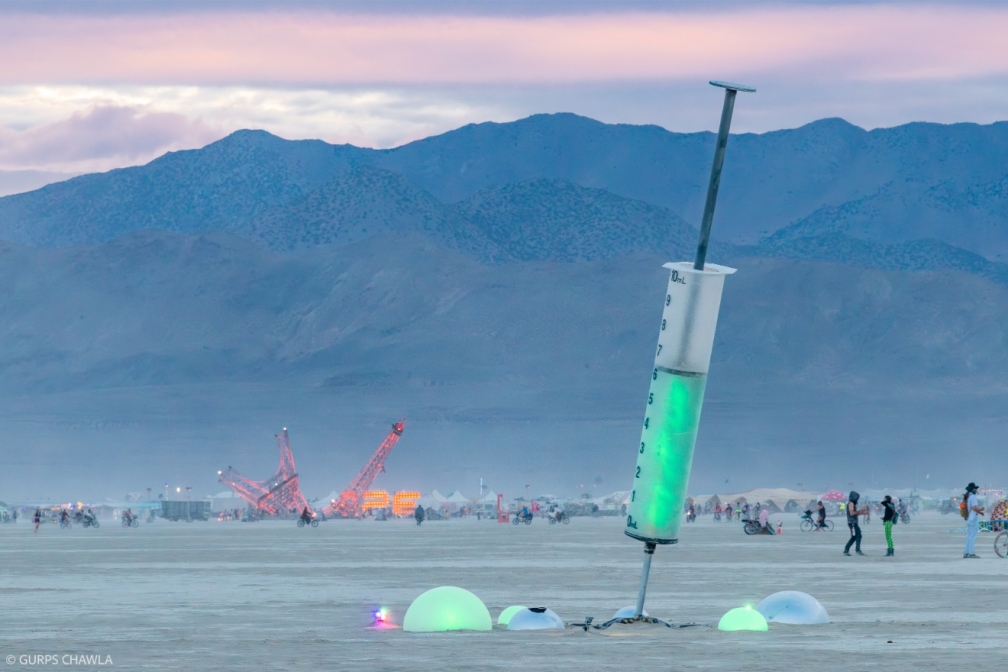
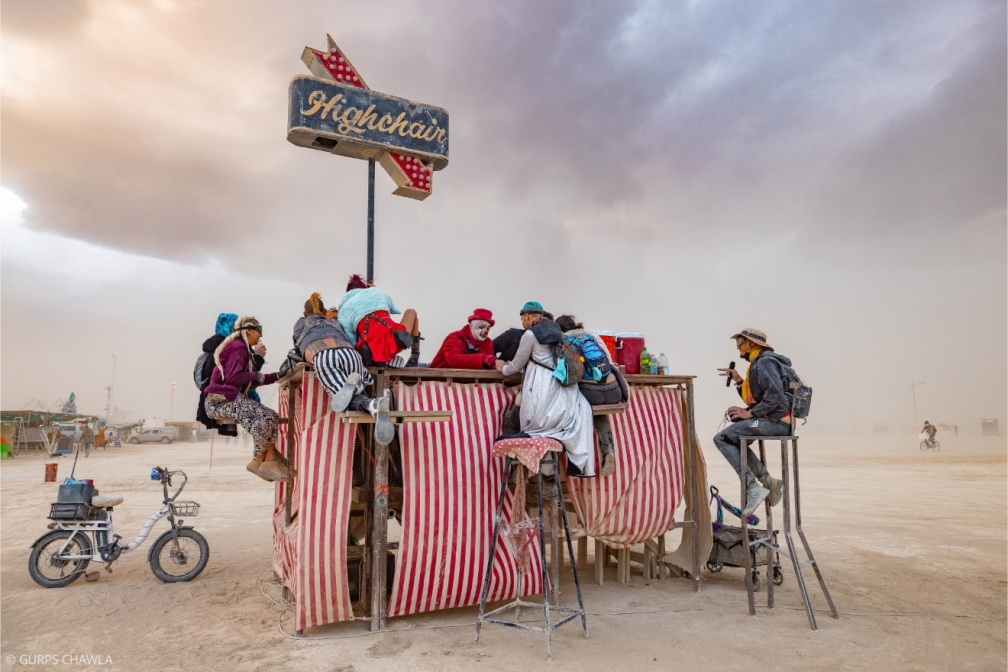
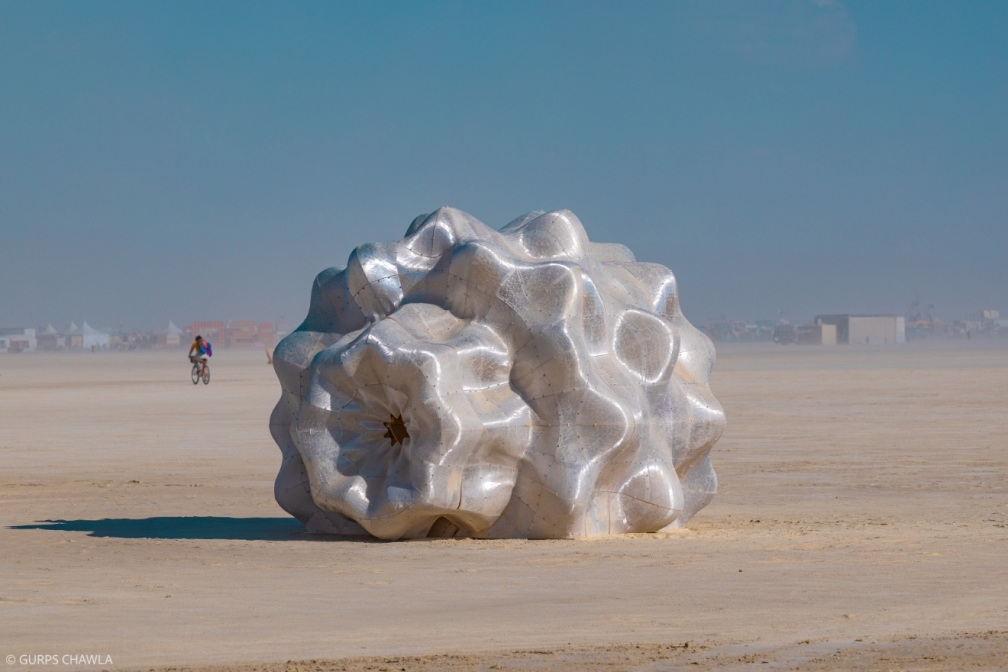
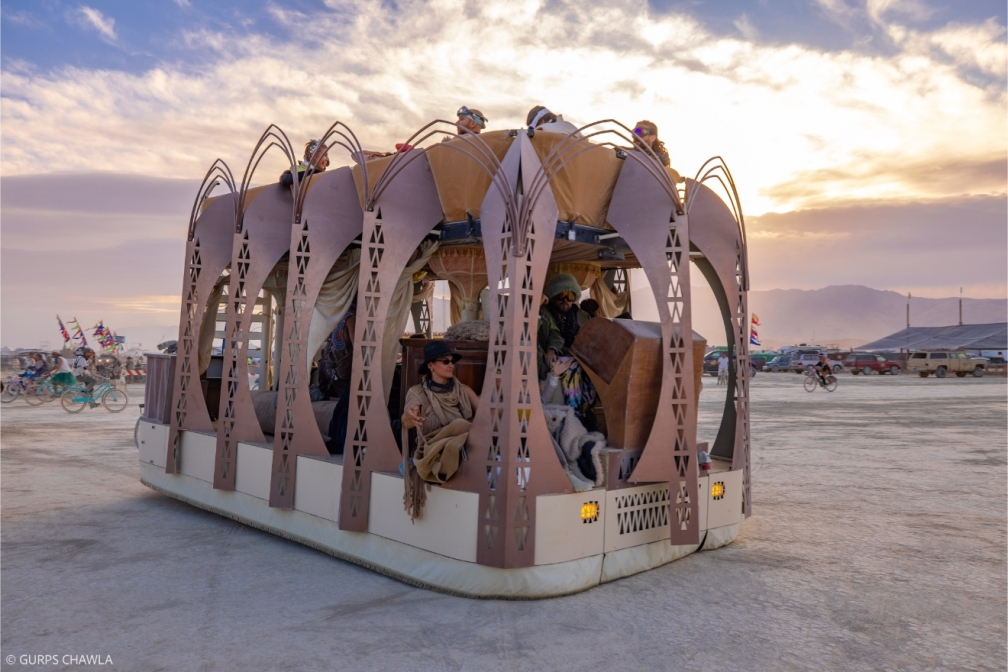
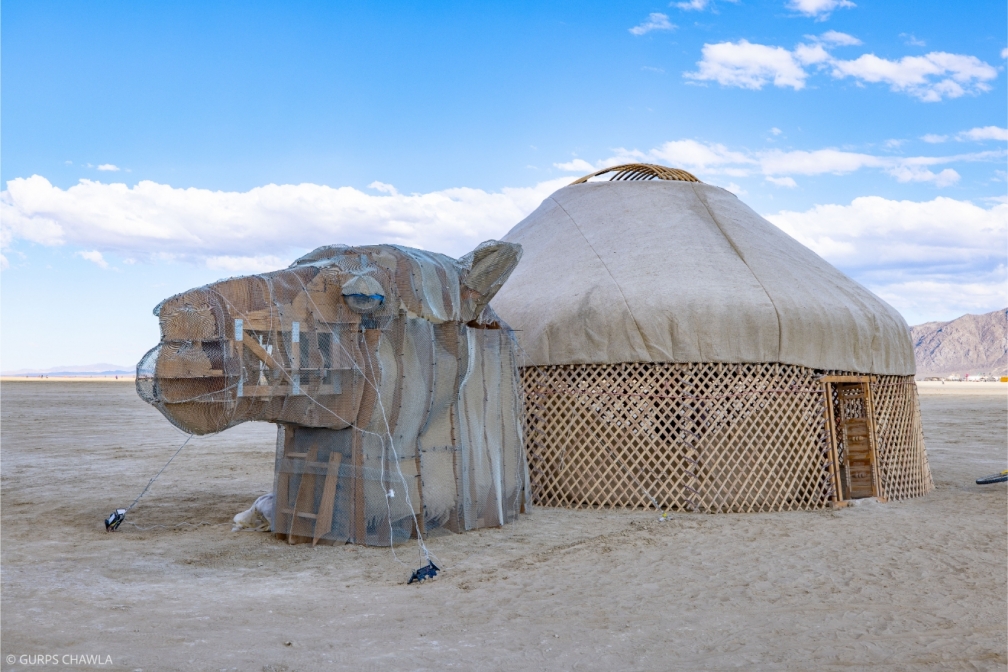
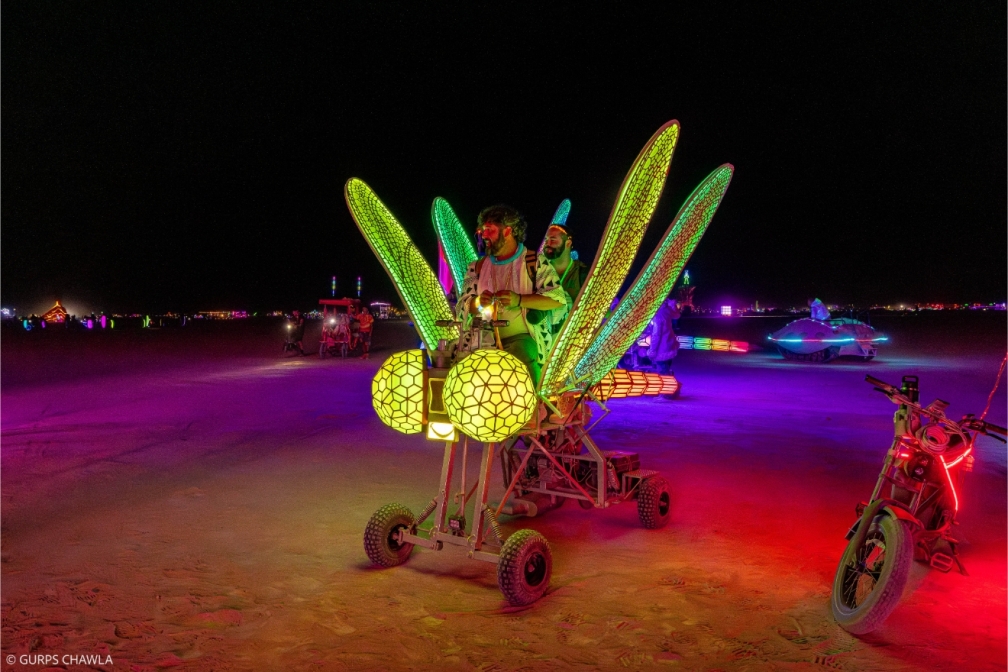
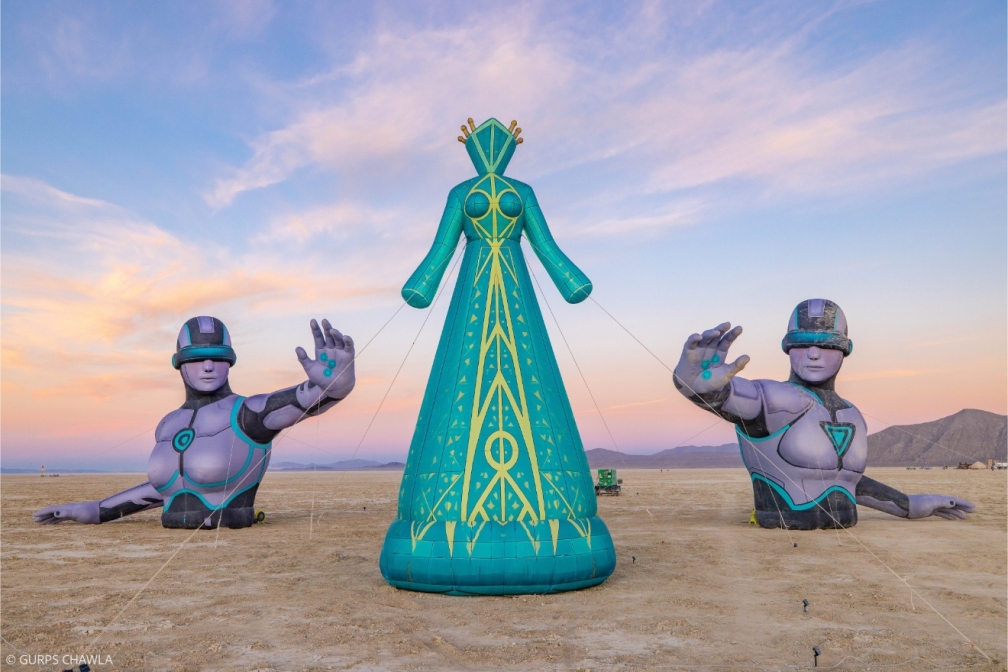
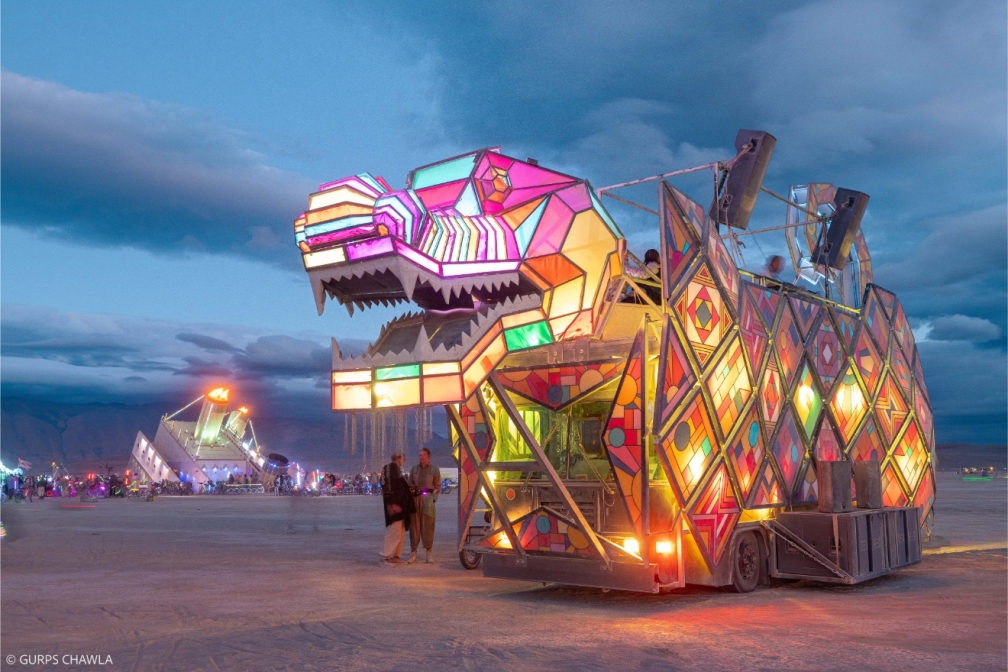
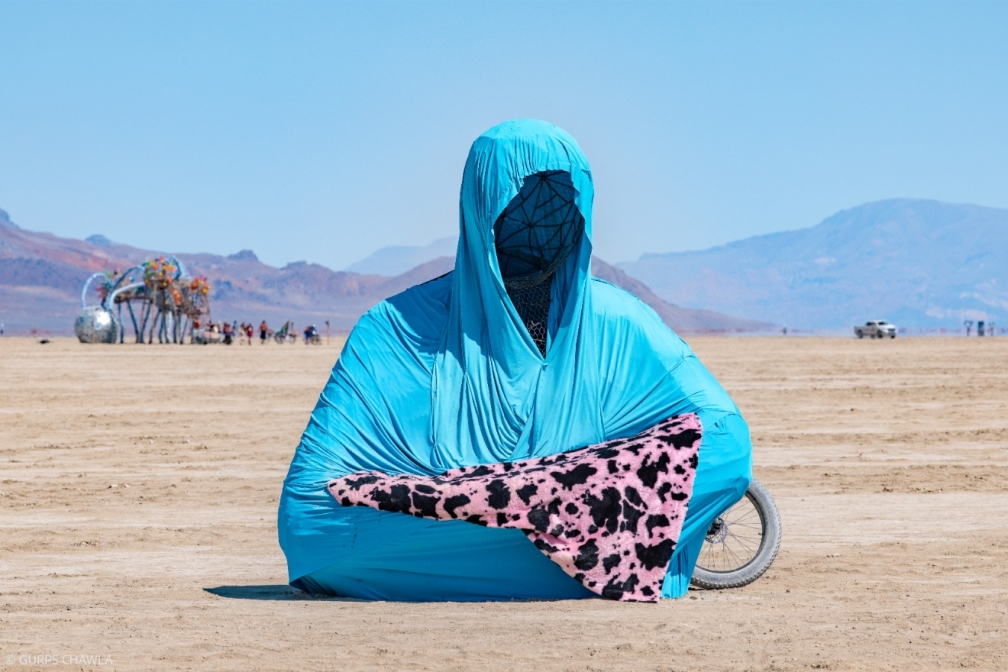
All the above were photographed at Burning Man 2026 in Black Rock City, which the event’s art programme calls the largest temporary outdoor art gallery in the world. Participants build installations as gifts to the community. The photographer behind these images is Gurps Chawla, who has now been to the event 16 times, and recently won Event Photographer of the Year (Non-Professional category) as part of the International Photography Awards.
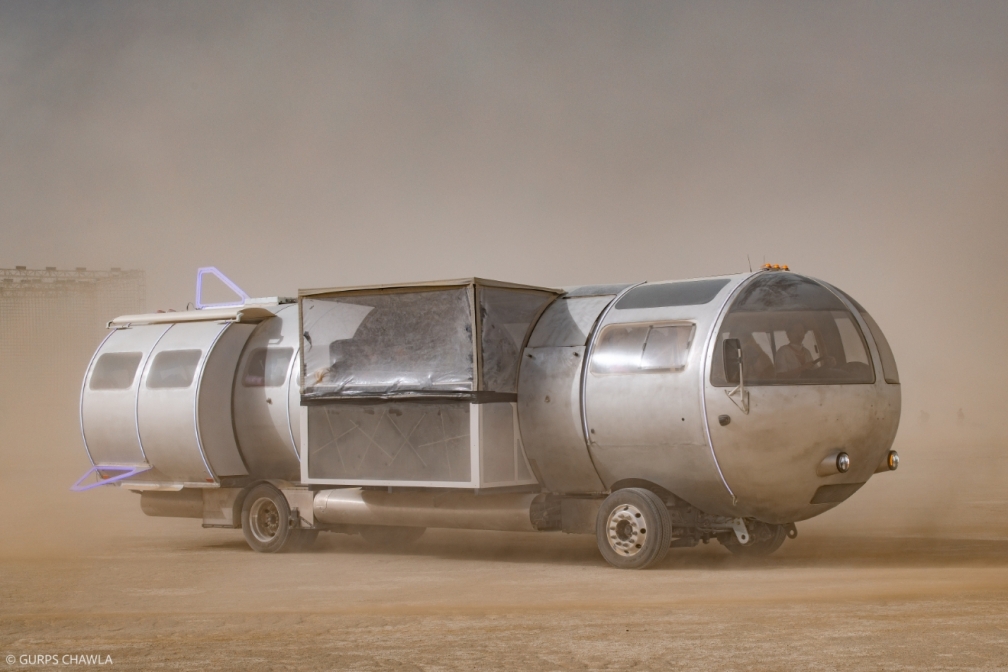
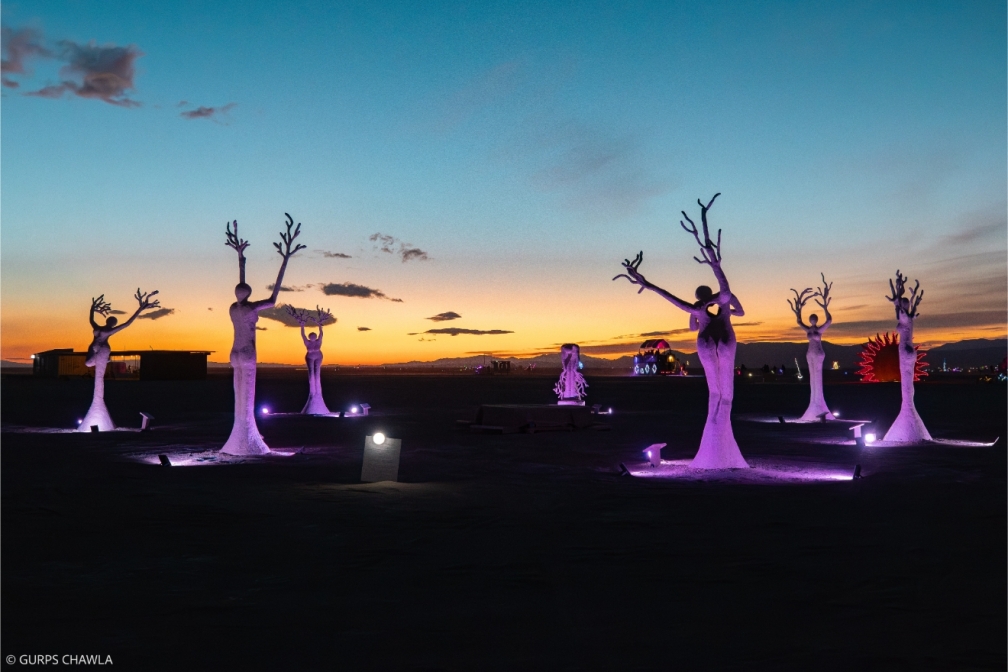
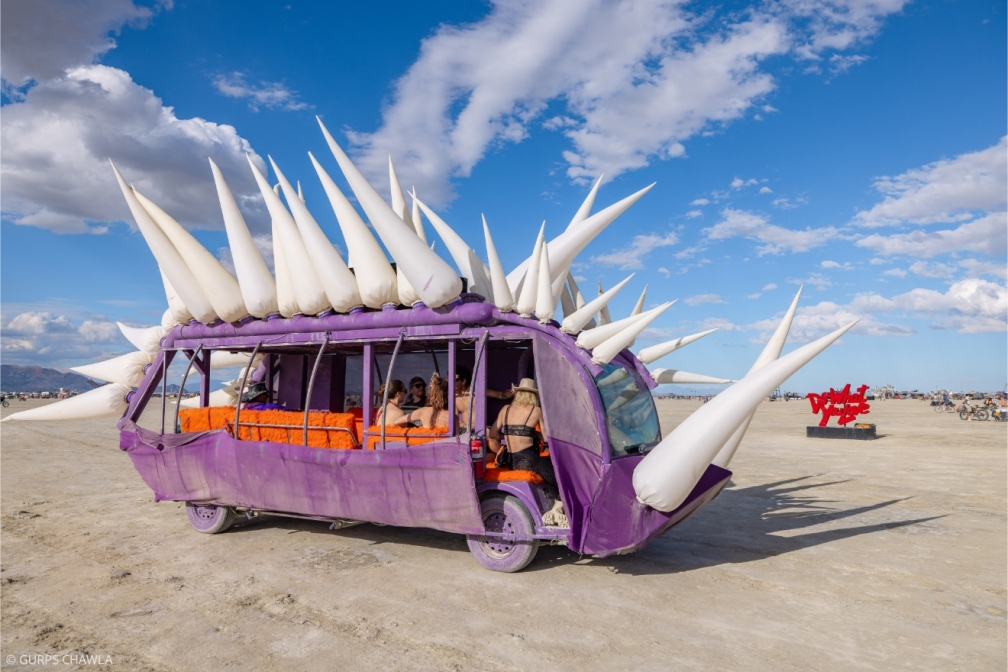
Speaking to Mixmag Asia, he shares: “The playa is an extraordinary setting. It’s an immense, flat expanse surrounded by mountains on every horizon. At night it feels like wandering around a crater on the moon. By day, especially sunrise and sunset, the alkaline dust creates beautiful light. The city layout and its outdoor gallery, and wild mutant vehicles, evokes all sorts of experiential imagery: otherworldly, futuristic, sci-fi, with a touch of Mad Max (yes it’s true!).”
Read this next: Mixmag Asia’s Standout Snaps of 2025
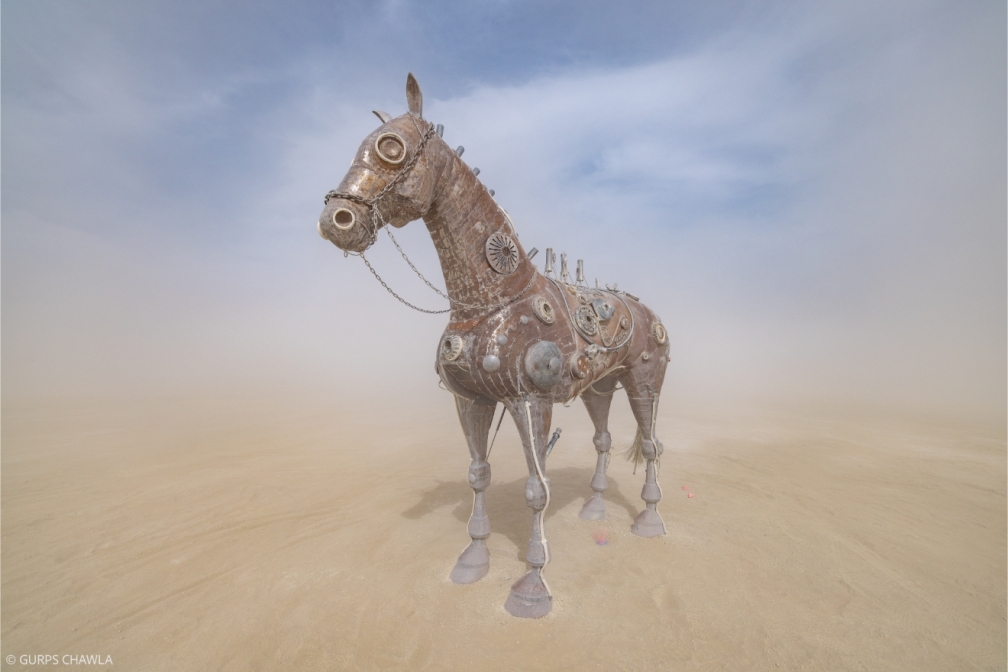
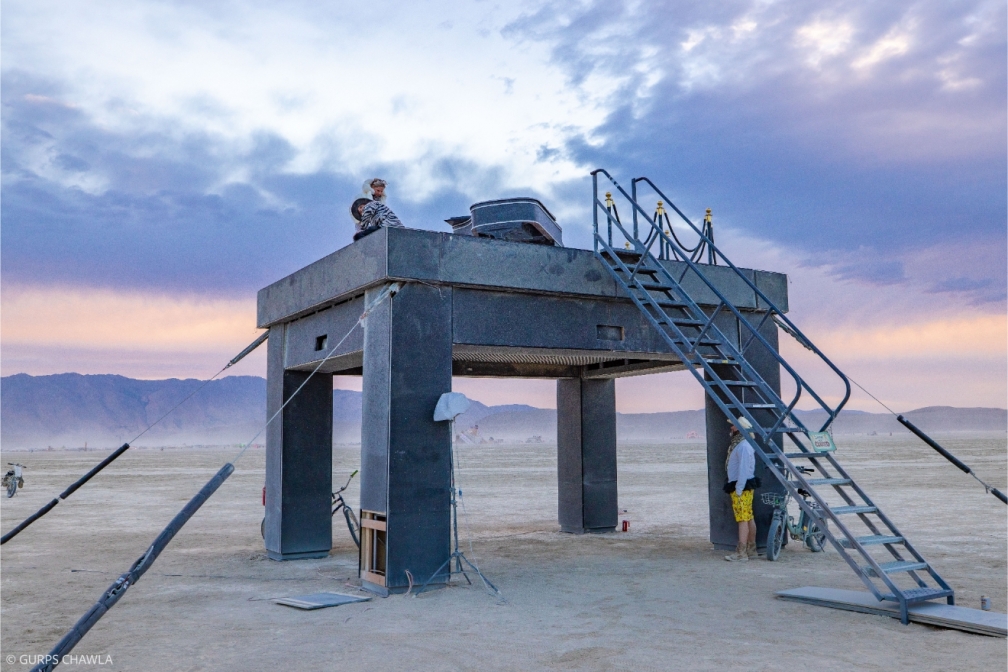
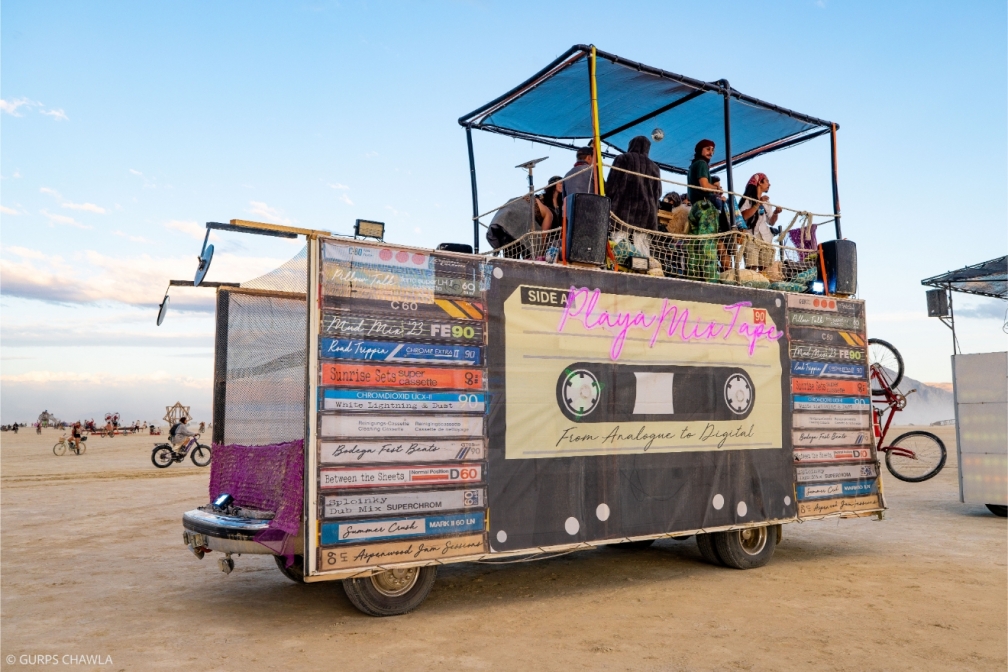
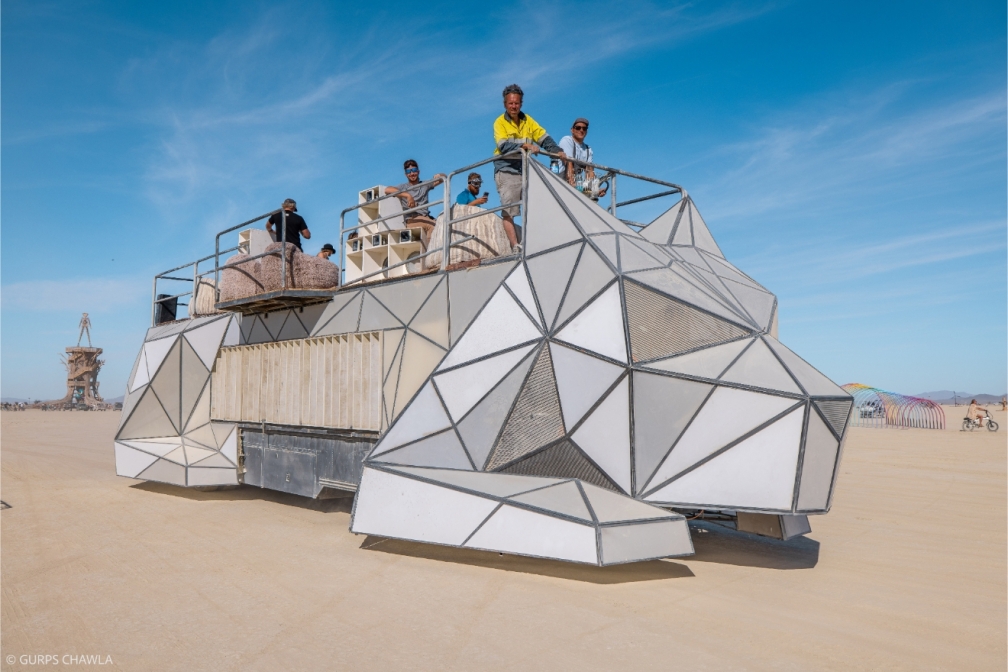
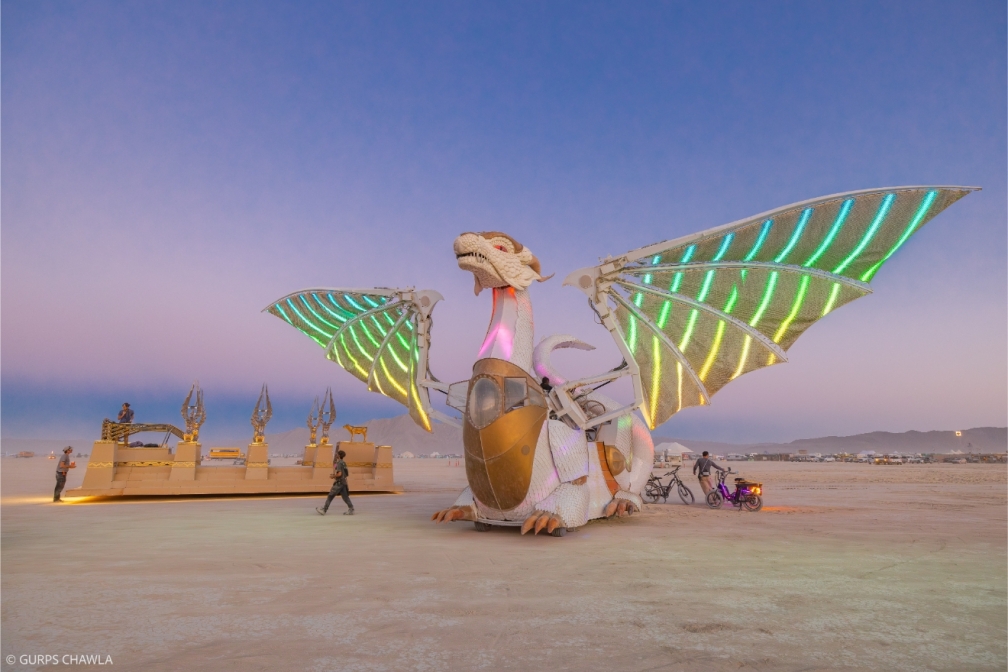
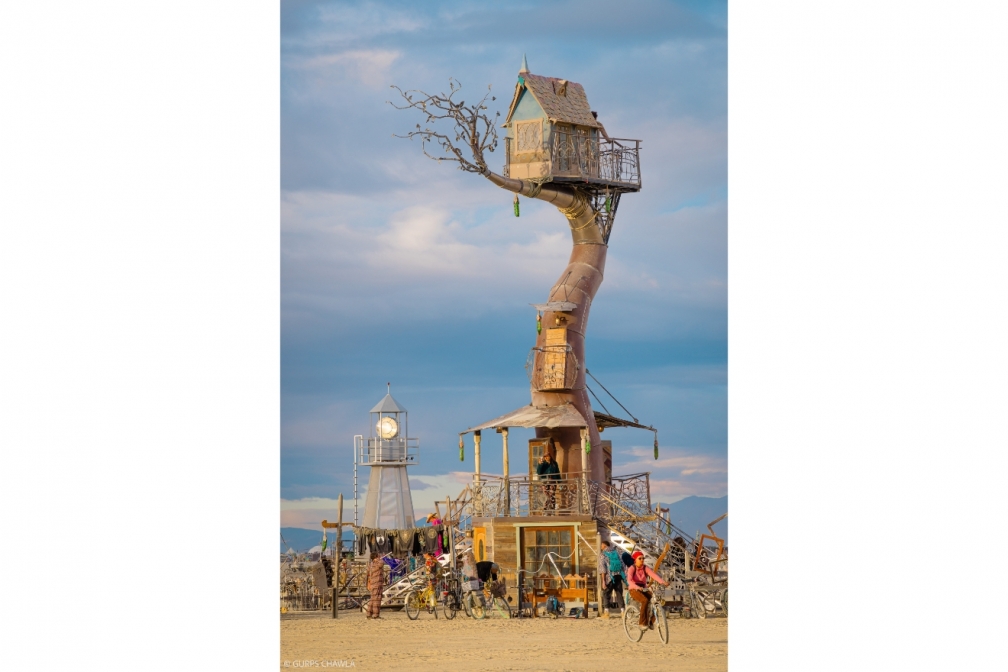
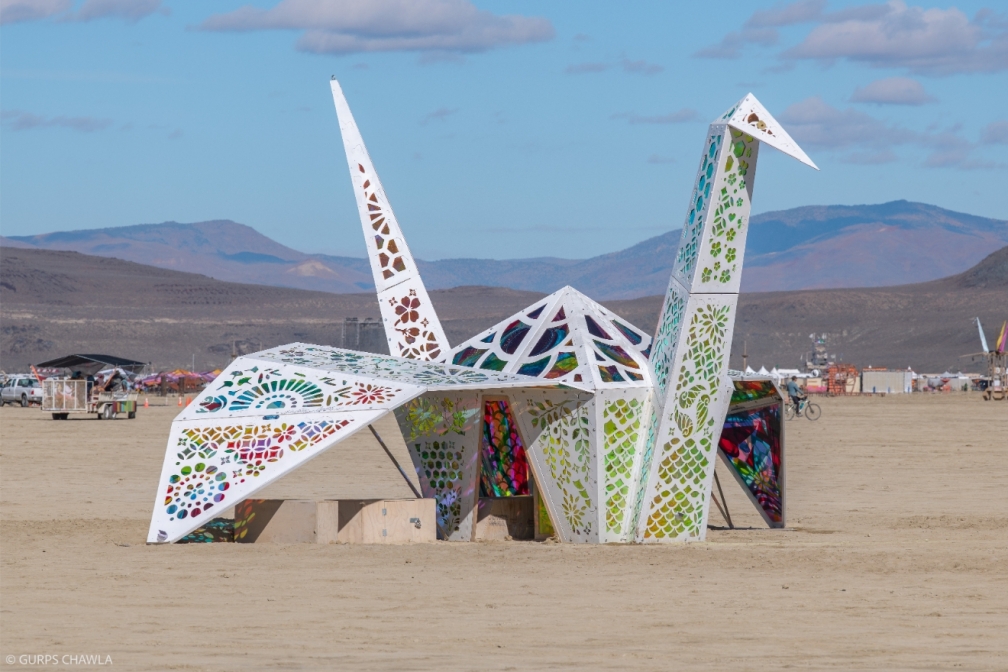
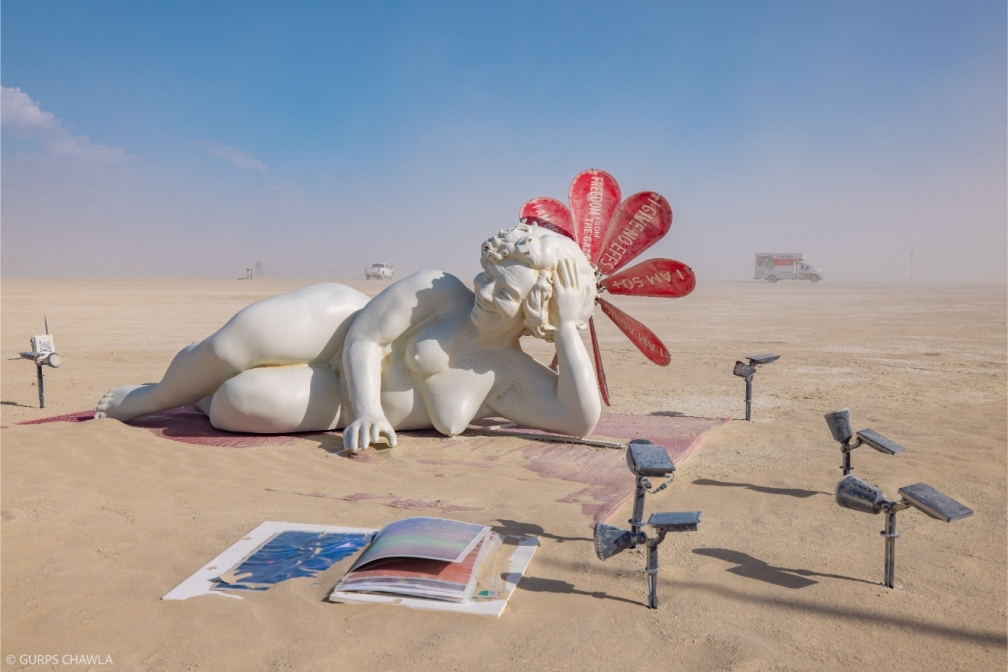
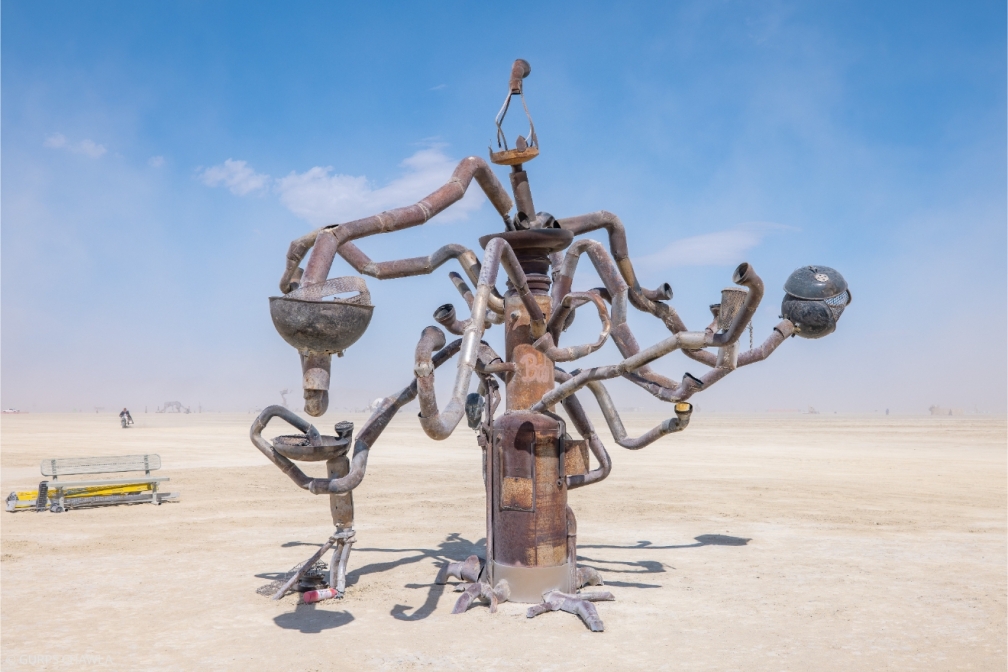
That empty ground is where the art goes, and some of it is hard to believe even when you are standing next to it. A functioning full-size grand piano onto a 13-foot bench, outlined in LEDs after dark; a 16-foot hollow figure carved from retired Indonesian fishing vessels, crouched with its hands over its eyes and glowing from within at night; a fire horse standing 12 feet tall in steampunk style...
Chawla explains what that setting does for each piece: “For the art installations, the setting is essentially a giant blank canvas. Each piece is given space to breathe, to be seen and experienced. Encountering something so out of context on the desert floor is thrilling, and the sheer volume of art means you’re constantly making new discoveries. I can spend six to eight hours out photographing per day and still not see everything.”
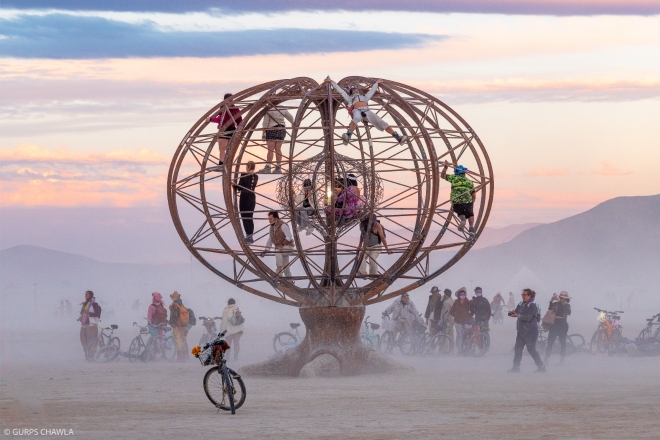
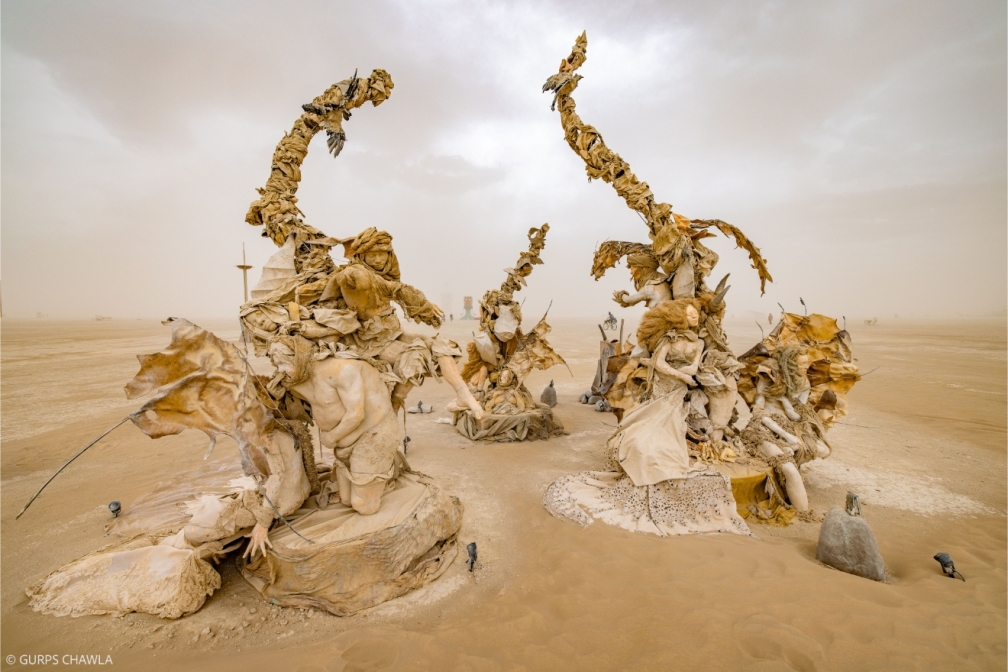
The desert has its own way of staging them. Dust can hide a piece completely and then give it back.
“Sometimes, cycling or walking during a dust storm, a sculpture will emerge through a break in the dust, like stumbling across a relic of a lost civilisation. I still get the same thrill from these moments as I did 16 years ago. And there’s something quite profound about knowing that all of this complexity was deliberately created in such an unlikely place. When you’re there, that effort feels very real, and the result is an incredibly rich and visceral experience.”
Read this next: Take a look at these incredible photos from 30 years of Burning Man
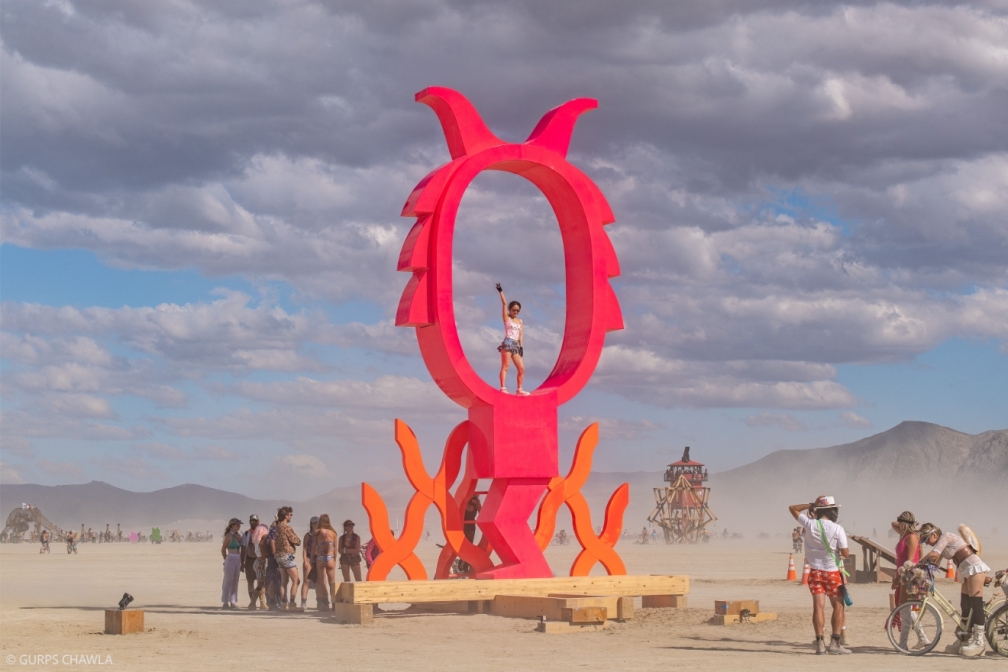
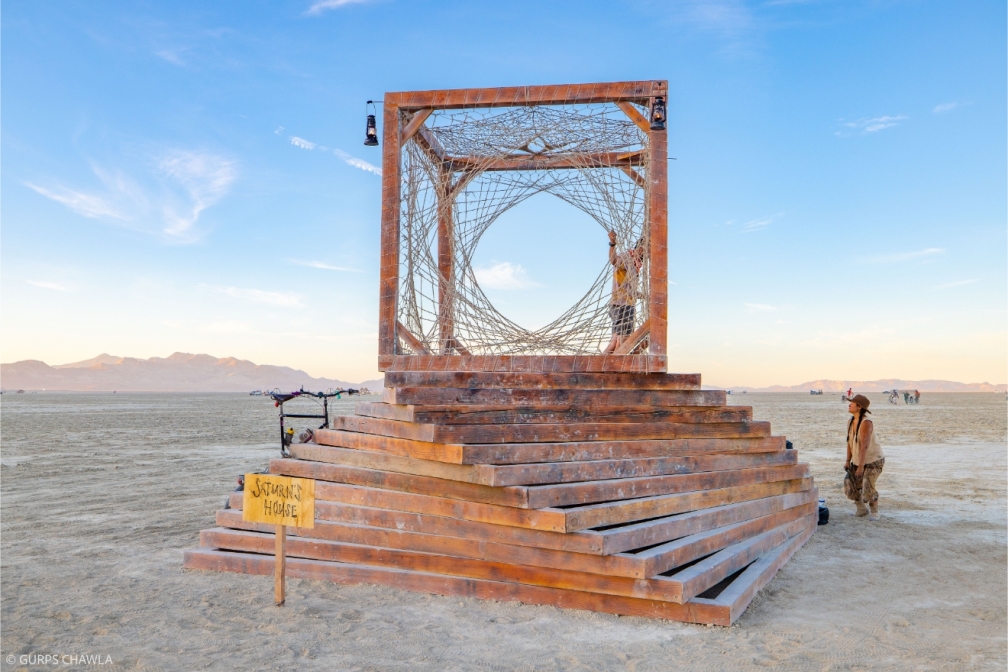
Once you reach an installation, you’re often invited to climb inside and explore. One is a rotating steel landscape powered by people; another asks you to imagine yourself as an earthworm and crawl through it.
Chawla sees the common thread: “Many are designed to be climbed on, explored or interacted with. And there’s an astonishing number of them. Traditional galleries certainly have their place, but at Burning Man, art isn’t something you just stand back and admire. You can touch it, climb on it and explore it. It adds a whole other dimension to the experience—quite literally, the third dimension!”
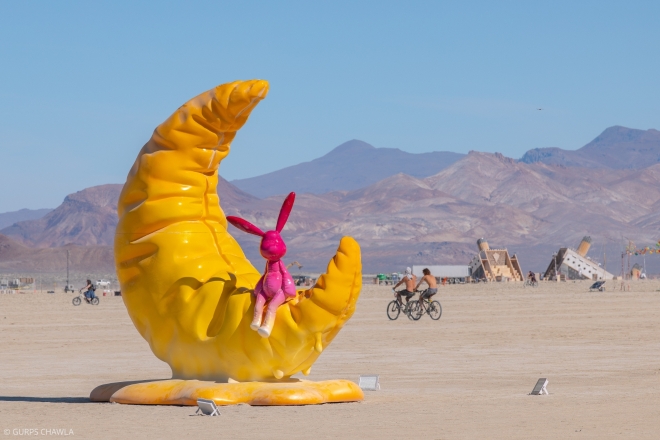
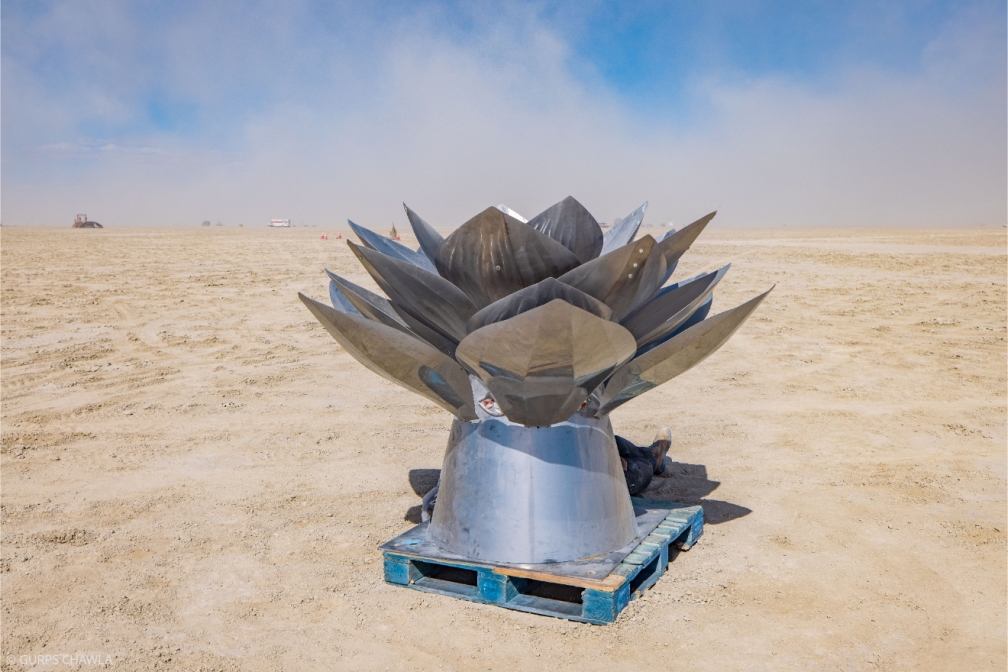
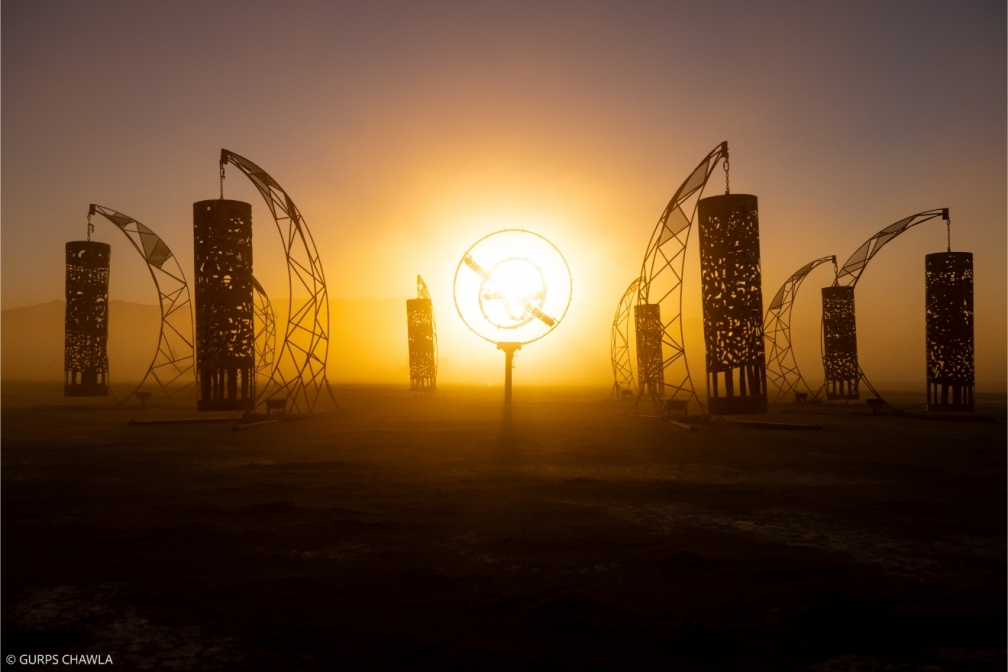
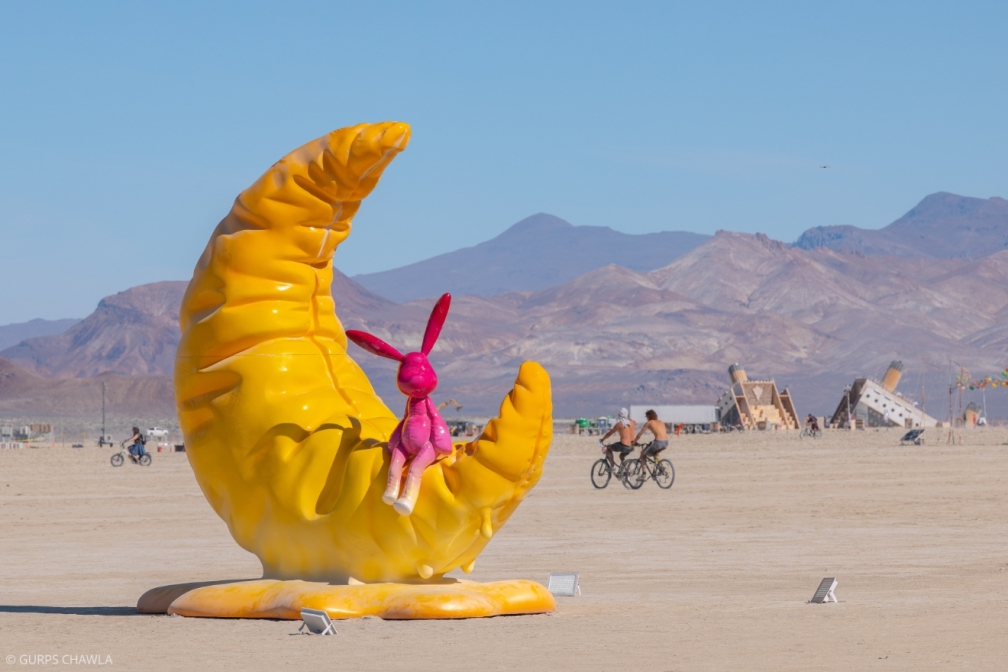
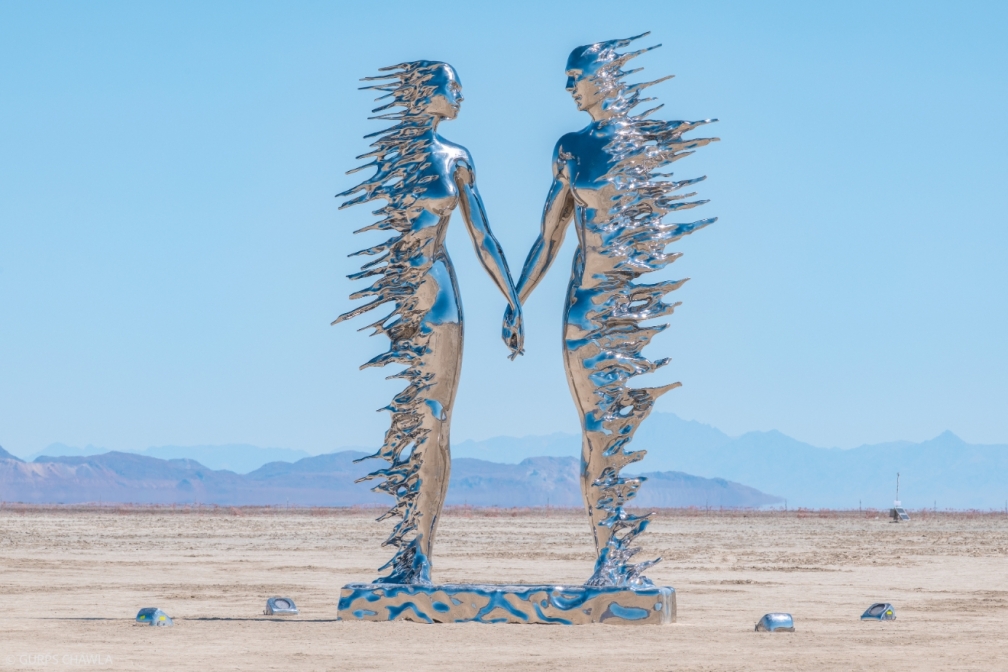
Mona Moon (pictured above), by Miao He, Ricardo Solar and Bowei Wang, who work between Berkeley and Chengdu, draws on the Chinese story of Chang’e and the Jade Bunny. In it, two lovers are separated when she drinks an elixir of immortality and rises to the moon.
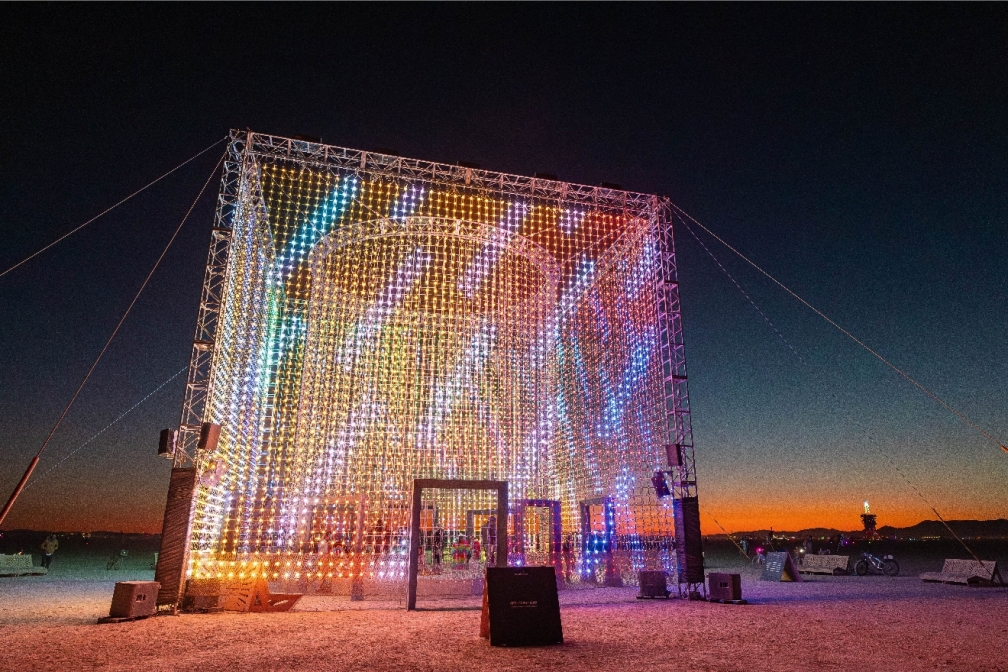
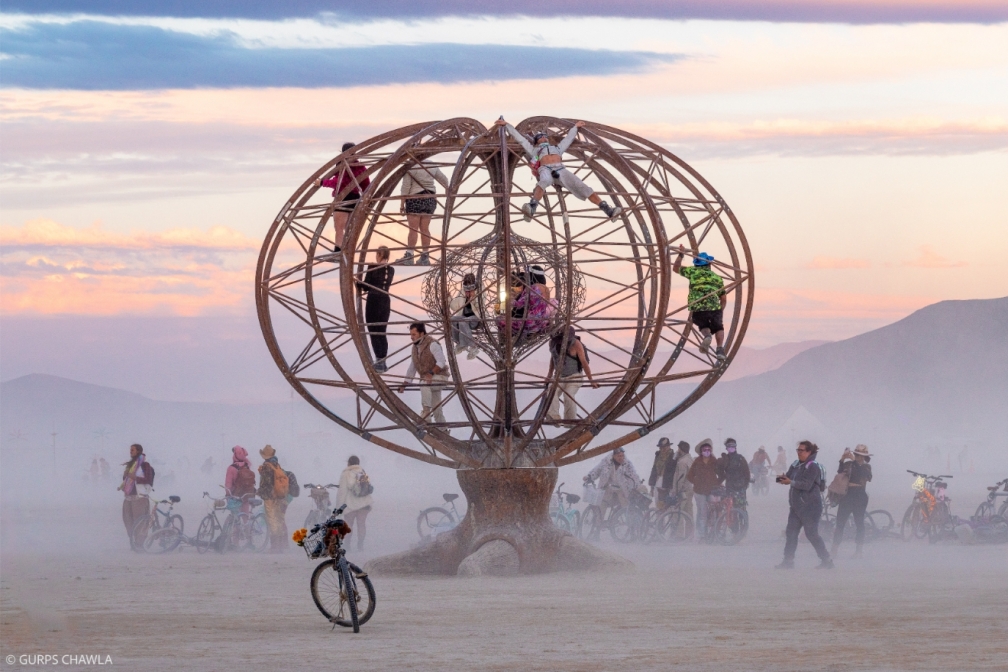
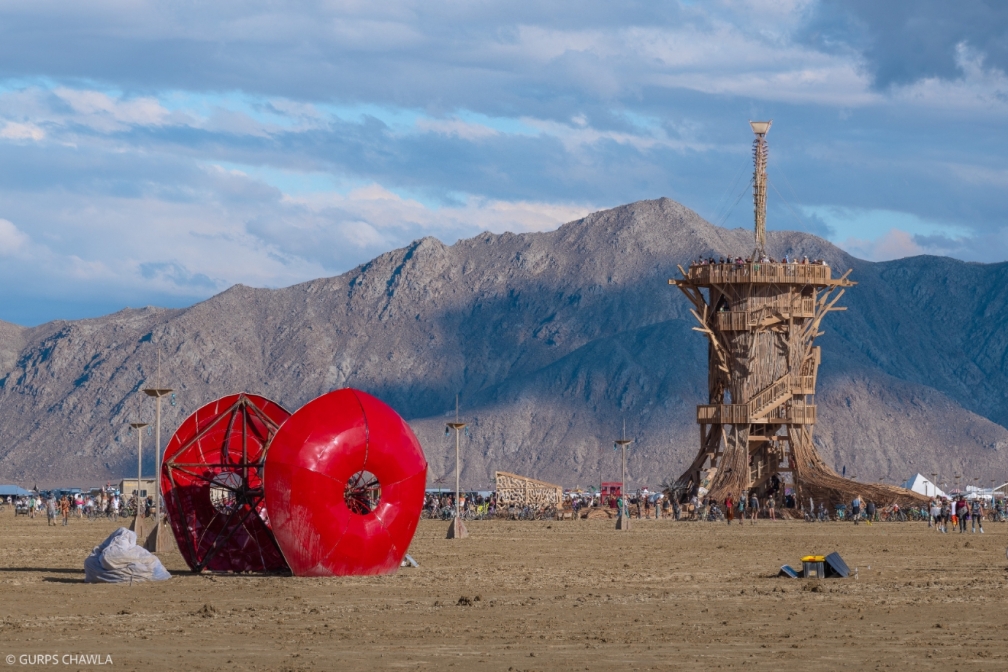
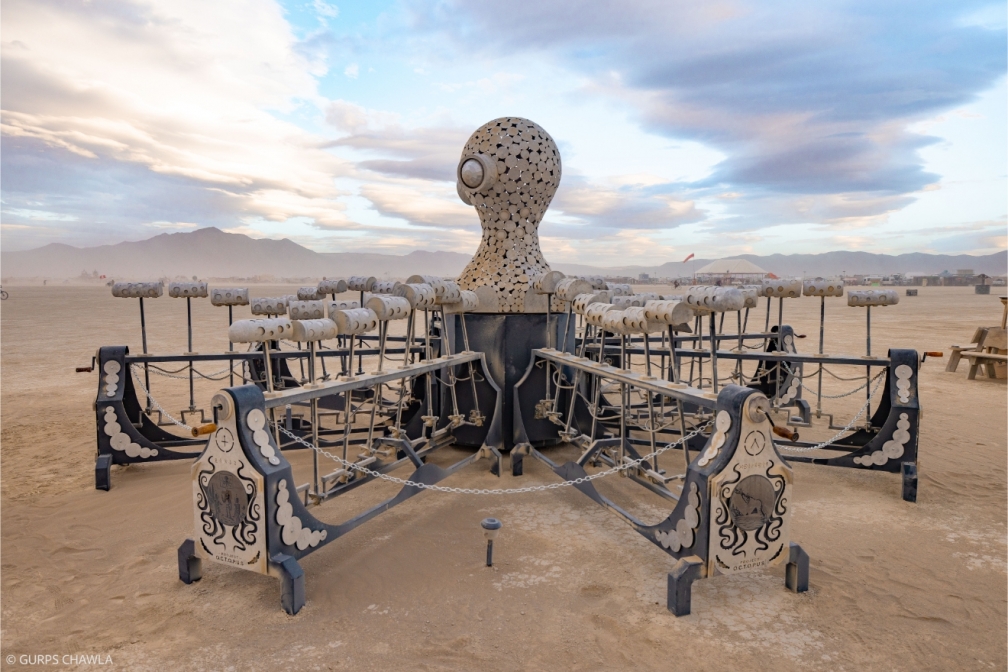
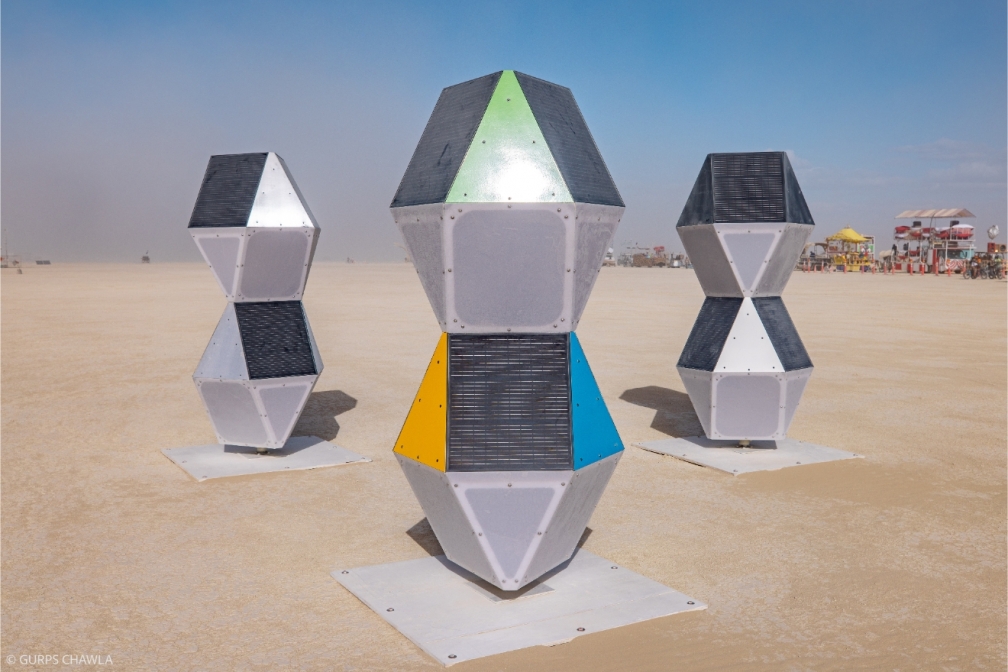
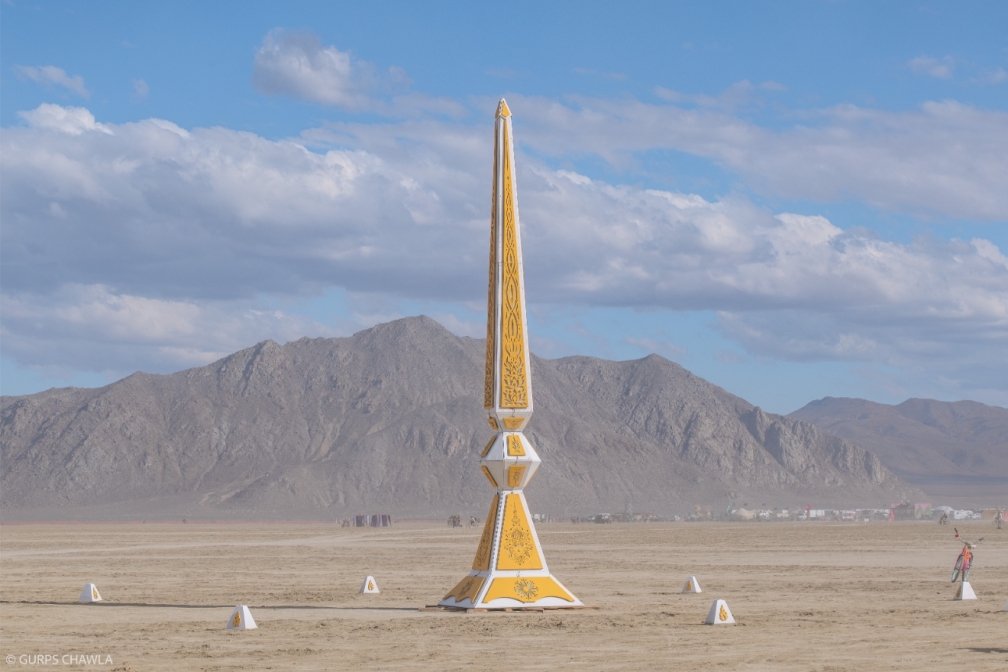
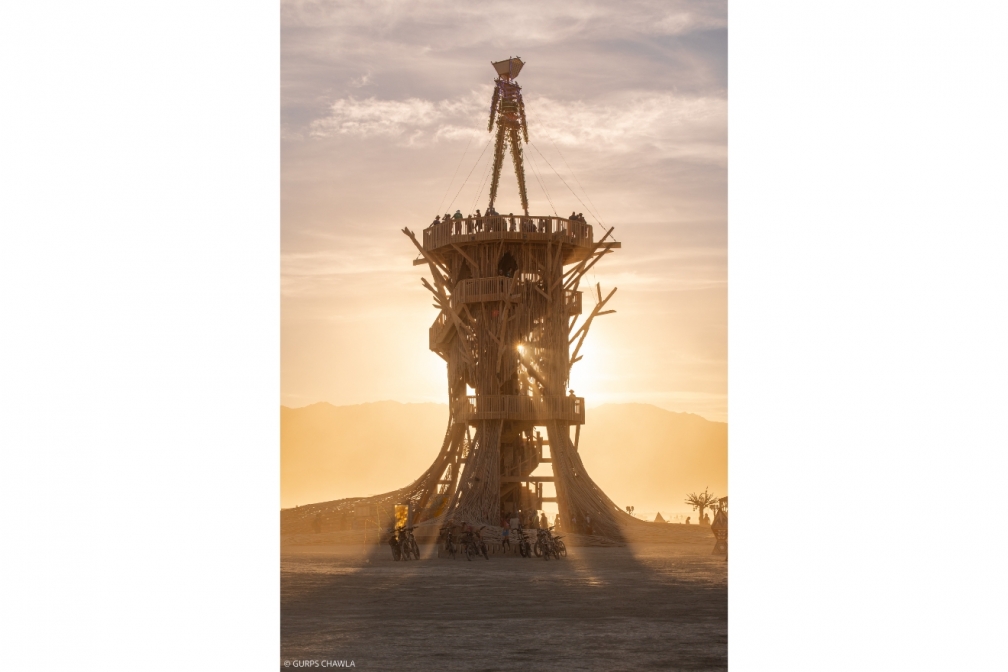
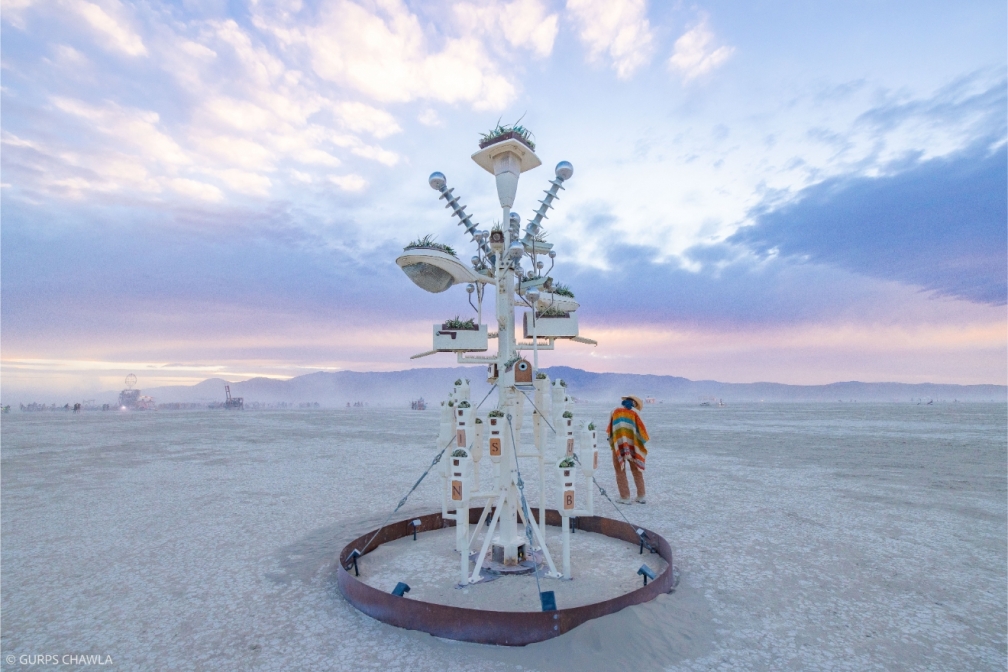
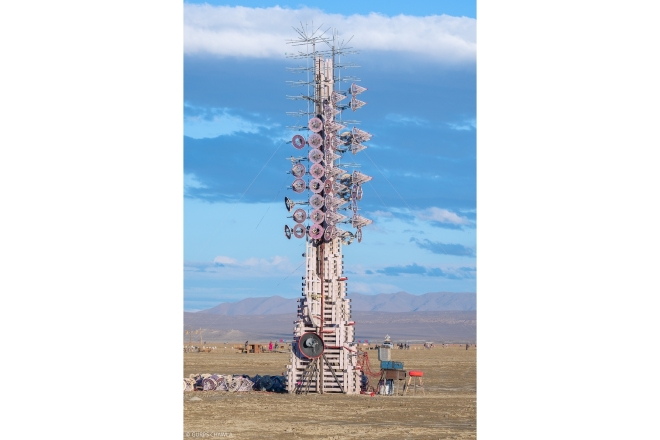
Anthony Fieldman and Mark Slee’s Apotheneum (the lead image of this gallery) is described as a visual, sonic and haptic instrument. It has two nested chambers of LED nets and an immersive soundsystem, and its light and sound art is meant to suit a “slow” space. Sergei Konchekov’s Axis Mundi: Resonant Spire (pictured above) sends phased waves of light up its cones, which its description calls a “temporal instrument”.
Read this next: A photographic walk through Rainbow Disco Club's hillside
Around each of them, a crowd forms: “Collectively, they create this enormous sense of wonder that thousands of other people are sharing at the same time. Around each installation, strangers exchange reactions, interpretations and stories, sometimes learning directly from the artists themselves. Back in camp, you share stories about what you saw. These shared experiences create connections, even if sometimes fleeting, and add layers of meaning that go well beyond the objects themselves. You’re also constantly discovering things you didn’t even know existed (programmable lighting technology has evolved a lot in the last two decades!).”
By the end of the week the effect shows up well beyond the playa, and Chawla puts it plainly: “I think that’s a huge part of what the art does—it inspires people to go away and create something of their own. The outdoor gallery at Burning Man is almost a natural spring of creative energy, tapping into our innate desire to imagine, make and build things, and to have a good time doing it.”
Amira Waworuntu is Mixmag Asia’s Managing Editor, follow her on Instagram.
Never miss a beat. Subscribe to our Scene Report newsletter or follow us on Instagram.
