


“The culture survives”: A Century in Sound’s photobook documents 100 years of Japan’s listening cafés
Filmmaker Nick Dwyer & photographer Lee Chapman reflect on 10+ years of documentary-making & three years of collaboration on a companion photobook, launching on Kickstarter October 23
-
 “The culture survives”: A Century in Sound’s photobook documents 100 years of Japan’s listening cafés
-
 “The culture survives”: A Century in Sound’s photobook documents 100 years of Japan’s listening cafés
-
 “The culture survives”: A Century in Sound’s photobook documents 100 years of Japan’s listening cafés
-
 “The culture survives”: A Century in Sound’s photobook documents 100 years of Japan’s listening cafés
-
 “The culture survives”: A Century in Sound’s photobook documents 100 years of Japan’s listening cafés
-
 “The culture survives”: A Century in Sound’s photobook documents 100 years of Japan’s listening cafés
-
 “The culture survives”: A Century in Sound’s photobook documents 100 years of Japan’s listening cafés
-
 “The culture survives”: A Century in Sound’s photobook documents 100 years of Japan’s listening cafés
-
 “The culture survives”: A Century in Sound’s photobook documents 100 years of Japan’s listening cafés
-
 “The culture survives”: A Century in Sound’s photobook documents 100 years of Japan’s listening cafés
-
 “The culture survives”: A Century in Sound’s photobook documents 100 years of Japan’s listening cafés
-
 “The culture survives”: A Century in Sound’s photobook documents 100 years of Japan’s listening cafés
-
 “The culture survives”: A Century in Sound’s photobook documents 100 years of Japan’s listening cafés
-
 “The culture survives”: A Century in Sound’s photobook documents 100 years of Japan’s listening cafés
-
 “The culture survives”: A Century in Sound’s photobook documents 100 years of Japan’s listening cafés
-
 “The culture survives”: A Century in Sound’s photobook documents 100 years of Japan’s listening cafés
-
 “The culture survives”: A Century in Sound’s photobook documents 100 years of Japan’s listening cafés
-
 “The culture survives”: A Century in Sound’s photobook documents 100 years of Japan’s listening cafés
-
 “The culture survives”: A Century in Sound’s photobook documents 100 years of Japan’s listening cafés
-
 “The culture survives”: A Century in Sound’s photobook documents 100 years of Japan’s listening cafés
-
 “The culture survives”: A Century in Sound’s photobook documents 100 years of Japan’s listening cafés
-
 “The culture survives”: A Century in Sound’s photobook documents 100 years of Japan’s listening cafés
-
 “The culture survives”: A Century in Sound’s photobook documents 100 years of Japan’s listening cafés
-
 “The culture survives”: A Century in Sound’s photobook documents 100 years of Japan’s listening cafés
-
 “The culture survives”: A Century in Sound’s photobook documents 100 years of Japan’s listening cafés
-
 “The culture survives”: A Century in Sound’s photobook documents 100 years of Japan’s listening cafés
-
 “The culture survives”: A Century in Sound’s photobook documents 100 years of Japan’s listening cafés
-
 “The culture survives”: A Century in Sound’s photobook documents 100 years of Japan’s listening cafés
-
 “The culture survives”: A Century in Sound’s photobook documents 100 years of Japan’s listening cafés
-
 “The culture survives”: A Century in Sound’s photobook documents 100 years of Japan’s listening cafés
-
 “The culture survives”: A Century in Sound’s photobook documents 100 years of Japan’s listening cafés
Japan’s ongaku kissa (music cafés built around the act of listening) are the subject of A Century in Sound, a six-part documentary series from Tokyo-based New Zealand filmmaker Nick Dwyer.
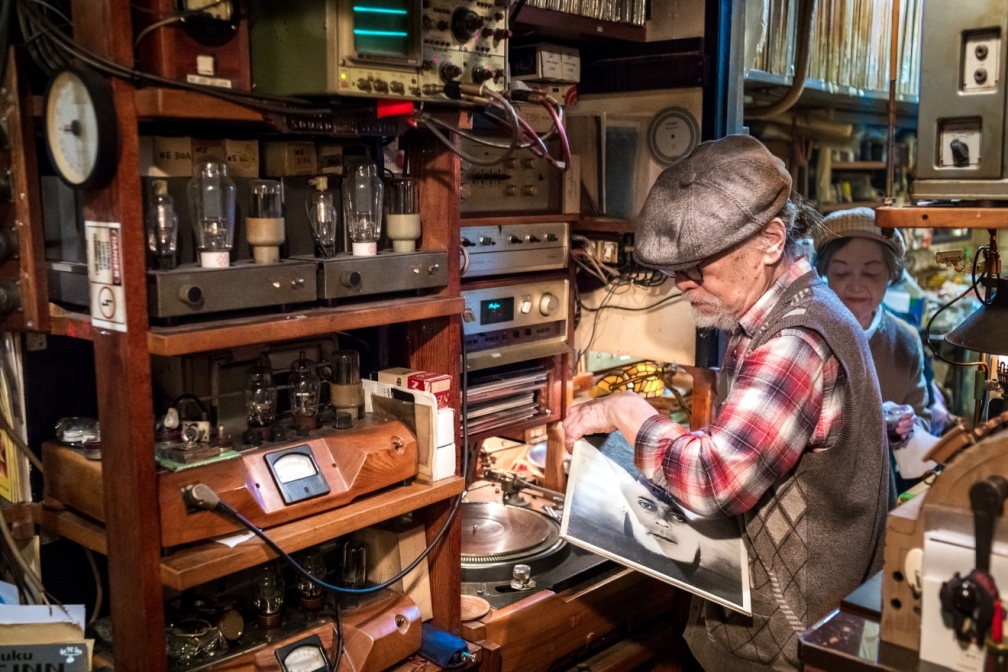
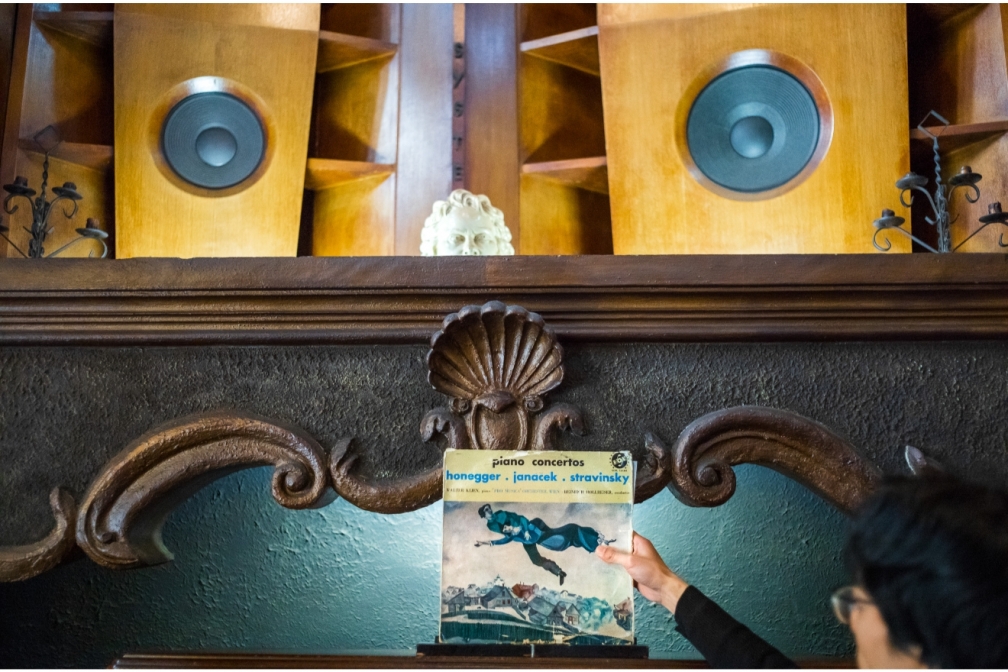
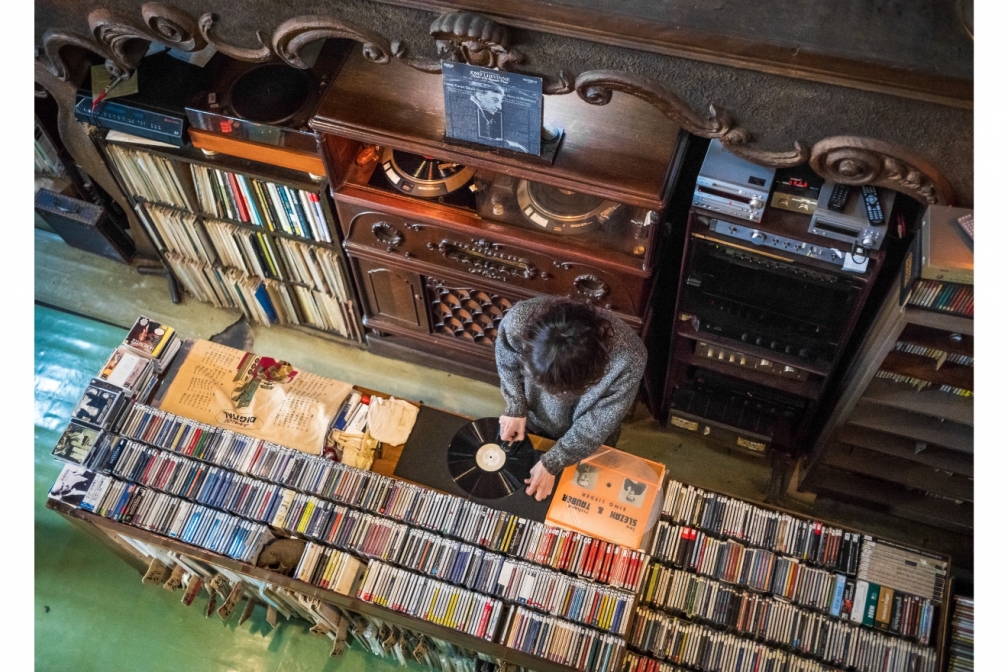
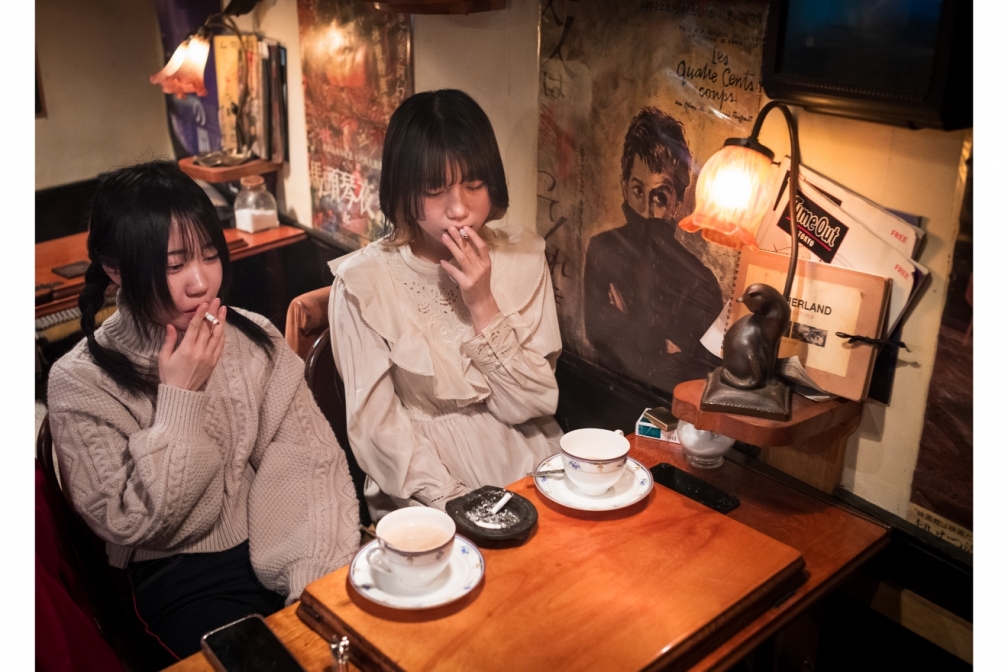
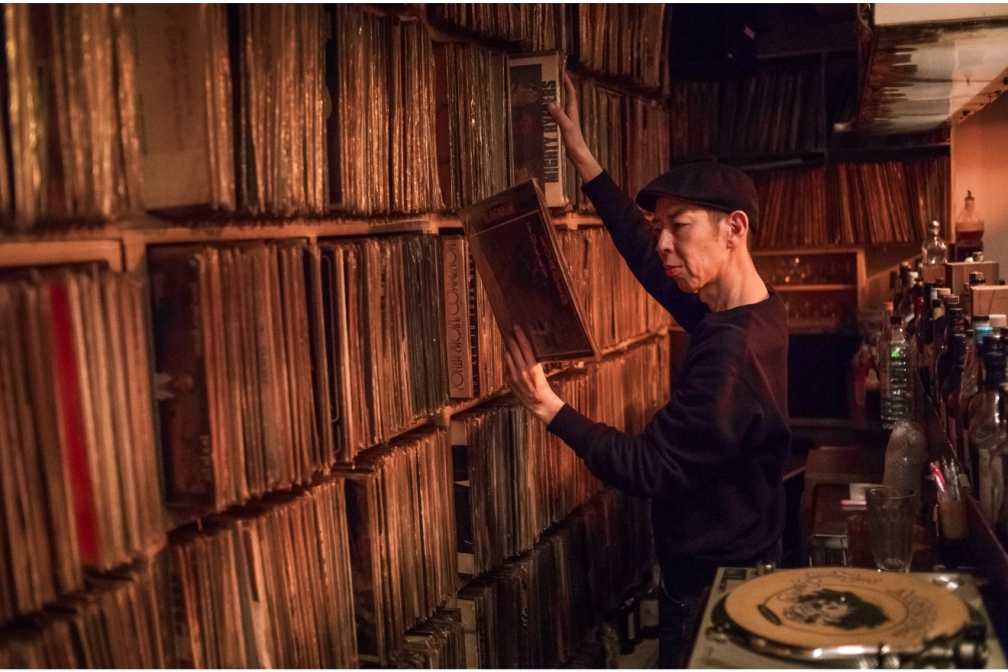
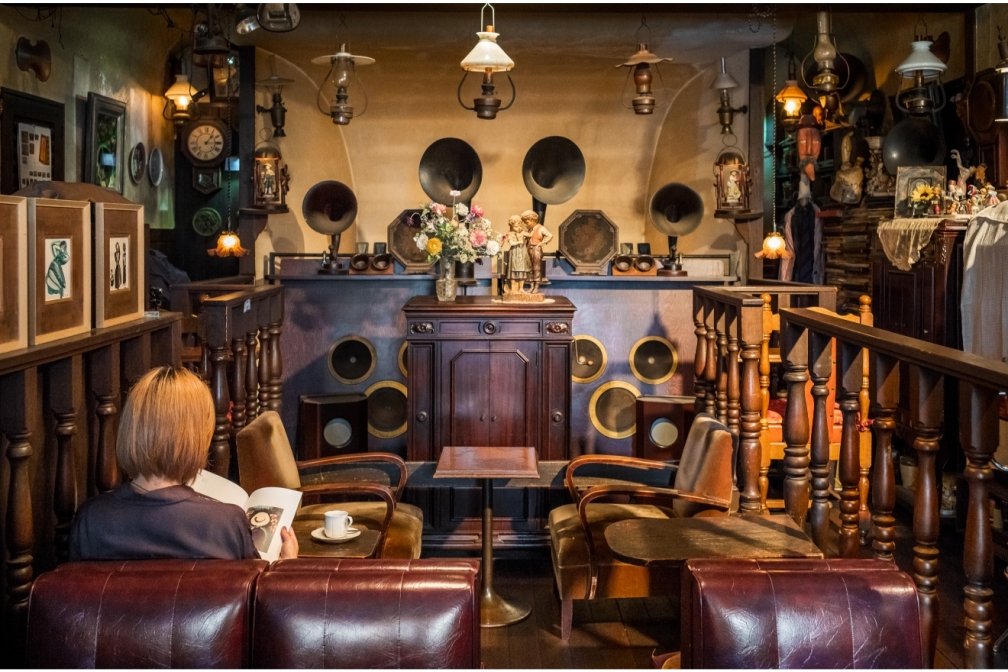
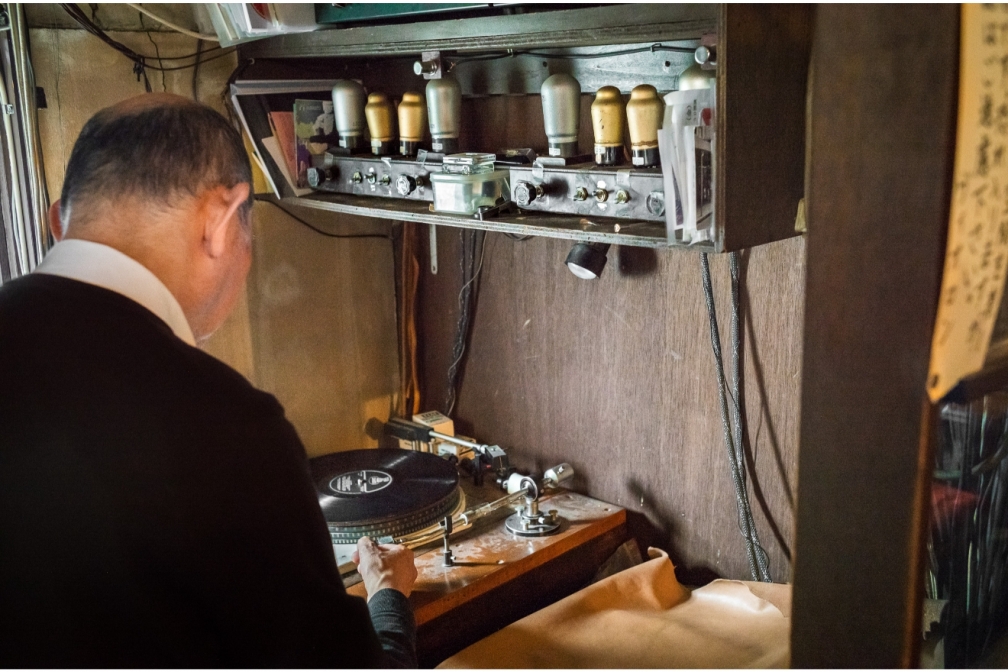
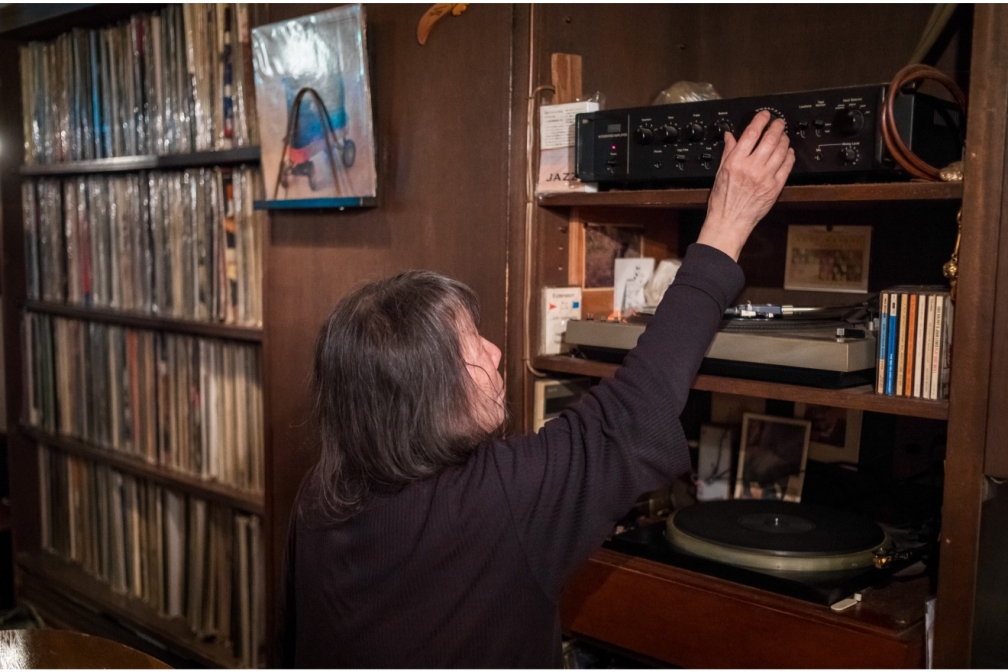
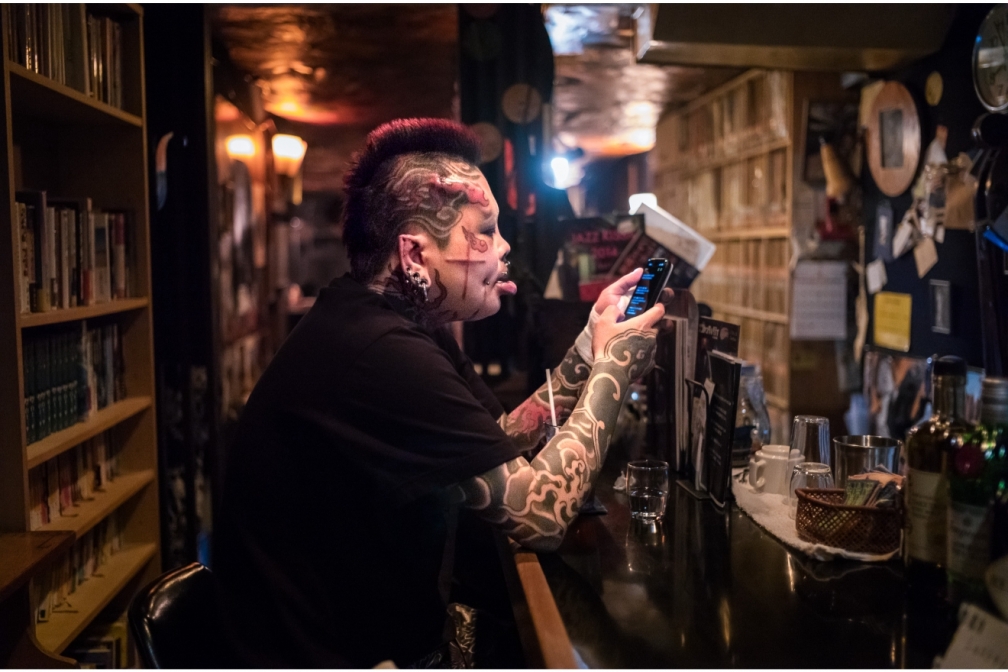
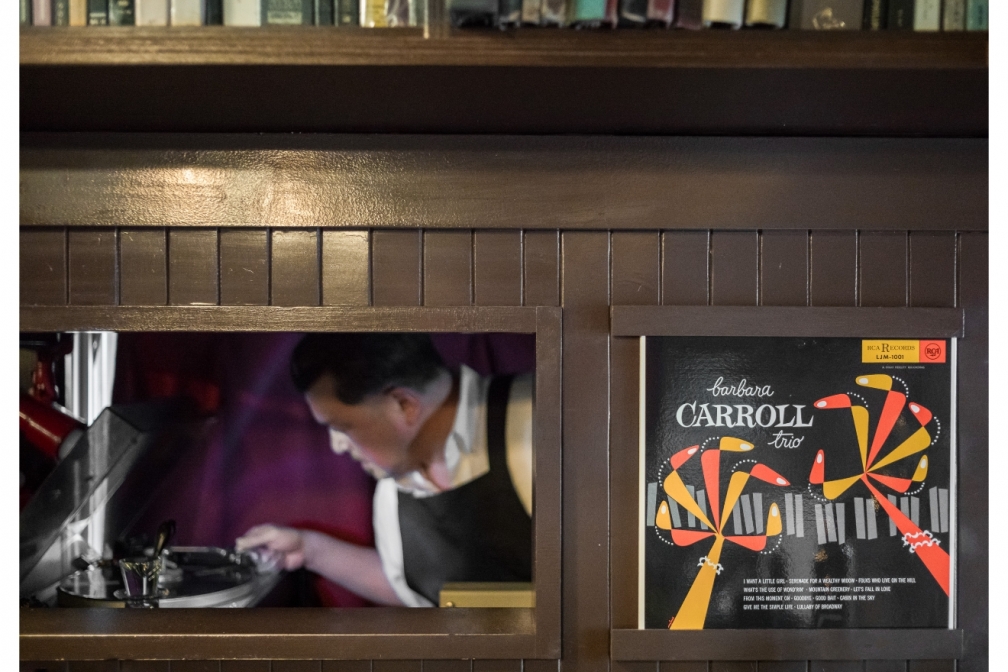
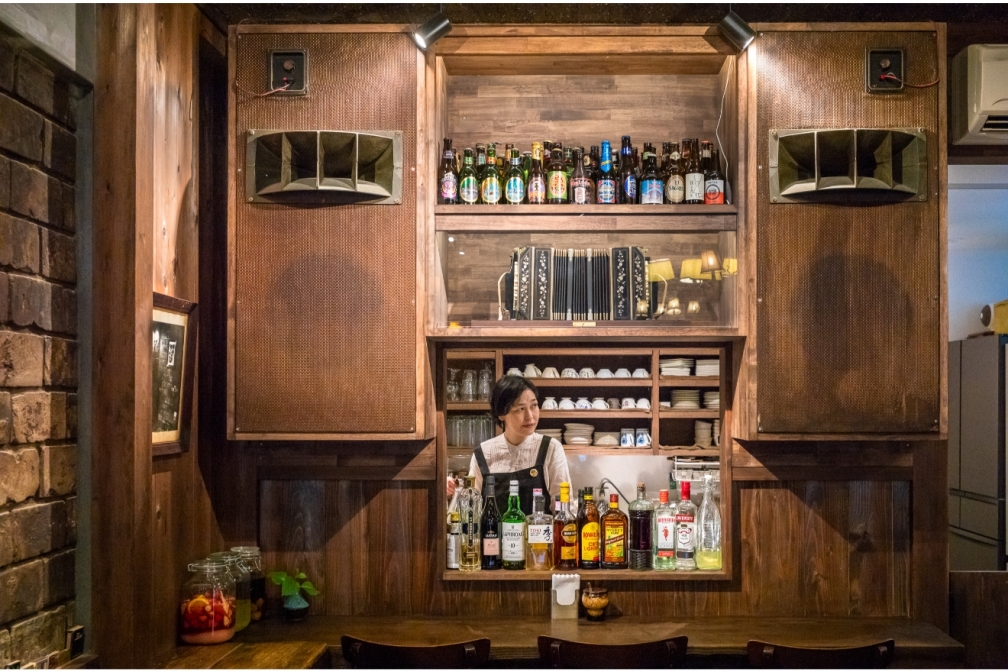
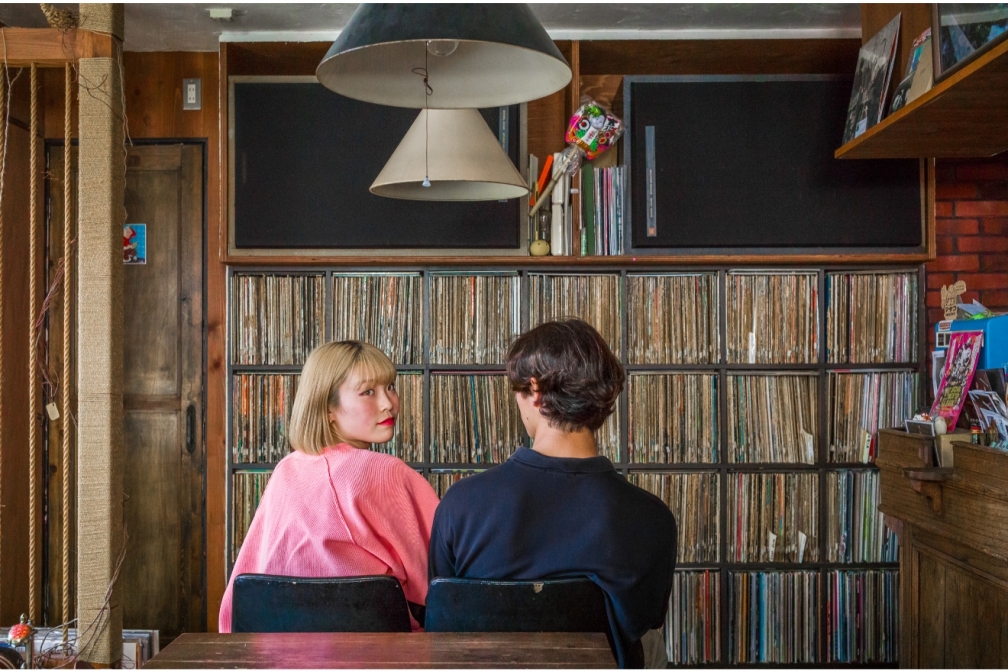
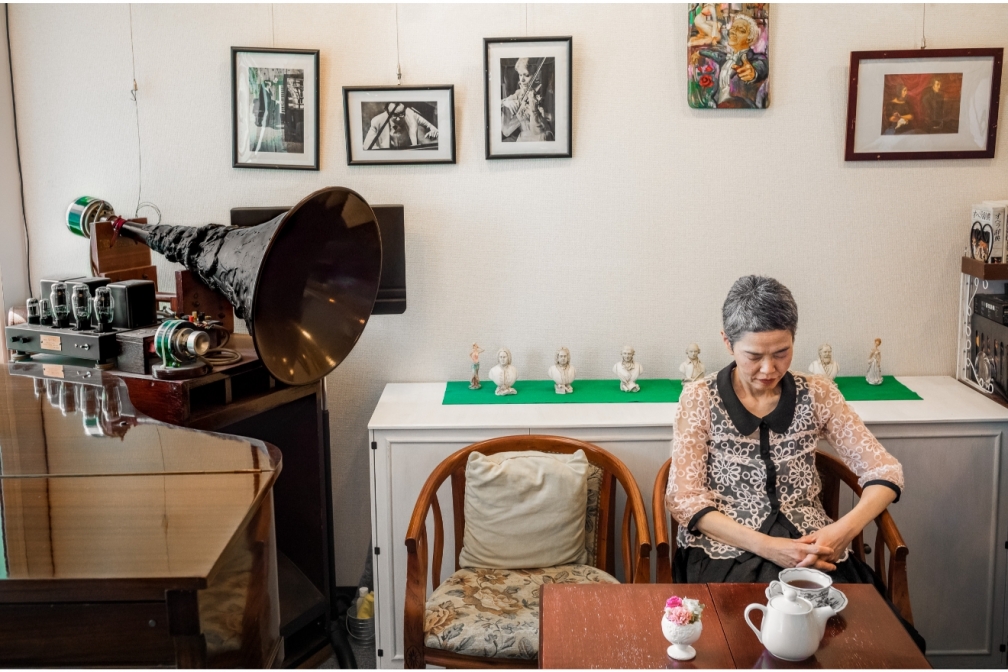
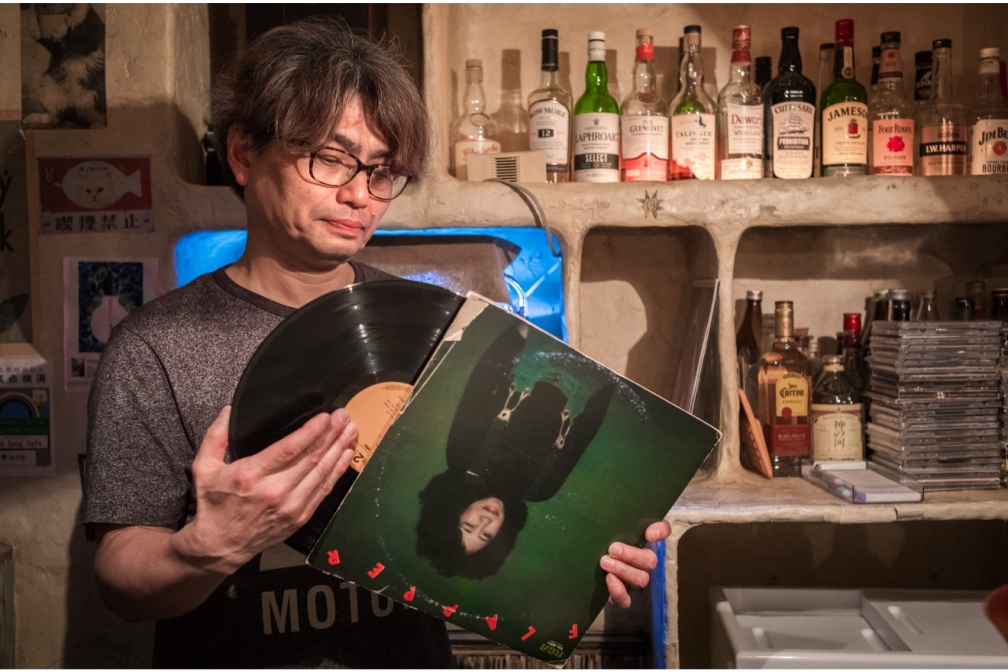
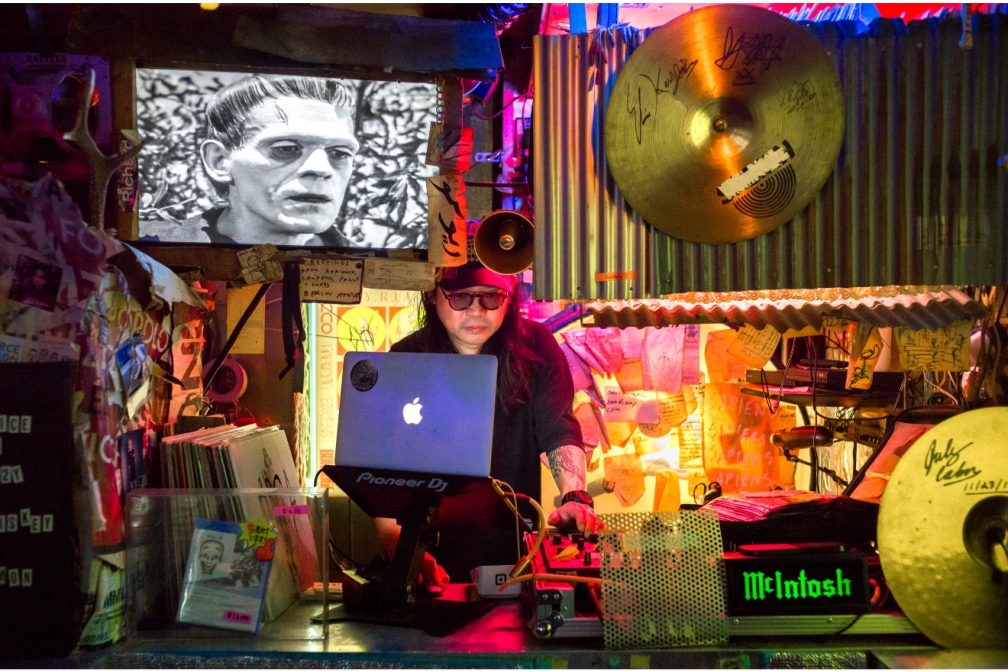
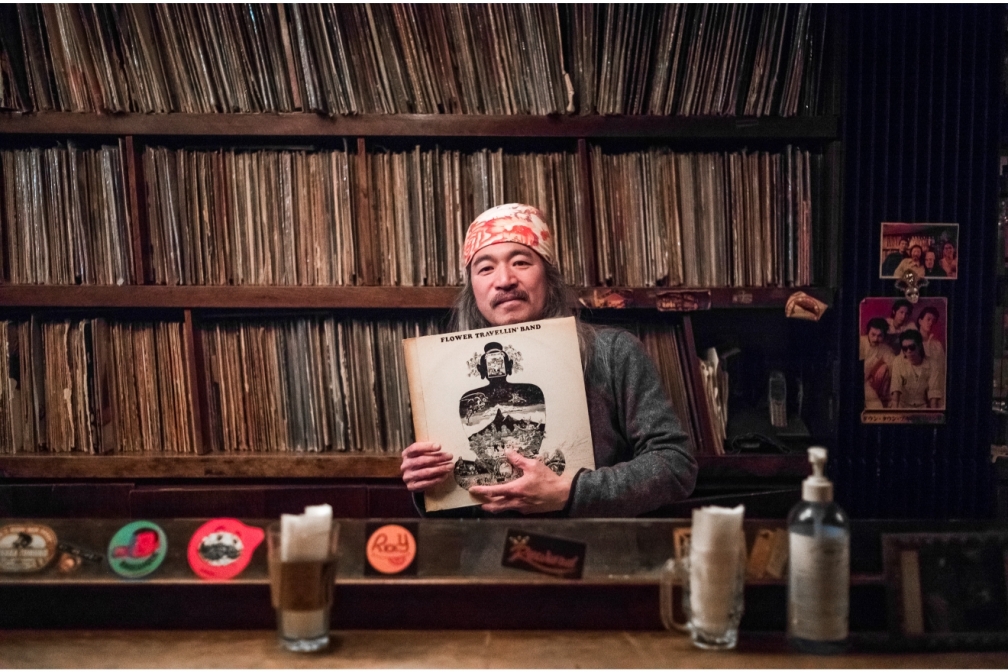
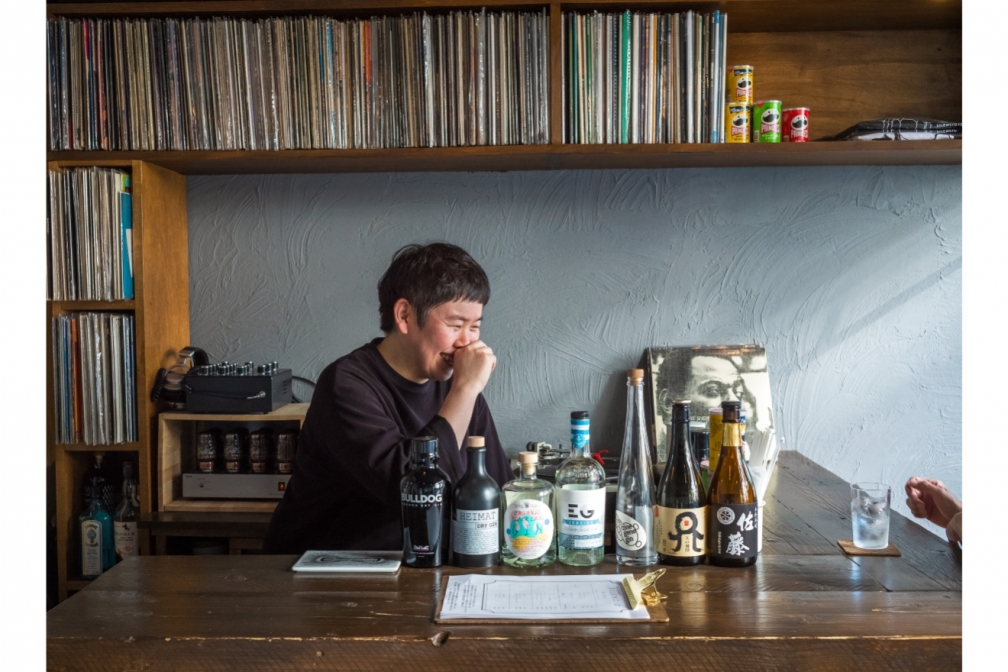
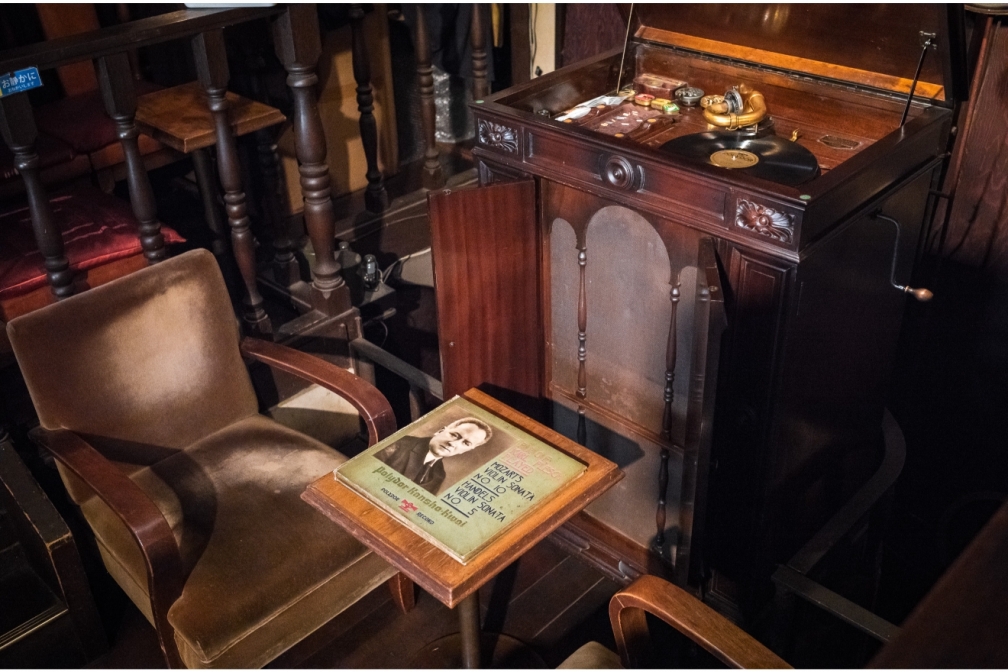
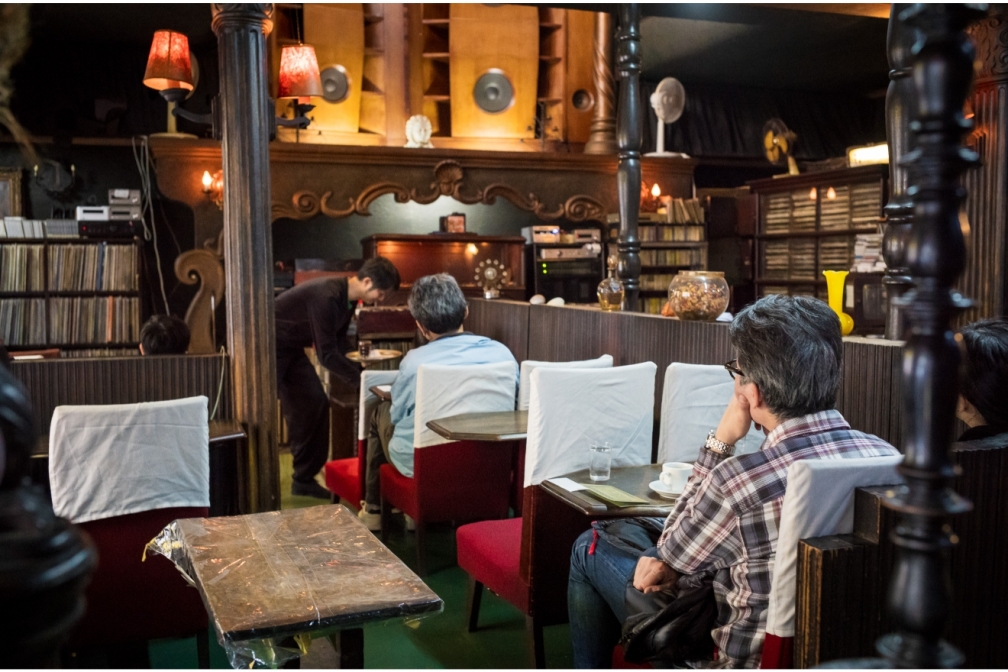
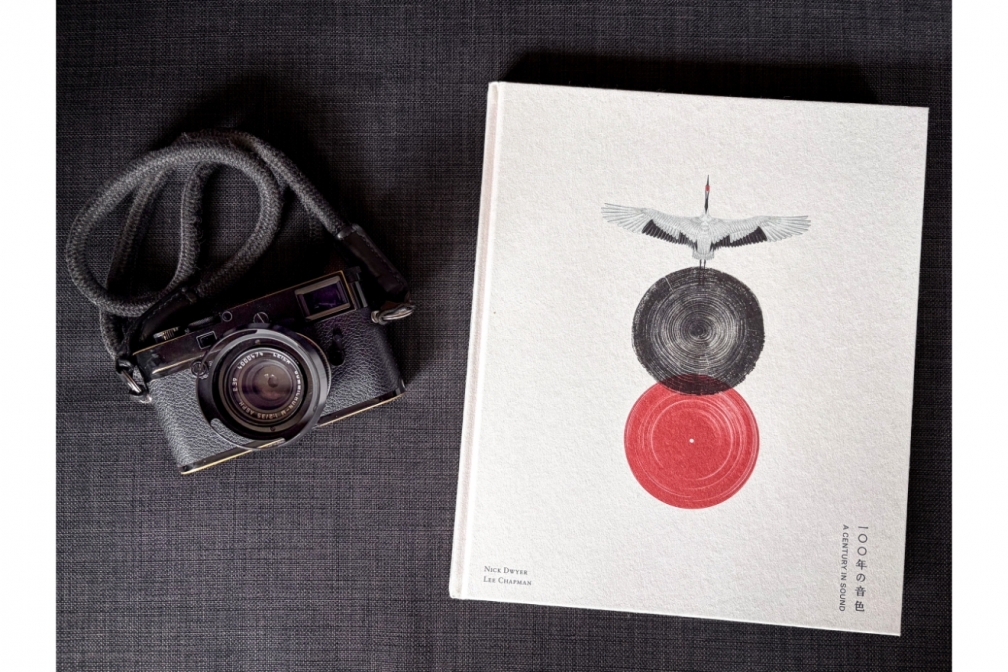
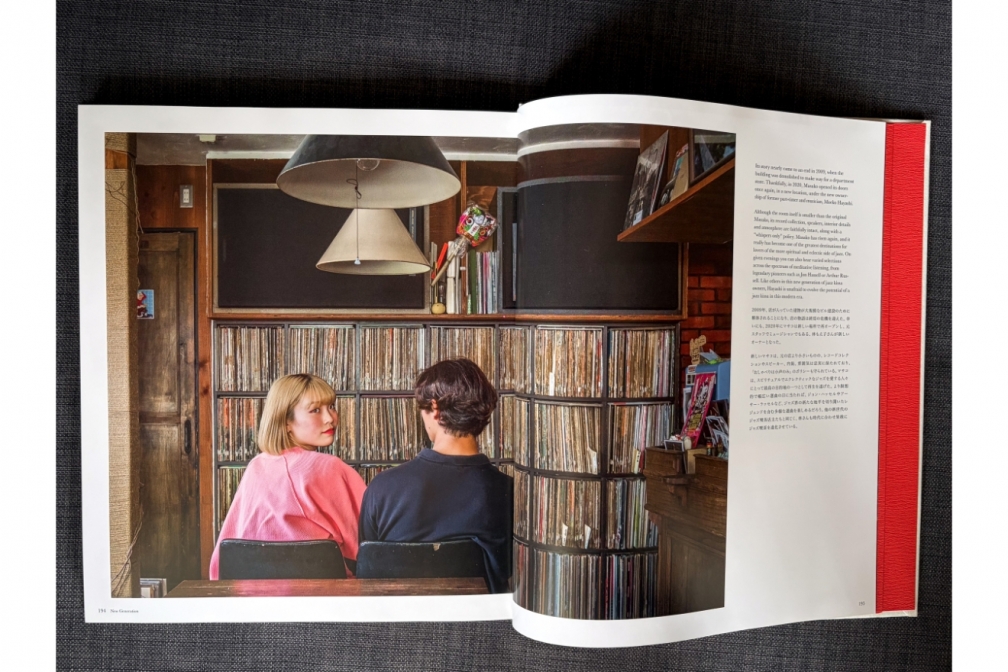
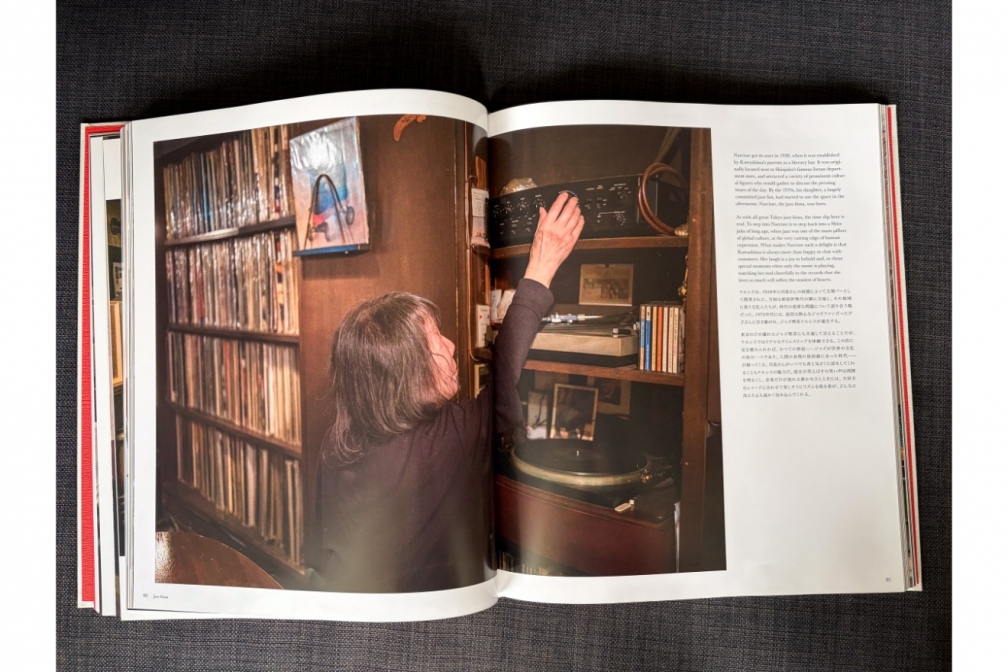
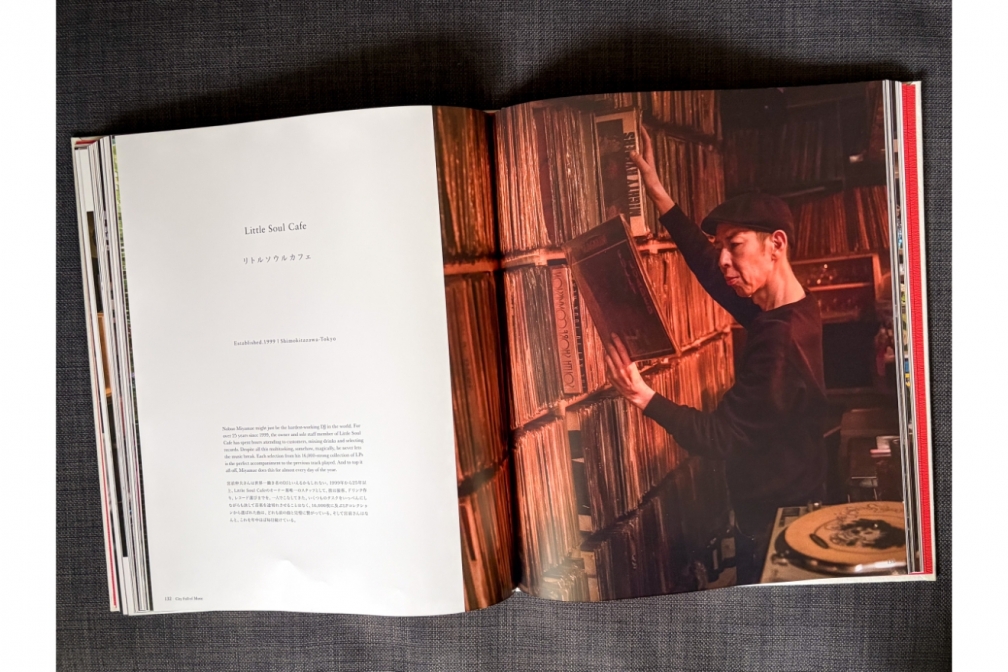
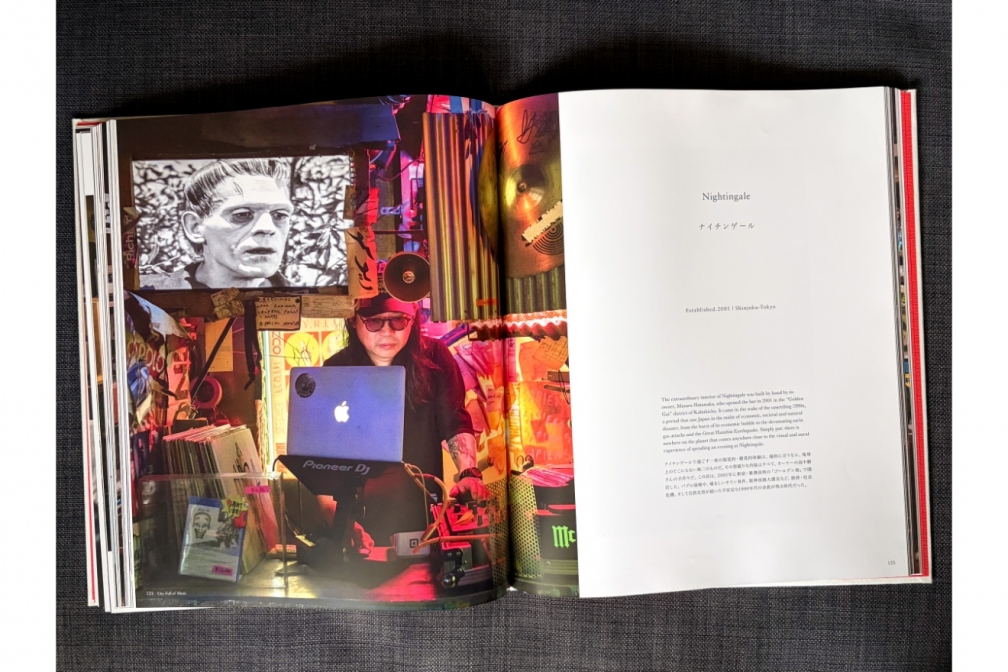
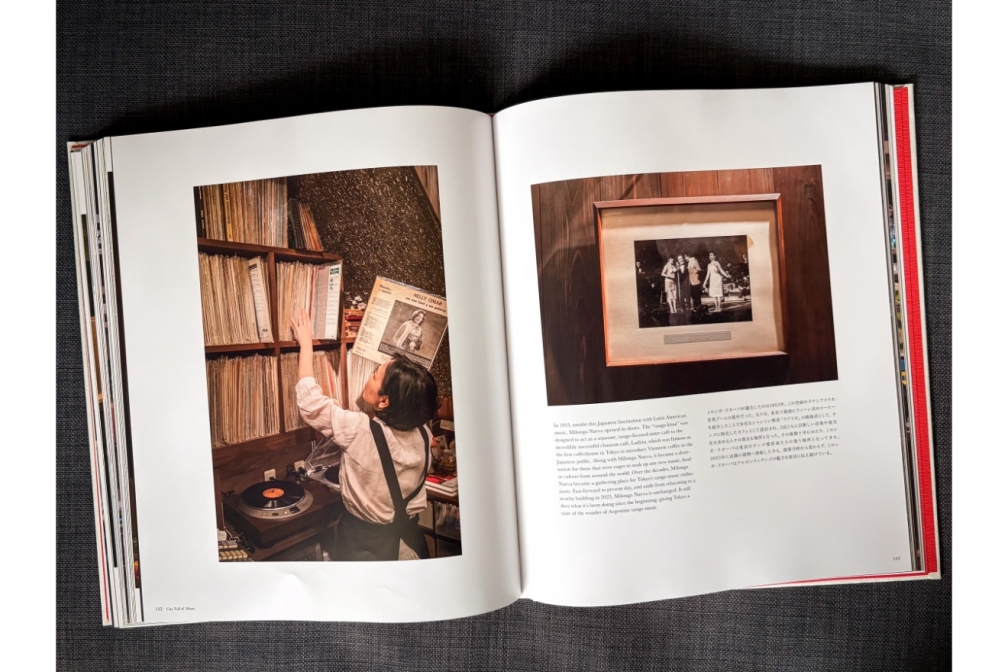
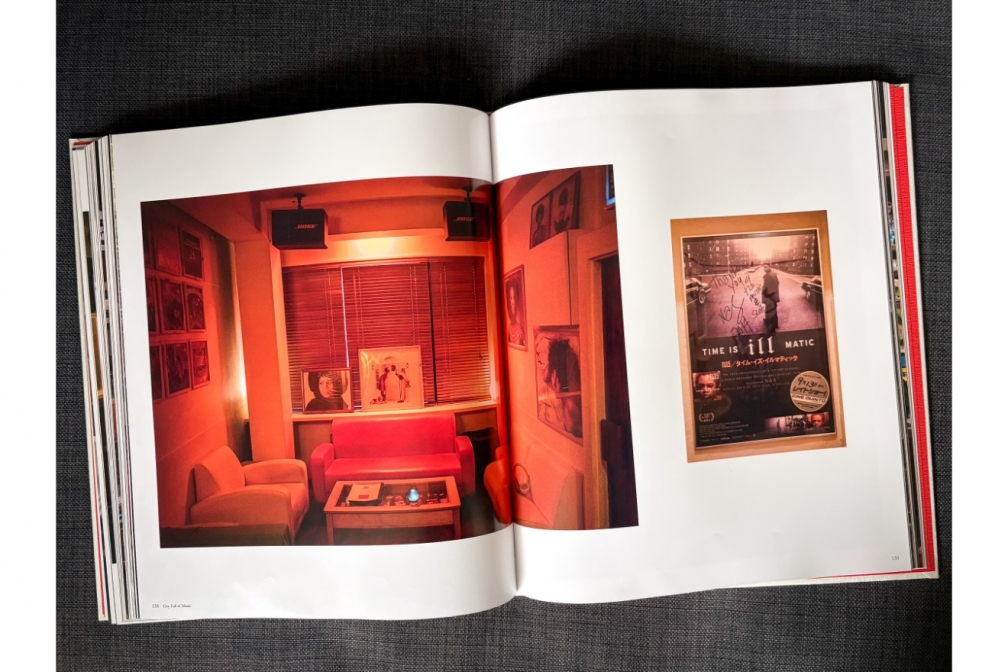
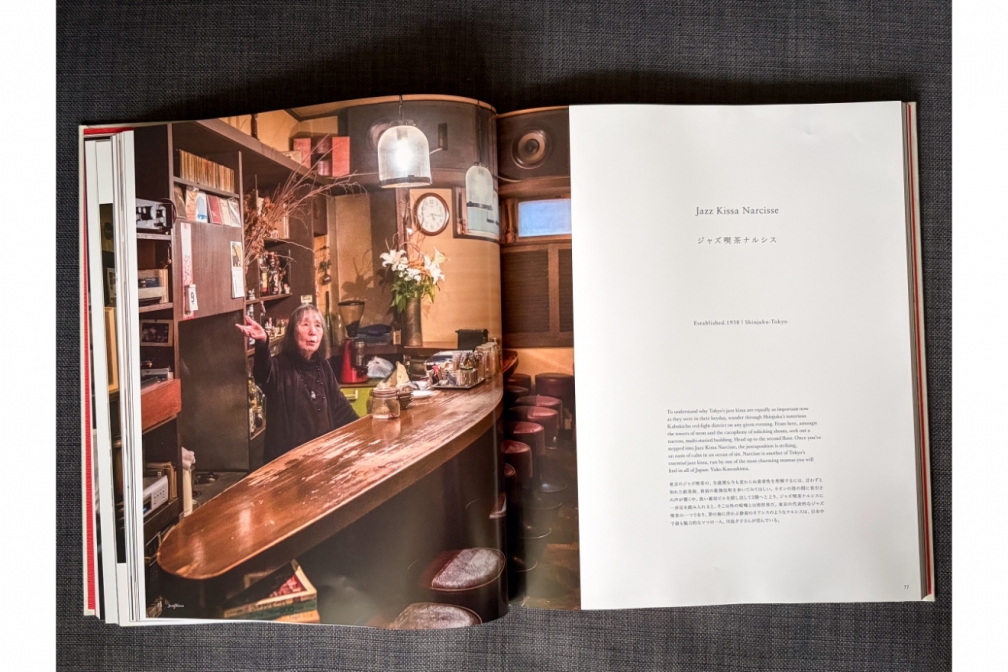
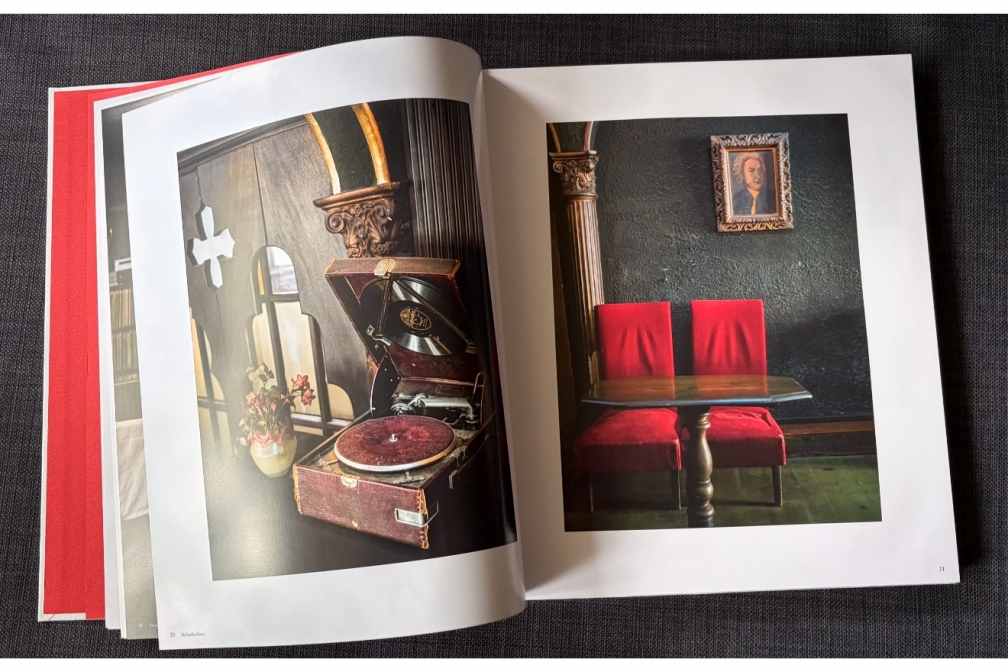
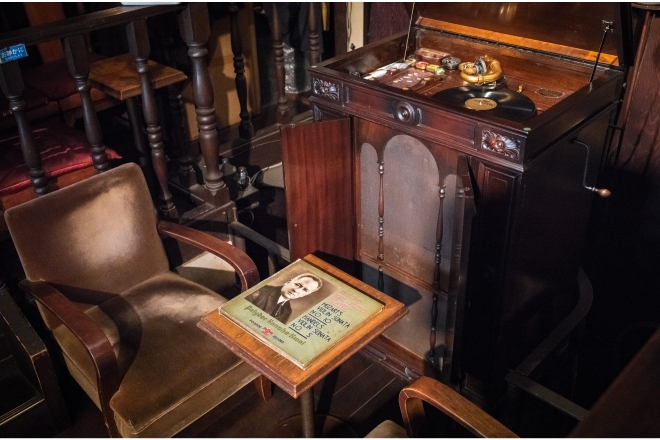
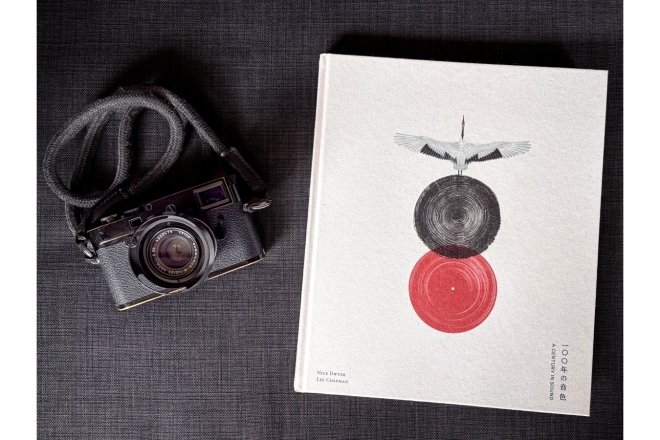
The series covers 100 years of these spaces, from Tokyo’s early classical music cafés through the jazz kissa and other listening rooms that followed; the gallery above features images from the accompanying photobook, shot by British photographer Lee Chapman.
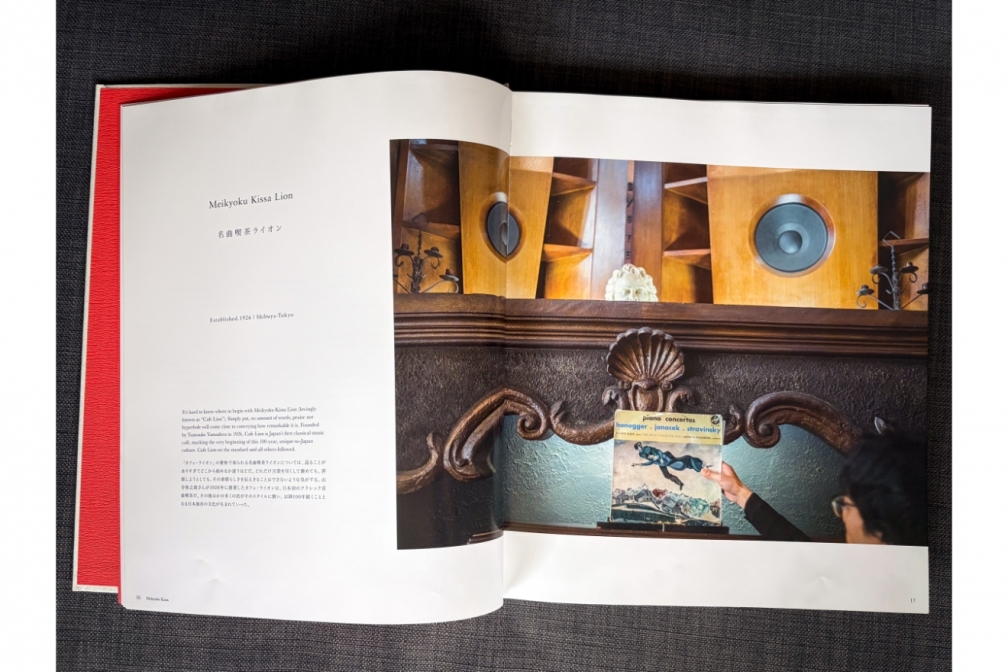
The project began in 2014, when Dwyer walked into Café Lion, a classical music café almost 90 years old. Every seat faced the sound system, the room sat in silence, and a full side of a record played.
After a life as a radio DJ, music TV host and club DJ, he realised he hadn’t listened to an album that way in a very long time. Two days later he visited Bar Nightingale, where experimental music gets the same attention. Both places appear in the series and the book.
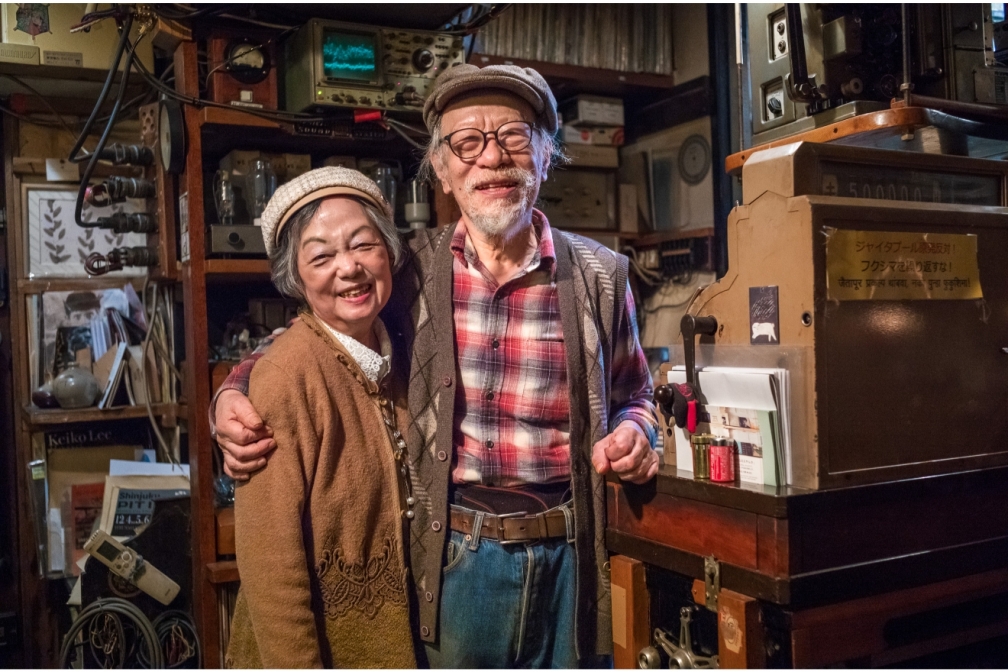
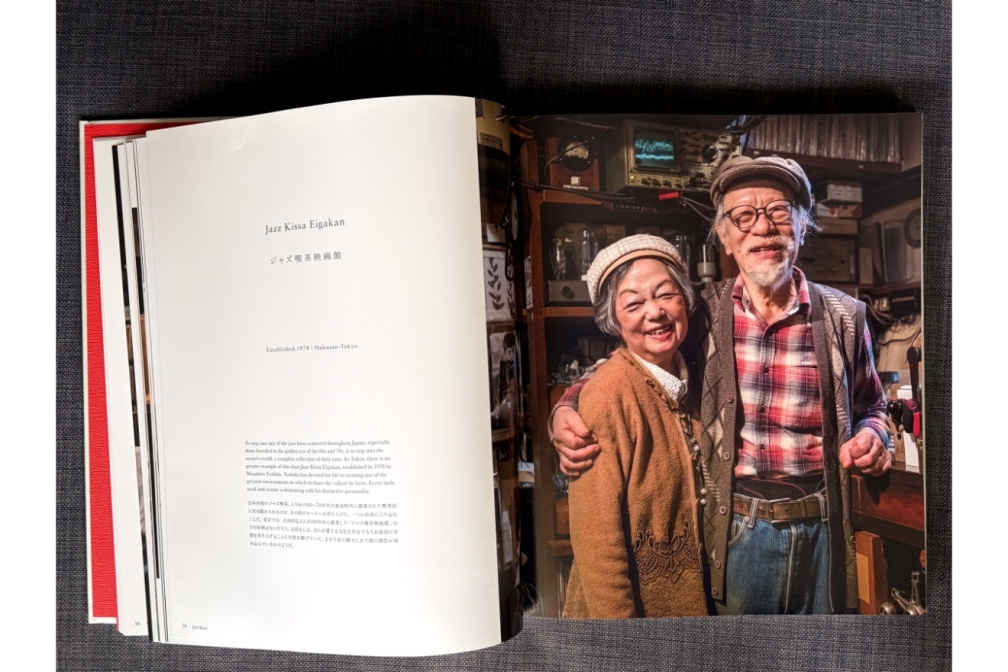
For the photobook, British photographer Lee Chapman was given full access to these spaces. He photographed the audio equipment, records being handled and played, and the owners and customers, aiming to suggest sound through the pictures. One of his first portraits, of the owners of Eigakan Jazz sharing an embrace, set the book’s focus on the people who run these rooms.
Read this next: Photographer Greg Girard's new book is a textured voyage through vintage Tokyo
Three episodes have screened at festivals including CPH:DOX and London’s Barbican Centre. Because the music was recorded live through each venue’s own sound system, releasing the full series requires 131 music and publishing licences.
Therefore, a Kickstarter campaign launching on October 23 aims to raise an initial JPY16 million (about US$100,000) toward those costs, with stretch goals for the remaining licences and a feature-length cut for cinemas.
Backers will be among the first to see the complete series, which runs more than 200 minutes. Rewards include the photobook, a limited-edition “Crane” poster, and, for a small number of supporters, personal ongaku kissa experiences with Dwyer in Tokyo and beyond.
Browse the gallery and read the interviews below with Dwyer and Chapman on how the project began, where the culture is heading, and what it took to photograph spaces built for sound.
Nick Dwyer (Filmmaker)
You’re a New Zealander who ended up in Tokyo. What did you hear or feel in a kissa that you hadn’t felt in any club, venue or record shop back home (or anywhere else in the world)?
There were a number of things that hit me all at the same time, and it was essentially two experiences that I had within the space of one week back in 2014.
I'd visited a number of what were then the more modern evolution of this culture on previous trips to Japan, without really understanding what they were. These were listening bars, small bars where music and sound came first, complete with giant walls of records and carefully considered audio systems. But as with most listening bars in Tokyo and across Japan, people came to these places to be social.
It was stepping into the nearly 90-year-old classical music café, Café Lion, which is the subject of the first episode in the documentary series and the first establishment profiled in the book, that made me realise there was something much bigger and more meaningful going on.
In Lion, all of the seats faced the giant sound system and everyone sat in silence. A whole side of a record was played, and the entire room was enveloped in deep, intentional listening.
I'd spent my whole life, since the age of 14, immersed in music. I'd worked as a radio DJ, a music TV host, a club DJ. Everything I did, both for passion and for a career, centred around music. But in that moment, it hit me that I hadn't actually properly listened to an album, to music, in this way for the longest time. That realisation was profound.
Two days later, I was introduced to a place called Bar Nightingale, which is the subject of the fourth episode in the documentary series and also features in the book.
Nightingale is an establishment where music from the very outer edges of experimentation is given the same reverence that I'd experienced in Lion. And it struck me that if these two places existed, then everything in between must exist too. That realisation set me off on a journey that I'm still on today.
Across Tokyo and Japan, you'll find establishments where nearly every genre of music imaginable is given the respect and devotion of a passionate Japanese man or woman who has dedicated their life to sharing the music they love. And that is what lies at the heart of the book and the series.
Several kissa are run by owners in their 70s and 80s. What happens to this culture when that generation steps away, and does the film feel like a race against time?
Without giving too much away about how the series ends, the short answer is: Not at all! And the future of this culture is in wonderful hands.
Yes, there's no ignoring the inevitability that many of these owners will eventually pass away, but there have been, and continue to be, succession plans put in place for many of these establishments. In the final episode of the series and the last chapter of the book, we explore this. Be it family members, a loyal regular or, in many cases, a cooperative of regulars coming together to ensure that their favourite spot continues to serve the community through music, the culture survives.
But even more than that, just as it always has, the culture continues to evolve. New establishments are opening at the hands of a younger generation of music and sound lovers, many of whom grew up having their own formative experiences in the jazz kissa, ongaku kissa and music bar cultures that came before them. Some stay true to the roots of the culture, while many are taking it somewhere entirely new.
The culture is not going anywhere. And if you're a lover of music, any kind of music, Tokyo is the best place in the world to dive deep into this wonderful musical universe.
Kissa culture was shaped by students, salarymen and the hi-fi craze of the 70s and 80s. Who is the audience now, and is it changing?
I think the best way to frame it is that the wider ongaku kissa culture was shaped, first and foremost, by lovers of music. Young people who were so moved by the new music they were hearing that they wanted to build places where they could share the music they loved with other music fans like themselves, in the best possible way, through incredible sound systems designed to make each recording feel as though the musicians were playing right there in the room.
Those music fans were indeed students, as well as Japanese men and women working for companies both big and small.
And in many ways, the audience hasn't changed. It's just that the same students and young employees of the 1960s and 1970s are now retired, but many of them still visit their favourite establishments and explore new spots with the same joy and enthusiasm they had during the boom of the 1960s.
But young people are also just as passionate about this culture, and today you can walk into one of these establishments and find almost five generations of music lovers sharing the same space on any given day.
Listening bars are now spreading across Asia. What would you want a new bar owner in Southeast Asia to understand about the tradition before they open?
First of all, and most importantly, come to Japan and experience this culture. And when you do, try to explore the daytime culture.
Of course, there are so many wonderful bars and modern listening spaces that make Tokyo's nightlife so great, but it's the daytime culture where the ongaku kissa experience is, in my opinion, at its best and most transcendent. In those hours before the alcohol flows more freely, when the focus is on what's coming out of the speakers and people are listening in a deep, reverential way, that's when the magic really happens.
Over the past ten years, I've also been visiting as many listening bars and spaces around the world inspired by the culture in Japan as I can, and I will say that they're at their best when they're driven by a passion for sharing music and building community, just as they are in Japan. When it's commerce before community, you feel that right away, and I just want to get out of those places as quickly as possible.
I also think the culture is at its best when people take that inspiration and create their own version, sharing what they want to share from their own country, musical heritage and culture.
I'm looking forward to a future where I can go to any city in the world and listen to local music over incredible speakers and get a musical education. I want to go to Bangkok and know that I can visit a certain spot and listen to deep-cut Thai psych and 70s funk. I want to go to a spot in Hong Kong and hear outsider 80s Cantopop. And hell yes, I want to be in Jakarta listening to Indonesian city pop!
That, to me, is super exciting.
Lee Chapman (Photographer)
How did you first end up photographing the kissas, and how is shooting a space built for sound different from shooting one built for sight?
I’ve visited plenty of ongaku kissa and their non-musical cousins over the years, but without permission, they are very much places to relax in and enjoy, rather than surreptitiously photograph. Meaning until I was very kindly asked by Nick to be a part of the A CENTURY IN SOUND project, my images were limited in both number and scope.
Getting full access and time changed all that. It also forced me to think about how I could try and capture these places without sound.
Fortunately they are visually appealing, which helped enormously, but that simply wasn’t enough in this case. So with no shortage of audio equipment, albums and posters on display, I used them to help conjure music in the viewers mind.
Then there are photos of carefully chosen records being handled and played, along with the obvious reverie of fully immersed customers. All of which hopefully give the images a sense of sound rather than just aesthetics. Specific sounds too for those who recognise the music featured.
Tokyo changes constantly, with buildings torn down and entire streets rebuilt. What does it feel like to photograph things you know might not be there in a few years?
We actually have one such example in the book, plus the older neighbourhoods I generally photograph in Tokyo are going through that very process, with the capital’s post-war, Showa era buildings being torn down at an alarming rate.
I’ve long since lost count of the places I’ve photographed and then seen demolished. All replaced by an apartment building, characterless new home, or worst of all, a car park. The same goes for a lot of mom and pop establishments. The perfect storm of ageing owners and buildings well past their natural life span. A process that used to get me down. Still does sometimes.
But of late, I’ve made an effort to think differently, and instead of feeling upset, I try to focus on the positives. Primarily that I was lucky enough to see and enjoy such places. Document them too. A privilege in so many ways, and ultimately something to be grateful for rather than sad. An approach that is particularly true for the likes of ongaku kissa.
When working on this project, did a photograph ever come back to you as something other than what you saw in the moment? What did that teach you?
One of the first photos for the project was a portrait of the owners of Eigakan Jazz. An image that captures both of them visibly happy in their surroundings, and with each other. Their impromptu embrace a truly heartwarming moment.
Those elements, and also the way the two of them are as individuals, really hit home when I was editing the shot. It made me realise that the photo was way more than just the lovely moment I initially saw it as. Instead, it was proof that no matter how interesting ongaku kissa are to look at and spend time in, the most important factor is always the people.
Without that human element, any real meaning is lost. A realisation that also fully confirmed that our approach to this project was the right one. Namely that first and foremost it had to be about the people, along with their very obvious passion and dedication.
Who do you hope picks up this book: a Japanese reader, a traveller, a young person who’s never been to a kissa? What do you want each of them to feel?
That’s a very difficult question. Once any creative endeavour is sent out into the world, there’s no way of knowing how it will be received and interpreted. All being well though the book will be enjoyed by all those people, and many more, as we’ve made a point of showing that the ongaku kissa world is similarly diverse, both in musical genres and the age of the owners.
The background of each place, as well as the overarching history of Japan’s listening cafe culture also adds real depth to the book. Details that’ll inform both a new arrival to the scene as well as a long-term devotee.
Basically it’s a labour of love dedicated to people who have made their own labour of love a unique way of life. That is something I’m sure everyone can appreciate.
The Kickstarter page for A Century in Sound goes live on October 23; support here.
Amira Waworuntu is Mixmag Asia’s Managing Editor, follow her on Instagram.
Never miss a beat. Subscribe to our Scene Report newsletter or follow us on Instagram.
