


 Interviews
Vani Dewan is the neuroscientist-DJ explaining why your brain loves the dancefloor
Bridging the lab & the booth, the USC doctoral researcher makes the case for clubbing as a brain science by diving into the “social benefits from dancing alongside strangers”
Picture this: you're on the dancefloor, deep into the set, and the DJ drops into that one track where your whole body reacts before your brain even catches up.
Chills down your arms, a smile (and probably a slight squeal you didn't plan on letting out), in a room full of strangers that’s suddenly moving like one organism. You've surely felt it, but probably just never had the science to explain it.
Enter Vani Dewan. By day, she's a doctoral researcher at USC's Brain and Creativity Institute, studying how music rewires the brain. By night, she's an open-format DJ blending afrobeats, baile funk, desi fusion, arabi, bass house, and hardgroove into sets built for exactly the kind of dancefloor feeling described above.
Most people treat "neuroscientist" and "club DJ" as two lives lived in completely different rooms. Vani has spent nearly a decade proving they actually share the same space.
She takes us inside what's really happening in a brain when a drop hits, why your body starts "dancing" before you consciously decide to move, and how a packed dancefloor full of total strangers can sync up into something close to collective euphoria.
“DJs intuitively know the science of tension-and-release, neuroscientists are just identifying the neural correlates of it,” she shares.
In addition, she also gained access to a master improviser’s musical brain to see how it ticks when playing on the fly.
Welcome to the neuroscience of clubbing, explained by someone who's lived it from both the lab and the booth (and a PhD in progress to back it up). We'll also be sharing more collaborative content in our new Sonic Neuro Series on Instagram.
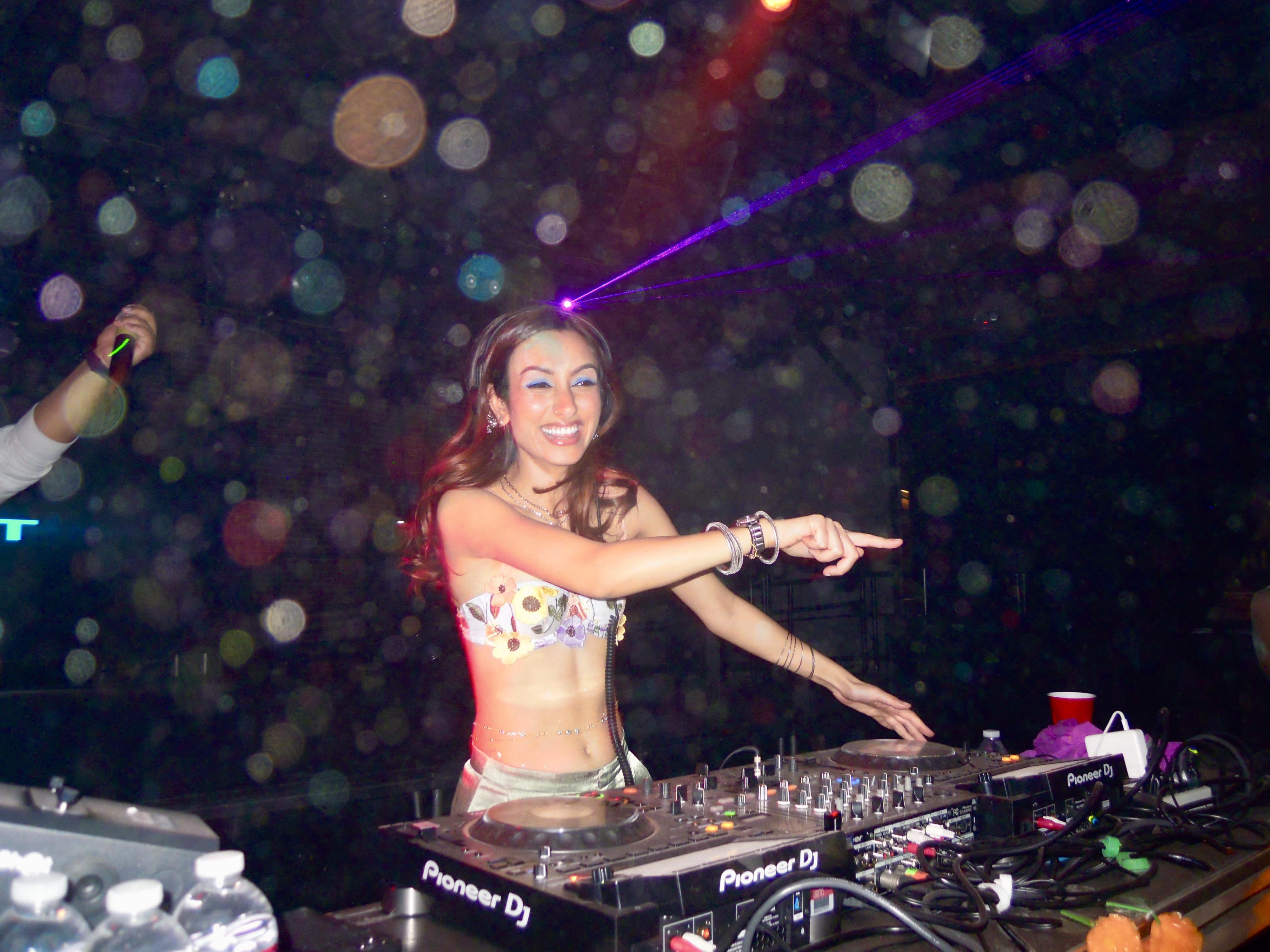
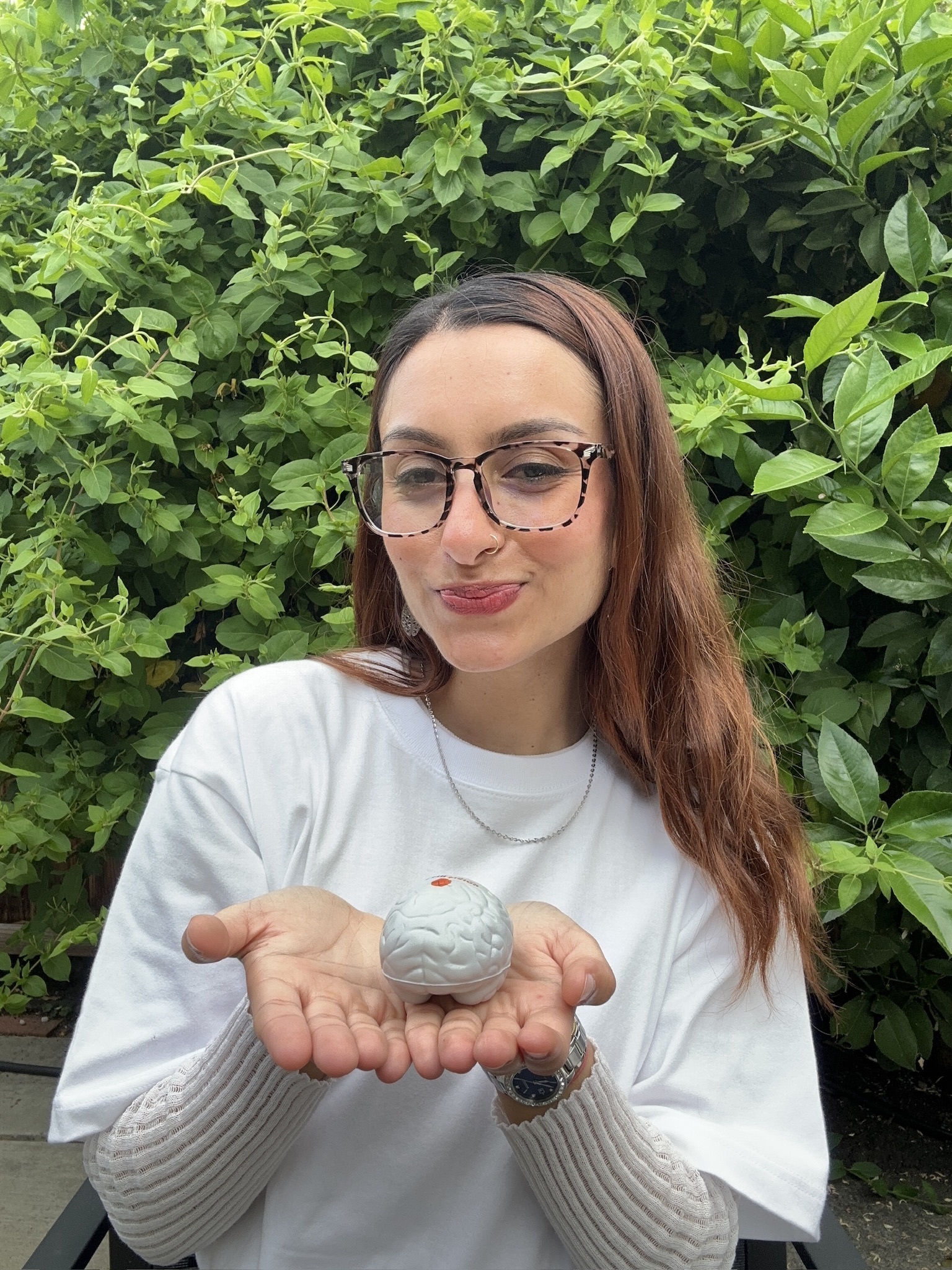
You're a doctoral researcher at USC's Brain and Creativity Institute by day and an open-format DJ by night. When did you realise these two seemingly separate lives can come together as one? Tell us your "origin story"!
I decided I wanted to study neuroscience and I started DJing both my freshman year of college, which means now in 2026, I’ve been pursuing them both for 8 years. I’m well on my way to my 10,000 hrs.
I’ve practiced music my whole life, starting with classical piano when I was three, onto choir, opera, musical theatre, a cappella, music theory, radio, and DJing. Learning to DJ was a natural extension of my life-long musical practice.
One of my first internships in neuroscience was about the neuroscience of musical improvisation where I was introduced to the field of music cognition.
I have done research assistantships in other sub-fields including educational neuroscience, music education/therapy, forensic psychology, mental health, and very luckily made my way back to music cognition for my PhD at the Brain and Creativity Institute.
Before the lab coat and the headphones, who was Vani Dewan? What's the first memory you have of music actually doing something to you, not just sounding good?
My first introduction to music was through listening to Bollywood music at home and starting classical piano lessons when I was three. Both styles greatly influenced my music taste today. Through classical training, I learned that I gravitate towards minor chords, complex polyrhythms, and eastern scales.
On the other hand, Bollywood taught me the definition of true danceability. The combination of both influences my unique selections to this day.
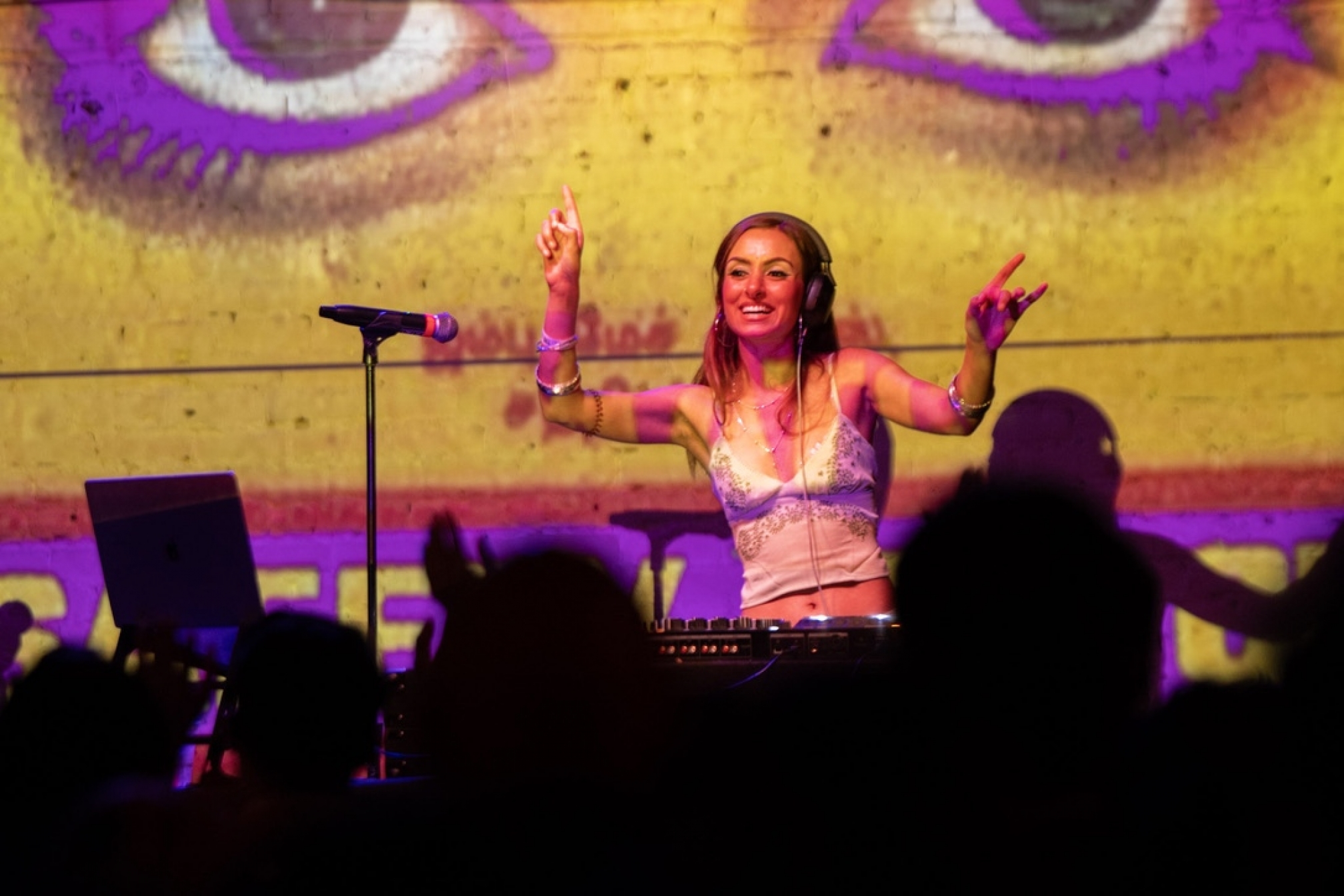
Desi fusion is a signature part of your sound, and you've done deep neuroscience research specifically within Indian musical traditions through the Zakir Hussain study. What does it mean to you to have that heritage studied and celebrated in both a lab and a club at the same time?
I’m absolutely mesmerised by the range and complexity of South Asian music traditions. I grew up on Bollywood, with classical, coke studios, and Sufi interspersed. However, having grown up in the diverse city of Los Angeles, I also grew up on hip hop, reggaeton, and classical music. It is this heritage that I reflect in every single set.
Everything I do is in reverence to my South Asian identity, even if the music/styling/audience isn’t explicitly South Asian.
Read this next: Sound as Medicine: the ancient roots of sonic healing in Asia
Regarding the Zakir Hussain study, what did that research reveal about what's happening in a master improviser's brain, and do you see any of that same neural machinery firing when mixing live and reading a crowd in real time?
I got to pitch the case study on Zakir Hussain as part of a series of case studies about musical improvisation, and it is the first neuroscience study of Hindustani classical music percussion.
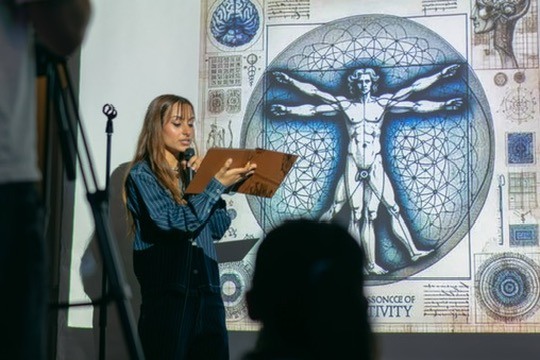
We asked Zakir ji to play the tabla in an fMRI scanner, and compared what happened in the brain when he played something memorised versus improvised. The study revealed the neural correlates of improvisation; including the characteristic dorsolateral prefrontal cortex deactivation, reflecting reduced activity in the areas of the brain responsible for executive functioning and logical thinking, making way for muscle memory and intuition.
Let's get technical for a second: what is actually different, neurologically, between listening to a track passively and dancing to it?
The thing that fascinates me about folks listening to music that they enjoy dancing to is “pre-motor planning”, where the motor cortex of the brain subconsciously prepares to execute the dance moves/rhythms it wants to do and imagines the representation of the limbs in 3D space (even if the person is entirely still and not even consciously thinking about dancing).
Your bio mentions sets that create "fusion and frisson" that stimulate the brain and body. Tell us; what is actually happening in a raver's brain when a drop hits and they get chills?
When a beat drop hits, the body and brain experience a cycle of tension and release. The release includes activation of the reward centres and dopamine release. The sudden return of heavy bass or rhythm engages the motor cortex, making you want to nod your head, dance, or move in sync.
Read this next: Five tips for keeping your mind & body healthy in the studio
In one sentence: what does a neuroscientist know about a good drop that a DJ doesn't?
Neuroscientists are proving with science what DJs know through practice and training. DJs intuitively know the science of tension-and-release, neuroscientists are just identifying the neural correlates of it.
Your current research looks at how music training shapes developmental and educational outcomes, including things like audio-motor integration. For those who grew up on the dancefloor rather than in a conservatory, does going out clubbing or raving count as a kind of music training the brain benefits from?
I’m fascinated by the neural effects of the skill of DJing. There’s limited research about it (sounds like a gap in the literature that I’ll need to fill), but my working theory is that experienced DJs have enhanced "auditory stream segregation", which is the brain’s ability to parse multiple incoming streams of information. We regularly use this skill while mixing in the complex auditory environment of the club.
I’m also convinced that DJs are uniquely trained to be high-functioning under pressure.
A club is about as far from a controlled lab environment as it gets. Have you ever thought about actually running research inside a real club night, with real dancers and DJs?
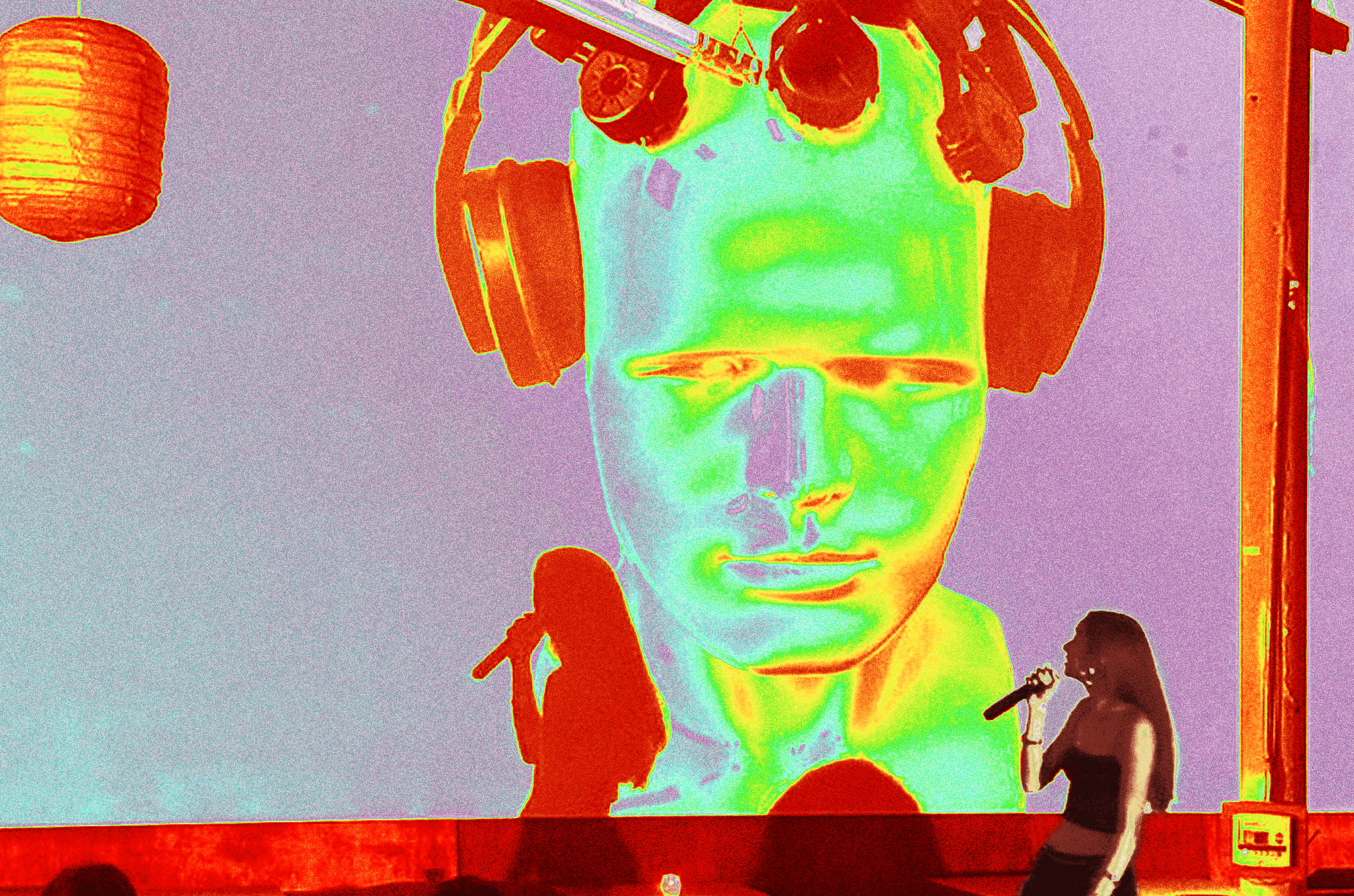
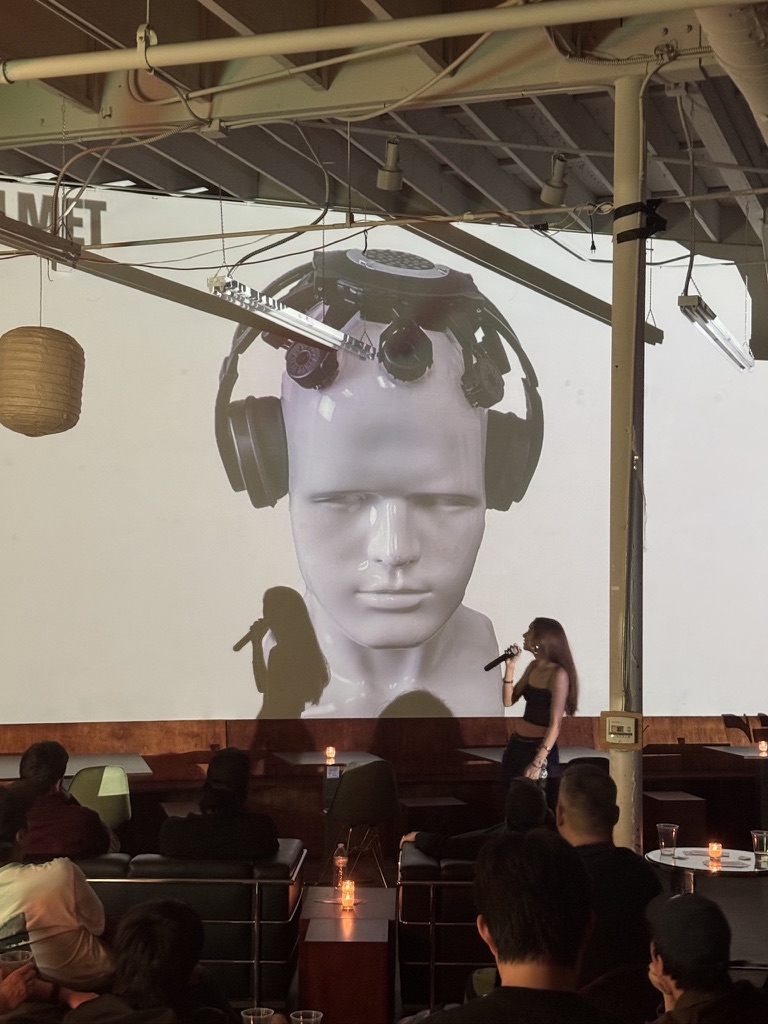
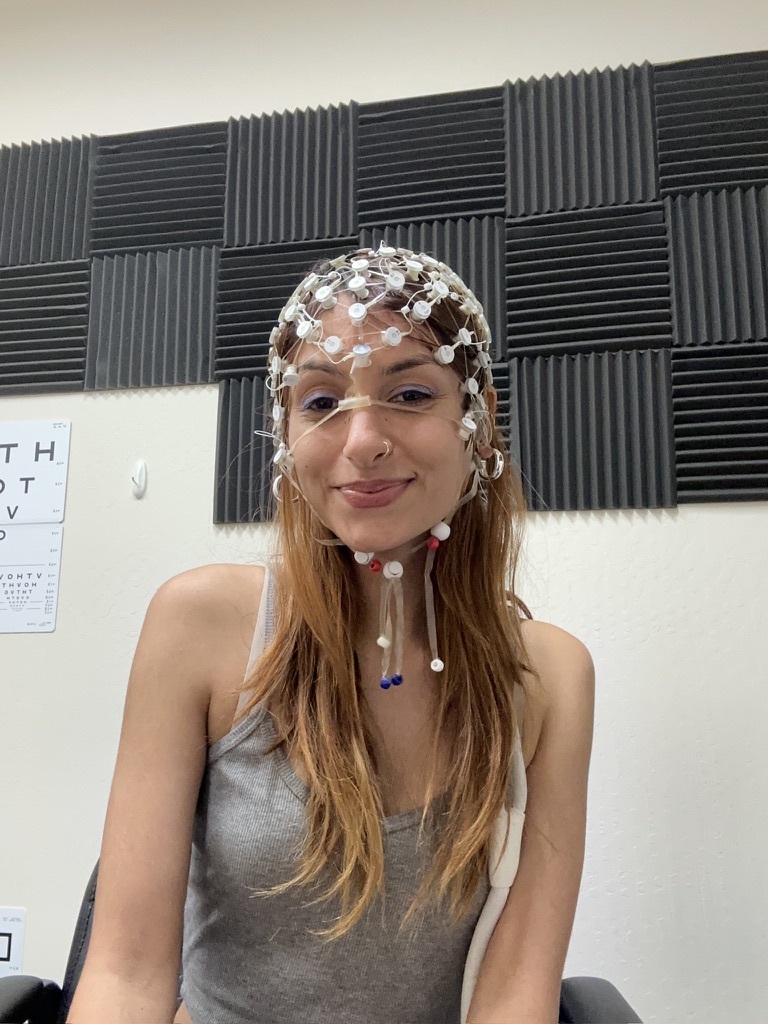
I love this question. It’s been a dream of mine to put a EEG helmet on a DJ while they spin in a naturalistic environment (the club) to measure their brainwaves while they mix. I’m interested in questions relating to brain activity of a DJ while improvising, neural synchrony between audience members, and neural synchrony between the DJ and the audience.
I’m launching a party series called HEAT MAP that will spotlight cutting edge global electronic music that will also be a playground for my curiosities. I will put the EEG helmet on a DJ, it’s only a matter of when. I have a lot of other ideas!
Read this next: Sounds, sleep & wakefulness: Michael Diamond on how sonics shape the mind
One of the recently proposed panel sessions for SXSW 2027 will touch on “How the dancefloor could become a blueprint for designing collective spaces that foster connection, resilience and action”. How does this idea connect to your work, if at all?
I think there’s a lot of social benefits from dancing alongside strangers and sharing the experience of music together. Research indicates that our brainwaves start to move in synchrony when we are in a shared environment listening to the same music.
Researchers on the SXSW panel hypothesised that this blurs the cognitive boundary between "self" and "other" and induces "collective effervescence", transforming a room full of strangers into a supportive community and rapidly building social trust.
If our readers were to walk away from this interview piece with one science-backed reason to trust their next night out is doing something genuinely good for their brain, what would you want that reason to be?
I believe strongly in the physical release associated with singing and dancing. As a DJ, I really try to facilitate moments of both familiar and novel music, so DJs can feel the endorphin release of singing along to a familiar song and of dancing to a new and unfamiliar riddim. Trust the DJ to take you on a journey!
What's next, both in the lab and on the road, that you're most excited about?
My debut party HEAT MAP on September 12 in LA. Bring us to your city! :)

Keep an eye out for more content from Vani Dewan in our new Sonic Neuro Series on Instagram.
Amira Waworuntu is Mixmag Asia’s Managing Editor, follow her on Instagram.
Never miss a beat. Subscribe to our Scene Report newsletter or follow us on Instagram.
