


 Interviews
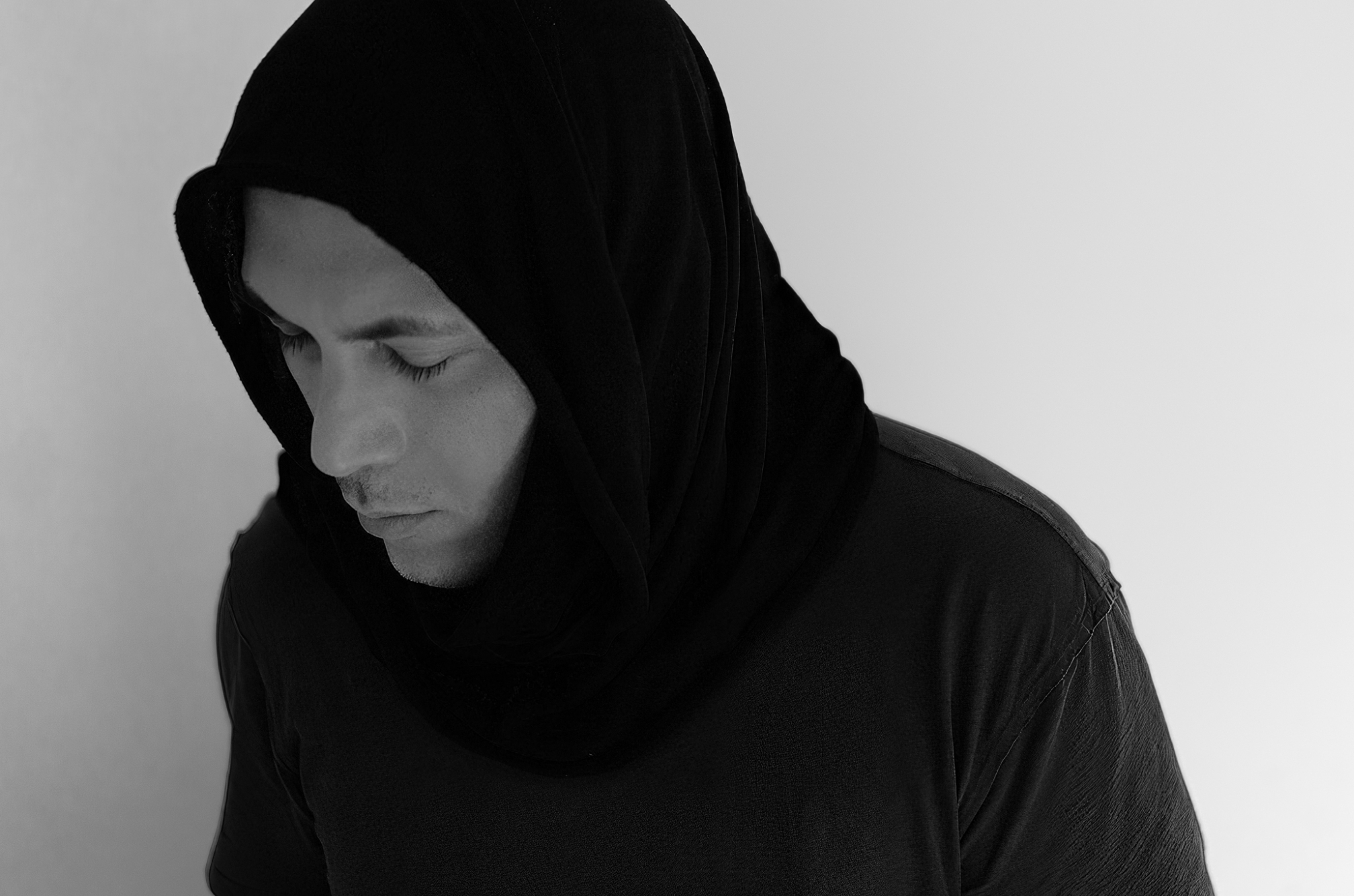
A glimpse into the intersection of music, art, fashion & AI with 0010x0010
“I don’t make work for algorithms. I make the work first. If it spreads, that’s a side effect,” the artist says ahead of his Taipei debut at SIGNAL | NØISE
The intersection of music, art, fashion and now AI continues to blur at an accelerating pace. Love it or hate it, AI has embedded itself into modern creative practice. The question is no longer whether to use it, but how. Is it being used as a tool? Or a crutch?
That’s why Mixmag Asia is collaborating with Higan Bana to present SIGNAL | NØISE; a one-day immersive takeover exploring that collision of all facets in real time.
Local partner Higan Bana is founded by Her Chen; a tattoo artist, DJ, promoter and producer, who continues to push Taipei’s underground culture into new territory, making this collaboration a natural convergence.
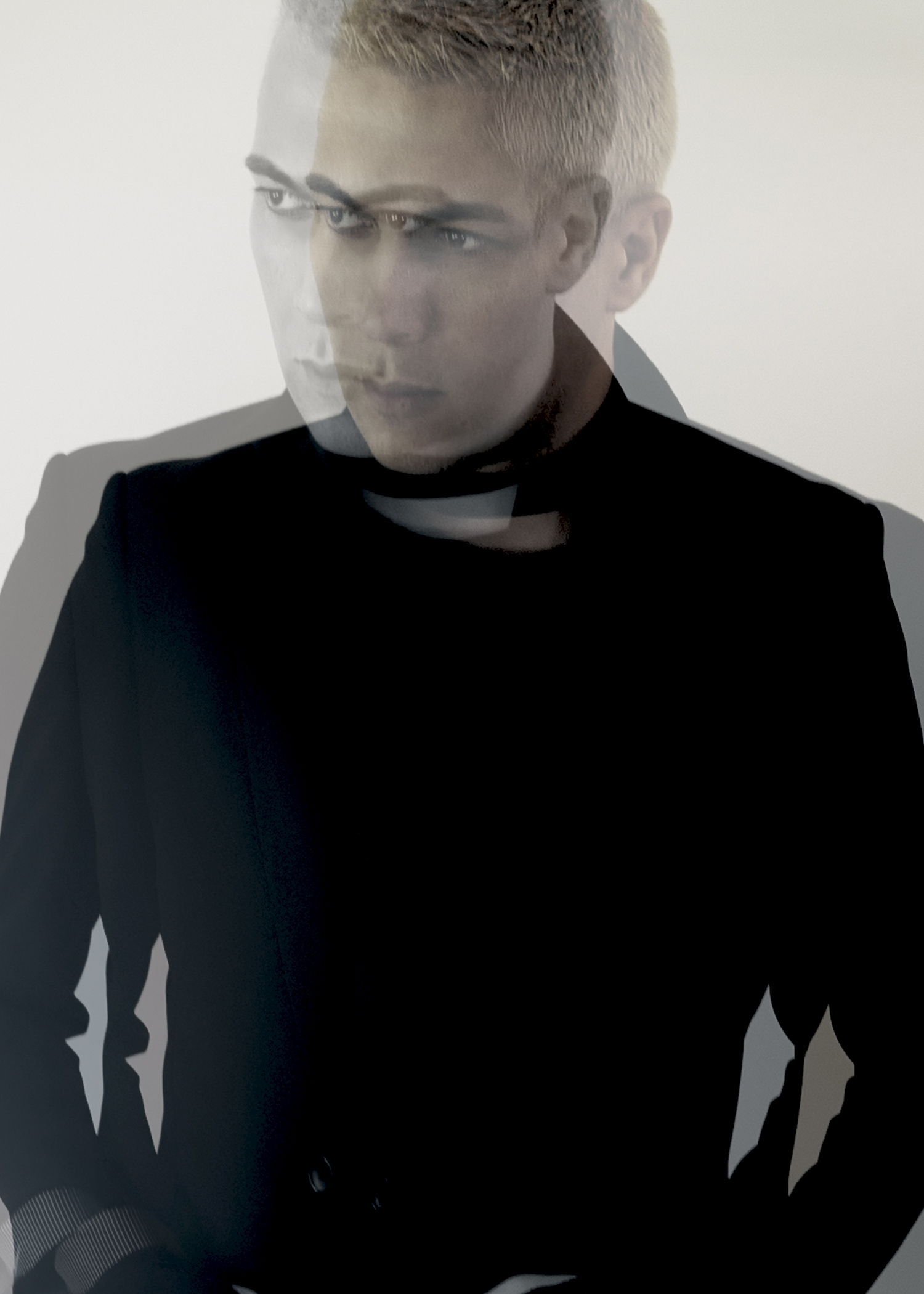
Ahead of his Taipei debut, we sit down with the enigmatic and viral artist 0010x0010 (real name Ray Tijssen), whose work merges analogue hardware, AI systems, broken VHS decks, film cameras and modular synths into a have-to-see-it-to-believe-it audiovisual language.
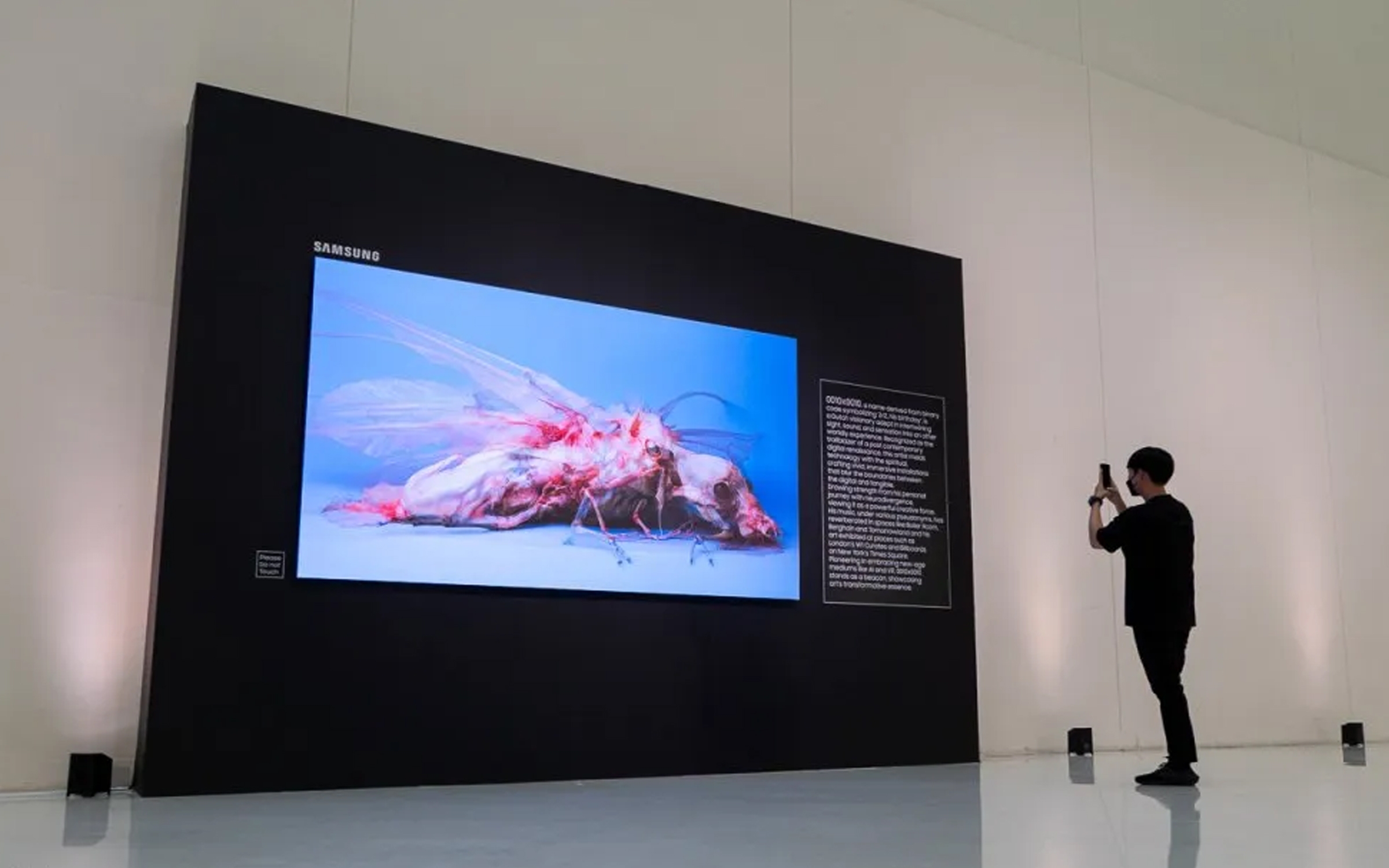
Whilst his installations have appeared at MOCA Bangkok, Times Square NYC, W1 Curates London, TODA Dubai, and in partnership with Samsung’s “The Wall”, among others, this Taipei edition marks the first time he compresses these worlds into an episodic, one-day pop-up format, featuring local dogma-style filmmaking, sound design, fashion, talks, and live performance.
Hear more on what 0010x0010 had to say about how those worlds converge, Taiwan’s scene and the unmissable pop-up one-dayer.
SIGNAL | NØISE feels more than just a single exhibition. What was the original idea behind it?
At some point I realised I was showing fragments of the same work in different places, and none of them felt complete. Museums were too quiet. Clubs had energy, but the visuals were usually just decoration. Online everything turned into content in a scroll. It felt like I was slicing the work into pieces just to fit different systems.
So I thought: what if I stop separating those worlds and build one day where they collide? You walk into an exhibition and end up spacing out on a dancefloor, and it’s all the same piece. Same atmosphere. Same frequency.
A signal is intention. Noise is everything that disrupts it. I’m interested in that raw edge where structure breaks down. That’s where the pure stuff starts leaking out.
Tell us more about the event. What can people expect?
It unfolds in chapters across one day. We start with an open session for students, then the installations open. There’s an all-ages experience called SIGNAL, and an 18+ section called NØISE that I’m not going to explain. It’s better if people discover it themselves.
The night ends with an A/V set and electronic music from me, alongside Her Chen, Bo Yin, and Elinnn. Hypnotic modular grooves, deep bass rumbles you feel in your chest, and the images on the LED walls firing straight into the room.
You can’t understand that from a video. You have to be there.
Read this next: “AI doesn’t exploit musicians, people do”: What if artificial intelligence doesn’t have to hurt the music industry?
You’ve shown work from museums to Times Square. Why a one-day underground pop-up in Taipei?
The most important moments in music and art never happened in perfect spaces. They happened in one-night situations. I wanted that energy.
Taipei being first also has a personal reason. I had to postpone a show here last year, and that experience ended up inspiring the SIGNAL | NØISE film storyline, which takes place in Taipei. So the city is already inside the project.
What drew you to Taiwan?
People I trust kept telling me the same thing: the scene here is ready for something that doesn’t fit into a category. Through Higan Bana, I found the right partner to make it happen.
Taiwan sits in a strange and beautiful place. It’s one of the most advanced tech societies in the world, but the underground culture still feels very human and very specific to this place. It has its own rhythm.
You mentioned a student session opens the day. What are you actually showing them?
I’m demoing a visual performance engine I built myself, because you don’t have to wait for the “perfect” tool. You can build your own instruments.
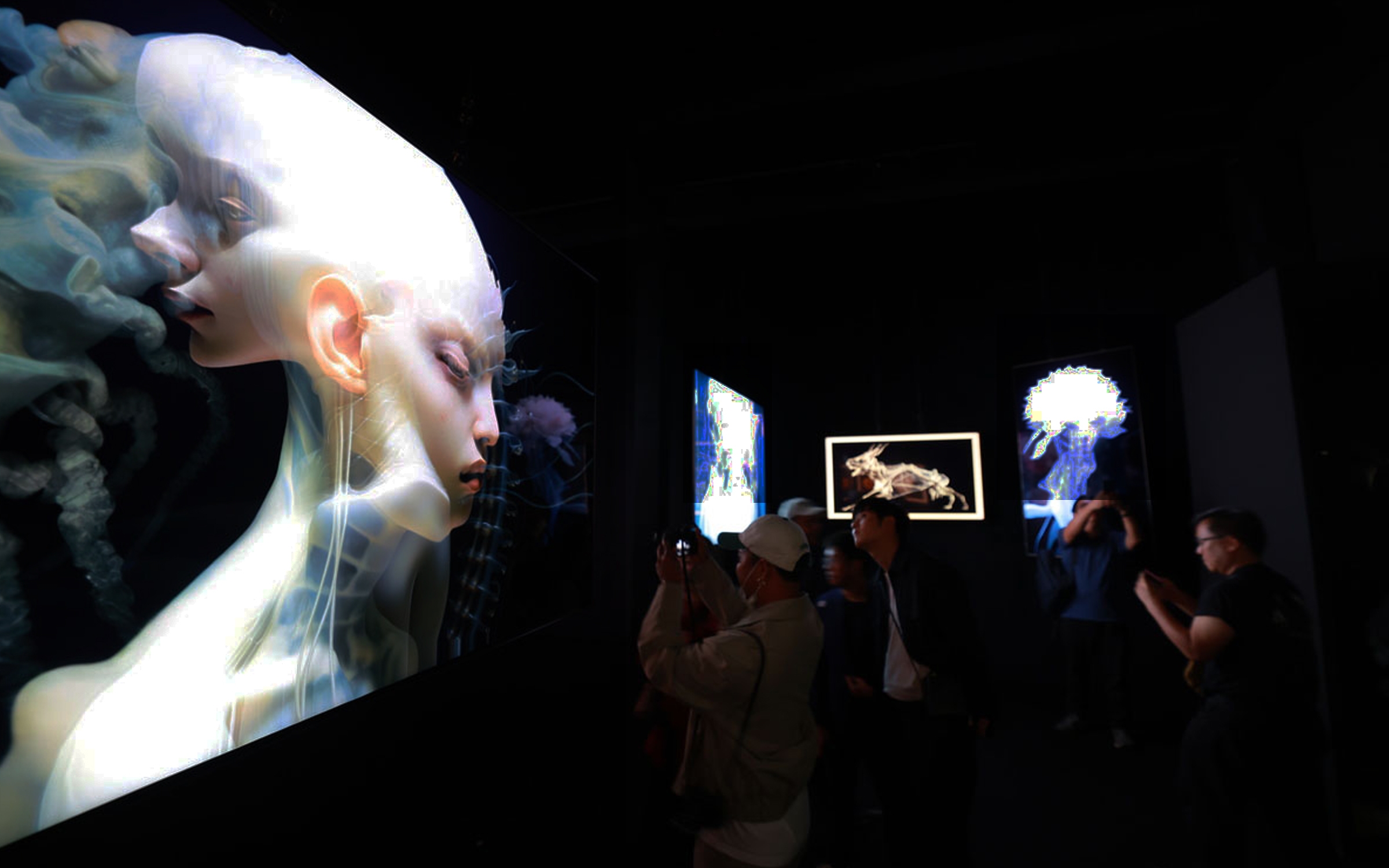
That same engine runs through the entire night at Red Space. The exhibition is made with it. Bo Yin, Elinnn, and Her Chen, three beautiful female DJs, each play against custom visuals I shot with them and processed through my system, cinematic, pre-rendered, never generic loops. And at peak time, I step in and play it live, DJing while the visuals are generated and warped in real time.
One engine. Education, exhibition, three DJ sets, one live audiovisual peak. Building the machine and letting it run the room — that’s as cyberpunk-techno as it gets. If you want to feel it properly, you have to be in the room — February 28, 2026.
What is your process like?
It always starts with sound. Even when I’m making visuals, I’m thinking in textures, frequencies, pulses. The image usually grows out of the sound, not the other way around.
I move across formats a lot. I might produce a track in the morning, film in the afternoon, build visuals at night. A mistake in music becomes a visual idea. A camera movement becomes a rhythm.
I’m not interested in one perfect tool. I like friction. I like what happens when imperfections start talking to each other.
How would you describe what you do?
I make the things you hear visible, and the things you see audible.
Why compress everything into a single day?
Because that’s closer to how real life actually works.
It starts as a quiet installation, and by the end of the night it turns into a one-time music and art ritual where everyone in the room becomes part of the artwork itself. That transformation is the whole experience. One day, one space, no second chances.
Read this next: “You can’t commoditise brilliance”: are we truly ready for the AI revolution in music?
Your work sits between exhibition, performance, and club culture. Are those spaces connected?
They were never meant to be separated. That’s an industry concept. Your body and mind don’t care about that.
If you’re standing in front of an LED wall with bass in your chest and the images are reshaping the space around you, you’re not thinking about formats or categories. You’re just inside it.
How does scale and immersion change the emotional impact?
When something is bigger than your body, your brain stops reading it as an image and starts reading it as an environment.
But scale alone doesn’t mean anything. I’ve seen massive LED installations that feel completely empty because the content wasn’t made for that space.
For this show, we worked with Inwood to build something specific to Red Space in a way that the technology serves the art, not the other way around.
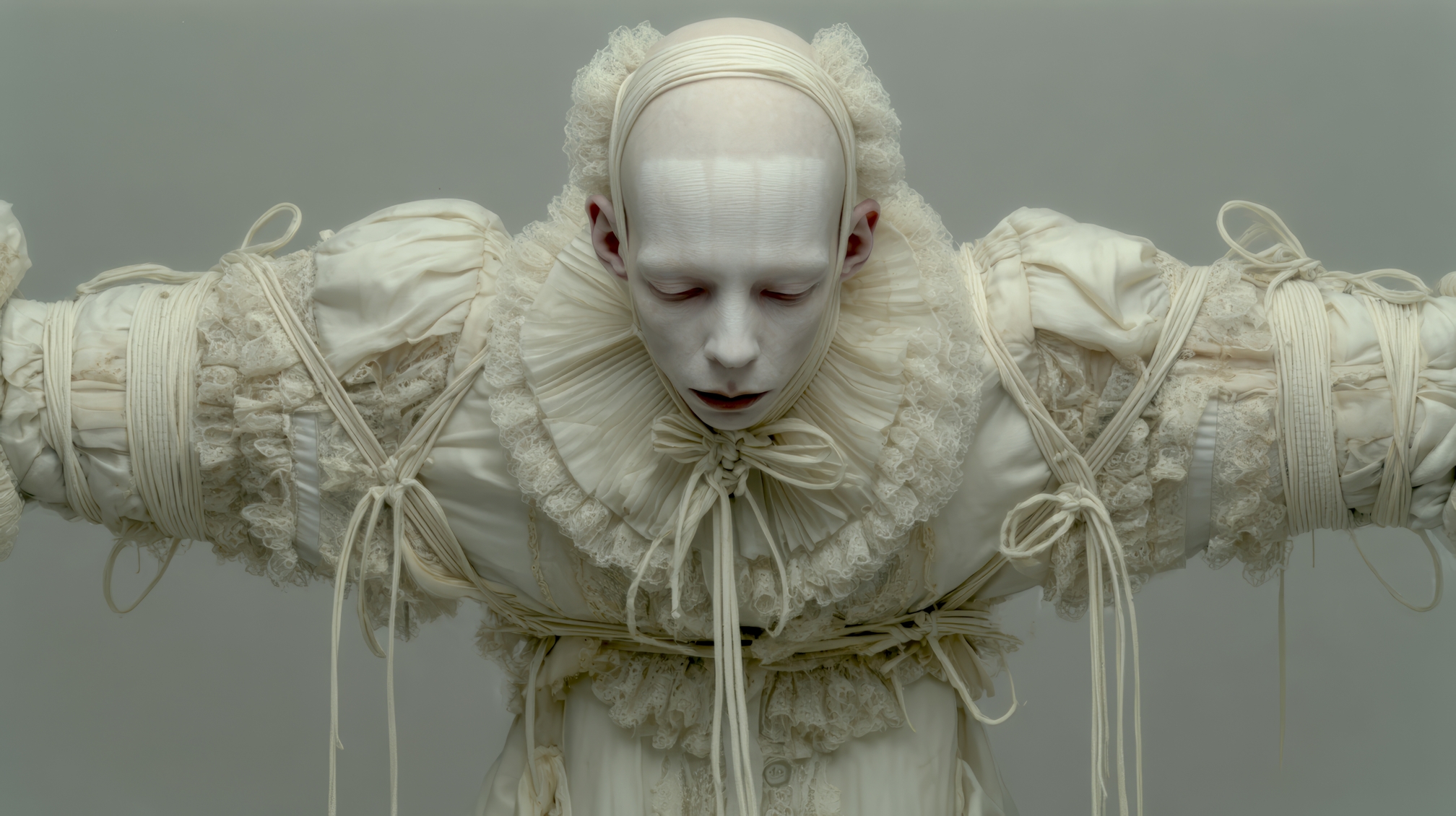
Your work reaches millions online, but you still call it underground. What does underground mean now?
Underground used to mean hidden. Now it means uncompromised. Anyone can find anything online, so it’s not about secrecy anymore. It’s about intention.
I don’t make work for algorithms. I make the work first. If it spreads, that’s a side effect. Not the goal. I still do offline underground events for the people who really care.
What do you hope people walk away with after the Taipei edition?
I want them to leave at four in the morning and feel like the city looks different. Like their senses were tuned to another frequency for hours, and now the real world feels a little sharper. A little stranger.
Some people will love it. Some people might hate it and leave early. That tension is part of the piece.
Read this next: How Hexorcismos’ collaborative project ‘MUTUALISMX’ challenges AI prejudices
Are you for or against AI in art?
I’m against the question. It’s like asking if you’re for or against electricity. It’s here. The real question is: what are you using it for?
I use AI. I also use analog synths, broken VHS decks, film cameras. The tool doesn’t decide the value. The artist does. If you use AI to skip the thinking, the work will feel empty. If you use it like a box of toys that creates accidents, it can take you somewhere new.
The craft isn’t the tool. The craft is knowing what to keep.
Where do you let chaos into your music?
At the beginning. I’ll run sounds through gear I haven’t calibrated, record whatever comes out, and build from the accident. Field recordings, electrical hum, rain on metal—anything can become rhythm.
Then I’ll take expensive, high-end gear and completely abuse it. The discipline comes later, in the editing. Anyone can make noise. The skill is knowing what to keep.
In your opinion, what do the big DJs hear in your sound?
Probably something they can’t quite place.
My tracks work on a dancefloor, but there’s always something slightly off in the texture or structure. A lot of it comes from experimental music, film, visual art, and broken machines, not just techno references.
DJs who’ve been around a long time can hear that difference.
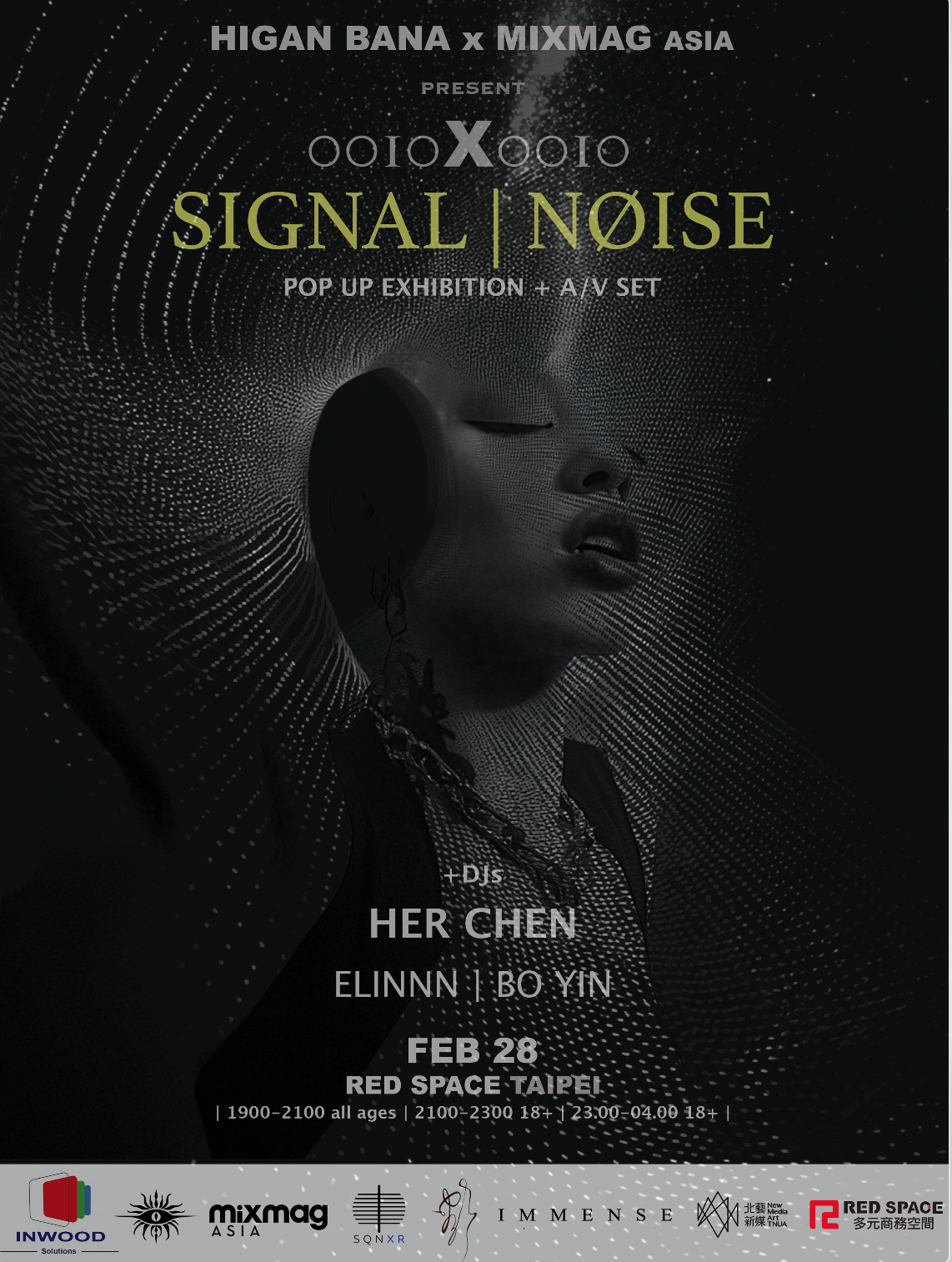
Higan Bana x Mixmag Asia presents SIGNAL | NØISE will take place on Saturday, February 28 at Red Space Taipei, more information and tickets here.
Henry Cooper is a Writer at Mixmag Asia. Follow him on Instagram.
Cut through the noise—sign up for our weekly Scene Report or follow us on Instagram to get the latest from Asia and the Asian diaspora!
