


 Interviews
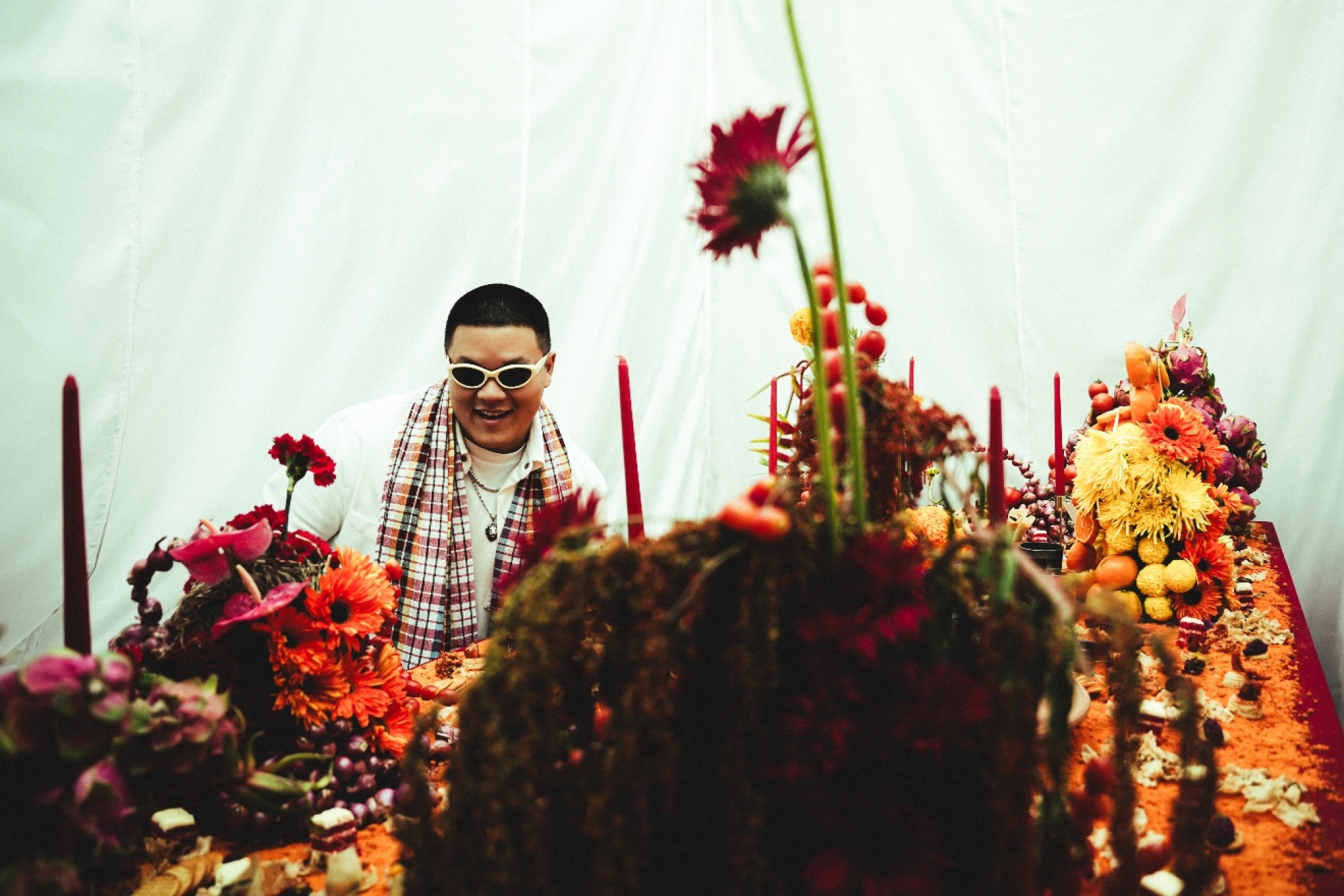
Inside MŌCANA: Teddy Maithai’s cross-cultural world of art, film, fashion & dancefloors
"We’re not an event that throws parties and has cool art in it. We’re a multi-disciplinary pop-up exhibition that connects all types of creatives from various backgrounds."
Bangkok’s creative underground runs on collisions: art with nightlife, fashion with film, strangers with strangers. That’s exactly the energy behind MŌCANA, the multidisciplinary platform founded by Teddy Maithai while he was still studying at Parsons School of Design in New York.
What started as a student-led exhibition has quickly grown into a roaming cultural series that blurs the lines between gallery, gathering and late-night hangout.
Next up is ARCHIVED CULTURE, the collective’s fourth exhibition which is set to take over the historic grounds of Asvin Pictures. The event is set to unfold across multiple floors with 16 artists spanning fashion, film, fine art and sound.
Mixmag Asia will also be on ground, curating a dedicated stage along with Pissawong Records for an evening of bold Thai sounds.
But don’t mistake it for a typical art-meets-party concept. MŌCANA is built around cultural exchange between the different communities and the experience evolves throughout the night.
Ahead of the takeover, we caught up with Maithai to talk about the idea behind the platform, the creative momentum building in Thailand and what to expect from this latest chapter.
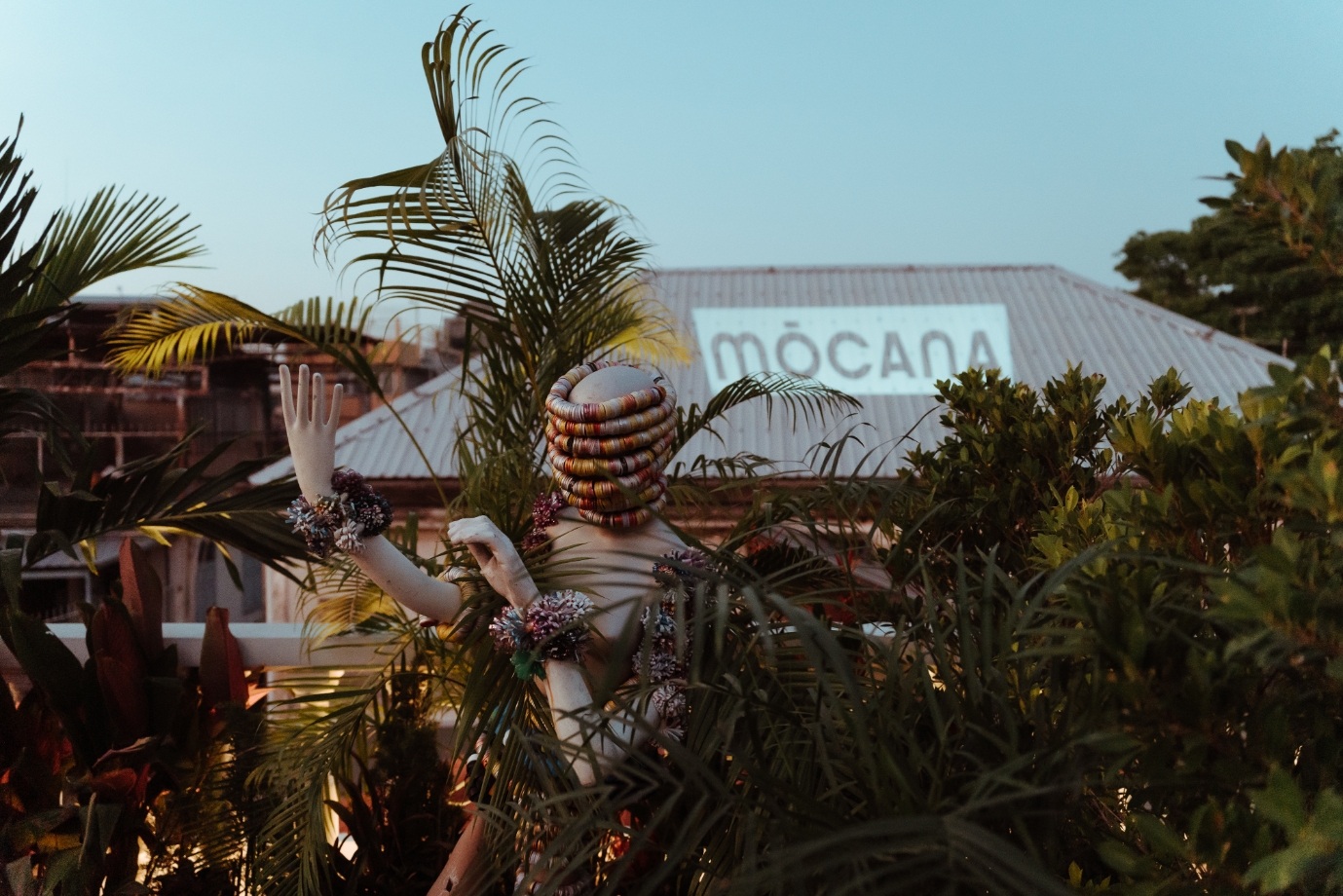
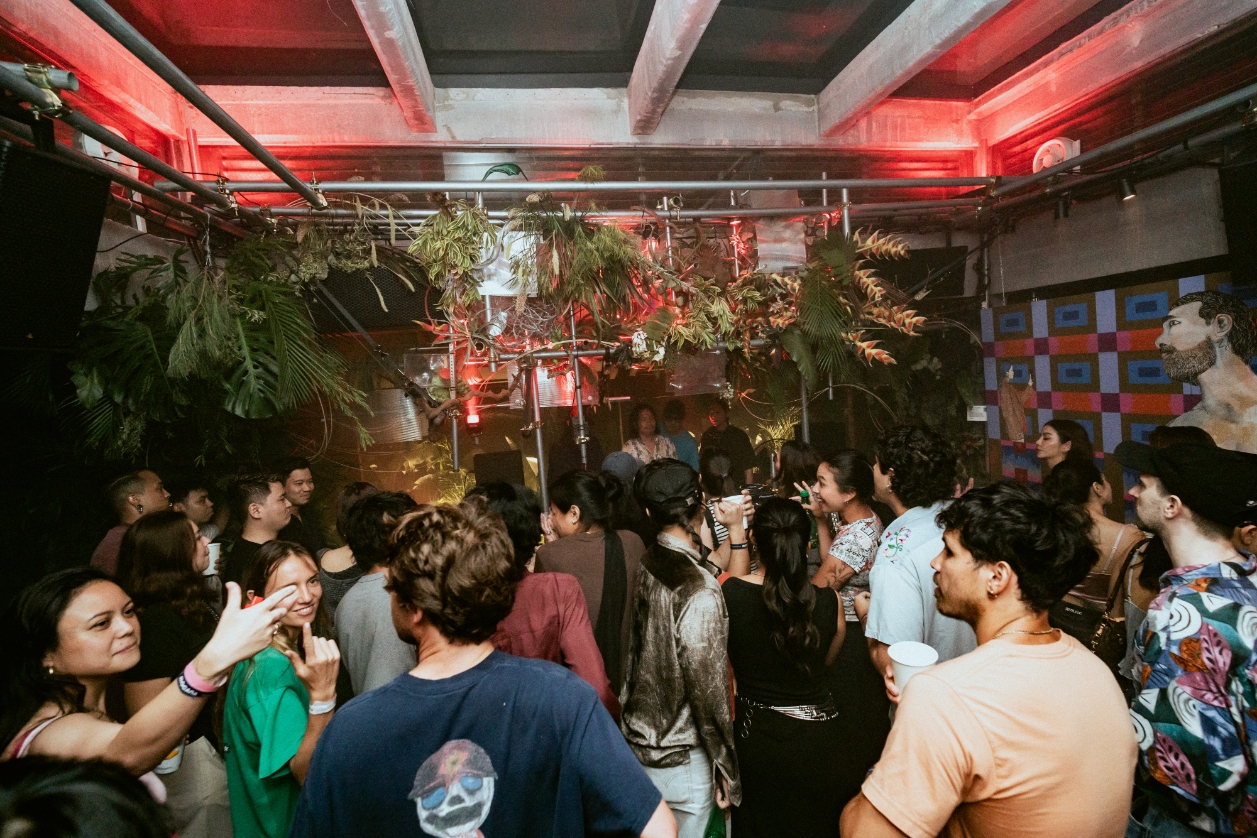
Before diving in deeper about MŌCANA, can you give us a sneak peek (in words!) of the upcoming ARCHIVED CULTURE event? We heard it’s going to be a multi-floor experience!
This March 21-22, MŌCANA is returning with our fourth exhibition in Bangkok called ARCHIVED CULTURE; an immersive cultural exhibition set within the historic compound of Asvin Pictures. We’ll be doing a full takeover of the building, which has never been done before and having 16 artists collaborating with us in the space.
You founded MŌCANA while still at Parsons in New York. Looking back, what part of the original idea surprised you by sticking, and what did you have to completely let go of?
The thing that stuck with us was the switch from day exhibition to night exhibition and how people came early and stayed till the end. I don’t think there were many things that we had to let go, more adding and developing new things to the concept.
As someone deeply embedded in the modern intersection of nightlife and art, how do you see the current state of that landscape, particularly here in Asia?
I believe Thailand is the next great creative hub of not just Asia but the world. We’ve had big fashion brands starting to do bigger events over here such as Prada Extends and the Louis Vuitton Fashion show. I’ve started to see more creatives moving here from around the world, especially due to the cost of living and the entertainment industry becoming more international.
Read this next: Raves as Rituals: The Rise of the Bantuwing and the decolonisation of a Manila dancefloor
Following up on that, what makes a MŌCANA event stand out from the rest?
We’re not an event that throws parties and has cool art in it. We’re a multi-disciplinary pop-up exhibition that connects all types of creatives from various backgrounds. Coming to MŌCANA means you’re open to exposing yourself to not just one group of people but various communities coming together to celebrate and enjoy each other's presence.
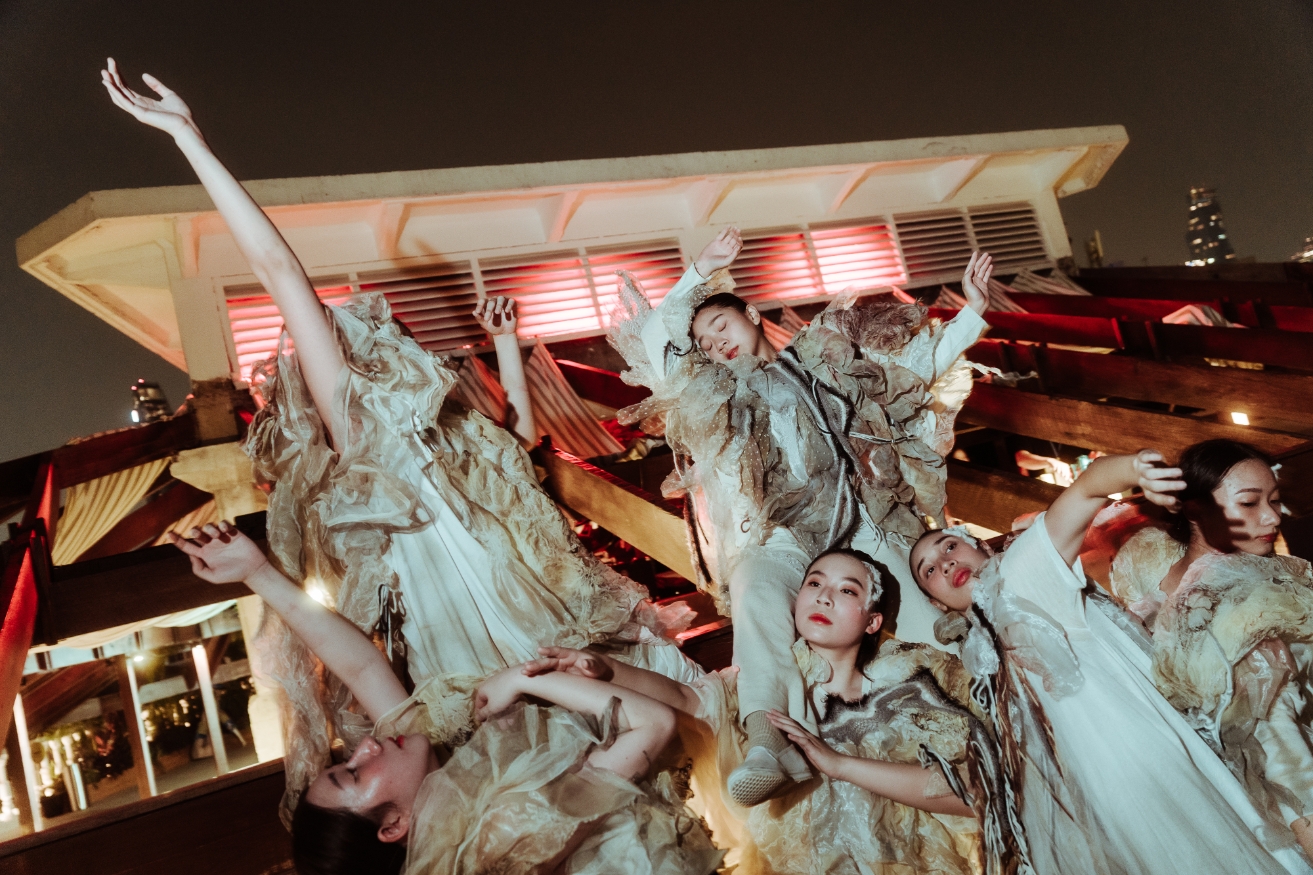
Community is central to MŌCANA’s DNA. How do you balance keeping the energy intimate while the platform, audience and international attention continue to grow?
Community is one of our 5C’s. Even as our audience grows, we are truthful to MŌCANAS core, focusing on meaningful collaborations, where artists can interact with each other and their work.
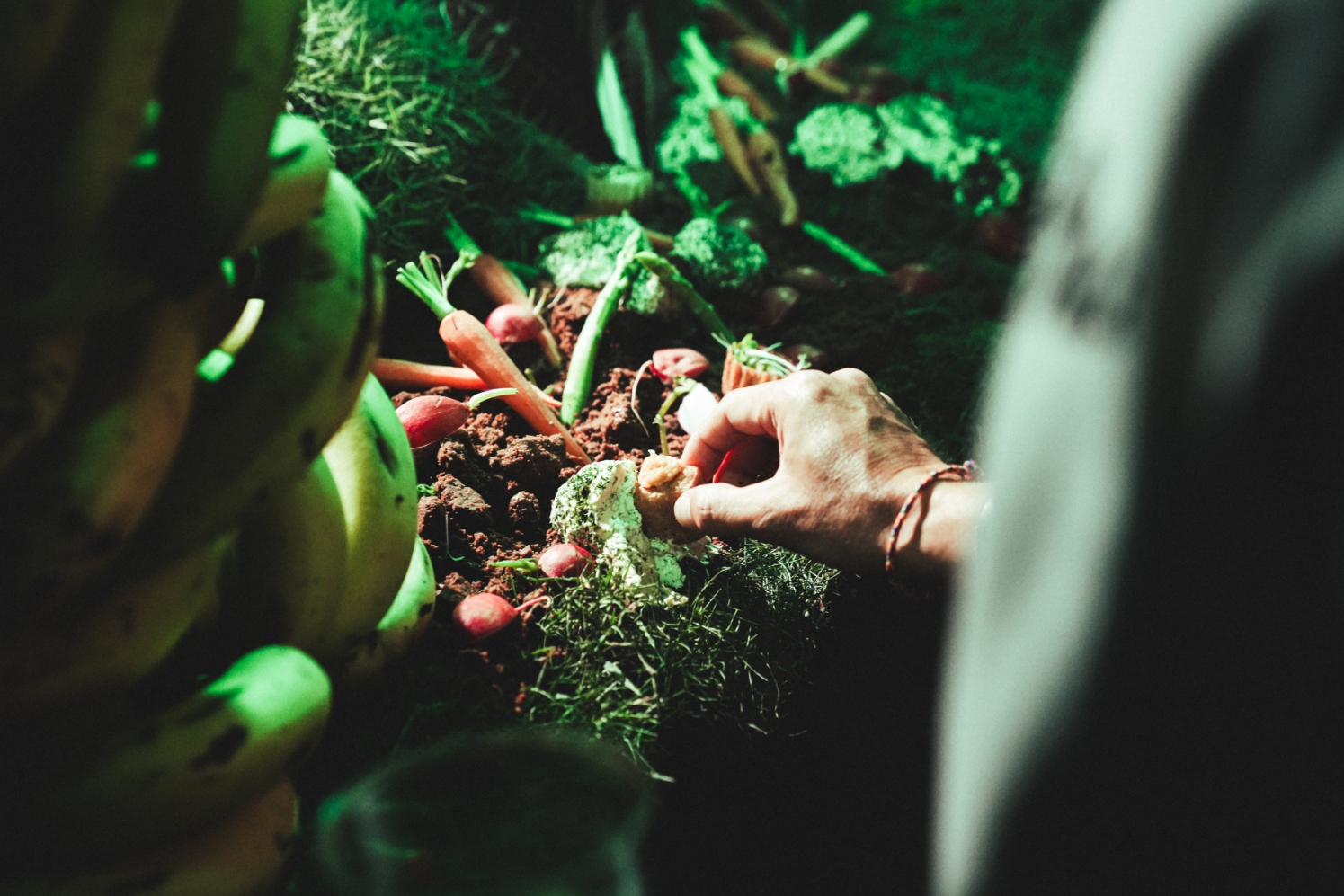
Your events span five Fs: fashion, film, functional, fine art and food. How do you ensure each discipline holds equal weight without one stealing the spotlight?
Each discipline is curated with the same level of intention, in accordance to our exhibition theme, we try to curate those disciplines in the most meaningful way that makes sense to each exhibition. For example, Asvin is a production house, hence our focus is more towards FILM to relate to the history of the venue.
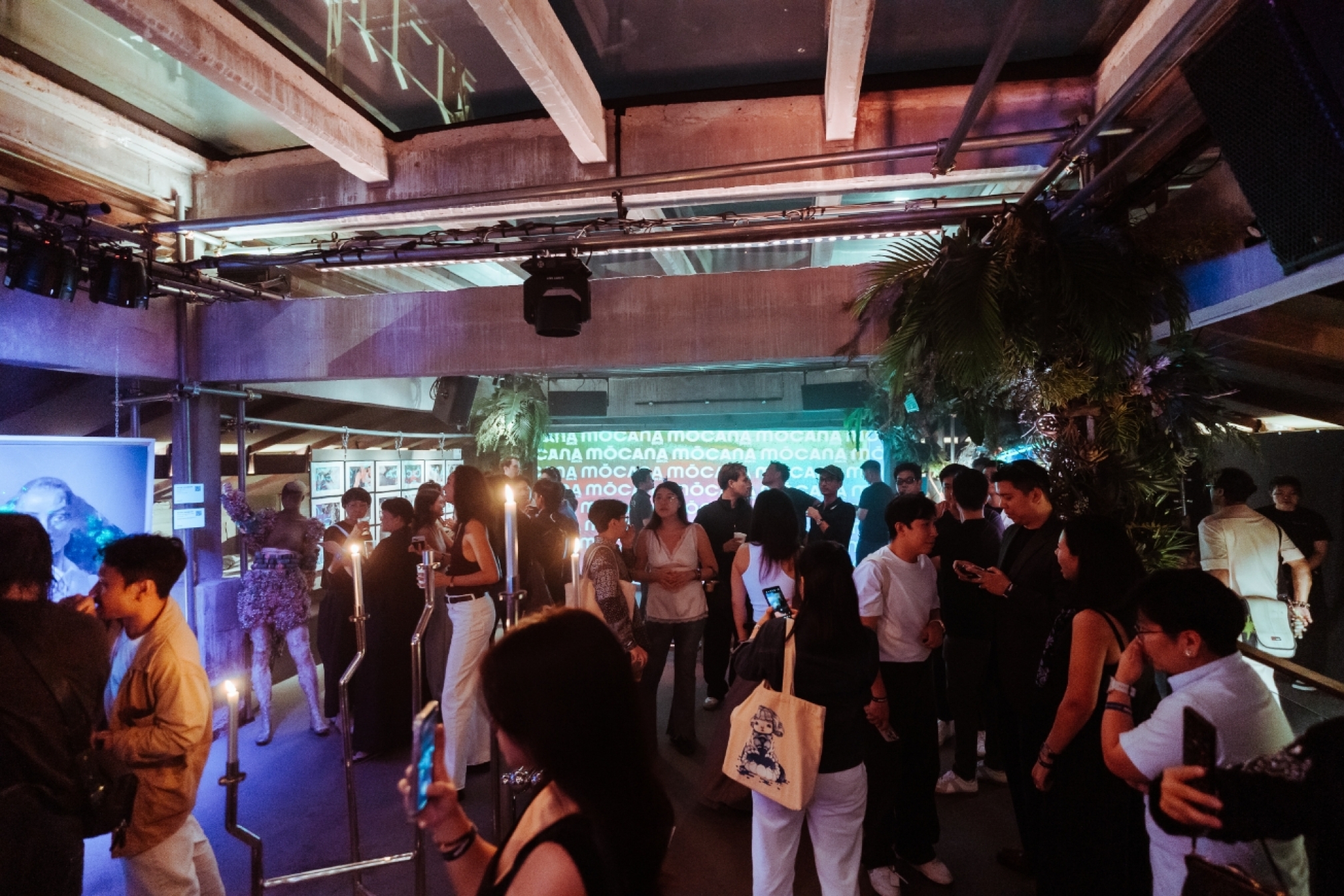
You consistently choose venues with strong historical value for your events, from Lhong 1919 to now Asvin Pictures. What excites you more: working with a space’s history, or disrupting it?
I love working with venues that have history and character; to be able to spotlight its history. Each exhibition I create, I don't start planning until the location speaks to me. It took me 9 different site visits before I found Asvin. Exactly two months before the opening day, so everything I did these past few weeks were all linked to the building of Asvin.
Read this next: A glimpse into the intersection of music, art, fashion & AI with 0010x0010
Where would be your dream location to host a MŌCANA event in Bangkok and why?
My dream location for MŌCANA isn’t actually in Bangkok. Instead, I would love to host a MŌCANA event in a different country each year. Since we’ve already had our first few exhibitions in New York City, I’d like to expand to other creative hubs such as London, Amsterdam, Milan, and Paris.
The goal is to create opportunities to bring Thai artists abroad while also introducing international creatives to Thailand. Ultimately, I want MŌCANA to become a platform that connects Thai creatives with artists from around the world.
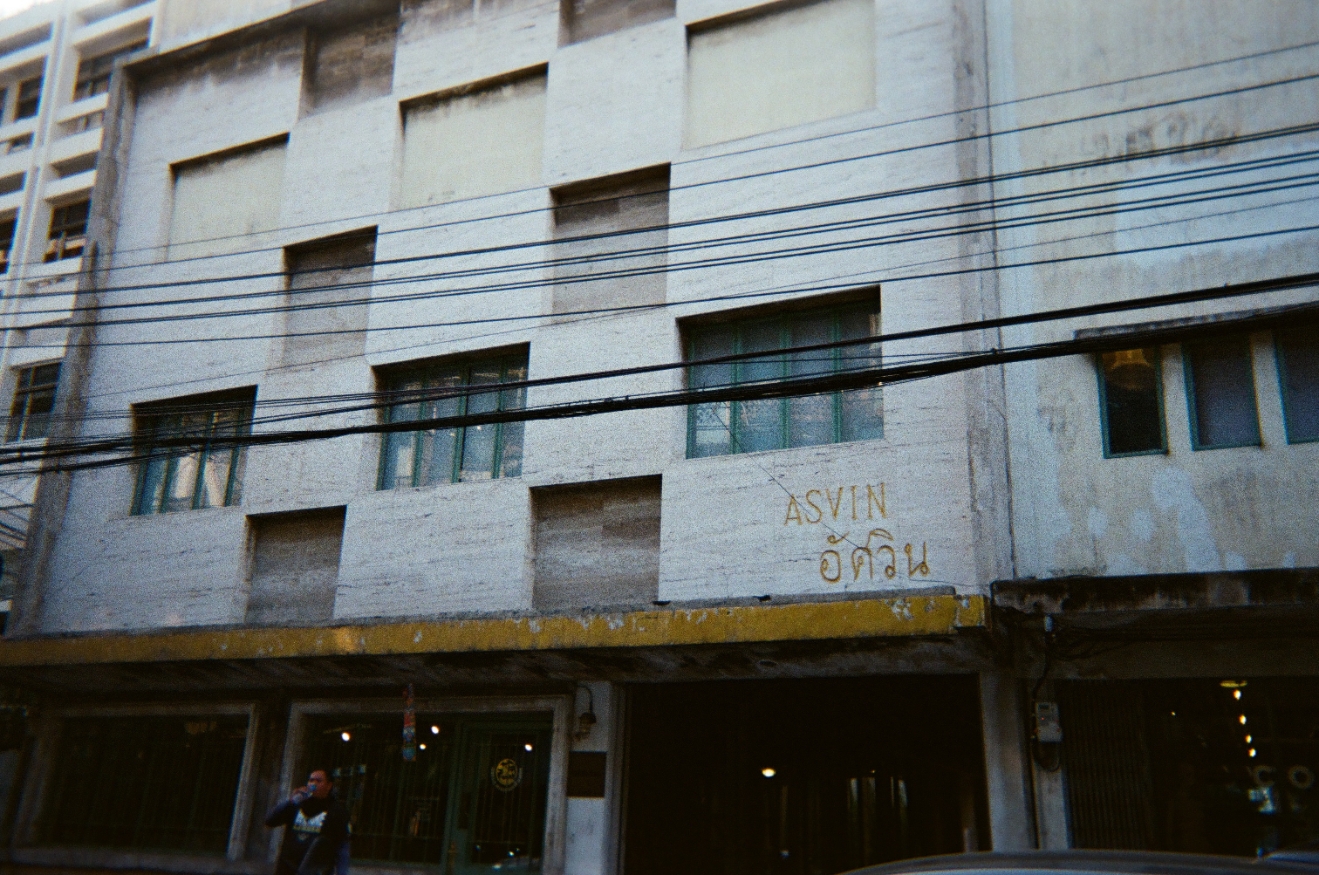
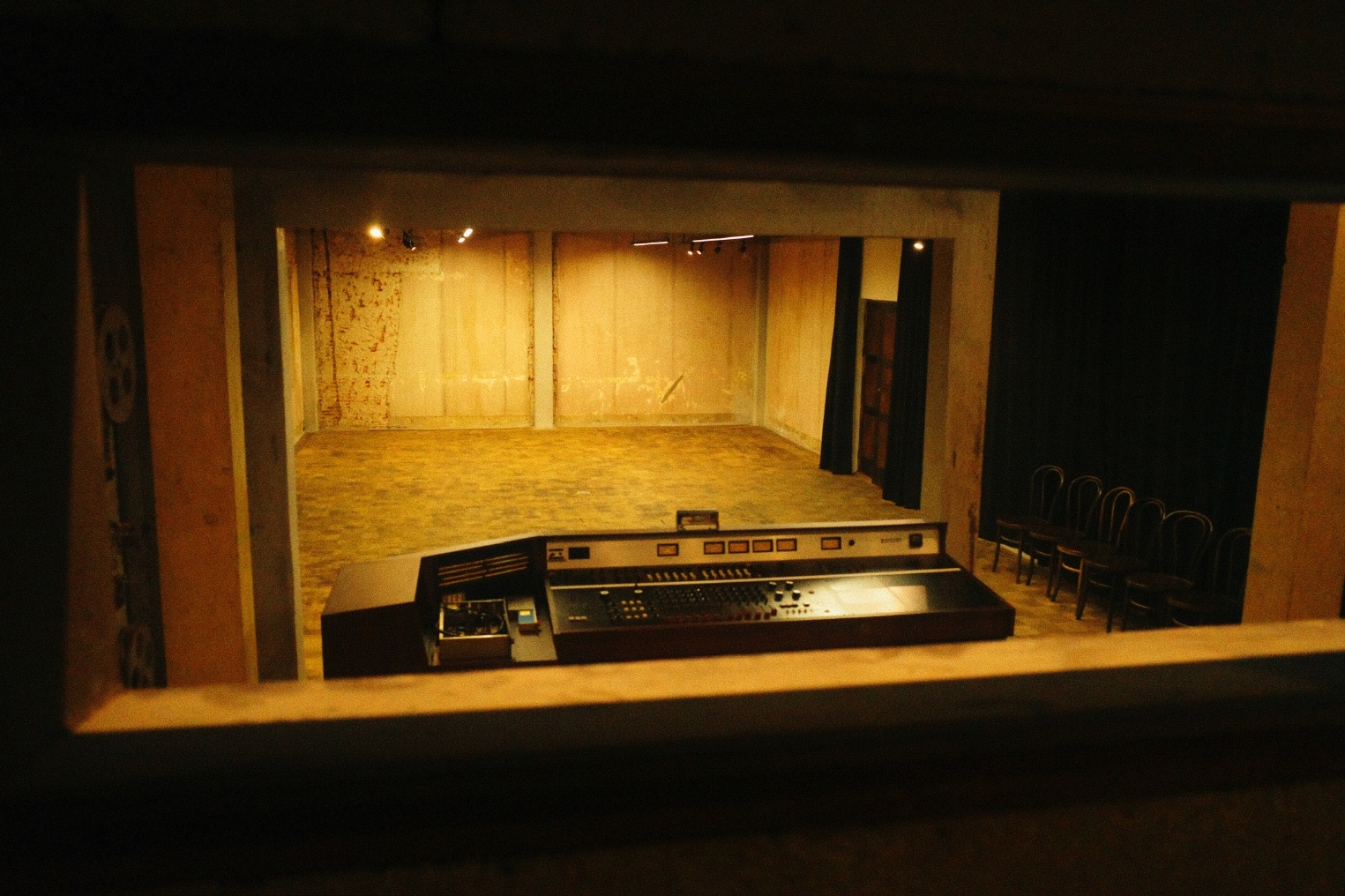
The upcoming event ARCHIVED CULTURE takes over Asvin Pictures, a cornerstone of Thai cinema. How did the building’s history shape the way you programmed sound, movement and energy across the space?
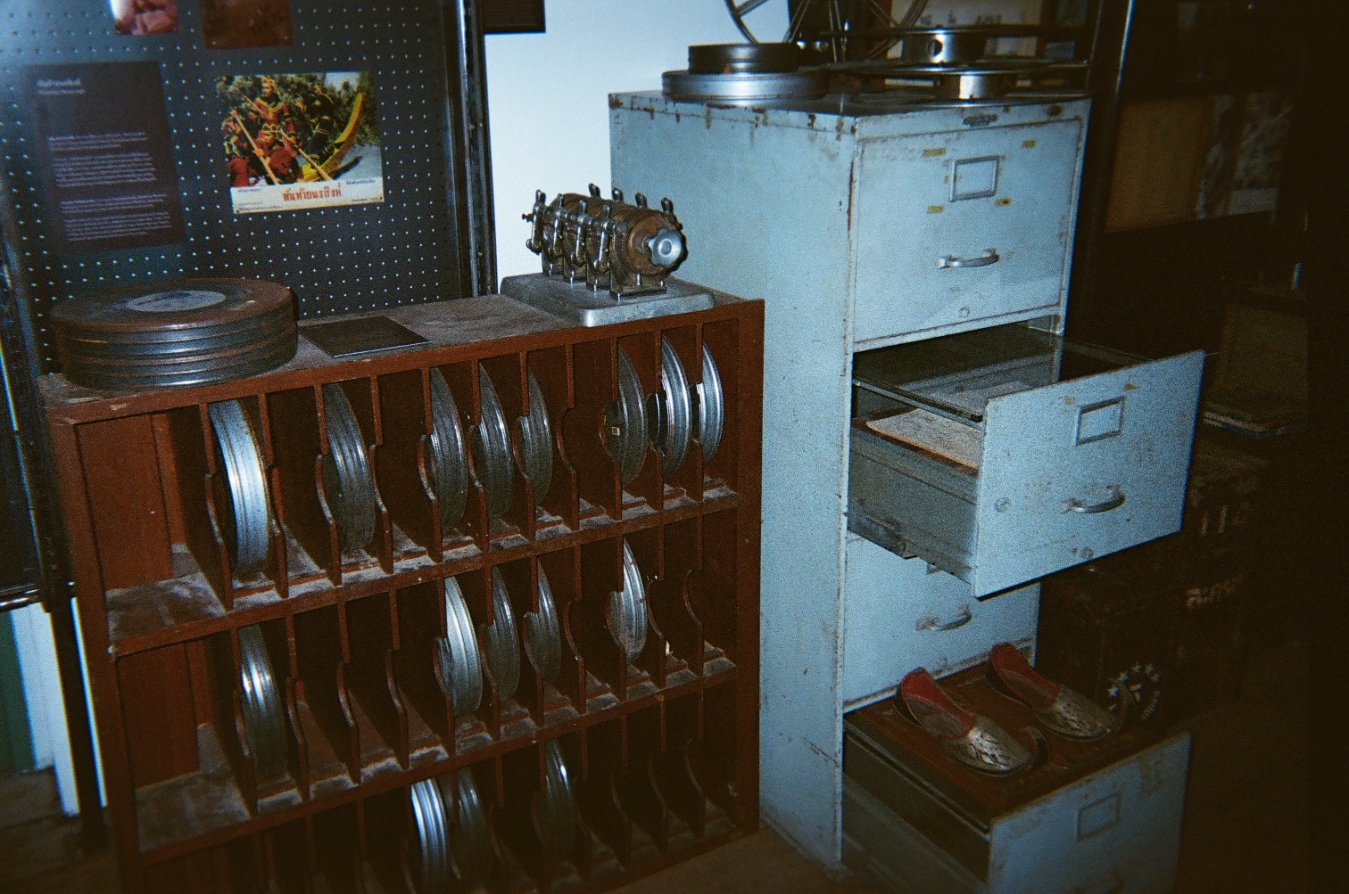
After discussing with the owners, we decided to structure the exhibition in a way that connects with the building’s original functions. For example, the second floor serves as a museum displaying the instruments used at Asvin, along with vinyl records of the music they were listening to at the time. We worked with this context and developed the section called Sound of Asvin.
The third floor was historically where films were mixed and edited, so we invited film artists to exhibit works that respond to the 35mm film process that was used at Asvin. The fourth floor is currently used as a dance studio, so we’re transforming that space into a dance floor during the event.
Each part of the building is curated in dialogue with its original purpose, allowing the exhibition to respond directly to the history and energy of the space.
You’re partnering with Mixmag Asia who are curating a Stage 1 takeover with local crew Pissawong Records; what can attendees expect in terms of sound and experience on the dancefloor?
Mixmag Asia and Pissawong Records are bringing together DJs who represent a really exciting side of the Thai underground scene right now; house, boogie, and techno selections that are both nostalgic and contemporary. It’s less about a big festival-style stage and more about creating a warm, intimate dancefloor where people can really connect through the music.
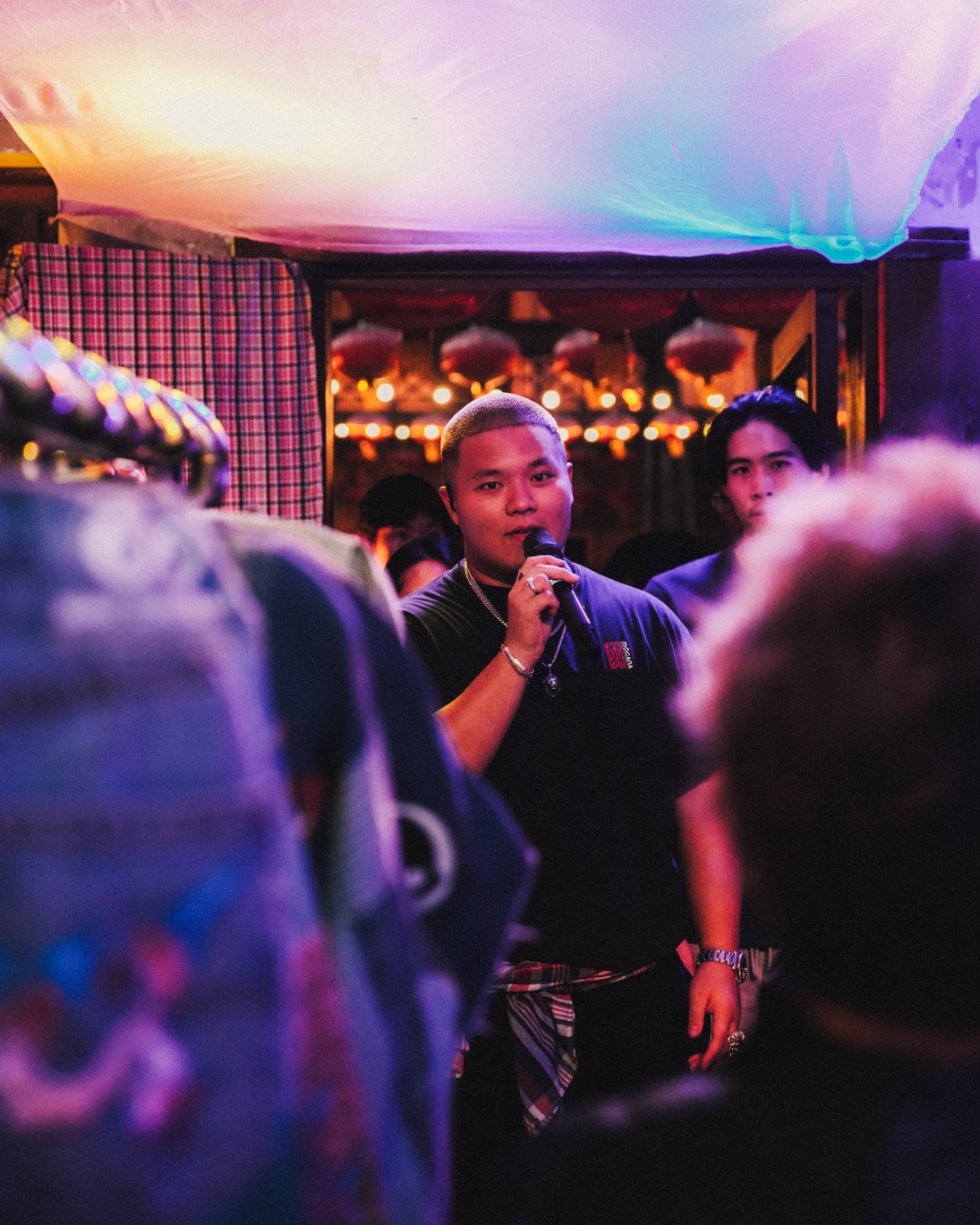
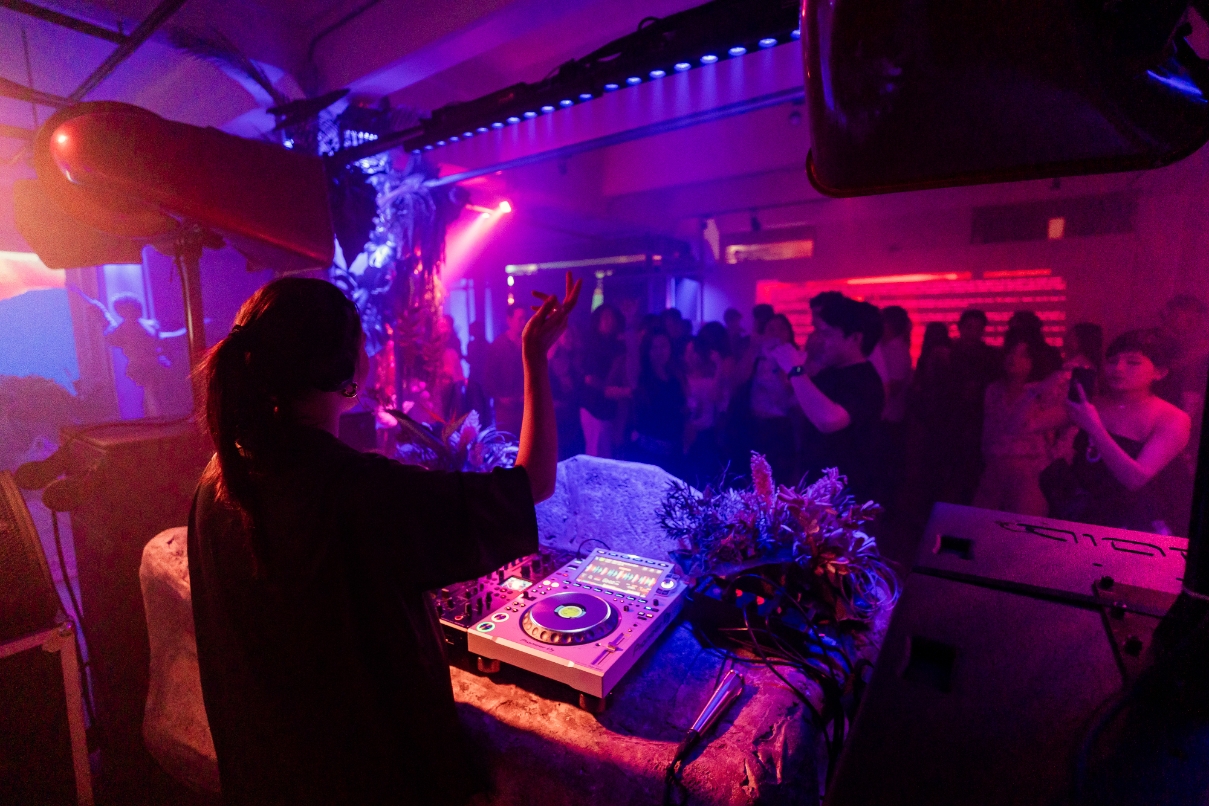
Tell us more about the exhibitors joining ARCHIVED CULTURE! The art direction for your previous events have been impeccable; how do you plan to live up to this?
If anything, this edition is even more curated than our previous ones. With ARCHIVED CULTURE, we spent a lot of time thinking about how each artist’s work leaves behind a kind of “residual image,” something that lingers in memory even after the moment has passed. That idea became a thread connecting the exhibitors across disciplines.
Because the exhibition is set inside Asvin Pictures, a place historically tied to filmmaking and image-making, that concept naturally expands throughout the building. Each floor becomes another layer of the archive, where different artists leave their own imprint within the space.
Read this next: Mixmag Asia’s 2026 Essential Listening
In your opinion, how do DJ sets, live selections and soundsystems become part of the “archive” rather than just the party?
Music is one of the most powerful ways culture’s connected and archived. Even though a DJ set only happens in the moment, it captures a snapshot of a scene, the sounds people are exploring, the energy of the crowd, the context of the place and time. Years later, those moments become references for future artists and communities.
In that sense, the dancefloor becomes a living archive, constantly evolving but always building on what came before.
For people in Thailand actively seeking experiential events that go beyond (just) club nights or gallery openings, what do you hope they walk away with after experiencing ARCHIVED CULTURE?
I want people to leave MŌCANA feeling like they experienced something immersive and unexpected. We have always focused on bringing different creative worlds together and letting people discover them in their own way.
Whether someone connects with a film, an artwork, a conversation, or the music on the dancefloor, the goal is for the experience to stay with them beyond the event itself.
You’ve got something exciting coming up; MŌCANA SOUND. How central will music be to the project’s future, and how different will it be from your previous experiences?
Music has always been a core part of MŌCANA, hence having MŌCANA SOUND will let us explore it more deeply.
While our exhibitions combine multiple disciplines, this project will focus more directly on sound, DJs, and sonic storytelling with a few art disciplines. It will still carry the same philosophy of community and curation, but with more attention on how music shapes atmosphere, identity, and collective experience.
MŌCANA ARCHIVED CULTURE will take place on March 21-22 at Asvin Pictures; tickets here.
Amira Waworuntu is Mixmag Asia’s Managing Editor, follow her on Instagram.
Cut through the noise—sign up for our weekly Scene Report or follow us on Instagram to get the latest from Asia and the Asian diaspora!
