


 Interviews
The end of Singapore's Headquarters was always part of the plan
For the past 10 years, Thugshop built the city’s most beloved underground space, then chose exactly when to walk away from it. The team shares what it actually takes to protect a room from the inside out.
When Singapore's Headquarters (HQ) closed its doors on May 30, 2026, it wasn't a casualty of rising rents or a licensing dispute, the kinds of issues we often hear about in Asia. It was a clear-headed decision, one the Thugshop collective had, in many ways, always reserved the right to make.
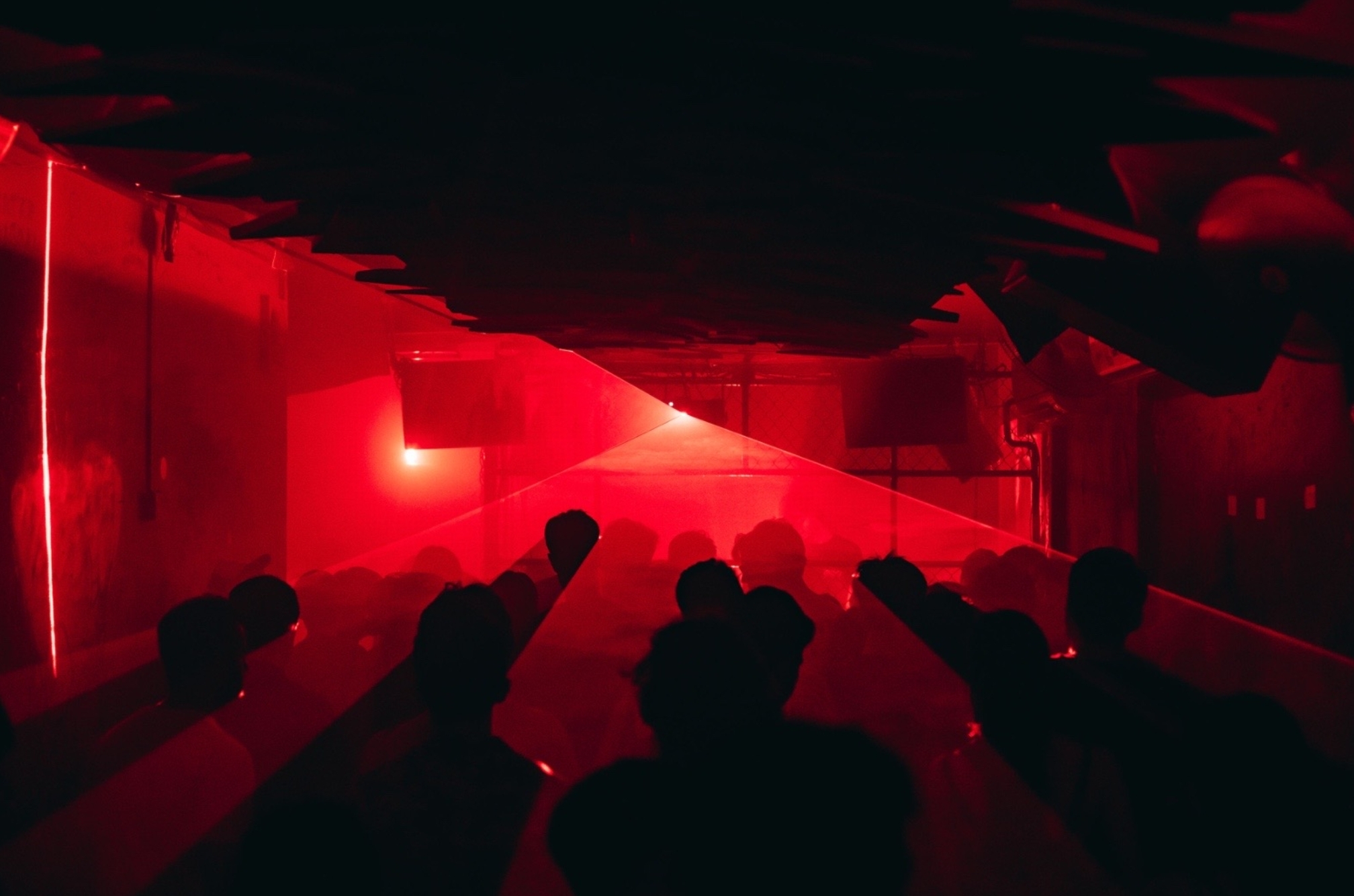
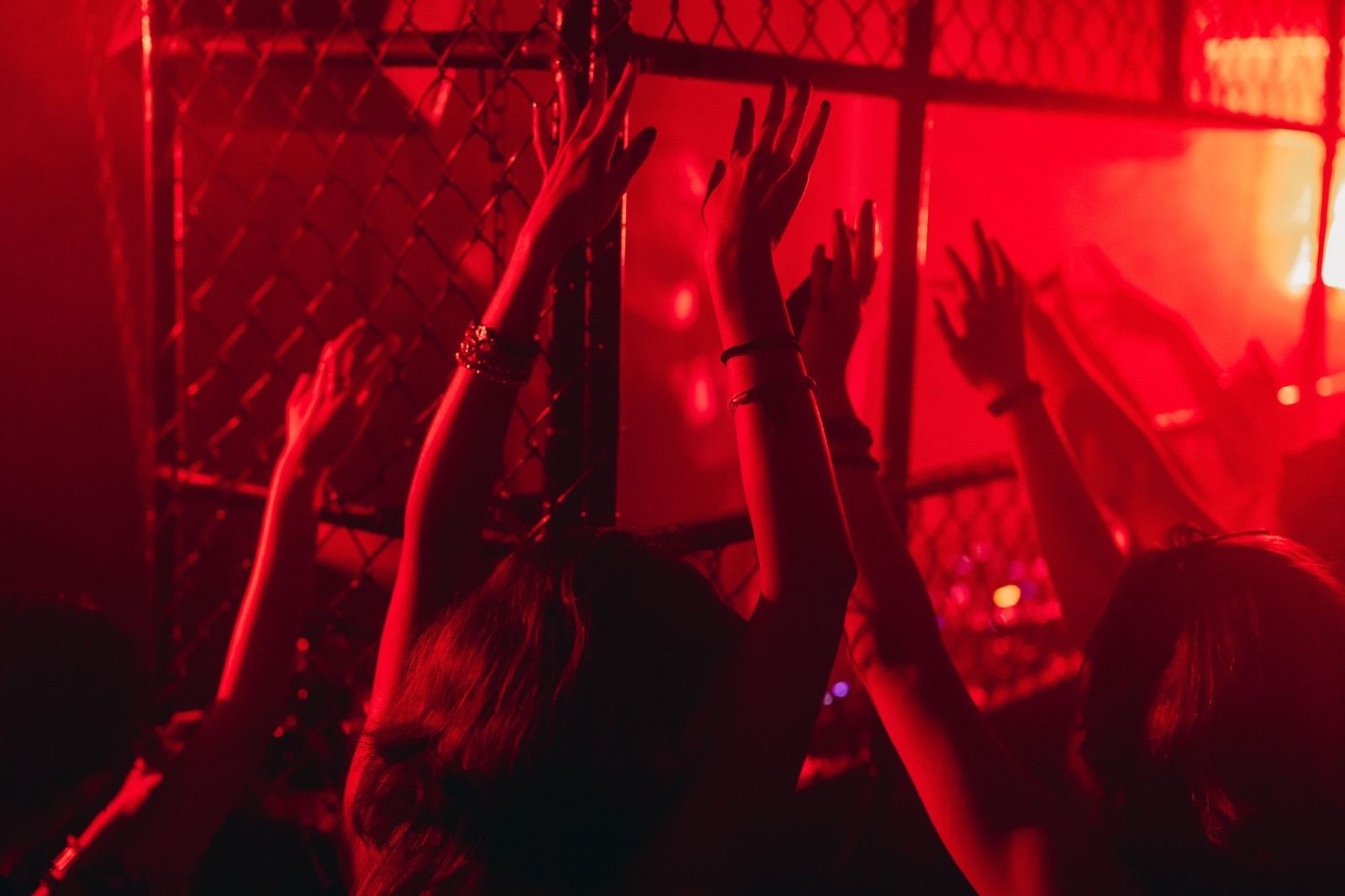
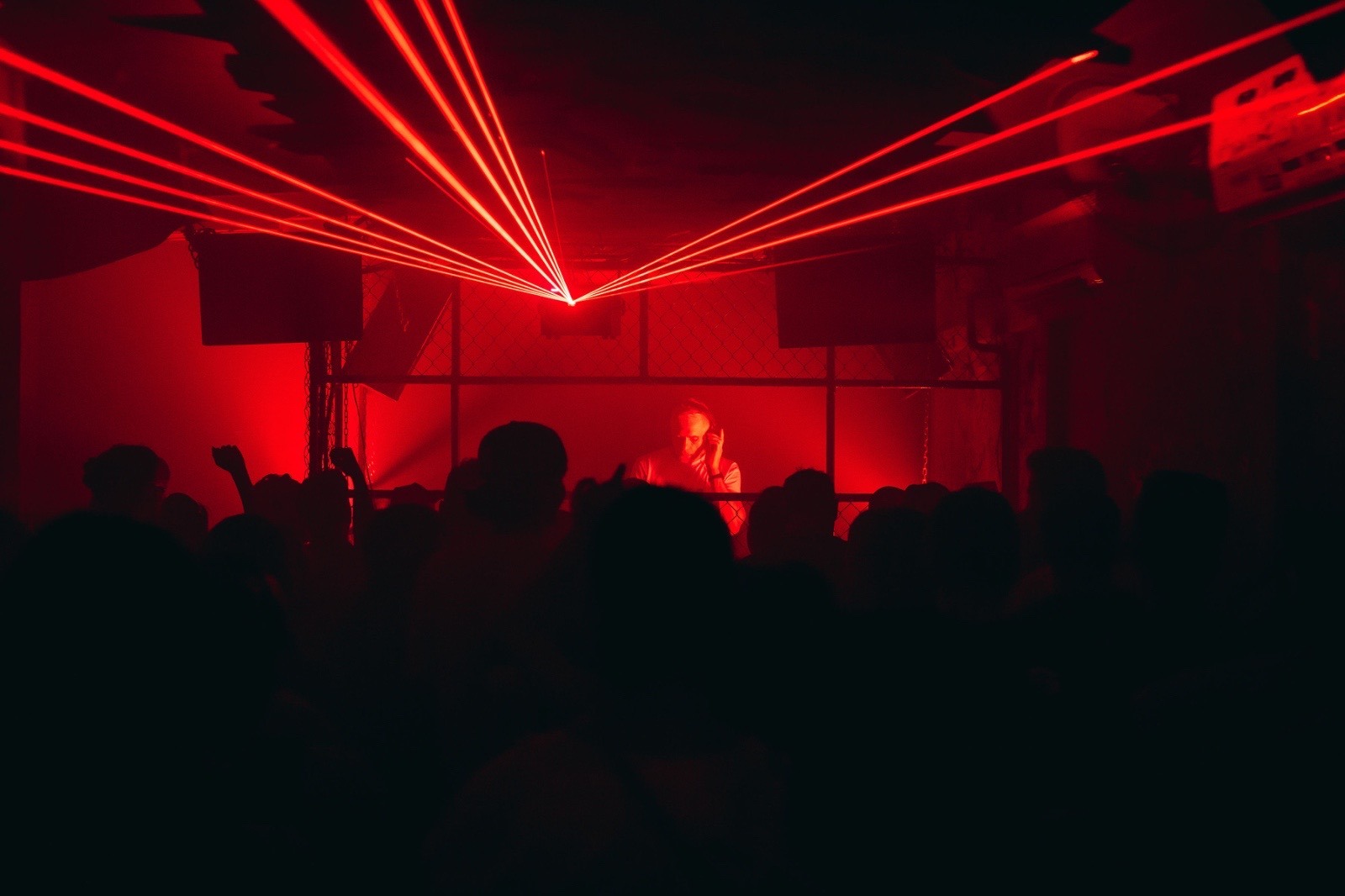
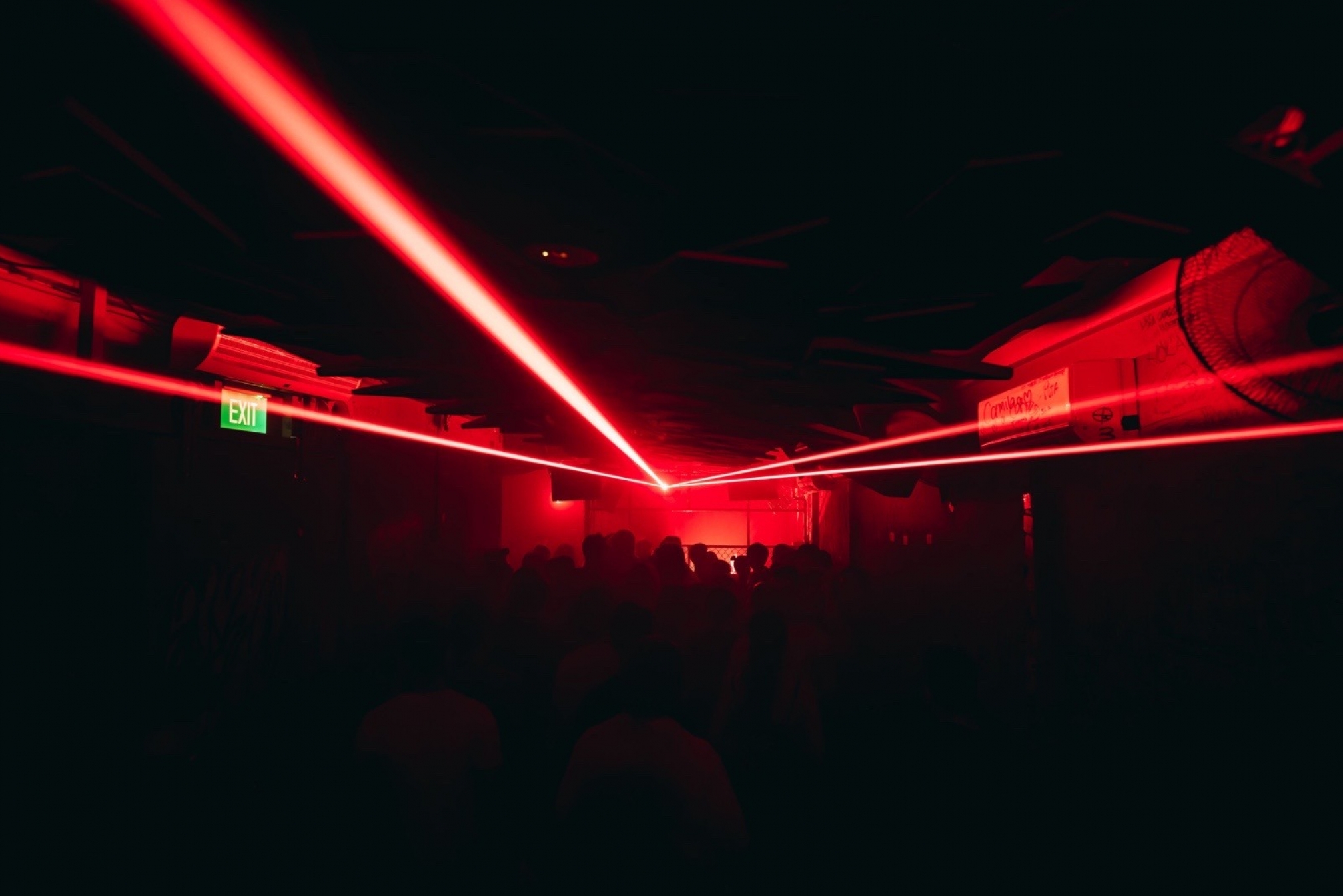
For ten years, HQ operated out of 66 Boat Quay as one of the more quietly influential rooms in Singapore's underground electronic music scene. No door policy, no pretension, just straight-up house and techno that made you move in a red-lit space with a caged DJ console that became something of a local icon. The walls, covered in a decade's worth of scribbles from clubbers and artists passing through from around the world, told their own story.
The closing night, titled This Was The Place, ran for ten hours across two rooms, with ten back-to-back sets performed entirely by HQ's resident community. Fitting, given that the room was always about the people who kept coming back.
With a founding team that kept the same values it started with since day one, HQ spent a decade welcoming generations of clubbers, artists and curious night owls who were all about discovering and sharing electronic music in a space that felt distinctly its own.
Perhaps unsurprisingly, that same sense of identity shaped the team's stance on its future: better to close than to change.
In an exclusive interview with the Thugshop team following the closing party, they speak candidly about what it took to hold their standards over a decade, why they walked away on their own terms, and what comes next. As they put it: "Ten years is a good time. It's a good story. And it sounds right."
HQ was built on good music, no judgement, zero pretension…but how hard is it to actually hold that standard in Singapore, where the nightlife landscape can pull venues toward commercialism pretty fast?
Harder than people think. Over the years there were multiple offers to buy the club and the brand; investors with their own commercial objectives, brands with a different creative agenda for the space. Every single one of those conversations ended the same way. None of it aligned with why we started HQ in the first place, which was to build a community shaped by a genuine love of quality music. The moment you let that in, you're no longer in the same place. You just look like it.
Read this next: On queer futurity through rave collectives in Southeast Asia
The caged DJ booth, the walls covered in ten years of scribbles from ravers and artists around the world…what happens to that? Is there anything from 66 Boat Quay you're preserving, archiving, or taking with you?
We're creating a digital archive of the walls. Ten years of scribbles from people who came through that room from all over the world; that deserves to be documented. What we do with it after, we're still working out. There's a part of us that wants to share it, and a part of us that thinks letting it go is the right thing, that it belongs to the space, and the space is closing. We haven't decided yet. That tension feels right, honestly.
In your opinion, what's the state of nightlife in Singapore right now? What's exciting you, and what still needs work?
The honest take is that the landscape is shifting faster than most people want to admit. The way younger generations are discovering music and experiencing nightlife is changing fundamentally; it's not the same as it was even five years ago. The optimism, for us, isn't in what exists right now. It's whether the scene can keep up with that change. The operators and promoters who are paying attention to how culture is actually moving...those are the ones worth watching.
Community was clearly everything at HQ. How do you actually genuinely build that in a city like Singapore?
We didn't engineer it. We just created a place where people could feel safe being themselves; completely unpretentious, in the middle of a very commercially driven part of the city. Anyone could walk up those stairs and feel at home. There was no door policy. We welcomed everyone. And over time, the people who felt right at home stayed, came back, and brought their friends. That's it. Community isn't built, it finds the spaces that feel right.
Read this next: Here’s what Berlin clubbers look like after 24 hours at Berghain
Regarding the Tanjong Pagar Distripark takeover beginning this weekend; what's the thinking behind keeping the format deliberately unpredictable? Is that a creative choice or more of a statement on how multidimensional experiences have become?
We've always worked this way. HQ started with multiple genres, everything electronic, from disco and house to progressive and techno. As we expanded into multiple venues over the years, each venue carved out its own identity. HQ became house and techno driven, Tuff Club went deeper and more melodic. Our pop-up parties spread across a wider spectrum of genres such as open air rooftops with house and disco, hard industrial sounds for the warehouse nights.
We enjoy all sorts of music. But it's always the experience that comes first. The right space, in the right time, with the right genres at the right moment, that's what brings out the best feelings. MDLR was that. And now with Tanjong Pagar Distripark, we can fully unleash it.
We've always been particular about the details; what you see, what you hear, what you taste, what you feel. That never changes. Only the room does.
The Singapore Tourism Board just signed a three-year MOU with Universal Music Singapore. Does this kind of government-backed, major-label deal make it harder or easier for operators like Thugshop to do what you do? Does it shift expectations, drive up costs, or does it open doors you couldn't open before?
It's an interesting development for Singapore's music economy. Large-scale tourism events inevitably shift the commercial landscape for everyone. Costs move, crowds move, and independent operators have to adapt. The hope is that as the ecosystem grows, the benefits find their way down to the grassroots level too, and not just to the mainstream operators. A city with a thriving independent scene is ultimately a more interesting destination for everyone.
Read this next: Tune In: Must-know community radios from Asia
What's the one thing you'd want the wider public (and perhaps policy makers) to understand about what the underground contributes to Singapore's cultural identity?
The underground contributes something that's hard to put a value on; organic culture. Spaces where people can express identity freely, without the price tag or the dress code. Where it's less about wealth signalling and more about a shared love of music and creativity. And it's where the next generation of Singapore's creative talent gathers, finds its people, and forms the connections that go on to shape the culture. A city needs both: the big stages and the small rooms. One without the other is just half a scene.
For the next generation of promoters and operators in Southeast Asia who want to build something real, what's your single most important piece of advice?
Not everything needs to be measured in year-on-year revenue growth as a KPI. Sometimes it's as simple as the number of smiles you put on faces.
Amira Waworuntu is Mixmag Asia’s Managing Editor, follow her on Instagram.
Never miss a beat. Subscribe to our Scene Report newsletter or follow us on Instagram.
