


 Features
From Chicago to the world: How footwork crossed the globe
The originators of Chicago footwork rewired and dominated local dancefloors — then together, they moved the world. Tracy Kawalik explores the unshakable legacy and unifying power of Chicago footwork with the master architects who carved out the blueprint
There's a story etched in the Chicago underground about a footwork dancer who burned everybody on the blistering late-'90s battle scene. His undefeated signature moves were crafted from influences like Street Fighter, Mortal Kombat, and anime.
“He wrecked people weekend after weekend,” recounts Teklife co-founder and fly footworker DJ Spinn. “We could see it coming, like, 'Oh shit, don't let Jeff do that to you! He finna hit him with the fireball! Oh man, he's gonna knock his head off with a sonic boom!'. Damn, man. He embarrassed quite a few of us kids.”
Not DJ Rashad, though.
Vexed by the relentless winning streak of one solo elder over the young heads, DJ Rashad pulled up to the Markham Roller Rink — a place where locals became legends — and proved he was a beast, throwing down back-to-back moves so hard that Jeff retired and never entered another footwork battle again.
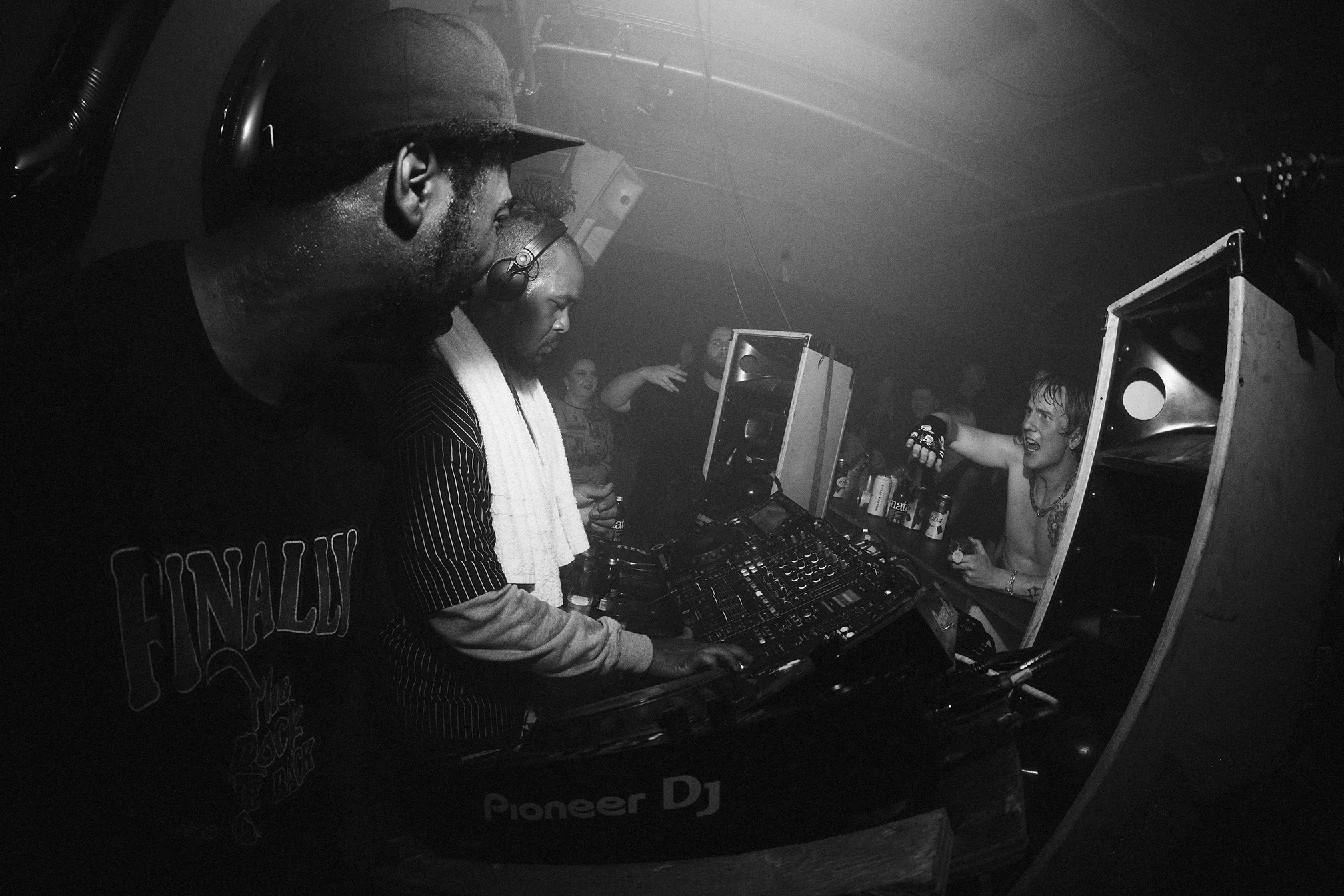
Thirty years later, at the start of 2025, DJ Spinn shares the story from a London rooftop under the stars — the night after a sold-out, history-making set alongside footwork architect RP Boo at the city’s burgeoning 160 Unity party hosted by Tropical Waste. “Dance is part of the culture, you gotta get in those pockets,” he says. “What’s Chicago footwork without people knowing how to move to the music — or knowing how to feel it?”
DJ Rashad kicked down the door and set a precedent: footwork wasn’t about any one person “owning it” — it was a movement, a sound tuned for bodies. It’s a way of life. Spinn nods, “I’ll never forget that battle. After that, I started getting good — and so did everyone around us.”
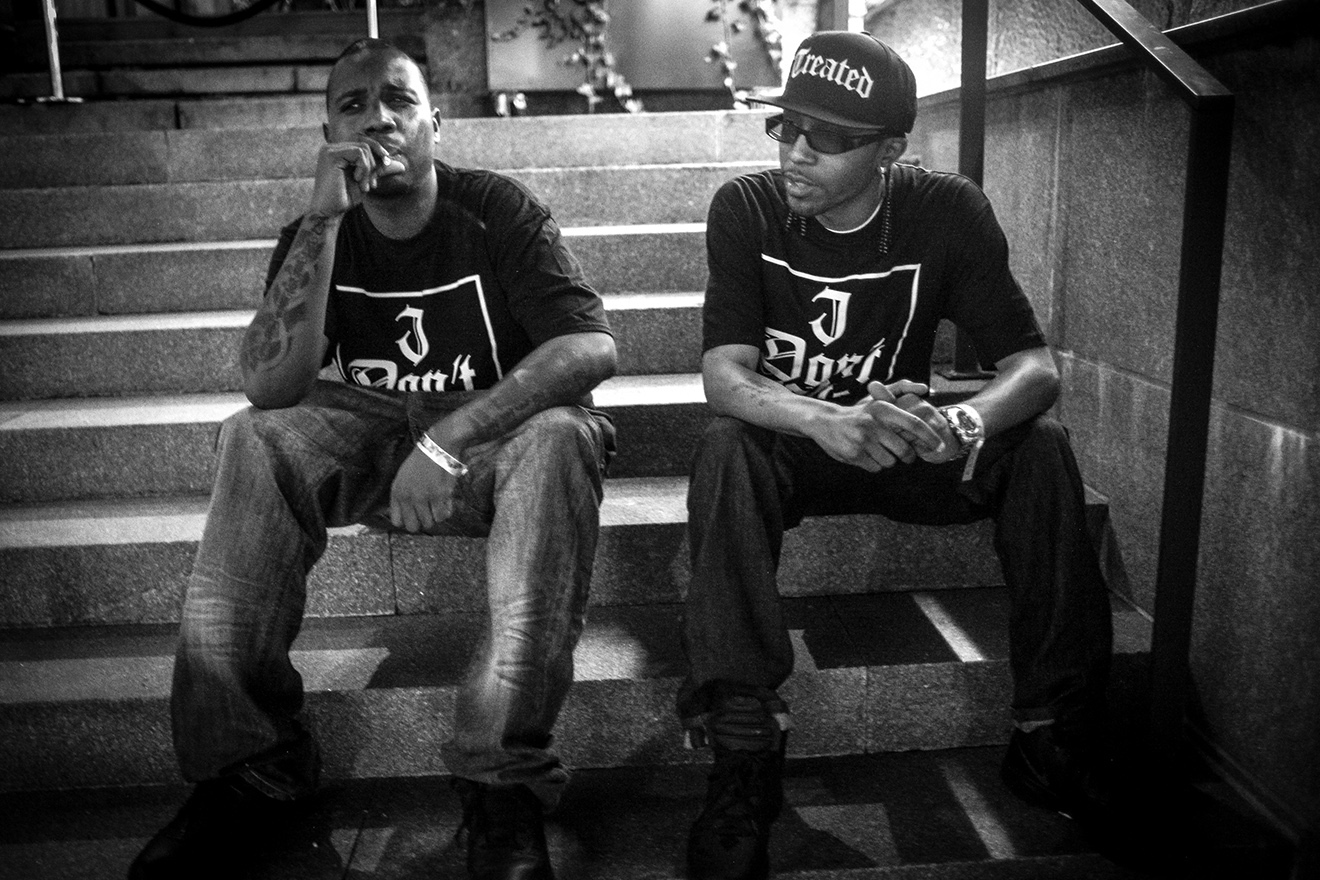
At the turn of the century, Chicago footwork blasted out of basements, roller rinks, rec centers, house parties, and high school gyms. Today, its raw, irrepressible energy has moved the world. It’s electrified a bold London scene that’s been building for over a decade — uniting old skool heads with a fresh wave of pioneers thanks to Tropical Waste founder Seb Wheeler and Moveltraxx label boss Big Dope P. At parties under the 160 Unity banner, you’ll find Chicago OGs like Jana Rush or DJ Phil making his UK debut, booked alongside new-gen legends like Londoner SHERELLE, who got into DJing and dance music after discovering DJ Nate and hearing Rashad + Spinn’s ‘Brighter Dayz’, and disciples of trailblazing dancers like King Charles, whose influence stretches from the Chicago projects to grassroots crews across the Atlantic like London’s After Werks and The 7 Cs, a ferocious all-girl teen crew from Plymouth.
At its inception, Chicago footwork was fuelled by the city’s pulse-racing dance battle scene on the predominantly Black South and West Sides. Forged by the blood, sweat and speed of seminal crews, the movement pushed DJs and producers to stretch the limits of ghetto house, juke, and records blowing in from Detroit radio stations — transforming them into bass-thumping, 160 BPM, sonically abstract and physically demanding tracks built solely to challenge the scene’s most agile footworkers. Chicago footwork is a genre that doesn’t just ask for movement — it judders through your legs, your gut, and demands it.
“If you’re born and raised in Chicago, especially on the sides of town I’m from, for a lot of Black communities, footwork is our birthright. It’s pumping in our DNA. It’s passed down from cousins, parents, neighbours, you can feel the pulse of it rumbling under your feet. It’s native to the city. Growing up, there was no other dance style,” states veteran footworker King Charles.
Kavain Wayne Space, AKA RP Boo, is hailed by many as the inventor of the genre. He cut his teeth alongside fellow godfathers of Chicago footwork like DJ Clent, DJ Rashad and DJ Spinn — slugging it out on the floor as part of the city’s most legendary dance crew, House-O-Matics, to ghetto house classics by DJ Deeon and scene-defining records like Cajmere’s 'Percolator’. They were among the co-founders of DJ clique Beatdown House and launched seminal dance crews like Wolf Pac and Gutter Thugs, demolishing opponents citywide and earned respect for the extravagant footwork moves and raw sound they brought to the floor.
Footwork — the dance — predates the music by nearly a decade, emerging from stepping, house, and the battle spirit of popping, locking and breaking born in the 1980s. Unlike other street-born genres where DJs spin extended breaks for freetylers to flex or finesse to, Chicago footwork producers (in particular DJ Clent who had a particular next-level prowess) assembled 'trax' specifically to throw off rival dancers and incite battles. “Once I made one specifically for this footworker called Nick the Man — he could dance to anything, he was that cold. I figured if my music was the track that finally threw him off, that would be dope. Instead, I crashed and burned and he caught the beat,” laments DJ Clent of a particularly worthy foe. They used tactics like pulling out the bass drop to trip opponents up, while stitching together chopped-up vocal samples (often calling out the moves) with a clattering maelstrom of toms, triplets and staccato snares that jab the solar plexus and command off-kilter rhythmic hijinks.
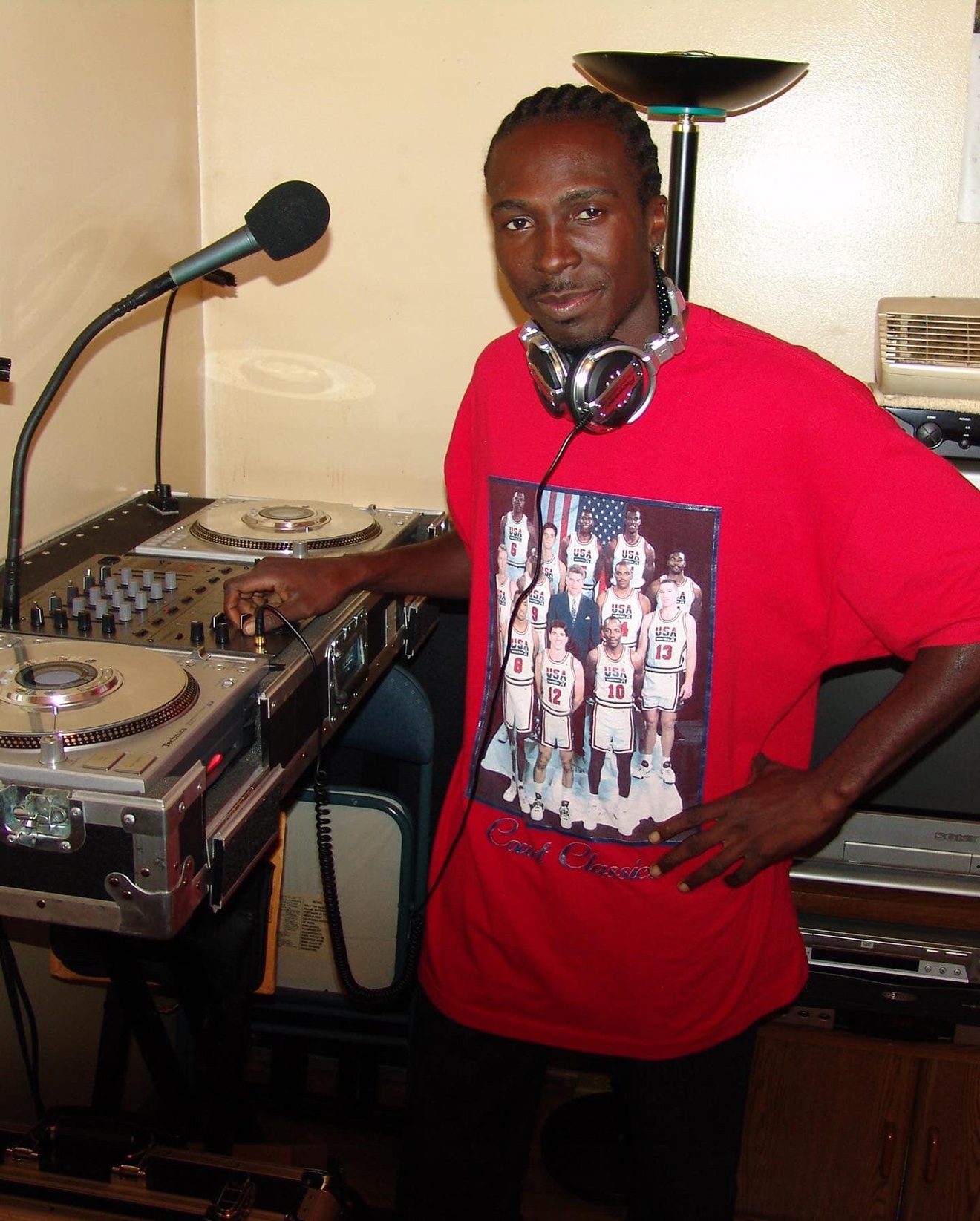
Armed with a display-model Roland R-70 and an Akai S01, RP Boo rewired the dancefloor with his DIY drum programming and sample mutilation, permanently changing the way footwork tracks were made. His 1997 track ‘Baby Come On’, which loops an Ol’ Dirty Bastard vocal sample until it becomes almost unrecognisable, is his proudest work and widely considered the foundational footwork track. “Because my process was so unique to me, it took people years to figure out how to play my tracks,” RP Boo notes, though he had advice from friends along the way, and a spirit of collectivity and shared wisdom was formative to the sound’s origins.
“My first drum machine was the display model. It came with no instruction manual, no book, and it was the last one in the shop. I had to call up DJ Deeon and ask him how to do a pattern, how to copy, how to transfer from one sequence to another!” RP Boo exclaims. “I didn’t know how to extend the bars — I didn’t know how to do nothing. It was just set on one bar, and I started from that.”
Read this next: “For all the misfits in the world”: Peter Hook shares why The Haçienda was and still is ahead of its time
“Deeon sold me his Akai S01 for $300 — the same sampler he used to make some of his biggest hits — and I just started making tracks and getting better at it,” he continues. “Eventually, when we were ready to do our project ‘Baby Come On’, DJ Slugo came to the house. I only had five tracks at the time, and he was the one who said, ‘We need one more.’ He made a track on the fly and finally programmed my Akai S01. So I give him credit for that — and from that point on, I really started producing.”
“It took me five years after I bought that Roland R-70 just to learn how to edit sounds and know the real features of the drum machine. But once I finally went in to see what had been programmed, I realised nearly every producer from Chicago and the surrounding suburbs who’d come through that shop had reprogrammed or shaped patterns on there. So, the entire city of Chicago programmed my drum machine.”
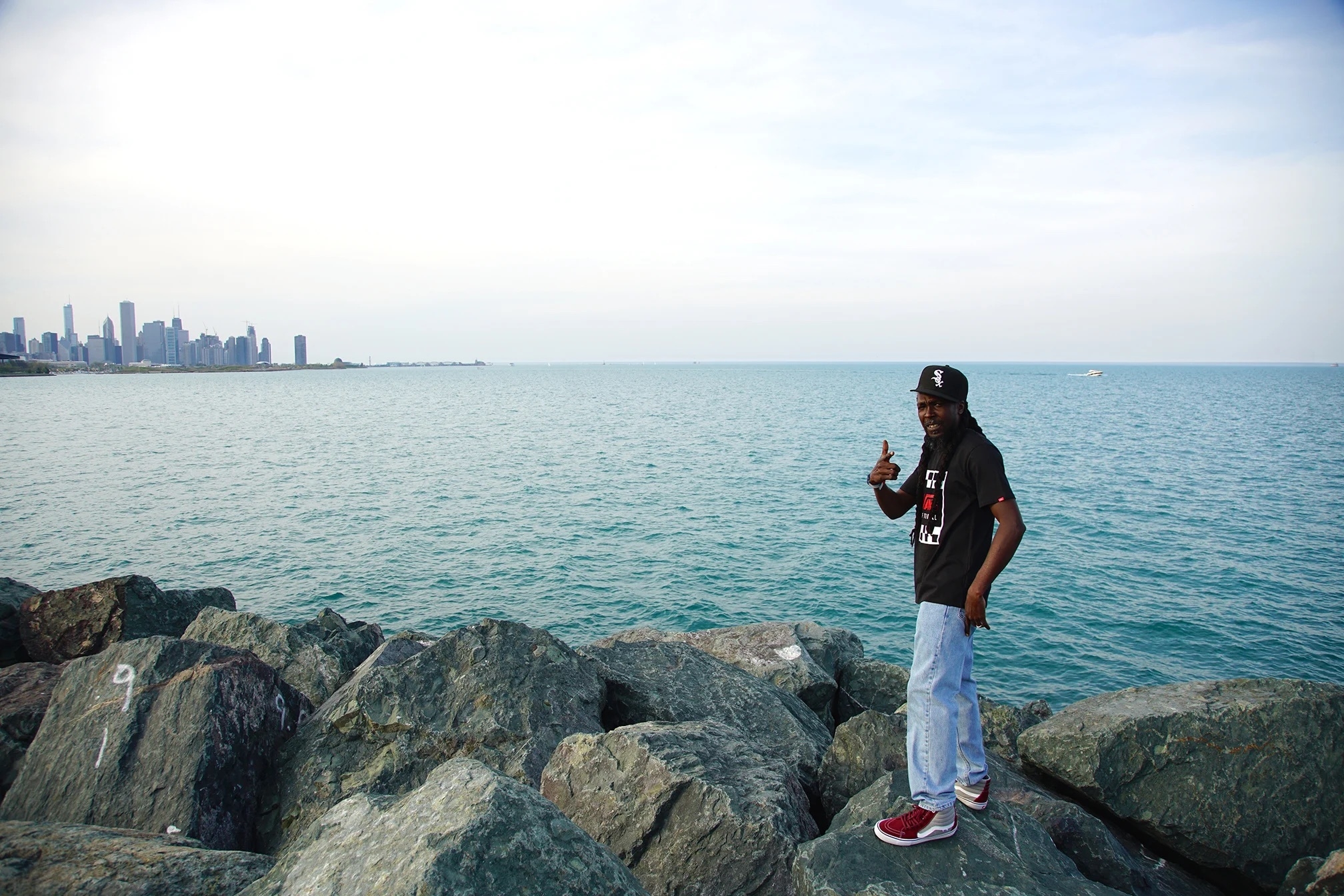
Flip through the internet and you’ll find dancers and music heads waxing poetic about RP Boo’s sonic palette — built on jagged loops, splintered samples, and rapid-fire drum machine patterns that feel both chaotic and deeply calculated. 1999 white label ’11-47-99’ (The Godzilla Track) was pioneering for the development of sampling in footwork, ‘Speakers R-4’, which features on 2013 retrospective album ‘Legacy’, would get dancers so hyped up that brawls would break out.
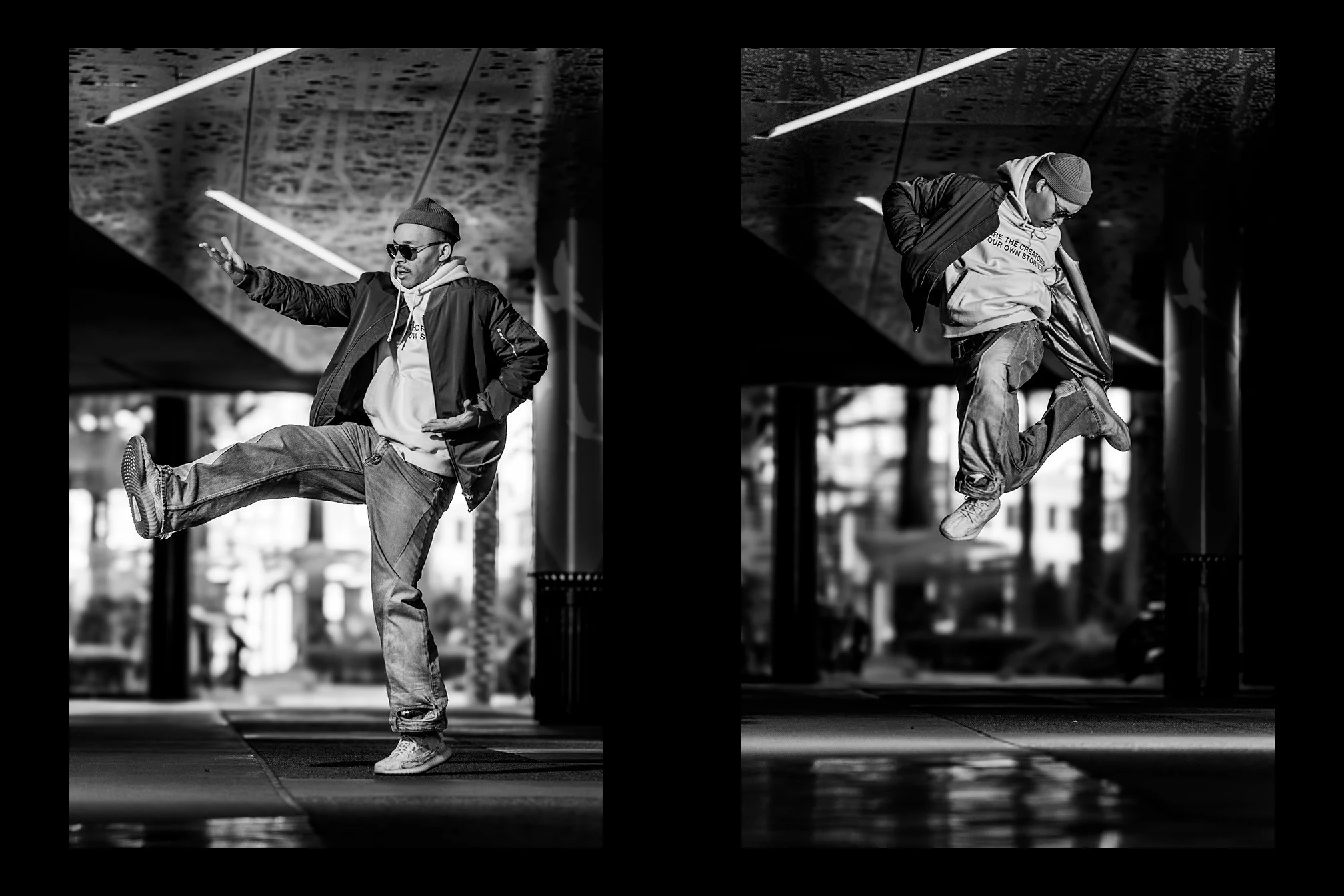
By the turn of the millennium, footwork had evolved into a full-blown counterculture. While innovators like DJ Spinn, DJ Rashad, DJ Clent, Gant-Man, Traxman, Jana Rush, and RP Boo were shaping its sonic blueprint and bringing the genre to a boiling point, pioneering dancers like King Charles and Litebulb were carving out genre-defining moves like the Ghost, Dribble, Erk, and Skate with feverishly fast shuffles, spins, and low-to-the-ground steps — creating a language of their own.
“Footwork is a lifestyle — it’s also been a saviour for a lot of us. Instead of doing dirt in the streets, it gave us purpose and a voice,” King Charles says. “You couldn’t just pull up to a party and expect to hook up with someone unless you had some skill, so we kept pushing ourselves to get better at footwork and battling.”
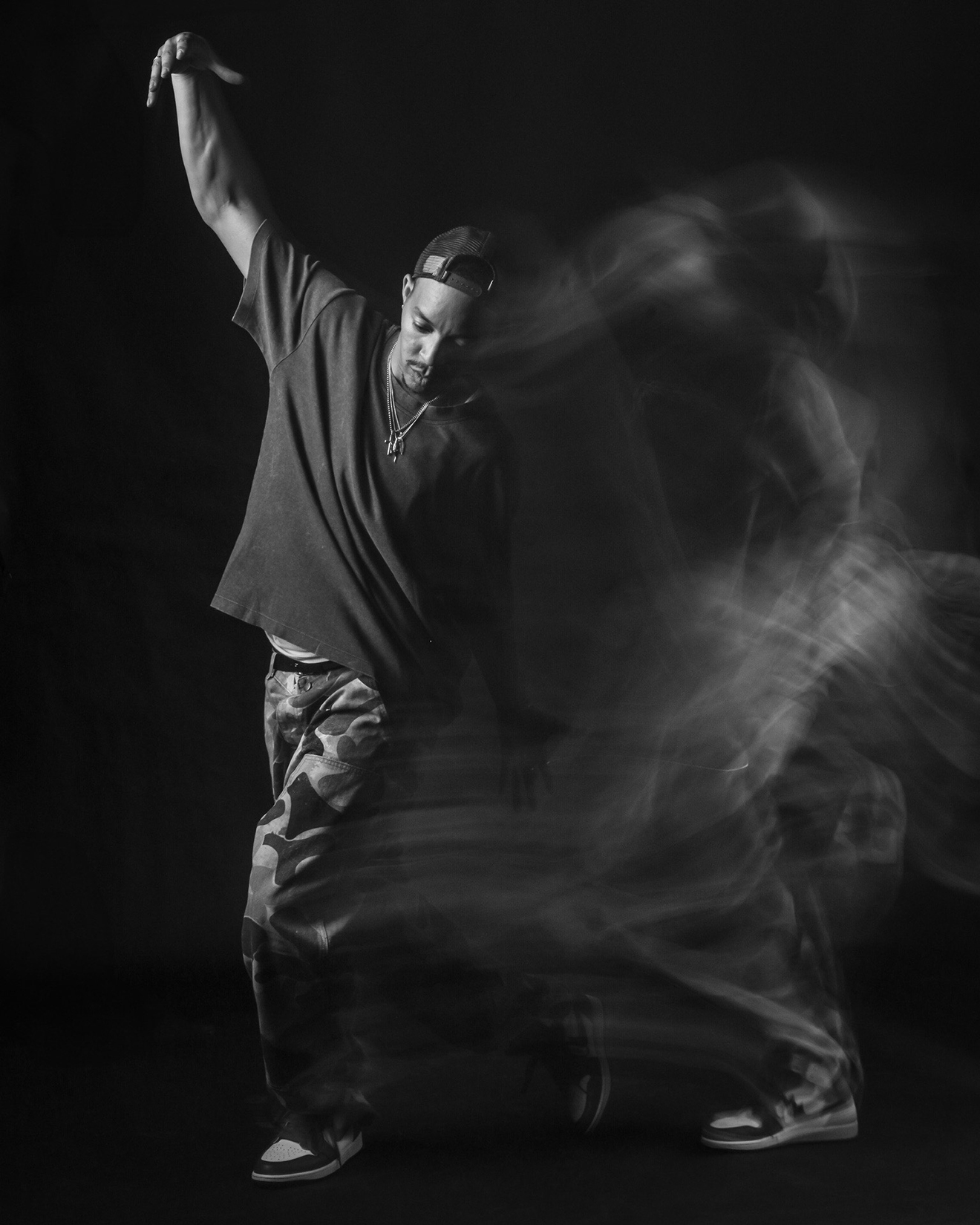
More than just the backbone of battle culture, Chicago footwork became a dance of resistance and rebellion — a creative outlet, a bridge across divides, and a pathway out of the city’s ‘Low End’ (a historically disenfranchised area of the South Side). Through footwork, Black communities transformed systemic struggle into a tool for survival, expression, and empowerment.
“Footwork became my superpower,” King Charles states. “There was a lot of police hostility after parties when we were teens. Sometimes they’d target my friends, so I’d shift the energy by starting a footwork or rap battle in the parking lot. From the outside, it might’ve looked like a fight, but in the circle, they’d see us kids dancing. That threw the cops off."
"Speaking for myself — I’ve had a gun in my face, I’ve been surrounded by violence that could’ve taken my life. But I held on to footwork as an alternative, and it helped get me out of that jam.”
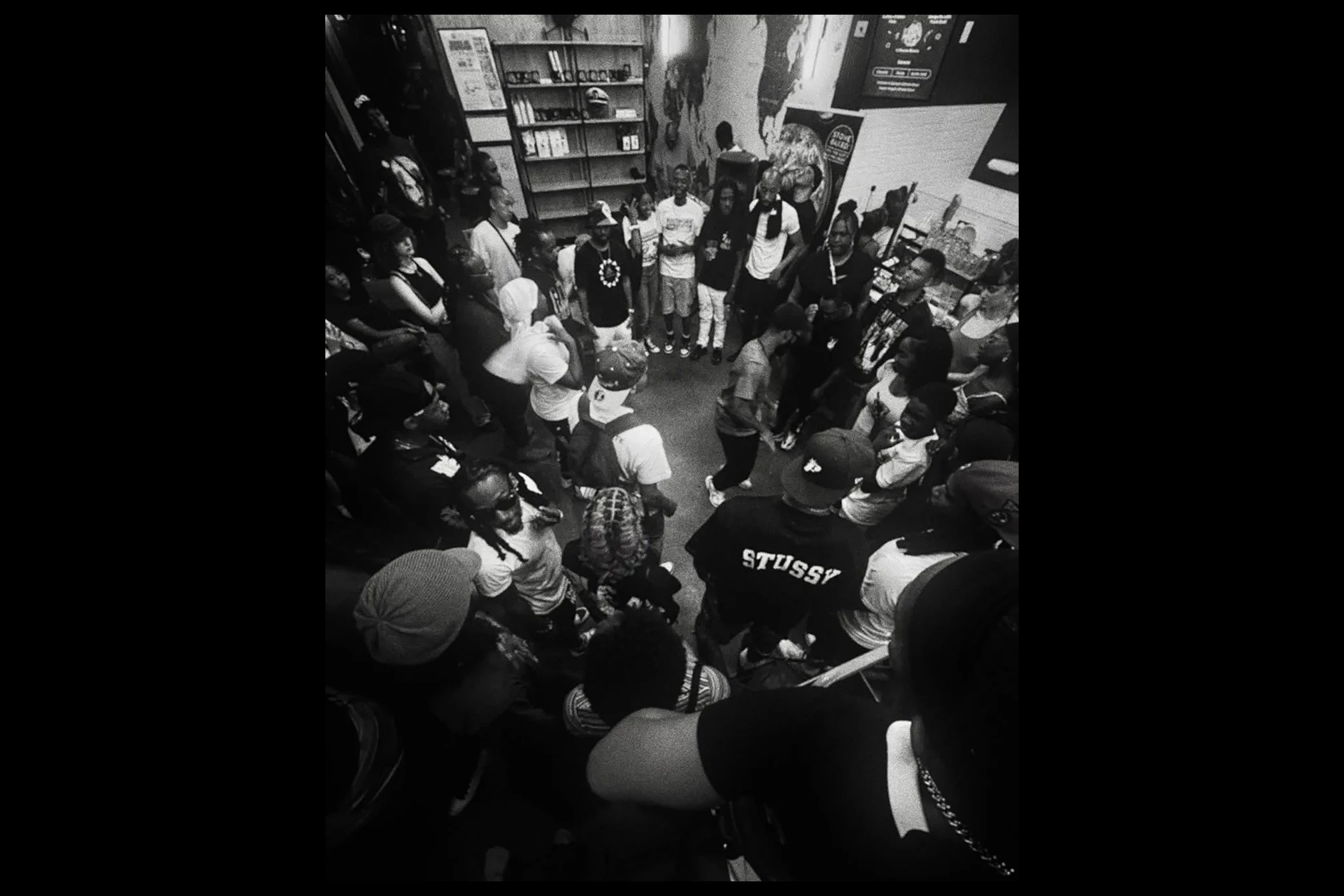
Footworkers earned their reputation by owning the dancefloor, says King Charles. “You had to cover every inch of the club, show up every week, and be so consistent that security, the organisers — even the DJ — knew your crew. They’d shout you out when you walked in. Eventually, you got treated like performers — even if no one asked for a show.”
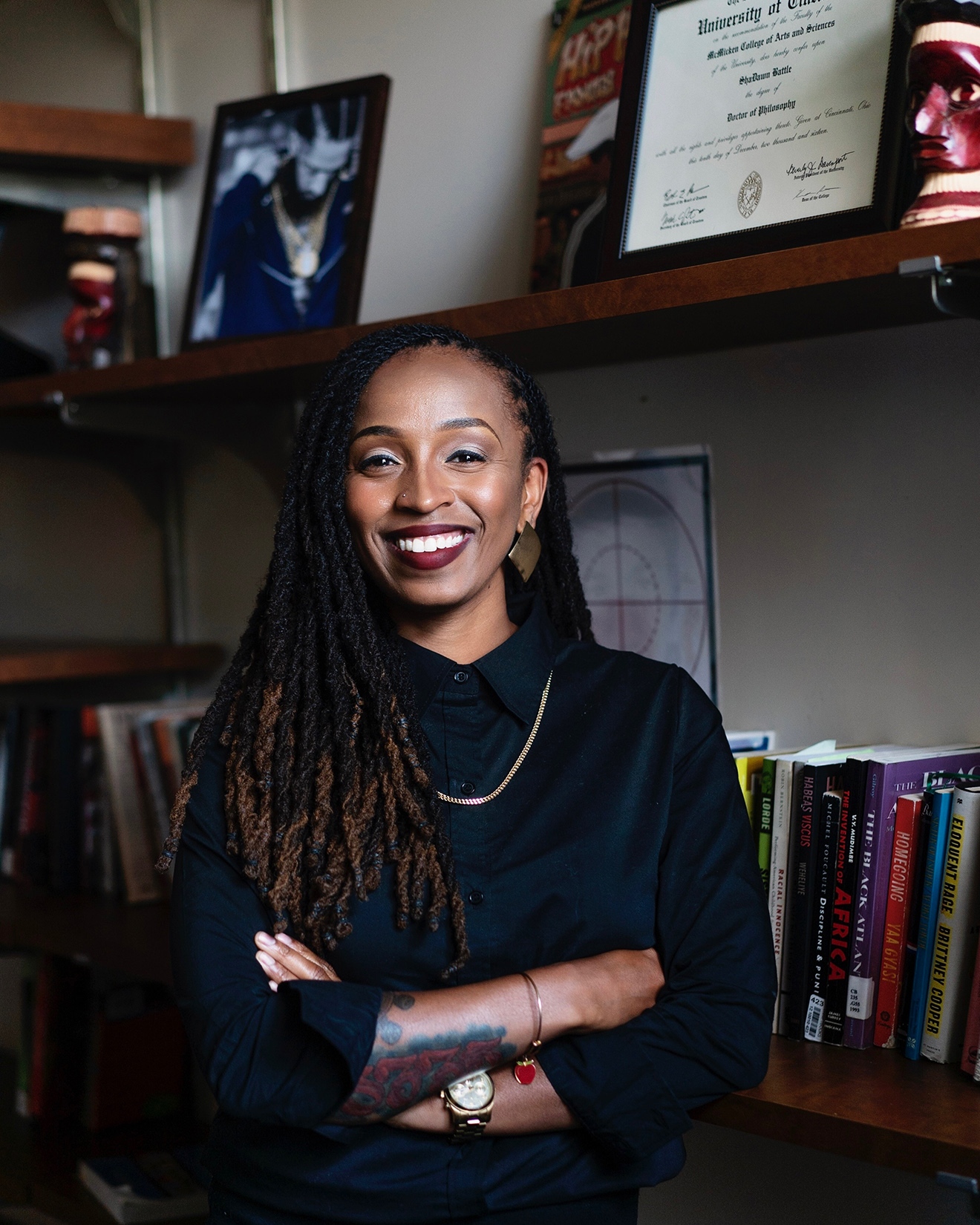
Around the same time, Dr. ShaDawn ‘Boobie’ Battle — an assistant professor of Critical Ethnic and Black Studies at Xavier University and the co-director and producer of forthcoming documentary Footwork Saved My Life — was honing the craft in the ‘Low End’ among footwork legends who’d been dancing since the genre’s infancy. “Footwork is so abrasive, bass-heavy, and laced with unpredictable patterns and fast-paced sonic elements that, when you hear it, you have to decide on the spot whether you love it or hate it. If you love it? It’s incantatory — it rises up and draws you in,” ShaDawn says. “As the music evolved from house to ghetto house, we started calling it 'project music.' DJ Clent pioneered that. When he was making music for battles as a youngster, he revolutionised the sound of his claps by the way they ricocheted off the cinder block walls of his project unit.”
ShaDawn wrote her dissertation on footwork and is spearheading a movement to bring it into academic spaces across Chicago as a cultural artefact for young people to study. “I want to open a Chicago footwork center, fund the documentary, and create global opportunities for young dancers,” she says. “Coming of age as a teen, I’d argue footwork saved my life. It kept me grounded and off the streets. I battled and performed countless times, but I didn’t see a clear path to income through dance.”
“Footwork gave Chicago’s marginalised communities their own language, it’s dance of rebellion,” she says, hovering over FaceTime while folding laundry ad into the entind cooking dinner for her baby daughter. “The war on drugs hit Chicago hard, especially the first generation. That trauma gave rise to a dance culture that morphere footwork genre. I remember a dancer who had an altercation with police on his way to a party. When he arrived, he stepped into the circle and used his movement to express what had just happened, what he couldn’t say. A lot of young men lost family to the drug war but they found surrogate families through music and dance.”
“There’s a level of aggression in Chicago because of the confined sociopolitical conditions many of us are fighting our way out of. Chicago footworkers put the daily realities of living in the projects into the dance,” ShaDawn stresses. “Footwork OG Sirr Tmo has said ‘We boxed in the hood.’ We battled each other as a way to escape. If you divorce all that historical context and expression, then it just becomes moves — and Chicago footwork is so much more than that.”
Read this next: Mixmag Asia's Best Music of 2025
Last summer, Cook County officials declared August as Footwork Appreciation Month, in honour of the iconic dance created by Chicago’s South and West Side residents — and the joy and resilience it symbolises.
“Footwork was always a positive. It definitely saved me from being in trouble. I’ve been footworking for most of my life — I don’t really know much else. It’s all about the music,” DJ Spinn says in homage, “and I probably wouldn’t be at the level or be doing that for as long as I have been without Rashad.”
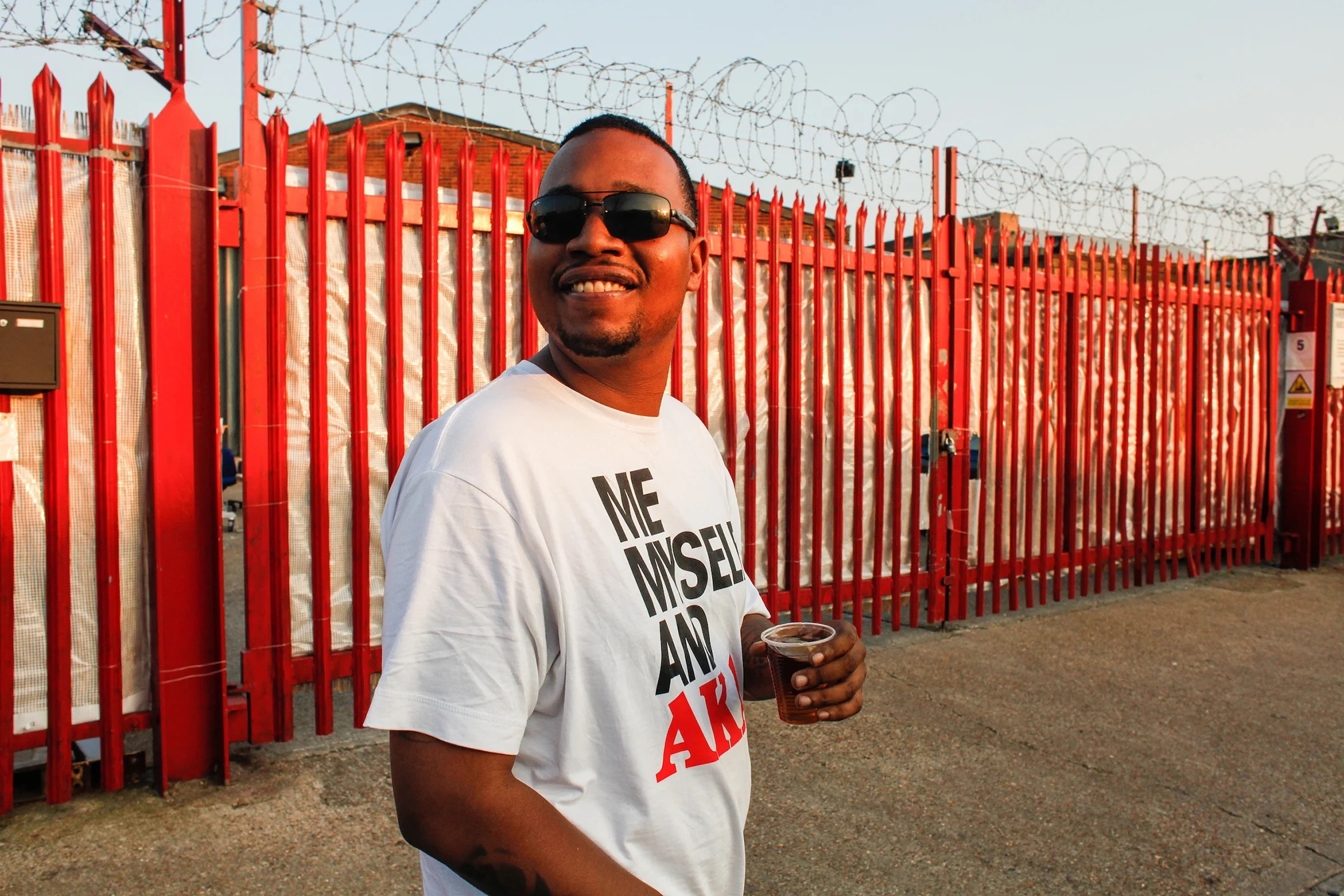
Spinn and DJ Rashad first met dancing and DJing at parties, but it was homeroom at Thornwood High School in ’95 that sparked a lifelong bond as friends and collaborators. Rashad brought Spinn into House-O-Matics and got him producing tracks for a genre they’d become torchbearers of — that didn’t even have a name yet.
“We were at the rink on a Friday night, and Rashad was spinning. I watched him come down from the DJ booth, with two records still mixing. These are records — records! There was no CDJs; this was around ’95,” Spinn laughs. “He hit some real smooth, cool dance moves... then went right back to DJing!”
“In the years that followed, Rashad and I would battle each other. I wouldn’t say I was the best footworker, but doing the moves definitely gave me an advantage as a producer to know what kind of rhythms the dancers wanted to hear, ” Spinn recounts. “Rashad had a drum machine and turntables at his house. I'd watch — just watch. And then after I’d watched enough he’d let me get on some equipment and be like, ‘OK, go do you.’ I already had an idea of what I wanted to do, but I had to see somebody do it first. There wasn’t no YouTube back then — you had to read a 1,000-page manual with a bunch of terms we’d never heard of! We were looking at words that didn’t even exist in a dictionary, like ‘MIDI.’ Looking back now, I’m like, ‘Wow! We were really doing some genius-level programming at a young age.’ And that really helped us get good at what we did.”
“Back in those days, we were driven off the crowds more than anything, we wasn't making money,” Spinn confides. “We were dancers and kids who just wanted to have our name on the flyer, on a poster down the street somewhere, up on buildings. That’s what it was all about. That's what made us the most happy, I swear.” He grins. “We also made really dope stuff on really BAD equipment at first and people couldn't believe what they was hearing when we were making stuff!”
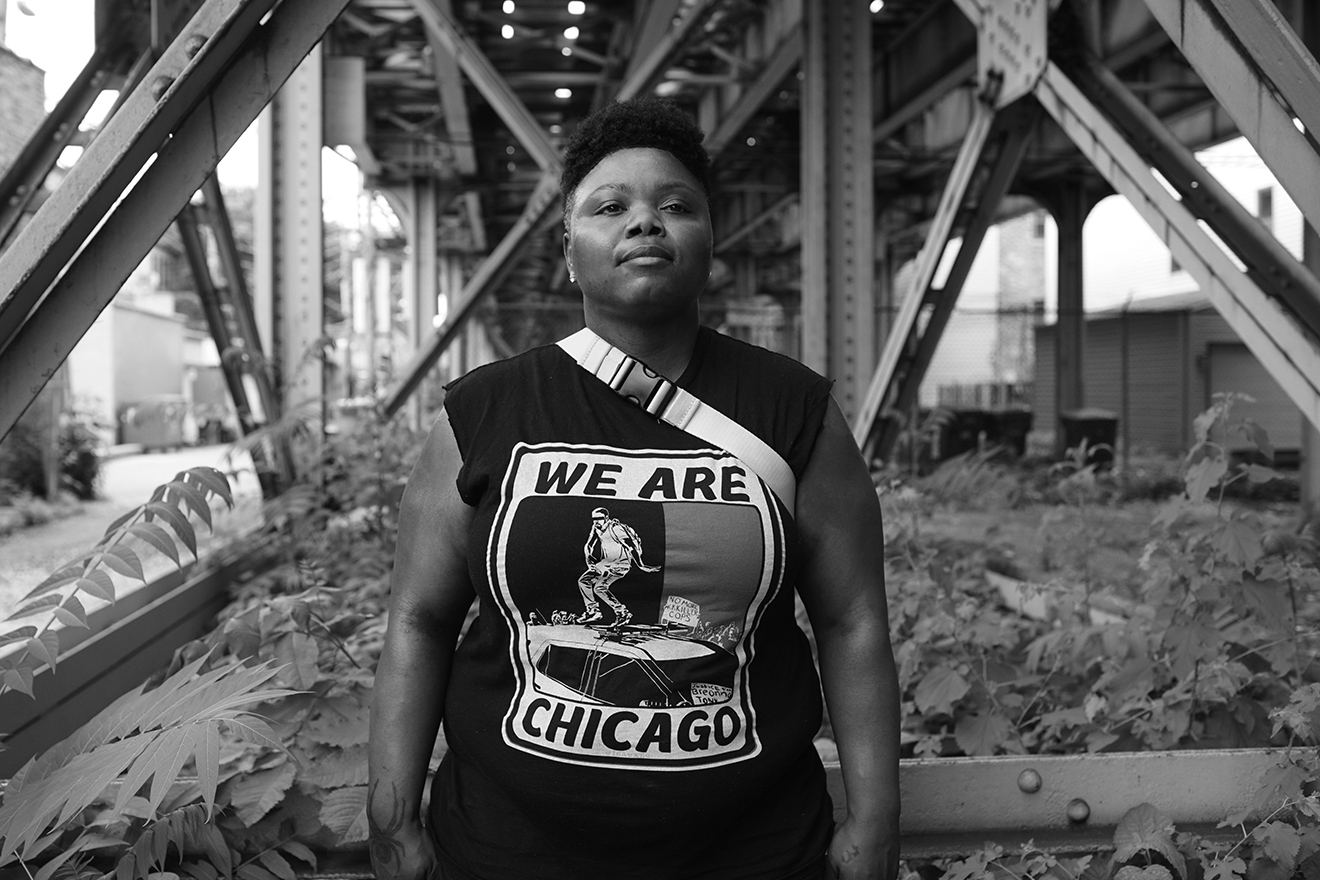
“In footwork, the dancers are both your inspiration and your collaborators,” says the globally revered producer Jana Rush, who started producing aged 13, at 15 put out her first music on the seminal Chicago ghetto house and footwork label Dance Mania, ‘Retrovirus’, with the crowning accolade “DJ Deeon Presents The Youngest Female DJ”. As steam swirls into the night sky from dancers cooling off outside South London’s Ormside Projects, Jana Rush has just come off a blistering set sharing a line-up with fellow OG Traxman at 160 Unity, their first time performing together outside North America. “The whole time you’re making a track, you’re thinking about how they move. So when you try to conjure your own rhythm or ‘outdo’ someone on a beat, that beat has to match the moves. You’ve gotta think about what’s going to inspire dancers — how to build momentum and energy to reel them into your track,” she asserts. “The tracks have to be cold, they have to be raw, they have to be gangster — and they gotta hit hard.”
Read this next: The Best Dance Tracks Of The 21st Century So Far
Agee, an underground battle veteran who co-founded one of Chicago’s finest and fiercest battle crews Terra Squad and is honorary uncle to DJ Rashad’s son, notes: “It goes for the dancers too. If you wanted to earn respect, you had to put the work in… and we did. DJ Rashad, DJ Clent and DJ Solo were the first three producers making footwork tracks just for us. When we heard our tracks at a party, that really solidified that we were part of the culture.” By 2003, DJ Clent was keeping the underground rocking with tracks like ‘Back Up Off Me’, while Terra Squad and other Chicago crews uploaded relentlessly to YouTube, and fellow footwork pioneers began shifting their focus toward moving the culture onto a global stage.
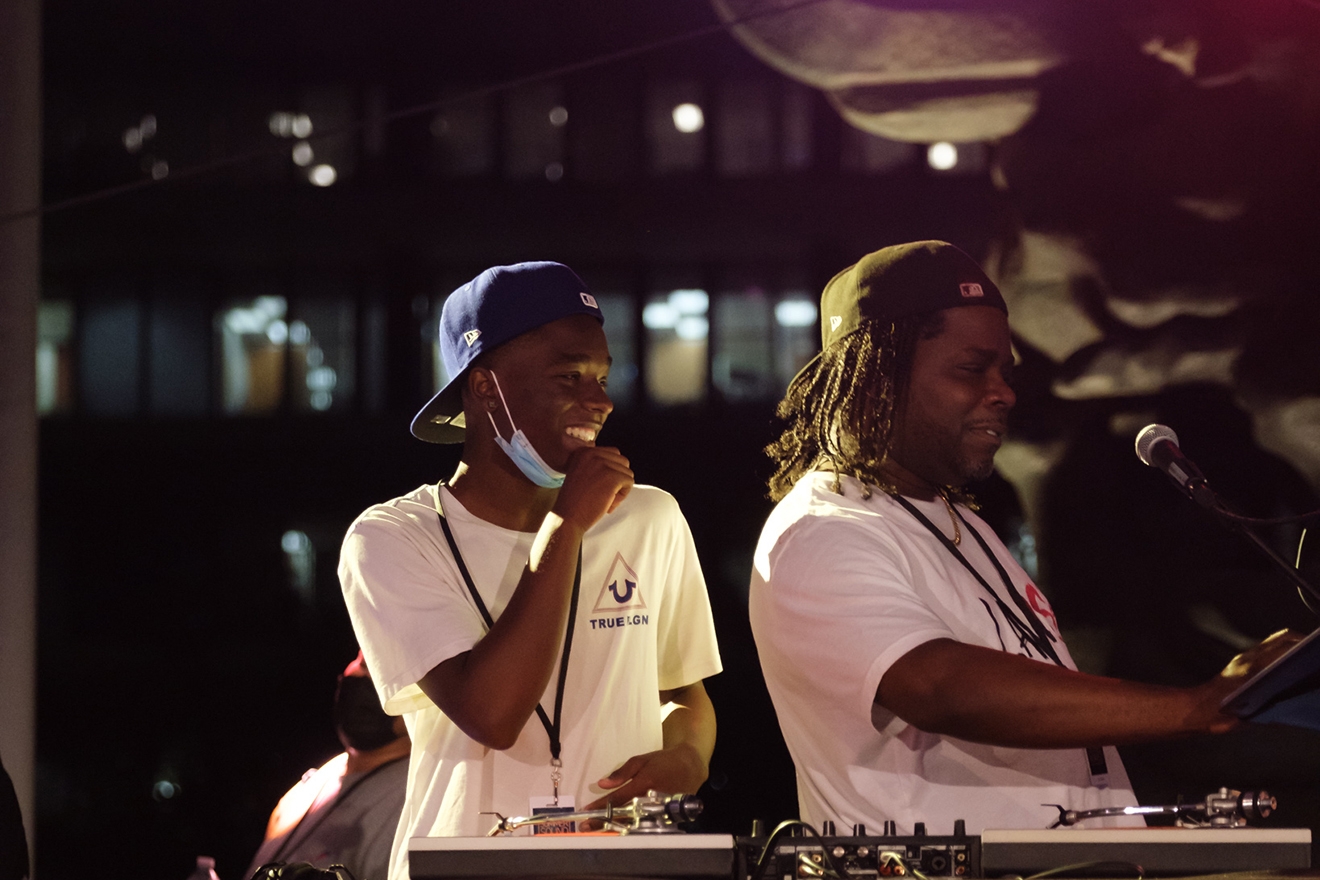
Across the Atlantic, if you dug deep enough, you’d find ghetto house and footwork already permeating Paris record shops, explains producer, DJ, and Moveltraxx label head Big Dope P.
“As a kid, I was making rap instrumentals, but the annoying part was waiting on rappers to record them,” he says. “Around 14 or 15, I started making stuff for myself. I’d seen French house and rap flip soul, disco, and funk samples, but nobody around me was doing that with dance music. I started visiting record stores and playing them my tracks. One guy said it sounded like ‘ghetto house and Dance Mania.’ I was like, ‘What the fuck is that?’. He played me some records — and it changed my life. I started digging into what those producers were doing, and that led me to the faster juke and footwork sound. I fell in love with it.”
“I was only 16 but when I kickstarted my label Moveltraxx in 2007 it was about connecting my hood with this music. I started sharing my own stuff on Myspace and connected with DJ Deeon, Slugo, Rashad. Even though DJ Rashad was 10 years older than me, we clicked more than I did with the Dance Mania guys. I wound up bringing him over for his first European tour, which we did together with DJ Spinn and DJ Tameil in the summer of 2010.”
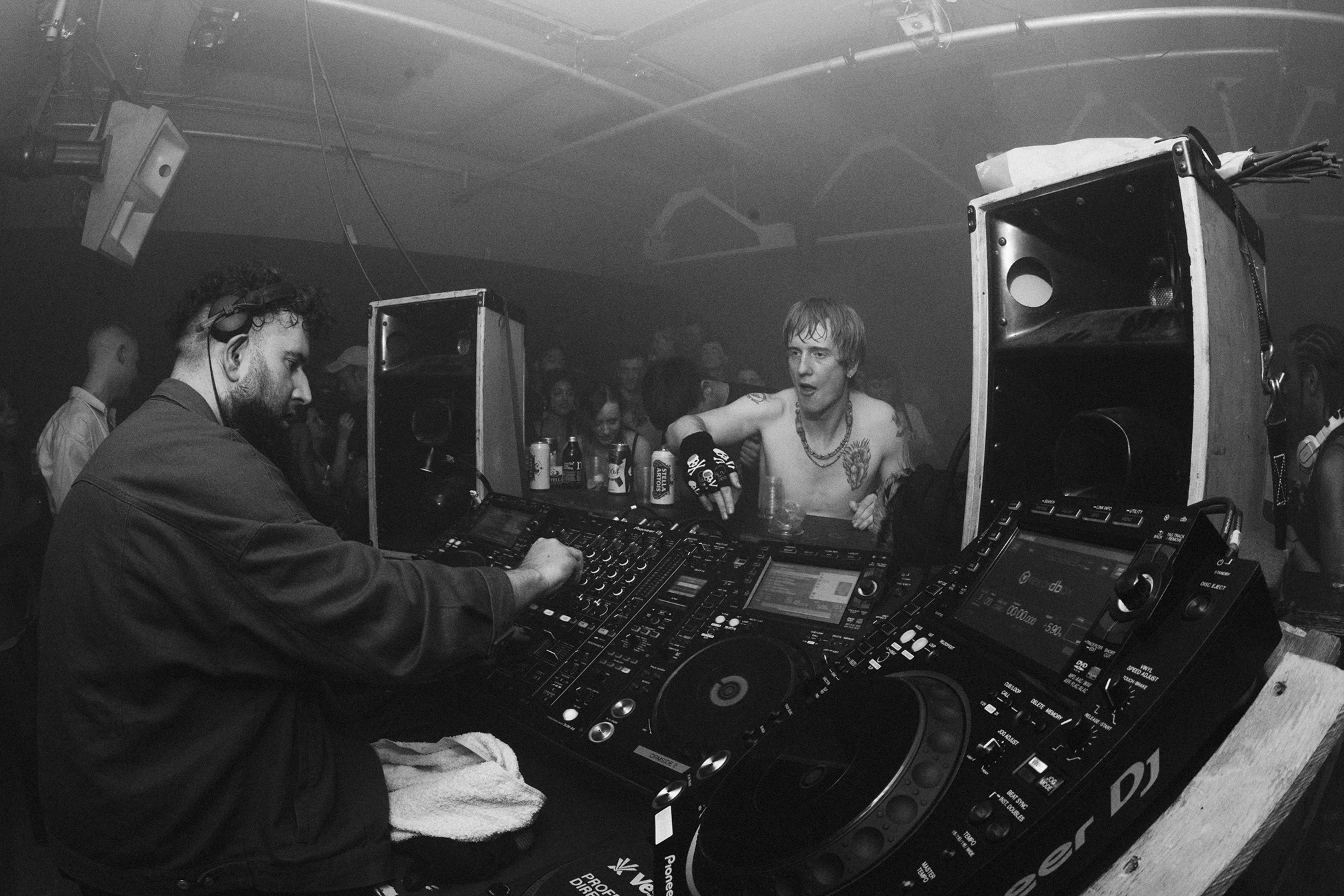
A train ride from Paris, but thousands of kilometres from the birthplace of Chicago footwork, Mike Paradinas, the founder of London electronic label Planet Mu, first encountered the genre scrolling Mypace and YouTube, just as his love for dubstep was waning. Blasted into oblivion by the sounds of DJ Rashad, RP Boo, and DJ Spinn, he wasted no time reaching out.
Driven by Planet Mu’s sonic palette and his own obsession with idiosyncratic artists on the fringe, Paradinas launched a year-long quest to unearth DJ Nate and bedroom beatmakers like DJ Elmoe, DJ Yung Tellem and DJ Trouble, bringing them together with originators like Traxman and underground footworkers such as DJ Roc and DJ Diamond, while hosting footwork collective The Era for Planet Mu showcases.
The result was ‘Bangs & Works Vol. 1’ — a footwork magnum opus that sent shockwaves around the world in 2010. Wildly futuristic and the first footwork-rooted compilation pressed to wax, it captivated listeners, confounded critics, and catapulted artists like RP Boo (‘Eraser’) and DJ Rashad (‘It’z Not Rite’) into the upper echelons of electronic music.
Rashad was in high demand, but amid a packed tour schedule, he met Scottish DJ, producer and Hyperdub founder Steve Goodman, AKA Kode9, at a Spaceape show at Corsica Studios. Kode9 was already familiar with Chicago footwork, Battle GroundZ (the notorious Chicago-based weekly footwork battle that helped propel the scene to YouTube virality, frequently featuring Agee) and Rashad’s music — after all he’d been receiving demos and CDRs from him. Not only did he invite DJ Rashad to play shows, but he also eventually signed him to Hyperdub, releasing his first and only full-length studio album, ‘Double Cup’, in 2013.
The LP featured a spellbinding aerial shot of Chicago at night on its cover. The LP prominently showcased all of Rashad’s crew, including DJ Spinn, Taso, DJ Manny, DJ Earl and DJ Phil. Not only that, ‘Double Cup’ flexed Rashad’s rebel approach to blending his origins with UK underground influences, incorporating genres like jazz, UK bass, and particularly jungle. When Rashad was asked about the message behind ‘Double Cup’, he said he didn’t just want to move footworkers — he wanted to create music that reflected the culture and got music heads from all walks of life moving across the globe.
The album continues to earn gargantuan praise, hailed as the greatest album since footwork’s inception with some comparing it to J Dilla’s sample-laden masterpiece ‘Donuts’. Speaking to Crack following the release, DJ Rashad beamed: “My proudest moment has been the intake from everybody outside of Teklife who’s doing footwork — like artists from Japan, DJ Fulltono … everybody who’s embracing it. Not just widening it, but taking it, doing their own style with it, flipping it, and pushing it further. To see that happen and watch it grow is a feeling I can’t even explain. It feels so good to hear and see other people react to it, take it on, and truly embrace it.”
One year later, in 2014, at what seemed like his career apex, tragedy struck. DJ Rashad was gone. His unexpected and untimely death left an indelible void. DJ Rashad had become footwork’s most visible ambassador and spirited innovator. It broke many hearts, but DJ Spinn channelled his pain into purpose, ensuring Teklife continued to evolve, expanding its reach by digging deeper into trap, jazz, jungle, and experimental sounds.
“The number one thing that fuels my passion is just representing for Rashad, that got me through everything. He was a big part of my life — and always will be. I’m always gonna do this for him,” DJ Spinn shares. “When I first met Rashad, I just knew there was something different about him. I swear, he was like a 21-year-old man when he was 14 — he was on a whole other level. Knowing Rashad, being blessed with his presence and energy — that’s what keeps me going.”
Around the same time, Seb Wheeler launched Tropical Waste — a Goldsmiths uni radio show and blog that evolved into an NTS residency and a series of widely hyped, 100-capacity parties featuring cutting-edge club music, mind-mashing line-ups like RP Boo and Mark Fell sharing a bill on a Thursday night. The nights became legendary — attracting a cult crowd of beat obsessives, dancers, and leftfield polymaths like Arca and Björk. Sonically, reverberations of Rashad, the Teklife crew, and Chicago’s pioneers were felt across the world — but from a dance standpoint, it’d take time for footworkers to heat up dancefloors in the UK.
RP Boo recounts. “When I went to Japan to play in 2013, that’s where I first saw footworkers in the crowd and they was real good. The crowd was bananas. I played my second show outside of the country that same year at Unsound in Kraków and people enjoyed it, they were there to hear something and experience something, but I felt kind of sad that the dancers were missing. I could feel the hunger for the sound, but I would have loved to see my Chicago footworkers.”
Speaking to Vice around the same time about footworkers in the UK, Mike Paradinas joked: “In Britain, we’re all so uptight and shit dancers, footwork as a dance just hasn’t caught on. I mean, basically, over here we need to be fucked on drugs to dance, which obviously isn’t exactly conducive to developing a scene around such an athletic dance form.”
SHERELLE, whose first major club booking was from Hyperdub at Corsica Studios, recalls of her early career period: “I was able to play with some Teklife people which was crazy. Some parties were sold out, or at others, there was no one there. I was quite used to crowds of less than 50 people. Most were drunk Hackney revellers who then left a footwork fan.”
In 2016 DJ Earl made a feverish Tropical Waste debut with his own Chicago footworkers Sirr TMO + Dre. By 2017, DJs and producers like the UK’s own SHERELLE and Jlin, from Gary, Indiana, were stretching the genre’s legacy into bold new forms.
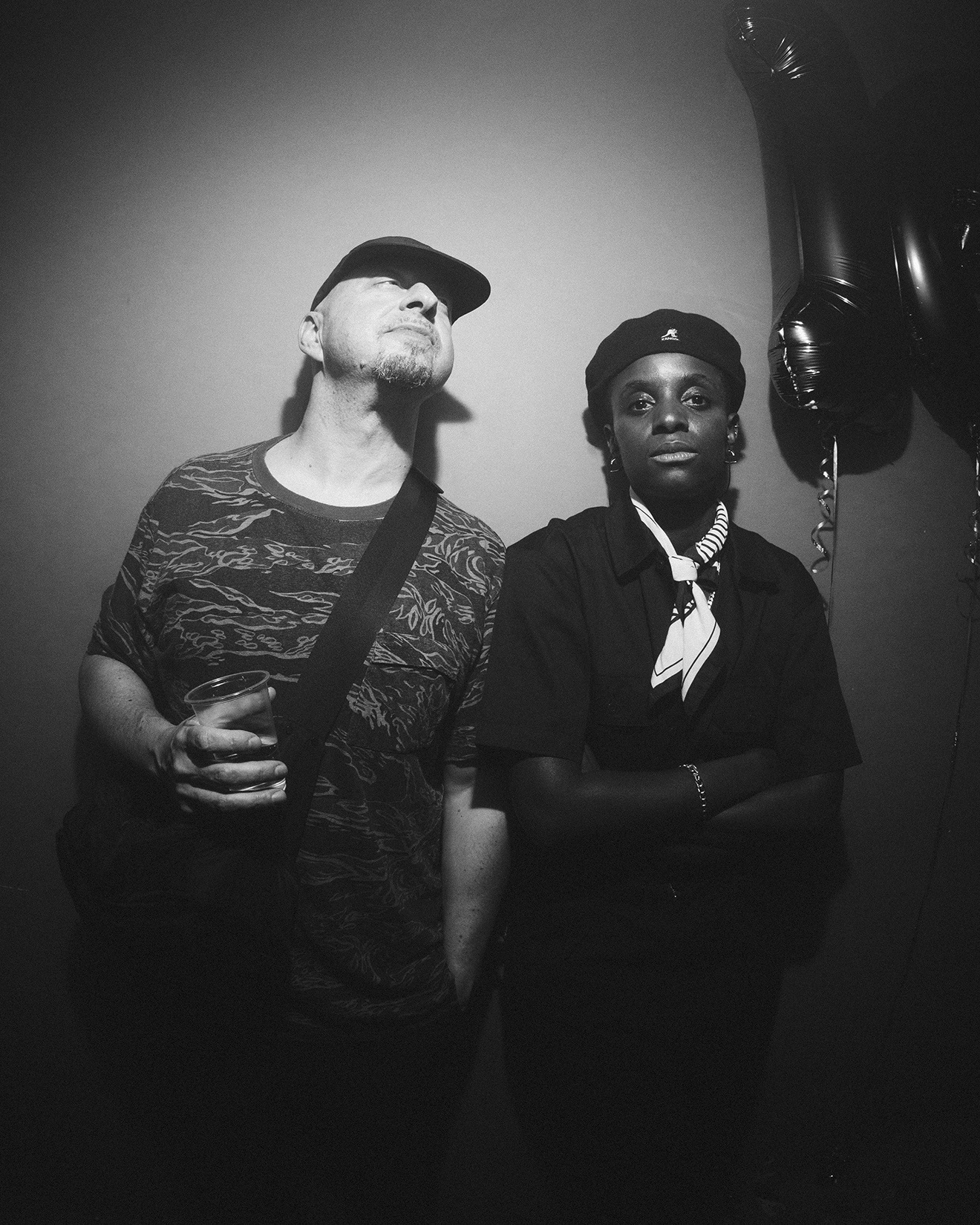
On the dance side, crews like Terra Squad and Wolfpac were uploading battles consistently on YouTube while Creation Crew — led by King Charles — were carrying footwork from Chicago to Soho in London and into the upper echelons. They had melted minds at Juste Debout in France — the most respected street dance competition on the planet — in 2009 by making it to the quarter finals in the House category with a street style no one had ever seen before. “That was our first appearance — and the first time Chicago footwork hit the Juste Debout stage,” says King Charles. “Some people were hyped, others were upset we were beating the New York house dancers. I didn’t think we’d be invited back — but the next year, my photo was plastered all over Paris. I ended up as the face of the 2010 competition.”
Around this time he’d been on tour with Madonna and spending a lot of time in the UK. “Between rehearsals, I’d hit the clubs. One night at Madame Jojo’s in Soho I asked the organisers if I could plug in my USB during the performance break and showcase my style. They gave us the floor — and after that, I started getting teaching gigs and taking Creation Crew global.”
One of the crew’s pioneering members is Tiger, a revered London footworker and multi-style street dancer. Fresh off dancing in SHERELLE’s music video for thumping 160 BPM track ‘SPEED (Endurance)’, he recalls: “Over the past two years, the footwork scene in London has grown exponentially. For a long time, it was just me and literally four or five others in a WhatsApp group going out. Now, we’ve got over 100 members — and it’s still growing.”
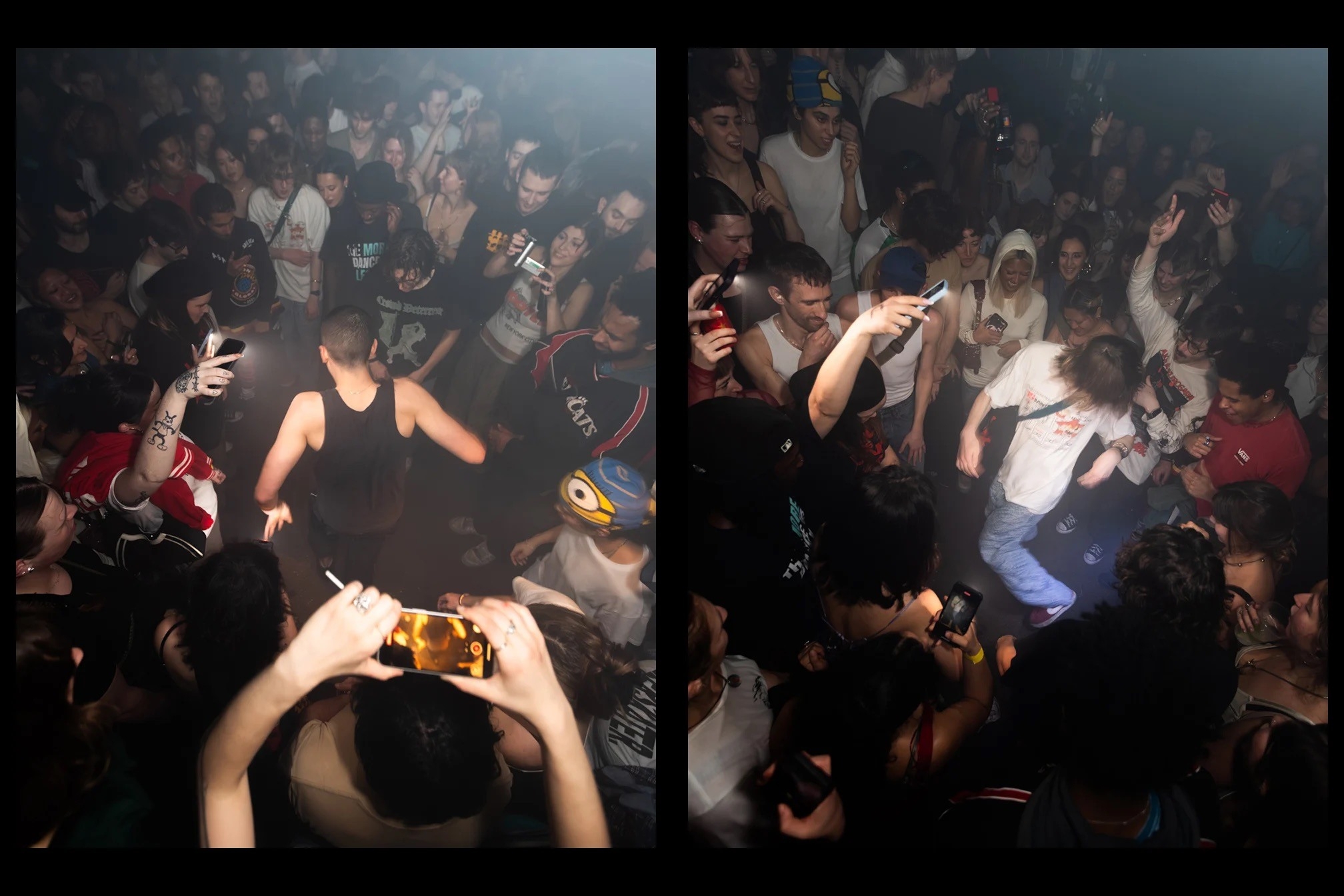
Another key figure who helped carve out London’s early footwork scene is Malt Beverage, dancer, DJ and co-creator of After Werks, a monthly social for Chicago footwork dancers, DJs, producers and enthusiasts. “I edited an interview in 2019 with RP Boo and DJ Clent, and I felt so inspired,” he says. “I started looking for people who could teach it in London, and I found Tiger, who was running free sessions in Regent’s Park. Depending on the weather, there might be just three of us.”
Malt Beverage gained traction with a monthly residency on AAJA Radio (a community station, label and event space) which grew into After Werks. “I knew a lot of the DJs who liked footwork a lot and Tiger was well into the dance world. I kept saying ‘once the DJs in London find out about this, footwork won’t be the same’.” After Werks threw down two shows with co-founder sohotsospicy and other DJs alongside footworkers that caught heat, but neither would compare to the electricity of a DJ Rashad Memorial at Camden’s Jazz Cafe in 2022.
“The vibe was popping off!” Seb Wheeler recounts. “The dancing was insane. There was like 400-plus footwork fans packing out Jazz Cafe. That was a lightbulb moment that re-awakened my love for footwork. It was so inspiring. There was clearly an audience of ‘footwork nerds’ like me, who wanted this music, and very few club nights were providing that experience.”
The first 160 Unity, hosted by Tropical Waste, stormed Ormside in 2023, with Kode9, DJ Earl, SHERELLE, Seb and Big Dope P behind the booth, but something was missing. In 2024, at DJ Rashad’s 10th anniversary memorial sohotsospicy remembers: “DJ Spinn was headlining, you could just see the crowd going wild; every time dancers would finish a round, people would be climbing over each other to dap them up.” Soon after, Seb and the founders of After Werks met over coffee and laid plans to build a grassroots community of footworkers (dancers, DJs, producers and heads) the way footwork was meant to be; from open decks, dance sessions in clubs, talks and more.
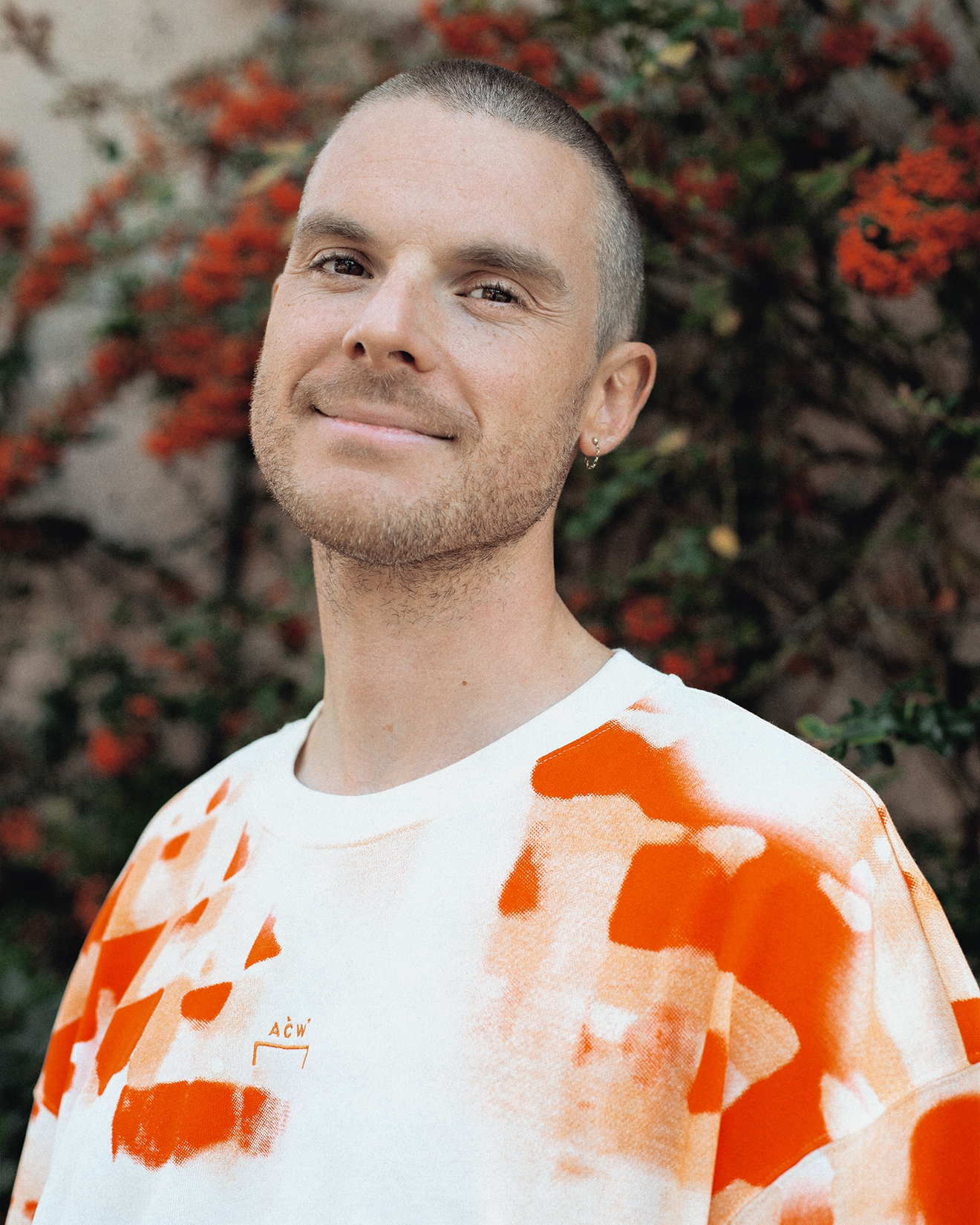
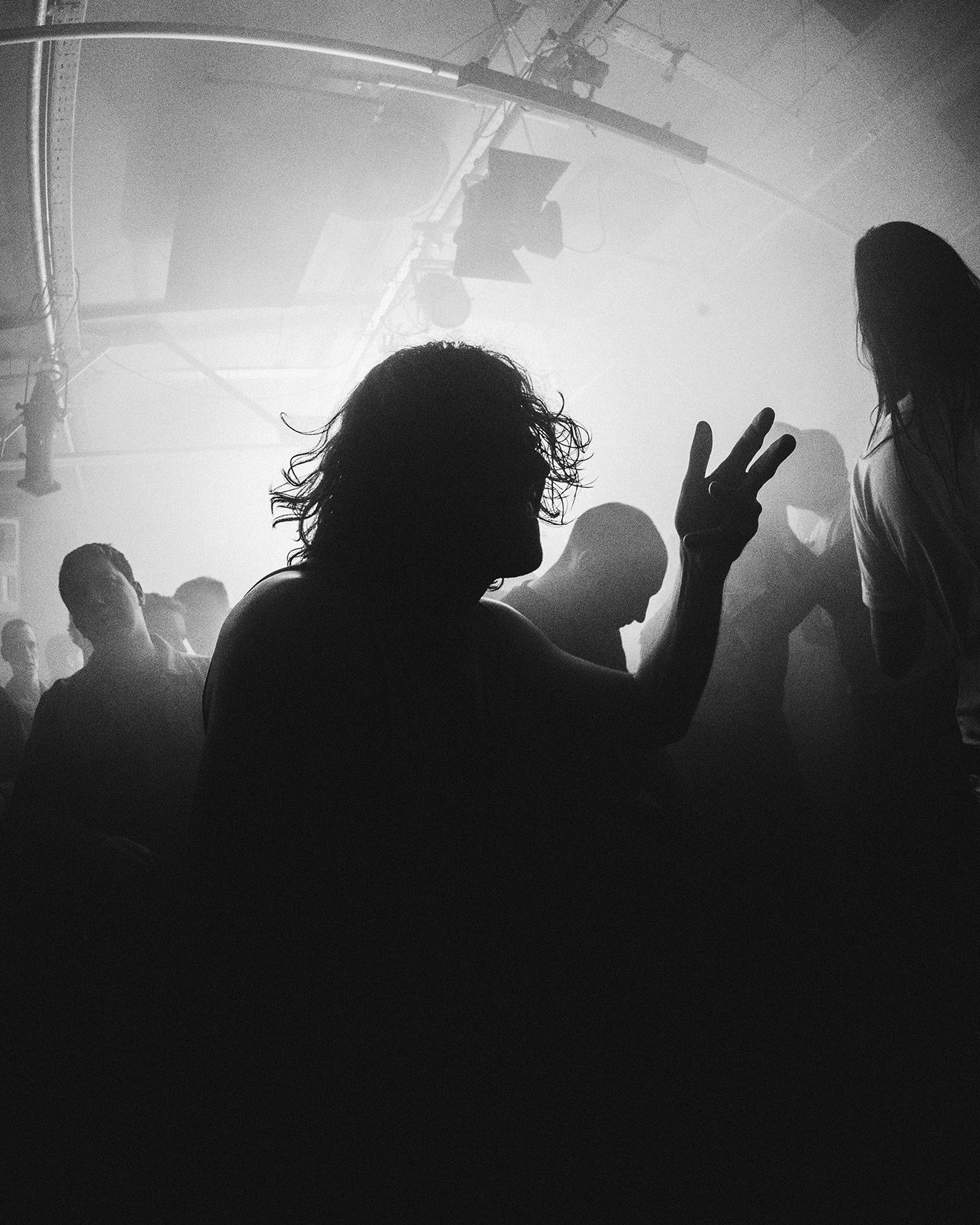
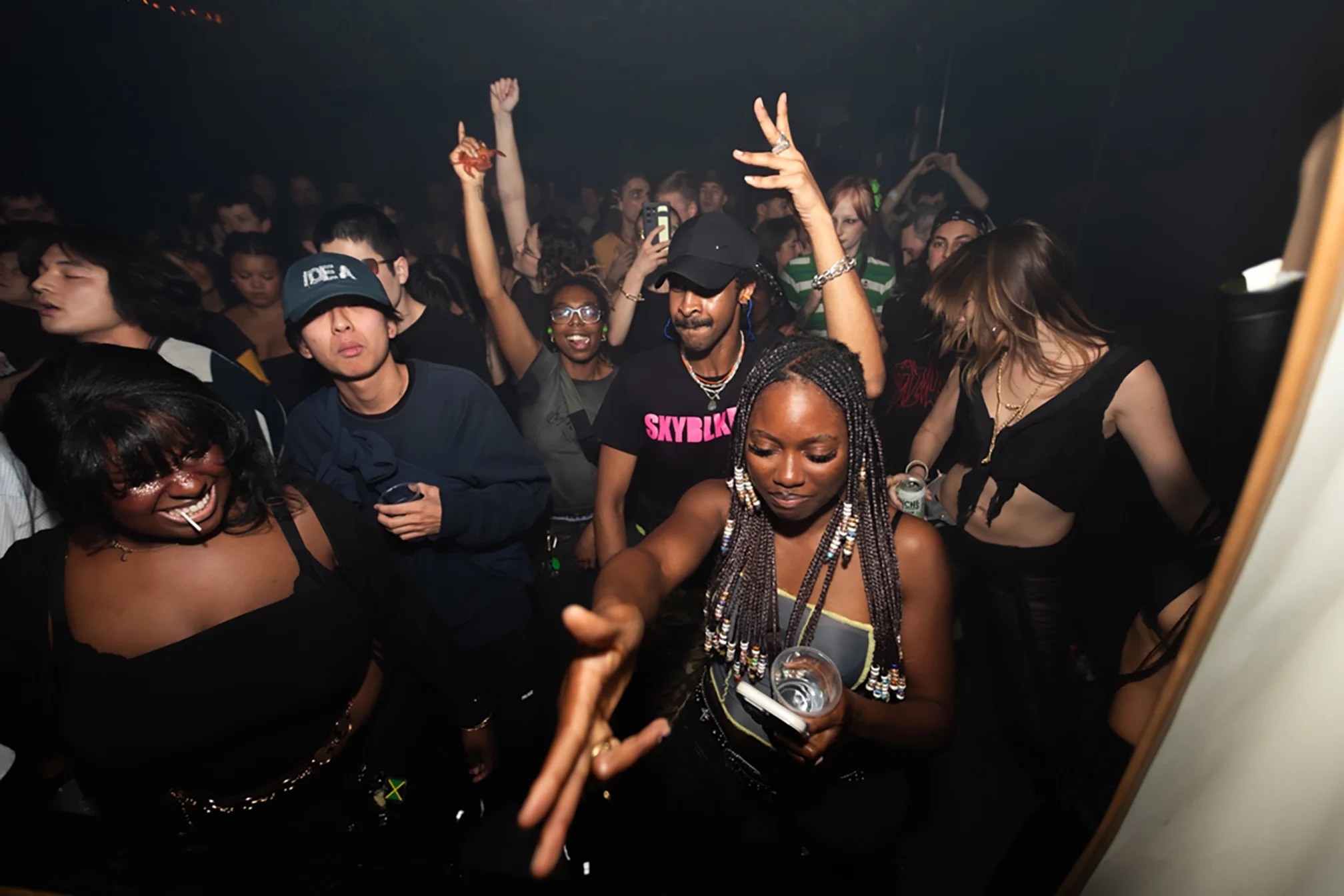
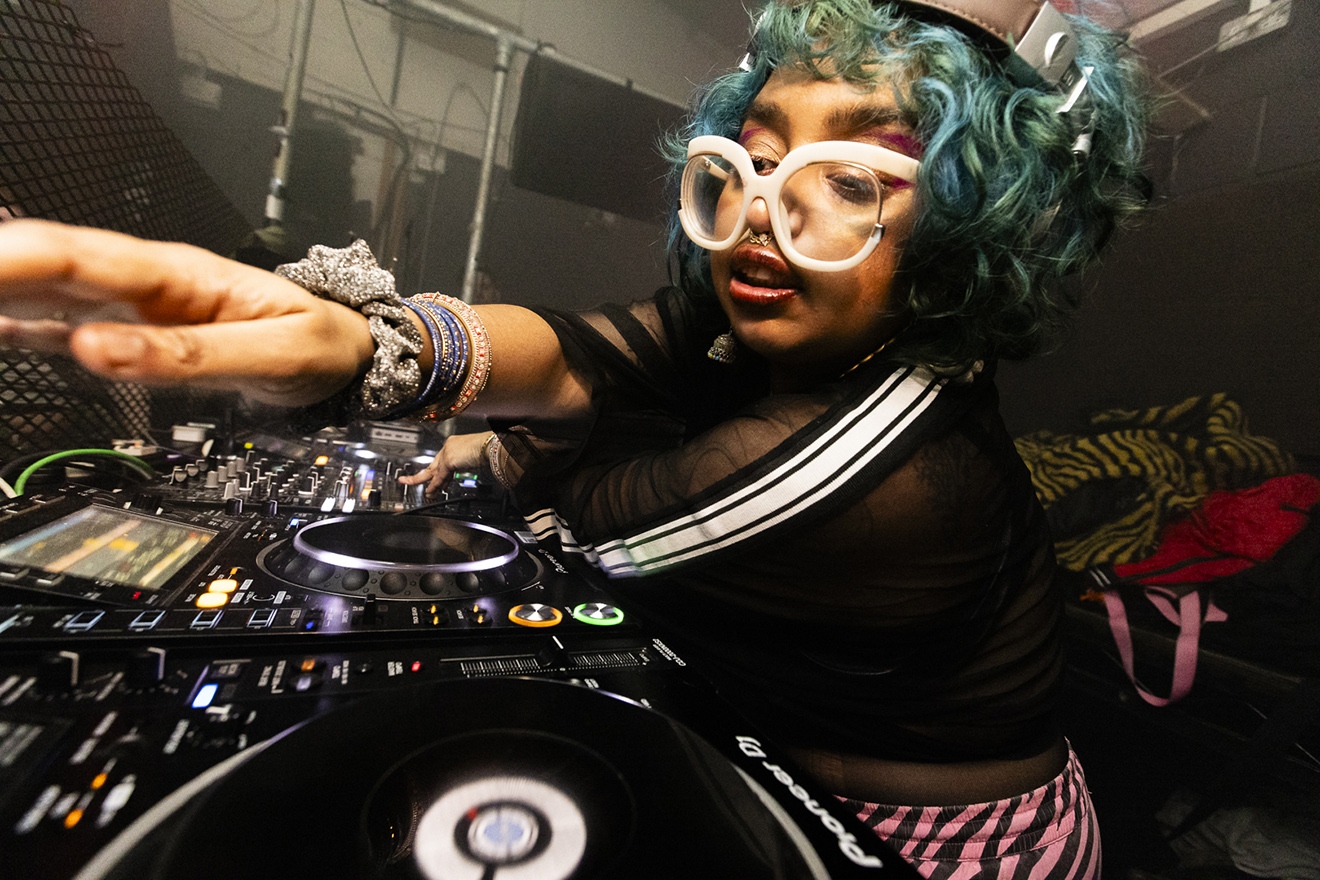
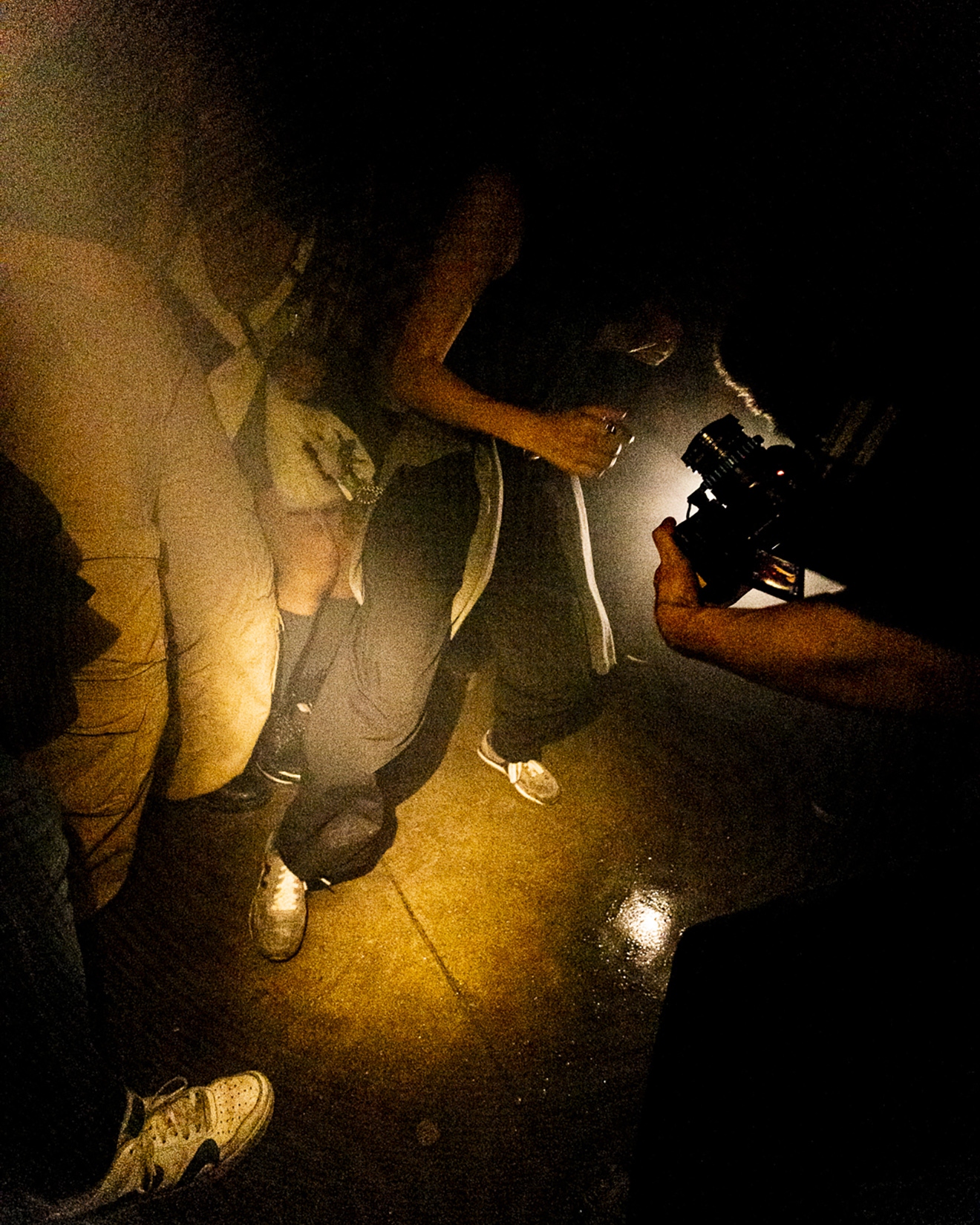
A year later, nearly a hundred people stood outside South London’s Venue MOT in pounding rain, trying to get into a history-making, sold-out 160 Unity party — while another 300 were stuck on the ticket wait list. Inside, through a sweat-induced mist, After Werks was raising the temperature on the floor. Phone torches shot like bolts of lightning, capturing 300 dancers, including formidable Creation Crew footworker Martina Lieskovska (who flew in from Slovenia for the night) and London’s own thunderous footworkers going round for round. Others rushed the booth as RP Boo, DJ Spinn, Big Dope P, sohotsospicy, Seb, Kode9, and Thempress delivered relentlessly — building to a poignant climax when the whole room came up for air to pay tribute to DJ Rashad.
“That night ignited something,” Malt beams.
“Wow. What I love about the London scene is the passion for bridging the music with the culture,” Martina says. “I haven’t experienced anywhere in Europe with a dance scene this consistent.”
“The energy I get at parties like Tropical Waste is the same energy I felt when I first started! I’m still getting that love from people — and it’s real beautiful,” DJ Spinn shares, lighting up. “Every time I come to Europe and the UK to play, it feels like a heartfelt tour. It’s like visiting family and friends I haven’t seen in a while — everybody wants to give me a hug and hear some good music.”
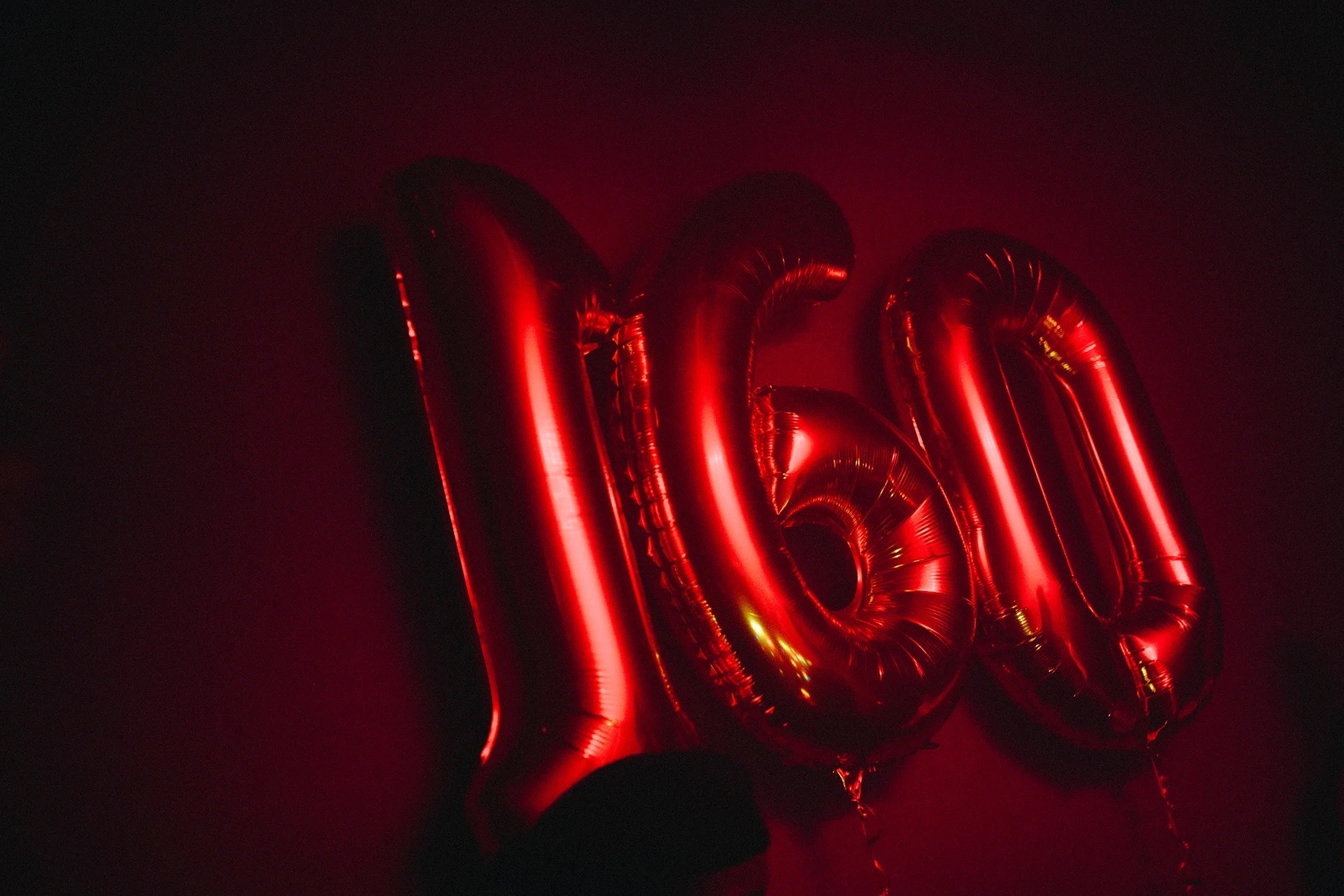
In the same way Europe and the UK has shaped its own style of footwork sonically by blending local genres, it's possible the dance side of footwork in London could gravitate the same way.
“I hope future footworkers take time to deep dive into the history and culture of the dance — not just copy steps they find on YouTube or Instagram," says King Charles. "As more technology comes into the picture, veteran footworkers are being enticed to patch up their bodies, record moves on their computers, and sell them. Those same dancers think they’re still connected to ‘the culture’ — but they’re not. Now their moves are owned by a company, and they’ve become nothing more than a hologram or a robot.”
“Footwork is a rich culture with different sounds and different ways to get into it. I connected with a lot of European footwork fans and played in all their cities — and it’s never the same vibe,” comments Big Dope P. “Because everyone came into the culture through different doors, things got a bit cliquey for a while. But I don’t feel that at all in London, and I love that. Instead, we’re bringing all these different people together, with dancers like we’ve never seen before.”
“I just wanna see footwork get bigger and better. I want to see more people producing and dancing. I think that would be a good thing, not only for Chicago and the UK, but for the world,” says DJ Spinn, who recently played in Korea for the nation’s first and only footwork party, Seoul Footwork.
Read this next: Chicago footwork legacy and innovation: DJ Clent, DJ Corey and DJ Noir in conversation
“I can't do this forever,” notes RP Boo. “And if we want to see footwork grow — and I do — one, I have to pass on the torch. I learned from someone else, and somewhere down the road, I’ll have to teach the next generation, and it don't have to be somebody from Chicago because of how footwork has opened up.”
“My proudest accomplishment is knowing I’ve been a great inspiration to some people. That there might be producers out there making footwork in the way I made it. They’re teaching Chicago footwork in dance studios, in schools now!” he exclaims.
Elsewhere Chicago footworkers like Litebulb and The Era Footwork Crew are taking footwork into contemporary art spaces with exhibitions and documentaries. When it comes to international hot steppers, RP Boo is quick to shout out the Big Smoke. “I have to pay respect. London footworkers are on point. They’re too good!” he says. “For dancers and producers, I think the most important thing to remember, as the genre progresses, is to take your time and not rush it. Be able to bring the essence of the grooves and soul into the music and express it. We can’t go back, but if you saw what me and Rashad saw on those dancefloors, if Rashad was alive he’d give the same advice as me that ‘even though the battles were intense and the footworkers were firing an arsenal of moves, the dance was smooth, smooth like silk’.”
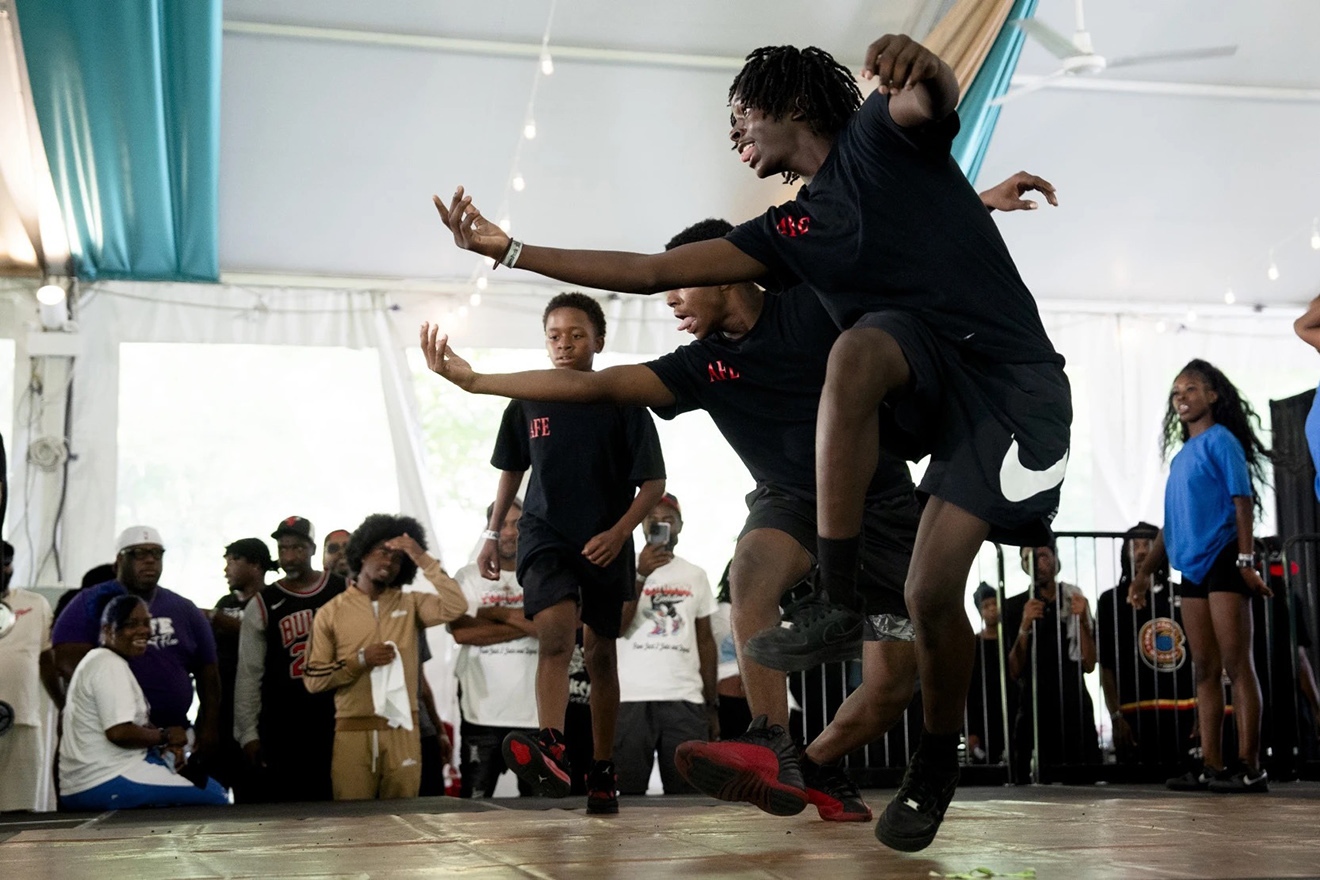
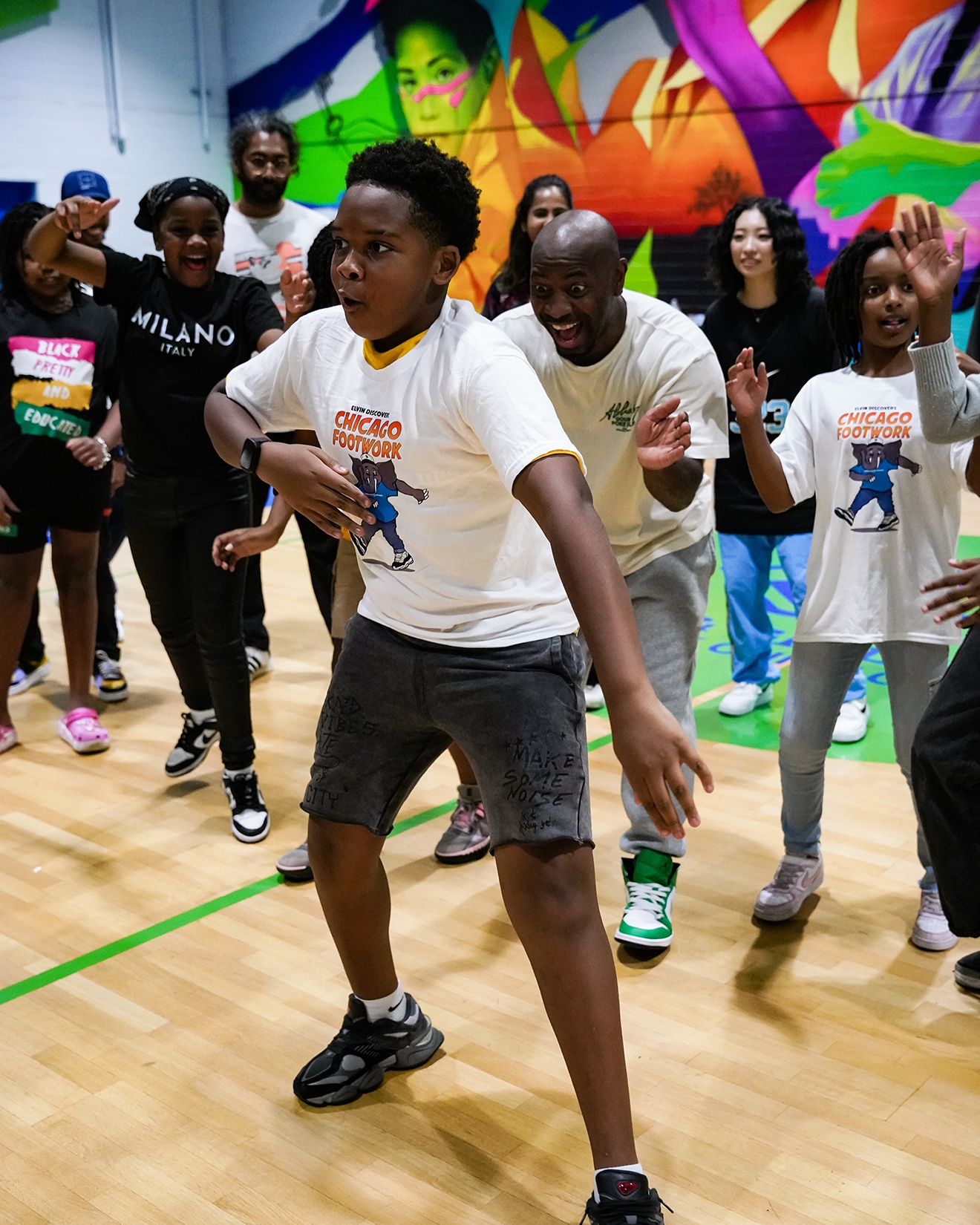
Dance, whatever the genre, is a universal language. Dance is about uniting on the floor, regardless of class, sexuality, race, religion or whatever shit is going on outside of the club and letting the music take over, moving from the heart when words fall short. At a footwork party, you don’t need to tune out or be waved — dancers and DJs come to sweat together, get down and tune in.
sohotsospicy sums it up. “Here in London, they say no one dances at the club anymore — not from my experience. All I see across London’s growing footwork scene, at the 160 Unity raves and what we’re building with After Werks, is a community that’s electric on the dancefloor.”
“I might be the person who brings it all together,” says Seb, “but I’m still very aware of my position — as a participant, a fan, someone working behind the scenes. I organise these headline shows, and it’s super important to me that they’re directly connected to the DJs, the dancers, the After Werks crew — just as much as to institutions like Moveltraxx, Teklife and Hyperdub.”
“Being an active member of the community is everything,” he continues. “If you're helping drive the scene, it’s just as important to spotlight the wider London landscape as it is to keep telling the stories of the Chicago artists. More than that — we have to highlight the link between the music and the dancing. That is the culture. That is the art form.”
“It's the shared love for the low end. And the BPM,” reflects SHERELLE on why footwork is popping off in London, referencing tbe UK’s appetite for countercultural club music and a powerful sonic history of rebellion from from punks to the impact of soundsystem culture, dancehall and reggae filtering in from abroad. “London and Chicago have similarities. Jungle was created by majority young and working class Black producers from the UK whose parents were the Windrush generation. And these kids were making music using their parents' vinyl. The same can be said for the creation of footwork and the choices of samples used. The beauty of often marginalised communities finding ways to escape the divisions that faced them in the outside world and creating a legacy.”
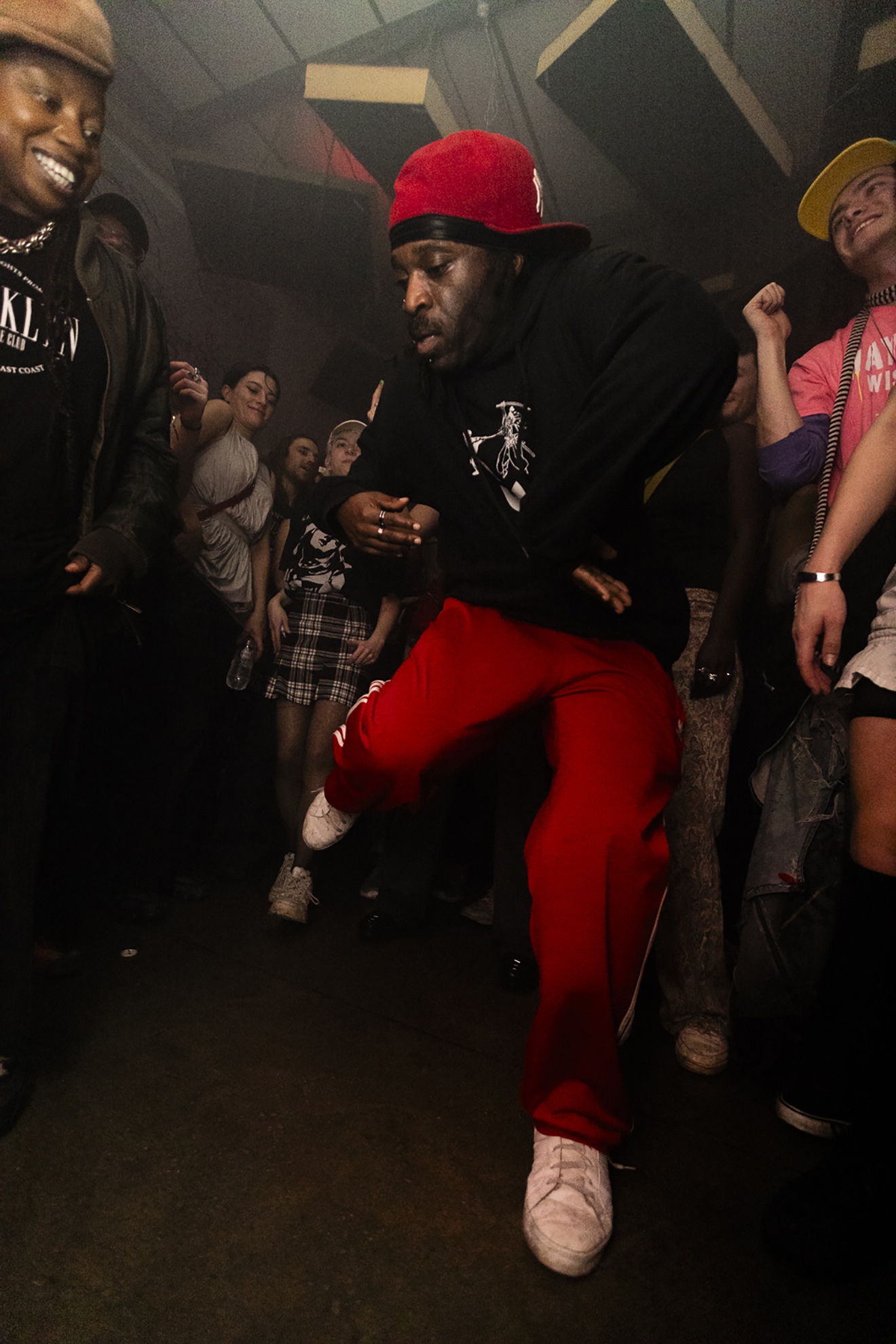
In January, 2026, DJ Rashad’s son DJ Chad is about to make his UK debut at 160 Unity presented by Tropical Waste. He’s celebrating brand new music on Moveltraxx, continuing his father’s legacy and repping Chicago footwork’s next wave with his crew Nulegendz (formed with DJ Corey, the son of footwork OG, DJ Clent). “My earliest memory of discovering footwork and when I got addicted was at age six or seven riding around in the car with my pops and DJ Manny, trax blasting on the stereo. The bass patterns were like a wake up call!” DJ Chad recalls. “The new generation is the most important in my eyes, this generation has a passion, unity and artistic expression I’ve never seen and everyone has a story to tell. A lot of us come from similar backgrounds in Chicago and it makes me proud to see people choosing footwork as their lane. Chicago footwork saves lives, and I can say personally, for a fact, that it saved mine. My generation are the torch holders for now, but the young ones after us are something to pay attention too.” DJ Chad lights up about his impending UK debut. “160 Unity is ‘bout to be one for the books, I promise. I want the dancers to experience mind blowing and body moving vibes. I'm on one for London, words can’t express how I'm going to rock out. Mad love to 160 Unity, I’m gonna make it special.”
Read this next: The Budots Three are leading Filipino dance music’s world takeover
“My proudest moment is watching my son become DJ Corey, making music with DJ Chad the way me, Rashad and Boo created music,” says DJ Clent. As footwork culture continues to make inroads at a rapid pace, he doesn’t feel the genre’s authenticity is at threat, though notes the need for collectivity across the culture. “There’s alway going to be something new, there’s always going to be someone else coming in the game, wanting to make a name for themselves and they’ll have to go through the trenches of the underground to get to the overground,” he says. “Our job is to get along, push the culture forward and tell the truth about its history in interviews and documentaries.”
Having been there from the foundation, ShaDawn ‘Boobie’ Battle echoes the importance of honouring the origins of so that globalisation won’t erase its history. “For me, Chicago footwork is a vernacular dance of resistance. A few years back, I heard people referring to it simply as ‘footwork,’ not Chicago footwork — and I had to speak up about that. I’m praying for even more longevity — for footwork’s cultural staying power. I want the world to recognise it as a valuable dance born in the inner city of Chicago — full of life, tact, skill, and determination. Wherever it goes, I hope footworkers carry that with them.”
DJ Rashad's son DJ Chad makes his UK debut at 160 Unity on January 30, get tickets
Tracy Kawalik is a freelance music journalist, follow her on Instagram
