


Universal Music Japan CEO shares insights on country’s music market in interview
Naoshi Fujikura breaks down how Japan’s superfan culture, physical retail & AI are reshaping its music industry
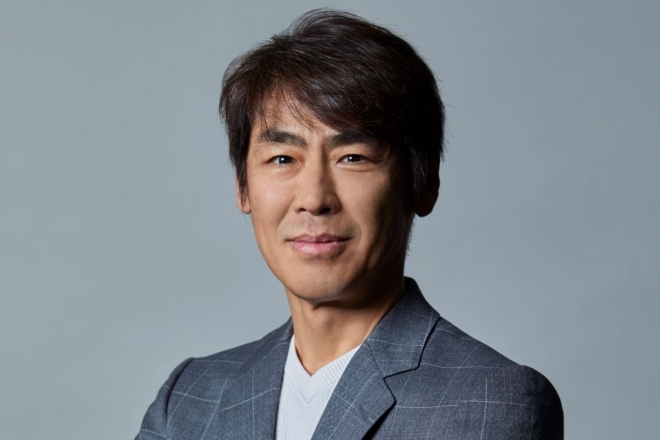
As the CEO of Universal Music Japan for over a decade, Naoshi Fujikura has led the label through a remarkable transformation—tripling its sales and doubling its market share while navigating one of the world’s most unique and complex music markets.
In an interview with Music Business Worldwide, Fujikura opens up about the delicate balancing act of leading in a country where physical CDs still dominate, domestic repertoire overshadows global hits, and superfans are an unstoppable cultural force.
“Looking back at these past 11 years, the most important thing is that we’ve kept making hits continuously,” Fujikura reflects. “The most important part of our success has come from people—both our teams and our artists.”
He shares how Universal Music Japan is deepening artist-fan connections through innovative experiences, including a flagship store in Harajuku that acts as both retail hub and community space.
“This is great for us and for our artists because fans become visible to us, especially in the age of the digital business,” he explains, highlighting the value of both physical and online touchpoints in understanding a cultural force that drives Japan’s music industry: superfans.
“If I could talk about superfans or fandom from a cultural aspect, Japan is quite unique because we have a historical tradition of supporting artistry,” Fujikura says, drawing a link between modern music fandom and centuries-old customs like supporting Kabuki actors.
“These people are not consumers, but supporters […] Historically, we have such a culture within society. These fans are very loyal and committed. Maybe that’s something unique to Japan. Once someone becomes a fan of an artist, they remain a fan for years and years, not just for a trend.”
Read this next: UMG’s Executive Vice President urges artist-centric AI at UN summit
As the digital and physical markets shift, Fujikura is betting on hybrid strategies to maintain fan loyalty while driving growth across streaming platforms and global exports.
He also touches on the role of anime in exporting Japanese music, the lessons learned from partnerships with K-pop companies like HYBE, and the promise (along with the ethical challenges) of AI in music.
“AI if used to help human creativity is a good thing,” he notes. “We just have to make sure it is done respectfully and ethically and does not infringe on artists’ rights.”
Read this next: Electronic music market projected to double in worth to $24.5 billion by 2032
Looking ahead, Fujikura points to a shrinking domestic youth population and a growing global appetite for Japanese content as the two opposing currents shaping the next decade.
“Fundamentally, our job as a music company is to help people listen to our music. Our artists create beautiful, wonderful music, and how we innovate and create new ways to deliver it to fans is our job.”
As Fujikura looks to the future, he’s focused on breaking Japanese talent globally—not just through anime tie-ins or algorithmic virality, but by investing in artistry that travels, stating “We want to make absolute stars, not just anime hit artists.”
Read the entire interview here.
Amira Waworuntu is Mixmag Asia’s Managing Editor, follow her on Instagram.
Cut through the noise—sign up for our weekly Scene Report or follow us on Instagram to get the latest from Asia and the Asian diaspora!
