


Thailand’s ambiguous alcohol laws spark confusion among stakeholders
Frequent rule changes, including temporary voting-period bans, are said to be are impacting hospitality revenue & raising concerns about policy inconsistency
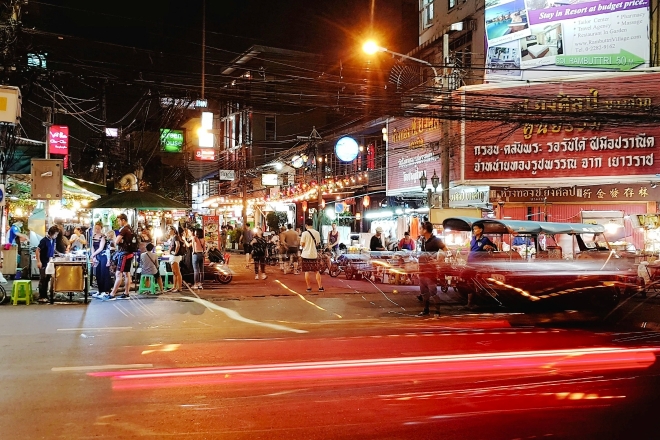
Thailand’s new alcohol laws, intended to boost tourism and maintain public order, are causing confusion, driving down sales, and risking the country’s destination image, say restaurateurs.
Since 1972, Thailand has enforced alcohol restrictions banning sales from 2pm to 5pm, to people under 20, and to anyone unconscious from alcohol, with certain exemptions.
Airports handling international flights, hotels, and licensed entertainment venues have long operated under separate rules and their own permitted hours.
However, in November 2025, the Alcoholic Beverage Control Committee of Thailand enacted a new law temporarily lifting the alcohol ban for 180 days and broadening the criteria for alcohol sales.
Set to end in late May, the trial period continues to prohibit the sale of alcohol to anyone considered drunk. This requires venues to assess patrons and evaluate their level of intoxication. However, the guidelines are not expected to be published until March, despite the ban having been lifted in November 2025.
As a result, establishments would have only two months to comply with the guidelines, even though they may be in effect for approximately three months, unless further changes are introduced.
Read this next: Labubu-shaped combination pills seized in Koh Phangan
The intoxication evaluation may include tests such as the walk-and-turn, finger-to-nose, and one-leg stand tests, plus require individuals to walk heel-to-toe in a straight line for 10 steps, turn around and repeat.
The new laws imply that establishments must prove they have tested customers or observed signs of alcohol intoxication, which may require CCTV as evidence, adding to sellers operational costs and responsibilities. Non-compliance can result in fines of up to THB100,000 (over US$3000) and imprisonment for up to one year.
Read this next: Global alcohol industry loses billions as Gen Z reshapes drinking & social habits
Frequent changes in alcohol sale permissions are also creating discontent among establishments.
Earlier this month, as Thailand went through an advanced voting period, alcohol sales were prohibited, resulting in a reported 30% drop in sales for some establishments, with others experiencing losses of up to 50%.
While the country's new alcohol laws are intended to boost tourism, industry experts have mentioned that changes in alcohol permissions during peak seasons can have long-term repercussions for Thailand’s tourism.
[Via: Bangkok Post]
Daniela Solano is a freelance writer for Mixmag Asia, follow her on Instagram here.
Cut through the noise—sign up for our weekly Scene Report or follow us on Instagram to get the latest from Asia and the Asian diaspora!
