


Narcotics agency pushes for tighter regulation on vapes & nitrous oxide in Indonesia
Lab tests found nearly a quarter of vape liquid samples contained narcotics; every sample tested during investigations came back positive
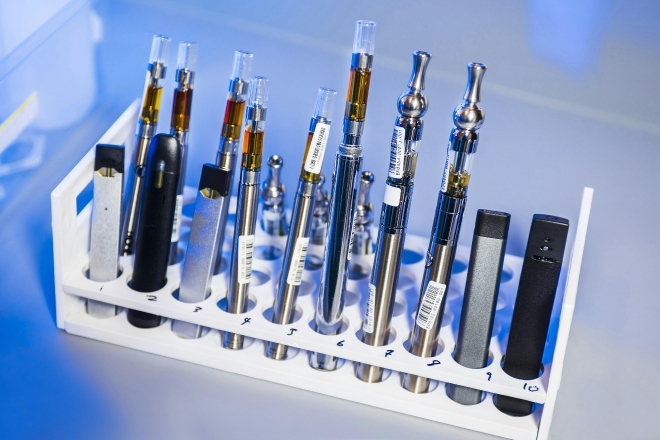
Indonesia’s National Narcotics Agency (Badan Narkotika Nasional/BNN) is intensifying calls for tighter regulation of electronic cigarettes and vapes, citing growing concerns over drug abuse and public health risks.
According to Tempo, the push gained momentum during a Focus Group Discussion held on February 18 at the BNN headquarters, which examined the regulation of vapes.
Beyond that, BNN also raised concerns about the misuse of nitrous oxide, commonly sold as whipped cream chargers.
Nitrous oxide has come under scrutiny following the recent death of an Indonesian influencer who was found with a canister of the gas in her apartment, prompting the Health Ministry and the Food and Drug Monitoring Agency (BPOM) to tighten oversight.
BNN head Commissioner General Suyudi Ario Seto said traffickers increasingly exploit vapes as a delivery method for narcotics.
“Indonesia must not become a dumping ground for products prohibited in other countries,” he said, pointing to regional bans already in place across Southeast Asia.
Singapore, Maldives and Thailand have outlawed the import and sale of e-cigarettes and vapes, while Malaysia is preparing legislation to prohibit their circulation.
Hong Kong is also planning to enforce a ban on “alternative smoking products”, which include heated tobacco sticks and e-liquid.
In December 2023, the World Health Organization also urged governments to take firmer action on regulating e-cigarettes, which it claims to have been “aggressively marketed to young people”.
Indonesia has introduced oversight measures, including Regulation Number 19 of 2025 issued by the Food and Drug Monitoring Agency (BPOM). However, Seto said enforcement gaps remain while vapes are still legally sold, adding that the chemical liquids used in e-cigarettes pose health risks even without narcotic content.
Read this next: Singaporean arrested in Thailand for allegedly supplying drug-laced “Kpods”
These concerns were reinforced by Supianto, head of the BNN Narcotics Laboratory Centre, who reported that laboratory tests found 23.97 percent of 438 vape liquid samples contained narcotics, while all samples examined during investigations tested positive.
Substances detected include etomidate, marijuana, ecstasy, methamphetamine and tetrahydrocannabinol.
Indonesia’s Law Number 25 of 2009 on Narcotics prohibits the unlawful possession, use, production, import, export, distribution, and trafficking of narcotics (with limited exceptions for medical/scientific purposes) and imposes criminal penalties from imprisonment and fines to life sentences or death for serious offences.
“We recommend that vapes should eventually be banned, similar to other countries,” Supianto mentioned.
Read this next: 69% of Gen Z use drugs "daily or weekly" to cope with work stress
BNN officials also pointed to rising usage rates.
Data from the Global Adult Tobacco Survey (GATS) Indonesia Report 2021 shows vape use increased tenfold over a decade, from 0.3 percent in 2011 to 3 percent in 2021.
In regards to nitrous oxide, while legal for medical and culinary use, Suyudi warned that recreational inhalation carries serious neurological risks and can be fatal.
Amira Waworuntu is Mixmag Asia’s Managing Editor, follow her on Instagram.
Cut through the noise—sign up for our weekly Scene Report or follow us on Instagram to get the latest from Asia and the Asian diaspora!
