


A look inside Miu Miu’s intimate Tokyo Jazz Club night
The Italian luxury fashion house staged a night across two historic venues celebrating Japan’s jazz & kissaten heritage, filmed by Nick Dwyer
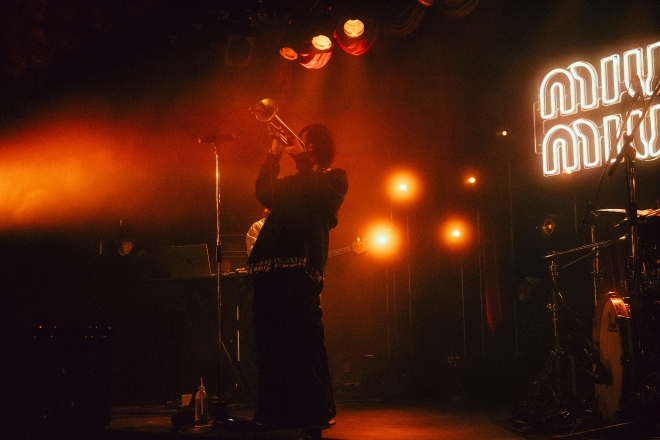
On May 13, Italian luxury fashion house Miu Miu held its Jazz Club event in Tokyo, tied to the reopening of its Ginza flagship.
After a cocktail reception at the new store, attendees were invited to two separate venues for the musical programme. The first was Dance Hall Shinseiki, a preserved Showa-era ballroom drawing on Japan’s kissaten listening café tradition and the city's late-night vintage nightlife.
The second was Tokyo Kinema Club, where cabaret and early film culture provided the backdrop for a more immersive experience, culminating in an afterparty.
The event was framed around two Japanese concepts: ma (間), the artistic pause, and shizen (自然), natural emergence, both of which map intuitively onto jazz’s relationship with space and improvisation.
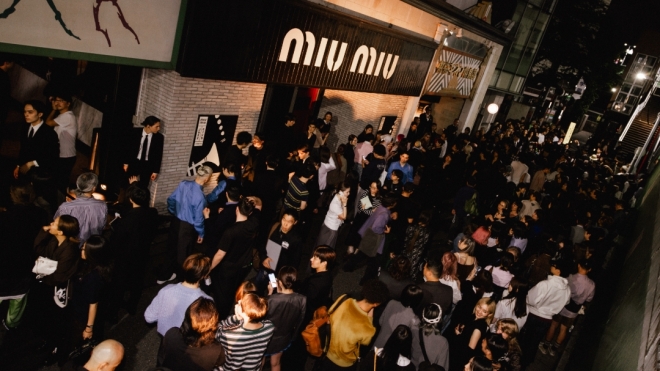
At Dance Hall Shinseiki, the line-up moved through distinct sonic territories.
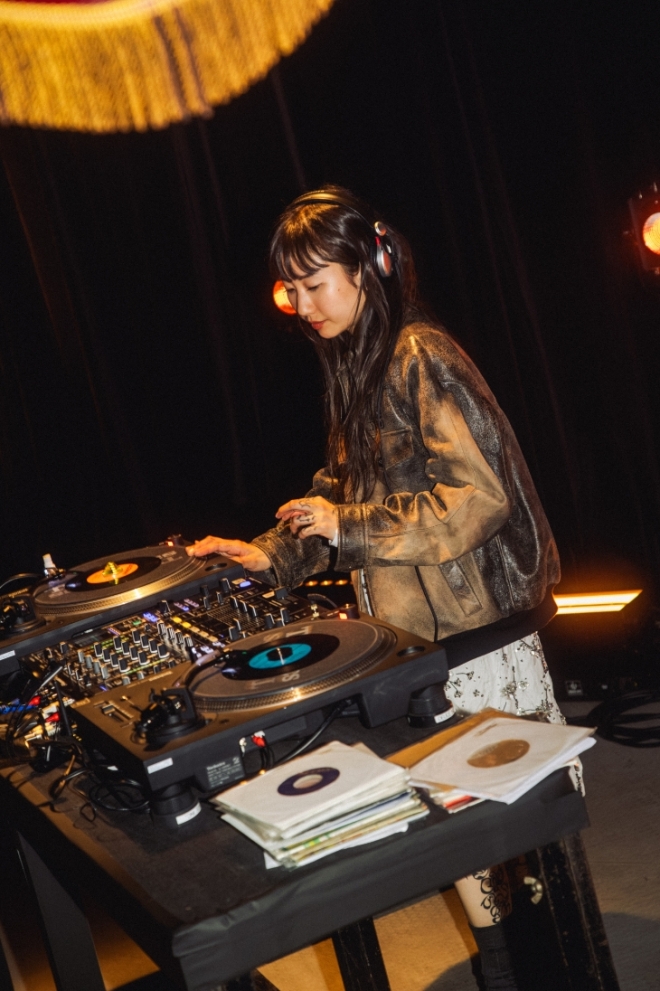
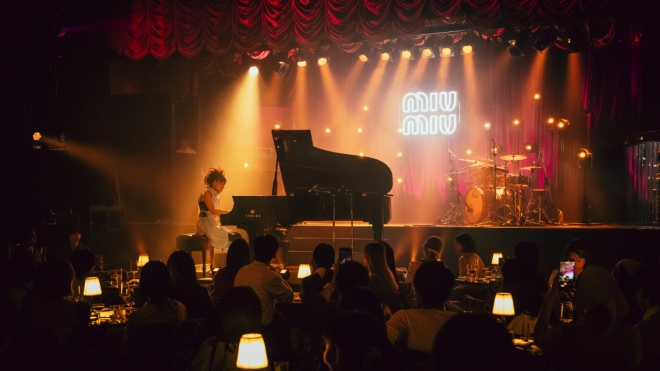
Tokyo-based multi-instrumentalist Lily opened with a selection deep house, jazz and soul. Hokkaido-born trumpeter, singer-songwriter and producer Reiya Terakubo followed with a live set rooted in jazz but filtered through hip hop, funk and R&B. Grammy-winning pianist and composer Hiromi Uehara closed the ballroom programme with her captivating performance.
The night then moved to Tokyo Kinema Club for the afterparty, headlined by British singer-songwriter Arlo Parks.

The post-event film was directed by Nick Dwyer, the New Zealand filmmaker behind A Century in Sound, who has spent years documenting the city’s music scene.
“Tokyo is often filmed through extremes — neon, chaos, hyper-aestheticism — but the city is infinitely more layered than that,” he tells Mixmag Asia, adding “Anyone who lives here knows there are an infinite number of Tokyos, and the one I inhabit is thankfully a far cry from cliché and hype.”
Read this next: Sound as Medicine: the ancient roots of sonic healing in Asia
That sensibility carries into how he approached Uehara and Terakubo as two artists who occupy different positions within Japanese jazz.
“Reiya is one of the most exciting young jazz artists emerging in Japan right now, and he's searching for his own unique way of contributing to this incredible 70-year history of Japanese jazz. There’s a hunger and curiosity to what he does that feels very exciting to witness,” Dwyer says.

Read this next: The Mixmag Asia Music Guide: Japan
Of Uehara, he adds: “Watching her play live is almost an exercise in transcendence. There’s this extraordinary energy and mastery that completely pulls you in, and I hope viewers can feel even a small part of that experience through this film.”
“In terms of bringing them together cinematically, I think what connects them is a shared devotion to music. They may represent very different moments and expressions within Japanese jazz, but both have dedicated themselves completely to their craft,” he concludes.
Watch the full aftermovie below.
Amira Waworuntu is Mixmag Asia’s Managing Editor, follow her on Instagram.
Cut through the noise—sign up for our weekly Scene Report or follow us on Instagram to get the latest from Asia and the Asian diaspora!
